
How automotive ergonomic design affects comfort and cost
Automotive ergonomic design directly influences comfort, safety, durability, and ownership cost across modern vehicle programs. It shapes how seats, controls, restraints, and cabin interfaces support the body during daily use.
In the broader mobility equipment sector, ergonomic decisions also affect component complexity, warranty risk, assembly efficiency, and long-term replacement cycles. Better design often lowers hidden costs rather than raising them.
For platforms involving smart seating, lightweight structures, and passive safety integration, automotive ergonomic design becomes a practical engineering discipline. It connects human factors with material selection, compliance, and lifecycle performance.
Definition and core scope of automotive ergonomic design
Automotive ergonomic design is the process of aligning vehicle interiors with human dimensions, posture, motion, perception, and fatigue limits. Its goal is to create comfortable, intuitive, and safe cabin interactions.
The discipline covers seat contour, cushion stiffness, lumbar support, head restraint position, pedal reach, steering wheel adjustment, visibility, belt routing, and access to switches or displays.
It also includes thermal comfort, vibration isolation, ingress and egress, and support during acceleration or collision events. Good automotive ergonomic design therefore crosses comfort engineering and safety engineering.
In vehicle development, ergonomic quality cannot be separated from body stampings, seat structures, airbags, and seatbelt systems. Every subsystem influences occupant posture and physical containment performance.
Why it matters beyond comfort
Comfort is the visible outcome, but the cost impact appears across tooling, testing, durability, rework, warranty claims, and brand retention. Poor ergonomic choices often create expensive downstream corrections.
- Better posture support can reduce foam breakdown and trim wear.
- Improved control reach can cut distraction and user complaints.
- Integrated restraint geometry can improve safety test consistency.
- Smarter adjustability can reduce variant complexity if designed early.
Current industry signals shaping cabin decisions
The mobility sector is moving toward lighter bodies, smarter cabins, and stricter safety expectations. These trends make automotive ergonomic design more important in both premium and mass-market vehicles.
Electrification adds new packaging opportunities, yet it also changes seating posture, floor height, and vibration patterns. Digital interfaces further increase the need for intuitive reach and low cognitive load.
Global compliance attention also matters. Crash ratings, seat strength rules, and occupant protection standards increasingly reward early coordination between ergonomics, safety architecture, and structural engineering.
How automotive ergonomic design affects comfort outcomes
Comfort depends on pressure distribution, spinal alignment, micro-movement support, and vibration control. Effective automotive ergonomic design balances these factors instead of optimizing only softness or appearance.
Seat geometry and body support
Seat height, cushion angle, bolster shape, and backrest curvature determine whether occupants maintain neutral posture. Small geometry errors can cause thigh pressure, shoulder tension, or lower-back fatigue.
A well-designed seat pan supports circulation while keeping the pelvis stable. Adjustable lumbar features improve comfort across body sizes and extend perceived cabin quality during long travel.
Control layout and cognitive ease
Comfort is not only physical. Switches, displays, and steering controls should require minimal stretch and minimal mental effort. Poor layout increases repeated motion and visual distraction.
This is especially relevant in vehicles with large infotainment systems. Automotive ergonomic design should preserve fast access to common functions, even when digital interfaces dominate the dashboard.
Climate and vibration interaction
Smart seating systems now combine heating, ventilation, sensing, and active adjustment. These features improve thermal comfort, yet they must not compromise support, durability, or serviceability.
Likewise, seat structures and foam layers should manage road vibration. Good damping reduces fatigue and supports a premium experience without requiring excessive material use.
How automotive ergonomic design affects cost across the lifecycle
The cost effect of automotive ergonomic design begins in development and continues through production, warranty, replacement, and residual value. It is a lifecycle issue, not just an initial BOM issue.
Development and tooling cost
Late ergonomic changes are expensive because they alter frames, foam tools, trim patterns, belt anchorage paths, and interior packaging. Early simulation and mock-up testing reduce these engineering loops.
When seat, body, and restraint teams work together from the start, fewer corrective prototypes are needed. That saves validation time and lowers integration risk.
Manufacturing and assembly efficiency
Well-planned automotive ergonomic design can simplify assembly paths and reduce tolerance conflicts. Better component fit often leads to fewer rattles, better trim alignment, and lower rework rates.
Modular seat architectures also help. Shared substructures can support multiple trim levels if comfort-critical dimensions remain consistent across variants.
Warranty and maintenance exposure
Poor support design may cause premature foam collapse, heating element stress, motor overload, or trim abrasion. These failures create warranty cost even when safety is not compromised.
By contrast, balanced load paths and durable materials extend service life. The result is fewer replacements and more stable ownership cost.
Typical application areas and component categories
Automotive ergonomic design appears in many cabin decisions, but several component groups have the greatest influence on both comfort and cost outcomes.
Practical guidance for better ergonomic and cost balance
A strong approach to automotive ergonomic design requires measurable targets, cross-functional validation, and material choices that support both comfort and durability.
- Define occupant size ranges early using realistic market data.
- Test seat pressure maps, vibration response, and long-duration posture.
- Align seat geometry with belt and airbag positioning from the start.
- Evaluate lightweight materials for stiffness, fatigue, and repair impact.
- Limit unnecessary adjustability where it adds cost without clear comfort gains.
- Review service access for motors, sensors, heaters, and trim parts.
It is also useful to compare short-term material savings against warranty exposure. A cheaper foam or frame design may create larger costs through sagging, noise, or discomfort claims.
Action path for evaluating future cabin programs
Automotive ergonomic design should be assessed as a system, not as an isolated seat feature. Cabin comfort, passive safety, structure, and digital usability must work together.
A practical next step is to review current components against three filters: occupant support quality, integration with safety systems, and total lifecycle cost. This reveals where redesign creates the strongest return.
For organizations tracking smart seating, lightweight bodies, and restraint technologies, this system view is increasingly valuable. It supports better sourcing, stronger compliance outcomes, and more durable cabin performance.
In the end, effective automotive ergonomic design improves user comfort while controlling cost through better engineering discipline. That makes it a strategic factor in modern mobility equipment development.
Related News

How to Specify Integrated Marine Electronics for Reliable Bridge Operations
Integrated marine electronics: learn how to specify reliable bridge systems with clear data flows, redundancy, alarm control, lifecycle interfaces, and operational testing.

How to Evaluate Navigation Radar Manufacturers for Commercial Vessel Projects
Navigation radar manufacturers: learn how to compare performance, compliance, integration, support, and lifecycle cost for commercial vessel projects.
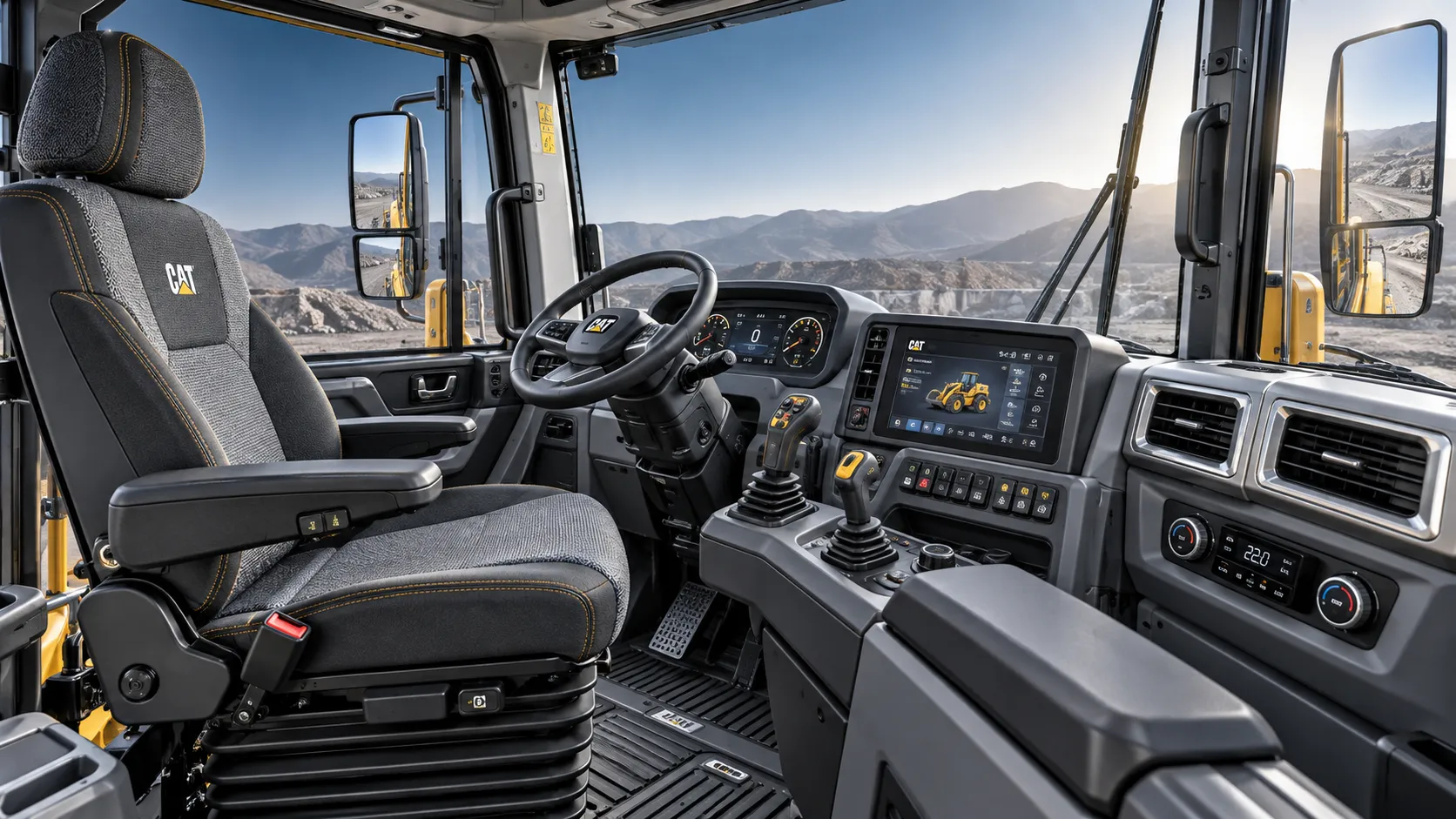
How Adjustable Cabin Ergonomics Reduce Operator Fatigue in Long-Shift Vehicles
Adjustable cabin ergonomics reduces operator fatigue through better seating, reach, visibility, vibration control, and climate comfort for safer long-shift vehicles.
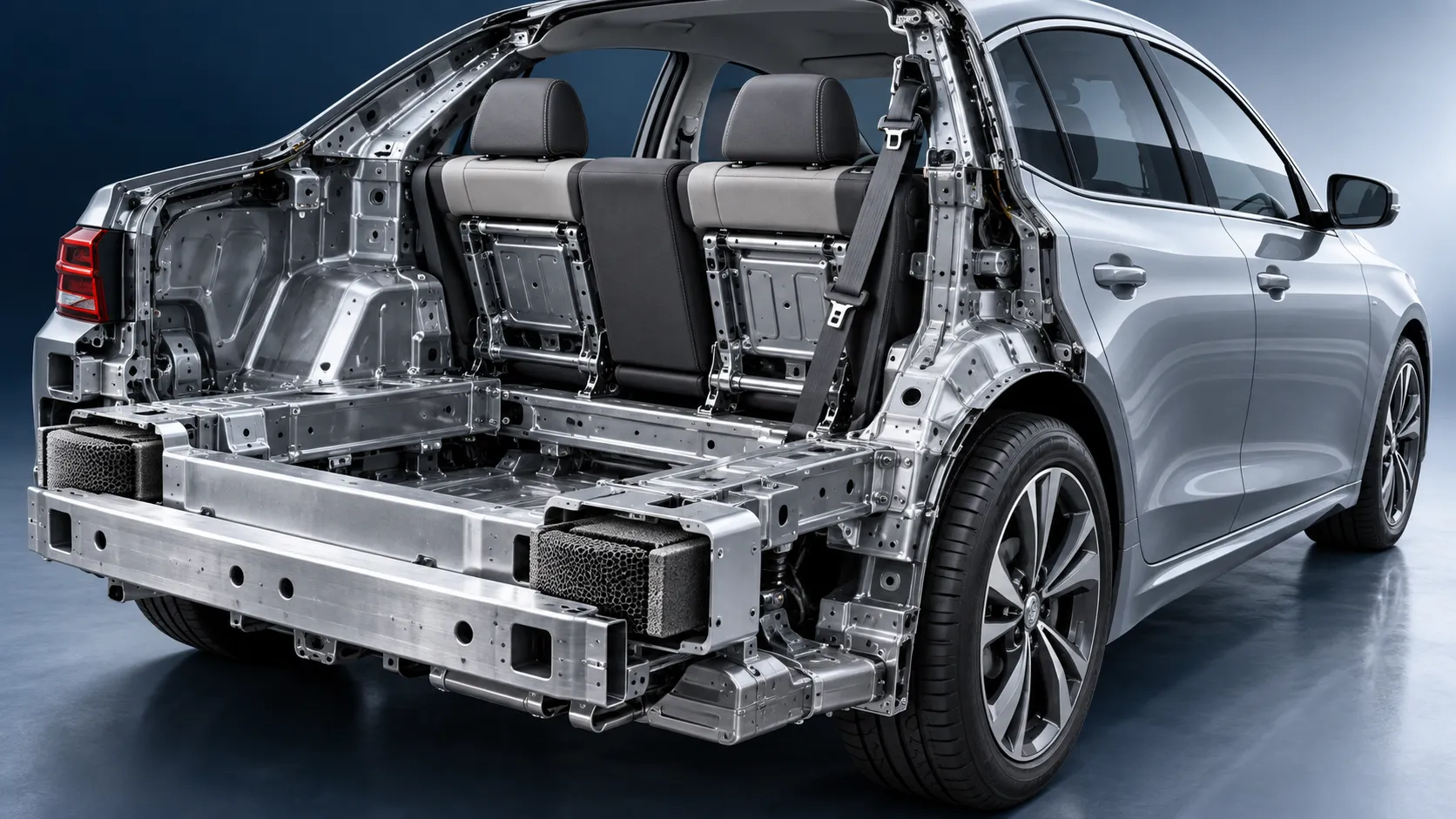
How Rear-Impact Safety Components Work Together to Protect Vehicle Occupants
Explore how automotive safety components for rear impact work together—from crash structures and seats to head restraints and belts—to enhance occupant protection.

How to Evaluate a Marine Safety Systems Manufacturer for Vessel Compliance and Reliability
Marine safety systems manufacturer evaluation guide: verify compliance, engineering quality, lifecycle costs, and global service support for safer, reliable vessel operations.
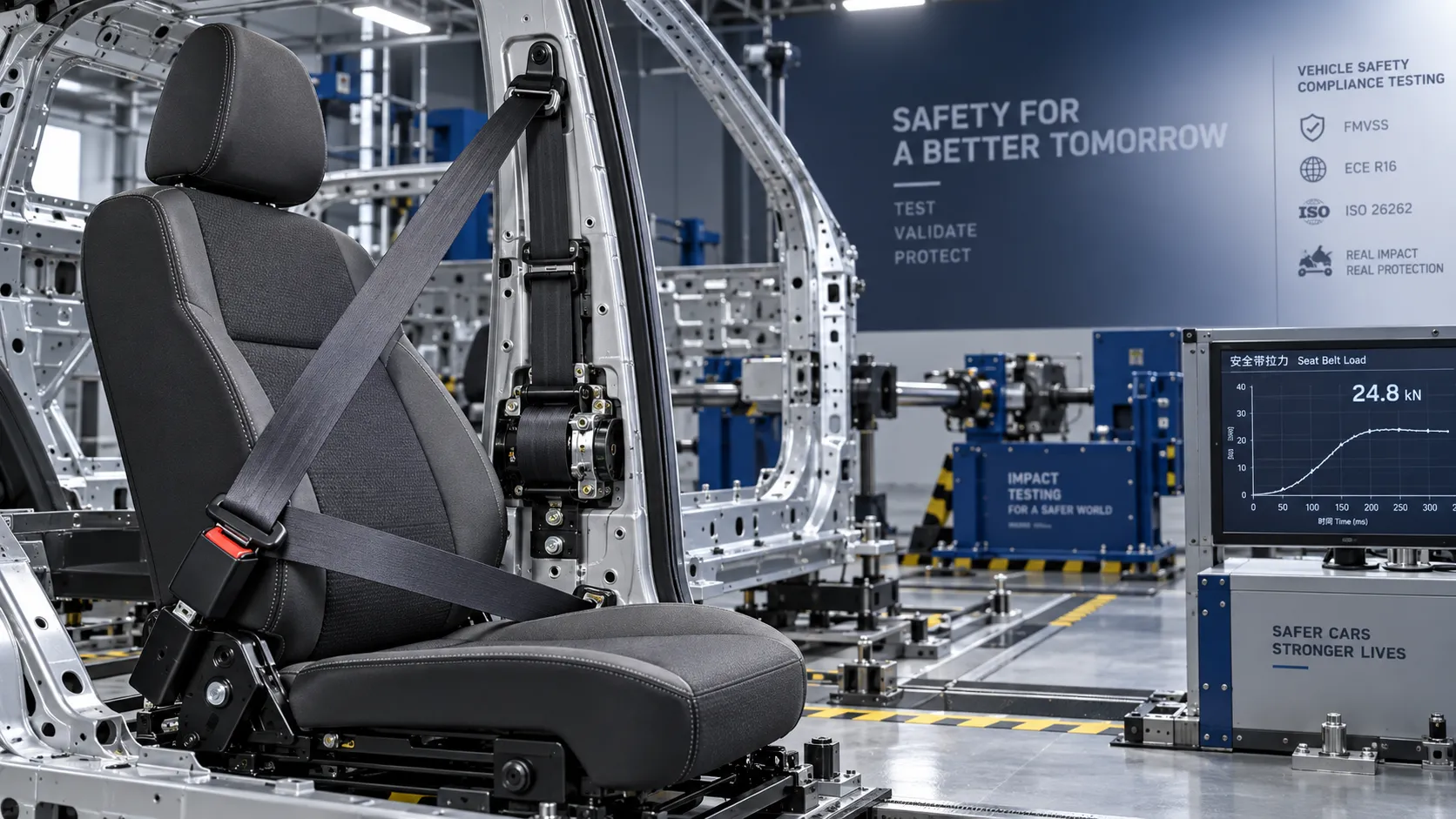
Crash Test Regulations for Seatbelts: Key Compliance Requirements Explained
Crash test regulations seatbelts explained: explore FMVSS, UN rules, anchorage strength, and dynamic restraint testing for safer, compliant vehicle systems.
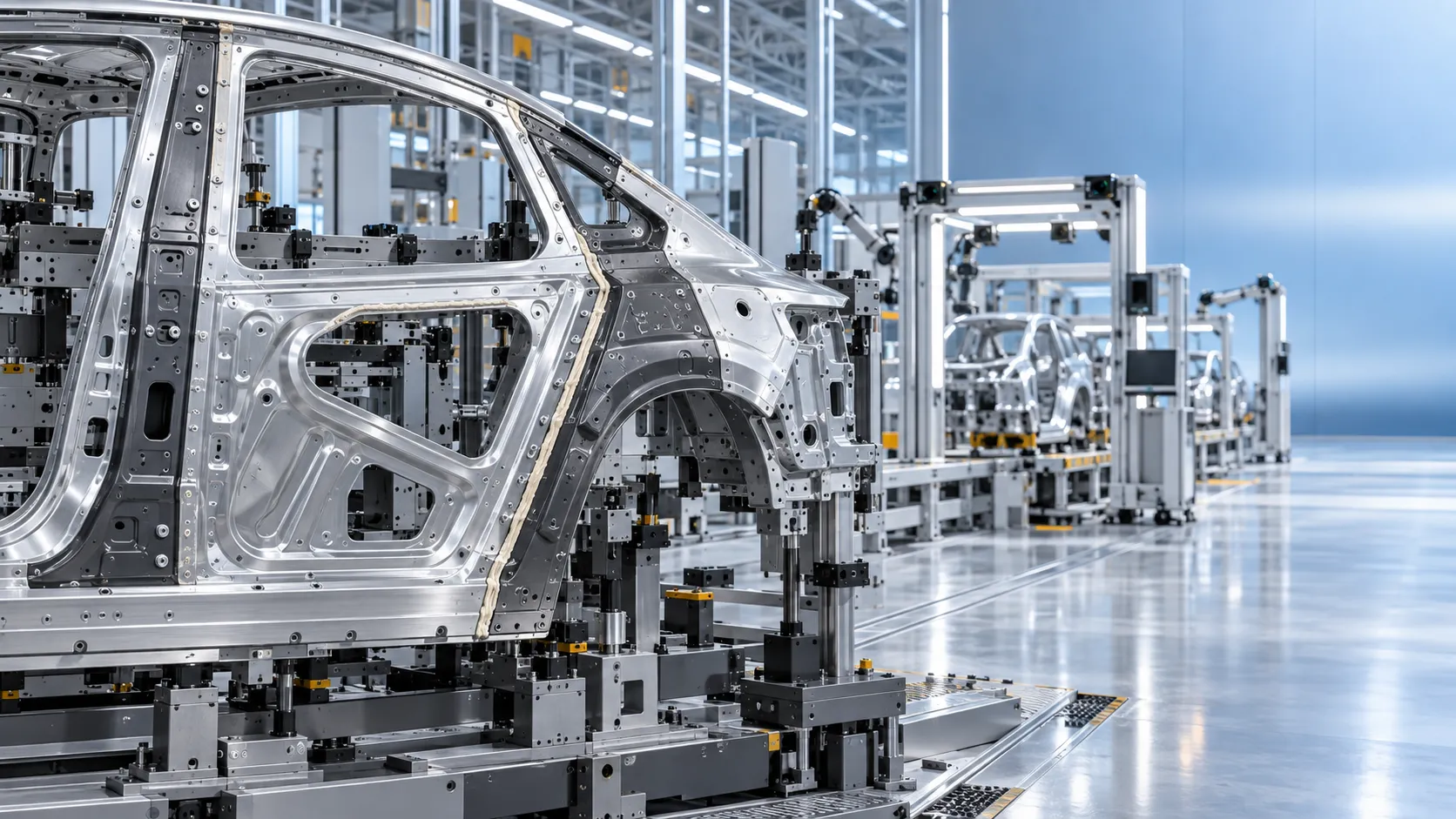
How to Calculate the Total Cost of Automotive Lightweighting for a Vehicle Program
Automotive lightweight solutions cost: learn how to calculate program-level costs, including materials, tooling, joining, validation, risk, and vehicle-level value.
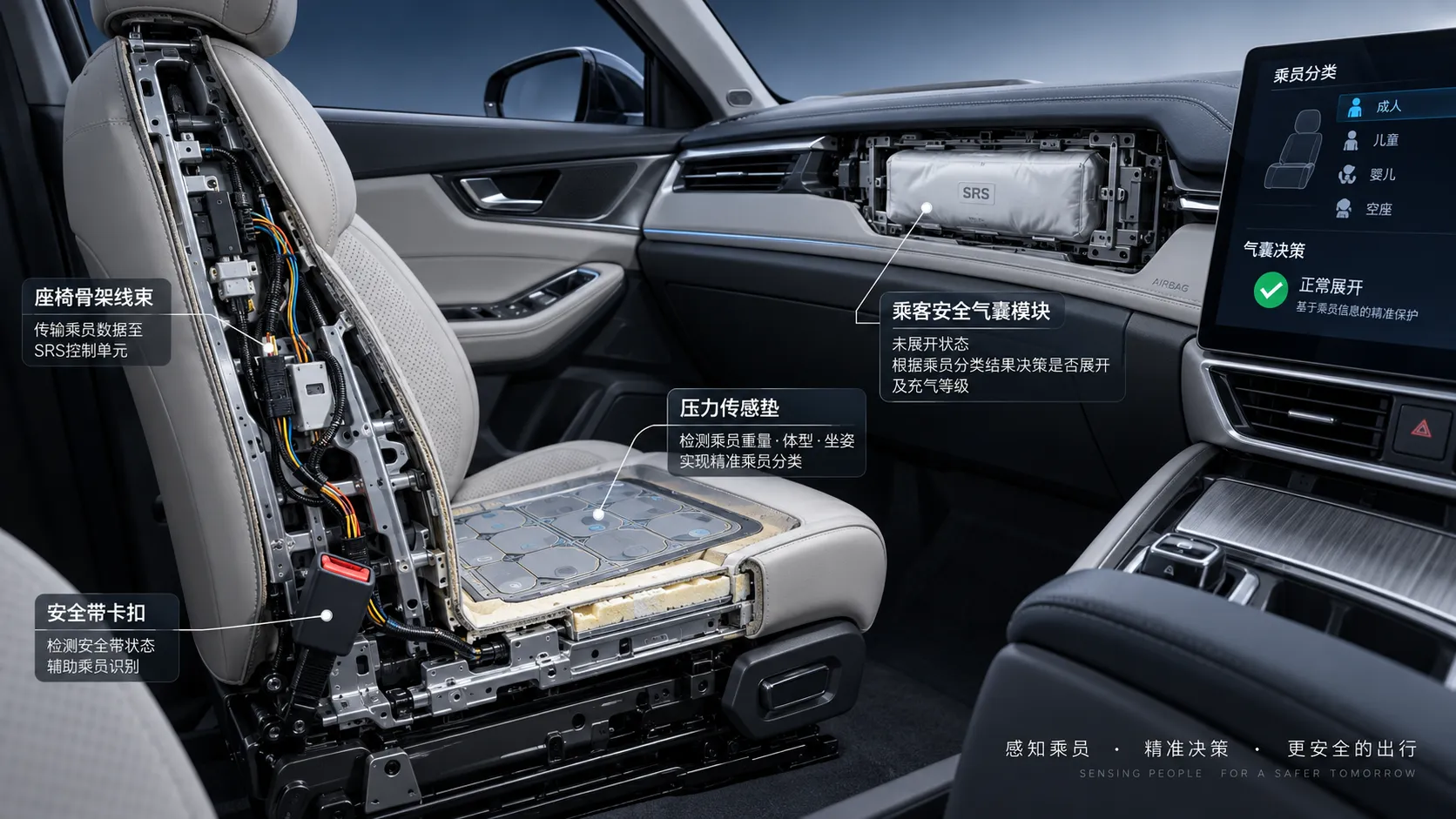
How Automotive Seat Occupancy Sensing Improves Airbag Deployment Decisions
Automotive seat occupancy sensing helps optimize airbag deployment decisions, improving passenger classification, safety diagnostics, and compliance across real-world conditions.
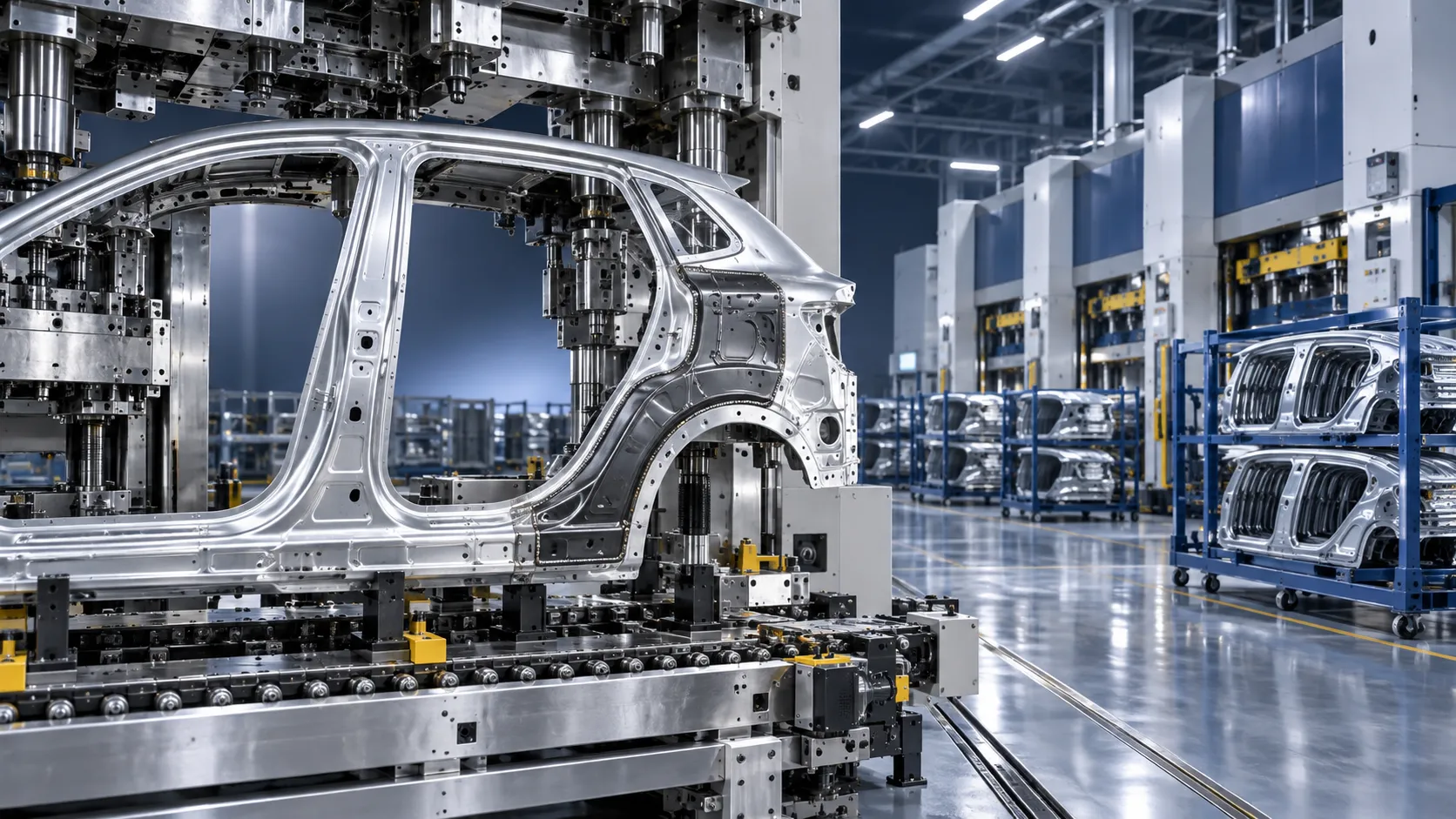
What Drives Lightweight Body Component Costs in High-Volume Vehicle Programs?
Lightweight body components cost depends on material yield, forming, joining, tooling, validation, and logistics. Explore proven ways to optimize total vehicle program cost.
Related News
- 00
0000-00
How to Define Component Specifications for Ergonomic Seating Systems - 00
0000-00
How to Evaluate Automotive Seat Assemblies for EVs by Weight, Safety, and Packaging - 00
0000-00
How to Evaluate a Seat Structures Exporter for OEM Programs: Capacity, Compliance, and Tooling - 00
0000-00
Sensor-Based Smart Seating Solutions: Key Features for Automotive Seat Design - 00
0000-00
What Drives Automotive Ergonomics Cost? Design Inputs, Testing Scope, and Tooling Factors
Weekly Insights
Stay ahead with our curated technology reports delivered every Monday.