
How automotive ergonomic design shapes driver comfort
Automotive ergonomic design plays a decisive role in how drivers feel, focus, and stay protected on every journey. It connects body posture, seat architecture, restraint behavior, reach zones, visibility, and interface logic into one usable system.
In modern mobility, comfort is no longer a soft feature. It affects fatigue, reaction time, perceived quality, and even long-term musculoskeletal health. That is why automotive ergonomic design now matters across safety engineering, lightweight structures, and intelligent cabin development.
For observers of navigation, passive safety, and smart seating, this topic sits at the intersection of human factors and mechanical precision. Understanding it helps explain why better cabins improve both everyday usability and crash protection outcomes.
What does automotive ergonomic design actually include?
Automotive ergonomic design is the practice of shaping the vehicle around human movement, body dimensions, and cognitive behavior. It is not limited to cushions or luxury features.
It usually includes seat geometry, backrest contour, head restraint position, steering wheel reach, pedal spacing, mirror visibility, display placement, and climate interaction. Every element influences comfort and control.
A well-executed automotive ergonomic design also coordinates with passive safety systems. Seatbelts, airbags, seat frames, and occupant sensing need correct body positioning to perform as intended.
This makes ergonomic design a cross-functional discipline. It brings together cabin engineering, biomechanics, lightweight materials, digital sensing, and compliance targets such as IIHS or E-NCAP related occupant performance expectations.
- Physical fit: posture, pressure, lumbar support, ingress, and egress
- Operational fit: reach, visibility, switch logic, and driver workload
- Protective fit: belt routing, head support, seat stability, and airbag interaction
How does automotive ergonomic design shape driver comfort on long trips?
Long-distance comfort depends on how evenly the cabin supports the body over time. Small pressure peaks can become major fatigue points after hours of driving.
Seat cushion length matters because short cushions under-support the thighs. Overly long cushions can compress the knees and reduce circulation. Good ergonomic tuning balances both effects.
Lumbar support is another major factor. When the lower back lacks support, muscles work harder to stabilize posture. That creates stiffness, discomfort, and reduced concentration.
Backrest angle also matters. A slightly reclined, supported posture can reduce spinal loading. However, too much recline may weaken steering control and distort belt positioning.
Automotive ergonomic design improves comfort by managing micro-movements. Good seats let the body adjust naturally without forcing awkward compensation from shoulders, hips, or ankles.
Thermal comfort is equally important. Ventilated foam structures, breathable surfaces, and micro-climate control reduce sweating and irritation. That helps drivers stay alert, especially in dense traffic or hot weather.
Key comfort signals to evaluate
- Numbness in legs after one hour
- Shoulder tension during steering corrections
- Lower back ache during highway driving
- Neck strain from head restraint mismatch
- Frequent posture shifting to relieve pressure
Why is automotive ergonomic design closely tied to safety?
Comfort and safety are often treated separately, but they depend on the same body position. If the driver sits poorly, the restraint system may also work less effectively.
Proper seat height improves sightlines and hazard detection. Proper pedal distance reduces delayed braking caused by overstretched or cramped leg positions. Both are ergonomic and safety gains.
Seatbelt geometry is critical. A belt should lie across the shoulder and pelvis, not the neck or soft abdomen. Automotive ergonomic design helps maintain that alignment through seat contour and anchor location.
Head restraint placement is another example. A restraint set too low or too far back can increase whiplash risk. Good design reduces that gap while preserving comfort and rear visibility.
In crash events, the seat structure must absorb and transfer loads predictably. Lightweight seat frames, magnesium alloys, high-strength steel components, and smart sensing all depend on accurate occupant positioning.
This explains why advanced seating is now part of broader cabin safety thinking. It links passive safety components with everyday driving posture, not just with collision scenarios.
Which cabin elements most influence automotive ergonomic design quality?
Seat design remains the foundation, but the full ergonomic result depends on the relationship between several cabin zones. A good seat cannot compensate for poor interface layout.
1. Seating system
This includes cushion density, suspension behavior, side bolsters, lumbar range, head restraint travel, and seat track adjustment. Smart seats increasingly add posture memory and occupant sensing.
2. Driving controls
Steering wheel tilt and telescopic travel should support relaxed elbows and stable hand placement. Pedals need consistent spacing and resistance for predictable movement under stress.
3. Displays and interfaces
Screens placed too low or too far away increase eye-off-road time. Clear information hierarchy reduces cognitive load. Ergonomic design should simplify action, not add visual clutter.
4. Entry, exit, and spatial packaging
Door opening angle, sill height, roofline, and footwell shape affect everyday ease. Good automotive ergonomic design supports older occupants, taller users, and frequent stop-and-go use cases.
5. Climate and material surfaces
Touch surfaces influence fatigue more than many expect. Materials with poor breathability, harsh edges, or unstable temperature responses can undermine an otherwise strong ergonomic package.
How can automotive ergonomic design be evaluated or compared?
A practical evaluation should combine static fit, dynamic comfort, and safety alignment. Looking only at softness or visual styling often leads to misleading conclusions.
For a more realistic comparison, evaluate the cabin after at least forty minutes of driving. Short showroom impressions rarely reveal pressure buildup or awkward shoulder loading.
It also helps to compare how different body sizes fit the same seat. Strong automotive ergonomic design should support a wide occupant range without excessive adjustment compromises.
What are the most common mistakes and misconceptions?
One common mistake is assuming softer seats are always better. Excessive softness may reduce support, increase body sinking, and create unstable posture during cornering or emergency maneuvers.
Another misconception is that ergonomic design only benefits premium vehicles. In reality, thoughtful geometry and control layout can improve comfort significantly without extreme cost.
A third mistake is overlooking restraint integration. A visually appealing seat can still perform poorly if seatbelt routing, head restraint position, or airbag interaction are not properly coordinated.
Overcomplicated digital interfaces also create ergonomic problems. Touch-only systems may look modern, but they can raise cognitive demand and reduce intuitive operation while driving.
How is automotive ergonomic design evolving with smart seating and mobility trends?
The future of automotive ergonomic design is becoming more data-driven. Smart seating systems can monitor occupancy, posture changes, belt use, and thermal conditions in real time.
This creates new possibilities for adaptive support. Seats may automatically adjust lumbar pressure, cushion angle, or ventilation based on trip length, road conditions, or occupant profile.
Lightweight structures are also changing cabin engineering. Advanced metals and composites help reduce mass, but they must preserve stiffness, comfort behavior, and crash load management.
As vehicles gain more digital features, ergonomic design will increasingly focus on cognitive simplicity. The best cabins will reduce driver workload while maintaining tactile clarity and strong safety integration.
For platforms influenced by precision perception and containment protection, this direction is especially relevant. Smart seats, passive safety hardware, and cabin intelligence are no longer separate stories.
Conclusion: what should be the next step when assessing automotive ergonomic design?
Automotive ergonomic design shapes driver comfort by aligning the cabin with real human needs. It improves posture, reduces fatigue, supports concentration, and strengthens the effectiveness of safety systems.
The most useful approach is to assess comfort, control, and protection together. Seat feel alone is not enough. Look at posture support, restraint fit, interface clarity, and long-trip behavior.
As intelligent seating, lightweight structures, and passive safety continue to evolve, automotive ergonomic design will remain central to cabin innovation. It is one of the clearest indicators of real mobility quality.
For deeper insight, track how seating systems, belt technologies, crash standards, and cabin sensing develop together. That combined view reveals where future comfort and protection will truly be defined.
Related News
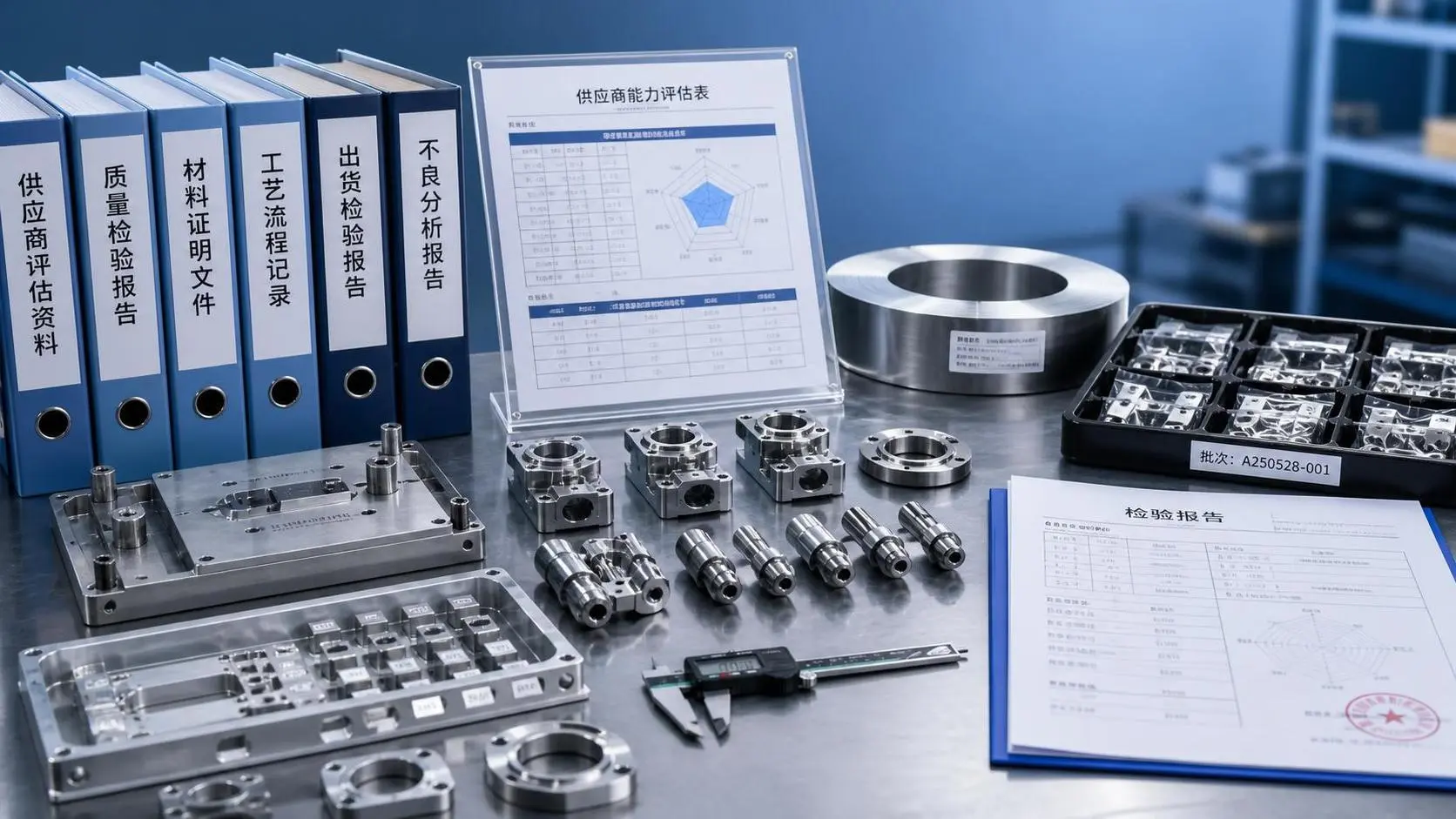
Supplier Capability Evaluation Process: Key Criteria for B2B Sourcing Decisions
Supplier capability evaluation process explained: learn the key criteria for B2B sourcing decisions, reduce supplier risk, and choose partners with confidence.
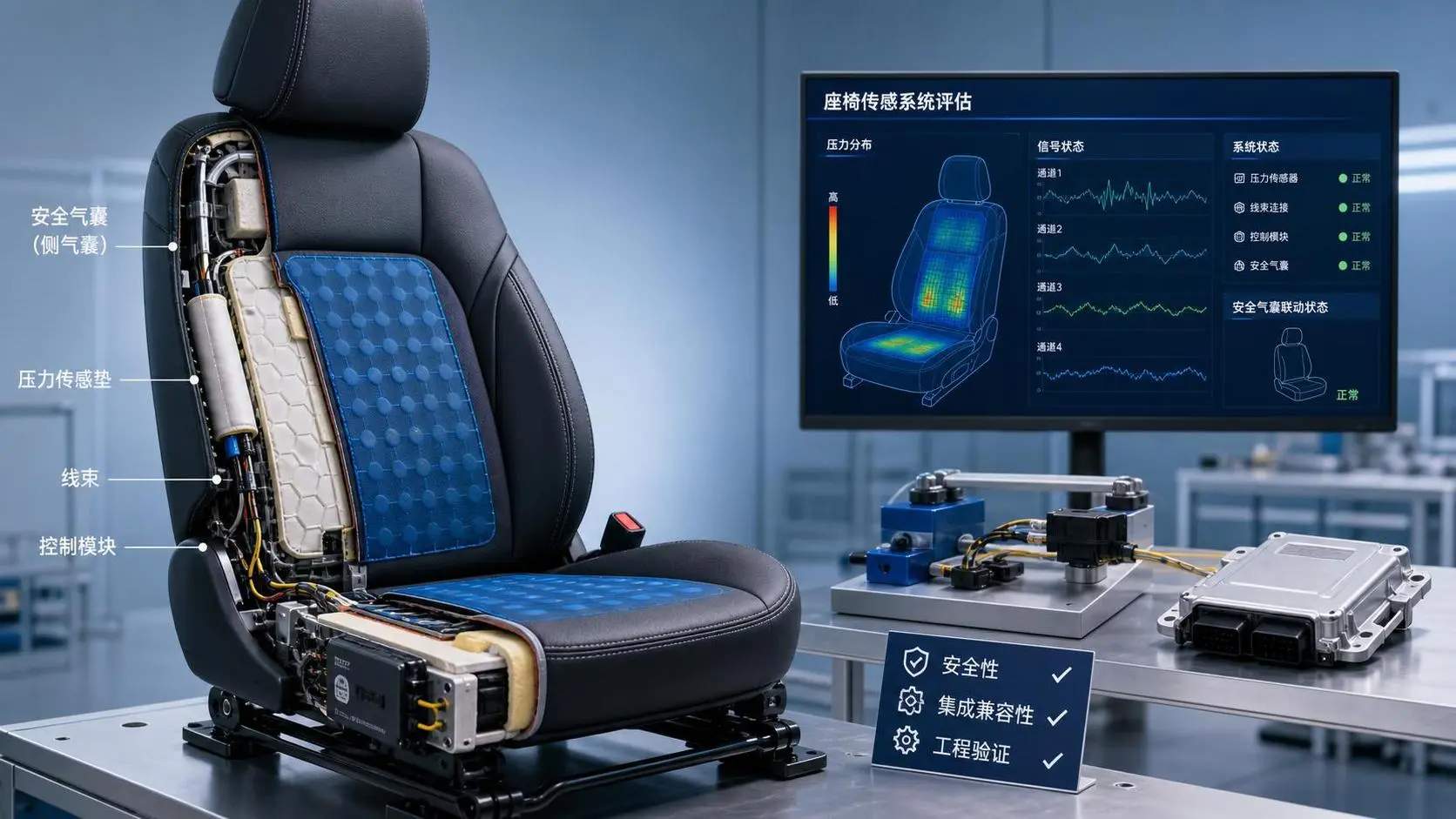
How to Evaluate a Seat Sensing Technology Supplier for Safety and Integration?
Seat sensing technology supplier evaluation guide: compare safety maturity, integration fit, algorithm reliability, and validation support to choose a partner that reduces risk.
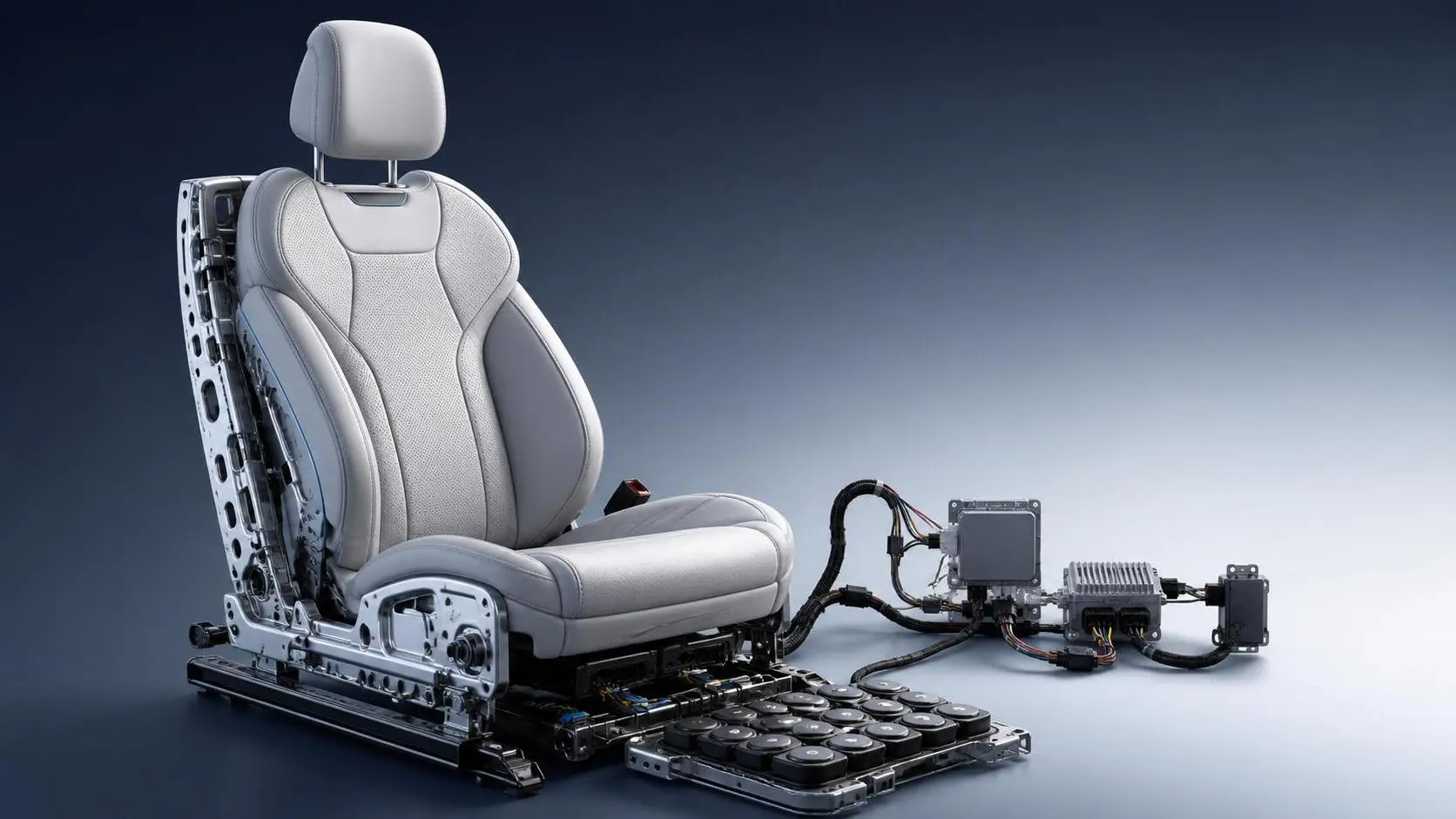
How to Evaluate Custom Smart Automotive Seating for Premium Vehicle Programs?
Custom smart automotive seating evaluation starts with safety, comfort, integration, and production readiness. Discover how premium vehicle teams choose smarter, lower-risk seat solutions.
B2B Product Intelligence Platforms: How to Compare Features, Data Coverage, and ROI
B2B product intelligence platform comparison: learn how to evaluate data coverage, feature depth, compliance visibility, and ROI to choose a sourcing tool that reduces risk and speeds decisions.
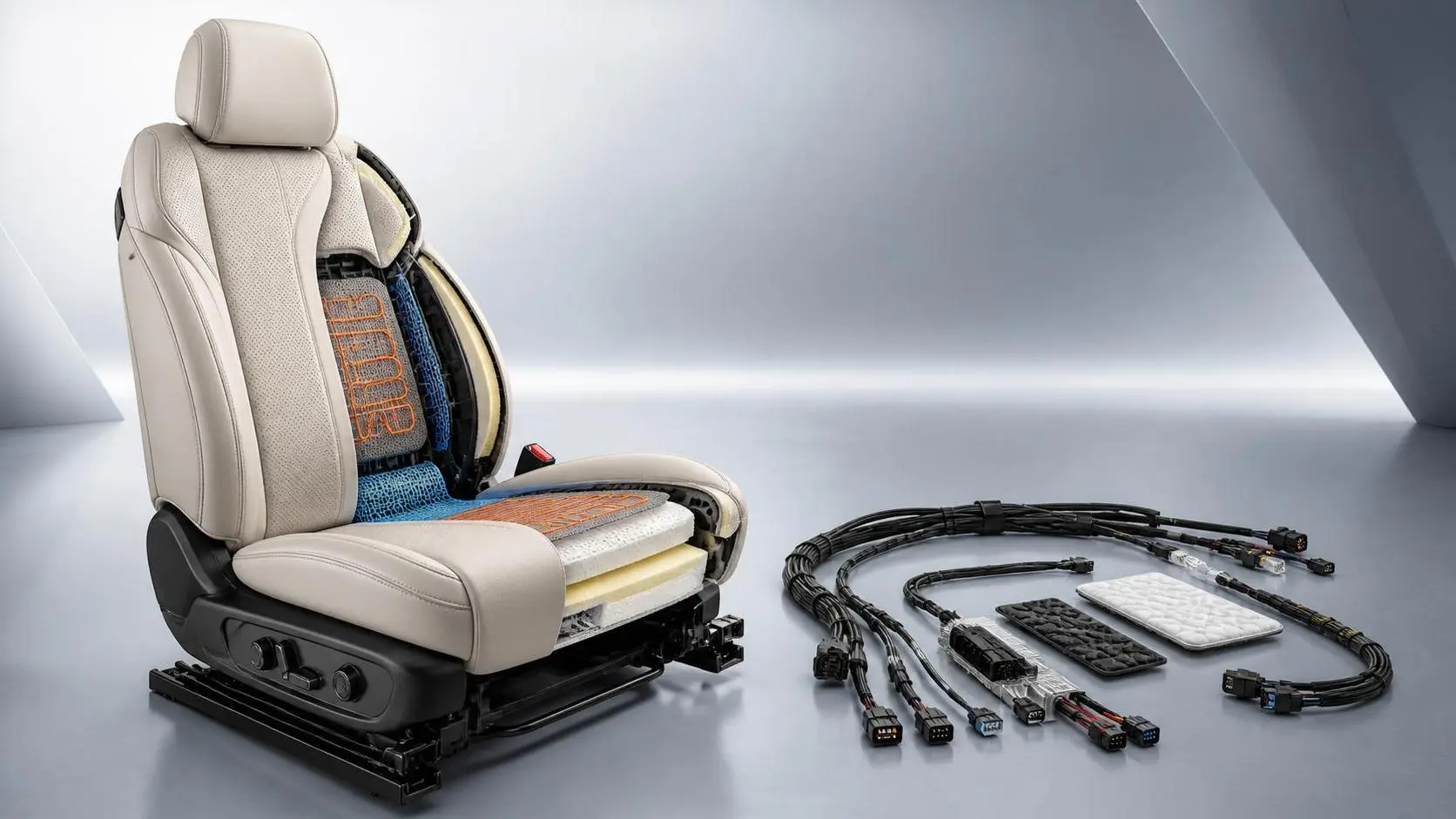
Climate Control Seats Cost: What Drives Price and Long-Term Ownership Value?
Climate control seats cost depends on materials, thermal tech, and integration. Learn what drives price and how to judge long-term value before you buy.

What Factors Drive Marine Navigation Components Cost in Commercial Vessel Projects?
Marine navigation components cost is shaped by integration, compliance, installation, and lifecycle support. Discover what drives pricing and how buyers can reduce risk while improving value.
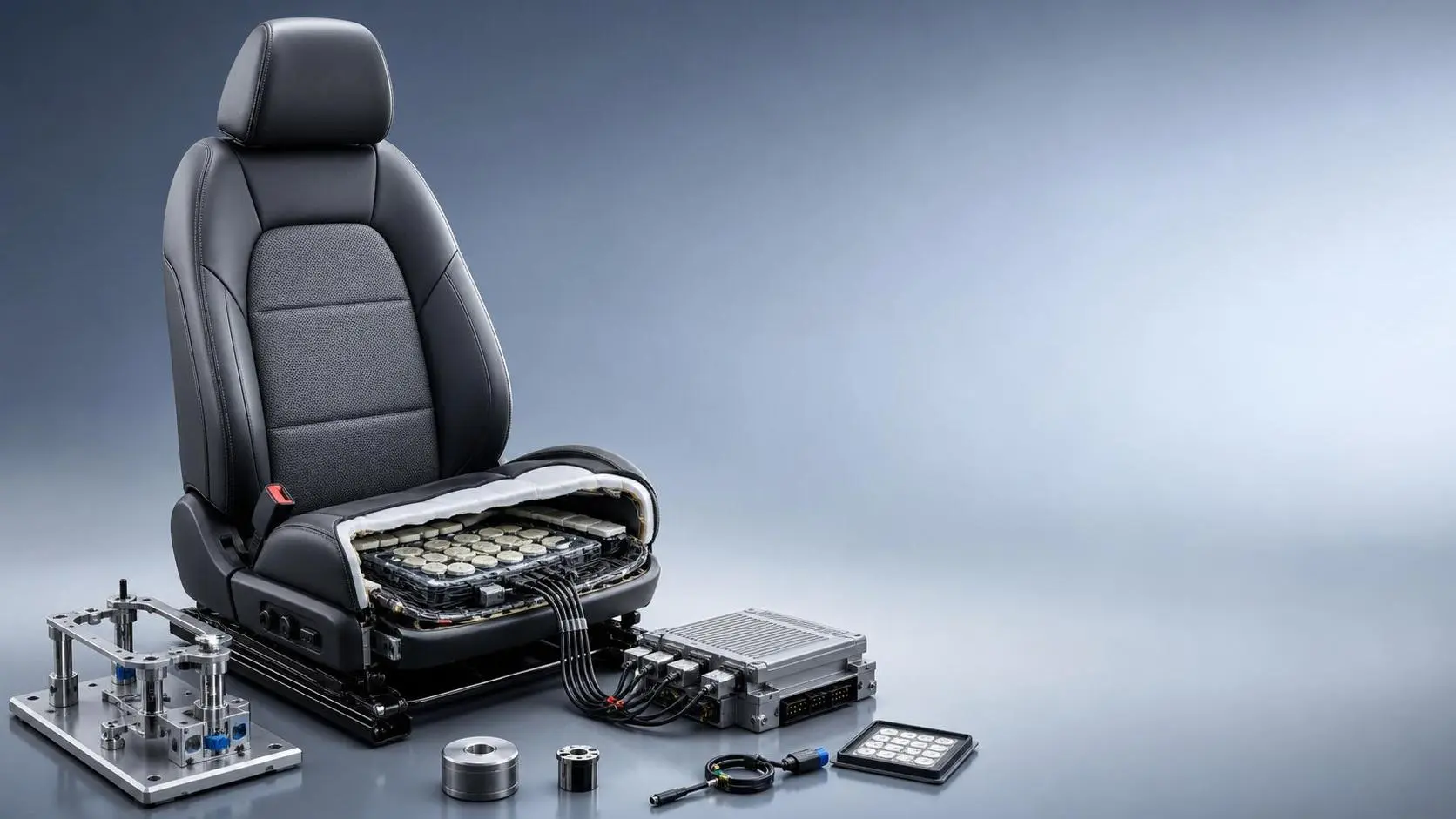
How Much Does Seat Occupancy Sensing Cost? Key Pricing Factors for Buyers
Seat occupancy sensing price varies widely by technology, integration, and compliance needs. Learn the key cost drivers, avoid hidden fees, and make smarter buying decisions.

How to Specify Micro-Climate Control Cabins for Harsh Outdoor Worksites?
Micro-climate control cabins for harsh outdoor worksites: learn how to specify thermal control, filtration, pressurization, and durability for safer uptime and smarter buying.
How to Evaluate a B2B Product Knowledge Platform for Faster Procurement Decisions
B2B product knowledge platform procurement starts with reducing decision risk. Learn how to compare specs, compliance, and supplier data to speed sourcing with confidence.
Related News
- 00
0000-00
How to Evaluate Automotive Seat Assemblies for EVs by Weight, Safety, and Packaging - 00
0000-00
How to Evaluate a Seat Structures Exporter for OEM Programs: Capacity, Compliance, and Tooling - 00
0000-00
Sensor-Based Smart Seating Solutions: Key Features for Automotive Seat Design - 00
0000-00
What Drives Automotive Ergonomics Cost? Design Inputs, Testing Scope, and Tooling Factors - 00
0000-00
Aluminum Seat Structures vs Steel: When Is the Weight Saving Worth the Trade-Off?
Weekly Insights
Stay ahead with our curated technology reports delivered every Monday.