
What Drives Marine Positioning Technology Cost? A Buyer’s Guide to System Type, Accuracy, and Integration
Why does marine positioning technology cost vary so much?
Marine positioning systems can look similar on a quote sheet, yet the price gap is often wide. The reason is simple: different vessels need different levels of positional certainty.
A coastal workboat using standard GNSS has a very different risk profile from a survey vessel, dredger, or offshore support platform. Accuracy needs, redundancy, and integration depth all change the budget.
That is where marine positioning technology cost becomes more than a hardware question. It reflects signal processing quality, sensor fusion, installation effort, software licensing, and the cost of failure.
In practice, the cheapest option is rarely the lowest-cost decision. If poor positioning creates rework, downtime, or compliance exposure, the initial savings disappear quickly.
GNCS tracks this issue from a broader mobility intelligence perspective. Its work around precision spatial perception, compliance evolution, and system reliability is relevant because buyers increasingly compare navigation technology by total operational fit, not only unit price.
What exactly is included in marine positioning technology cost?
Many first estimates focus on the receiver. That is usually too narrow. A complete marine positioning budget includes both visible and hidden cost elements.
Typical cost components include:
- GNSS receiver, antenna, and correction-capable modules
- Inertial sensors, gyro, heading reference, or motion compensation units
- Positioning software, chart interfaces, or dynamic positioning links
- Installation labor, cabling, brackets, and electromagnetic compatibility work
- Commissioning, calibration, sea trials, and crew familiarization
- Service contracts, firmware updates, and subscription-based correction services
More advanced systems also carry integration charges. Linking radar, AIS, sonar, ECDIS, autopilot, and onboard monitoring adds engineering time and testing requirements.
A useful way to read any offer is to ask whether it covers only positioning hardware or a verified operating solution. That distinction often explains the biggest pricing surprises.
How does system type change the final price?
System architecture is usually the first major driver of marine positioning technology cost. Different designs serve different operational tolerances, and pricing follows that logic.
A basic single-frequency GNSS setup is the entry level. It suits routine navigation where meter-level accuracy is acceptable and satellite outages carry limited operational impact.
Dual-frequency GNSS systems cost more, but they improve signal reliability and correction handling. For many commercial vessels, this is the practical middle ground.
RTK, PPP, and multi-constellation solutions push cost higher because they target sub-meter or centimeter-level performance. These systems depend on stronger processing, correction services, and stricter installation conditions.
When inertial navigation, heading sensors, and vessel motion data are fused together, pricing rises again. Still, this can be justified for offshore construction, hydrographic survey, dredging, and high-traffic maneuvering environments.
The table below gives a practical comparison point before requesting detailed quotations.
This is why two vendors may both claim “high precision” while quoting very different numbers. The system type behind that claim matters more than the label itself.
Is higher accuracy always worth the extra spend?
Not always. Accuracy should be purchased in relation to task value, operating environment, and consequence of drift.
For harbor transit, route monitoring, or standard fleet operations, extreme accuracy may add cost without changing outcomes. In those cases, reliability and serviceability often matter more.
The picture changes in applications where position error directly affects revenue or safety. A few meters of drift can compromise survey quality, pile placement, dredging tolerance, or dynamic positioning performance.
A more useful question is this: what does one hour of poor positioning cost in fuel, delay, rework, or contractual penalty? That figure usually clarifies whether premium accuracy is justified.
In actual evaluations, it helps to define an acceptable error band first. Then compare system options against that threshold instead of chasing the highest specification.
Why do integration and compliance push marine positioning technology cost upward?
Hardware price is only one layer. Integration often determines whether the system works smoothly offshore or becomes another isolated screen on the bridge.
Positioning data may need to feed ECDIS, radar overlays, autopilot, AIS, sonar, logging software, or remote fleet systems. Each interface adds validation, protocol checks, and failure-mode testing.
There is also a compliance dimension. Maritime rules, cybersecurity expectations, chart update discipline, and traceable maintenance records increasingly influence specification decisions.
GNCS follows this type of regulatory and technical convergence across global mobility sectors. That perspective matters because buyers today are not only sourcing devices. They are sourcing dependable, auditable operating systems.
Needless complexity should be avoided, but under-scoping integration can be expensive later. Retrofitting data interfaces after delivery usually costs more than defining them correctly at the beginning.
What are the most common cost mistakes when comparing suppliers?
The most common mistake is comparing only acquisition price. Marine positioning technology cost needs to be read across the full lifecycle.
Several warning signs appear repeatedly:
- Correction service fees are excluded from the headline quote.
- Accuracy figures are listed without sea-state, obstruction, or interference conditions.
- Integration with existing bridge equipment is described as “optional” but later becomes essential.
- No clear answer is given on firmware support, spare parts, or response time.
- Redundancy is omitted in operations where downtime is unacceptable.
Another weak comparison method is treating all high-precision systems as interchangeable. Sensor quality, algorithm maturity, electromagnetic resilience, and field service depth can differ sharply.
A disciplined shortlist should ask each supplier the same operational questions. That makes price differences easier to interpret and prevents hidden assumptions from shaping the final decision.
How can a buyer build a practical evaluation model before ordering?
A workable model starts with the mission, not the catalog. Define vessel type, route profile, environmental exposure, required uptime, and acceptable positional error.
Then score each option across five areas:
- Required accuracy versus actual operational tolerance
- Integration effort with current onboard systems
- Compliance, documentation, and update support
- Lifecycle cost over three to five years
- Service network strength and downtime risk
It also helps to request two prices from each vendor: one for core hardware, and one for the fully commissioned solution. That split reveals where marine positioning technology cost is truly concentrated.
If the project involves fleet standardization, include training, spare strategy, and software commonality in the review. Those items may not dominate the first invoice, but they often shape the long-term return.
The most reliable next step is to build a short comparison matrix, verify interface requirements early, and test whether the proposed accuracy actually matches vessel risk. That approach leads to better pricing decisions than chasing the lowest number on the page.
Related News
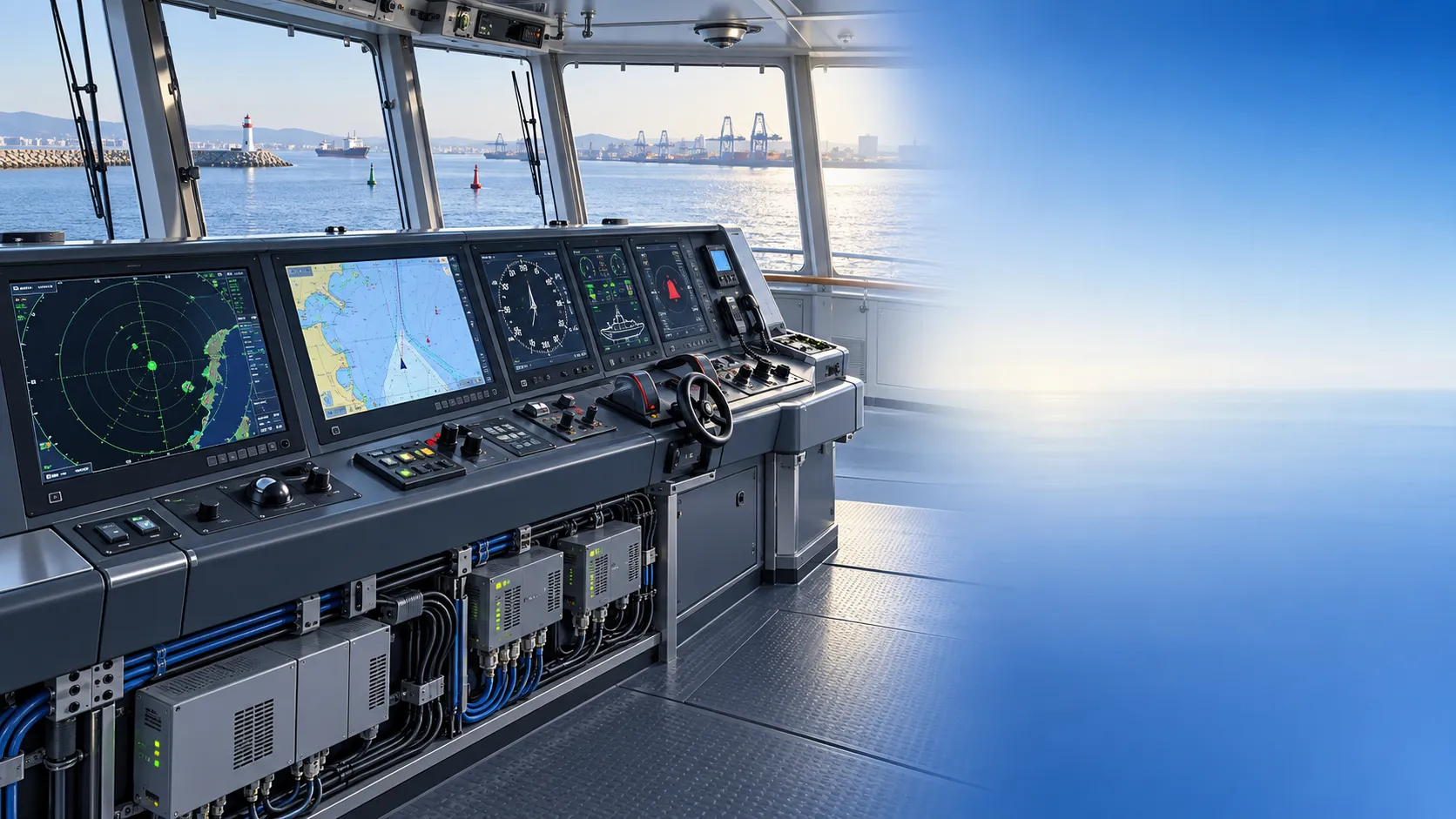
How to Specify Integrated Marine Electronics for Reliable Bridge Operations
Integrated marine electronics: learn how to specify reliable bridge systems with clear data flows, redundancy, alarm control, lifecycle interfaces, and operational testing.
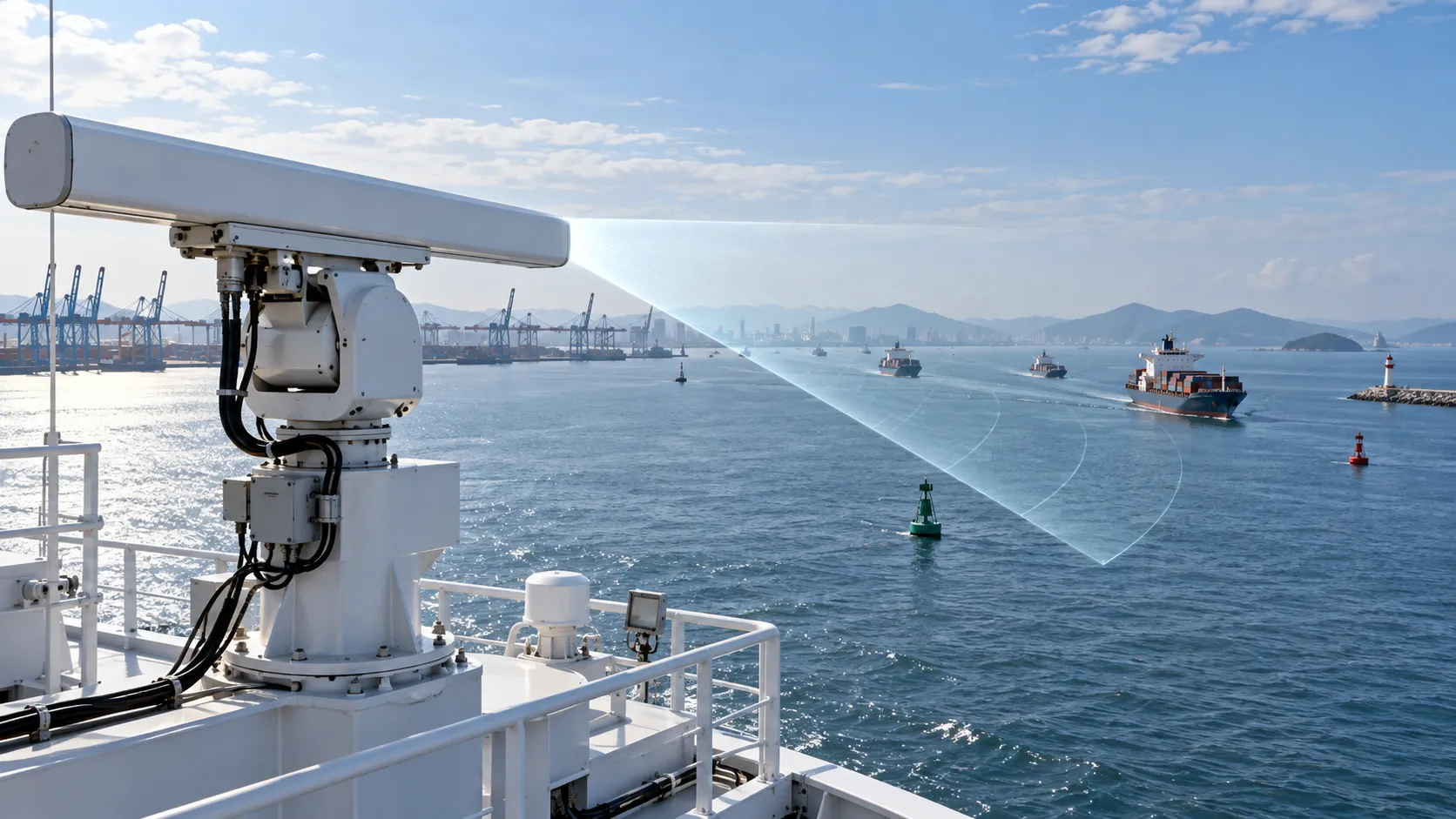
How to Evaluate Navigation Radar Manufacturers for Commercial Vessel Projects
Navigation radar manufacturers: learn how to compare performance, compliance, integration, support, and lifecycle cost for commercial vessel projects.

How Adjustable Cabin Ergonomics Reduce Operator Fatigue in Long-Shift Vehicles
Adjustable cabin ergonomics reduces operator fatigue through better seating, reach, visibility, vibration control, and climate comfort for safer long-shift vehicles.
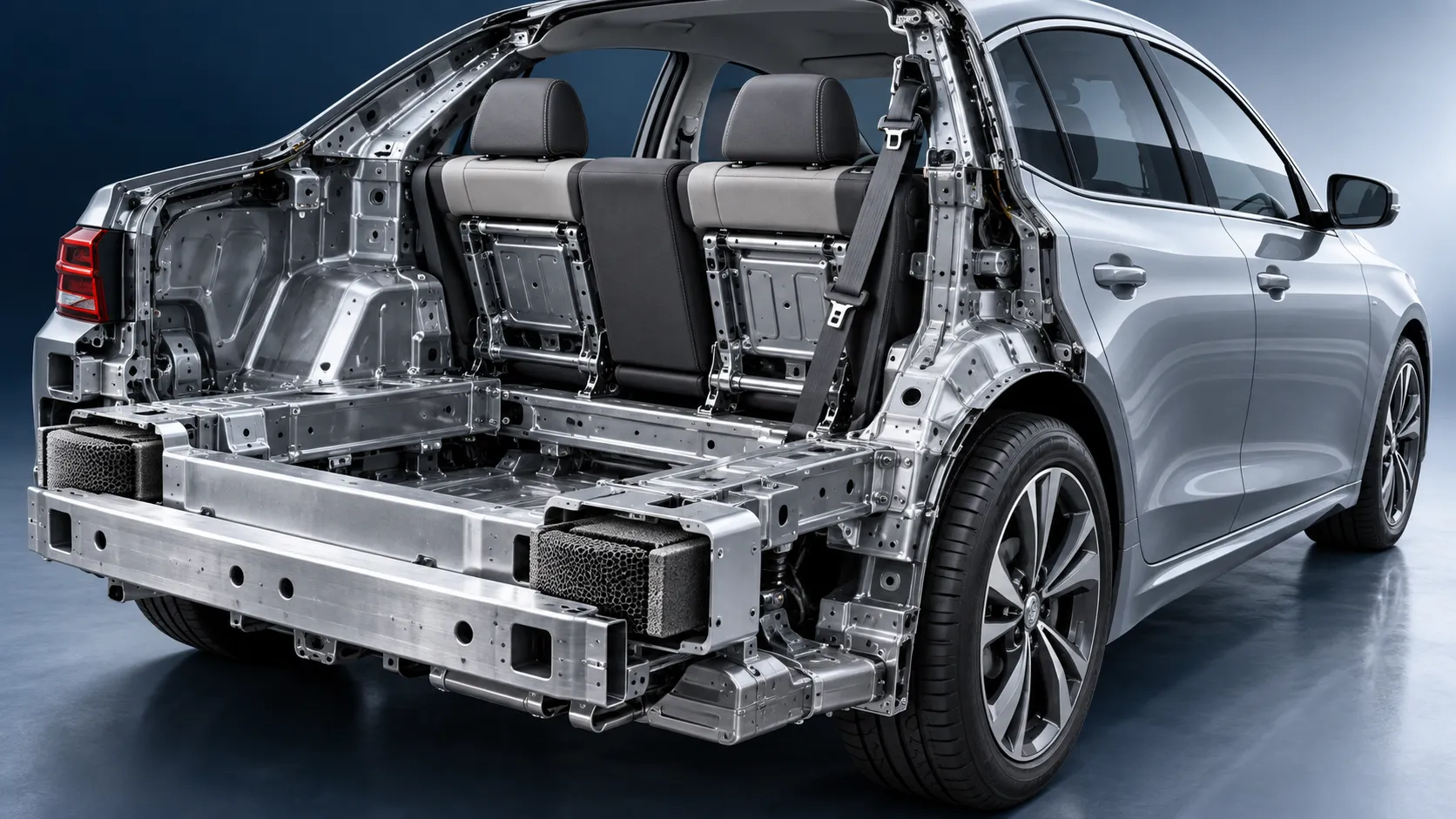
How Rear-Impact Safety Components Work Together to Protect Vehicle Occupants
Explore how automotive safety components for rear impact work together—from crash structures and seats to head restraints and belts—to enhance occupant protection.
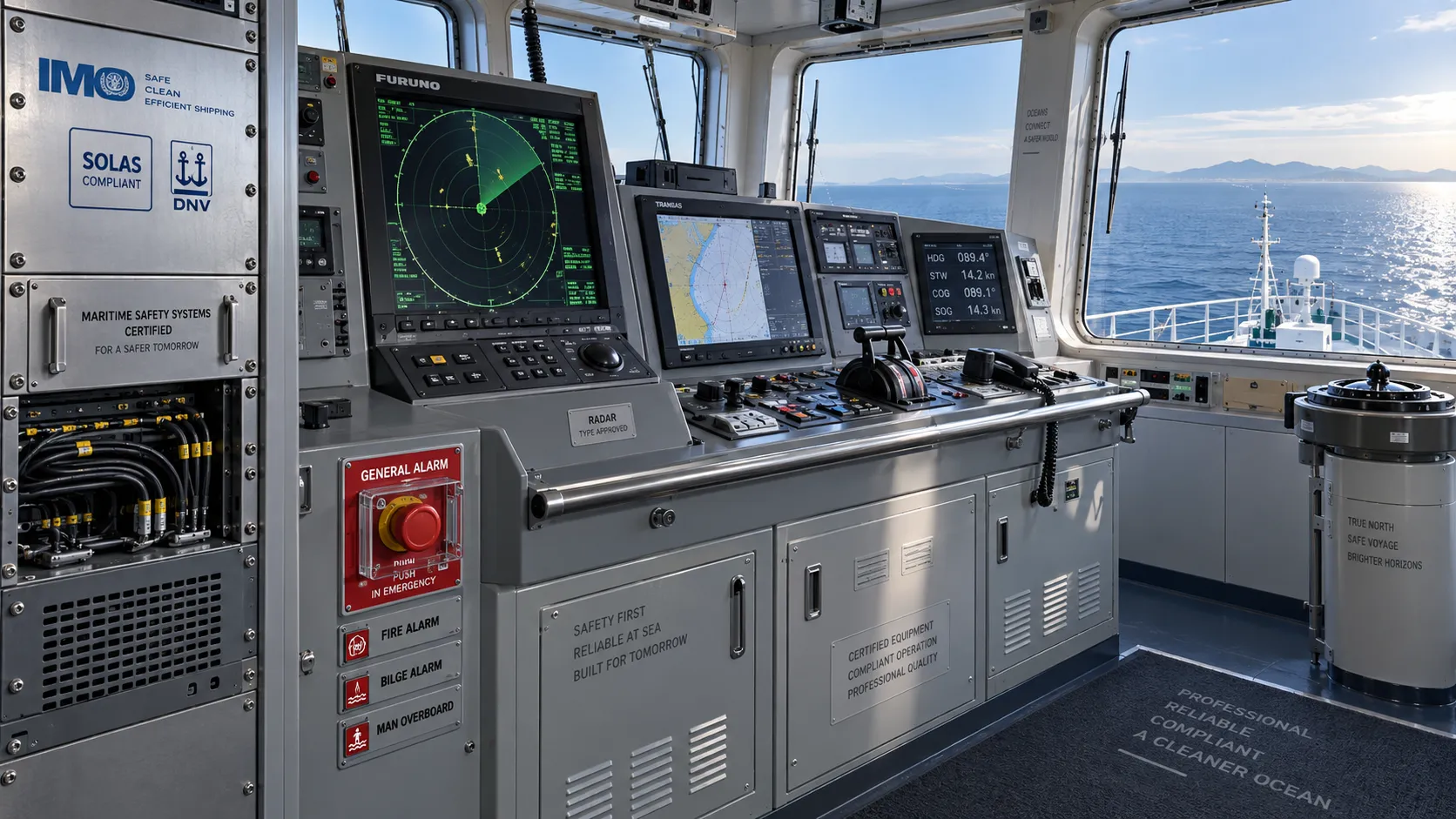
How to Evaluate a Marine Safety Systems Manufacturer for Vessel Compliance and Reliability
Marine safety systems manufacturer evaluation guide: verify compliance, engineering quality, lifecycle costs, and global service support for safer, reliable vessel operations.
Crash Test Regulations for Seatbelts: Key Compliance Requirements Explained
Crash test regulations seatbelts explained: explore FMVSS, UN rules, anchorage strength, and dynamic restraint testing for safer, compliant vehicle systems.

How to Calculate the Total Cost of Automotive Lightweighting for a Vehicle Program
Automotive lightweight solutions cost: learn how to calculate program-level costs, including materials, tooling, joining, validation, risk, and vehicle-level value.

How Automotive Seat Occupancy Sensing Improves Airbag Deployment Decisions
Automotive seat occupancy sensing helps optimize airbag deployment decisions, improving passenger classification, safety diagnostics, and compliance across real-world conditions.

What Drives Lightweight Body Component Costs in High-Volume Vehicle Programs?
Lightweight body components cost depends on material yield, forming, joining, tooling, validation, and logistics. Explore proven ways to optimize total vehicle program cost.
Related News
- 00
0000-00
How to Specify Integrated Marine Electronics for Reliable Bridge Operations - 00
0000-00
How Adjustable Cabin Ergonomics Reduce Operator Fatigue in Long-Shift Vehicles - 00
0000-00
How to Evaluate a Marine Safety Systems Manufacturer for Vessel Compliance and Reliability - 00
0000-00
How to Calculate the Total Cost of Automotive Lightweighting for a Vehicle Program - 00
0000-00
What Drives Lightweight Body Component Costs in High-Volume Vehicle Programs?
Weekly Insights
Stay ahead with our curated technology reports delivered every Monday.