
How to Evaluate Zero-Casualty Mobility Cost in Safety-Critical Vehicle Programs
How to Evaluate Zero-Casualty Mobility Cost in Safety-Critical Vehicle Programs
In safety-critical vehicle programs, understanding zero-casualty mobility cost is no longer a theoretical exercise. It has become a direct management issue tied to budget, timing, and brand exposure.
For teams managing body structures, restraint systems, seats, and compliance targets, cost is not only a purchase price. It is the full price of preventing failure.
That is why zero-casualty mobility cost should be evaluated as a decision framework. It connects engineering effort, supplier capability, validation depth, and downstream liability.
When this metric is handled well, procurement decisions become clearer. Trade-offs between lightweighting, safety performance, and launch timing also become easier to defend.
What Zero-Casualty Mobility Cost Really Means
Zero-casualty mobility cost is the total investment required to reduce severe injury and fatality risk to the lowest practical level across a vehicle program.
It includes direct component spending, but it goes much further. It also captures validation cost, redesign loops, compliance work, field risk, and operational disruption.
In practical terms, this means looking beyond the unit cost of airbags, seatbelt systems, body stampings, or seat assemblies. The cheaper option can easily become the more expensive one.
A low bid that creates test failure, tooling rework, unstable supply, or weaker crash performance will inflate zero-casualty mobility cost across the entire lifecycle.
The Core Cost Layers
- Acquisition cost for safety-critical components and subsystems.
- Engineering cost for integration, calibration, and packaging.
- Validation cost for crash tests, sled tests, simulations, and audits.
- Compliance cost linked to NCAP, FMVSS, ECE, and regional updates.
- Failure cost from recalls, warranty, legal exposure, and reputation loss.
- Opportunity cost from delayed SOP, lost bids, or weaker market positioning.
Why Traditional Cost Review Often Misses the Real Risk
Many program reviews still separate purchasing cost from safety outcomes. That creates a distorted picture, especially in complex platforms with multiple passive safety interactions.
For example, a lighter seat frame may improve mass targets. Yet if stiffness variation changes occupant kinematics, airbag timing and belt load paths may need costly recalibration.
The same pattern appears in body stampings. Hot-stamped parts can lower weight and improve energy management, but only if forming quality and joining consistency are tightly controlled.
From a purchasing standpoint, zero-casualty mobility cost must therefore be measured as a system cost. Single-part savings rarely tell the truth.
Common Blind Spots
- Comparing suppliers only by quoted price.
- Ignoring test-repeat costs after integration changes.
- Underestimating regional compliance divergence.
- Treating launch delay as separate from safety cost.
- Missing the cost of poor data transparency from suppliers.
A Practical Framework to Evaluate Zero-Casualty Mobility Cost
A workable evaluation method should follow the actual program lifecycle. This keeps zero-casualty mobility cost visible from sourcing through validation and into production readiness.
1. Define the Safety Outcome First
Start with target outcomes, not components. Clarify injury reduction goals, crash rating ambitions, regulatory scope, and target use cases.
This step prevents procurement from buying to a nominal specification while engineering is trying to protect a higher performance envelope.
2. Build a Cross-System Cost Map
Map the interaction between body structure, seatbelt systems, airbags, seating geometry, sensors, and software logic. Then assign cost exposure to each dependency.
This is where zero-casualty mobility cost becomes useful. It reveals where a local design change creates a larger system-level burden.
3. Quantify Validation Intensity
Estimate how many simulations, buck tests, sled tests, and full vehicle crash tests are needed for each sourcing path. Include repeat probability.
A supplier with stronger process maturity may carry a higher quote. Still, it can reduce total zero-casualty mobility cost by lowering validation churn.
4. Score Compliance Volatility
Programs spanning several markets should price in regulatory change. New side-impact protocols, child occupancy rules, or seat-integrated safety updates can shift cost quickly.
A robust sourcing decision accounts for future compliance adaptability, not just current certification status.
5. Add Field Failure Exposure
Include recall probability, diagnostic traceability, service complexity, and defect containment speed. These factors strongly influence zero-casualty mobility cost after launch.
In actual business conditions, post-launch containment can consume more budget than early engineering prevention.
How to Compare Suppliers More Accurately
When evaluating suppliers, the key question is simple. Which option lowers zero-casualty mobility cost without weakening timing discipline or safety performance?
That requires a broader scorecard than cost breakdown and PPAP status. The most useful supplier comparison usually combines five dimensions.
This approach makes sourcing discussions more factual. It also helps explain why a higher initial quote can still deliver a lower zero-casualty mobility cost.
Where the Biggest Cost Shifts Usually Happen
From recent program patterns, the largest shifts in zero-casualty mobility cost often come from interface decisions rather than standalone parts.
A few examples are especially common in safety-critical vehicle development.
- Body lightweighting that changes crash pulse behavior.
- Seat architecture updates that alter occupant position.
- Airbag chemistry or packaging changes affecting deployment consistency.
- Seatbelt load limiter tuning changes requiring wider validation.
- Regional feature variation creating fragmented compliance work.
The clearer signal is this. Zero-casualty mobility cost rises fast when program teams underestimate coupling between mechanical design and occupant protection logic.
That also means early system reviews are usually more valuable than late cost-cutting rounds.
A Simple Decision Model for Procurement Reviews
A practical procurement model does not need to be overly complicated. It only needs to combine commercial clarity with safety reality.
- Set a baseline cost using the quoted part and tooling price.
- Add engineering integration hours by subsystem.
- Add validation budget with a repeat-test multiplier.
- Add compliance adaptation reserve for target markets.
- Add field-risk reserve based on historical defect severity.
- Subtract value created by lower mass, better ratings, or faster launch.
This model will not predict everything. Still, it creates a much more reliable estimate of zero-casualty mobility cost than price comparison alone.
Just as important, it gives teams a language that aligns engineering, sourcing, and executive review.
Final Takeaway
Zero-casualty mobility cost should be treated as a strategic purchasing metric, not a theoretical safety slogan. It is a direct measure of how wisely a program buys risk reduction.
The strongest decisions usually share the same pattern. They define safety outcomes early, price system interactions honestly, and compare suppliers on total program impact.
For complex vehicle programs, this is the path to more predictable launches, stronger compliance readiness, and better protection performance.
When zero-casualty mobility cost is evaluated with discipline, procurement stops being a narrow cost exercise. It becomes part of building safer, more competitive mobility systems.
Related News
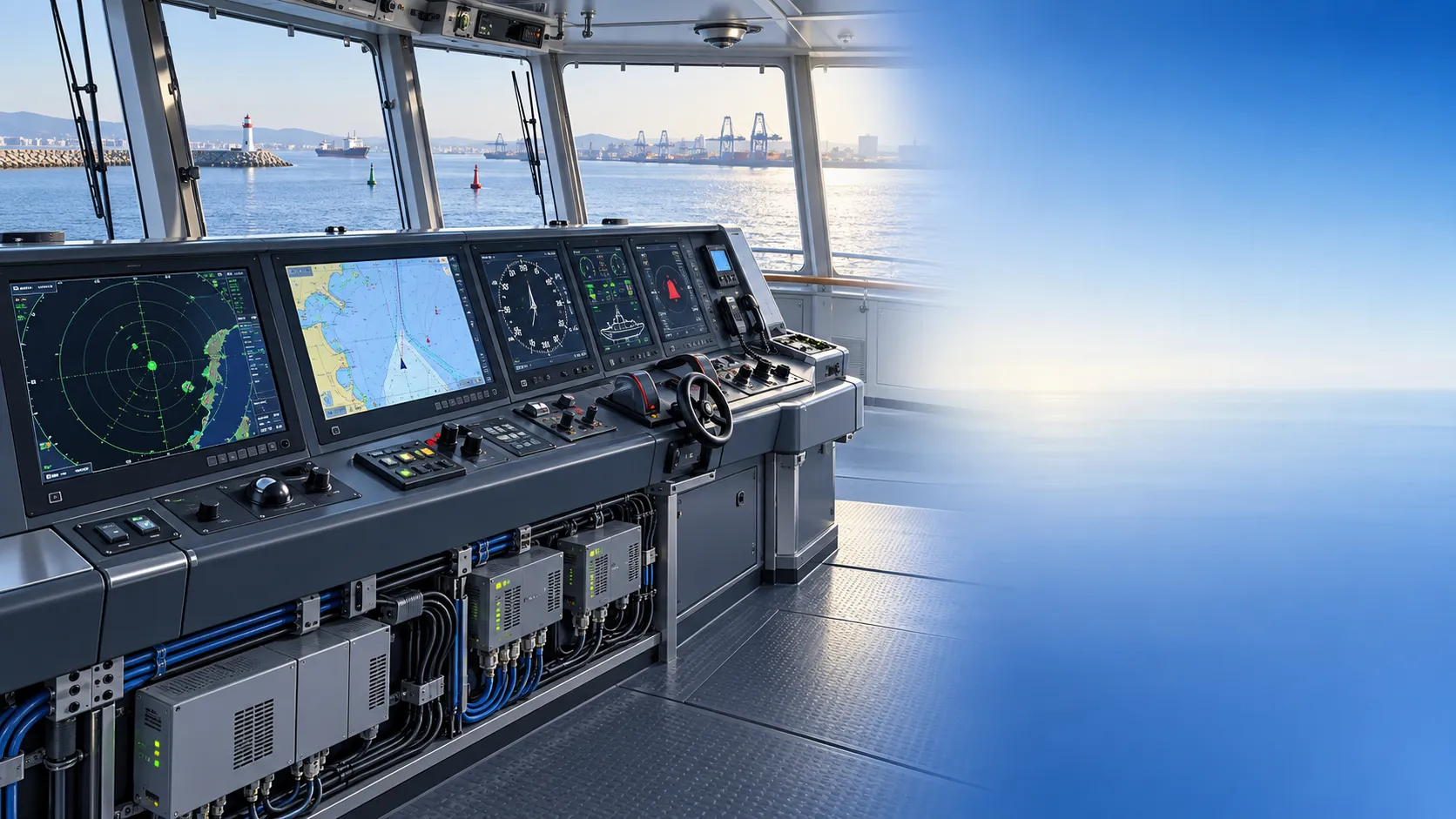
How to Specify Integrated Marine Electronics for Reliable Bridge Operations
Integrated marine electronics: learn how to specify reliable bridge systems with clear data flows, redundancy, alarm control, lifecycle interfaces, and operational testing.

How to Evaluate Navigation Radar Manufacturers for Commercial Vessel Projects
Navigation radar manufacturers: learn how to compare performance, compliance, integration, support, and lifecycle cost for commercial vessel projects.
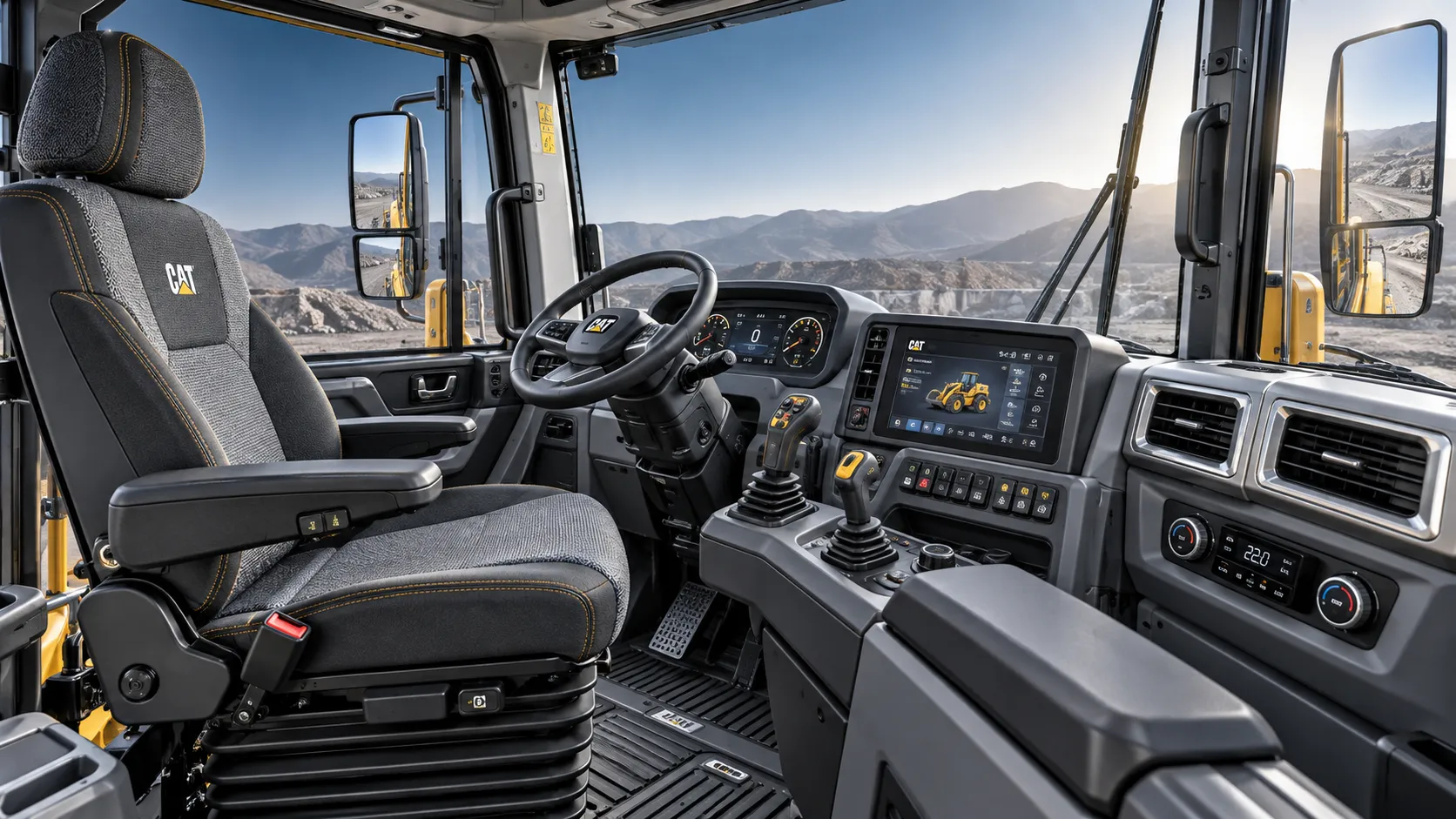
How Adjustable Cabin Ergonomics Reduce Operator Fatigue in Long-Shift Vehicles
Adjustable cabin ergonomics reduces operator fatigue through better seating, reach, visibility, vibration control, and climate comfort for safer long-shift vehicles.
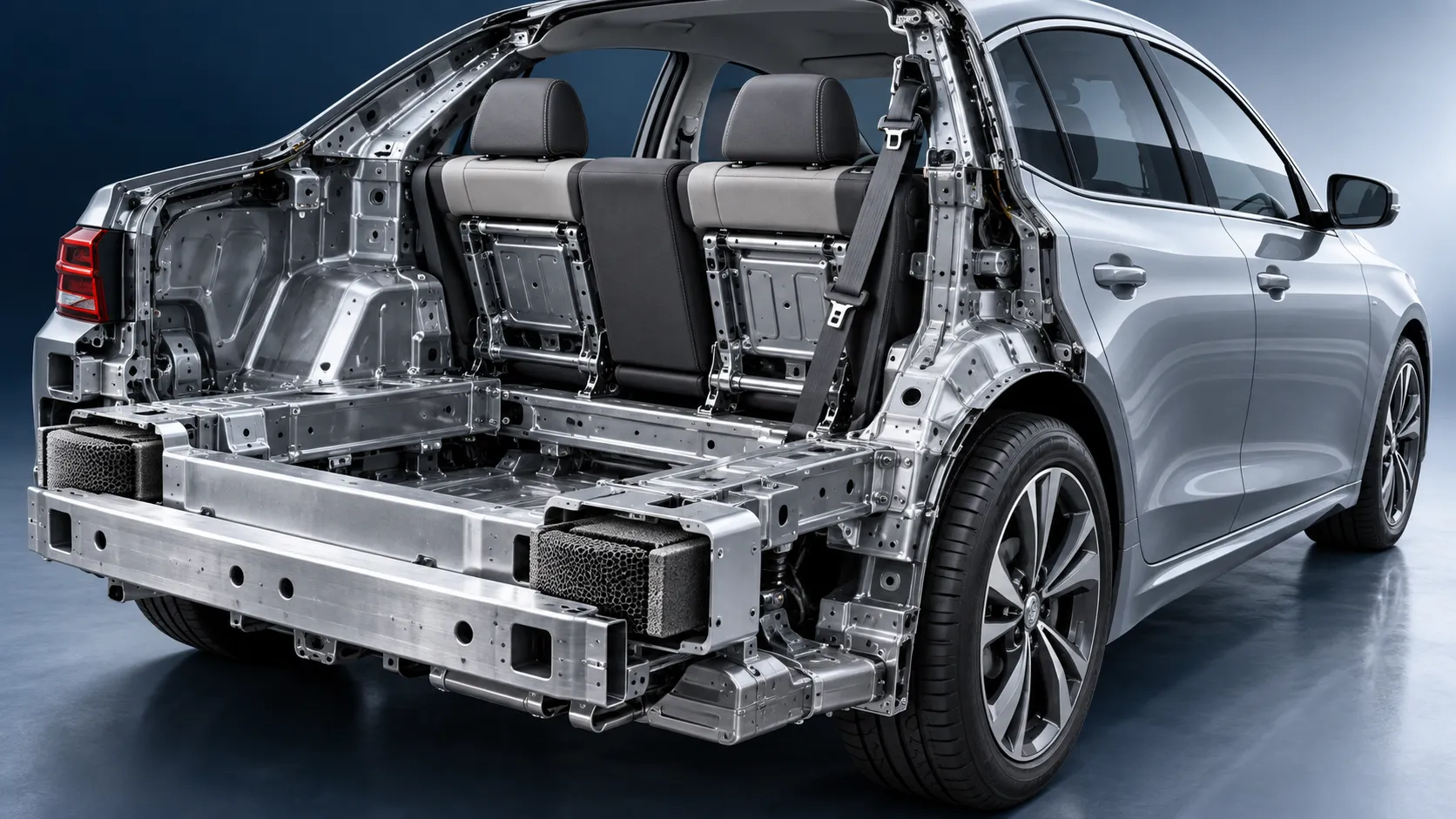
How Rear-Impact Safety Components Work Together to Protect Vehicle Occupants
Explore how automotive safety components for rear impact work together—from crash structures and seats to head restraints and belts—to enhance occupant protection.
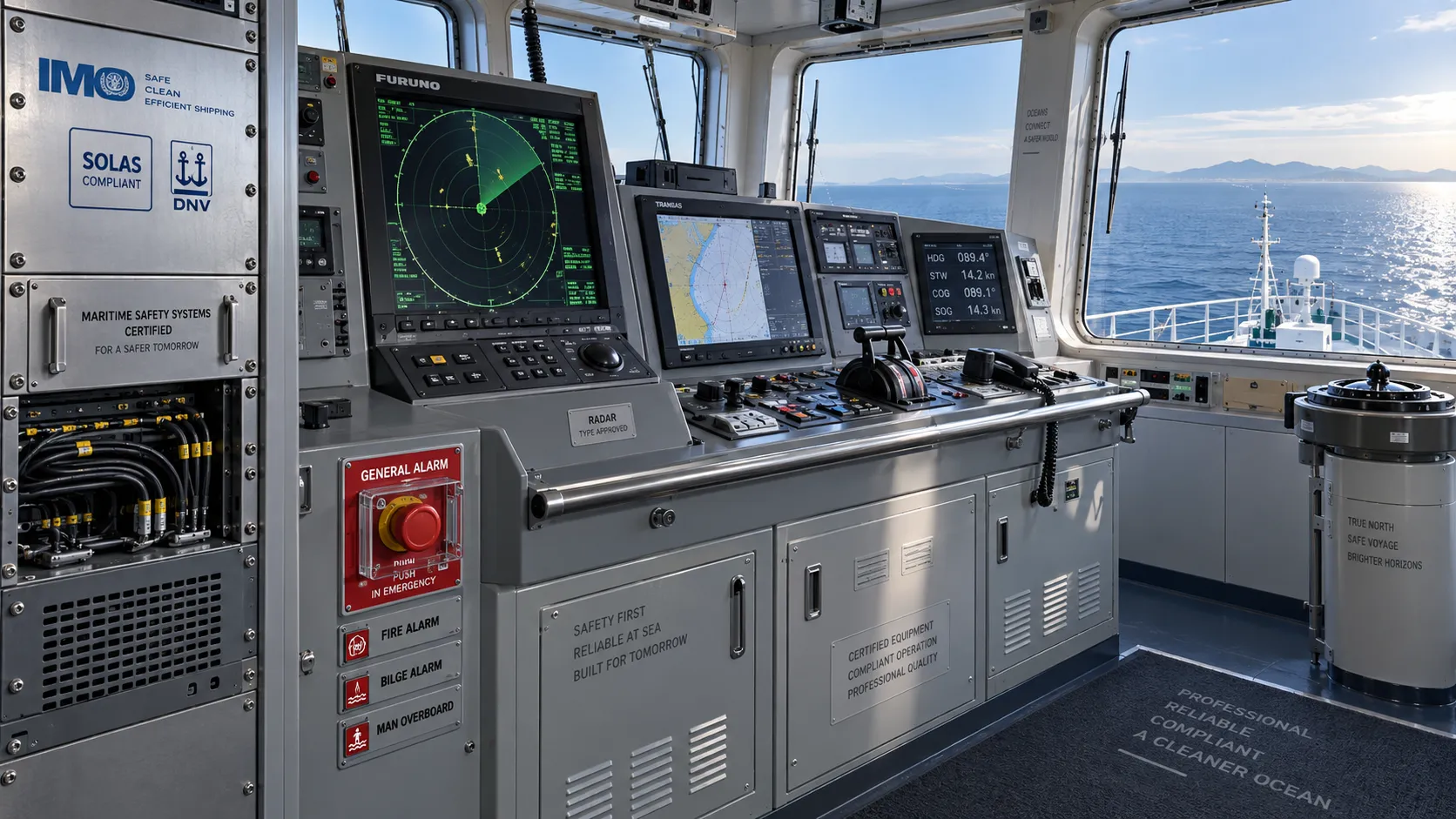
How to Evaluate a Marine Safety Systems Manufacturer for Vessel Compliance and Reliability
Marine safety systems manufacturer evaluation guide: verify compliance, engineering quality, lifecycle costs, and global service support for safer, reliable vessel operations.
Crash Test Regulations for Seatbelts: Key Compliance Requirements Explained
Crash test regulations seatbelts explained: explore FMVSS, UN rules, anchorage strength, and dynamic restraint testing for safer, compliant vehicle systems.

How to Calculate the Total Cost of Automotive Lightweighting for a Vehicle Program
Automotive lightweight solutions cost: learn how to calculate program-level costs, including materials, tooling, joining, validation, risk, and vehicle-level value.

How Automotive Seat Occupancy Sensing Improves Airbag Deployment Decisions
Automotive seat occupancy sensing helps optimize airbag deployment decisions, improving passenger classification, safety diagnostics, and compliance across real-world conditions.

What Drives Lightweight Body Component Costs in High-Volume Vehicle Programs?
Lightweight body components cost depends on material yield, forming, joining, tooling, validation, and logistics. Explore proven ways to optimize total vehicle program cost.
Related News
- 00
0000-00
How to Specify Integrated Marine Electronics for Reliable Bridge Operations - 00
0000-00
How Adjustable Cabin Ergonomics Reduce Operator Fatigue in Long-Shift Vehicles - 00
0000-00
How to Evaluate a Marine Safety Systems Manufacturer for Vessel Compliance and Reliability - 00
0000-00
How to Calculate the Total Cost of Automotive Lightweighting for a Vehicle Program - 00
0000-00
What Drives Lightweight Body Component Costs in High-Volume Vehicle Programs?
Weekly Insights
Stay ahead with our curated technology reports delivered every Monday.