
How to Evaluate Energy-Absorbing Materials for Side Impact Protection in Vehicles?
How to Evaluate Energy-Absorbing Materials for Side Impact Protection in Vehicles?
For technical evaluation, material selection starts with impact physics, not brochure claims.
Side crashes develop fast, with limited crush space and sharp intrusion risks.
That changes how energy-absorbing materials for side impact should be compared.
A strong material alone is not enough.
It must absorb energy predictably, control intrusion, and fit manufacturing limits.
It also needs to support regulatory performance under IIHS, Euro NCAP, FMVSS, and OEM internal targets.
The most useful evaluation method links material behavior, part geometry, joining methods, and cabin protection outcomes.
Start With the Side Impact Load Case
Before screening suppliers, define the actual side impact event.
Pole impacts, moving barrier impacts, and oblique strikes produce different deformation paths.
This matters because energy-absorbing materials for side impact behave differently under local indentation and global bending.
Recent vehicle programs show a clear shift toward multi-load-case validation.
A material that performs well in a door beam test may underperform near the B-pillar base.
In practice, define at least these evaluation inputs:
- Crash pulse severity and impact velocity window
- Intrusion-sensitive zones near pelvis, thorax, and shoulder
- Available packaging space for crush or foam expansion
- Expected temperature range and humidity exposure
- Connection method to steel, aluminum, or mixed-material structures
Without this context, ranking materials becomes misleading very quickly.
Know Which Material Families Are Being Compared
Most side protection concepts combine several material classes, not one.
Common choices include advanced high-strength steel, aluminum extrusions, polymer foams, thermoplastic inserts, and composite reinforcements.
Each serves a different purpose inside energy-absorbing materials for side impact systems.
What each family does best
- AHSS: high intrusion resistance and strong load transfer
- Aluminum: lower mass with controlled deformation when section design is optimized
- EPP or PU foam: occupant contact management and local energy dissipation
- Thermoplastics: tunable shape, integration flexibility, and lower assembly complexity
- Composites: specific energy absorption advantages in targeted applications
The decision point is rarely material strength by itself.
The better question is how each option manages force over stroke within the available space.
That is the real basis for evaluating energy-absorbing materials for side impact protection.
Focus on the Right Performance Metrics
Selection gets sharper when performance metrics are defined early and measured consistently.
For energy-absorbing materials for side impact, these metrics usually matter most:
More evaluators now look beyond peak load numbers.
A lower-mass option can look attractive, yet fail because it collapses too abruptly.
So the better comparison uses full force-displacement behavior and post-crash deformation mode.
Evaluate Dynamic Behavior, Not Just Static Data
Static compression curves are useful, but they are only a starting point.
Side crashes involve high strain rates, mixed loading directions, and rapid contact transitions.
This means energy-absorbing materials for side impact must be tested dynamically.
In real programs, strain-rate sensitivity often changes ranking order.
Foams may stiffen sharply, while some metals lose deformation stability after local buckling starts.
Recommended validation path
- Run coupon tests across temperature and loading rate bands.
- Move to subcomponent tests for door, pillar, or rocker sections.
- Correlate CAE models with measured crush and intrusion data.
- Confirm full-system response under the target crash protocol.
This staged process reduces the risk of selecting materials that look good only in early lab screens.
Account for Mass, Packaging, and Integration Trade-Offs
The best technical option can still fail at program level.
That usually happens when mass, thickness, tooling, or joining issues were ignored too long.
Energy-absorbing materials for side impact must fit the vehicle architecture as built.
For example, a thicker foam insert may improve chest loading, but reduce door trim freedom.
A stronger metal reinforcement may protect intrusion, yet increase weld complexity and springback control effort.
This is where cross-functional review becomes decisive.
- Check mass added per protected zone
- Review package envelope and trim stack-up
- Verify compatibility with adhesives, welds, rivets, or overmolding
- Estimate cycle time, scrap risk, and tooling maturity
- Confirm recyclability and end-of-life considerations
A practical decision balances crash performance with production reality.
Use a Structured Scoring Model for Supplier Comparison
When several candidates remain, a weighted scorecard helps keep decisions consistent.
This is especially useful when evaluating energy-absorbing materials for side impact across different suppliers and process routes.
Suggested scoring dimensions
The weighting can shift by vehicle segment.
For EV platforms, mass efficiency may deserve a larger share.
For premium safety programs, validation confidence often carries more influence.
Watch the Common Failure Modes
A short shortlist can still hide major risk.
The most common mistake is assuming material data sheet values represent system performance.
Another issue is evaluating energy-absorbing materials for side impact without connection details.
Joint failure can erase the benefit of an otherwise strong absorber.
Temperature dependence is another frequent blind spot.
Cold conditions may make polymers brittle, while heat can soften support structures.
A disciplined review should flag these failure modes before sourcing decisions are locked.
A Practical Decision Framework
A workable process keeps the decision focused and repeatable.
- Define the side impact use case and regulatory targets.
- Screen candidate material families by package space and load path.
- Compare dynamic absorption metrics, not static strength alone.
- Validate integration with joints, trim, and manufacturing process.
- Score suppliers using crash, mass, cost, and readiness criteria.
That approach creates clearer trade-off visibility.
It also improves alignment between engineering, purchasing, and compliance teams.
For any organization assessing energy-absorbing materials for side impact, the strongest choice is usually the one with balanced evidence.
That means measurable crash benefit, stable manufacturability, acceptable mass, and credible validation.
Use that standard, and material selection becomes less subjective and far more reliable.
Related News

How to Specify Integrated Marine Electronics for Reliable Bridge Operations
Integrated marine electronics: learn how to specify reliable bridge systems with clear data flows, redundancy, alarm control, lifecycle interfaces, and operational testing.

How to Evaluate Navigation Radar Manufacturers for Commercial Vessel Projects
Navigation radar manufacturers: learn how to compare performance, compliance, integration, support, and lifecycle cost for commercial vessel projects.

How Adjustable Cabin Ergonomics Reduce Operator Fatigue in Long-Shift Vehicles
Adjustable cabin ergonomics reduces operator fatigue through better seating, reach, visibility, vibration control, and climate comfort for safer long-shift vehicles.
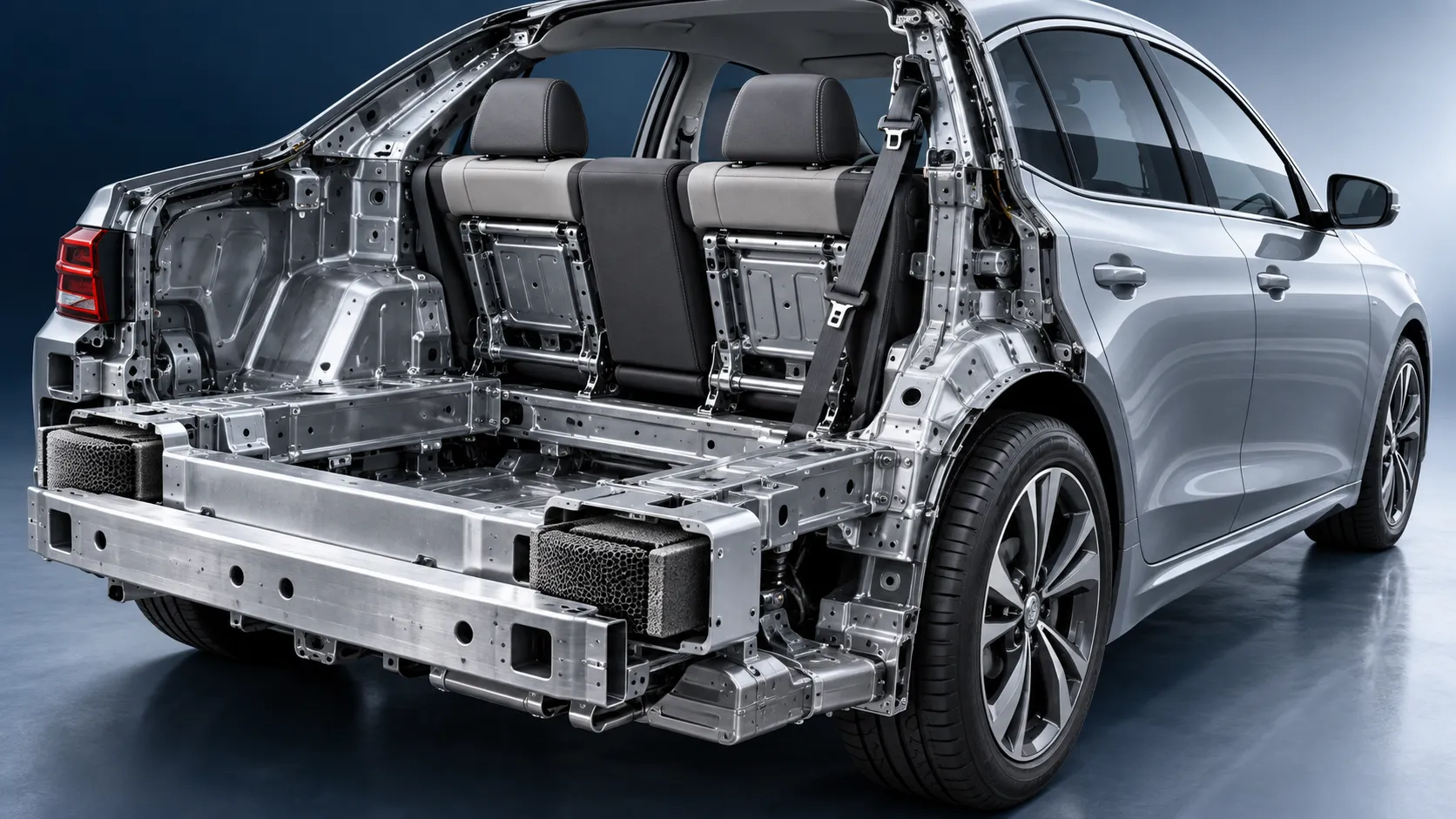
How Rear-Impact Safety Components Work Together to Protect Vehicle Occupants
Explore how automotive safety components for rear impact work together—from crash structures and seats to head restraints and belts—to enhance occupant protection.
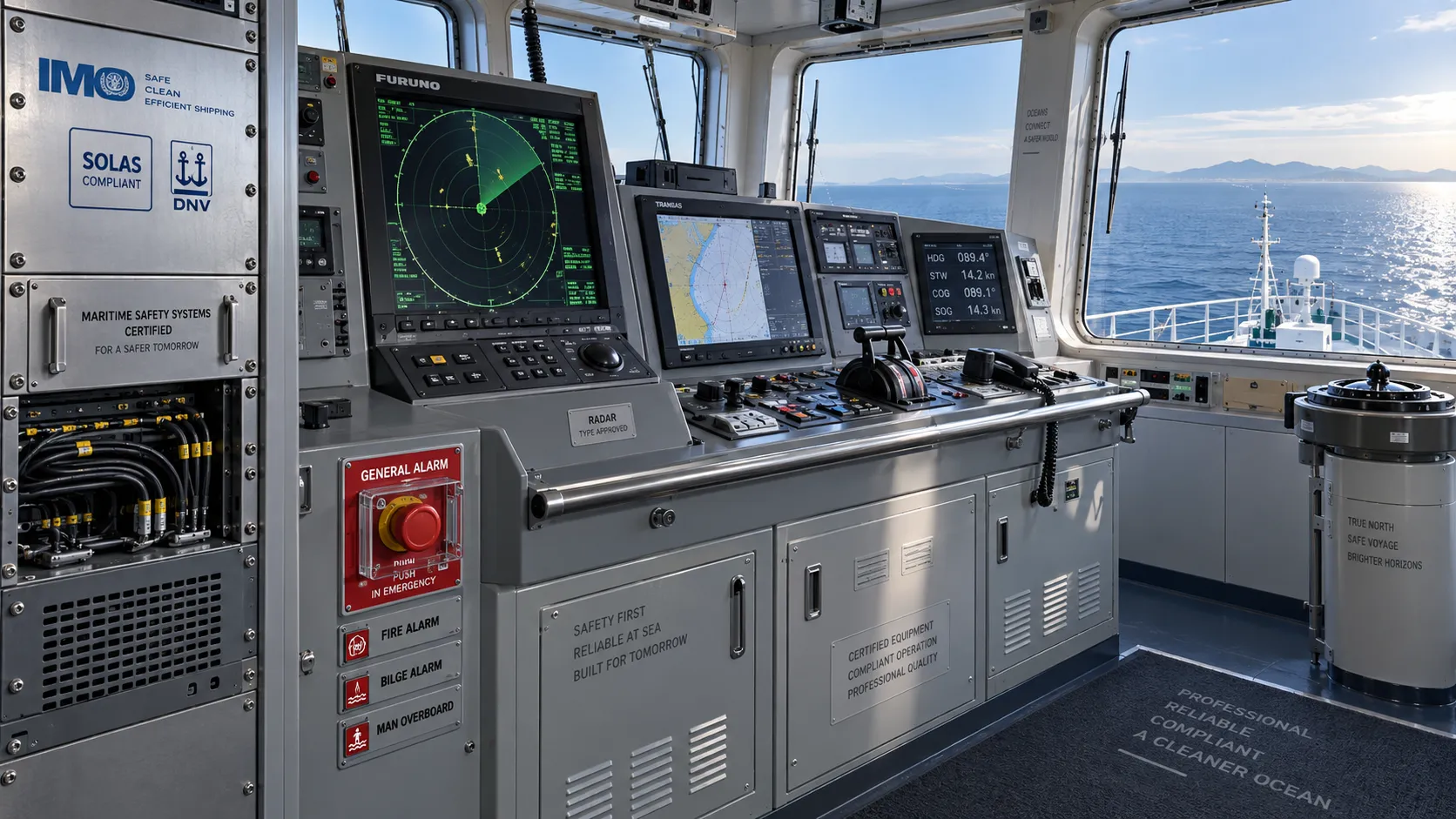
How to Evaluate a Marine Safety Systems Manufacturer for Vessel Compliance and Reliability
Marine safety systems manufacturer evaluation guide: verify compliance, engineering quality, lifecycle costs, and global service support for safer, reliable vessel operations.
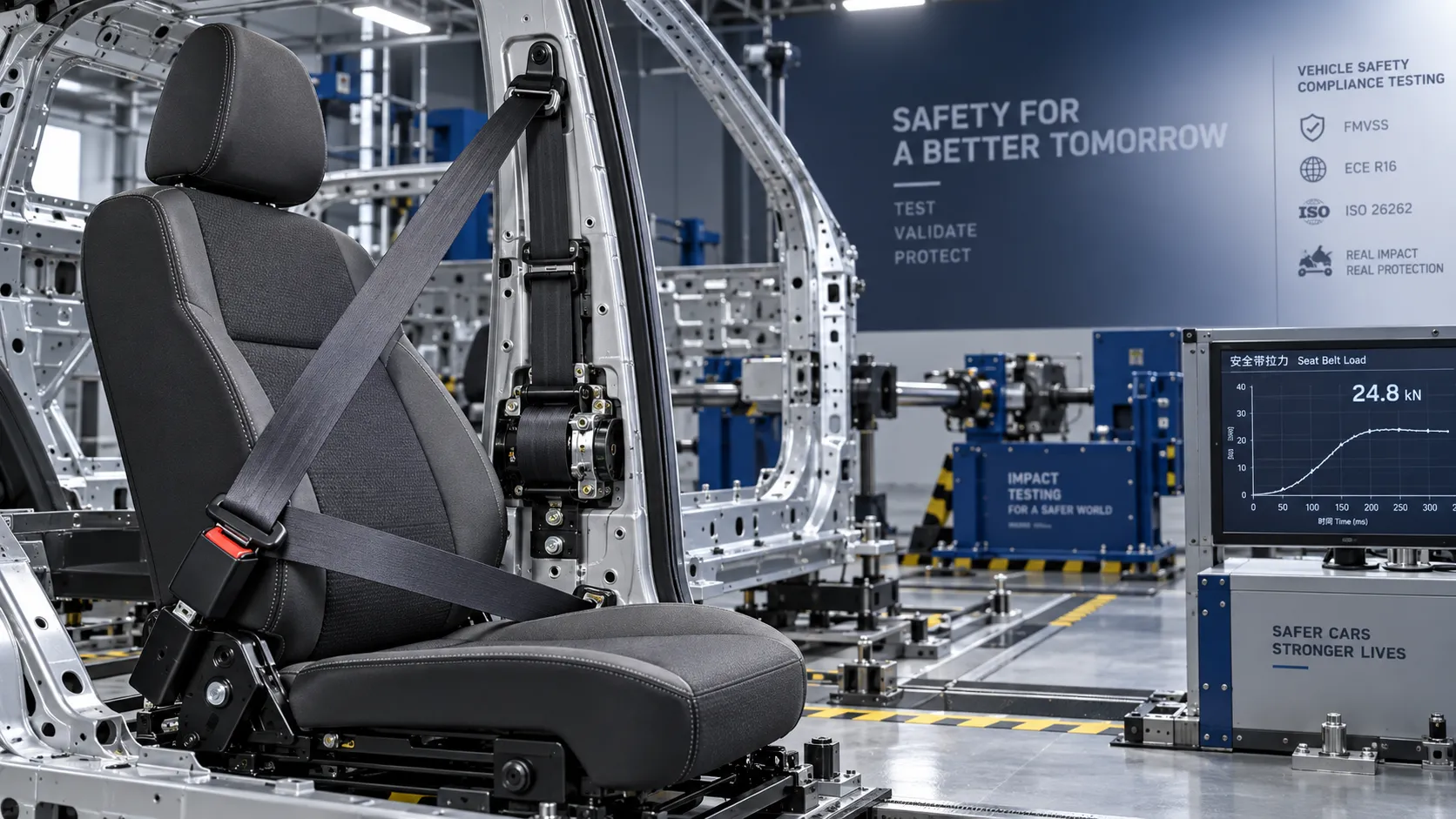
Crash Test Regulations for Seatbelts: Key Compliance Requirements Explained
Crash test regulations seatbelts explained: explore FMVSS, UN rules, anchorage strength, and dynamic restraint testing for safer, compliant vehicle systems.

How to Calculate the Total Cost of Automotive Lightweighting for a Vehicle Program
Automotive lightweight solutions cost: learn how to calculate program-level costs, including materials, tooling, joining, validation, risk, and vehicle-level value.

How Automotive Seat Occupancy Sensing Improves Airbag Deployment Decisions
Automotive seat occupancy sensing helps optimize airbag deployment decisions, improving passenger classification, safety diagnostics, and compliance across real-world conditions.

What Drives Lightweight Body Component Costs in High-Volume Vehicle Programs?
Lightweight body components cost depends on material yield, forming, joining, tooling, validation, and logistics. Explore proven ways to optimize total vehicle program cost.
Related News
- 00
0000-00
How to Specify Integrated Marine Electronics for Reliable Bridge Operations - 00
0000-00
How Adjustable Cabin Ergonomics Reduce Operator Fatigue in Long-Shift Vehicles - 00
0000-00
How to Evaluate a Marine Safety Systems Manufacturer for Vessel Compliance and Reliability - 00
0000-00
How to Calculate the Total Cost of Automotive Lightweighting for a Vehicle Program - 00
0000-00
What Drives Lightweight Body Component Costs in High-Volume Vehicle Programs?
Weekly Insights
Stay ahead with our curated technology reports delivered every Monday.