
Aluminum Seat Structures vs Steel: When Is the Weight Saving Worth the Trade-Off?
Aluminum Seat Structures vs Steel: When Is the Weight Saving Worth the Trade-Off?
For teams comparing aluminum seat structures with steel, weight is only the starting point.
The better question is whether lower mass creates enough value across the whole program.
That value may come from range gains, lower emissions, easier integration, or improved seat system performance.
But aluminum seat structures also change sourcing risk, joining methods, tooling, and crash validation paths.
In real programs, the switch pays off only when lifecycle economics and compliance demands move in the same direction.
This article breaks down when aluminum seat structures make strategic sense, and when steel remains the better decision.
Start with the Business Case, Not the Material
Many evaluations begin with a simple target: remove kilograms from the cabin.
That is understandable, especially in EVs, premium vehicles, and export programs under tighter emissions rules.
Still, aluminum seat structures should not be selected on weight reduction alone.
A lighter frame can raise raw material cost, demand different forming routes, and increase supplier qualification effort.
That also means any decision should begin with program-level economics.
- How much value does each kilogram saved create?
- Will the platform run long enough to recover tooling and validation costs?
- Are there crash, durability, or corrosion requirements that favor one material path?
- Can current suppliers produce aluminum seat structures at target quality and volume?
Without clear answers, a lightweight concept can become an expensive engineering exercise.
Where Aluminum Seat Structures Usually Win
The strongest case for aluminum seat structures appears where mass reduction has direct commercial impact.
Electric vehicles are the most obvious example.
A few kilograms removed from each seat can support range targets or offset heavier battery systems.
In sports cars and premium SUVs, lower seat mass can also help dynamic feel and interior packaging.
In commercial mobility, the gain is different but still relevant.
Lighter seating may improve payload efficiency, especially when multiplied across many rows or variants.
Recent market signals also support this direction.
OEMs increasingly tie cabin components to full-vehicle carbon and efficiency targets, not just standalone part pricing.
Under that lens, aluminum seat structures can shift from cost penalty to strategic enabler.
Best-fit scenarios
- EV platforms where every kilogram affects range or battery sizing
- Premium programs with high willingness to absorb material premiums
- Seat architectures requiring advanced lightweight positioning in marketing claims
- Multi-row applications where repeated seat mass compounds total savings
Where Steel Still Holds a Strong Advantage
Steel remains highly competitive because it solves more than cost.
It offers mature forming routes, broad supplier availability, and familiar crash behavior.
High-strength steel also delivers excellent stiffness-to-cost performance in many seat frames.
That matters in price-sensitive platforms, especially where interior systems already face margin pressure.
More importantly, steel usually reduces execution risk.
Production teams know the joining methods, repair assumptions, and dimensional controls.
Procurement teams often have stronger leverage with established steel supply networks.
So if mass savings do not unlock measurable vehicle-level benefits, steel often stays ahead.
Steel is often the better choice when
- The platform is highly cost constrained
- Annual volumes require proven, stable mass production
- Existing tooling and supplier contracts favor steel continuity
- Weight reduction has limited effect on range, emissions, or payload economics
The Real Trade-Offs Behind Aluminum Seat Structures
The decision gets clearer when trade-offs are evaluated in a structured way.
This is why weight saving alone can mislead decision-making.
The smarter comparison is total system value versus total execution burden.
Crash, Compliance, and Durability Cannot Be Secondary Checks
Seat structures sit directly inside the passive safety chain.
They interact with seatbelts, airbags, occupant kinematics, anchorage loads, and recliner performance.
That makes material substitution more sensitive than a simple bracket or trim part conversion.
Aluminum seat structures can meet demanding safety targets, but only with disciplined engineering validation.
Load paths, fatigue performance, joining integrity, and corrosion behavior all need early review.
This is especially important for programs facing IIHS, Euro NCAP, or OEM-specific seat strength requirements.
From a sourcing perspective, delayed validation is one of the fastest ways to erase any lightweight benefit.
Key risk checks before nomination
- Static and dynamic seat test history with comparable architectures
- Joining process capability for mixed loads and repeated use
- Galvanic corrosion controls where mixed materials are present
- Supplier readiness for PPAP, traceability, and regional compliance documentation
How to Decide If the Weight Saving Is Worth It
A practical decision framework keeps the discussion grounded.
- Quantify kilograms saved per vehicle, not just per component.
- Convert those kilograms into commercial value such as range, emissions, or payload impact.
- Add the full conversion cost, including tooling, testing, supplier development, and launch risk.
- Review safety and durability evidence from similar aluminum seat structures.
- Test supply resilience across regions, especially for high-volume programs.
- Decide only after total value clearly exceeds total risk.
In many cases, the answer will not be fully aluminum or fully steel.
Hybrid designs can place aluminum where weight savings matter most and retain steel where cost or load demand dominates.
That mixed approach often delivers the best balance between ambition and manufacturability.
Final Judgment
Aluminum seat structures are worth the trade-off when reduced mass creates measurable business value.
That usually means strong pressure on range, emissions, premium positioning, or payload efficiency.
They are less compelling when cost sensitivity is high and steel already meets targets with lower execution risk.
The most reliable decision comes from linking material choice to crash performance, supply capability, and lifecycle return.
In other words, choose aluminum seat structures when the lightweight gain changes the program outcome, not just the specification sheet.
Before final sourcing, benchmark comparable seat platforms, validate supplier process depth, and model value at vehicle level. That is where the real answer appears.
Related News
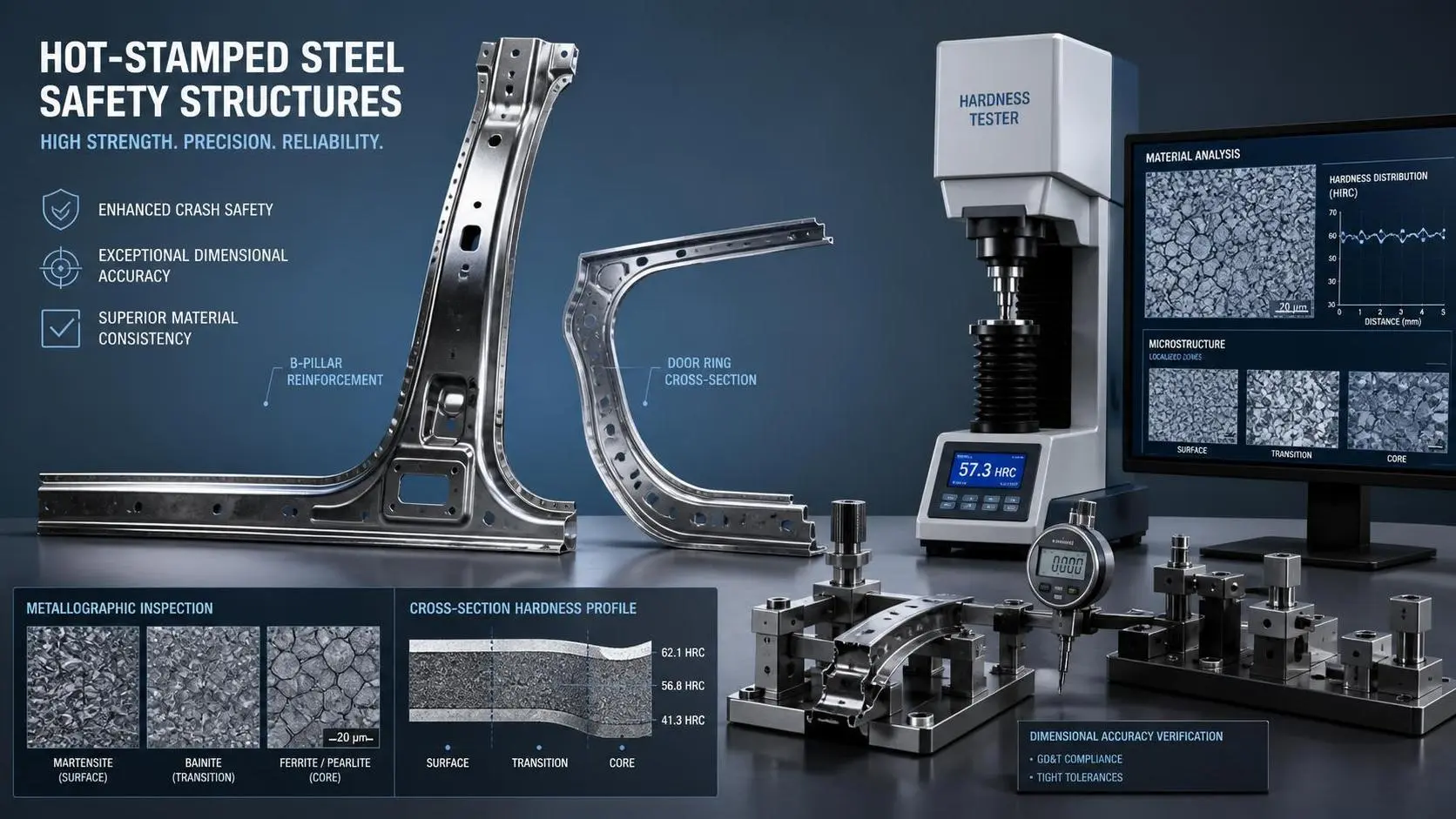
How to Evaluate High Strength Hot Stamped Steel Parts for Crash-Safety Applications
High strength hot stamped steel parts for crash-safety applications: learn how to assess strength, microstructure, dimensional accuracy, and process stability for safer sourcing decisions.
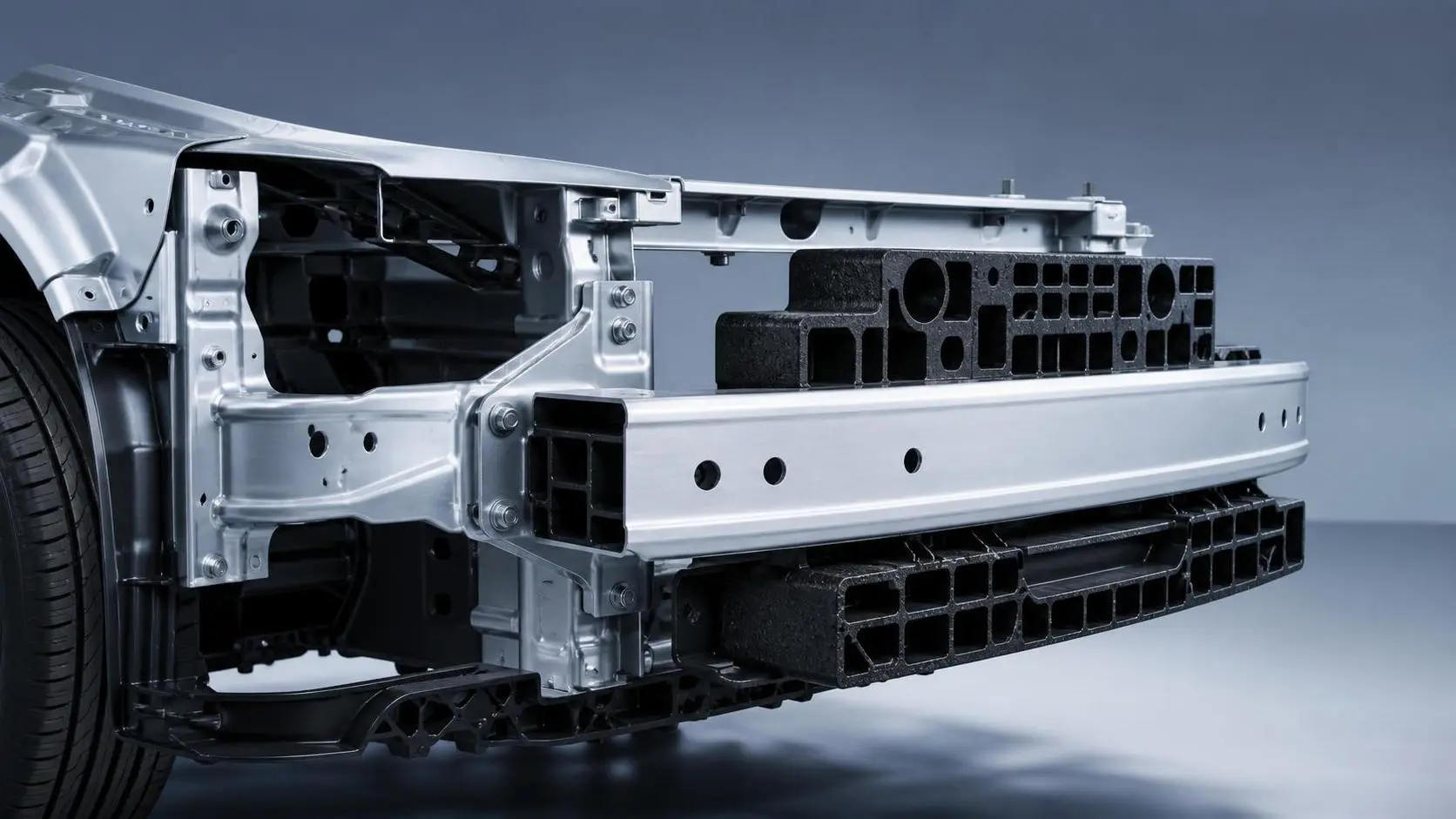
How Crash Management Components Reduce Repair Costs and Improve Impact Performance
Crash management components help reduce repair costs, protect critical vehicle structures, and improve impact performance. Learn how smarter design supports safer, more cost-efficient mobility programs.
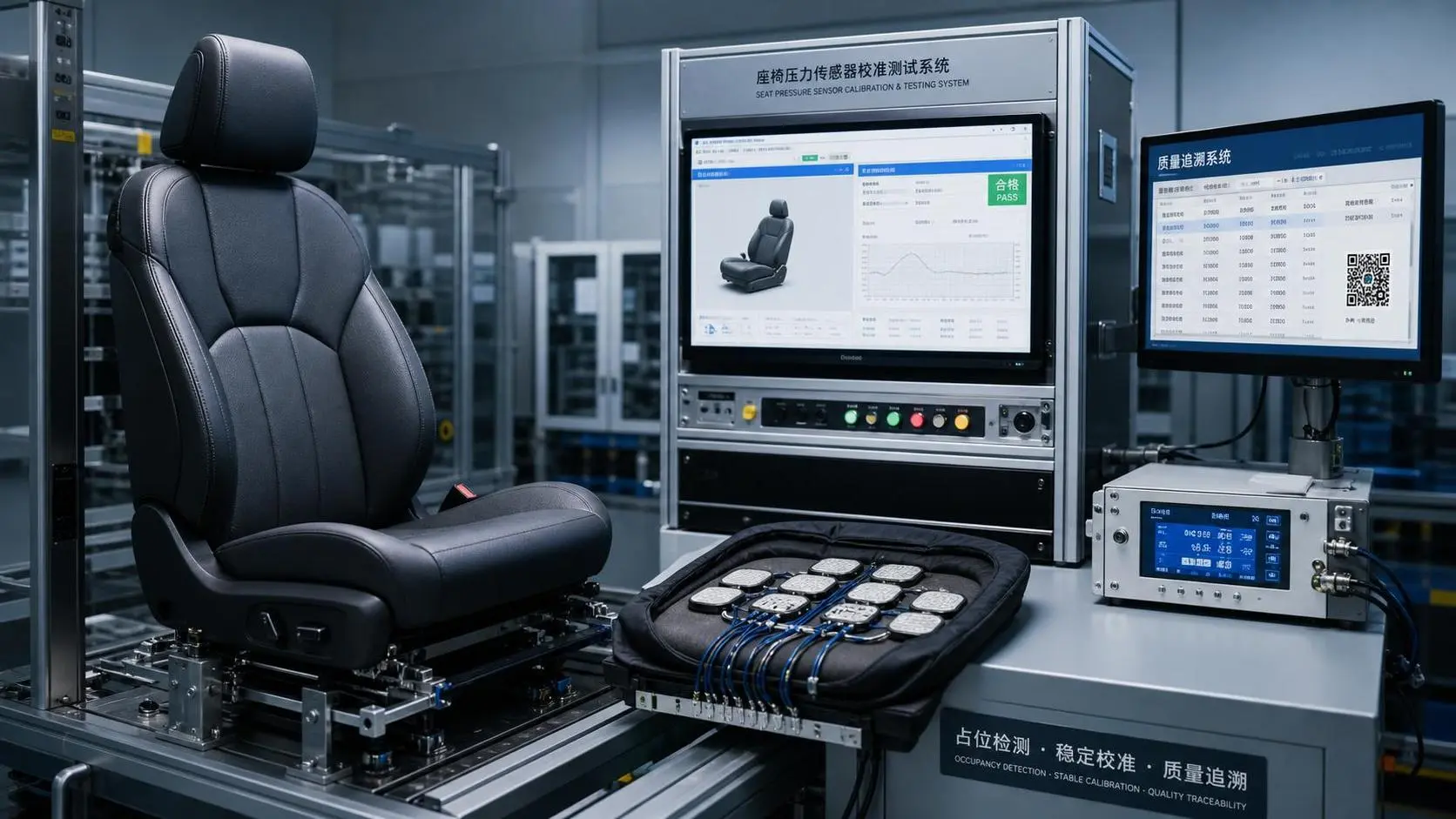
How to Evaluate a Seat Sensing Systems Factory for Automotive Safety Programs
Seat sensing systems factory selection goes beyond price. Learn how to assess quality control, validation, PPAP readiness, and long-term supply reliability for safer automotive programs.
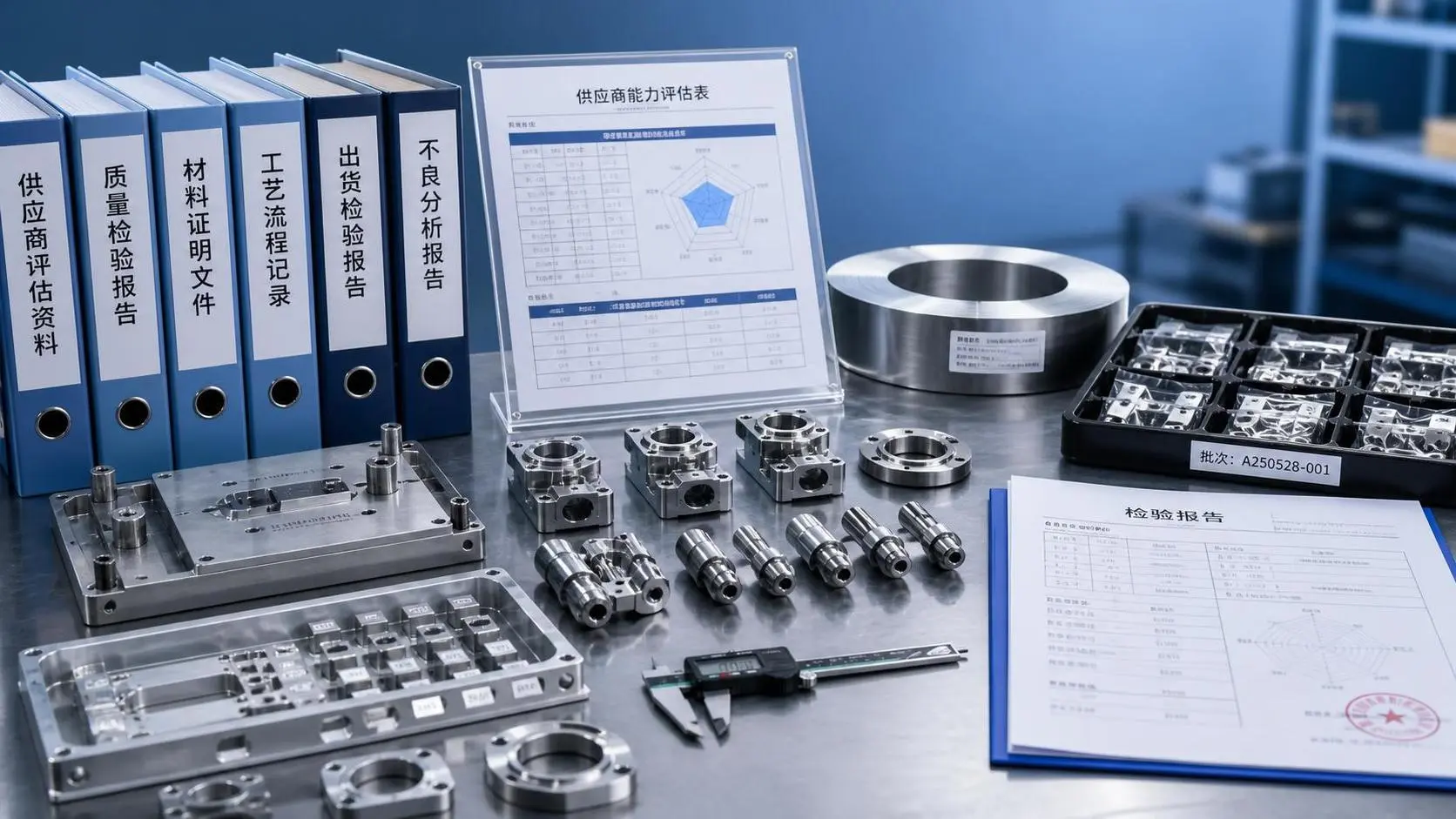
Supplier Capability Evaluation Process: Key Criteria for B2B Sourcing Decisions
Supplier capability evaluation process explained: learn the key criteria for B2B sourcing decisions, reduce supplier risk, and choose partners with confidence.
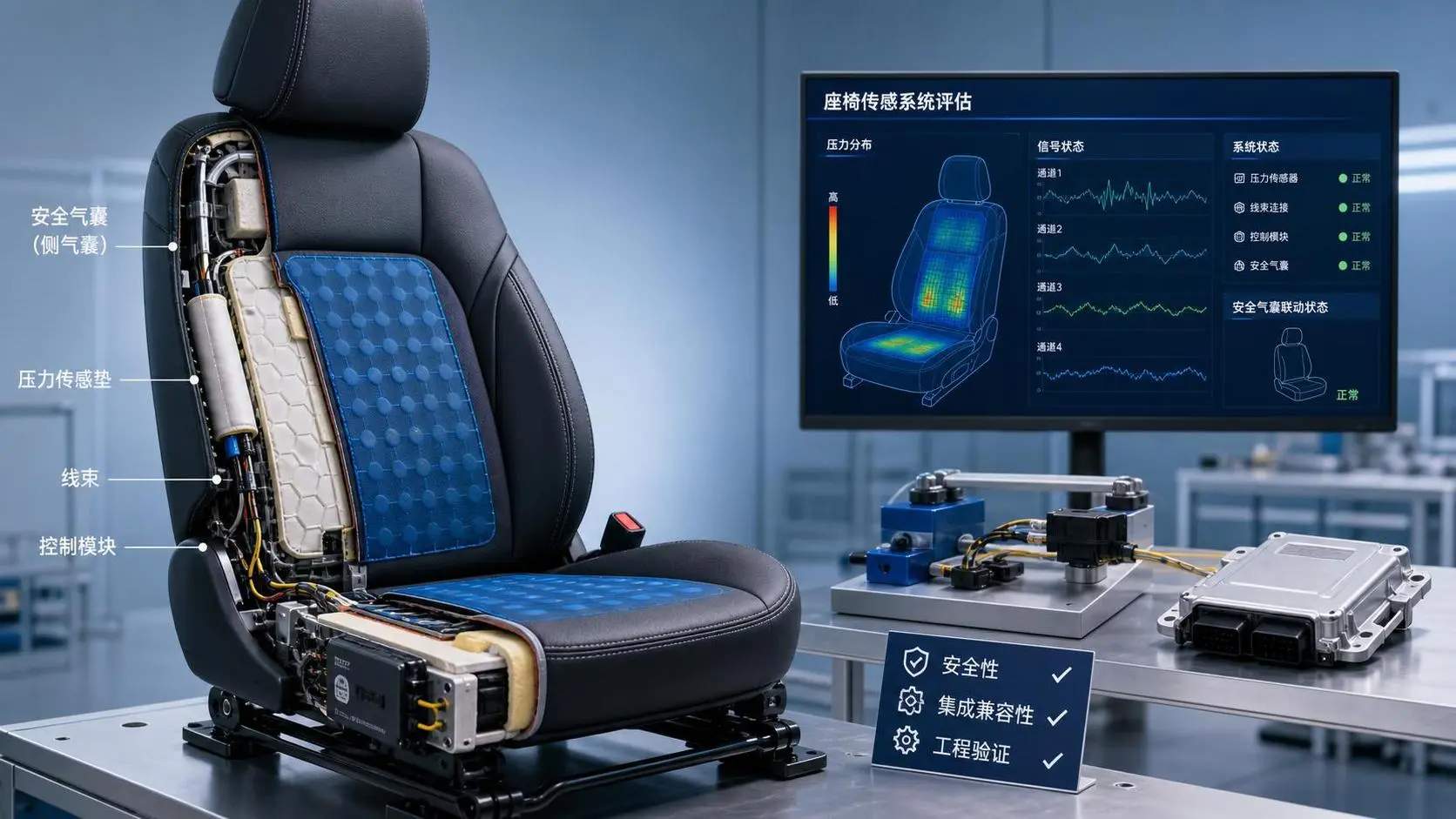
How to Evaluate a Seat Sensing Technology Supplier for Safety and Integration?
Seat sensing technology supplier evaluation guide: compare safety maturity, integration fit, algorithm reliability, and validation support to choose a partner that reduces risk.
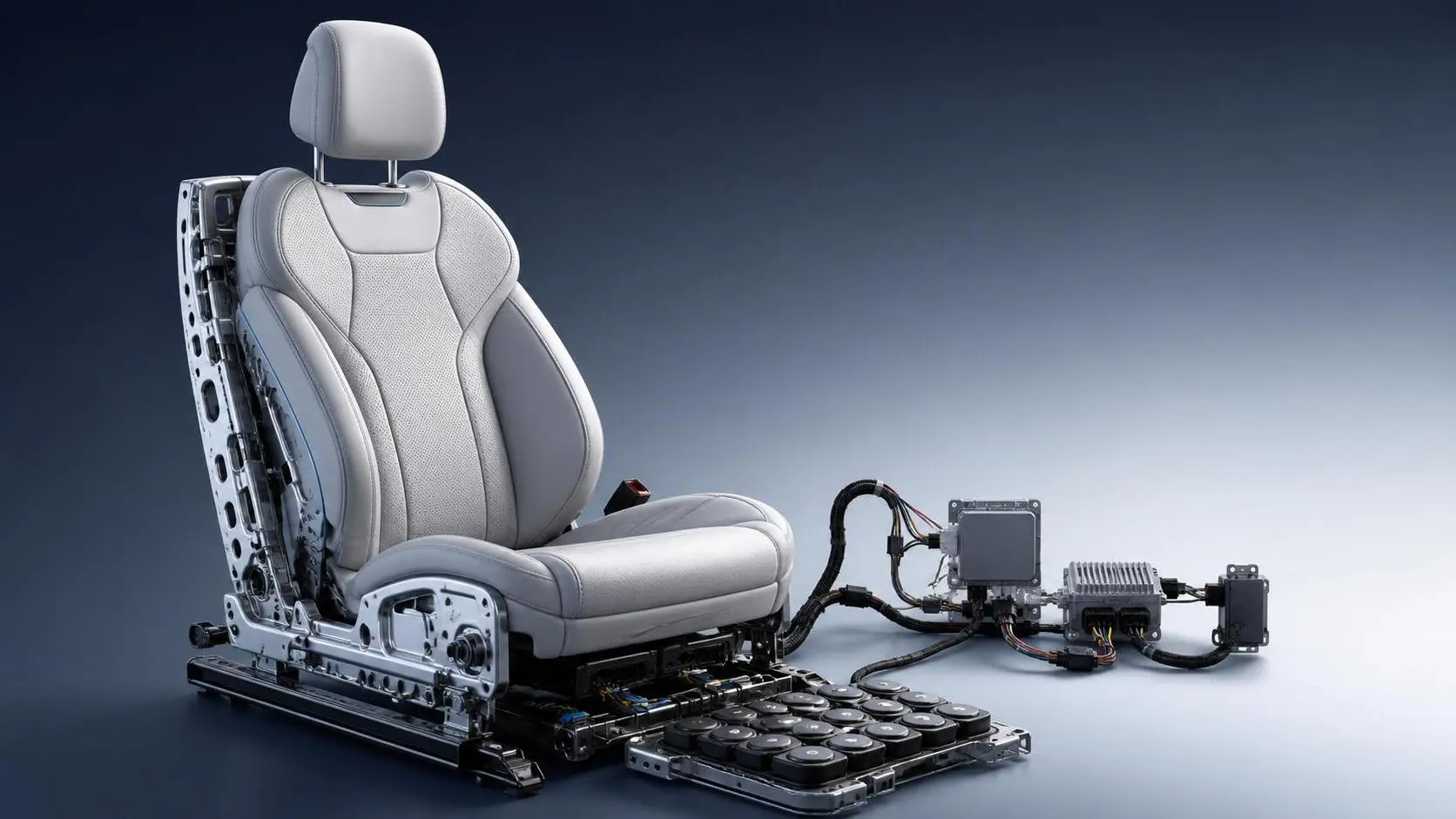
How to Evaluate Custom Smart Automotive Seating for Premium Vehicle Programs?
Custom smart automotive seating evaluation starts with safety, comfort, integration, and production readiness. Discover how premium vehicle teams choose smarter, lower-risk seat solutions.
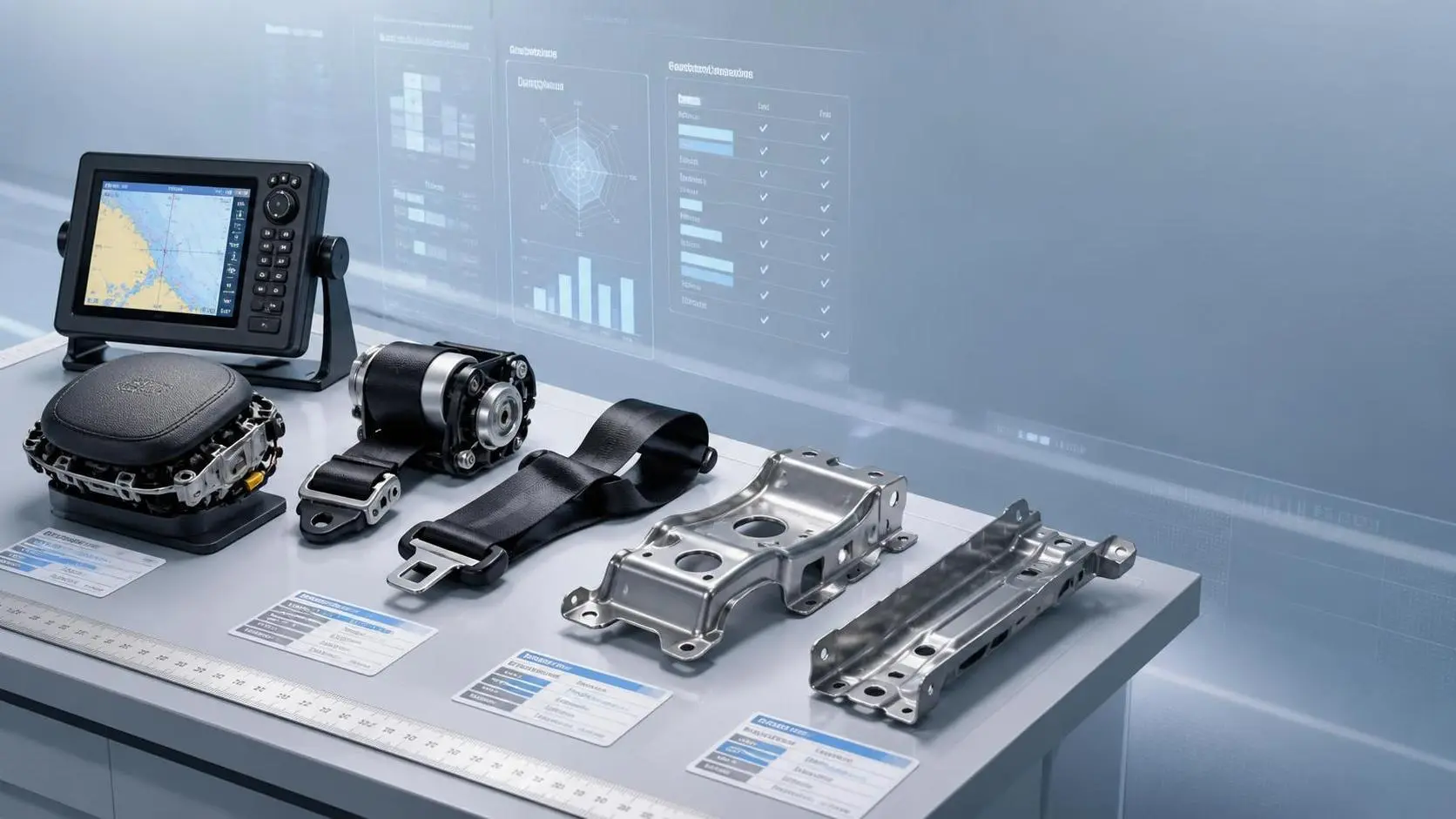
B2B Product Intelligence Platforms: How to Compare Features, Data Coverage, and ROI
B2B product intelligence platform comparison: learn how to evaluate data coverage, feature depth, compliance visibility, and ROI to choose a sourcing tool that reduces risk and speeds decisions.
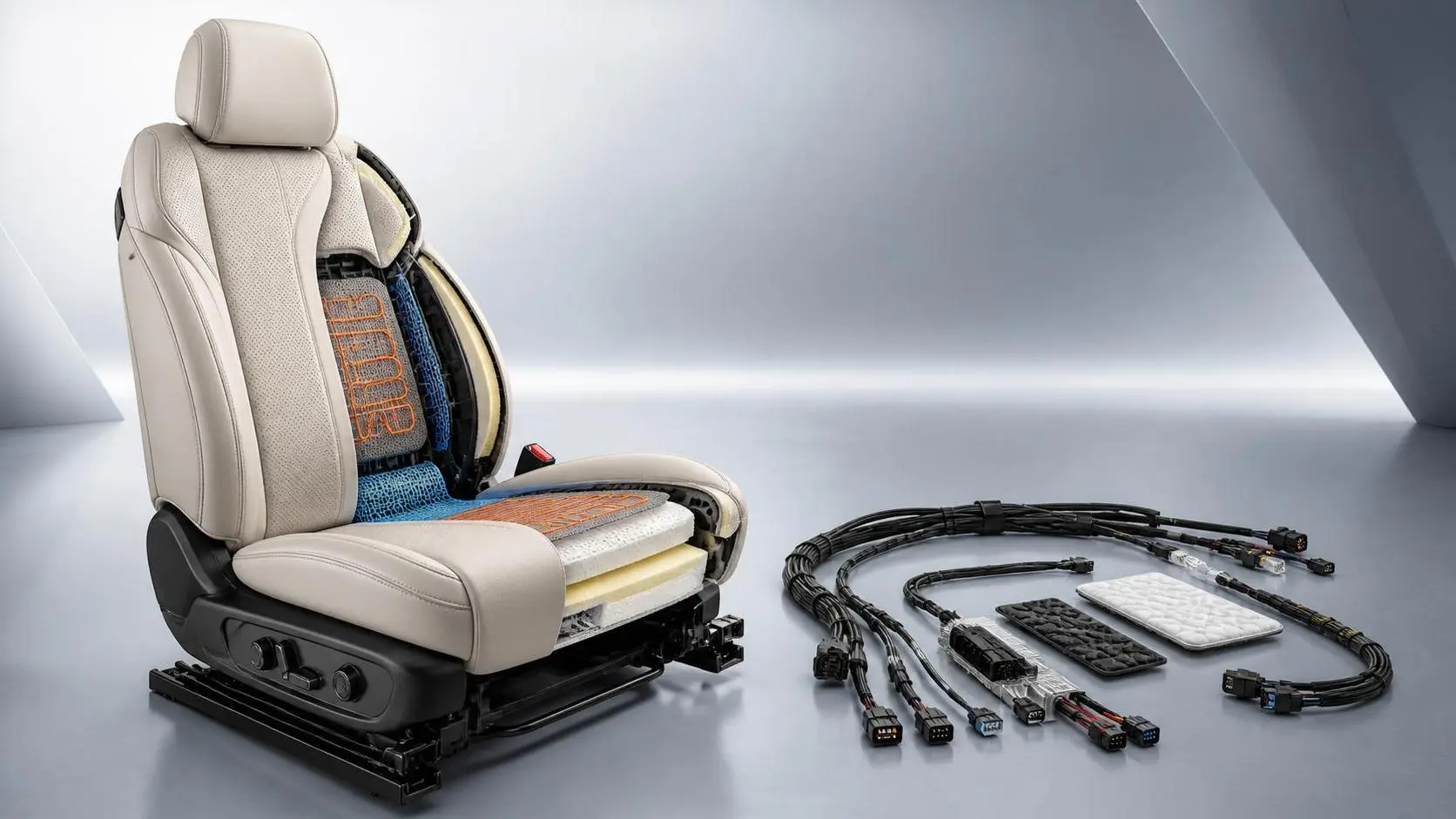
Climate Control Seats Cost: What Drives Price and Long-Term Ownership Value?
Climate control seats cost depends on materials, thermal tech, and integration. Learn what drives price and how to judge long-term value before you buy.

What Factors Drive Marine Navigation Components Cost in Commercial Vessel Projects?
Marine navigation components cost is shaped by integration, compliance, installation, and lifecycle support. Discover what drives pricing and how buyers can reduce risk while improving value.
Related News
- 00
0000-00
How to Evaluate Automotive Seat Assemblies for EVs by Weight, Safety, and Packaging - 00
0000-00
How to Evaluate a Seat Structures Exporter for OEM Programs: Capacity, Compliance, and Tooling - 00
0000-00
Sensor-Based Smart Seating Solutions: Key Features for Automotive Seat Design - 00
0000-00
What Drives Automotive Ergonomics Cost? Design Inputs, Testing Scope, and Tooling Factors - 00
0000-00
Aluminum Seat Structures vs Steel: When Is the Weight Saving Worth the Trade-Off?
Weekly Insights
Stay ahead with our curated technology reports delivered every Monday.