
How to Evaluate Automotive Seat Assemblies for EVs by Weight, Safety, and Packaging
How to Evaluate Automotive Seat Assemblies for EVs by Weight, Safety, and Packaging
Evaluating automotive seat assemblies for EVs requires more than checking comfort or cost.
Battery layouts, flat floors, and stricter range targets change the decision logic.
That is why automotive seat assemblies for EVs must be reviewed as structural, safety, and packaging systems together.
In practice, a lighter seat is not automatically a better seat.
A compact design can also create tradeoffs in rear knee room, cable routing, or crash pulse management.
This article breaks down how to assess automotive seat assemblies for EVs with a decision-focused engineering lens.
Why EV Seat Evaluation Requires a Different Baseline
Traditional seat selection often centers on comfort, trim level, and direct piece cost.
For EV programs, those factors still matter, but they are no longer enough.
Automotive seat assemblies for EVs sit inside platforms shaped by battery enclosures, power electronics, and stricter mass budgets.
The seat also interacts with occupant sensing, thermal comfort loads, and passive safety architecture.
More clearly now, the seat becomes a cross-functional subsystem.
That means evaluation should connect body engineering, crash, EE, ergonomics, and sourcing requirements from the start.
A useful baseline is simple.
- How much weight does the seat add per seating position?
- How does it perform under frontal, side, rear, and rollover events?
- How efficiently does it fit within the EV package envelope?
- What hidden system penalties come with features, motors, or modules?
Weight: Look Beyond the Frame Mass
Weight is usually the first screen for automotive seat assemblies for EVs.
That makes sense because every kilogram affects range, acceleration, and overall platform efficiency.
Still, frame mass alone can mislead the decision.
A lighter structure may require heavier reinforcements elsewhere, or more complex mounting hardware.
What to measure
- Complete seat system mass, not bare frame mass
- Mass by module, including tracks, recliners, foam, trim, motors, sensors, and airbags
- Mass added by comfort features such as ventilation, massage, or heating
- Fastener and bracket weight linked to body attachment strategy
- Weight variation between manual and power versions
What to question
Material choice matters, but it should be reviewed with process stability and joining complexity.
High-strength steel, aluminum, and magnesium can all support lightweight goals.
The real question is whether the supplier can hold dimensional accuracy at volume.
This is especially important for automotive seat assemblies for EVs with integrated sensing and tight body clearances.
A practical approach is to compare kilograms saved against tooling cost, repairability, and validation burden.
Safety: Validate the Seat as a Restraint Partner
Safety evaluation should treat the seat as an active partner in occupant restraint.
For automotive seat assemblies for EVs, that means looking beyond static strength checks.
The seat frame, recliner, head restraint, belt integration, and airbag interfaces must work as one system.
Core safety checkpoints
- Load path integrity under frontal and rear impacts
- Recliner strength and deformation behavior
- Track retention during severe pulses
- Head restraint geometry for whiplash mitigation
- Compatibility with side airbags and seatbelt anchorage strategy
- Occupant classification sensor reliability
Recent EV architectures often bring different floor heights and occupant postures.
That can shift pelvis angle, H-point position, and belt fit.
As a result, automotive seat assemblies for EVs should be reviewed with real package coordinates, not legacy assumptions.
It is also worth checking how the seat behaves after repeated usage cycles.
A design that passes one-time tests but loses stiffness over life can create compliance risk later.
Useful validation evidence
- Dynamic sled data tied to actual restraint configuration
- CAE correlation records for recliner and track performance
- Durability results after vibration and entry-exit cycling
- Regional compliance mapping for FMVSS, ECE, NCAP, and internal protocols
Packaging: Make Space Efficiency Measurable
Packaging is where many promising seat concepts start to break down.
EV platforms need seats to fit around battery packs, raised floors, center consoles, and rear electronics zones.
That is why automotive seat assemblies for EVs must be judged by usable space, not nominal dimensions alone.
Packaging factors that influence selection
- Seat stack height versus battery floor height
- Fore-aft travel range within dashboard and B-pillar constraints
- Recline envelope and second-row interference risk
- Under-seat volume for HVAC ducts, wiring, and modules
- Ingress and egress performance for real occupants
A seat may look compact in CAD while creating service or assembly problems later.
For example, under-seat modules can block airflow, wiring repair, or seat removal paths.
This also means packaging review should include manufacturing and aftersales teams early.
In actual programs, the best automotive seat assemblies for EVs usually win by balancing millimeters across multiple systems.
A Practical Comparison Framework
To compare suppliers fairly, use a weighted evaluation model.
This keeps decisions grounded when several seat concepts appear close on paper.
The exact weighting will vary by vehicle segment.
A city EV may prioritize mass and package density.
A premium SUV may accept some weight increase for safety features and comfort content.
Common Risks During Supplier Assessment
Several issues repeatedly distort seat decisions.
- Comparing incomplete BOM definitions across suppliers
- Accepting CAE claims without test correlation
- Ignoring package impact from optional feature content
- Treating seat sensors as separate from seat architecture
- Underestimating launch risk from new materials or joints
These risks are especially relevant when evaluating automotive seat assemblies for EVs across global sourcing programs.
A supplier may show strong headline numbers, yet hide integration penalties in the surrounding system.
What Strong Decision-Making Looks Like
Good evaluation is rarely about finding a perfect seat.
It is about selecting automotive seat assemblies for EVs that fit the program’s real constraints.
The best decisions usually come from five actions.
- Lock a common mass definition before comparison.
- Review crash performance with actual body and restraint interfaces.
- Model package fit using true EV floor and occupant coordinates.
- Stress-test feature content against weight and space targets.
- Score suppliers on execution maturity, not concept promise alone.
When this process is followed, seat selection becomes faster, more defensible, and easier to align across engineering and sourcing.
For current EV programs, the strongest automotive seat assemblies for EVs are the ones that save weight, protect occupants, and use every millimeter wisely.
Related News
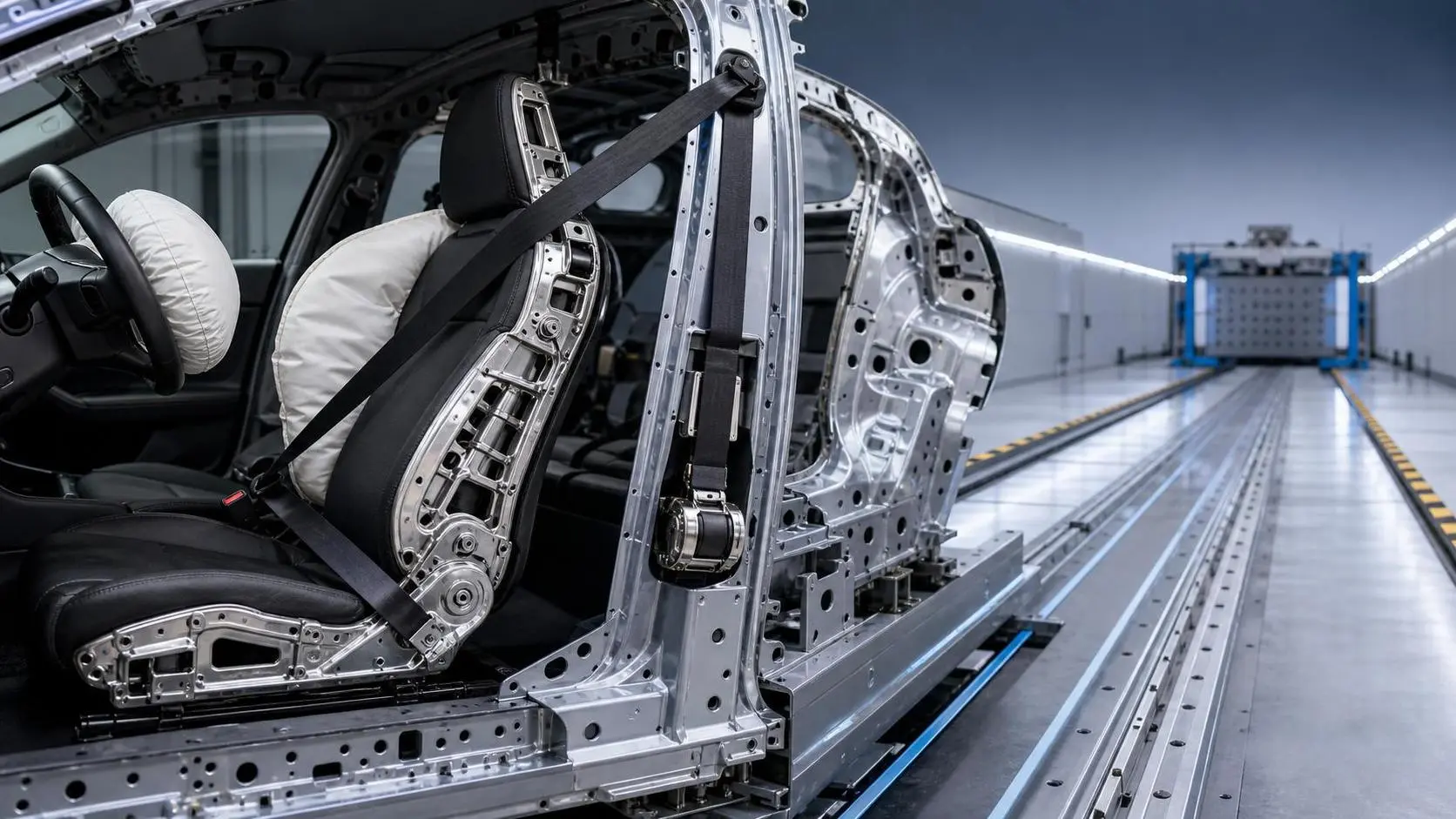
Which Passive Safety Engineering Standards Apply to Automotive Restraint Systems?
Passive safety engineering standards for automotive restraint systems: explore FMVSS, UN regulations, seatbelts, airbags, anchors, and compliance planning.

How European B2B Teams Can Evaluate Product Intelligence Platforms for Sourcing
B2B product intelligence platform Europe: learn how procurement teams assess suppliers, compliance data, technical capabilities, and sourcing risks with confidence.
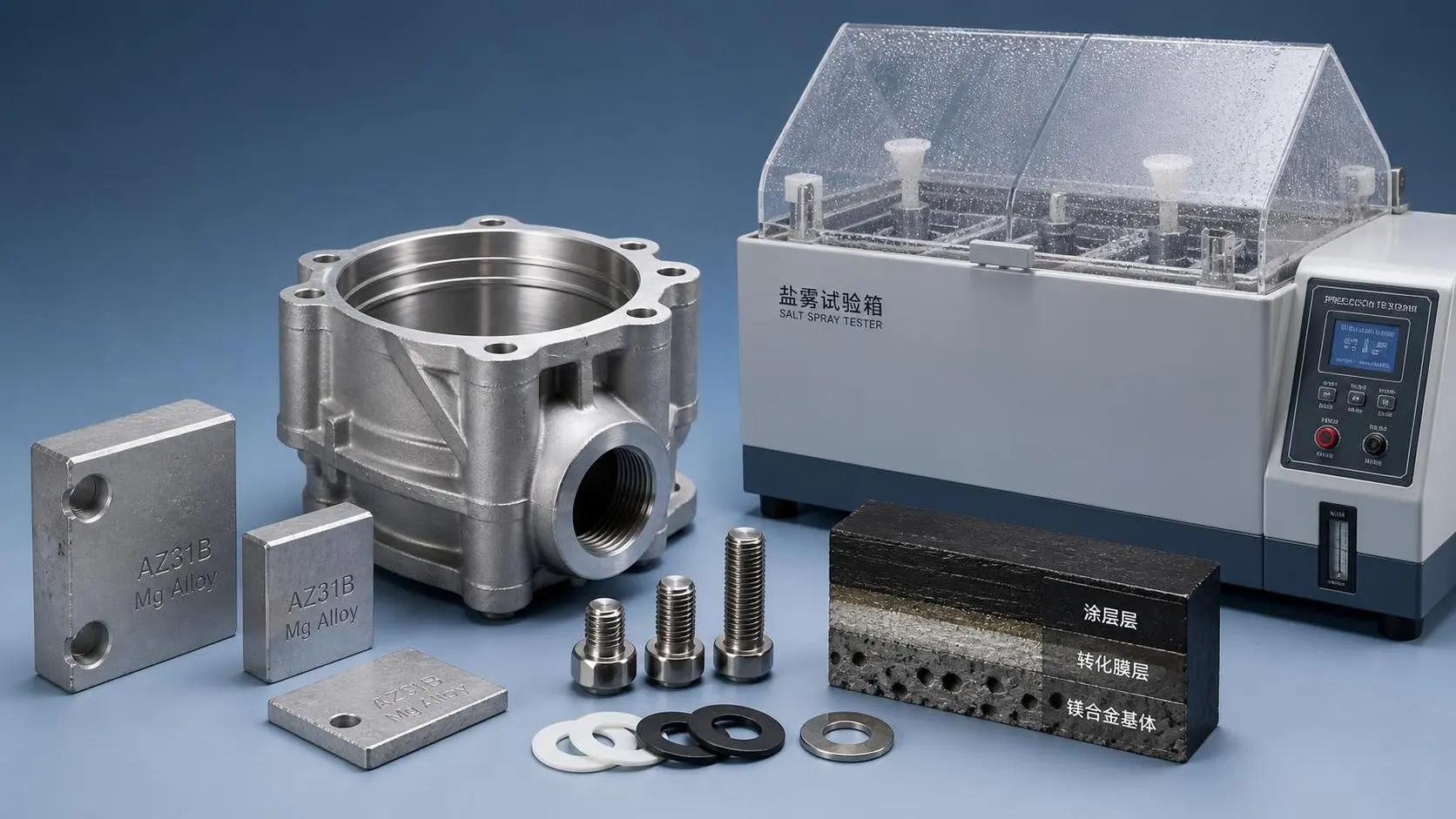
How to Evaluate Magnesium Alloys Corrosion Resistance for Marine Parts?
Magnesium alloys corrosion resistance for marine parts depends on more than alloy grade. Learn how to assess coatings, galvanic risk, geometry, and real-world exposure before you decide.
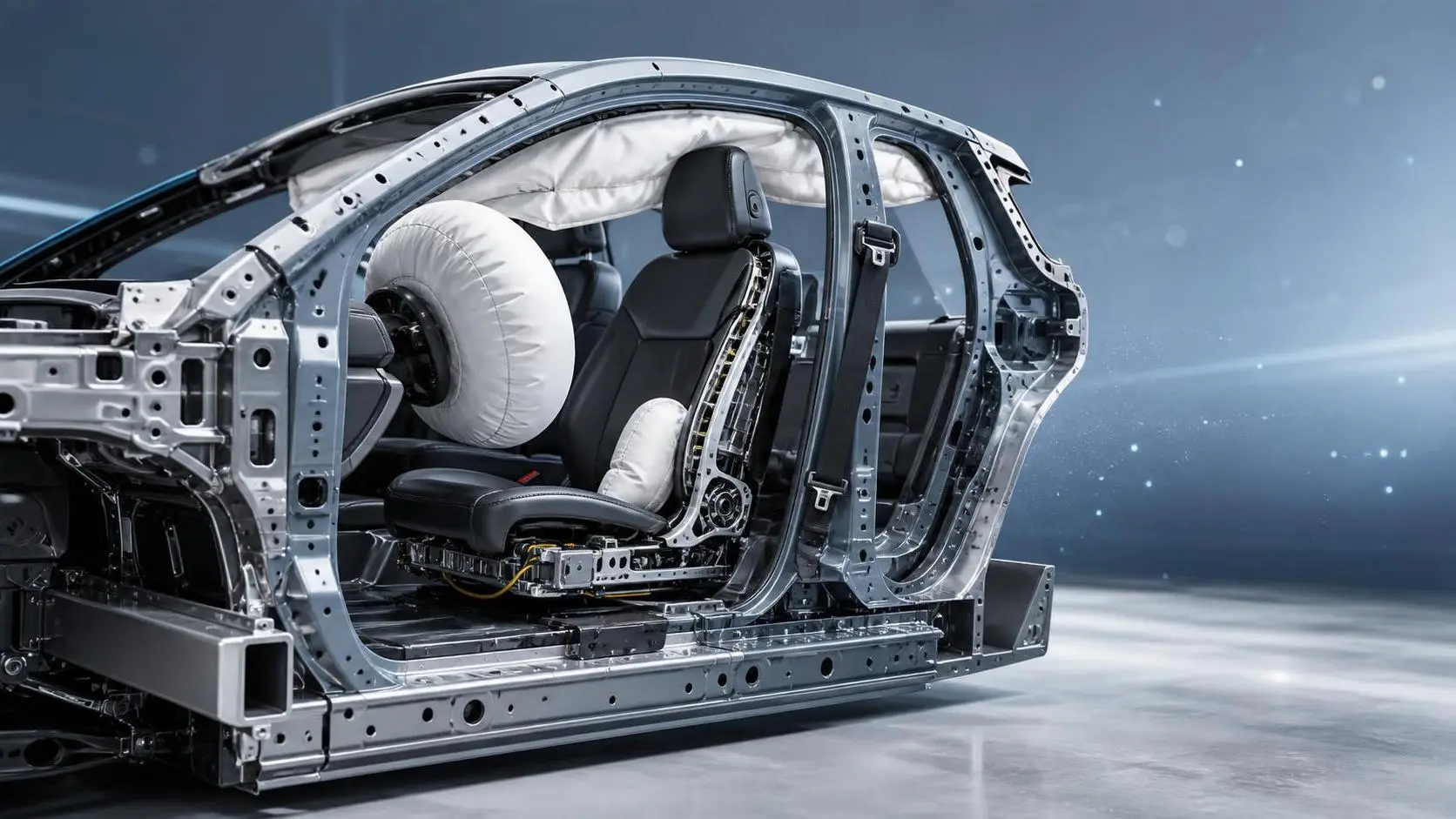
How to Evaluate Mobility Safety Systems for Safer Vehicle Platform Design
Mobility safety systems evaluation starts with platform architecture, crash energy management, and seat-restraint timing. Learn how to choose safer, validation-ready vehicle designs.
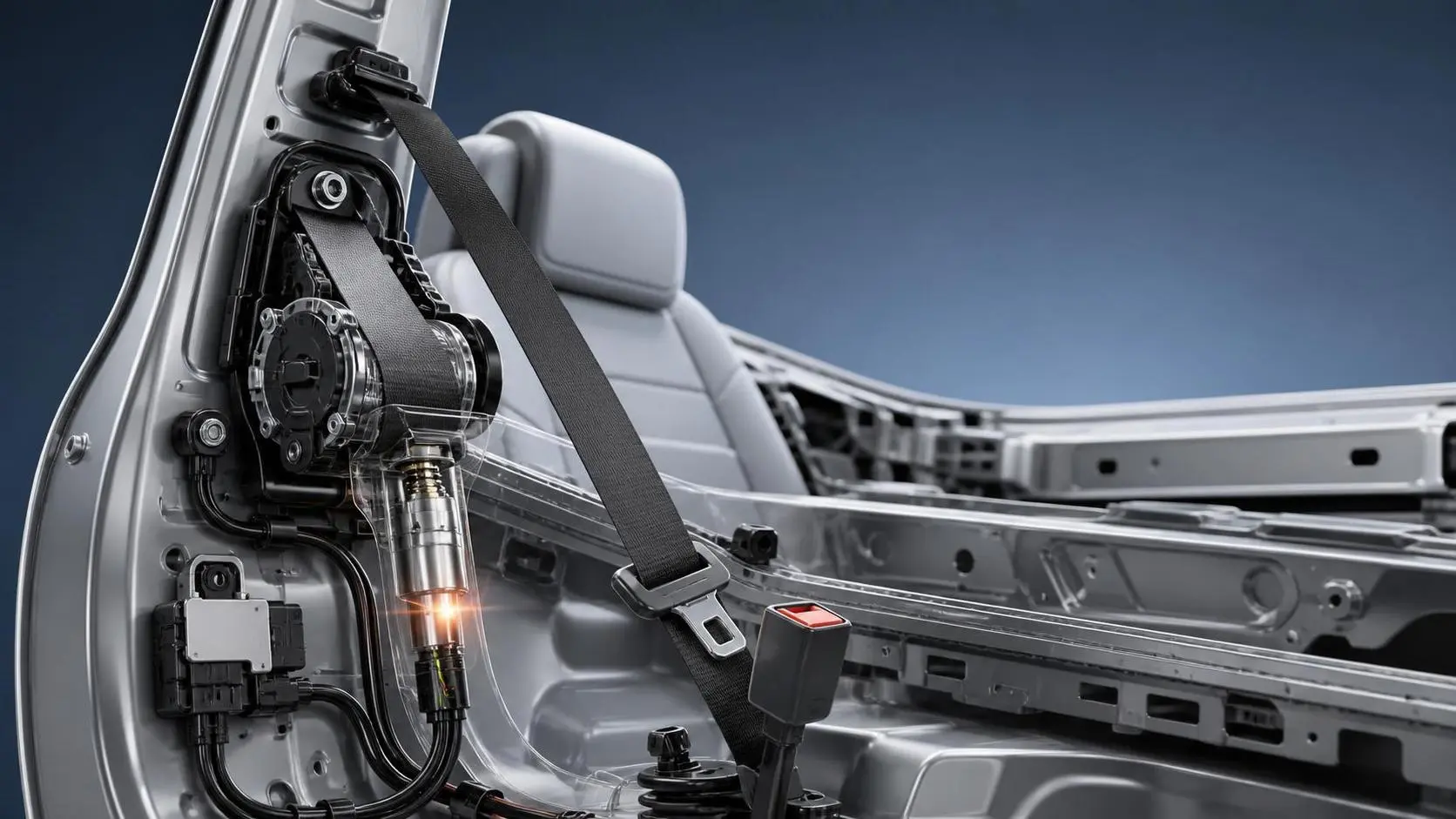
How Seat Belt Pretensioners for EVs Improve Crash Safety and System Response
Seat belt pretensioners for EVs improve crash timing, occupant control, and system response. Discover how smarter integration boosts EV safety performance.
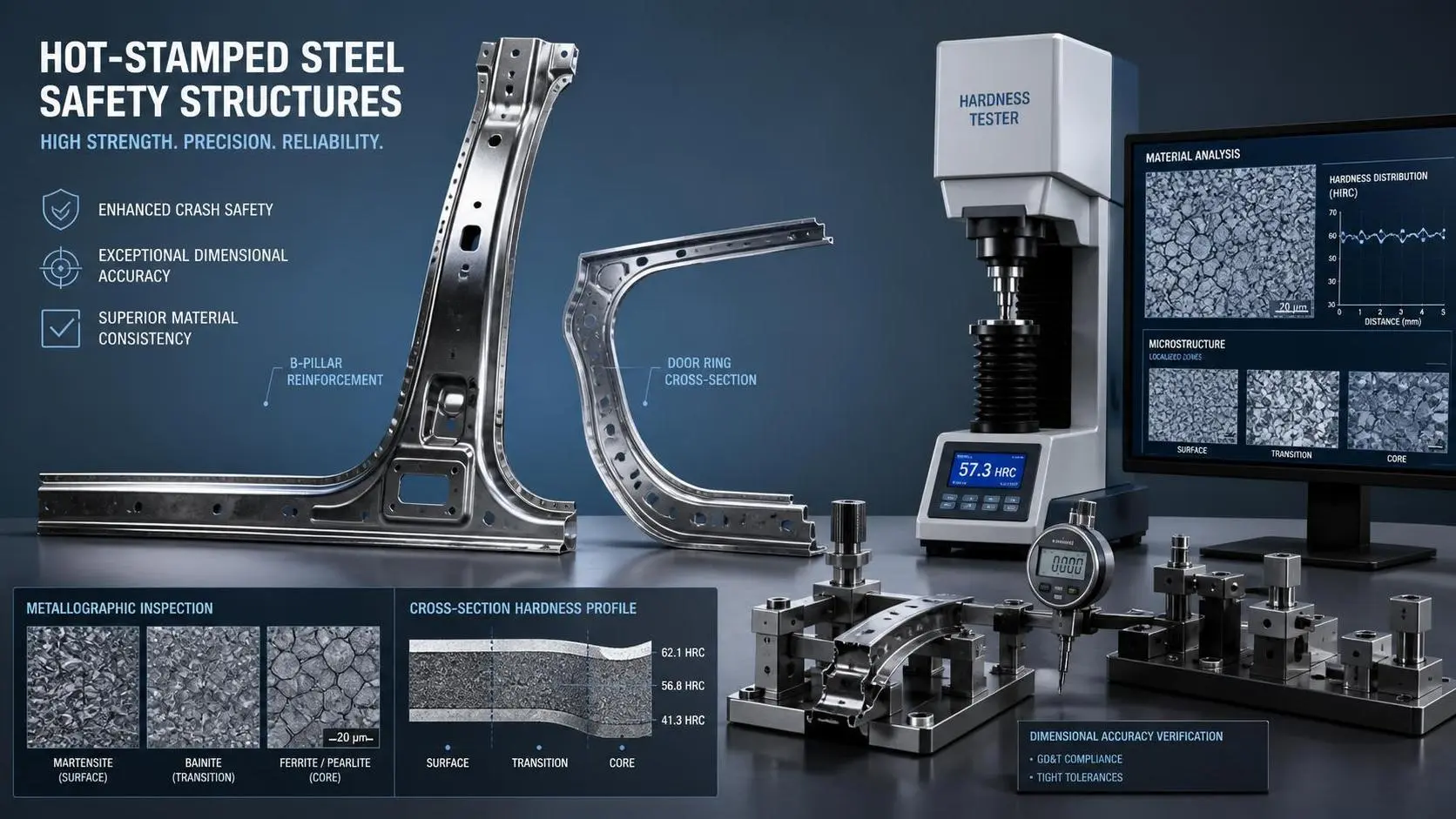
How to Evaluate High Strength Hot Stamped Steel Parts for Crash-Safety Applications
High strength hot stamped steel parts for crash-safety applications: learn how to assess strength, microstructure, dimensional accuracy, and process stability for safer sourcing decisions.
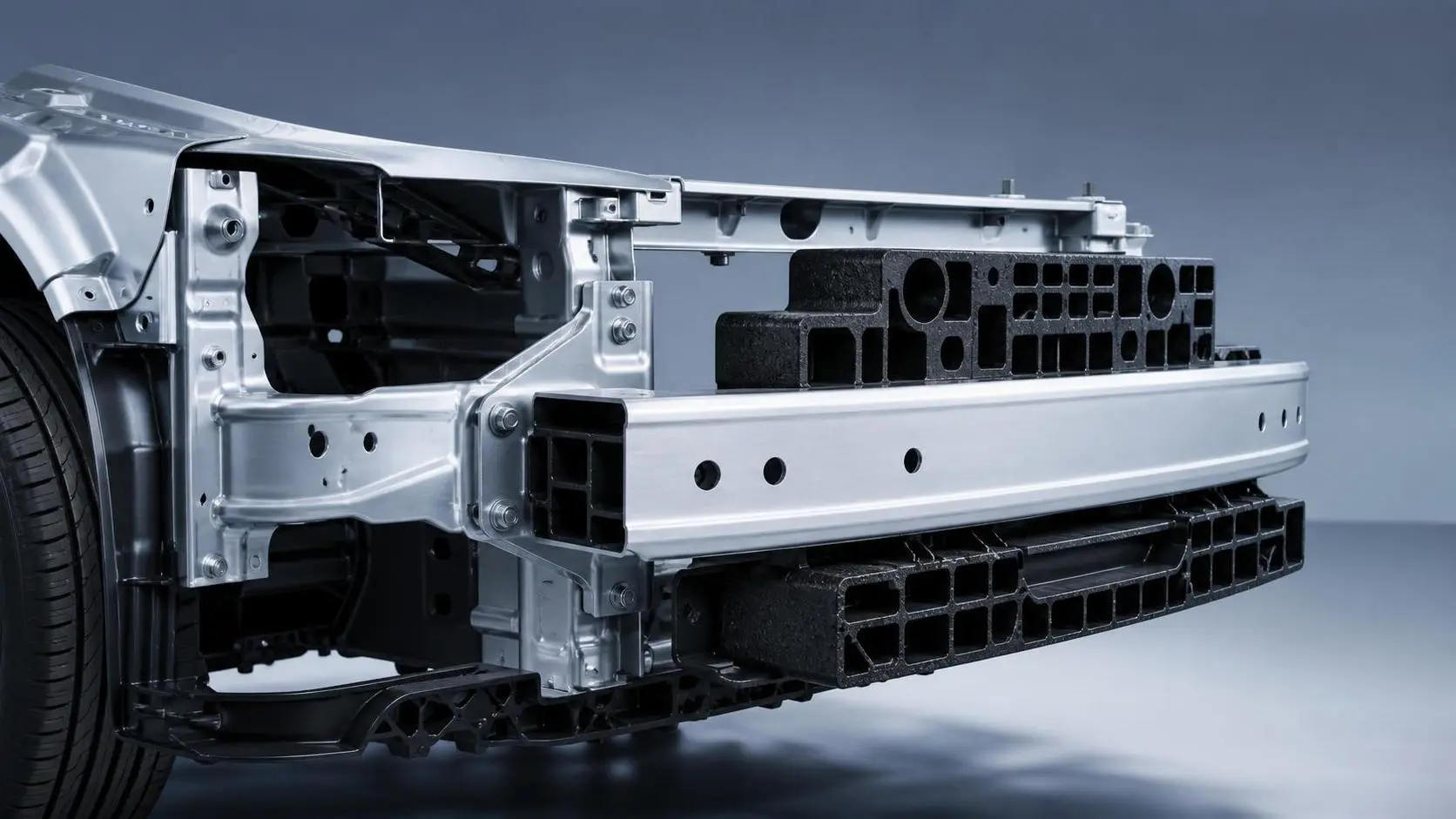
How Crash Management Components Reduce Repair Costs and Improve Impact Performance
Crash management components help reduce repair costs, protect critical vehicle structures, and improve impact performance. Learn how smarter design supports safer, more cost-efficient mobility programs.
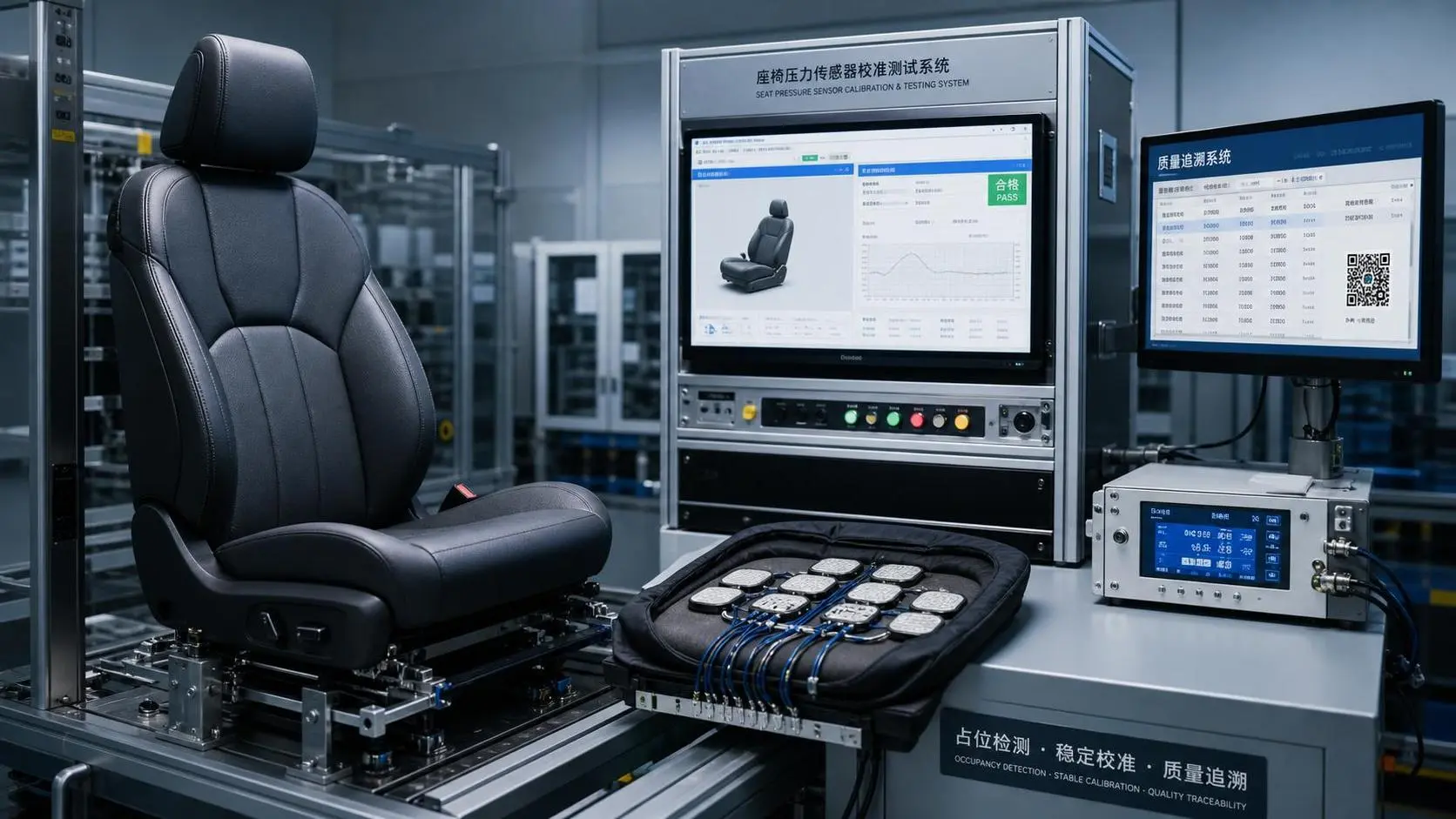
How to Evaluate a Seat Sensing Systems Factory for Automotive Safety Programs
Seat sensing systems factory selection goes beyond price. Learn how to assess quality control, validation, PPAP readiness, and long-term supply reliability for safer automotive programs.
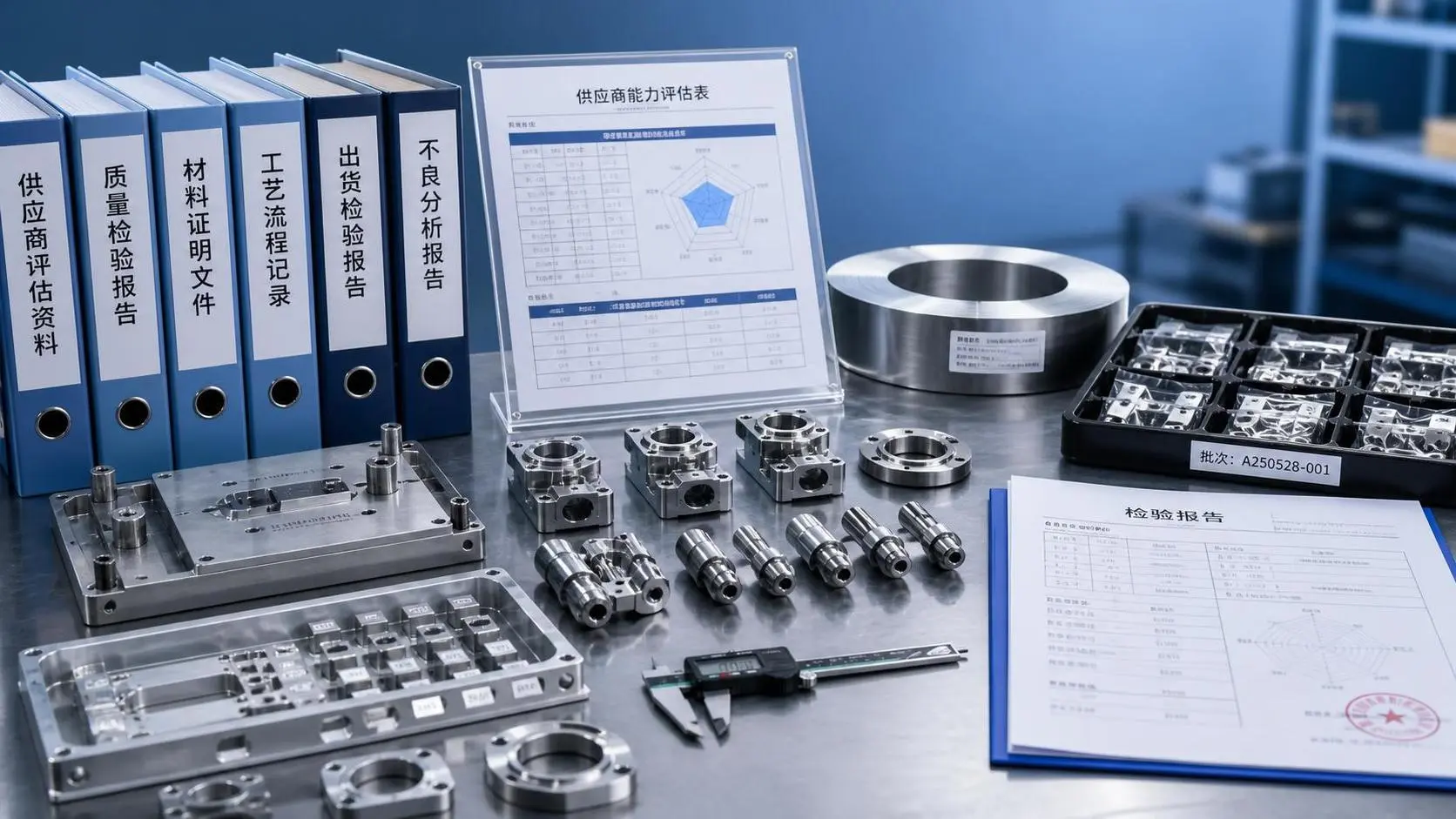
Supplier Capability Evaluation Process: Key Criteria for B2B Sourcing Decisions
Supplier capability evaluation process explained: learn the key criteria for B2B sourcing decisions, reduce supplier risk, and choose partners with confidence.
Related News
- 00
0000-00
How to Evaluate Automotive Seat Assemblies for EVs by Weight, Safety, and Packaging - 00
0000-00
How to Evaluate a Seat Structures Exporter for OEM Programs: Capacity, Compliance, and Tooling - 00
0000-00
Sensor-Based Smart Seating Solutions: Key Features for Automotive Seat Design - 00
0000-00
What Drives Automotive Ergonomics Cost? Design Inputs, Testing Scope, and Tooling Factors - 00
0000-00
Aluminum Seat Structures vs Steel: When Is the Weight Saving Worth the Trade-Off?
Weekly Insights
Stay ahead with our curated technology reports delivered every Monday.