
How Buckle Pretensioner Systems Improve Occupant Restraint in Modern Vehicles
In passenger restraint design, the first milliseconds matter most. That is where buckle pretensioner systems make a measurable difference, pulling slack from the belt path before forward motion grows dangerous.
Their value is no longer limited to premium vehicles or isolated crash scenarios. As safety architectures become lighter, smarter, and more integrated, buckle pretensioner systems have become central to modern occupant management.
For GNCS, this topic sits naturally at the intersection of passive safety components, lightweight body engineering, and intelligent seating. Restraint performance is shaped by the whole cabin system, not by one part alone.
What buckle pretensioner systems actually do
A buckle pretensioner is built into or near the seatbelt buckle. During a detected crash, it rapidly retracts the buckle-side webbing or lowers the buckle position to tighten occupant restraint.
Simple tightening is only part of the story. The real purpose is to reduce early occupant displacement, improve body positioning, and prepare the torso and pelvis for the rest of the restraint sequence.
That sequence usually involves crash sensors, control units, airbags, load limiters, seat structures, and body-in-white energy paths. If one element responds late or inconsistently, overall protection can degrade.
Buckle pretensioner systems are often compared with retractor pretensioners. The difference is practical. Retractor units remove slack from the shoulder belt spool, while buckle units act closer to the pelvis and lap belt geometry.
That location matters because pelvic control is critical in a crash. Good lap belt positioning helps reduce submarining risk, where the occupant slides under the belt and loads softer abdominal areas.
Why the industry pays closer attention now
Vehicle cabins are changing faster than restraint philosophies can stay static. Electrification, lightweight structures, thinner seats, and new seating postures all affect how occupants move under crash loads.
At the same time, regulatory and consumer test programs continue to evolve. IIHS, Euro NCAP, and other frameworks increasingly reward systems that manage real-world occupant kinematics, not just nominal component performance.
This is one reason GNCS tracks passive safety with the same rigor applied to navigation intelligence and structural materials. Precision, whether in electromagnetic perception or crash energy control, depends on coordinated response.
Buckle pretensioner systems support that coordinated response. They help stabilize occupant posture before the airbag reaches full deployment and before belt forces rise to later-stage restraint levels.
In practical terms, this makes them relevant for front impacts, oblique collisions, and some rollover or side-event strategies, depending on the restraint architecture and target safety concept.
How they improve occupant restraint performance
Earlier control of body motion
Slack in a seatbelt is not harmless dead space. Even a small amount can allow extra forward travel before the body is firmly coupled to the restraint system.
Buckle pretensioner systems shorten that travel window. The occupant meets the belt sooner, which improves timing between the body, the belt, the seat, and the deploying airbag.
Better lap belt engagement
Because the buckle side influences lap belt fit, pretensioning can improve how the belt engages the pelvis. That is especially relevant when seat cushion geometry or occupant posture makes belt routing less ideal.
A well-positioned lap belt helps direct crash loads into stronger skeletal regions. That reduces the chance of loading softer tissue and supports more stable restraint behavior.
Improved airbag interaction
Airbags work best when the occupant arrives in the expected position. If the torso moves too far forward too early, airbag contact can become less controlled.
Buckle pretensioner systems help place the occupant where the airbag strategy expects them to be. That improves the overall restraint choreography rather than treating the belt as a separate device.
Support for load limiting strategies
Pretensioning and load limiting are often discussed together for good reason. Pretensioning secures the occupant early, while load limiting manages peak chest forces later in the event.
Without solid early coupling, later force management becomes less predictable. That is why buckle pretensioner systems are often designed as part of a broader restraint tuning package.
Where system integration changes the result
No pretensioner can compensate for weak seat design, poor anchorage geometry, or unstable body structures. Restraint quality comes from integration across the vehicle and the cabin.
In lightweight vehicles, this is even more important. Hot-stamped steel parts, aluminum structures, and mixed-material joints influence deceleration pulse, mounting stiffness, and intrusion behavior.
Seat assemblies also matter. Cushion angle, frame stiffness, anti-submarining design, and smart sensing all affect whether buckle pretensioner systems can deliver their intended benefit across occupant sizes and seating positions.
This is where the GNCS perspective becomes useful. Passive safety cannot be separated from body stampings, inflator chemistry, cabin ergonomics, or the compliance logic behind global validation programs.
Typical applications and evaluation contexts
Buckle pretensioner systems appear in many passenger vehicle segments, from compact cars to larger SUVs. Their exact value, however, changes with cabin layout and safety targets.
- In small vehicles, packaging efficiency and seat geometry often make buckle-side restraint tuning especially valuable.
- In heavier vehicles, managing occupant motion across varied crash pulses becomes a key development concern.
- In premium cabins with smart seats, sensing, posture variation, and comfort features create more integration variables.
- In global programs, the same restraint concept may need adjustment for different regulations and consumer rating priorities.
Evaluation also goes beyond a single frontal test. Useful assessment includes out-of-position cases, varied occupant sizes, seat track positions, and interactions with advanced seat designs.
What to look at when comparing solutions
Not all buckle pretensioner systems deliver the same performance envelope. A meaningful comparison should focus on integration quality, validation depth, and use-case fit rather than headline claims.
Key judgment points
- Deployment timing consistency across crash severities and impact directions.
- Compatibility with load limiters, airbags, and seat-mounted sensors.
- Packaging efficiency within modern seat and buckle architectures.
- Performance with different occupant sizes and seating postures.
- Durability, compliance traceability, and validation against global test expectations.
Another useful question concerns future adaptability. As cabins become more software-informed and seats become more sensor-rich, restraint components must fit into a broader intelligent safety stack.
That does not mean every system needs complexity for its own sake. It means the restraint concept should remain robust as vehicle architectures, materials, and compliance demands continue to shift.
Why this matters beyond one component
The discussion around buckle pretensioner systems reflects a larger industry move. Safety is increasingly judged as a coordinated cabin function, linked to structure, sensing, materials, and occupant interface design.
That systems view aligns with the GNCS approach to global mobility intelligence. Whether the subject is radar precision at sea or occupant containment on land, the decisive factor is disciplined integration.
For anyone evaluating restraint technologies, the next step is not to isolate one feature. It is to map crash objectives, seat and body constraints, regulatory priorities, and occupant variability into one decision framework.
From there, buckle pretensioner systems can be judged for what they really are: a compact but influential part of a much larger safety strategy, with direct consequences for real-world occupant restraint.
Related News
How to Specify Integrated Marine Electronics for Reliable Bridge Operations
Integrated marine electronics: learn how to specify reliable bridge systems with clear data flows, redundancy, alarm control, lifecycle interfaces, and operational testing.

How to Evaluate Navigation Radar Manufacturers for Commercial Vessel Projects
Navigation radar manufacturers: learn how to compare performance, compliance, integration, support, and lifecycle cost for commercial vessel projects.
How Adjustable Cabin Ergonomics Reduce Operator Fatigue in Long-Shift Vehicles
Adjustable cabin ergonomics reduces operator fatigue through better seating, reach, visibility, vibration control, and climate comfort for safer long-shift vehicles.
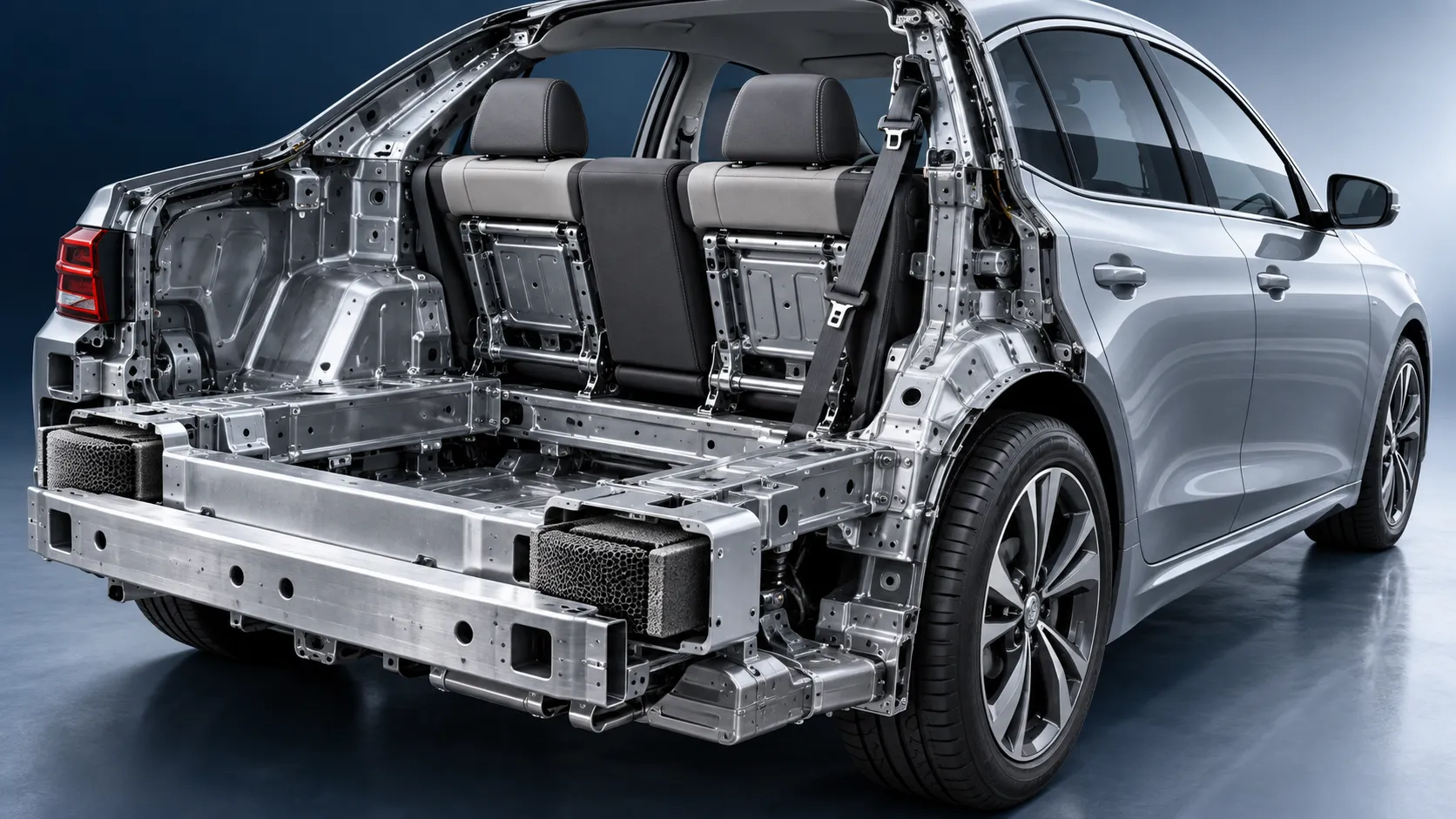
How Rear-Impact Safety Components Work Together to Protect Vehicle Occupants
Explore how automotive safety components for rear impact work together—from crash structures and seats to head restraints and belts—to enhance occupant protection.
How to Evaluate a Marine Safety Systems Manufacturer for Vessel Compliance and Reliability
Marine safety systems manufacturer evaluation guide: verify compliance, engineering quality, lifecycle costs, and global service support for safer, reliable vessel operations.
Crash Test Regulations for Seatbelts: Key Compliance Requirements Explained
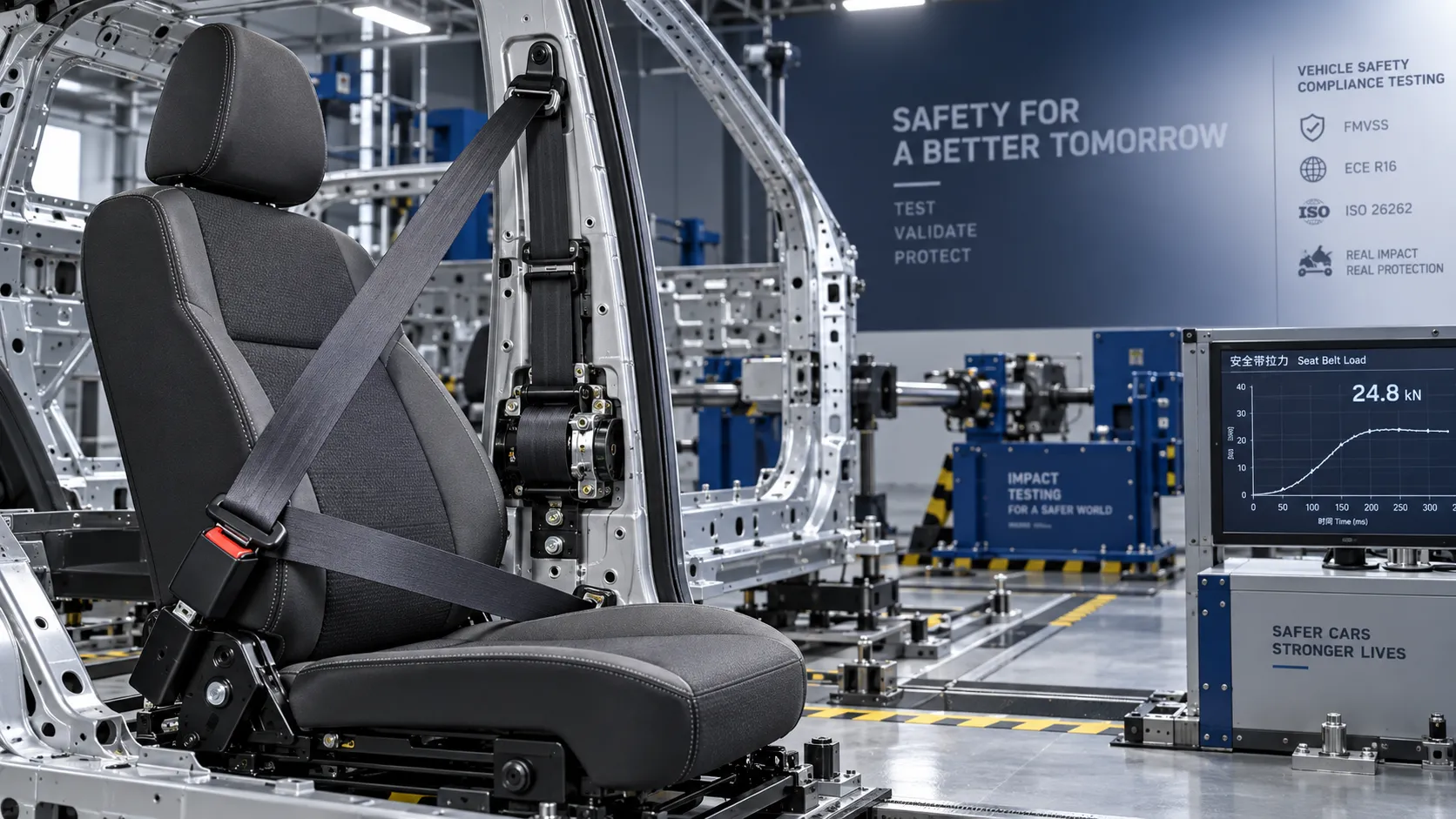
Crash test regulations seatbelts explained: explore FMVSS, UN rules, anchorage strength, and dynamic restraint testing for safer, compliant vehicle systems.

How to Calculate the Total Cost of Automotive Lightweighting for a Vehicle Program
Automotive lightweight solutions cost: learn how to calculate program-level costs, including materials, tooling, joining, validation, risk, and vehicle-level value.
How Automotive Seat Occupancy Sensing Improves Airbag Deployment Decisions
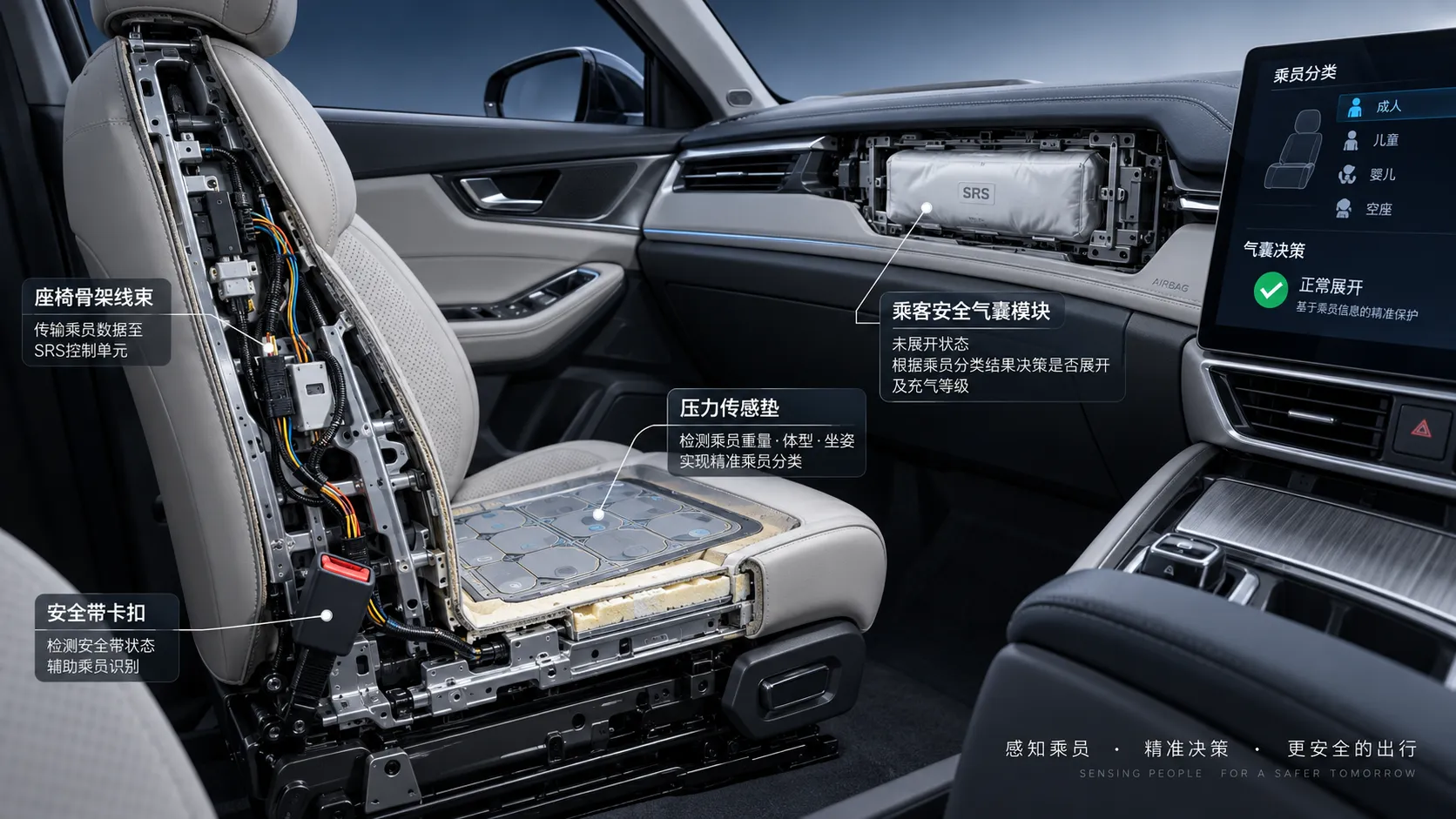
Automotive seat occupancy sensing helps optimize airbag deployment decisions, improving passenger classification, safety diagnostics, and compliance across real-world conditions.

What Drives Lightweight Body Component Costs in High-Volume Vehicle Programs?
Lightweight body components cost depends on material yield, forming, joining, tooling, validation, and logistics. Explore proven ways to optimize total vehicle program cost.
Related News
- 00
0000-00
How Rear-Impact Safety Components Work Together to Protect Vehicle Occupants - 00
0000-00
Crash Test Regulations for Seatbelts: Key Compliance Requirements Explained - 00
0000-00
How Seat Belt Pretensioners for EVs Improve Crash Safety and System Response - 00
0000-00
How Do Seatbelt Systems with Pretensioner Improve Crash Protection? - 00
0000-00
How Seatbelt Technology for Buses Improves Passenger Safety and Meets Compliance Needs
Weekly Insights
Stay ahead with our curated technology reports delivered every Monday.