How to Evaluate Marine Signal Processing Software for Radar and Sonar Integration
How to Evaluate Marine Signal Processing Software for Radar and Sonar Integration
Choosing the right marine signal processing software matters when radar and sonar must support one operational picture.
The real test is not a long feature list.
It is whether the software can fuse signals fast, cleanly, and reliably under changing sea states.
That also means looking at latency, integration depth, interference control, operator workflow, and future upgrade paths.
For teams comparing options, a disciplined evaluation process reduces technical risk and improves lifecycle value.
This guide breaks down how to assess marine signal processing software for radar and sonar integration in a practical way.
Start with the operational mission
Before comparing vendors, define the mission profile the marine signal processing software must support.
A harbor patrol boat, survey vessel, cargo ship, and autonomous platform will not need the same processing behavior.
From a decision standpoint, context changes everything.
Some operations prioritize target detection in cluttered coastal traffic.
Others care more about seabed mapping, obstacle avoidance, or long-range surveillance.
This is where requirements should become measurable.
- Expected radar and sonar sensor types
- Required update rates and acceptable latency
- Operating environment, including weather, salinity, and traffic density
- Navigation, defense, survey, or collision-avoidance use cases
- Integration with bridge systems, ECDIS, AIS, or autonomy stacks
Without this baseline, marine signal processing software can appear strong in a demo but fail in service.
Check radar and sonar fusion quality first
For radar and sonar integration, fusion quality is the core evaluation factor.
The software should combine surface and subsurface inputs into one trustworthy decision layer.
In practical terms, ask how the system aligns time, position, and confidence across sensors.
A good platform does more than display two feeds side by side.
It reconciles conflicting detections, filters false echoes, and preserves target continuity.
Questions that reveal real fusion performance
- How does the engine synchronize radar sweeps and sonar returns?
- Can it handle different sample rates and signal formats?
- How are uncertain or conflicting targets scored?
- Does the software support track correlation across surface and underwater domains?
- What happens when one sensor degrades or drops out?
The strongest marine signal processing software keeps output stable when real-world inputs become messy.
Measure latency, throughput, and timing stability
Low latency is not just a performance metric.
For navigation safety, it directly affects reaction time and operator trust.
This is especially true in congested waters or shallow channels.
When evaluating marine signal processing software, look beyond average latency numbers.
Jitter, peak loads, and recovery behavior matter just as much.
Recent buying decisions increasingly favor software proven under sustained operational loads, not ideal conditions.
Evaluate signal conditioning and interference handling
Marine environments produce noise from waves, weather, machinery, multipath effects, and nearby electronics.
That means marine signal processing software must clean data before fusion decisions become useful.
More importantly, it should do so without hiding weak but meaningful targets.
Ask vendors for evidence around adaptive filtering, clutter suppression, beamforming support, and target discrimination logic.
A useful review method is to compare performance across different interference scenarios.
- Heavy rain and rough-surface radar clutter
- Shallow-water sonar reverberation
- Dense port traffic with overlapping reflections
- Electromagnetic interference from nearby equipment
If the marine signal processing software cannot explain why a target is kept, merged, or rejected, confidence will stay low.
Look at integration architecture, not just compatibility claims
Many platforms claim broad compatibility.
The practical issue is how much engineering work is still needed after purchase.
Strong marine signal processing software should fit into existing marine electronics with manageable effort.
This includes interfaces, middleware, data models, and security controls.
Key architecture checks
- Support for standard marine protocols and API access
- Clear data export paths for analytics, logging, and incident review
- Edge and onboard deployment options
- Cybersecurity controls for updates, authentication, and segmentation
- Version control and rollback support for mission-critical environments
In actual operations, software that integrates cleanly often outperforms software with stronger standalone algorithms.
Assess usability for operators and analysts
Evaluation should include human use, not only technical output.
If operators cannot interpret fused radar and sonar information quickly, decision quality drops.
This becomes more visible during abnormal events.
Review whether the marine signal processing software presents uncertainty clearly and avoids screen overload.
A better interface helps teams validate detections faster and investigate anomalies with less friction.
Useful features include replay tools, event timelines, threshold controls, and explainable alert logic.
Confirm scalability, compliance, and vendor maturity
Selection decisions should also account for long-term change.
Today’s deployment may expand to more sensors, new vessel classes, or stricter reporting obligations.
That is why marine signal processing software needs room to scale.
Ask whether the platform supports modular licensing, additional compute nodes, and future algorithm updates.
Compliance readiness is another strong signal.
Vendors should document test methods, audit trails, update procedures, and evidence aligned with marine safety expectations.
Vendor maturity also shows up in support quality.
Look for reference deployments, issue response times, roadmap discipline, and engineering access during integration.
Use a structured evaluation scorecard
A scorecard keeps software selection grounded in evidence.
It also helps separate attractive demos from dependable marine signal processing software.
A simple model can work well if the criteria reflect operational risk.
- Fusion accuracy and target continuity
- Latency and timing stability
- Noise suppression and interference resilience
- Integration effort and protocol support
- Operator usability and explainability
- Scalability, compliance, and vendor support
- Total cost across deployment, maintenance, and updates
Weight each category by mission impact.
Then validate the top candidates with sea-trial data, not presentation slides.
Make the final decision with operational proof
The best marine signal processing software is the one that stays reliable when conditions stop being predictable.
That usually becomes clear only after structured testing with real radar and sonar inputs.
A strong decision process starts with mission needs, then moves through fusion quality, performance, interference handling, architecture, and compliance.
From there, use a scorecard, challenge vendor claims, and insist on scenario-based validation.
That approach leads to marine signal processing software that improves navigational awareness, lowers integration risk, and holds value over time.
For any shortlist, the next practical step is clear: run side-by-side trials and compare evidence under the conditions that actually matter.
Related News
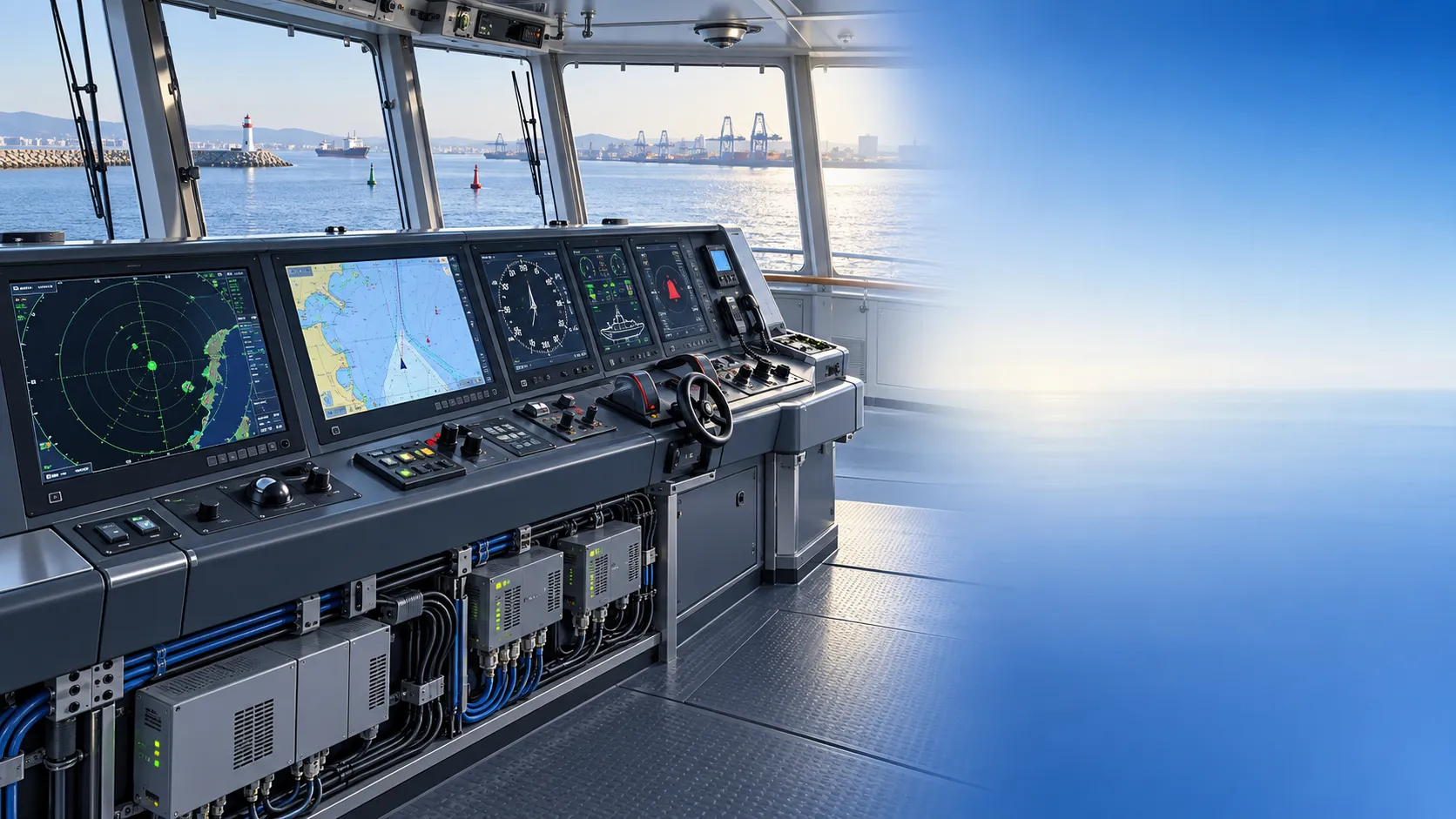
How to Specify Integrated Marine Electronics for Reliable Bridge Operations
Integrated marine electronics: learn how to specify reliable bridge systems with clear data flows, redundancy, alarm control, lifecycle interfaces, and operational testing.
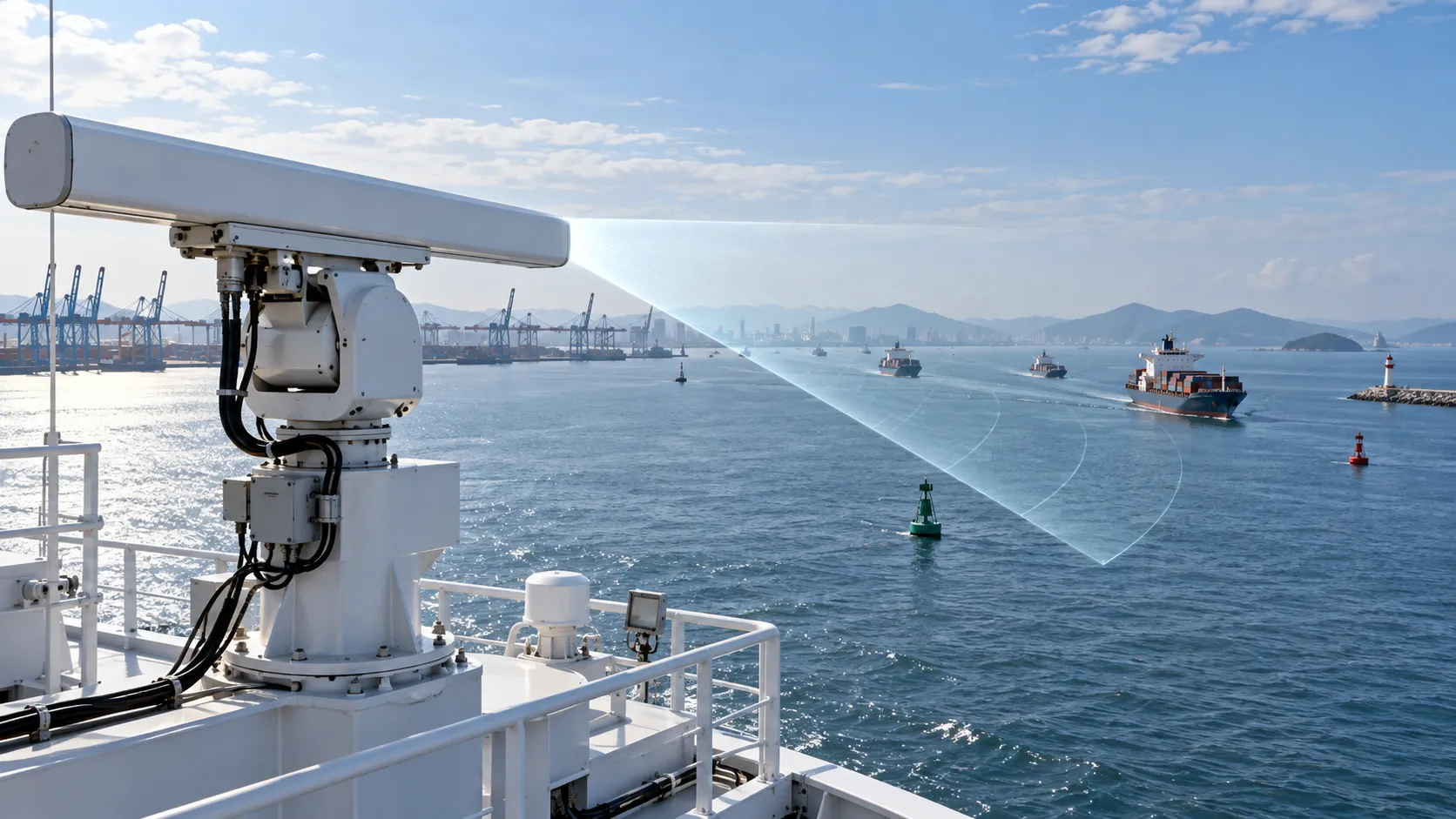
How to Evaluate Navigation Radar Manufacturers for Commercial Vessel Projects
Navigation radar manufacturers: learn how to compare performance, compliance, integration, support, and lifecycle cost for commercial vessel projects.

How Adjustable Cabin Ergonomics Reduce Operator Fatigue in Long-Shift Vehicles
Adjustable cabin ergonomics reduces operator fatigue through better seating, reach, visibility, vibration control, and climate comfort for safer long-shift vehicles.

How Rear-Impact Safety Components Work Together to Protect Vehicle Occupants
Explore how automotive safety components for rear impact work together—from crash structures and seats to head restraints and belts—to enhance occupant protection.
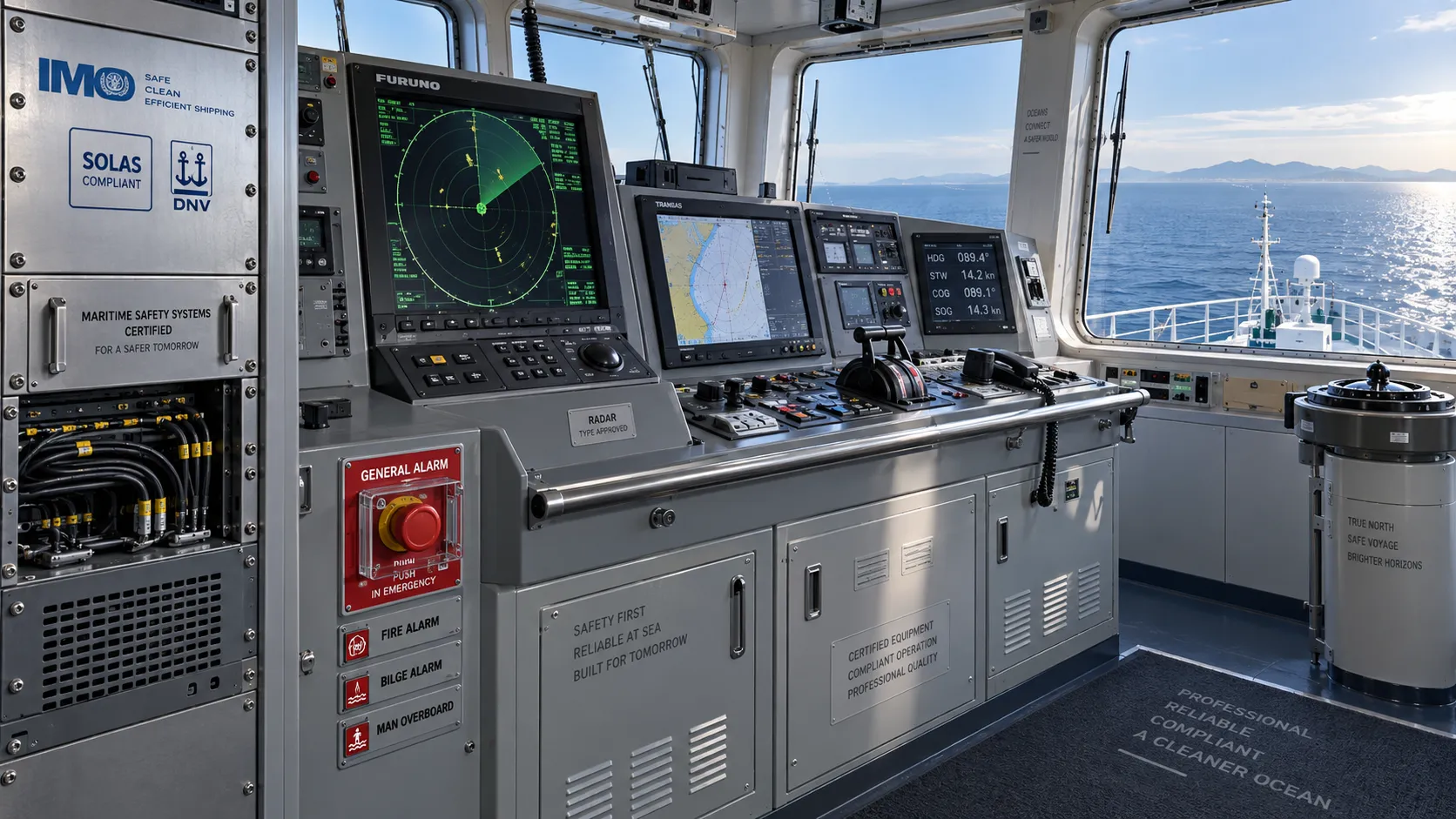
How to Evaluate a Marine Safety Systems Manufacturer for Vessel Compliance and Reliability
Marine safety systems manufacturer evaluation guide: verify compliance, engineering quality, lifecycle costs, and global service support for safer, reliable vessel operations.

Crash Test Regulations for Seatbelts: Key Compliance Requirements Explained
Crash test regulations seatbelts explained: explore FMVSS, UN rules, anchorage strength, and dynamic restraint testing for safer, compliant vehicle systems.

How to Calculate the Total Cost of Automotive Lightweighting for a Vehicle Program
Automotive lightweight solutions cost: learn how to calculate program-level costs, including materials, tooling, joining, validation, risk, and vehicle-level value.

How Automotive Seat Occupancy Sensing Improves Airbag Deployment Decisions
Automotive seat occupancy sensing helps optimize airbag deployment decisions, improving passenger classification, safety diagnostics, and compliance across real-world conditions.

What Drives Lightweight Body Component Costs in High-Volume Vehicle Programs?
Lightweight body components cost depends on material yield, forming, joining, tooling, validation, and logistics. Explore proven ways to optimize total vehicle program cost.
Related News
- 00
0000-00
How to Evaluate Navigation Radar Manufacturers for Commercial Vessel Projects - 00
0000-00
How to Evaluate Cargo Marine Sonar Systems for Detection Range and Vessel Fit - 00
0000-00
How to Evaluate Marine Signal Processing Software for Radar and Sonar Integration - 00
0000-00
How Do Automatic Identification Systems Improve Vessel Tracking and Collision Avoidance? - 00
0000-00
How to Choose Marine Navigation Systems for Patrol Boats in Coastal and Offshore Missions
Weekly Insights
Stay ahead with our curated technology reports delivered every Monday.