
How to Evaluate a Seat Structures Exporter for OEM Programs: Capacity, Compliance, and Tooling
Why does choosing a seat structures exporter require deeper checks than unit price?
For OEM seating programs, the seat frame is not a simple metal part. It sits inside a safety, comfort, and compliance system.
That is why a seat structures exporter must be reviewed through launch risk, engineering control, and validation readiness, not quotation alone.
In practice, the real cost often appears later. It shows up in tooling rework, PPAP delays, weld instability, or failed strength tests.
A capable exporter supports more than shipment. It helps align stamped parts, recliner interfaces, track geometry, and crash load paths.
This matters even more in global mobility projects, where lightweight design and passive safety increasingly overlap.
GNCS regularly tracks these intersections across seating, body structures, and restraint systems, where design choices affect both compliance and program timing.
So the better question is not simply, “Can this supplier make parts?” It is, “Can this seat structures exporter hold OEM standards under pressure?”
What should you examine first when screening a seat structures exporter?
Start with production fit. Many exporters look strong on paper, yet their actual line design does not match your seat architecture.
Ask whether the supplier builds backrests, cushions, integrated side members, or complete welded seat structures for similar programs.
Then check process depth. A reliable seat structures exporter usually controls several linked capabilities instead of outsourcing critical steps loosely.
- Tube bending, stamping, robotic welding, and fixture inspection
- Dimensional measurement with traceable records
- Prototype support before hard tooling release
- Change control for revision updates
- Packaging methods that protect geometry during export transit
Capacity also needs a closer look. Rated annual volume means little if the same welding cells serve unrelated programs with unstable planning.
A stronger evaluation asks about peak load, backup machines, maintenance discipline, and how quickly extra shifts can be added.
At this stage, shortlisting should feel evidence-based. Brochures are useful, but audit data and production records matter far more.
How do you judge whether engineering and tooling control are strong enough?
This is where many sourcing decisions become clear. A seat structures exporter with weak tooling ownership usually creates hidden launch instability.
Seat structures depend on tight relationships between brackets, cross members, recliner holes, and weld points. Small drift can spread quickly.
Look for in-house tooling engineering or very close technical control over toolmakers. Distance between design intent and fixture reality should be short.
Useful questions include how the supplier manages springback, datum strategy, weld distortion, and tolerance stack-up at assembly level.
It also helps to ask for examples of past engineering changes. The response shows whether the team solves problems structurally or only reacts.
A disciplined seat structures exporter should be able to explain these controls without vague language. If explanations stay generic, dig deeper.
Which compliance and validation signals actually matter for OEM programs?
Compliance is broader than holding one certificate. The exporter must understand how its parts behave inside a regulated seating and restraint environment.
For automotive projects, that usually means readiness for IATF-oriented systems, PPAP documentation, material traceability, and validation test support.
Depending on the platform, you may also need evidence tied to FMVSS, ECE, or OEM-specific seat performance standards.
The important point is not whether the exporter claims familiarity. It is whether the team can prepare records that survive customer review.
This includes control plans, PFMEA links, gauge studies, weld qualification data, and dimensional reports against defined datums.
In safety-adjacent sectors, GNCS often highlights the same pattern: physical containment performance depends on detail discipline long before final testing starts.
That insight applies directly here. A seat structures exporter with structured validation habits reduces surprises when crash, durability, and abuse testing begin.
- Ask for sample PPAP elements from a comparable program.
- Check whether material certificates match actual batch traceability.
- Confirm how nonconforming parts are segregated and recorded.
- Review whether the factory can support third-party or customer audits smoothly.
When does capacity become a real risk instead of a planning detail?
Capacity risk usually appears during ramp-up, engineering change overlap, or mixed-model production. That is when nominal output figures start losing meaning.
A seat structures exporter may quote enough monthly volume, yet still struggle with launch timing because fixture availability is too tight.
The same problem appears when a plant lacks buffer capacity for revalidation after design revisions or weld process corrections.
A practical review should compare three timelines together: tooling completion, trial build maturity, and mass production readiness.
If those timelines are managed by separate teams without clear ownership, delays often cascade into logistics and inventory pressure.
More useful than a simple capacity declaration is a scenario discussion. Ask what happens if volume rises 20%, or a key fixture goes offline.
A prepared seat structures exporter will answer with backup plans, alternate cells, trained operators, and realistic recovery windows.
What are the most common sourcing mistakes with a seat structures exporter?
One common mistake is treating all seat structures as commodity fabrications. That assumption ignores fatigue life, occupant load transfer, and interface accuracy.
Another is approving a supplier based on prototype appearance alone. Early samples can look acceptable while process capability remains weak.
It is also risky to separate commercial review from technical review too aggressively. Low piece price can mask expensive launch support later.
More subtle mistakes happen around export execution. Packaging, rust prevention, and container loading plans can affect received geometry and rework rates.
The table below helps turn these risks into clearer screening questions.
How should the final decision be made before nomination?
The final choice should combine technical evidence, program timing, and total risk cost. Price still matters, but it should be read in context.
A useful approach is to score each seat structures exporter across five areas: process capability, tooling control, compliance readiness, ramp-up resilience, and communication quality.
Communication deserves its place. OEM programs move through revisions quickly, and weak response discipline can damage even a technically capable supply base.
Before nomination, confirm open points in writing. That includes tool ownership, validation timing, packaging standard, change approval flow, and recovery commitments.
A dependable seat structures exporter should make risk visible early, not hide it until the schedule becomes difficult to protect.
In short, strong selection comes from comparing facts across the full seat structure lifecycle, from design release to delivered production parts.
The next practical step is to build a short audit checklist around your seat architecture, validation route, annual volume, and export constraints.
Once those criteria are clear, comparing each seat structures exporter becomes faster, more consistent, and far less exposed to avoidable launch risk.
Related News
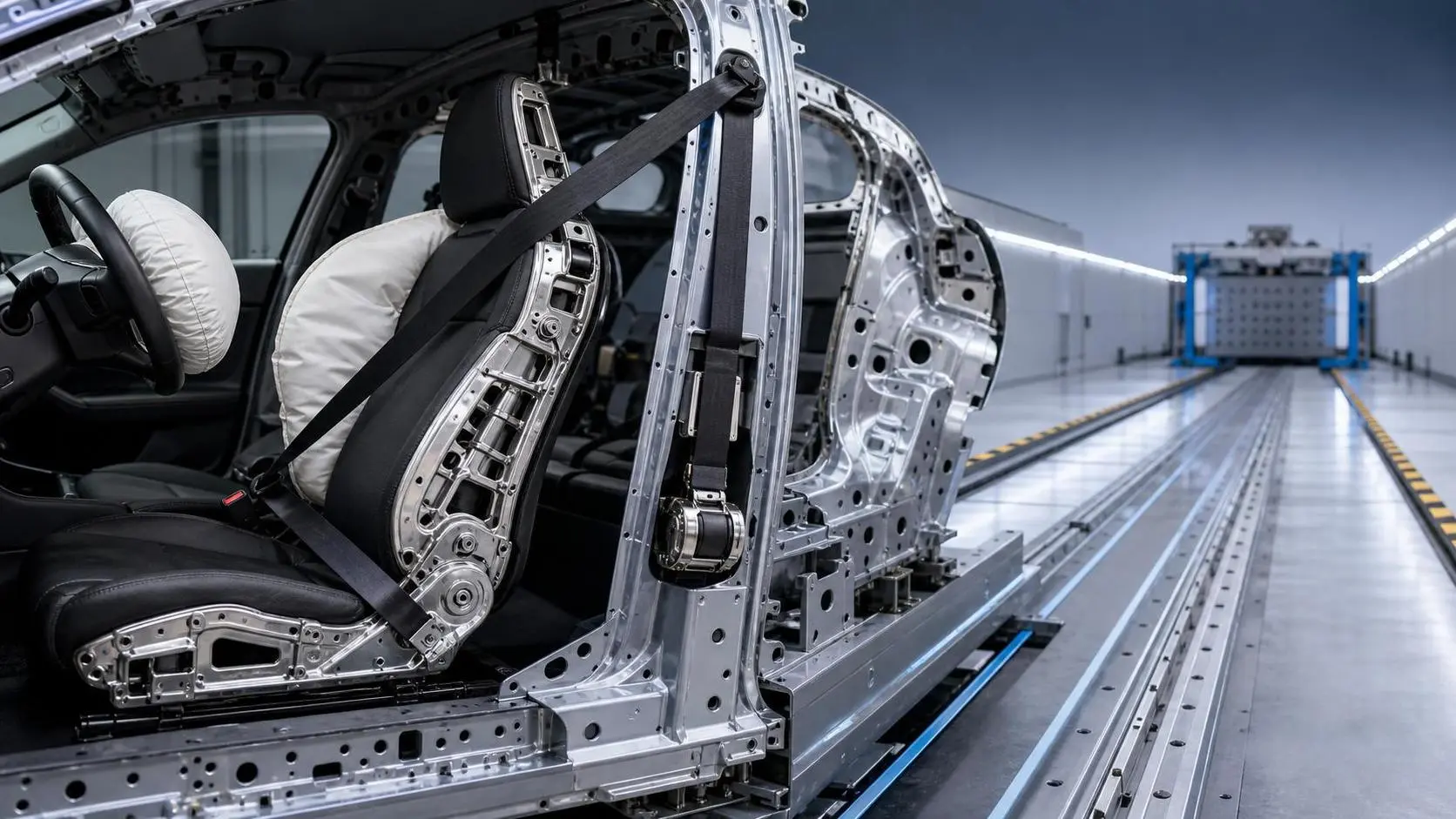
Which Passive Safety Engineering Standards Apply to Automotive Restraint Systems?
Passive safety engineering standards for automotive restraint systems: explore FMVSS, UN regulations, seatbelts, airbags, anchors, and compliance planning.
How European B2B Teams Can Evaluate Product Intelligence Platforms for Sourcing
B2B product intelligence platform Europe: learn how procurement teams assess suppliers, compliance data, technical capabilities, and sourcing risks with confidence.
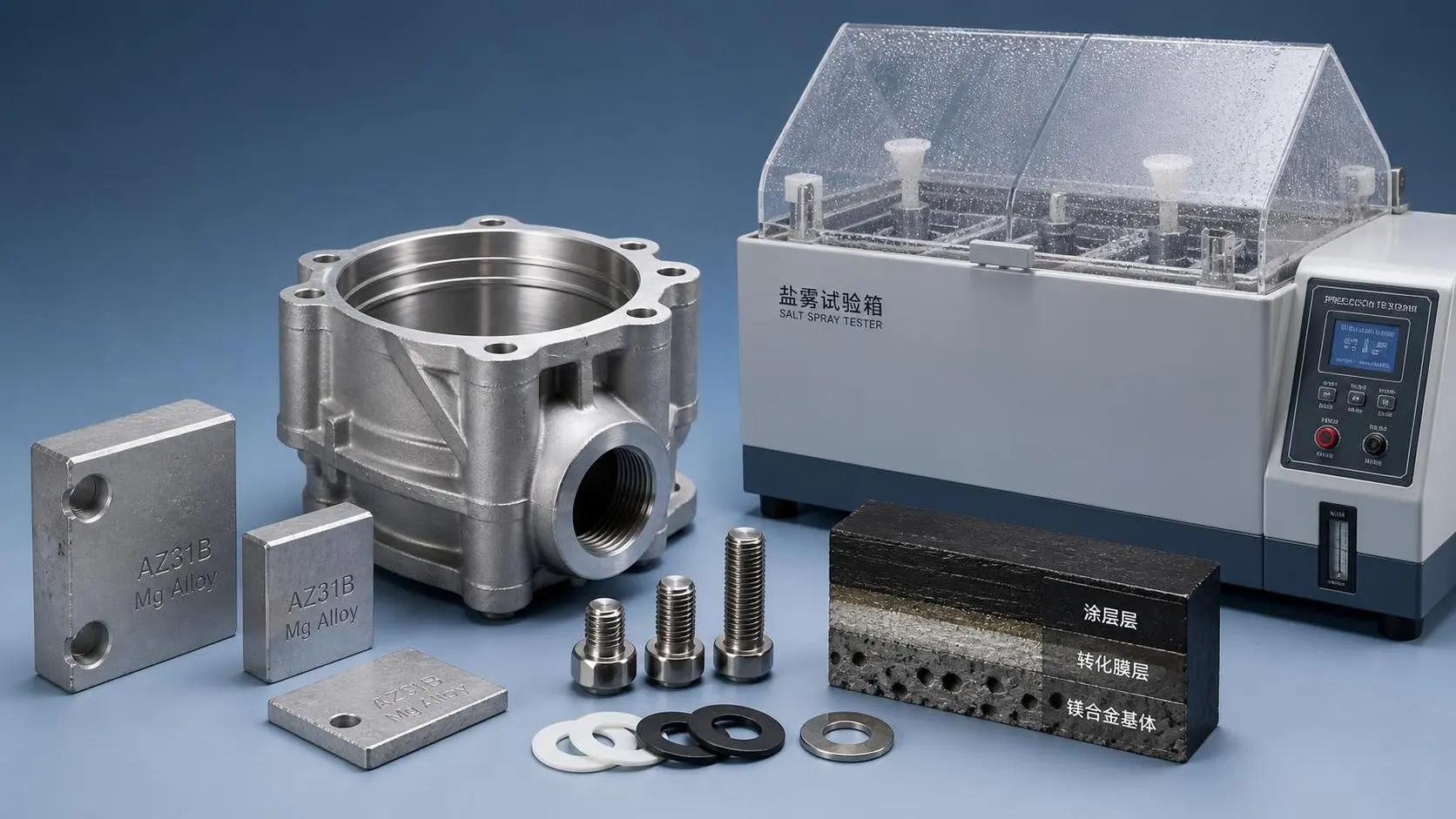
How to Evaluate Magnesium Alloys Corrosion Resistance for Marine Parts?
Magnesium alloys corrosion resistance for marine parts depends on more than alloy grade. Learn how to assess coatings, galvanic risk, geometry, and real-world exposure before you decide.
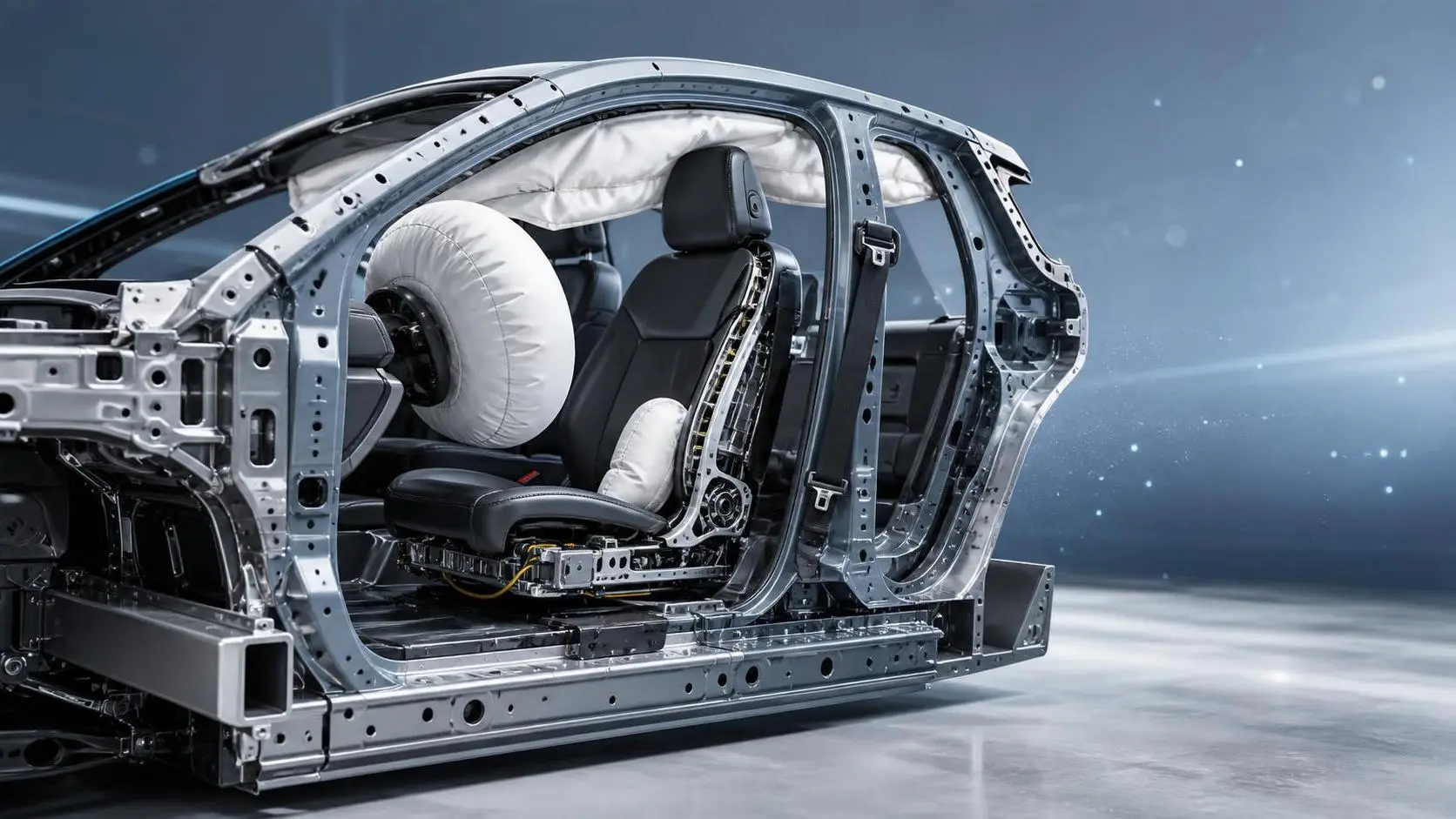
How to Evaluate Mobility Safety Systems for Safer Vehicle Platform Design
Mobility safety systems evaluation starts with platform architecture, crash energy management, and seat-restraint timing. Learn how to choose safer, validation-ready vehicle designs.
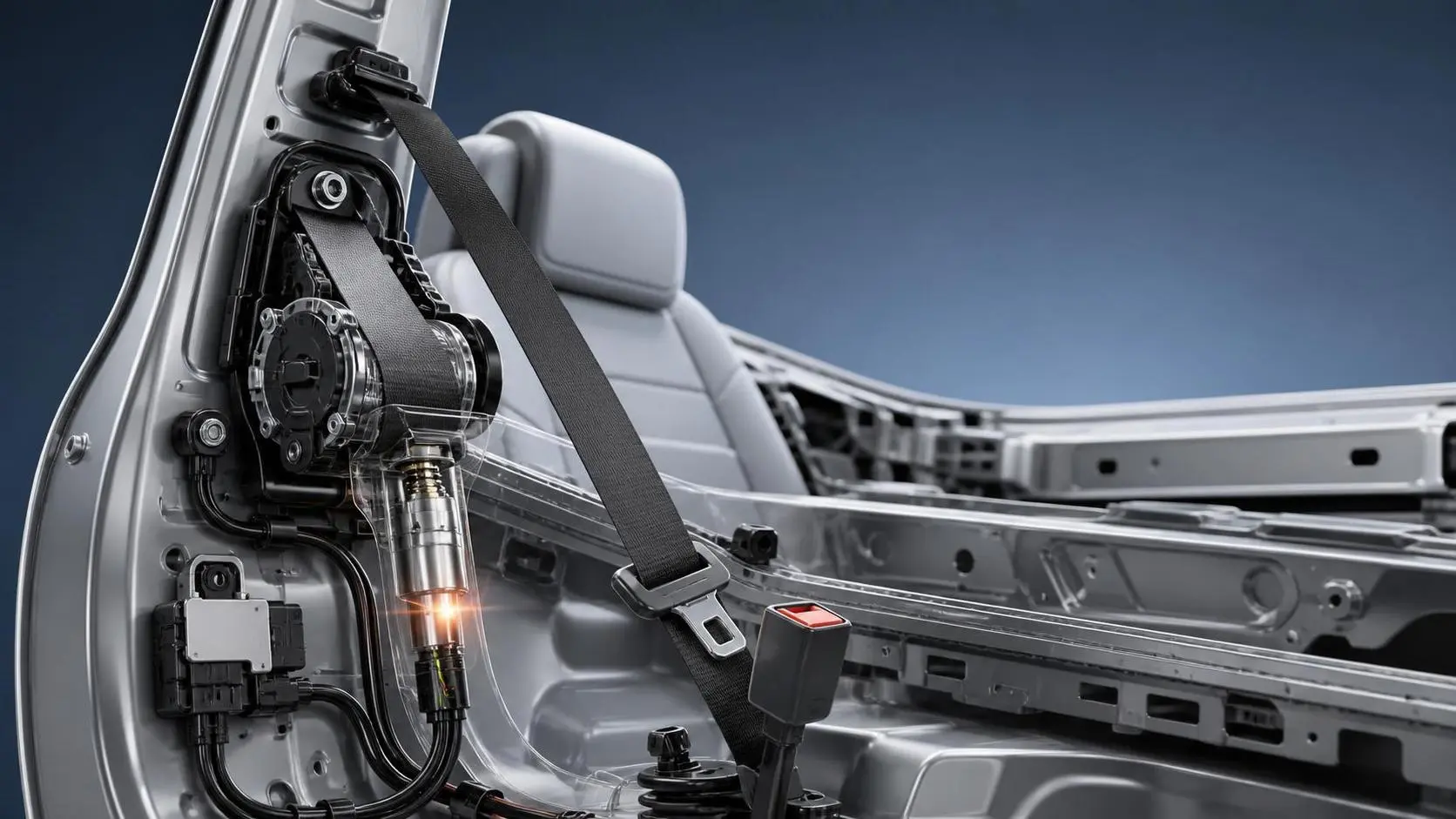
How Seat Belt Pretensioners for EVs Improve Crash Safety and System Response
Seat belt pretensioners for EVs improve crash timing, occupant control, and system response. Discover how smarter integration boosts EV safety performance.
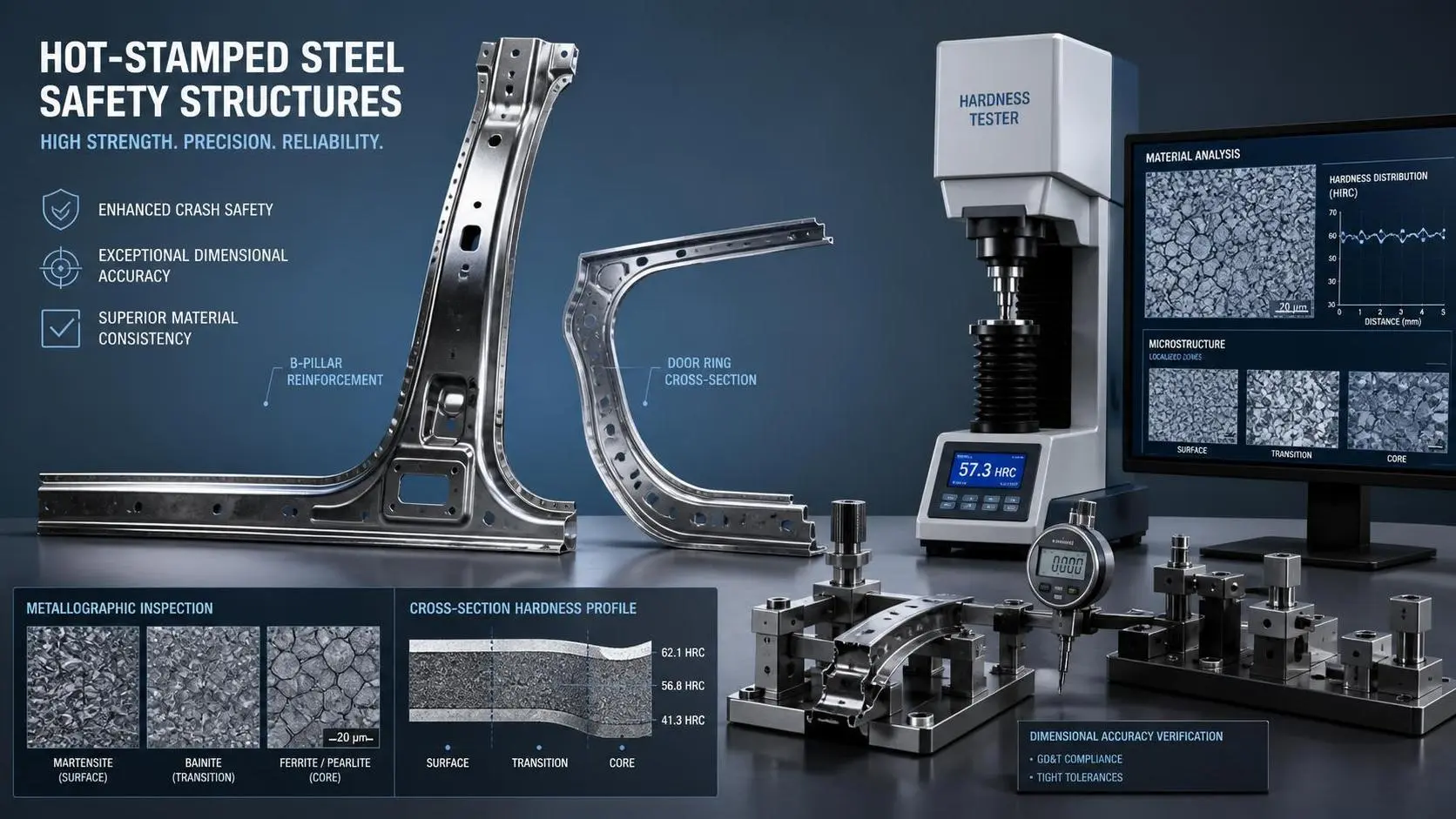
How to Evaluate High Strength Hot Stamped Steel Parts for Crash-Safety Applications
High strength hot stamped steel parts for crash-safety applications: learn how to assess strength, microstructure, dimensional accuracy, and process stability for safer sourcing decisions.
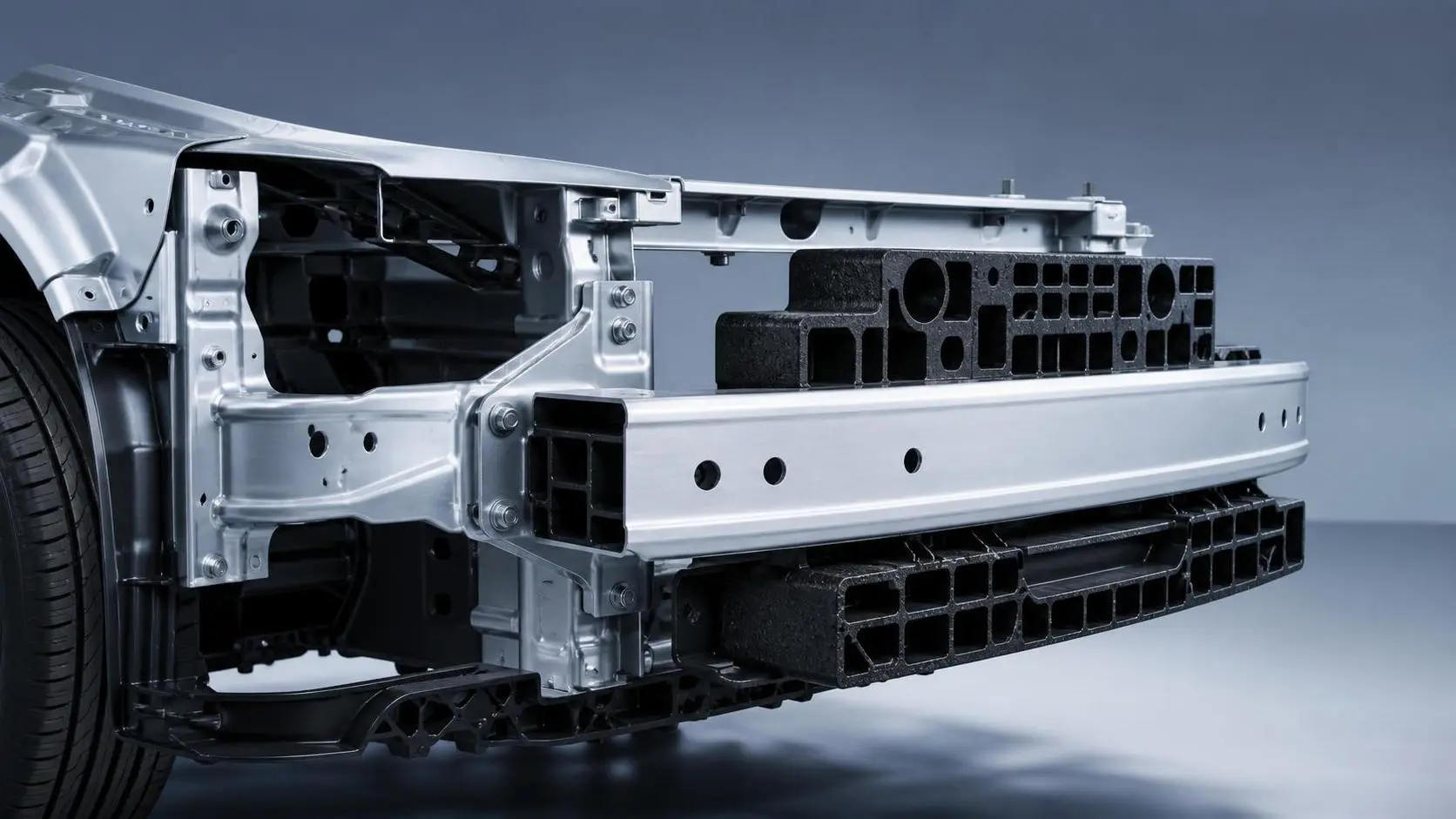
How Crash Management Components Reduce Repair Costs and Improve Impact Performance
Crash management components help reduce repair costs, protect critical vehicle structures, and improve impact performance. Learn how smarter design supports safer, more cost-efficient mobility programs.
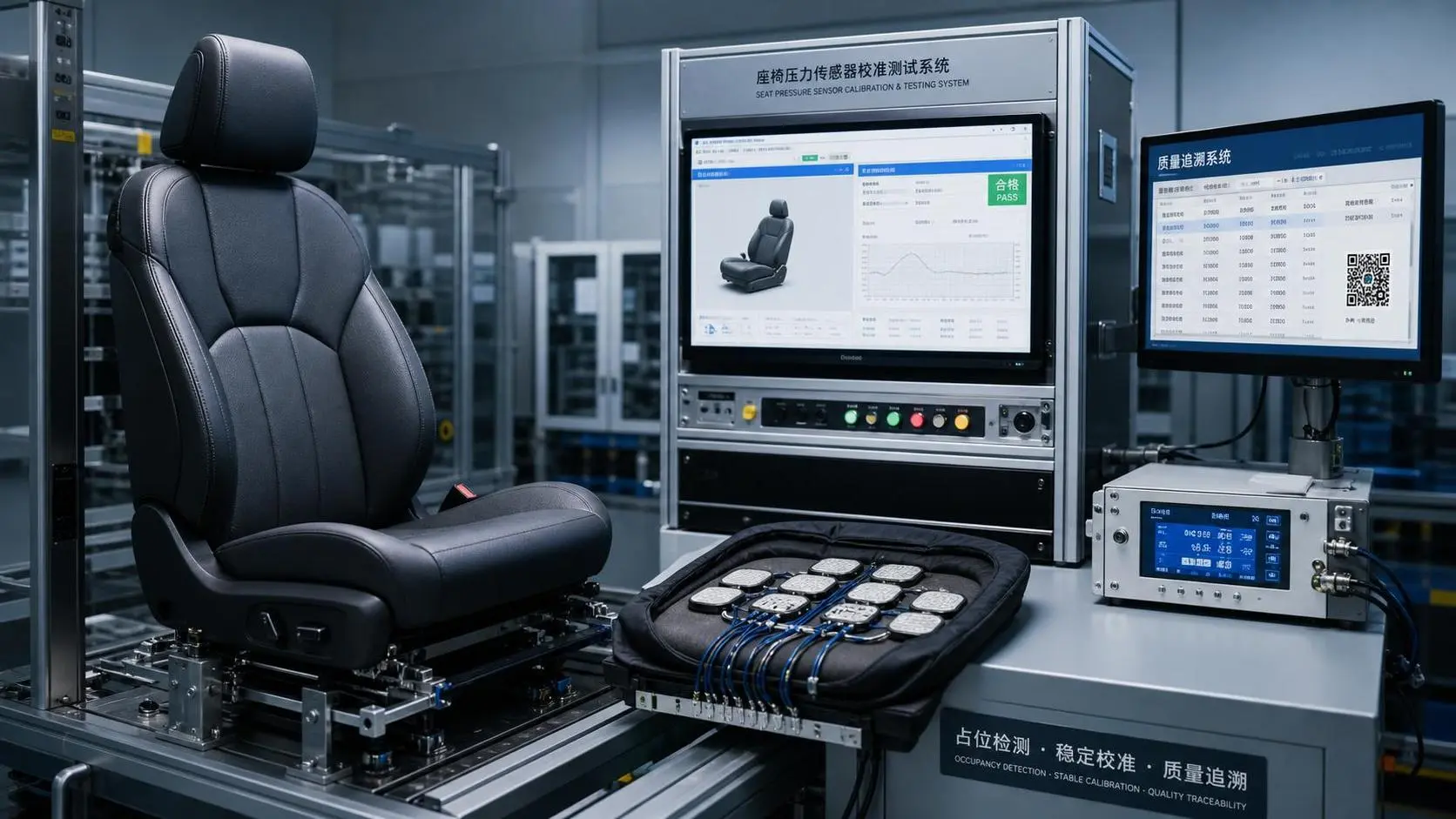
How to Evaluate a Seat Sensing Systems Factory for Automotive Safety Programs
Seat sensing systems factory selection goes beyond price. Learn how to assess quality control, validation, PPAP readiness, and long-term supply reliability for safer automotive programs.
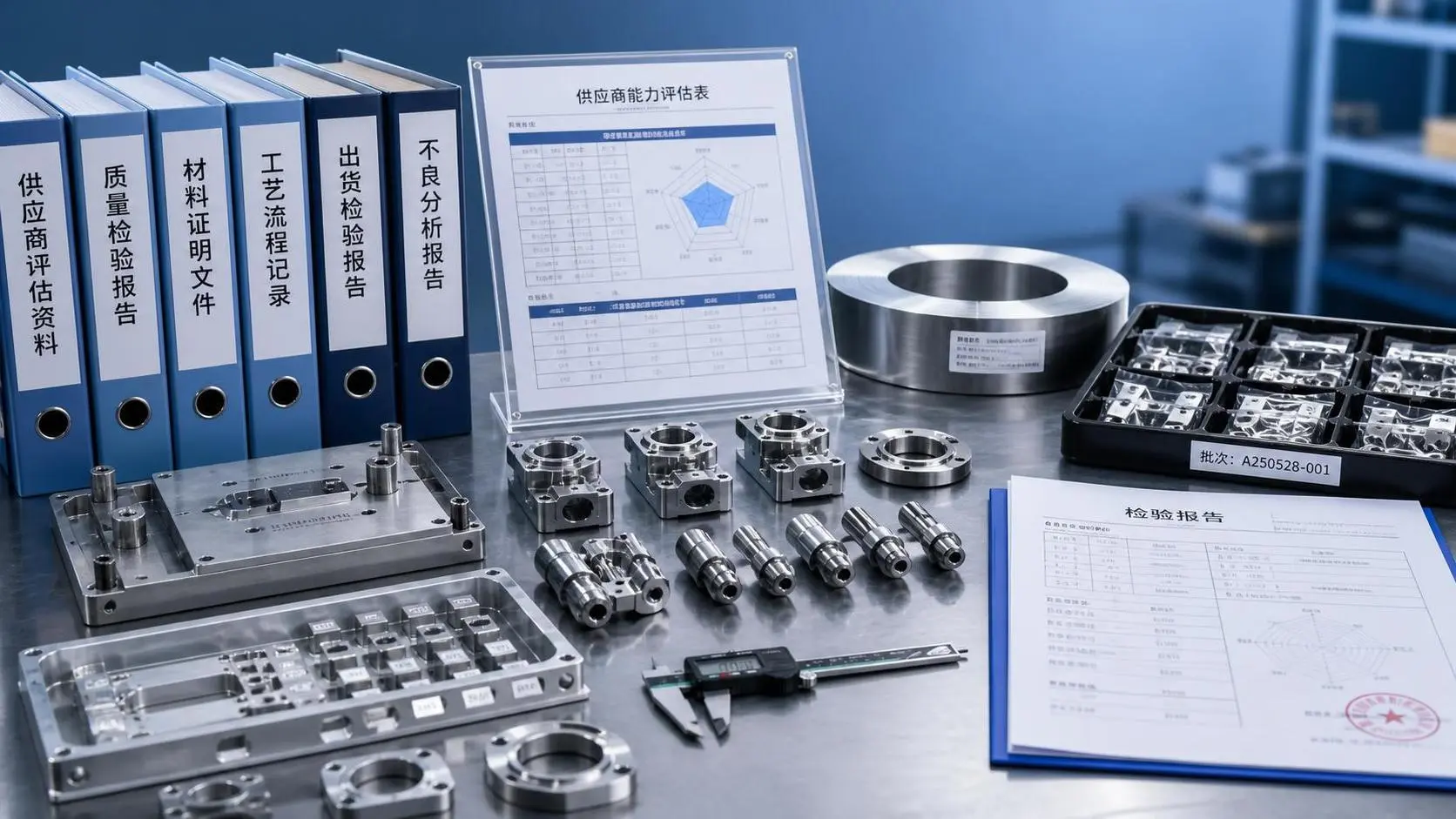
Supplier Capability Evaluation Process: Key Criteria for B2B Sourcing Decisions
Supplier capability evaluation process explained: learn the key criteria for B2B sourcing decisions, reduce supplier risk, and choose partners with confidence.
Related News
- 00
0000-00
How to Evaluate Automotive Seat Assemblies for EVs by Weight, Safety, and Packaging - 00
0000-00
How to Evaluate a Seat Structures Exporter for OEM Programs: Capacity, Compliance, and Tooling - 00
0000-00
Sensor-Based Smart Seating Solutions: Key Features for Automotive Seat Design - 00
0000-00
What Drives Automotive Ergonomics Cost? Design Inputs, Testing Scope, and Tooling Factors - 00
0000-00
Aluminum Seat Structures vs Steel: When Is the Weight Saving Worth the Trade-Off?
Weekly Insights
Stay ahead with our curated technology reports delivered every Monday.