
Sensor-Based Smart Seating Solutions: Key Features for Automotive Seat Design
Sensor-Based Smart Seating Solutions: Key Features for Automotive Seat Design
For technical evaluators navigating next-generation cabin systems, sensor based smart seating solutions have become a critical benchmark in automotive seat design.
They now shape occupant classification, posture tracking, thermal comfort, and restraint coordination in one integrated architecture.
That shift matters because seats are no longer passive structures. They are active sensing platforms tied to safety, compliance, and user experience.
From a design review standpoint, the question is no longer whether to add sensing.
The real question is which sensor based smart seating solutions deliver measurable value across regulations, packaging, durability, and system cost.
Why Smart Seat Sensing Has Moved to the Center
Recent cabin development makes this trend hard to ignore.
Electrification changes interior layouts. ADAS and automated driving raise expectations for occupant awareness. Global safety programs keep tightening validation requirements.
As a result, sensor based smart seating solutions now support more than comfort features.
They influence airbag suppression logic, belt reminders, seat occupancy reporting, child presence detection, and fatigue-related posture analysis.
In practical programs, this also means seat design teams must coordinate earlier with restraint engineers, HMI teams, and electronics suppliers.
Core Sensor Types in Modern Seat Architecture
Not every smart seat uses the same sensing stack.
Still, the most effective sensor based smart seating solutions usually combine several sensor categories instead of relying on one signal source.
Occupancy and Weight Detection
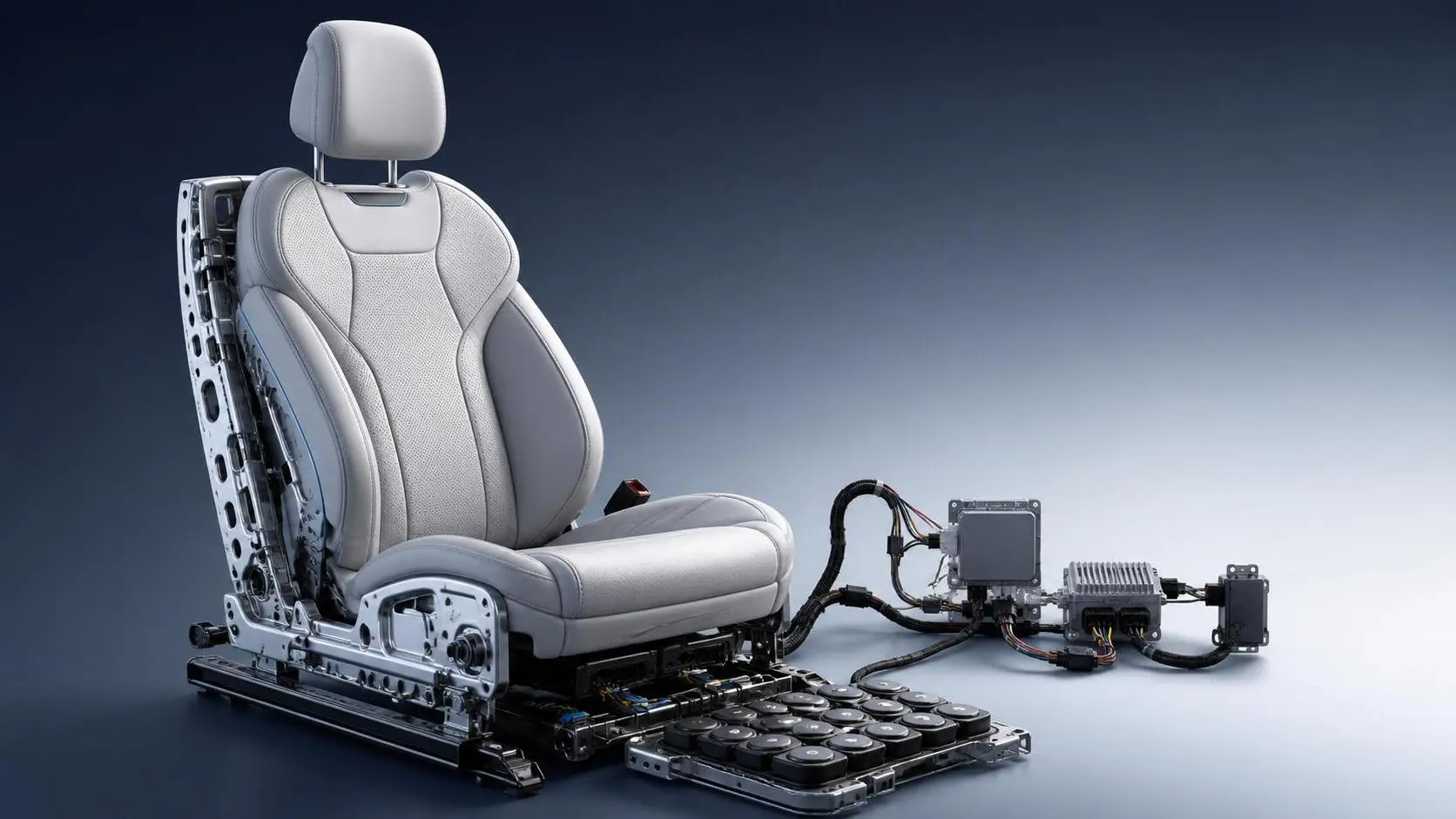
Load cells, pressure mats, and strain-based modules estimate presence, weight range, and seating status.
These signals support occupant classification systems and help determine whether restraint deployment logic should change.
Pressure Mapping
Distributed pressure sensors reveal contact patterns across the cushion and backrest.
This helps identify slouching, edge loading, off-center posture, and long-duration discomfort zones.
Position and Motion Tracking
Seat track sensors, recliner angle sensors, and inertial elements monitor how the seat moves and where it settles.
That data improves memory functions, crash-event readiness, and synchronization with advanced restraint systems.
Thermal and Biometric Sensing
Temperature, humidity, and emerging vital-sign sensors help adapt microclimate controls and detect abnormal cabin conditions.
This is where sensor based smart seating solutions begin to overlap with wellness and continuous occupant monitoring.
Key Features That Matter in Technical Evaluation
When programs move from concept to sourcing, feature lists need to become engineering criteria.
The strongest sensor based smart seating solutions are usually judged by performance under real cabin variability, not lab-only demonstrations.
- Detection accuracy across body sizes, seating styles, clothing layers, and carried objects.
- Response speed for safety-critical events, especially occupant classification and seatbelt logic.
- Signal stability during vibration, temperature shifts, foam aging, and repeated ingress-egress cycles.
- Low false-positive rates in child presence, occupancy, or posture alerts.
- Calibration resilience over the vehicle lifetime.
- Compatibility with seat trim, foam geometry, frame architecture, and lightweight packaging targets.
- Cybersecurity and software update readiness for connected seat controllers.
This also explains why component selection cannot be isolated from the full seat system design.
Safety Integration Is the Real Benchmark
In many evaluations, comfort functions get attention first. Safety integration should come first instead.
The most relevant sensor based smart seating solutions are those that interact reliably with passive safety systems.
Examples include occupancy classification for airbag suppression, belt reminder logic, and seat position data for adaptive deployment strategies.
More advanced platforms also support pre-crash preparation through seat repositioning and posture correction prompts.
This is especially relevant as OEMs align with evolving NCAP expectations and child presence safety discussions.
If sensing quality is weak, the downstream safety strategy becomes harder to validate and defend.
Comfort, Ergonomics, and Long-Duration Use Cases
There is another side to the story.
Sensor based smart seating solutions are increasingly used to improve comfort in ways that can be measured, not just described.
Pressure distribution data can refine foam tuning, bolster shape, lumbar support logic, and massage sequencing.
Posture sensing can trigger subtle recommendations or automated adjustments during long drives.
Thermal sensing helps ventilation and heating systems react to actual occupant conditions instead of fixed timers.
For premium and high-mileage vehicles, this translates into lower fatigue and more consistent perceived quality.
Engineering Challenges Behind the Feature List
On paper, the feature set looks straightforward. Integration is rarely simple.
Seat structures flex. Foam properties drift. Trim materials vary. Occupants behave unpredictably.
That is why sensor based smart seating solutions should be reviewed against real engineering constraints.
- Packaging space is limited around frames, recliners, harness routing, and side airbags.
- Sensors must survive humidity, contamination, repeated loading, and assembly variation.
- Signal processing must filter noise without creating unacceptable latency.
- Calibration methods must remain serviceable in production and after field use.
- Cost targets must hold even when software, ECU, and validation scope expand.
This is often where promising prototypes lose ground during industrialization reviews.
A Practical Evaluation Framework
A useful review method starts with function, then moves quickly to evidence.
For sensor based smart seating solutions, a practical framework usually includes these checkpoints.
- Define the exact decision each sensor supports.
- Map failure modes to safety or comfort consequences.
- Request test evidence under temperature, vibration, and occupant variability.
- Review interface requirements with restraint, HVAC, body control, and HMI domains.
- Check software update, diagnostics, and end-of-line calibration strategy.
- Compare lifecycle cost against measurable gains in compliance, comfort, or brand value.
That approach keeps discussions focused on deployable performance rather than feature inflation.
What Strong Programs Will Prioritize Next
Looking ahead, the direction is becoming clearer.
Sensor based smart seating solutions will increasingly merge with zonal electronics, occupant monitoring, and software-defined vehicle functions.
The winners will not be the systems with the most sensors.
They will be the systems with cleaner data, stronger validation, and better alignment with cabin safety architecture.
For GNCS, this fits the broader shift toward precision spatial perception and physical containment protection across mobility equipment.
In automotive seat design, that means evaluating sensing as an operational safety layer, not a decorative add-on.
A solid decision starts with one discipline: verify which sensor based smart seating solutions improve safety logic, support compliance, and hold performance over vehicle life.
Related News
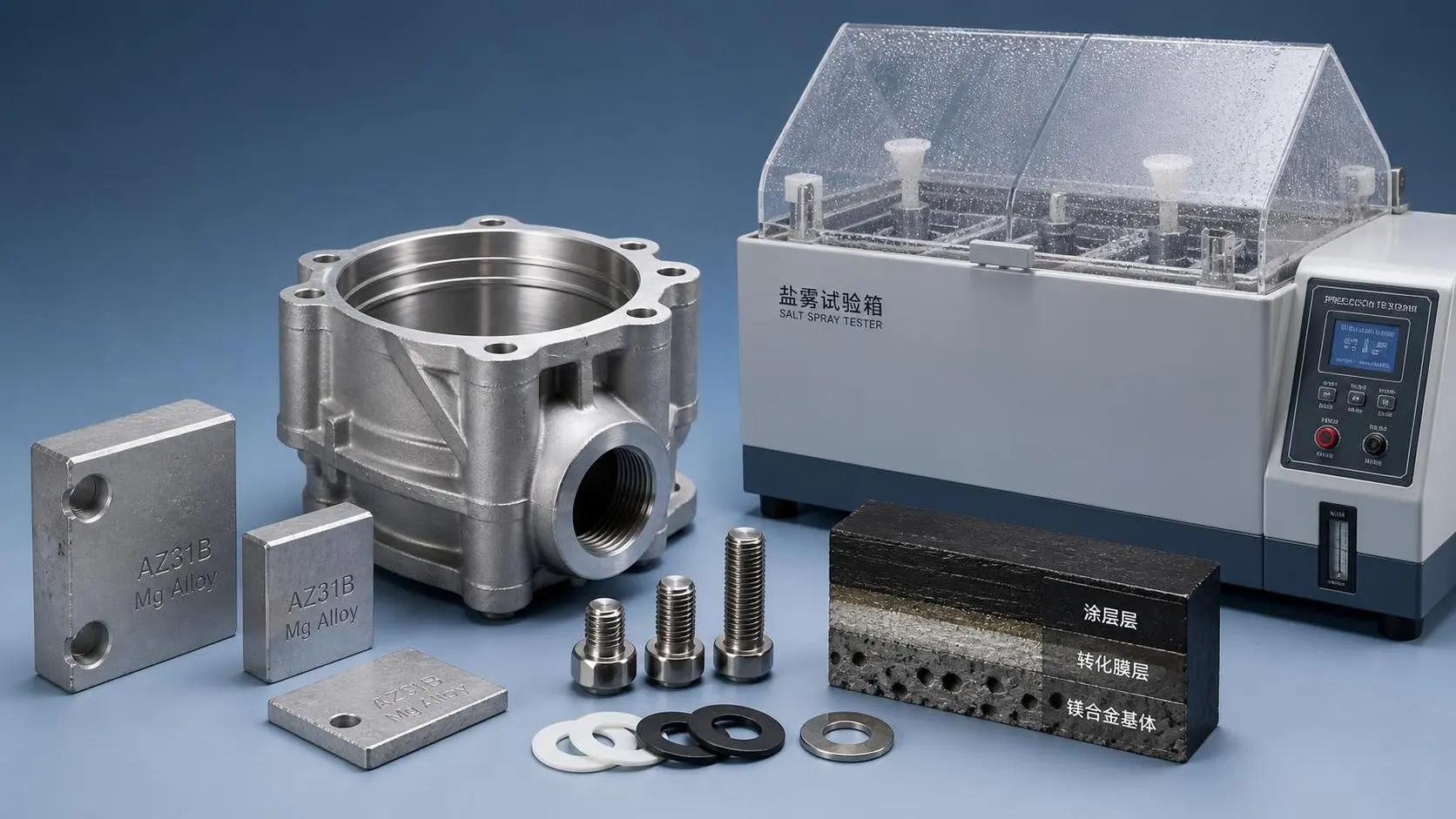
How to Evaluate Magnesium Alloys Corrosion Resistance for Marine Parts?
Magnesium alloys corrosion resistance for marine parts depends on more than alloy grade. Learn how to assess coatings, galvanic risk, geometry, and real-world exposure before you decide.
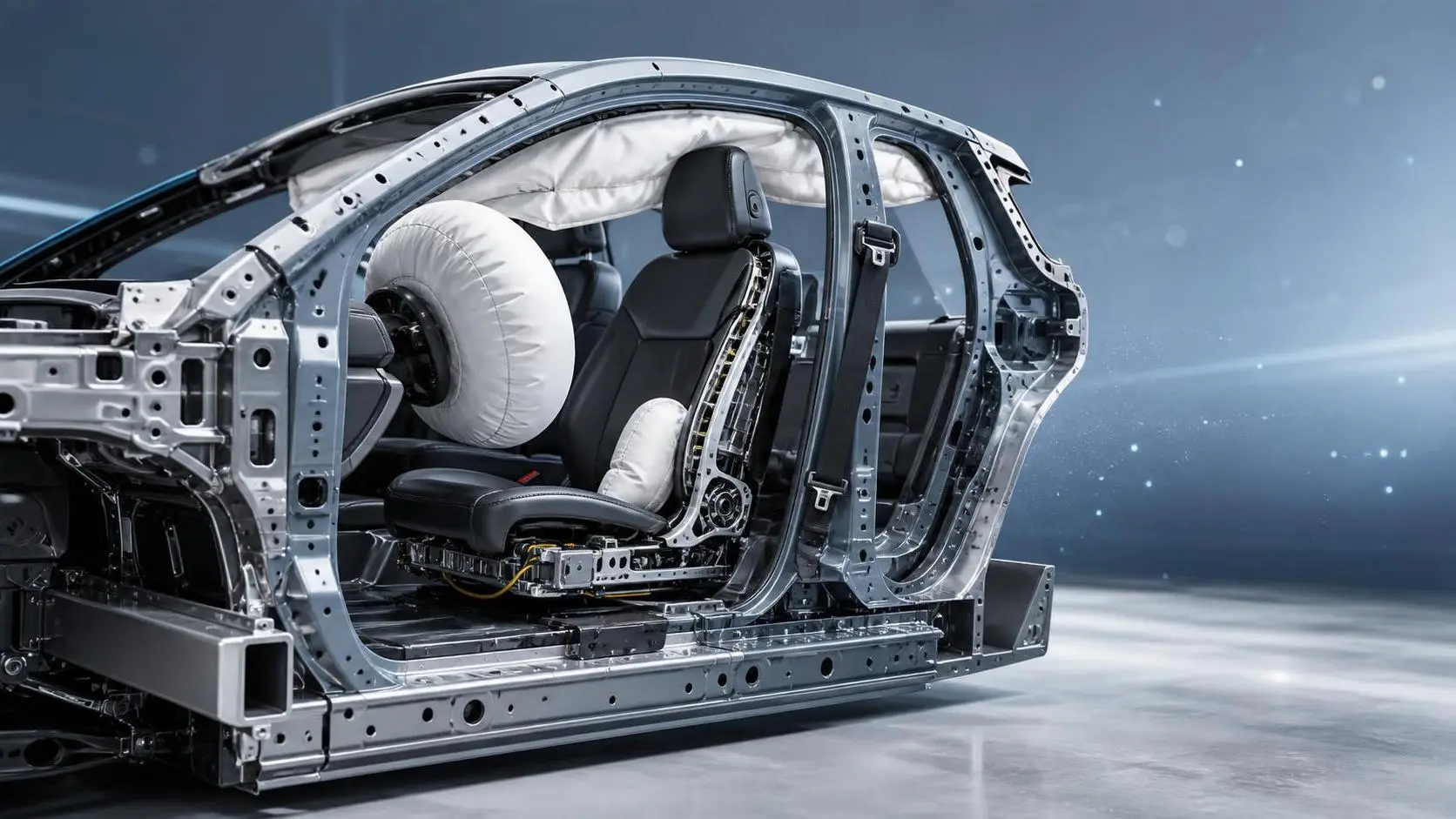
How to Evaluate Mobility Safety Systems for Safer Vehicle Platform Design
Mobility safety systems evaluation starts with platform architecture, crash energy management, and seat-restraint timing. Learn how to choose safer, validation-ready vehicle designs.
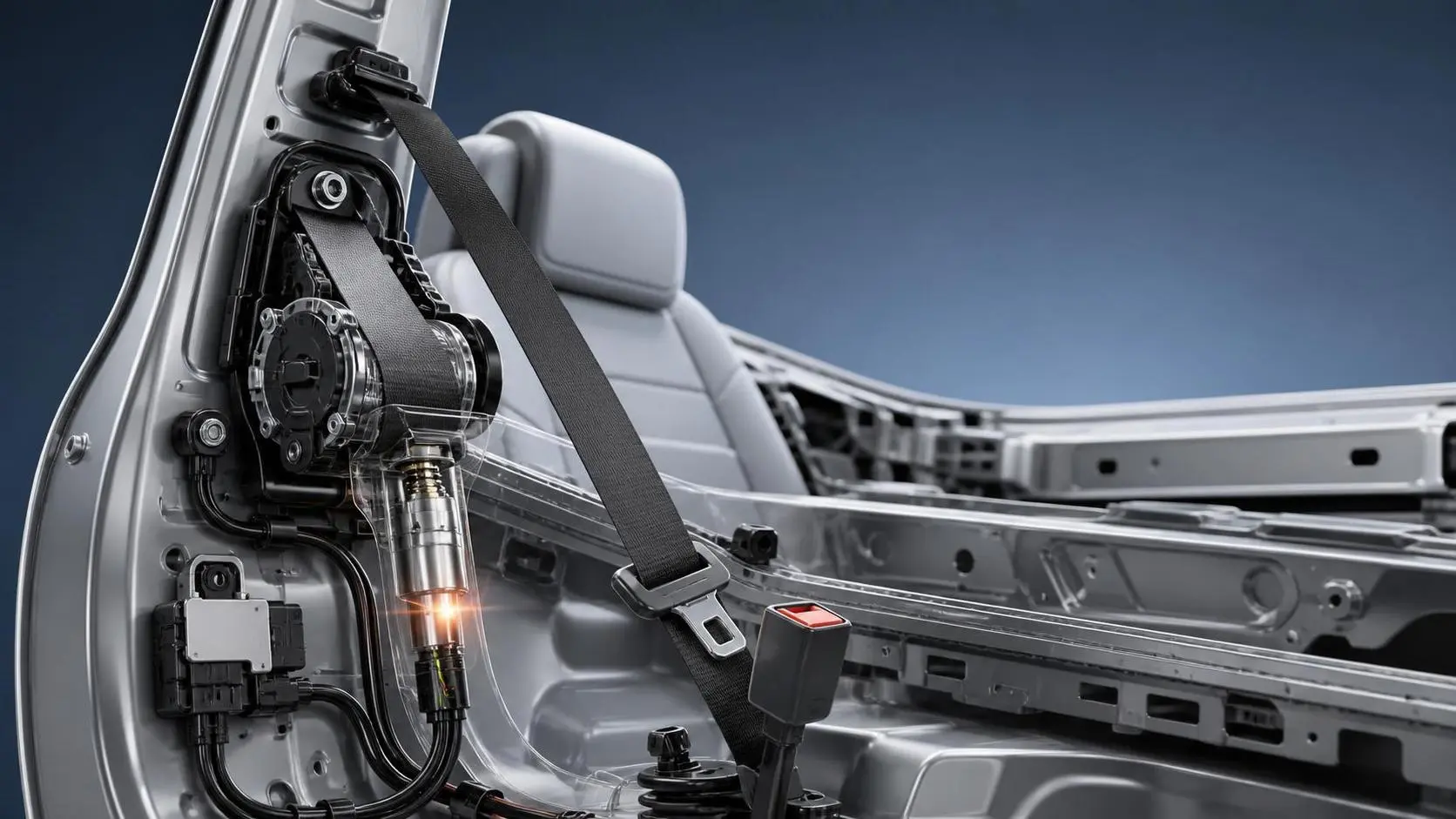
How Seat Belt Pretensioners for EVs Improve Crash Safety and System Response
Seat belt pretensioners for EVs improve crash timing, occupant control, and system response. Discover how smarter integration boosts EV safety performance.
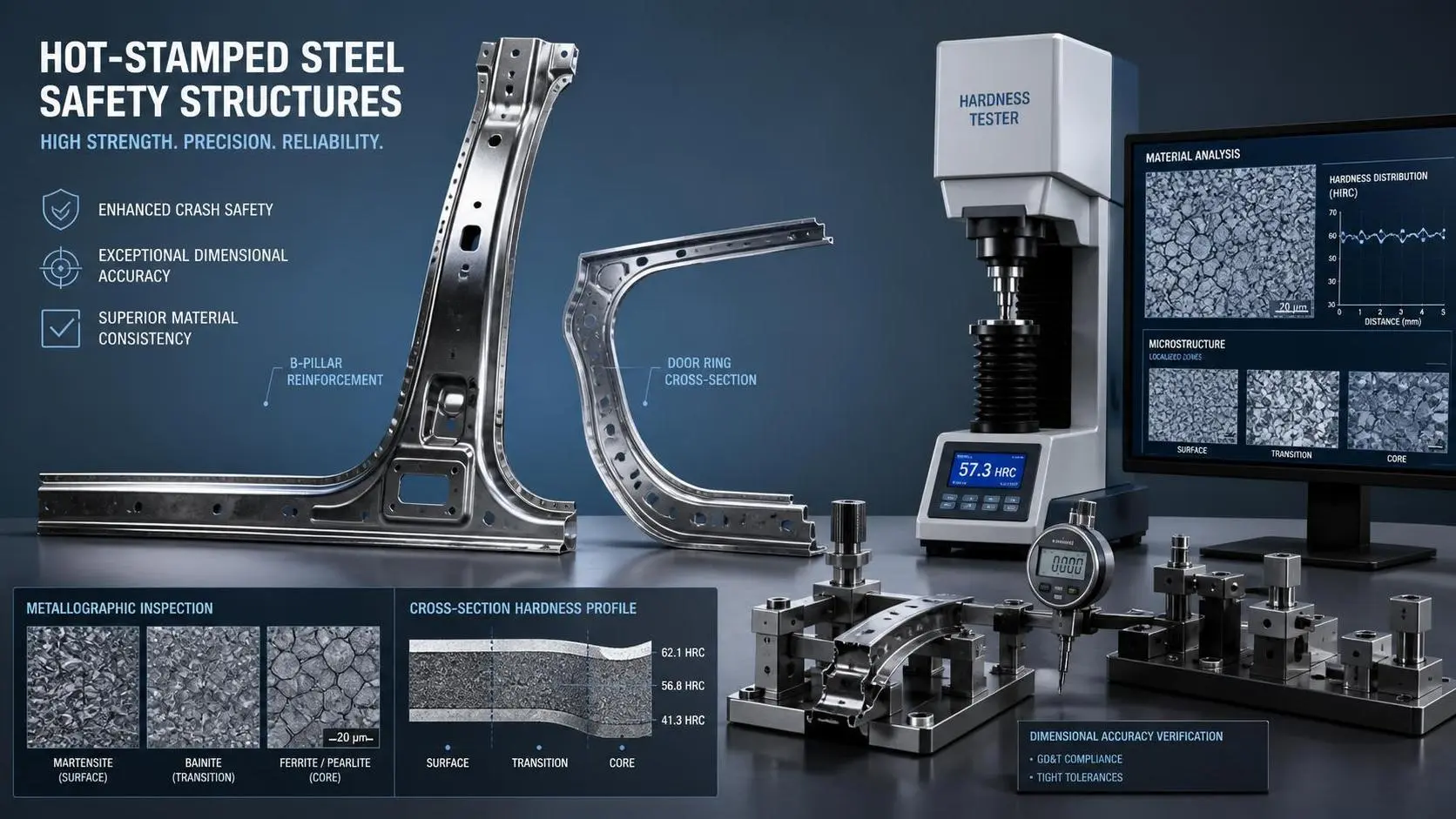
How to Evaluate High Strength Hot Stamped Steel Parts for Crash-Safety Applications
High strength hot stamped steel parts for crash-safety applications: learn how to assess strength, microstructure, dimensional accuracy, and process stability for safer sourcing decisions.
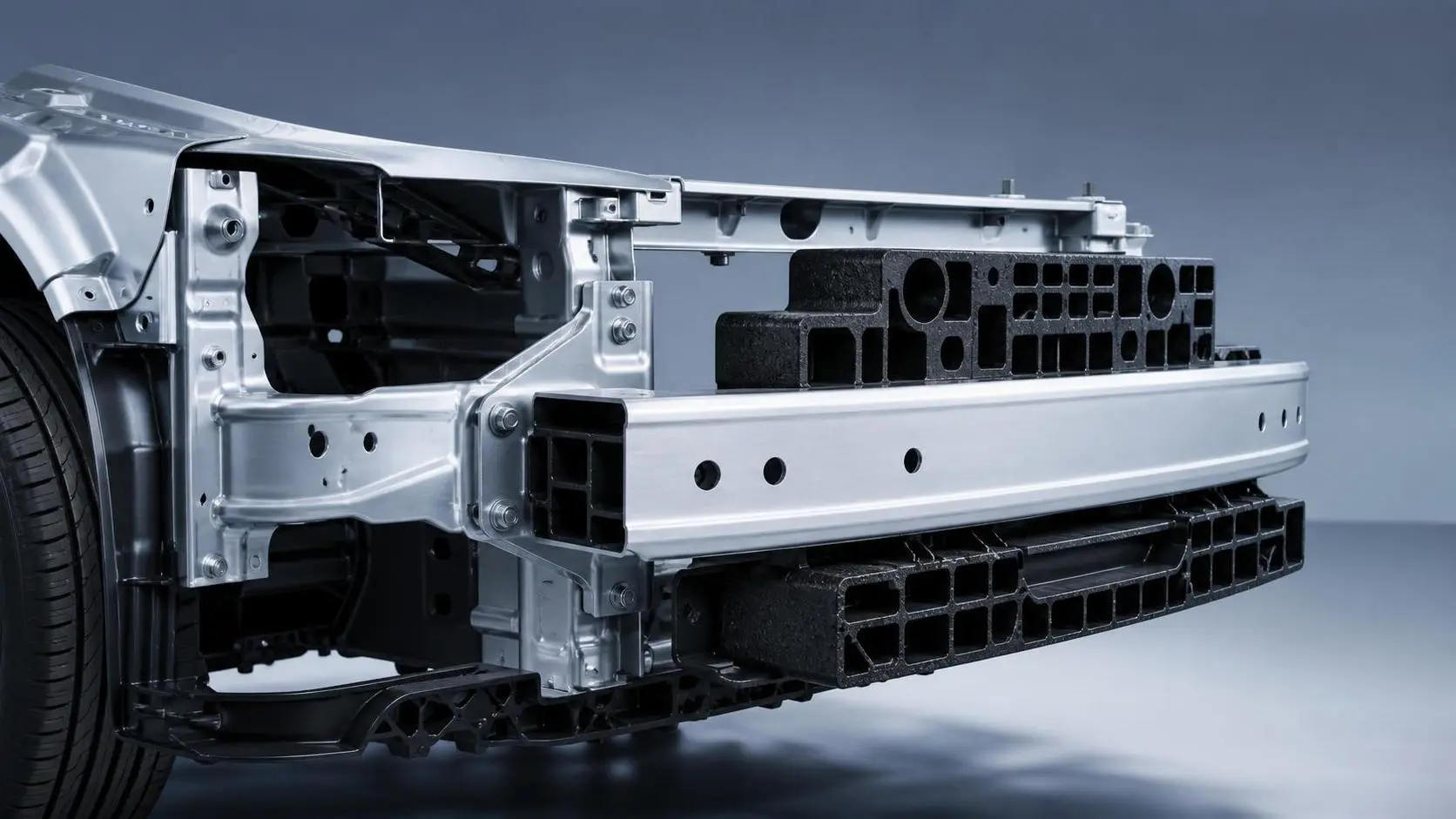
How Crash Management Components Reduce Repair Costs and Improve Impact Performance
Crash management components help reduce repair costs, protect critical vehicle structures, and improve impact performance. Learn how smarter design supports safer, more cost-efficient mobility programs.
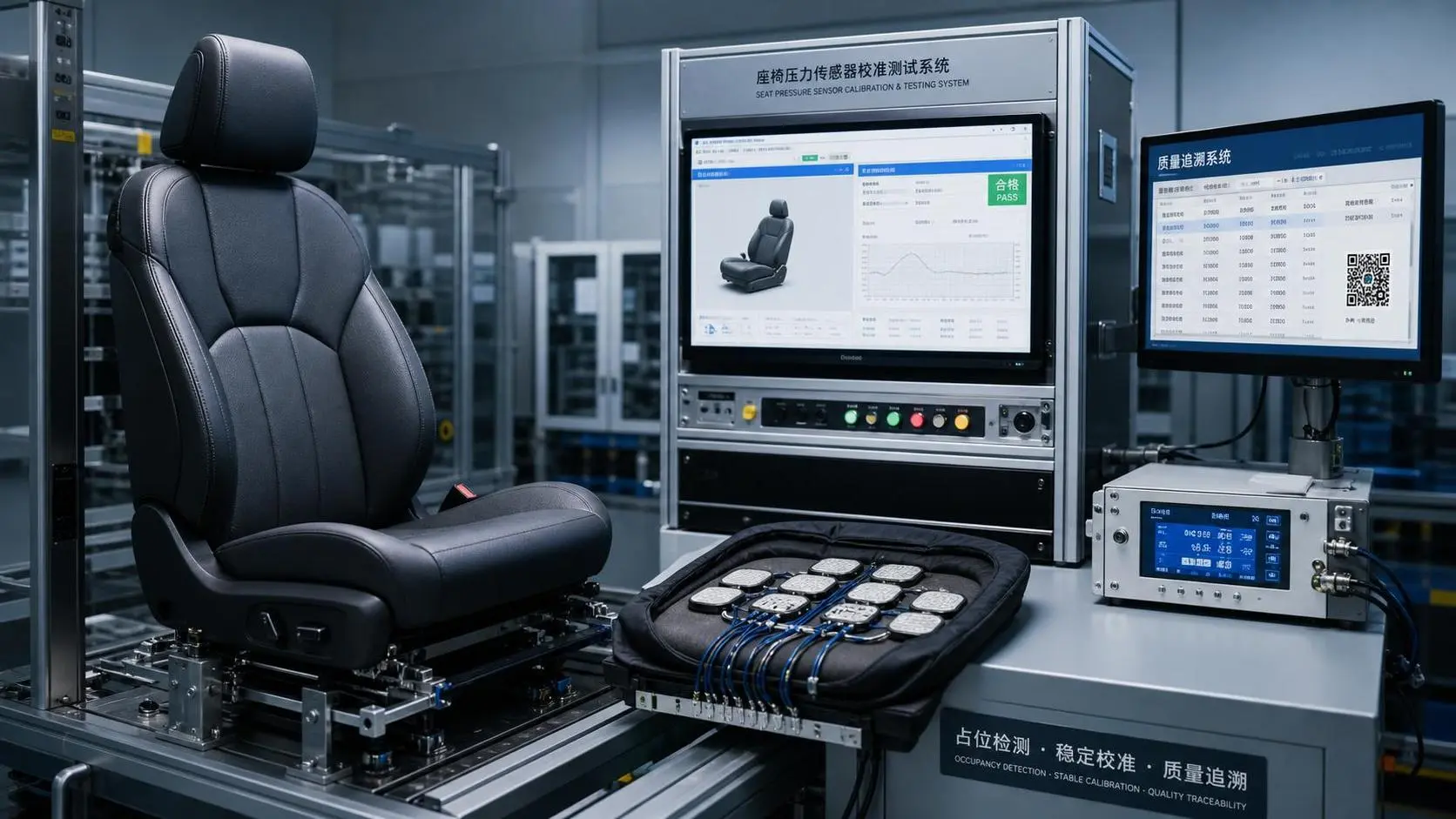
How to Evaluate a Seat Sensing Systems Factory for Automotive Safety Programs
Seat sensing systems factory selection goes beyond price. Learn how to assess quality control, validation, PPAP readiness, and long-term supply reliability for safer automotive programs.
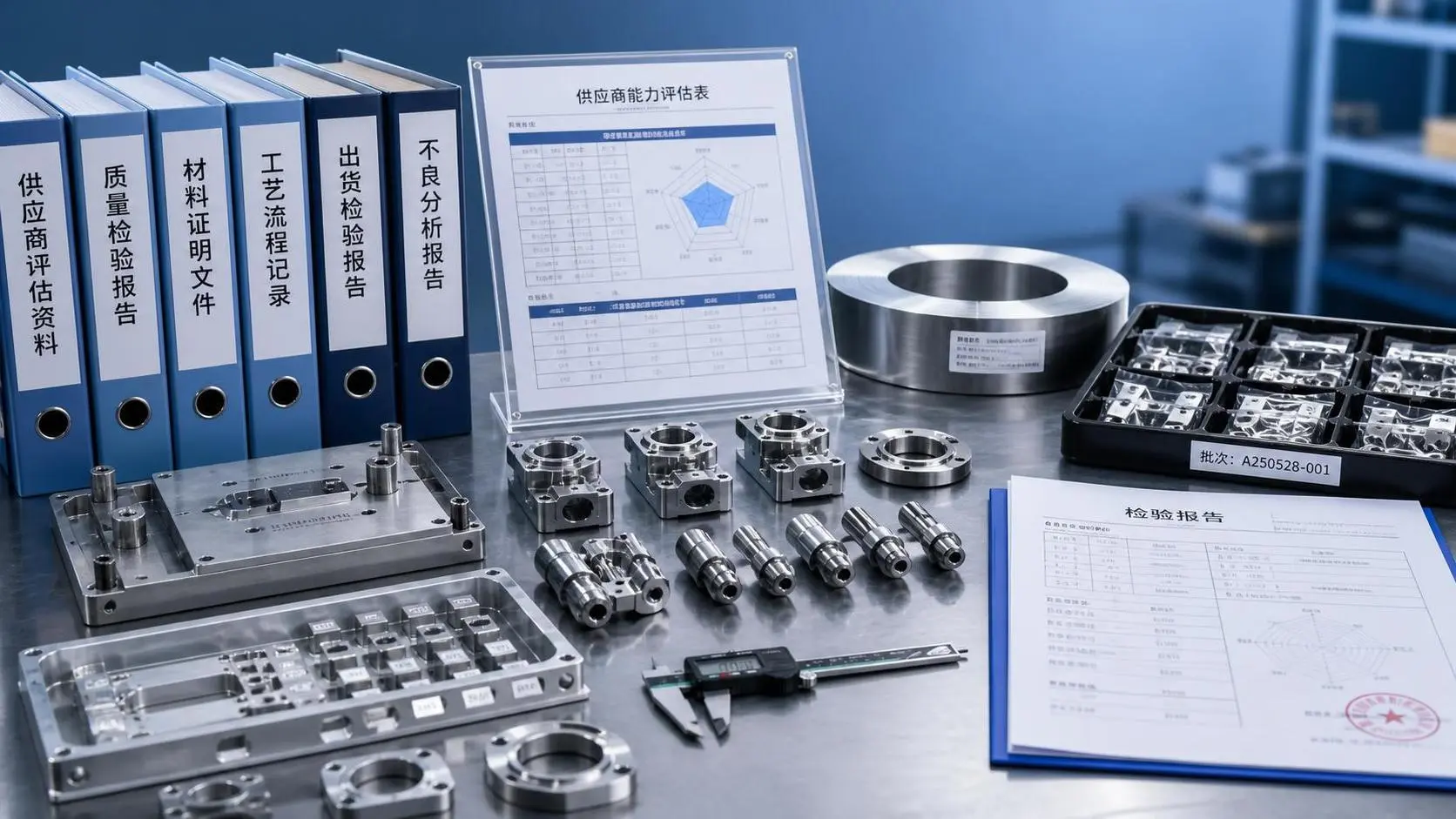
Supplier Capability Evaluation Process: Key Criteria for B2B Sourcing Decisions
Supplier capability evaluation process explained: learn the key criteria for B2B sourcing decisions, reduce supplier risk, and choose partners with confidence.
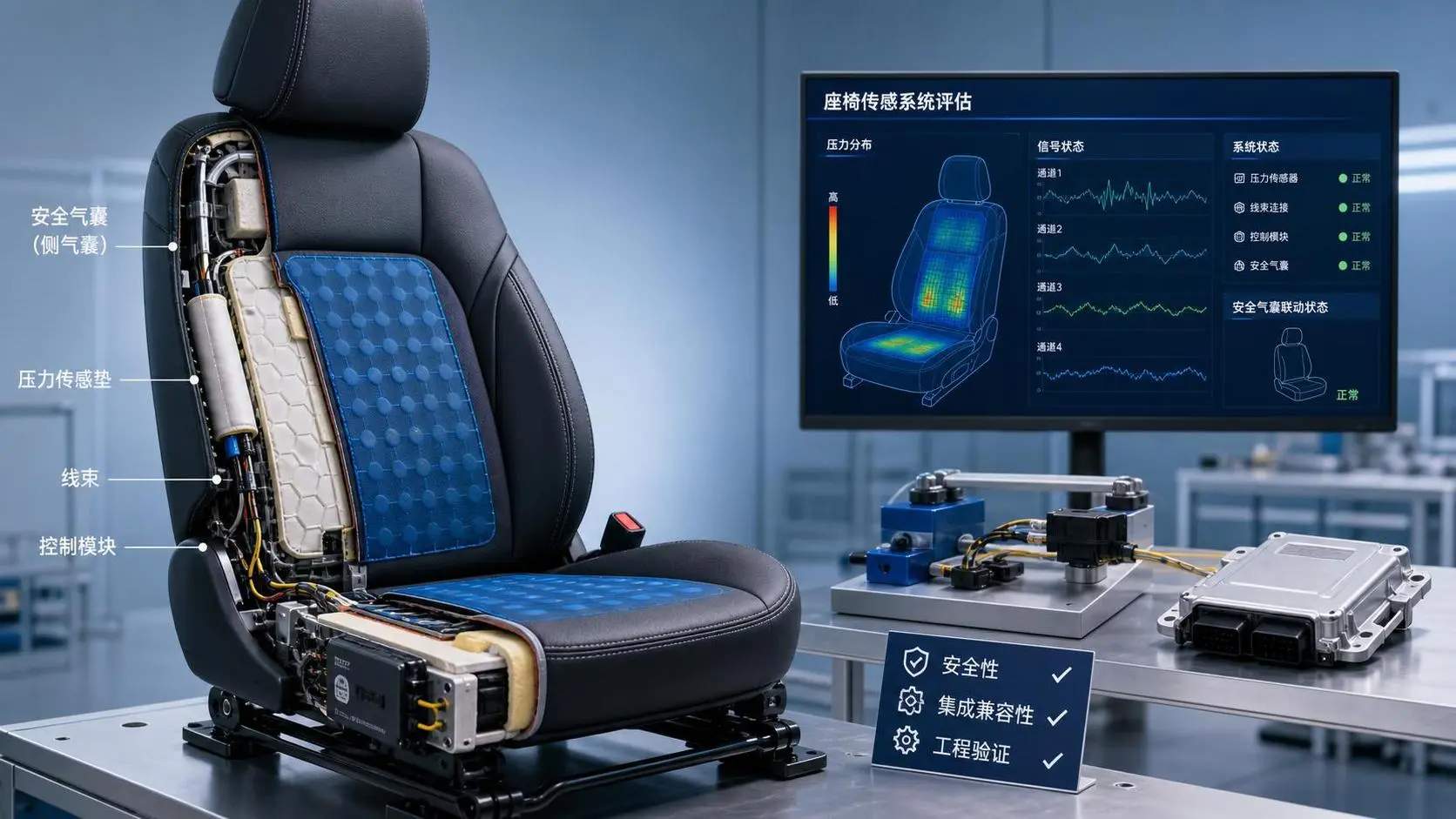
How to Evaluate a Seat Sensing Technology Supplier for Safety and Integration?
Seat sensing technology supplier evaluation guide: compare safety maturity, integration fit, algorithm reliability, and validation support to choose a partner that reduces risk.
How to Evaluate Custom Smart Automotive Seating for Premium Vehicle Programs?
Custom smart automotive seating evaluation starts with safety, comfort, integration, and production readiness. Discover how premium vehicle teams choose smarter, lower-risk seat solutions.
Related News
- 00
0000-00
How to Evaluate Automotive Seat Assemblies for EVs by Weight, Safety, and Packaging - 00
0000-00
How to Evaluate a Seat Structures Exporter for OEM Programs: Capacity, Compliance, and Tooling - 00
0000-00
Sensor-Based Smart Seating Solutions: Key Features for Automotive Seat Design - 00
0000-00
What Drives Automotive Ergonomics Cost? Design Inputs, Testing Scope, and Tooling Factors - 00
0000-00
Aluminum Seat Structures vs Steel: When Is the Weight Saving Worth the Trade-Off?
Weekly Insights
Stay ahead with our curated technology reports delivered every Monday.