
What Drives Automotive Ergonomics Cost? Design Inputs, Testing Scope, and Tooling Factors
What Drives Automotive Ergonomics Cost? Design Inputs, Testing Scope, and Tooling Factors
Automotive ergonomics cost is shaped by far more than seat comfort alone.
For sourcing work, the real cost picture starts with how people interact with the cabin.
That includes posture, reach, visibility, touch effort, vibration response, and long-duration fatigue.
Once those factors enter a vehicle program, automotive ergonomics cost becomes a system-level issue.
It affects seat structures, trim parts, controls, tooling plans, testing cycles, and launch timing.
In practice, two suppliers can quote similar hardware and still carry very different risk.
The gap usually comes from design assumptions, validation depth, and process maturity.
That is why understanding automotive ergonomics cost matters before price comparison starts.
Why Automotive Ergonomics Cost Starts with Design Inputs
Early design inputs are the strongest cost drivers.
If the target user profile is vague, engineering teams must iterate more often.
That pushes up automotive ergonomics cost through repeated modeling, prototype builds, and extra reviews.
The most expensive programs often begin with incomplete human-factor assumptions.
Examples include uncertain occupant size ranges, unclear seat travel targets, or undefined H-point tolerances.
A quote may look efficient, but the hidden exposure remains high.
Design inputs that commonly change automotive ergonomics cost include:
- Occupant percentile coverage and regional body-size data
- Seat package geometry and cushion stiffness targets
- Steering wheel, pedal, and display reach zones
- Ingress and egress requirements for different vehicle types
- NVH interaction with posture and pressure distribution
- Passive safety packaging around airbags and seatbelt systems
From a cost review perspective, broad requirements are not always better.
Overly wide ergonomic targets can force oversized mechanisms, stronger frames, and more validation work.
That quickly raises automotive ergonomics cost even before physical tooling begins.
Testing Scope Has a Direct Impact on Cost
Testing scope is usually where quote differences become easier to explain.
A low number may simply exclude meaningful validation.
For automotive ergonomics cost, test planning is not a side activity.
It defines how much confidence exists before tooling freeze and production release.
Basic ergonomic validation may cover static posture, visibility, and control access.
Higher programs add pressure mapping, fatigue studies, dynamic ride assessment, and thermal comfort checks.
Each added layer affects automotive ergonomics cost, but it also lowers launch risk.
The same applies when validation must align with multi-region compliance programs.
Recent market signals show stronger integration between comfort and safety evidence.
That means ergonomic testing increasingly overlaps with crash packaging, restraint fit, and occupant retention logic.
When comparing suppliers, check whether the quote includes:
- Digital human modeling only, or physical user clinics as well
- Single-build validation, or multiple iteration gates
- Regional occupant datasets for North America, Europe, and Asia
- Integration checks with airbag deployment paths and seatbelt anchor geometry
- Durability testing for seat adjustment systems under repeated use
A cheaper test plan can reduce near-term spend.
But if late findings trigger redesign, total automotive ergonomics cost usually rises sharply.
Prototype Iteration Often Decides the Real Budget
Prototype strategy is one of the most underestimated cost drivers.
Many teams focus on final piece price and miss the development burn rate.
In reality, automotive ergonomics cost can expand quickly through repeated sample loops.
Foam density changes, trim softness changes, and frame angle changes each trigger downstream work.
Those adjustments also affect passive safety interfaces and electrical features in smart seats.
A mature supplier reduces automotive ergonomics cost by planning prototype gates carefully.
That usually means digital reviews first, then limited physical bucks, then focused production-intent builds.
Programs become expensive when every issue is discovered in hardware.
This is especially true for cabins using lightweight structures or complex seat integration.
Auto body stampings, seat frames, restraint systems, and trim parts rarely change in isolation.
One ergonomic change may alter package space, weld points, brackets, and harness routing.
That chain reaction is a major source of unexpected automotive ergonomics cost.
Tooling Complexity Changes Unit Cost and Launch Risk
Tooling is where development decisions become hard financial commitments.
If ergonomic geometry is still unstable, tooling investment becomes more exposed.
Automotive ergonomics cost rises when seat pans, foam molds, trim skins, and support brackets need rework.
The impact is larger in high-volume platforms.
Complex contours and multi-material designs may improve comfort or weight reduction.
Still, they can introduce more inserts, tighter tolerances, and slower cycle times.
That is why tooling review should sit inside any serious automotive ergonomics cost analysis.
Key tooling factors include:
- Number of foam molds and trim skin variants
- Seat frame stamping complexity and joining methods
- Tolerance stack-up across mechanisms, rails, and restraints
- Manual versus automated assembly requirements
- Changeover needs for multiple trim levels or regions
Low-cost tooling can look attractive on paper.
However, weak repeatability can create fit issues, comfort inconsistency, and warranty exposure.
Those issues eventually return as higher total automotive ergonomics cost.
How to Evaluate Supplier Quotes More Accurately
A strong quote review goes beyond headline price.
The better question is what assumptions are built into the number.
To compare automotive ergonomics cost fairly, normalize the technical scope first.
If one supplier includes user clinics and another excludes them, the quotes are not equivalent.
The same applies to tooling amortization, engineering hours, and production-intent validation.
A practical evaluation checklist should cover:
- What ergonomic targets are fixed, and what remains open
- How many prototype loops are included
- Which compliance or customer standards drive validation
- Where tooling changes become chargeable
- Whether unit price assumes stable annual volume
- How seat, restraint, and cabin interface risks are assigned
This approach makes automotive ergonomics cost easier to audit.
It also prevents low initial quotes from becoming expensive engineering change orders later.
A Simple Cost Framework for Better Sourcing Decisions
A useful sourcing model separates automotive ergonomics cost into four layers.
This framework helps teams judge total value instead of isolated line items.
It also clarifies where automotive ergonomics cost is fixed and where it remains variable.
More importantly, it supports better negotiation with data, not assumptions.
Final Takeaway
Automotive ergonomics cost is driven by design clarity, validation depth, prototype discipline, and tooling stability.
The lowest quote rarely tells the full story.
In current mobility programs, comfort, safety, lightweighting, and compliance are increasingly connected.
That makes automotive ergonomics cost a strategic sourcing issue, not just an engineering detail.
The most reliable decisions come from checking what drives cost, what reduces risk, and what protects launch readiness.
When those elements are reviewed together, supplier selection becomes sharper, cleaner, and far more defensible.
Related News
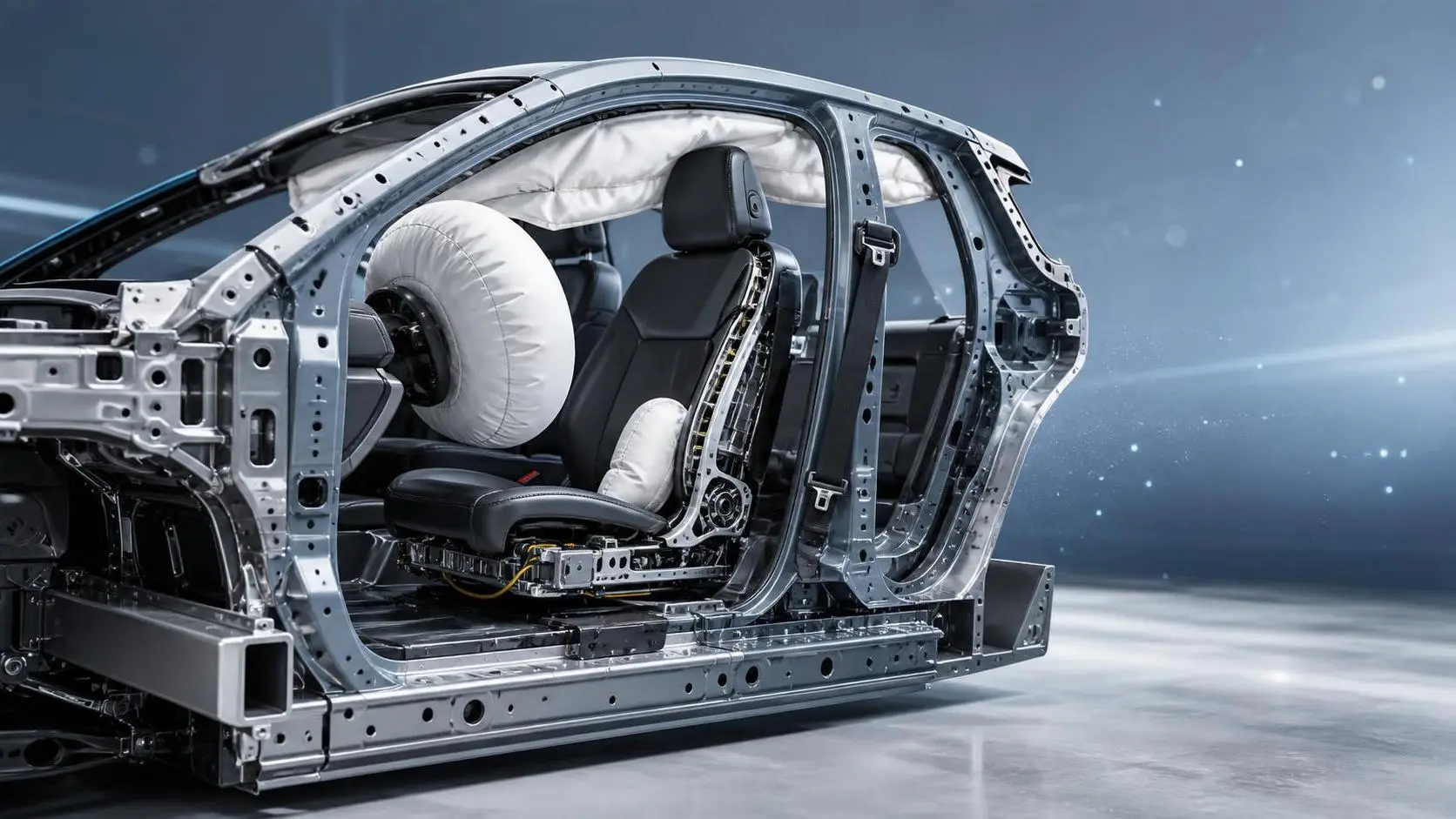
How to Evaluate Mobility Safety Systems for Safer Vehicle Platform Design
Mobility safety systems evaluation starts with platform architecture, crash energy management, and seat-restraint timing. Learn how to choose safer, validation-ready vehicle designs.
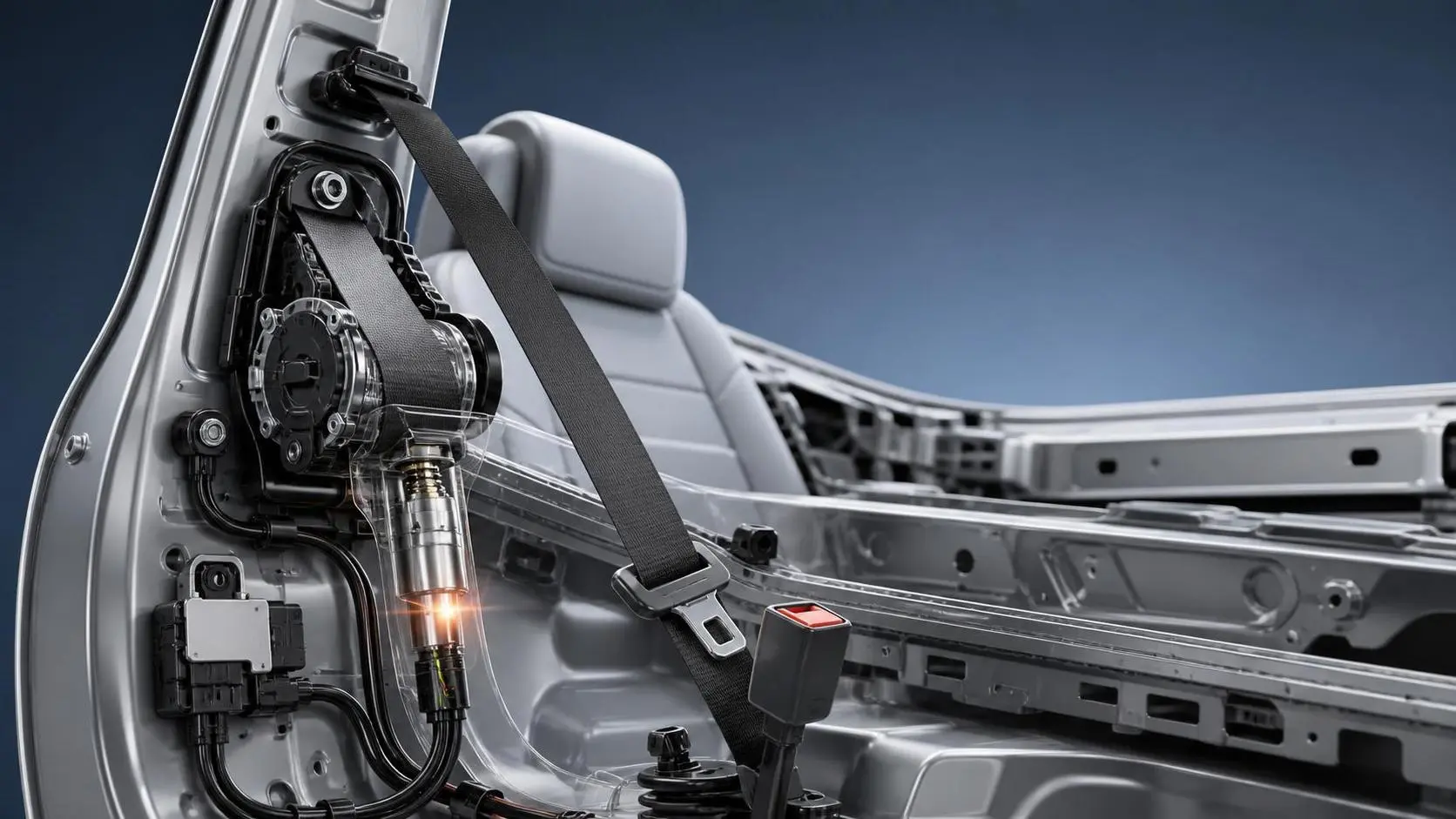
How Seat Belt Pretensioners for EVs Improve Crash Safety and System Response
Seat belt pretensioners for EVs improve crash timing, occupant control, and system response. Discover how smarter integration boosts EV safety performance.
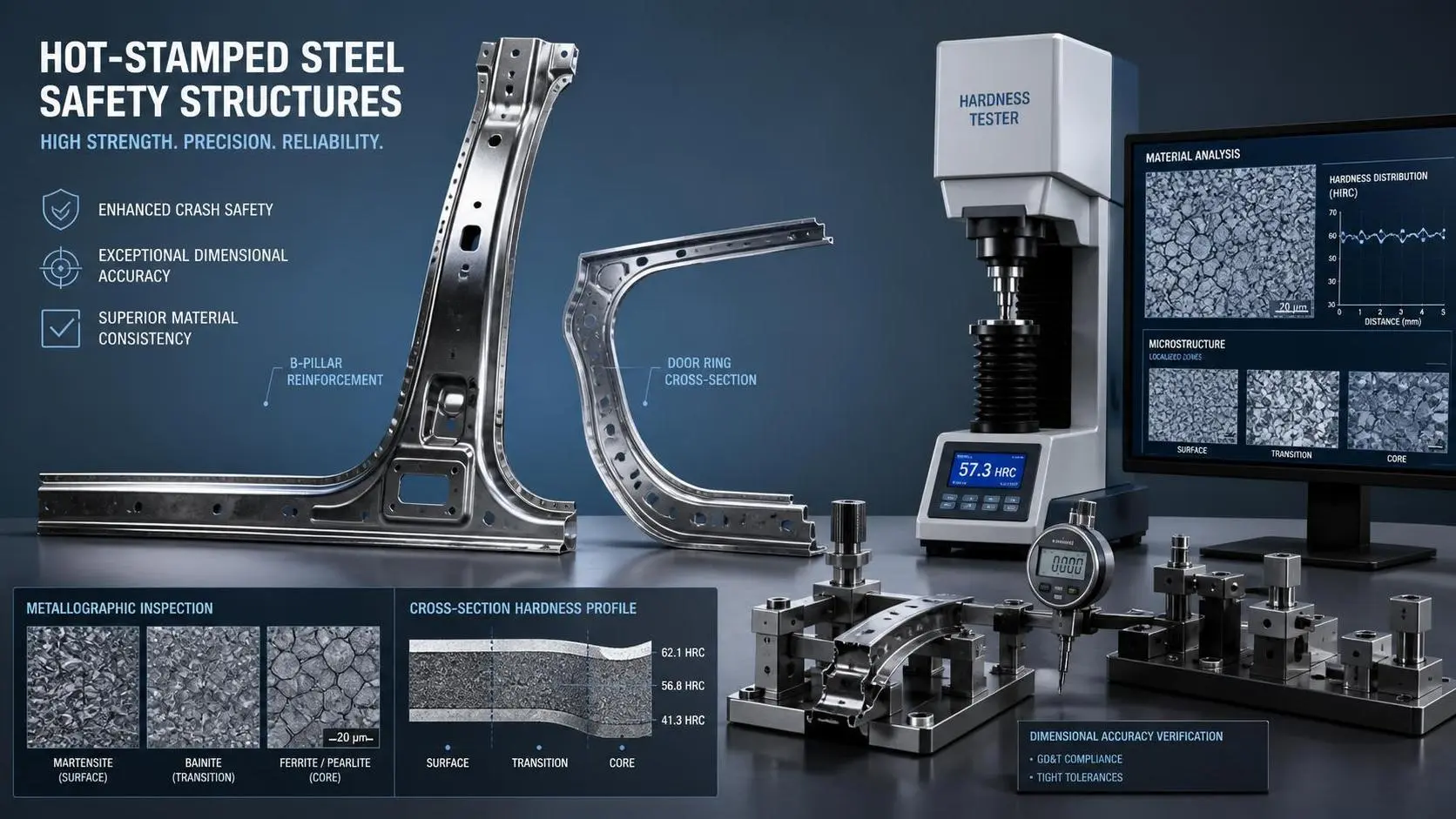
How to Evaluate High Strength Hot Stamped Steel Parts for Crash-Safety Applications
High strength hot stamped steel parts for crash-safety applications: learn how to assess strength, microstructure, dimensional accuracy, and process stability for safer sourcing decisions.
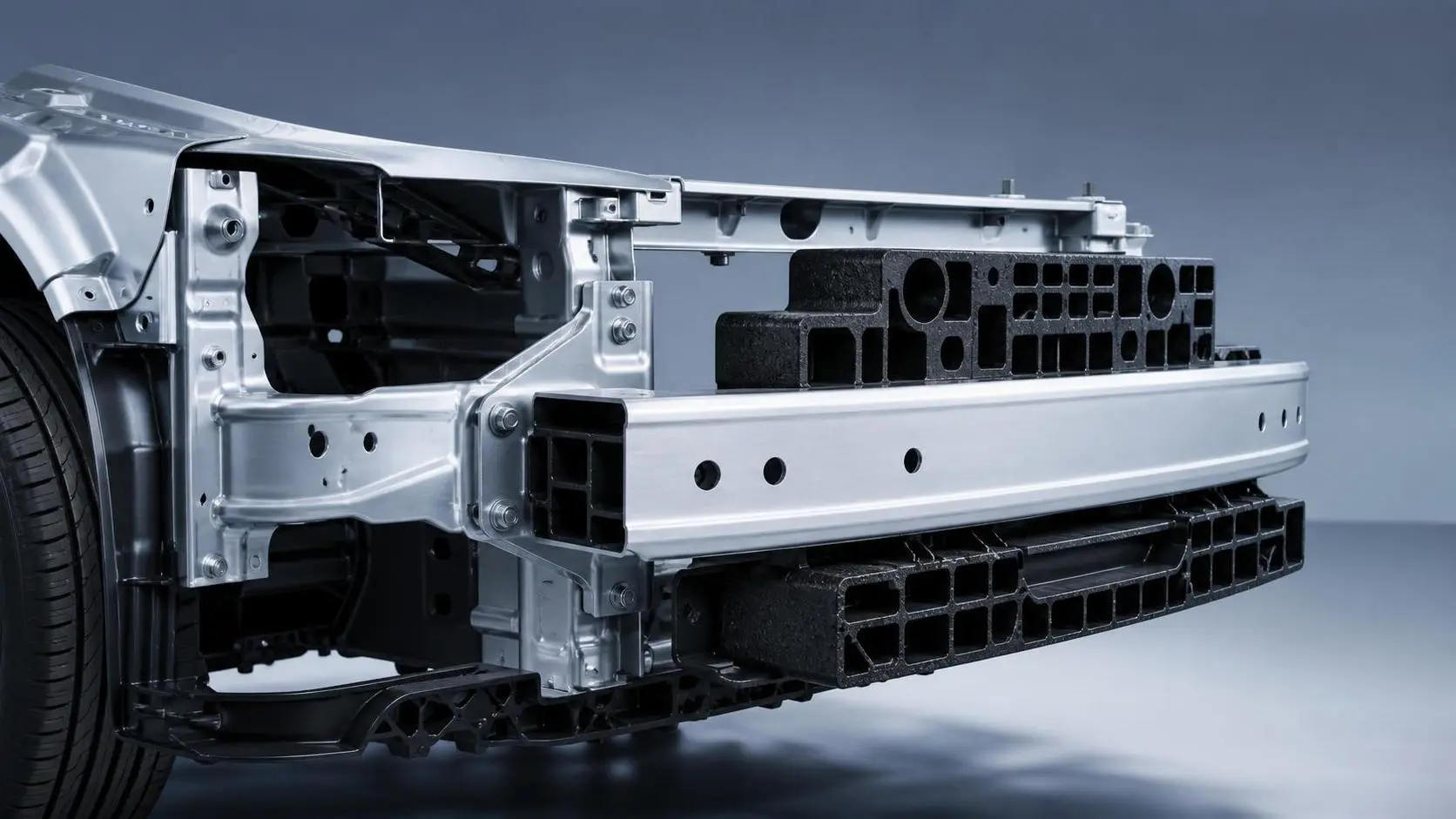
How Crash Management Components Reduce Repair Costs and Improve Impact Performance
Crash management components help reduce repair costs, protect critical vehicle structures, and improve impact performance. Learn how smarter design supports safer, more cost-efficient mobility programs.
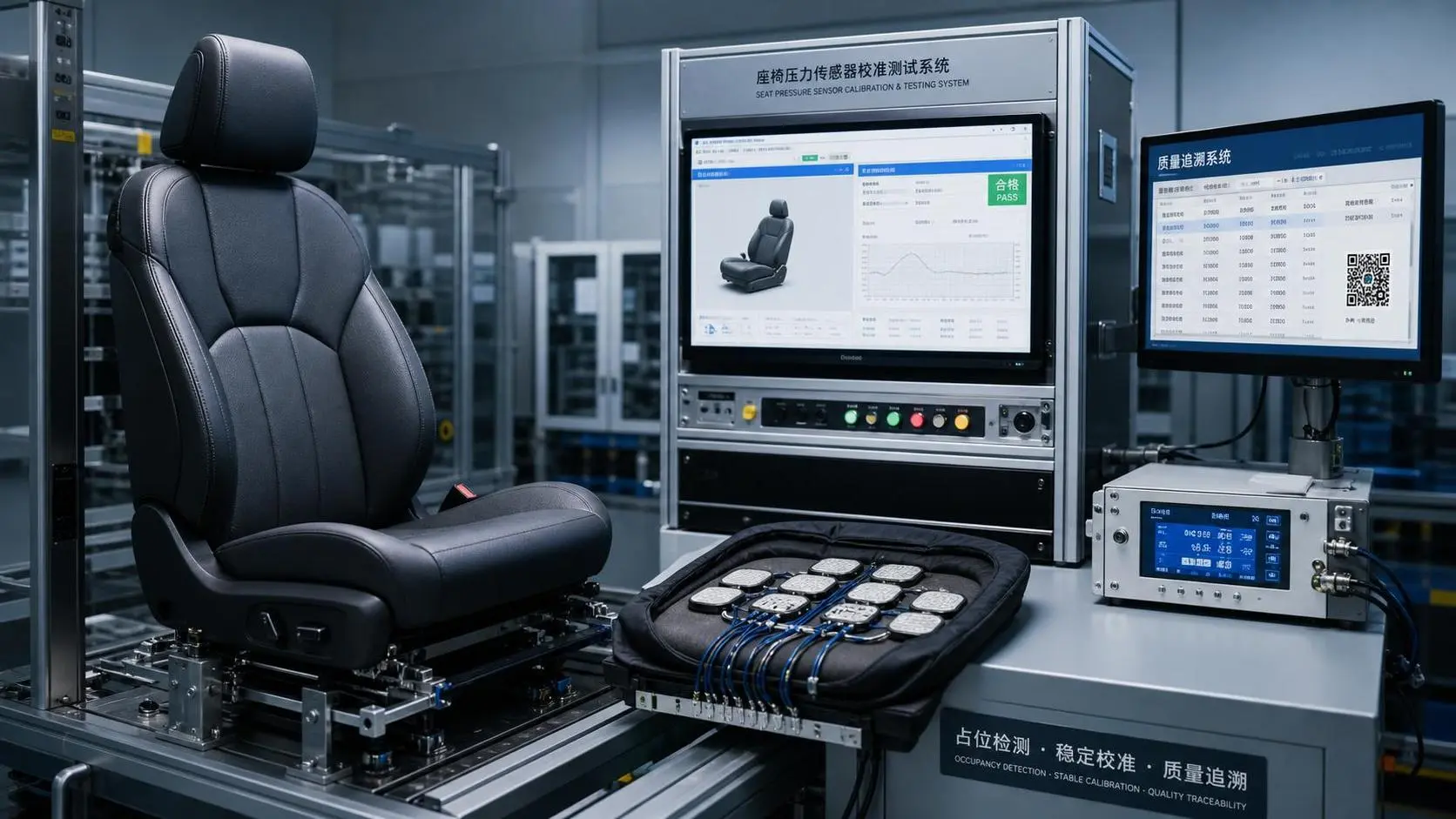
How to Evaluate a Seat Sensing Systems Factory for Automotive Safety Programs
Seat sensing systems factory selection goes beyond price. Learn how to assess quality control, validation, PPAP readiness, and long-term supply reliability for safer automotive programs.
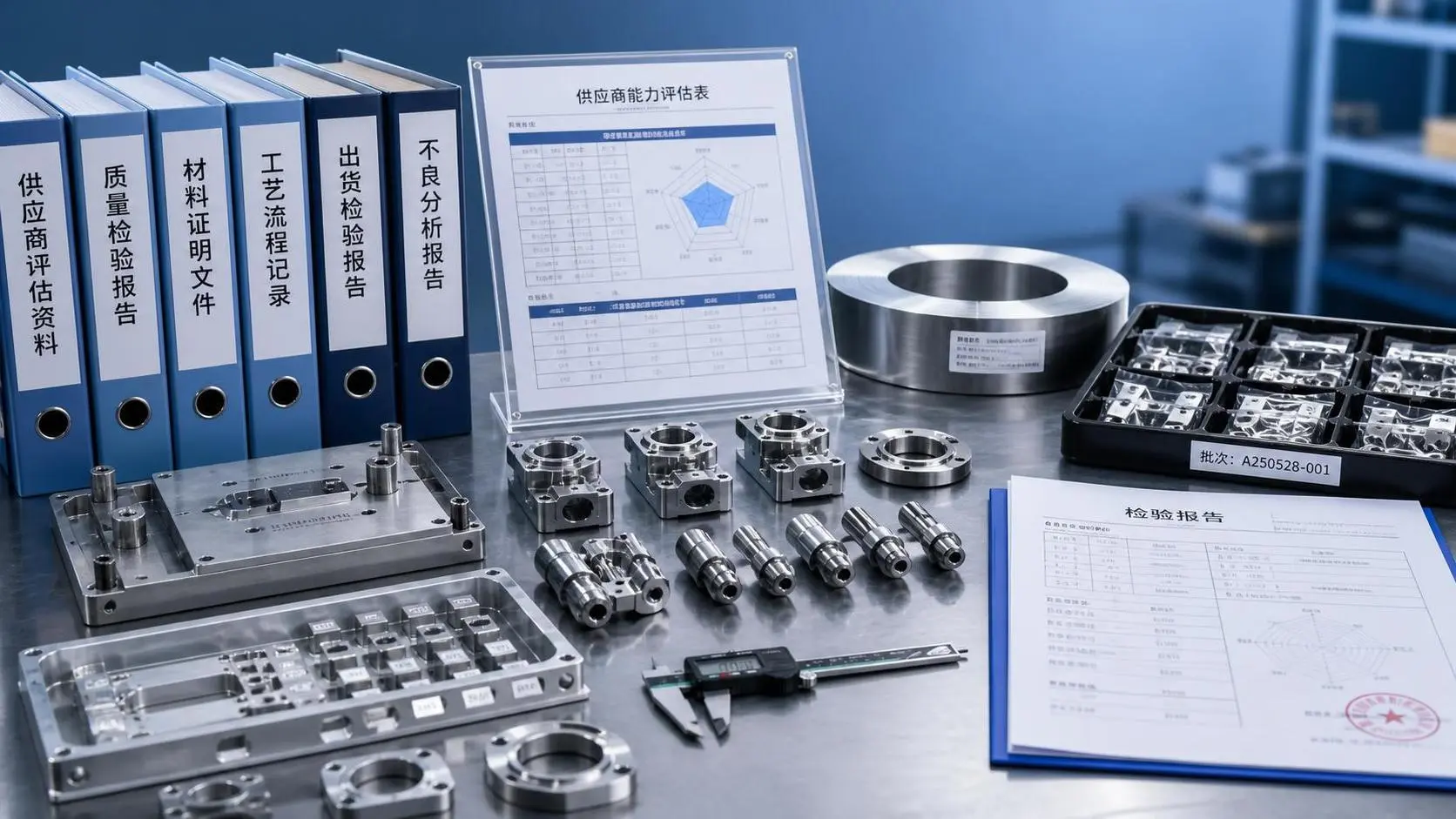
Supplier Capability Evaluation Process: Key Criteria for B2B Sourcing Decisions
Supplier capability evaluation process explained: learn the key criteria for B2B sourcing decisions, reduce supplier risk, and choose partners with confidence.
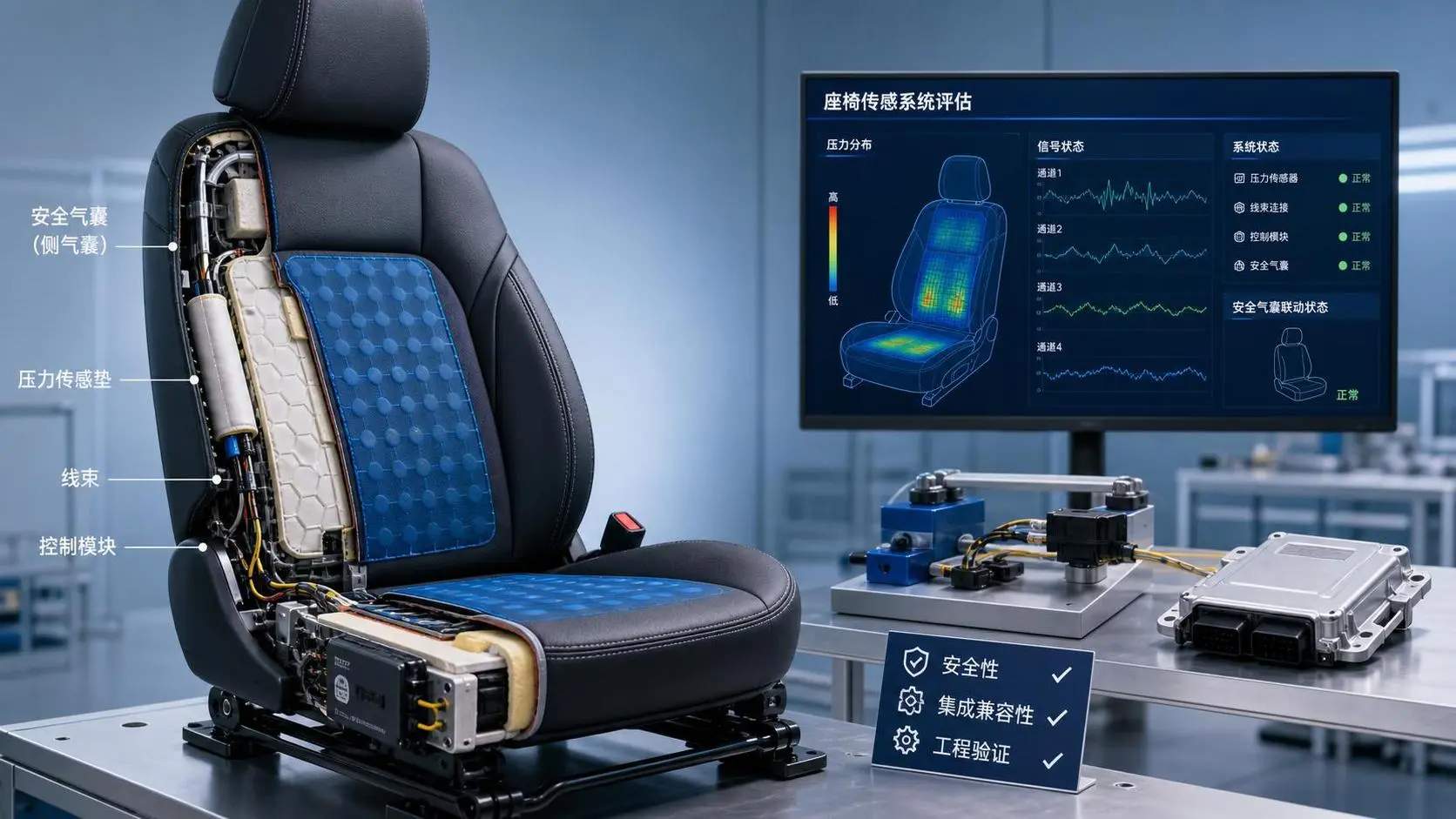
How to Evaluate a Seat Sensing Technology Supplier for Safety and Integration?
Seat sensing technology supplier evaluation guide: compare safety maturity, integration fit, algorithm reliability, and validation support to choose a partner that reduces risk.
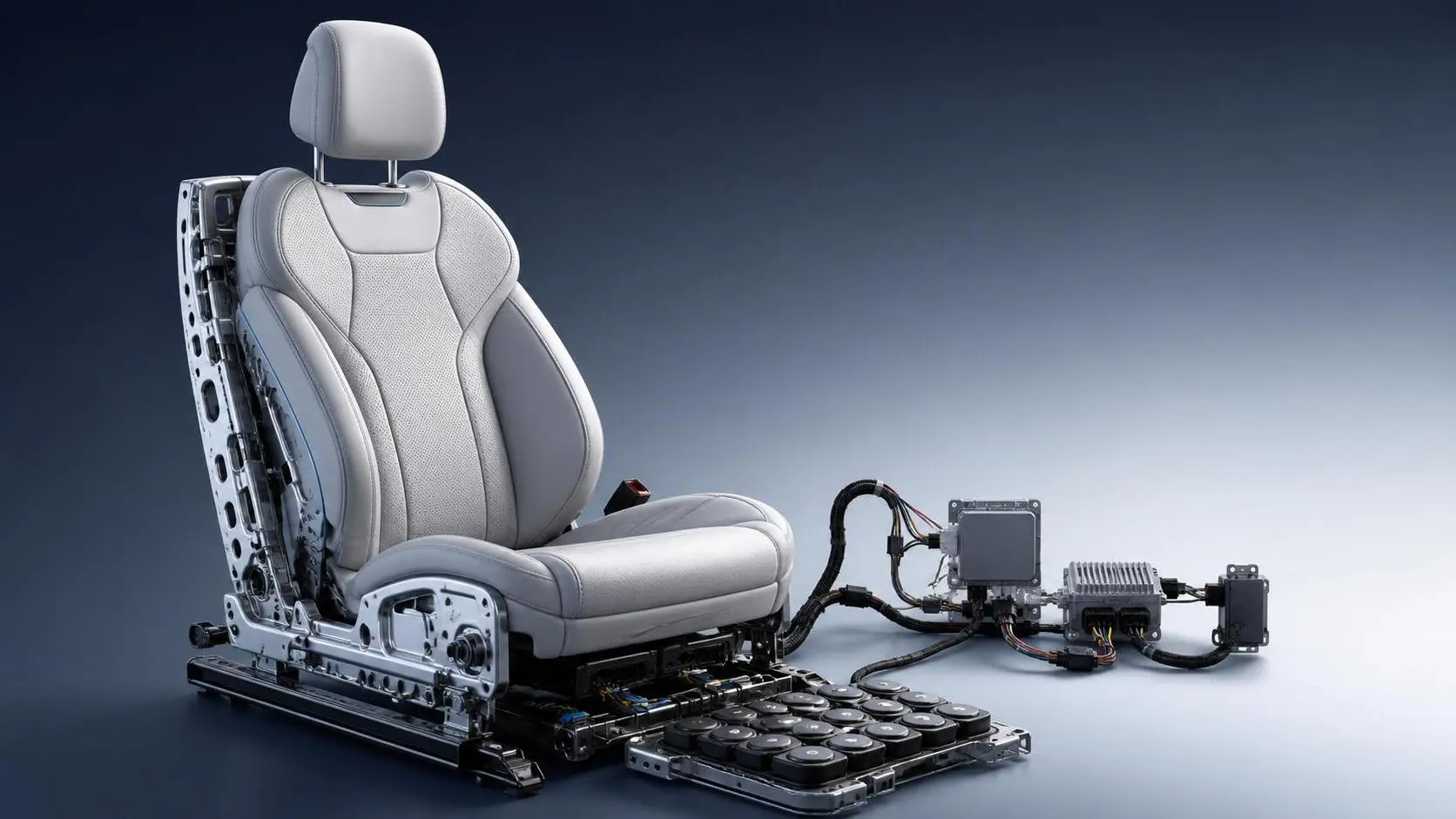
How to Evaluate Custom Smart Automotive Seating for Premium Vehicle Programs?
Custom smart automotive seating evaluation starts with safety, comfort, integration, and production readiness. Discover how premium vehicle teams choose smarter, lower-risk seat solutions.
B2B Product Intelligence Platforms: How to Compare Features, Data Coverage, and ROI
B2B product intelligence platform comparison: learn how to evaluate data coverage, feature depth, compliance visibility, and ROI to choose a sourcing tool that reduces risk and speeds decisions.
Related News
- 00
0000-00
How to Evaluate Automotive Seat Assemblies for EVs by Weight, Safety, and Packaging - 00
0000-00
How to Evaluate a Seat Structures Exporter for OEM Programs: Capacity, Compliance, and Tooling - 00
0000-00
Sensor-Based Smart Seating Solutions: Key Features for Automotive Seat Design - 00
0000-00
What Drives Automotive Ergonomics Cost? Design Inputs, Testing Scope, and Tooling Factors - 00
0000-00
Aluminum Seat Structures vs Steel: When Is the Weight Saving Worth the Trade-Off?
Weekly Insights
Stay ahead with our curated technology reports delivered every Monday.