
How to Evaluate an Automotive Stampings Factory for Quality, Capacity, and Cost
Choosing an automotive stampings factory is rarely about unit price alone. The real decision sits between part quality, launch stability, delivery discipline, and lifetime cost control.
That matters even more in lightweight body structures, seat systems, and passive safety parts, where stamping accuracy affects downstream welding, fit, corrosion protection, and crash performance.
Within the broader mobility supply chain, GNCS often tracks how compliance pressure, material shifts, and safety expectations reshape factory selection. A capable automotive stampings factory should therefore be judged as a production system, not just a press shop.
What really defines a reliable automotive stampings factory?
A reliable automotive stampings factory delivers repeatability. That means the first sample, pilot batch, and mass production parts stay close in geometry, strength, surface condition, and assembly behavior.
In practice, the strongest factories combine three layers. They have suitable presses and tooling, disciplined process control, and a management system that reacts quickly when variation appears.
For standard brackets, the threshold may be moderate. For hot stamped reinforcements, seat structures, or safety-related components, the bar rises sharply because formability and dimensional stability become much harder to control.
It helps to ask whether the factory understands the final application. A supplier making structural stampings for crash load paths should discuss springback, die compensation, and traceability with confidence.
If discussions stay limited to tonnage and piece price, that is usually a warning sign. Good suppliers talk about process capability, maintenance intervals, scrap patterns, and weld-fit consistency.
When comparing factories, which quality signals matter first?
The first signal is not a certificate on the wall. It is whether the factory can prove control over variation, especially on critical dimensions and material behavior.
Ask to review inspection plans, capability data, incoming material controls, and reaction procedures for nonconforming parts. A serious automotive stampings factory will already have these records organized.
Surface quality also deserves closer attention than many buyers expect. Draw marks, burrs, edge cracking, or coating inconsistency can create expensive issues after welding, painting, or final assembly.
For complex or safety-relevant parts, sample approval should include more than dimensional reports. Material certificates, hardness data, coating verification, and functional fit checks are often necessary.
The table below helps separate strong evidence from weak claims during supplier review.
In short, quality evidence should be traceable, current, and connected to the actual part family. Generic presentations are less useful than part-specific proof.
How can you judge capacity without being misled by installed equipment?
Installed tonnage looks impressive, but capacity is more than the number of presses. Real output depends on die availability, shift structure, changeover time, maintenance discipline, and bottleneck processes.
An automotive stampings factory may own large presses yet still struggle with delivery because tool setup takes too long or secondary operations are overloaded.
A better review starts with production routing. Ask how many operations the part needs, where the bottlenecks sit, and what happens when one press goes down.
Lead time should also be split into tooling lead time, sample adjustment time, and mass production lead time. Factories sometimes quote a fast launch while hiding long die correction cycles.
This becomes critical for lightweight structures using AHSS or aluminum. Forming windows are narrower, scrap risk is higher, and capacity can fall quickly if the die process is immature.
- Check monthly available hours by press range, not just total annual output.
- Review peak utilization and overtime dependency.
- Confirm whether welding, tapping, coating, or assembly are done in-house or outsourced.
- Ask for contingency plans for tool breakage and material shortage.
A factory with modest scale but stable planning can outperform a larger site that runs near saturation. Delivery reliability usually exposes the difference.
Where does cost actually come from in an automotive stampings factory?
Quoted price is only the visible layer. The deeper cost drivers include material yield, die life, process scrap, logistics, packaging, quality escapes, engineering changes, and response speed.
For example, a cheaper quote may rely on poor nesting efficiency, thin maintenance coverage, or aggressive assumptions on scrap. That price often rises later through claims, delays, or tool rework.
It is worth asking the factory to break cost into a few practical buckets. Material, conversion, tooling amortization, surface treatment, and logistics should be visible enough for comparison.
Another useful test is engineering change resilience. A disciplined automotive stampings factory can estimate how a flange modification or hole relocation affects die changes, lead time, and part cost.
Factories with shallow process knowledge often underquote changes, then recover losses through unstable timing or repeated negotiations.
If the parts support seat frames, restraint brackets, or body reinforcements, low total cost often comes from fewer downstream corrections. Better stamping consistency reduces welding adjustment, fixture wear, and line-side sorting.
What questions expose tooling strength and engineering depth?
Tooling strength is one of the clearest separators in this market. A factory may run parts acceptably today, yet remain risky if it cannot maintain or modify tooling quickly.
Start with die design ownership. Does the supplier design tools internally, coordinate with outside toolmakers, or simply receive finished dies? Each model changes speed, accountability, and future flexibility.
Then look at simulation and tryout capability. For complex parts, forming simulation, springback compensation, and spotting experience help reduce painful launch loops.
GNCS coverage of lightweight bodies and passive safety trends consistently shows the same pattern. As materials become stronger and thinner, engineering depth matters more than raw equipment scale.
Useful questions include the following.
- How are die maintenance intervals defined and recorded?
- What is the average die correction cycle after first tryout?
- Can the team manage AHSS, hot stamping, or aluminum-specific forming issues?
- How are checking fixtures calibrated and updated after engineering change?
- What response time applies if a tool fails during serial production?
The answers reveal whether the factory thinks in terms of process ownership or short-term output.
Which common mistakes make factory selection more expensive later?
One common mistake is approving a supplier on samples alone. Samples may look acceptable while mass production still lacks gauge control, maintenance discipline, or operator consistency.
Another mistake is treating all stampings as simple metal parts. Structural body stampings, seat components, and safety-adjacent brackets carry very different technical risks.
Overlooking compliance is also costly. Material origin, coating performance, weldability, and documentation standards can all affect export programs and OEM approval pathways.
More subtle problems come from weak communication. If the factory cannot convert drawings, tolerances, and special characteristics into a controlled process plan, execution tends to drift.
A short review checklist helps keep the decision grounded.
So how should the final decision be made?
The best choice usually comes from weighted comparison, not instinct. Build a short scorecard around quality evidence, tooling depth, real capacity, cost transparency, and responsiveness.
If the parts affect crash energy management, seating safety, or lightweight structure integrity, place more weight on process capability and engineering maturity than on the lowest quote.
In practical terms, the right automotive stampings factory should show three things clearly. It can hold process stability, support volume without hidden bottlenecks, and explain cost drivers without vague assumptions.
That is also where GNCS-style intelligence becomes useful. Market news alone does not guide sourcing decisions, but structured insight into compliance, materials, and safety trends helps sharpen factory evaluation criteria.
The next step is straightforward. Define part criticality, map the real cost structure, audit the production route, and compare suppliers using evidence from live processes rather than presentations.
A careful review takes longer upfront, yet it usually prevents the more expensive cycle of requalification, delayed launches, and recurring quality escapes later.
Related News

How to Specify Integrated Marine Electronics for Reliable Bridge Operations
Integrated marine electronics: learn how to specify reliable bridge systems with clear data flows, redundancy, alarm control, lifecycle interfaces, and operational testing.

How to Evaluate Navigation Radar Manufacturers for Commercial Vessel Projects
Navigation radar manufacturers: learn how to compare performance, compliance, integration, support, and lifecycle cost for commercial vessel projects.
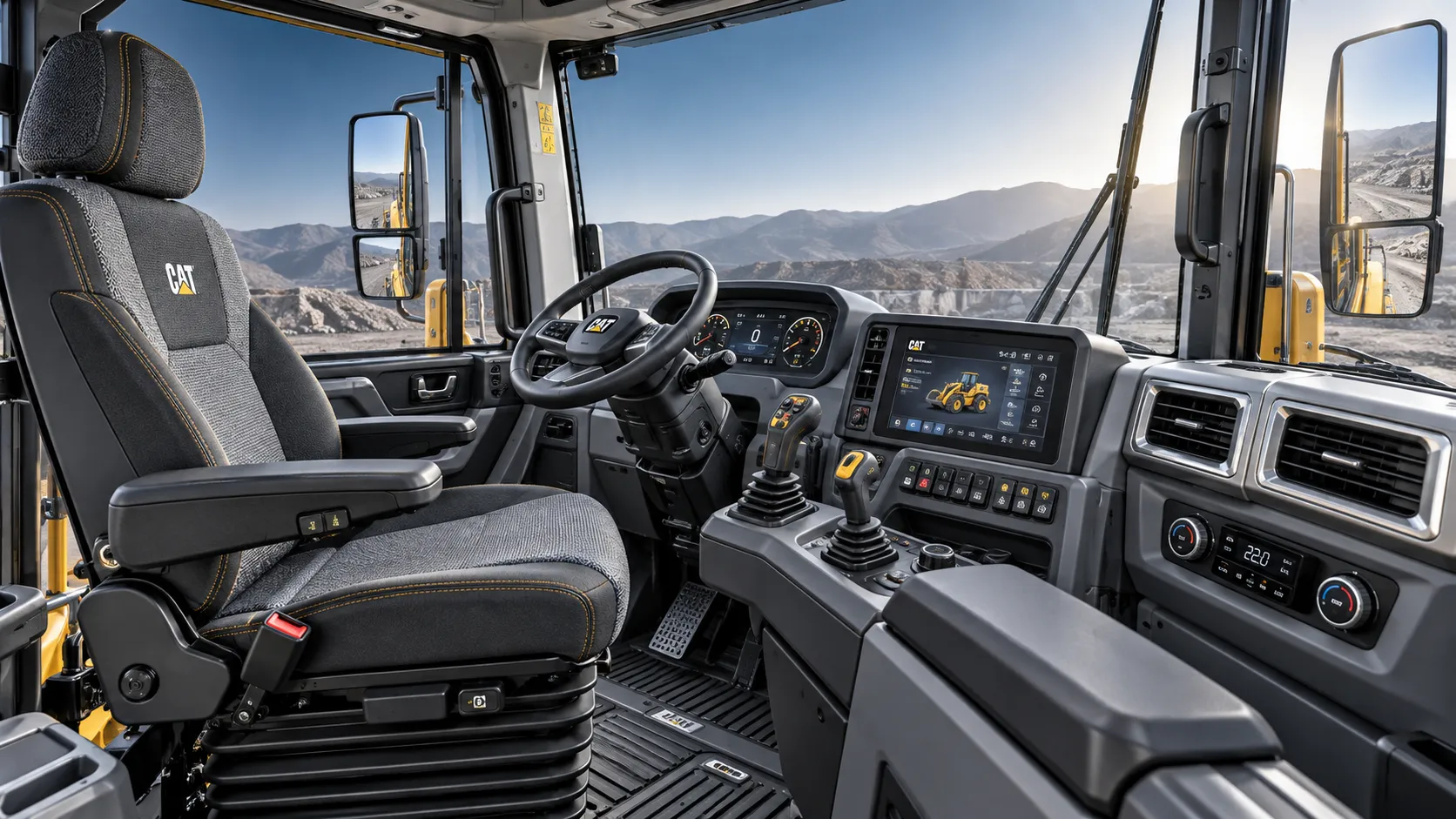
How Adjustable Cabin Ergonomics Reduce Operator Fatigue in Long-Shift Vehicles
Adjustable cabin ergonomics reduces operator fatigue through better seating, reach, visibility, vibration control, and climate comfort for safer long-shift vehicles.
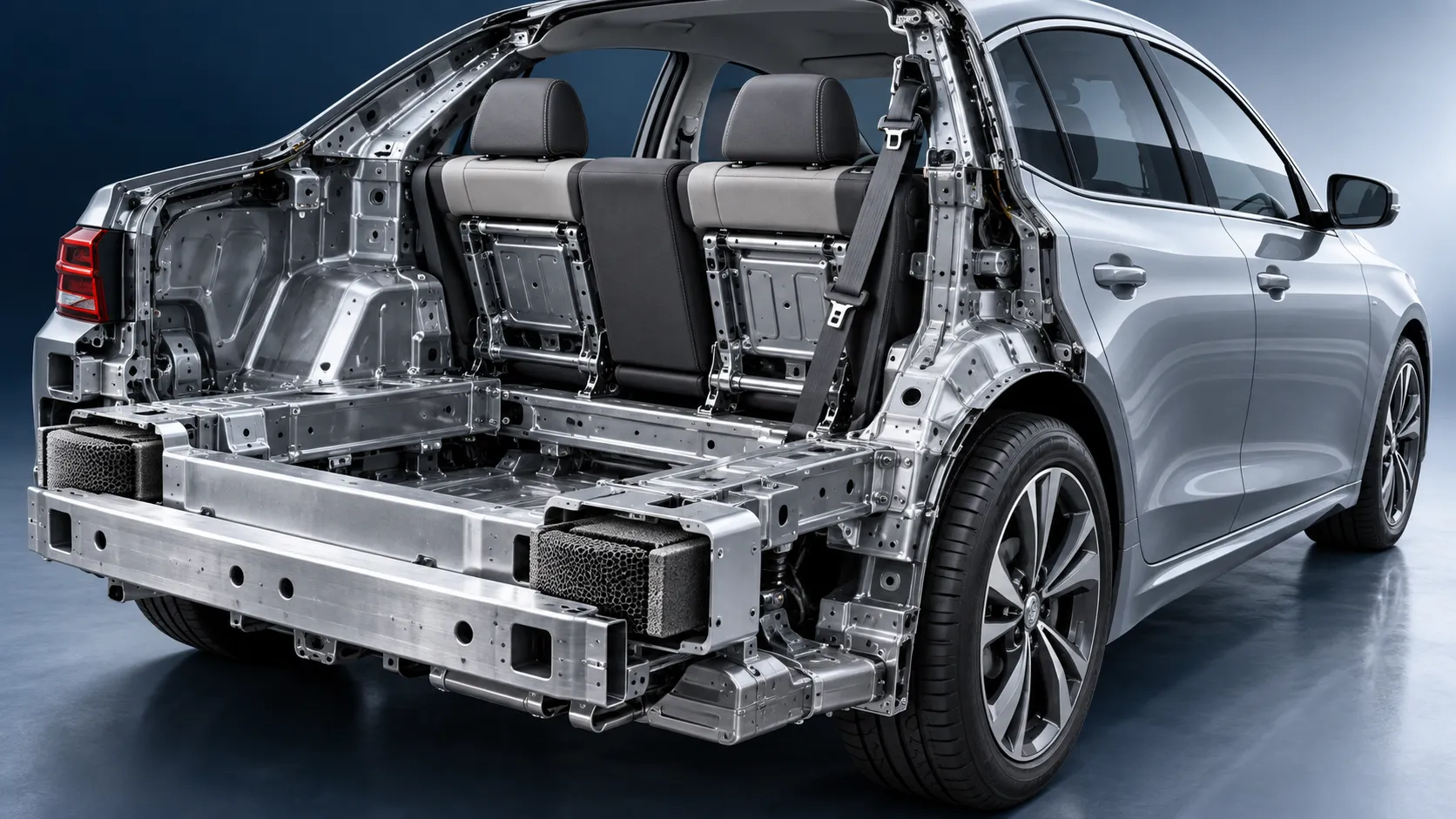
How Rear-Impact Safety Components Work Together to Protect Vehicle Occupants
Explore how automotive safety components for rear impact work together—from crash structures and seats to head restraints and belts—to enhance occupant protection.

How to Evaluate a Marine Safety Systems Manufacturer for Vessel Compliance and Reliability
Marine safety systems manufacturer evaluation guide: verify compliance, engineering quality, lifecycle costs, and global service support for safer, reliable vessel operations.
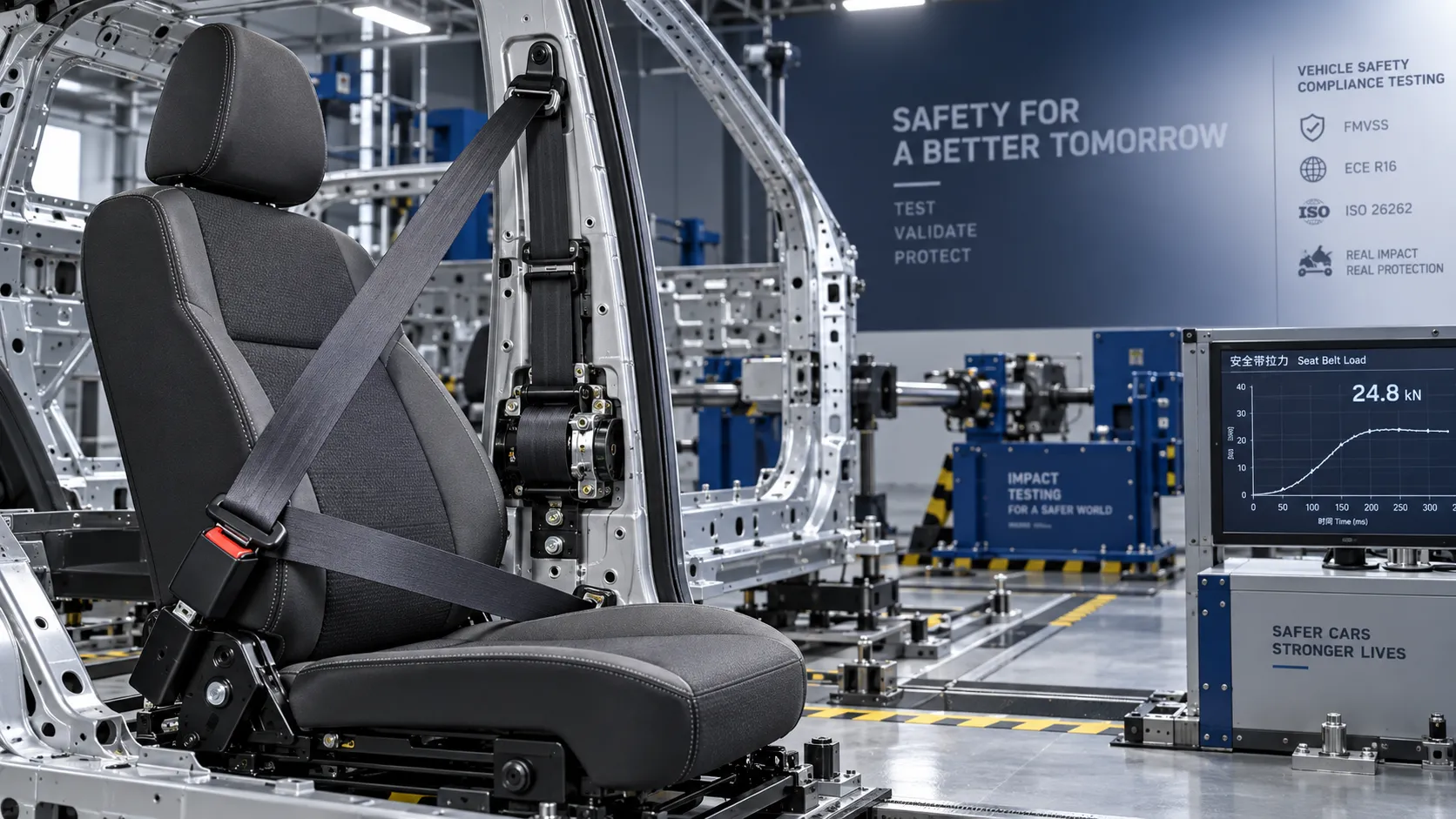
Crash Test Regulations for Seatbelts: Key Compliance Requirements Explained
Crash test regulations seatbelts explained: explore FMVSS, UN rules, anchorage strength, and dynamic restraint testing for safer, compliant vehicle systems.

How to Calculate the Total Cost of Automotive Lightweighting for a Vehicle Program
Automotive lightweight solutions cost: learn how to calculate program-level costs, including materials, tooling, joining, validation, risk, and vehicle-level value.

How Automotive Seat Occupancy Sensing Improves Airbag Deployment Decisions
Automotive seat occupancy sensing helps optimize airbag deployment decisions, improving passenger classification, safety diagnostics, and compliance across real-world conditions.

What Drives Lightweight Body Component Costs in High-Volume Vehicle Programs?
Lightweight body components cost depends on material yield, forming, joining, tooling, validation, and logistics. Explore proven ways to optimize total vehicle program cost.
Related News
- 00
0000-00
How to Specify Integrated Marine Electronics for Reliable Bridge Operations - 00
0000-00
How Adjustable Cabin Ergonomics Reduce Operator Fatigue in Long-Shift Vehicles - 00
0000-00
How to Evaluate a Marine Safety Systems Manufacturer for Vessel Compliance and Reliability - 00
0000-00
How to Calculate the Total Cost of Automotive Lightweighting for a Vehicle Program - 00
0000-00
What Drives Lightweight Body Component Costs in High-Volume Vehicle Programs?
Weekly Insights
Stay ahead with our curated technology reports delivered every Monday.