
How to Evaluate Custom Smart Seating Solutions for Comfort, Safety, and Integration?
How to Evaluate Custom Smart Seating Solutions for Comfort, Safety, and Integration?
For technical evaluators, the difficult part of reviewing custom smart seating solutions is not identifying features. It is deciding whether those features belong to a seat that will still perform correctly after software updates, vibration exposure, thermal cycling, misuse, and years of occupant variation. A smart seat is no longer just foam, trim, and a frame. In most advanced mobility platforms, it sits at the intersection of ergonomics, passive safety, electrical architecture, thermal management, sensing, and compliance engineering. That is why surface-level comparisons often fail. A seat can feel impressive in a showroom and still be a poor technical fit once integration work begins.
The term itself is also used too loosely. In procurement language, “smart seating” may refer to anything from powered adjustment with memory to seats that include occupant detection, posture monitoring, climate control, haptic alerts, and networked control modules. “Custom” adds another layer. It may mean dimensionally adapted hardware, a new sensor package, modified seat kinematics, a special HMI strategy, or a seat engineered around a specific vehicle, vessel, or cabin architecture. Evaluators need to pin down that scope early, because the test path, cost structure, and risk profile change significantly depending on what is actually being customized.
Comfort Is a System Property, Not a Cushion Spec
Comfort is usually the first requirement discussed and the least well defined. Many teams still reduce it to foam hardness, seat width, or the number of electric adjustments. In practice, long-duration comfort comes from how pressure distribution, posture support, ingress and egress geometry, microclimate control, and vibration behavior work together. A seat that feels soft at first contact can produce fatigue on longer duty cycles if the pelvis is poorly supported or if localized pressure builds under the thighs and shoulders.
This is where the application context matters. A smart seating solution for premium passenger cars, work vehicles, marine cabins, or autonomous shuttles should not be judged with the same comfort logic. Marine seating, for example, may need to manage repetitive shock and vibration exposure. Commercial mobility may prioritize durability, cleanability, and stable posture over plushness. Long-distance passenger use puts more weight on thermal regulation and pressure management across a wider user percentile range.
A practical evaluation framework for comfort usually includes:
- seat geometry relative to target occupant percentiles, not just nominal dimensions;
- support behavior during static sitting and dynamic motion;
- range and logic of adjustment, including lumbar, cushion tilt, backrest angle, and head restraint positioning;
- thermal comfort performance, especially if ventilation or heating is integrated into the trim stack;
- noise, vibration, and harshness implications from motors, fans, and moving mechanisms.
One recurring mistake is treating comfort sensing as proof of comfort. Pressure mats, posture sensors, or occupant classification modules can improve adaptation and monitoring, but they do not compensate for poor seat architecture. If the frame geometry or trim build-up is wrong, additional electronics mainly document the problem more precisely.
Safety Evaluation Starts Before Electronics
When custom smart seating solutions are discussed, teams often jump quickly to sensors and software. The seat structure still comes first. If the seat frame, recliner, track, anchorage, and head restraint geometry are not engineered for the intended crash loads and restraint interactions, no amount of intelligence will recover that deficit. For road vehicles, the seat must be understood as part of the passive safety chain alongside airbags, seatbelts, occupant classification logic, and body structure behavior.
The exact regulatory path depends on market and platform category, so evaluators should avoid broad assumptions. In automotive programs, relevant requirements may involve seat strength, head restraint performance, seatbelt anchorage interfaces, occupant classification functions, and side-impact interaction with airbags. In other mobility environments, the compliance matrix may shift toward vibration, fire behavior, electrical safety, or marine-specific equipment standards. The key point is simple: a smart seat should be assessed as a regulated subsystem, not a convenience module.
This affects design review in several ways. First, any added sensor, actuator, bladder, duct, or ECU changes the packaging and can affect deformation paths. Second, occupant detection functions must work across realistic use conditions, including child seats where applicable, heavy garments, wet environments, non-ideal posture, and cushion aging. Third, failure behavior matters. If communication is lost or a sensor drifts out of calibration, the system needs a defined safe state and diagnosable fault handling.
Integration Usually Decides the Real Cost
Seats are deceptively complex integration points because they move, carry people, contain electronics, and sit inside crowded packaging zones. A proposal may look attractive until the vehicle or cabin team starts mapping power supply, network topology, harness routing, connector access, EMC exposure, and software ownership. This is where custom programs either become coherent or expensive.
The first technical question should be how the seat fits into the host architecture. Does it require a dedicated control unit, or can it operate through existing domain controllers? What communication protocols are expected? How much current does the system draw during simultaneous actuation and climate operation? What are the startup and sleep behaviors? If over-the-air updates exist elsewhere in the platform, is the seat software included in that strategy or managed separately? Evaluators who skip these questions often discover late conflicts around harness complexity, gateway load, or diagnostic mapping.
Mechanical integration is just as critical. A custom seat may alter floor interface points, H-point targets, center-of-gravity effects, sightlines, console clearance, deployment envelopes for restraints, and under-seat packaging for batteries or air ducts. In marine or specialty mobility environments, corrosion exposure and shock loading can further complicate what appears to be a straightforward adaptation.
A useful way to judge maturity is to ask whether the supplier can describe integration boundaries without falling back on generic statements. Mature seat programs usually come with a clear interface definition covering mechanics, power, communications, diagnostics, thermal behavior, and service access. If those boundaries remain vague, the customization may still be in a concept stage rather than an engineering-ready solution.
Reliability Is More Than a Durability Test
Smart seating adds failure modes that conventional seat reviews did not need to consider in the same depth. Foam aging, trim wear, and mechanism fatigue are still relevant, but now they sit alongside sensor drift, fan contamination, actuator noise growth, connector fretting, software faults, and calibration instability over time. This is why lifecycle reliability should be discussed at subsystem level and at feature level.
For example, a climate-controlled seat may perform well when new yet lose effectiveness if airflow paths clog or if trim material changes reduce permeability. An occupant monitoring feature may be technically functional but produce nuisance alerts if the algorithm has weak tolerance for real-world movement patterns. Memory and positioning functions can become service problems when power interruptions or module replacement require complicated relearn procedures.
Evaluators should look for evidence of validation planning under representative conditions: repeated entry and exit cycles, thermal cycling, humidity, contamination exposure, vibration, power fluctuation, and realistic use diversity. No single test proves robustness, but the absence of a coherent validation matrix is a clear warning sign.
Where Technical Reviews Often Go Wrong
One common misunderstanding is to treat customization as a benefit by default. Customization is only valuable when it resolves a defined interface, ergonomic, branding, or performance requirement that standard seating cannot meet. Otherwise, it increases validation burden and supply-chain exposure without a proportional return.
Another is assuming that more sensing means a more advanced solution. Additional sensors can improve responsiveness and data quality, but they also increase calibration demands, fault paths, software complexity, and privacy considerations depending on the data captured. Technical evaluators should ask what design decision each sensor supports. If the answer is unclear, the feature may be ornamental.
There is also a tendency to separate comfort and safety teams too sharply. In reality, they interact constantly. Cushion contour affects posture; posture affects belt routing and restraint geometry; added airbags or support structures can alter perceived comfort; climate components can change foam and trim stack behavior. Smart seating decisions made in isolation tend to surface later as cross-functional rework.
A Better Decision Frame
When comparing custom smart seating solutions, the most reliable question is not “Which seat has the most functions?” It is “Which solution preserves occupant support, safety performance, and system compatibility across the full operating life of the platform?” That framing changes the review. It moves attention away from feature density and toward architecture discipline.
In practice, strong candidates tend to show the same pattern: a well-defined ergonomic target population, a structural concept aligned with restraint and crash requirements, an integration strategy that fits existing electrical and software architecture, and a validation approach that reflects actual use conditions rather than idealized demos. Weak candidates usually reveal themselves through ambiguity. The seat may look sophisticated, yet no one can explain fault handling, sensor maintenance, packaging compromises, or how the concept scales into production and service.
For organizations working across marine, automotive, and adjacent mobility sectors, that discipline matters even more. Smart seating sits close to the human body, but the decision around it is deeply systemic. Evaluating it well means reading comfort, safety, and integration as one engineering problem, not three separate checklists. That is usually the difference between selecting a seat that demos well and selecting one that belongs in a serious platform.
Related News
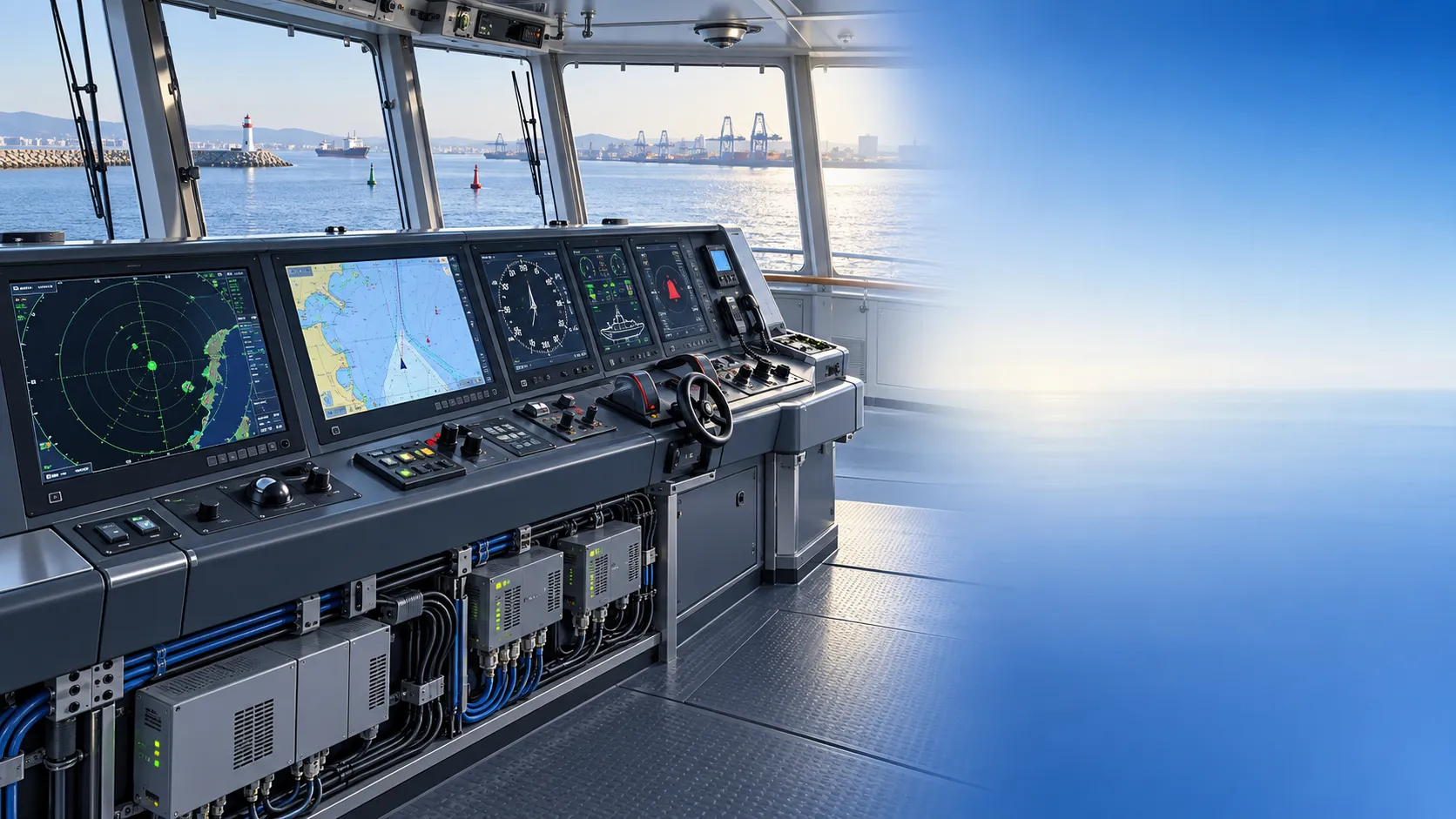
How to Specify Integrated Marine Electronics for Reliable Bridge Operations
Integrated marine electronics: learn how to specify reliable bridge systems with clear data flows, redundancy, alarm control, lifecycle interfaces, and operational testing.

How to Evaluate Navigation Radar Manufacturers for Commercial Vessel Projects
Navigation radar manufacturers: learn how to compare performance, compliance, integration, support, and lifecycle cost for commercial vessel projects.
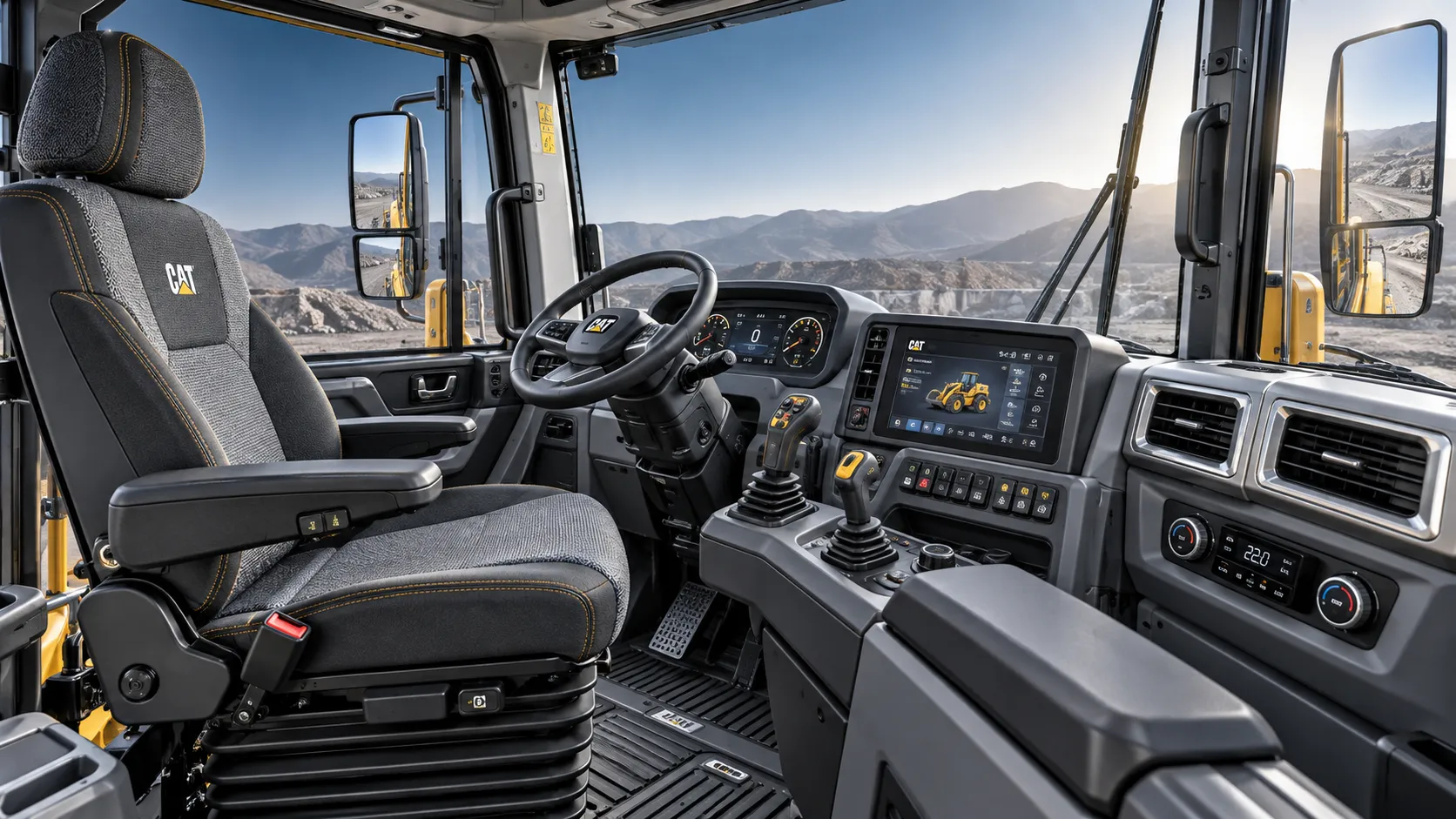
How Adjustable Cabin Ergonomics Reduce Operator Fatigue in Long-Shift Vehicles
Adjustable cabin ergonomics reduces operator fatigue through better seating, reach, visibility, vibration control, and climate comfort for safer long-shift vehicles.
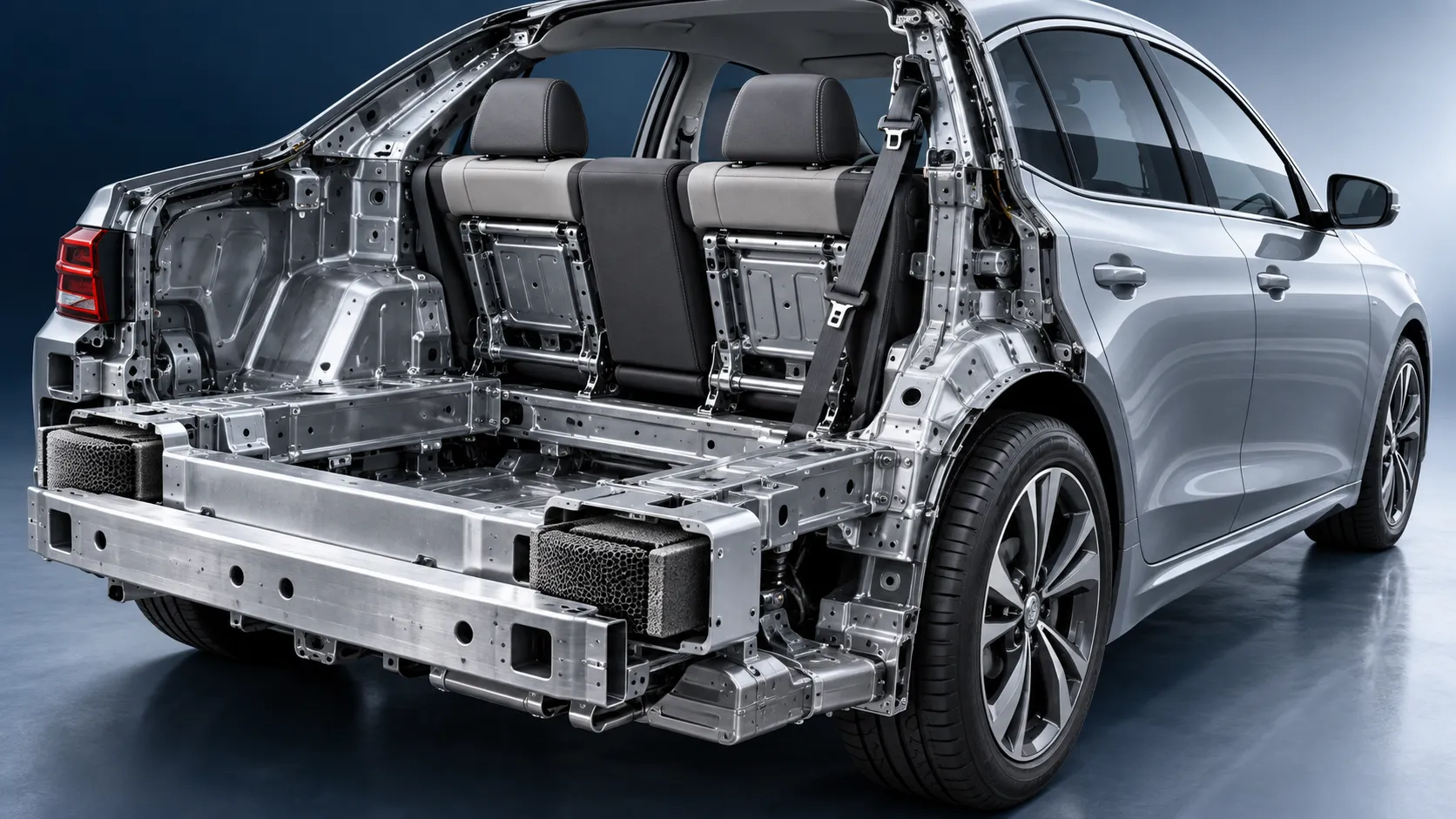
How Rear-Impact Safety Components Work Together to Protect Vehicle Occupants
Explore how automotive safety components for rear impact work together—from crash structures and seats to head restraints and belts—to enhance occupant protection.
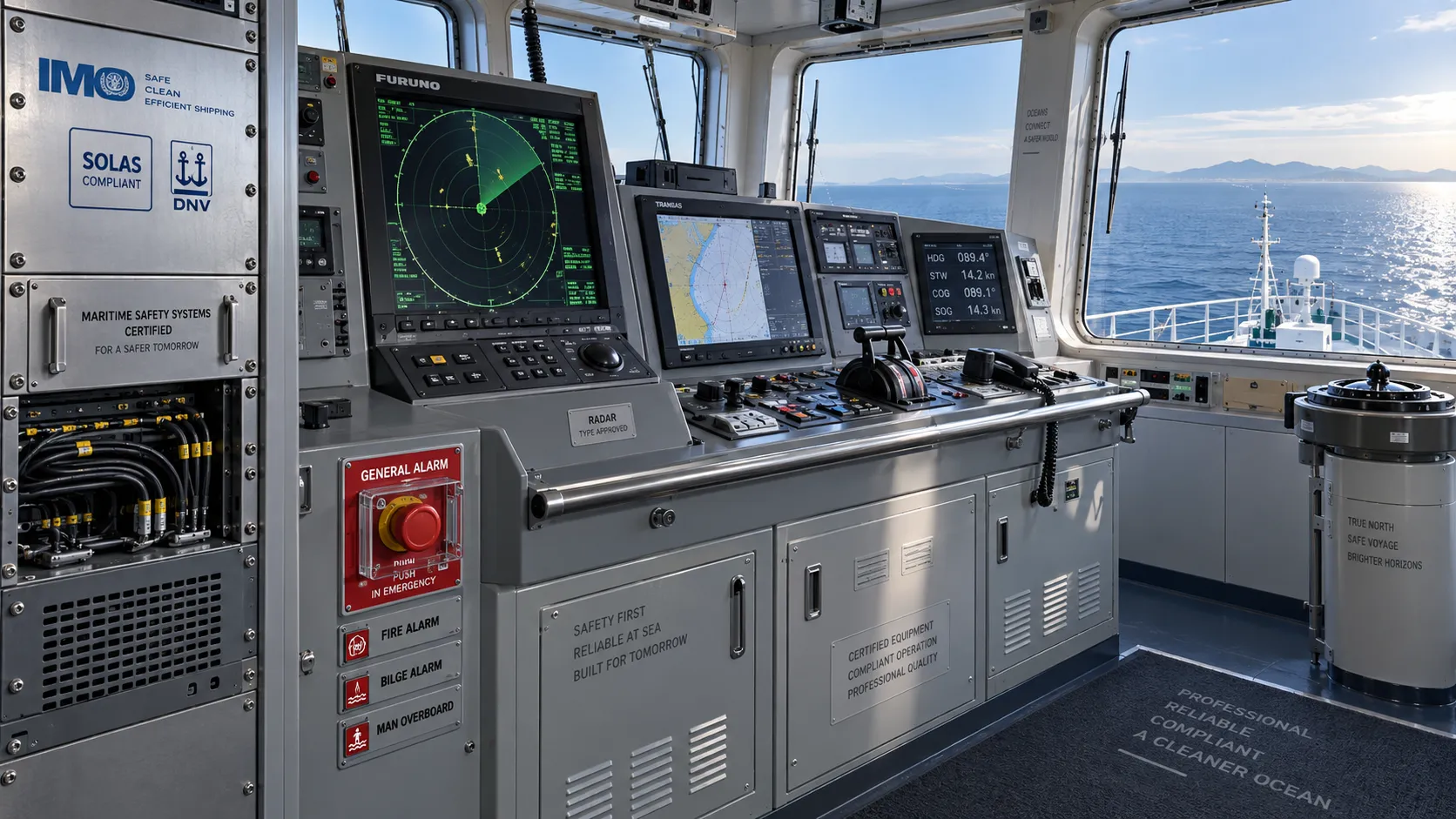
How to Evaluate a Marine Safety Systems Manufacturer for Vessel Compliance and Reliability
Marine safety systems manufacturer evaluation guide: verify compliance, engineering quality, lifecycle costs, and global service support for safer, reliable vessel operations.
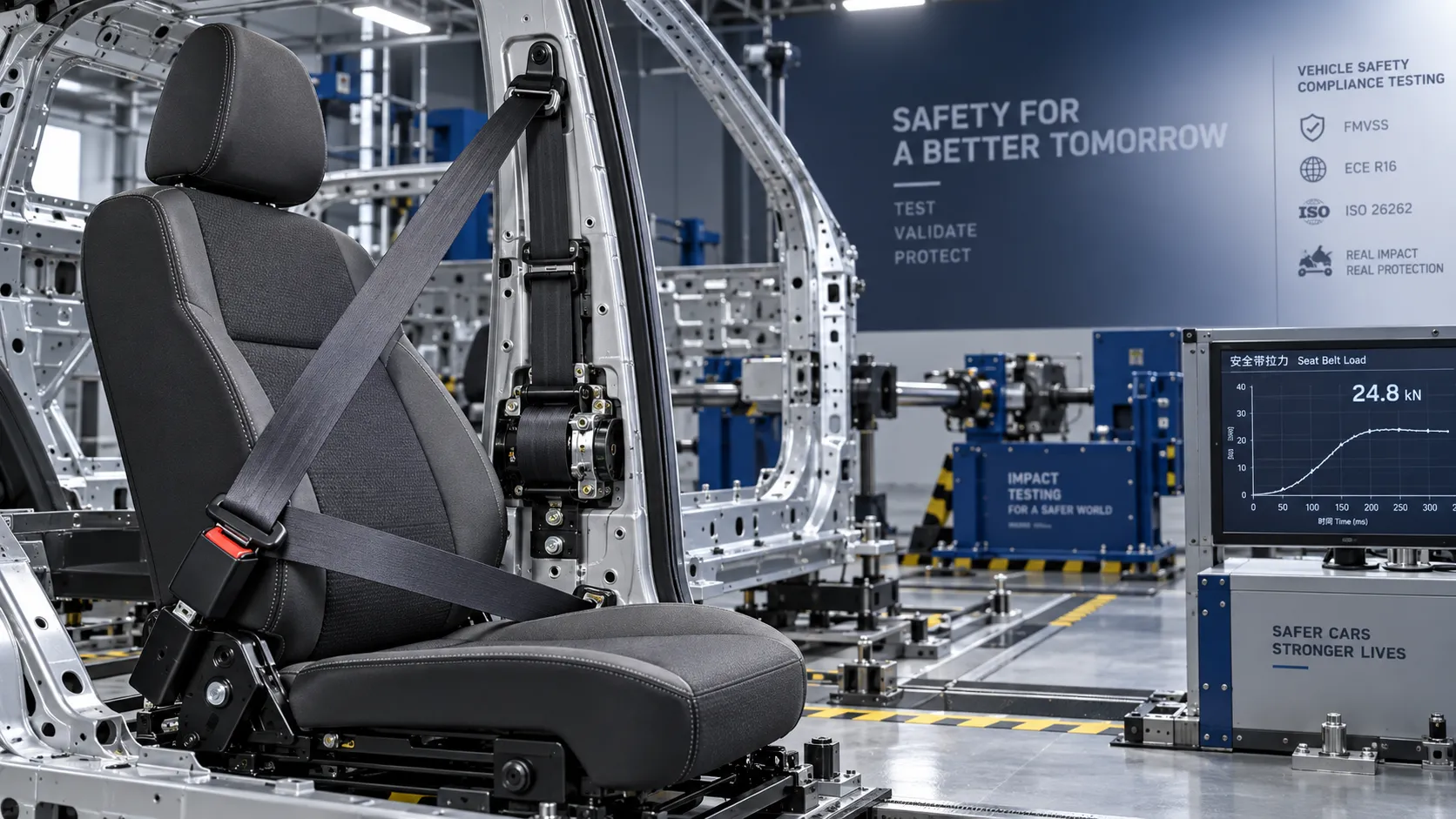
Crash Test Regulations for Seatbelts: Key Compliance Requirements Explained
Crash test regulations seatbelts explained: explore FMVSS, UN rules, anchorage strength, and dynamic restraint testing for safer, compliant vehicle systems.
How to Calculate the Total Cost of Automotive Lightweighting for a Vehicle Program
Automotive lightweight solutions cost: learn how to calculate program-level costs, including materials, tooling, joining, validation, risk, and vehicle-level value.
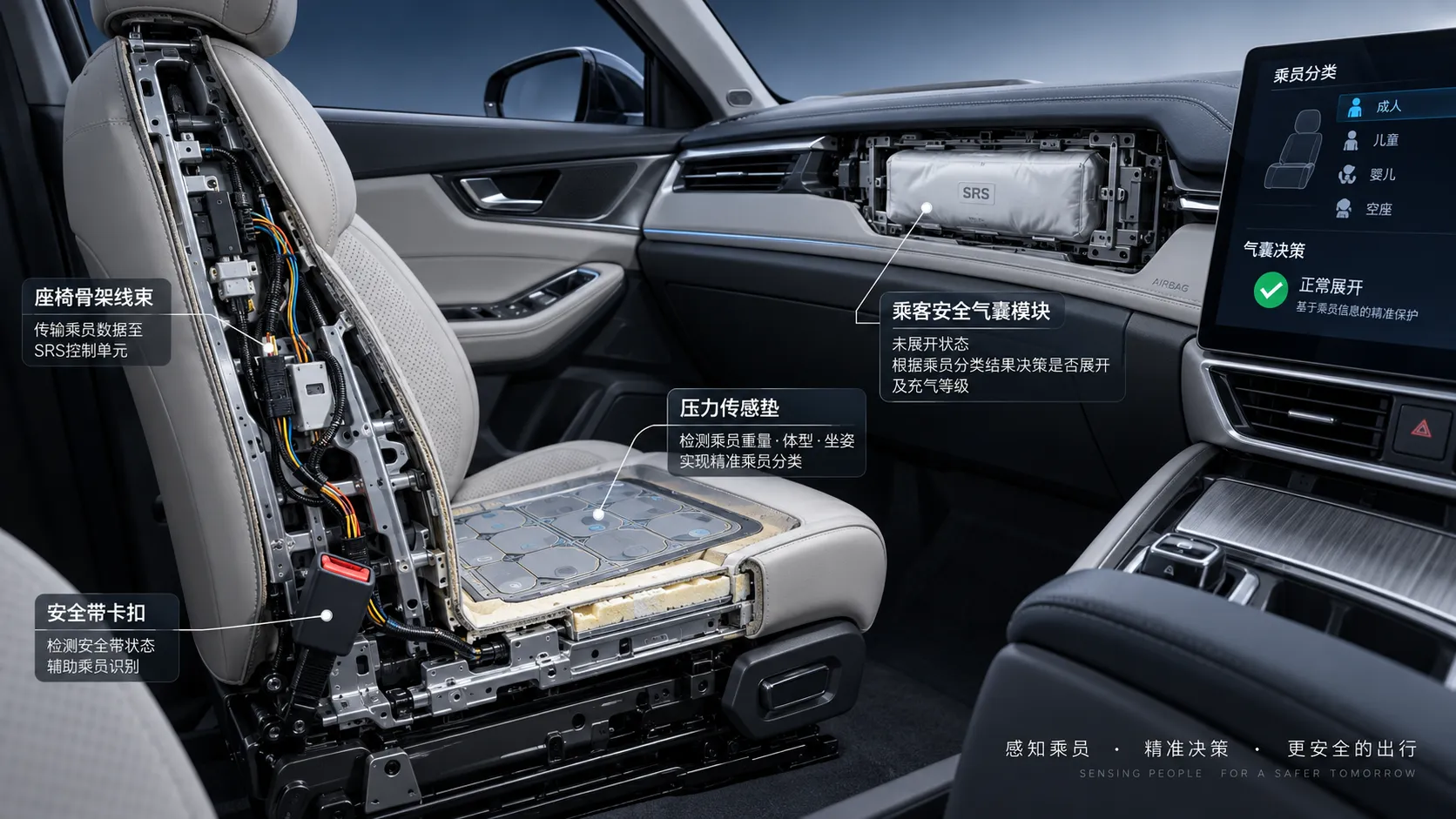
How Automotive Seat Occupancy Sensing Improves Airbag Deployment Decisions
Automotive seat occupancy sensing helps optimize airbag deployment decisions, improving passenger classification, safety diagnostics, and compliance across real-world conditions.
What Drives Lightweight Body Component Costs in High-Volume Vehicle Programs?
Lightweight body components cost depends on material yield, forming, joining, tooling, validation, and logistics. Explore proven ways to optimize total vehicle program cost.
Related News
- 00
0000-00
What European OEMs Should Evaluate When Sourcing Memory Seat Modules - 00
0000-00
How to Evaluate Custom Smart Automotive Seating for Premium Vehicle Programs? - 00
0000-00
How to Evaluate Custom Smart Seating Solutions for Comfort, Safety, and Integration? - 00
0000-00
What Affects Memory Seat Modules Price? Cost Drivers and Spec Trade-Offs - 00
0000-00
Smart Seat Systems Price Breakdown: What Drives Cost Across Sensors, Motors, and Modules?
Weekly Insights
Stay ahead with our curated technology reports delivered every Monday.