
Why Smart Cabin Solutions Now Shape Vehicle Choice
Vehicle buyers are no longer judging mobility by horsepower or exterior design alone; they increasingly evaluate how safely, comfortably, and intelligently a cabin responds to real driving conditions.
Smart cabin solutions now connect seating ergonomics, occupant sensing, passive safety, climate control, and human-machine interaction into one decision-shaping experience.
This shift reveals a deeper market signal: the cabin is becoming the strategic interface where comfort, protection, data intelligence, and brand trust converge.
Why Smart Cabin Solutions Matter in Real Vehicle Choice Scenarios
The vehicle cabin has moved from a passive interior space to an active safety and perception zone.
Smart cabin solutions influence how a vehicle feels during commuting, long-distance travel, family mobility, fleet operation, and assisted driving.
A quiet seat, responsive restraint system, adaptive display, and precise occupant sensor can change confidence faster than a specification sheet.
The most competitive cabins now combine physical containment protection with precision spatial perception.
That combination explains why smart cabin solutions increasingly shape premium positioning, safety ratings, and after-sales trust.
Scenario Background: Different Trips Create Different Cabin Demands
Cabin expectations change sharply across use cases.
A short urban trip values fast interaction, easy entry, thermal comfort, and low distraction.
A highway journey demands fatigue reduction, stable seating support, noise control, and reliable restraint coordination.
Family travel places stronger emphasis on child detection, rear-seat monitoring, air quality, and intelligent reminders.
Commercial mobility adds durability, cleaning efficiency, driver monitoring, and lifecycle operating cost.
Smart cabin solutions become valuable because they translate these different demands into measurable functions.
They also help align comfort systems, passive safety components, seating assemblies, and electronic control logic.
Scenario One: Urban Commuting Requires Fast Comfort and Low Cognitive Load
Urban driving compresses decisions into short time windows.
Frequent stops, dense traffic, phone integration, navigation prompts, and sudden pedestrian movement increase cabin workload.
In this setting, smart cabin solutions should reduce friction rather than add decorative complexity.
Core judgment points include intuitive controls, clear alerts, seat memory accuracy, and climate response speed.
Occupant sensing also matters because commuting often involves changing passengers, bags, and seating positions.
A useful smart cabin identifies occupancy, adjusts restraint readiness, and avoids false warnings that weaken trust.
For city vehicles, smart cabin solutions should be judged by convenience under pressure, not by screen size alone.
Scenario Two: Long-Distance Travel Prioritizes Fatigue Control and Seat Intelligence
Long-distance travel exposes weak cabin engineering quickly.
A seat that feels acceptable for ten minutes may cause fatigue after three hours.
Smart cabin solutions improve this scenario through posture monitoring, adaptive lumbar support, micro-climate control, and vibration management.
The best systems connect seating mechanics with real-time occupant condition data.
They can recommend rest, adjust ventilation, or change support zones before discomfort becomes distraction.
Passive safety remains central during highway operation.
Airbag assemblies, seatbelt pretensioners, and force limiters must coordinate with seating position and occupant classification.
Smart cabin solutions become more credible when comfort and crash readiness are engineered as one system.
Scenario Three: Family Mobility Needs Trustworthy Protection and Rear-Cabin Awareness
Family vehicles make cabin intelligence visible in daily life.
Rear-seat alerts, child presence detection, air quality sensing, and safe belt reminders directly affect purchase confidence.
Smart cabin solutions in this scenario must avoid both silence and alarm fatigue.
Warnings should be timely, clear, and linked to the actual risk level.
A family cabin should also support flexible seating layouts without weakening sensor accuracy.
Child seats, pets, luggage, and reclining passengers complicate classification logic.
Reliable smart cabin solutions must detect these variations and maintain correct restraint and alert strategies.
This is where intelligent seating systems become more than comfort features.
Scenario Four: Assisted Driving Makes the Cabin a Safety Verification Zone
Assisted driving changes the cabin’s role.
When the vehicle handles some driving tasks, the cabin must verify attention, posture, and takeover readiness.
Smart cabin solutions support this transition through driver monitoring, gaze tracking, hands-on detection, and adaptive alert escalation.
The key question is not whether the cabin has sensors.
The key question is whether sensor data supports safe and understandable decisions.
If a warning arrives too late, trust falls.
If it arrives too often, it becomes background noise.
Smart cabin solutions must balance perception accuracy, human factors, and regulatory expectations.
Scenario Five: Shared and Commercial Vehicles Demand Durability and Operational Clarity
Shared vehicles experience many occupants, uneven treatment, and higher cleaning frequency.
Commercial vehicles add long operating hours, repetitive entry, and strict uptime requirements.
Smart cabin solutions in these scenarios must be robust, serviceable, and easy to diagnose.
Materials should resist wear while maintaining sensor transparency and seating comfort.
Software should capture fault patterns without overwhelming maintenance workflows.
Cabin health monitoring becomes especially valuable for fleets because failures affect revenue and safety perception.
Here, smart cabin solutions influence total ownership cost as much as passenger satisfaction.
Different Scenario Demands for Smart Cabin Solutions
This comparison shows why one cabin configuration cannot satisfy every mobility pattern equally.
Smart cabin solutions should be assessed according to the dominant operating scenario and safety expectation.
Scenario Adaptation Advice for Smarter Cabin Decisions
A strong evaluation starts with the expected usage mix.
The following actions help connect cabin functions with real mobility needs.
- Map the main trip type before comparing display, seating, and safety features.
- Check whether smart cabin solutions integrate with airbags, seatbelts, and seat position data.
- Evaluate alerts in realistic noise, lighting, and passenger conditions.
- Review how software updates affect cabin sensing, privacy, and functional reliability.
- Compare comfort performance during extended use, not only during showroom inspection.
- Study compliance alignment with evolving crash tests and occupant monitoring expectations.
These steps make smart cabin solutions easier to judge beyond marketing language.
They also reveal whether an interior system supports protection, perception, comfort, and long-term credibility.
Common Misjudgments When Evaluating Smart Cabin Solutions
The first mistake is treating the cabin as an entertainment platform only.
Large screens can improve interaction, but they cannot replace ergonomic logic or safety integration.
The second mistake is separating comfort from crash protection.
Seat posture, belt geometry, airbag deployment, and occupant classification must work together.
The third mistake is ignoring edge cases.
Wet clothing, thick coats, child seats, unusual posture, and rear-seat objects can challenge sensing systems.
The fourth mistake is overlooking update governance.
Smart cabin solutions depend on software, and software must remain traceable, secure, and regulation-ready.
What GNCS Tracks in the Cabin Intelligence Shift
GNCS observes the cabin through safety engineering, perception accuracy, and equipment intelligence.
Its focus connects auto seat assemblies, airbag assemblies, seatbelt systems, lightweight body structures, and regulatory evolution.
This perspective matters because smart cabin solutions do not operate in isolation.
They depend on structural stiffness, restraint timing, sensor placement, material behavior, and software decision rules.
As global mobility moves toward digitalized and zero-casualty equipment, the cabin becomes a measurable trust zone.
Smart cabin solutions will therefore remain central to brand differentiation and safety credibility.
Action Guide: Turning Cabin Insight Into Practical Next Steps
The next step is to evaluate cabin technology by scenario, not by feature count.
Start with the dominant use case, then verify sensing reliability, seating comfort, passive safety integration, and update stability.
Smart cabin solutions deserve attention when they improve real decisions under real conditions.
They are especially valuable when they reduce fatigue, strengthen protection, simplify interaction, and support compliance confidence.
For continued intelligence on mobility safety, cabin ergonomics, and equipment evolution, follow GNCS sector analysis and technical trend reporting.
The future vehicle choice will increasingly be shaped inside the cabin, where perception boundaries meet intelligent protection.
Related News
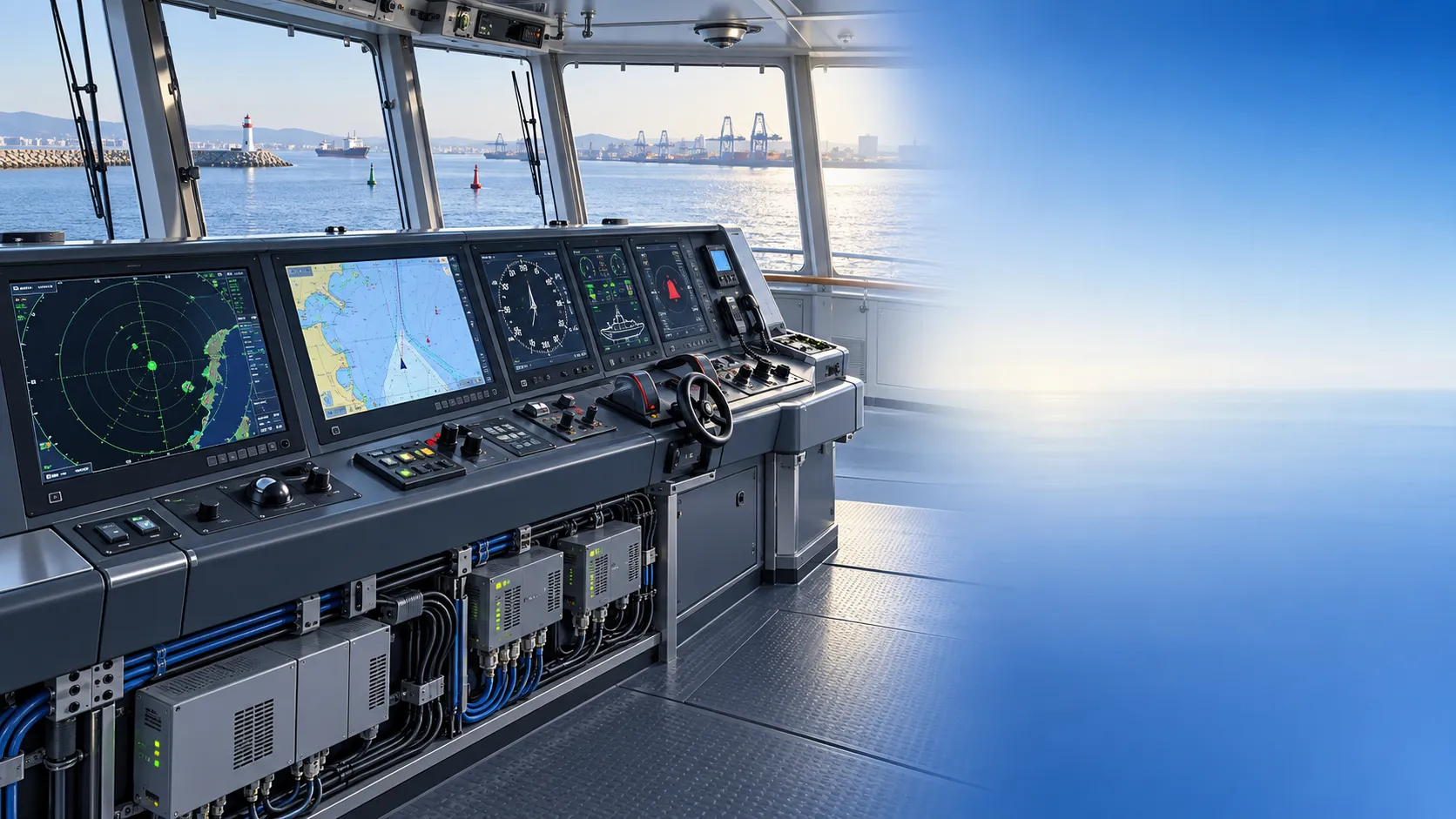
How to Specify Integrated Marine Electronics for Reliable Bridge Operations
Integrated marine electronics: learn how to specify reliable bridge systems with clear data flows, redundancy, alarm control, lifecycle interfaces, and operational testing.

How to Evaluate Navigation Radar Manufacturers for Commercial Vessel Projects
Navigation radar manufacturers: learn how to compare performance, compliance, integration, support, and lifecycle cost for commercial vessel projects.
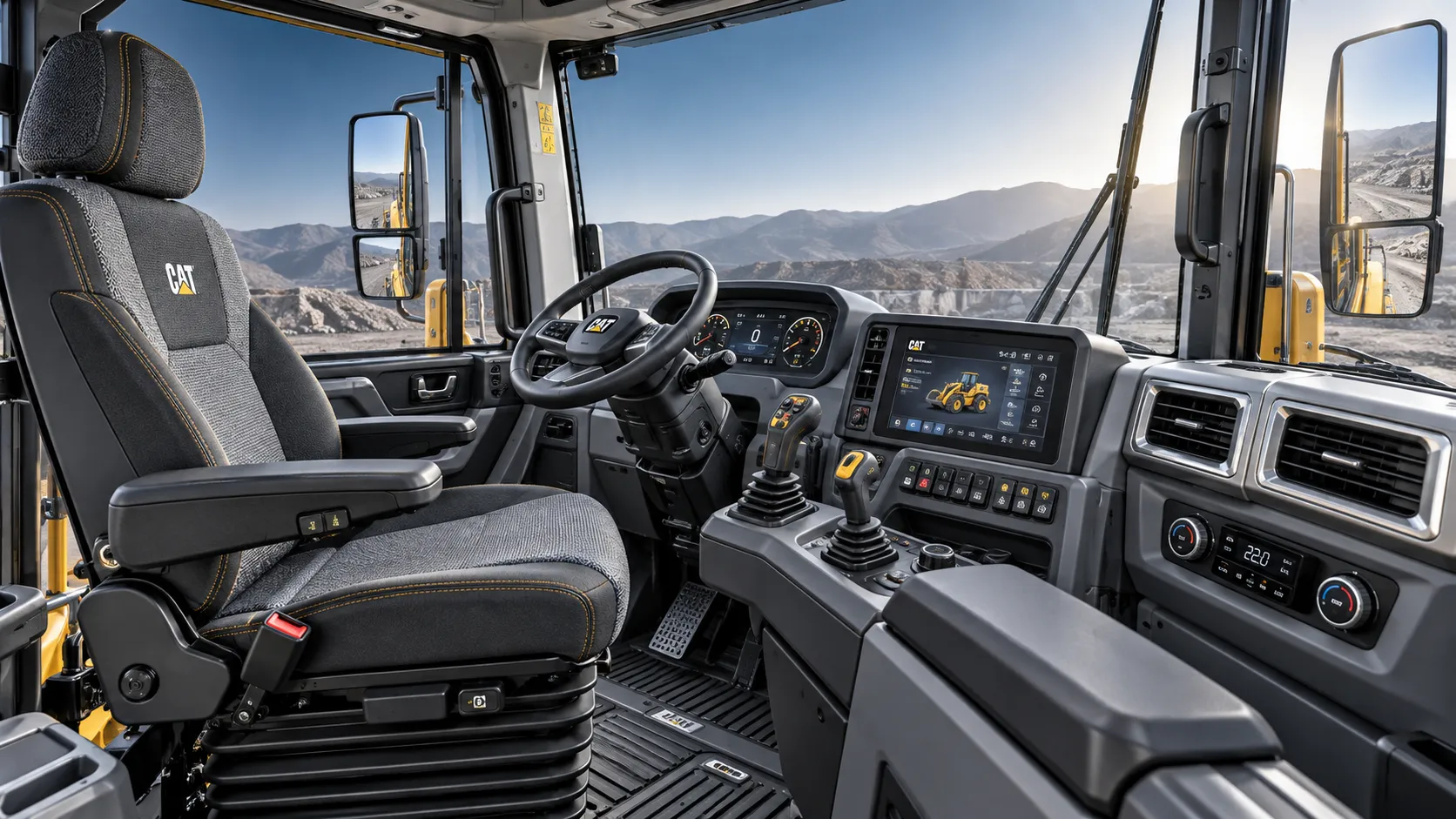
How Adjustable Cabin Ergonomics Reduce Operator Fatigue in Long-Shift Vehicles
Adjustable cabin ergonomics reduces operator fatigue through better seating, reach, visibility, vibration control, and climate comfort for safer long-shift vehicles.
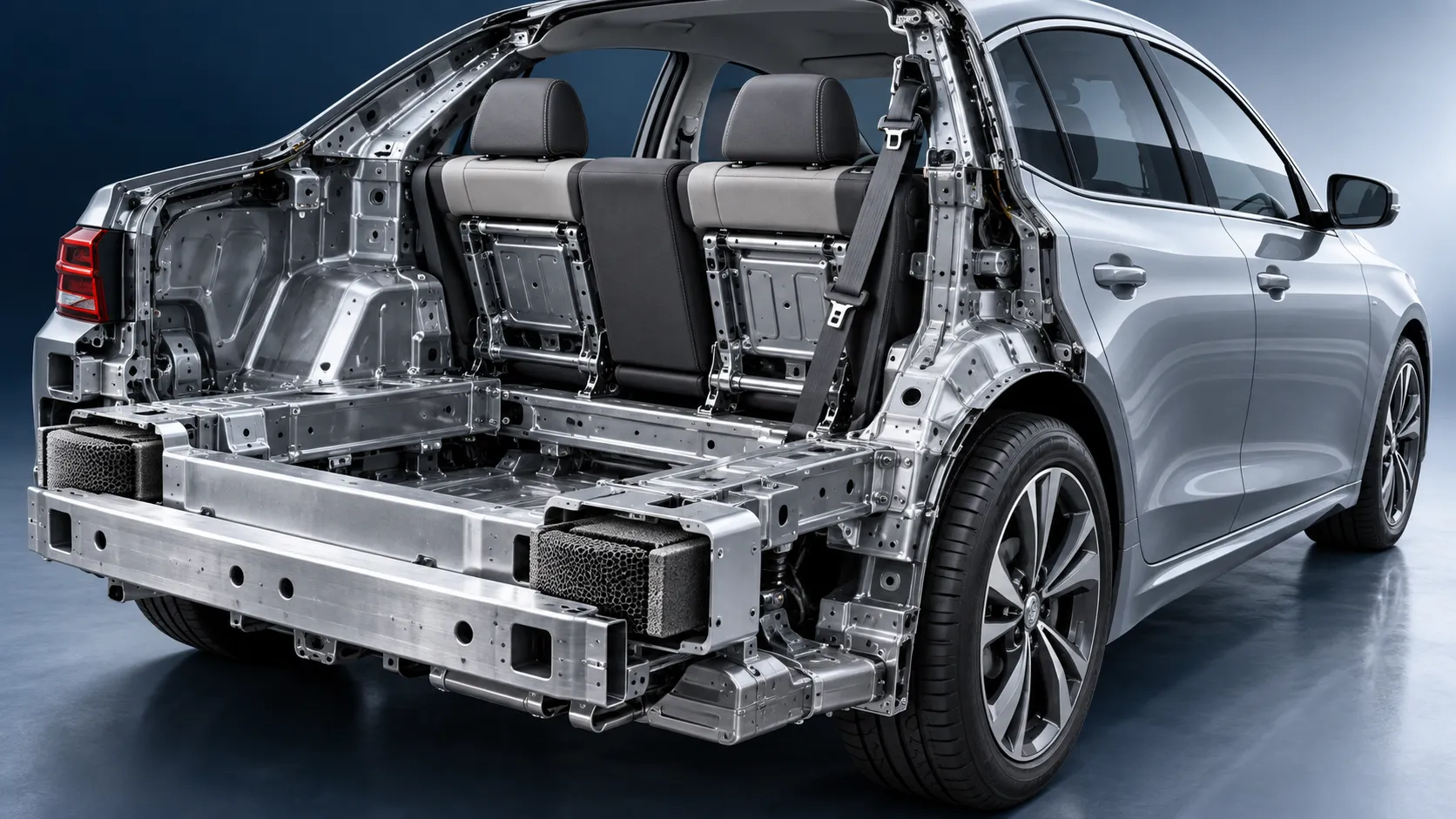
How Rear-Impact Safety Components Work Together to Protect Vehicle Occupants
Explore how automotive safety components for rear impact work together—from crash structures and seats to head restraints and belts—to enhance occupant protection.
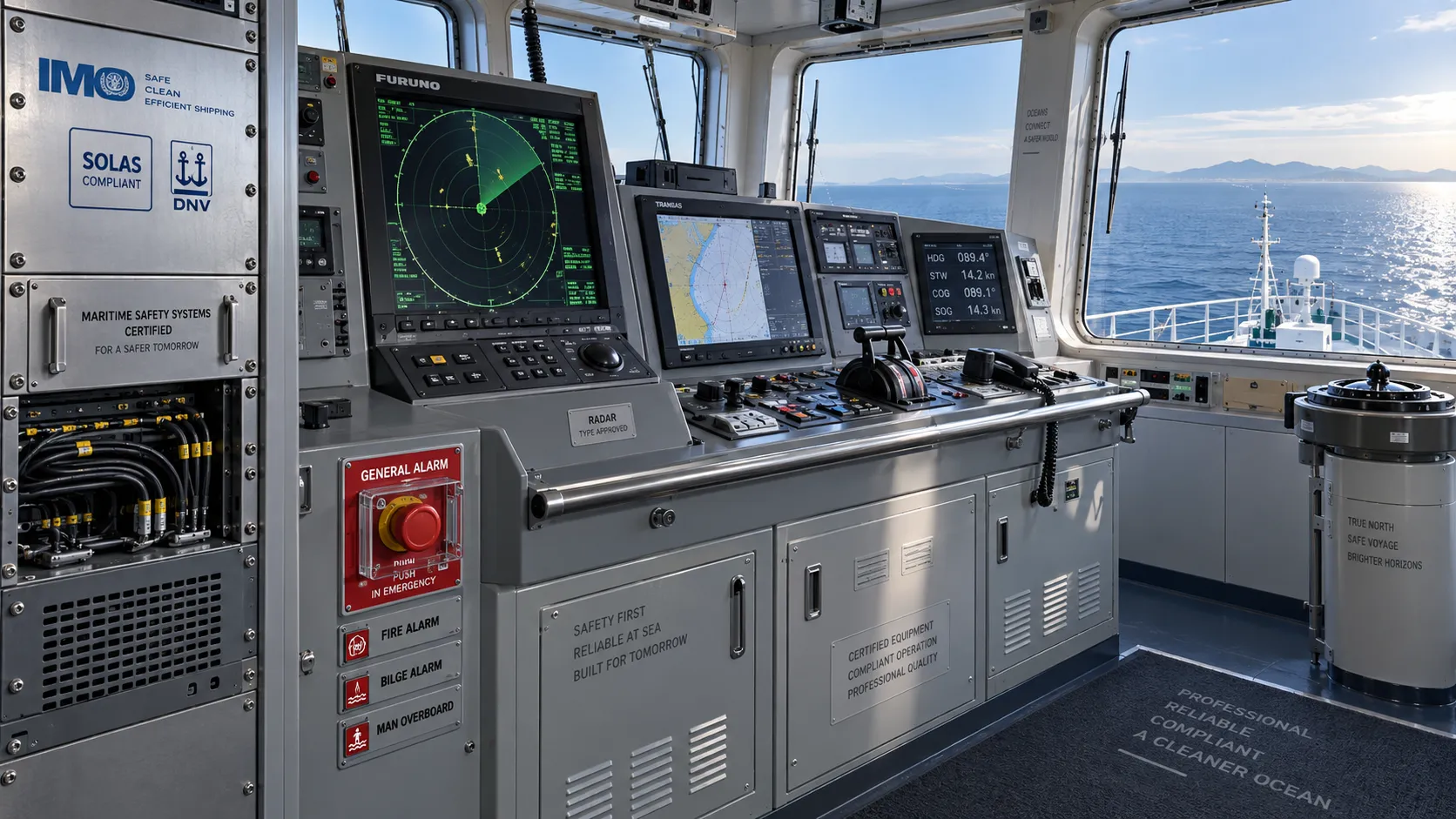
How to Evaluate a Marine Safety Systems Manufacturer for Vessel Compliance and Reliability
Marine safety systems manufacturer evaluation guide: verify compliance, engineering quality, lifecycle costs, and global service support for safer, reliable vessel operations.
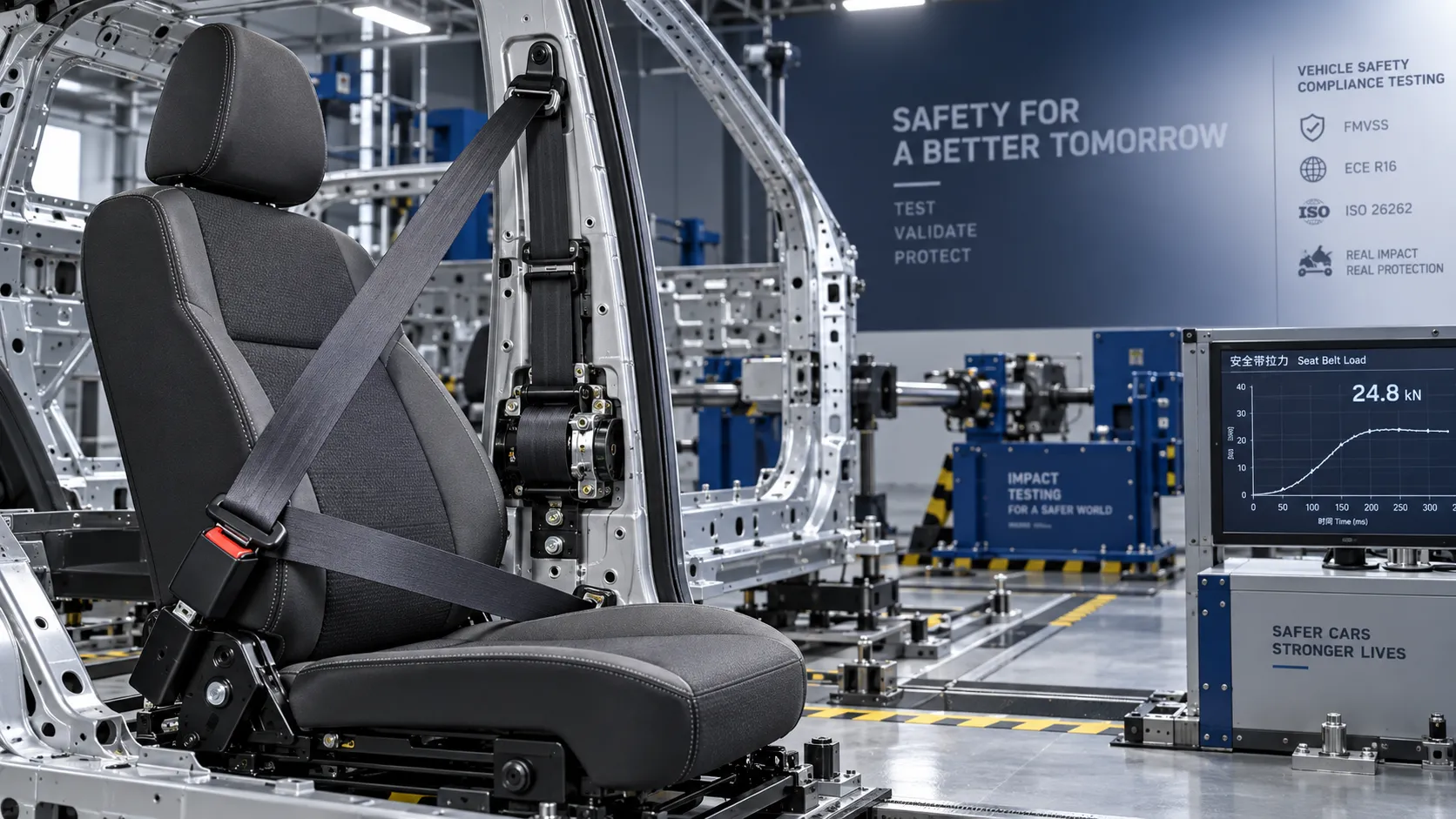
Crash Test Regulations for Seatbelts: Key Compliance Requirements Explained
Crash test regulations seatbelts explained: explore FMVSS, UN rules, anchorage strength, and dynamic restraint testing for safer, compliant vehicle systems.
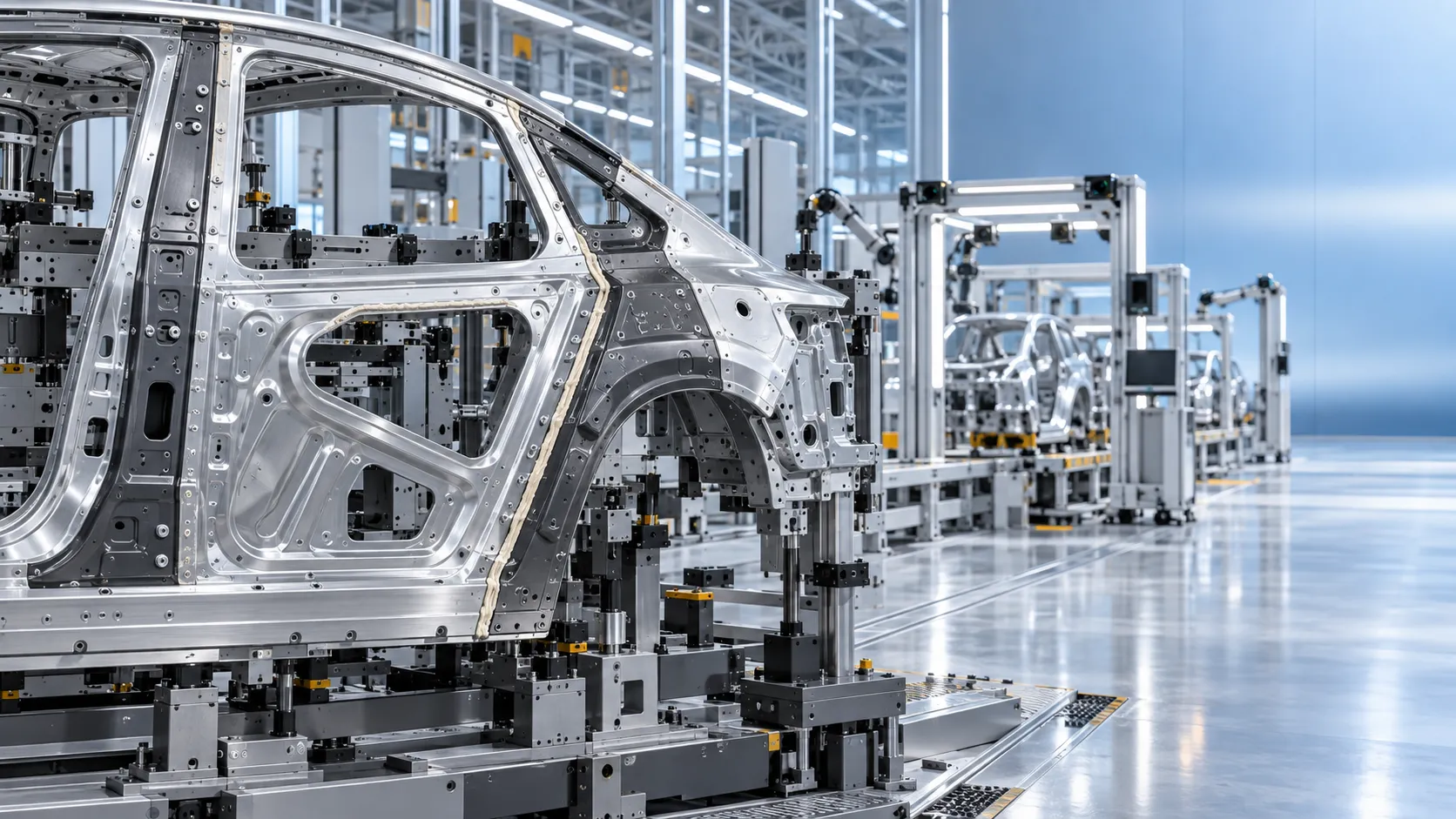
How to Calculate the Total Cost of Automotive Lightweighting for a Vehicle Program
Automotive lightweight solutions cost: learn how to calculate program-level costs, including materials, tooling, joining, validation, risk, and vehicle-level value.
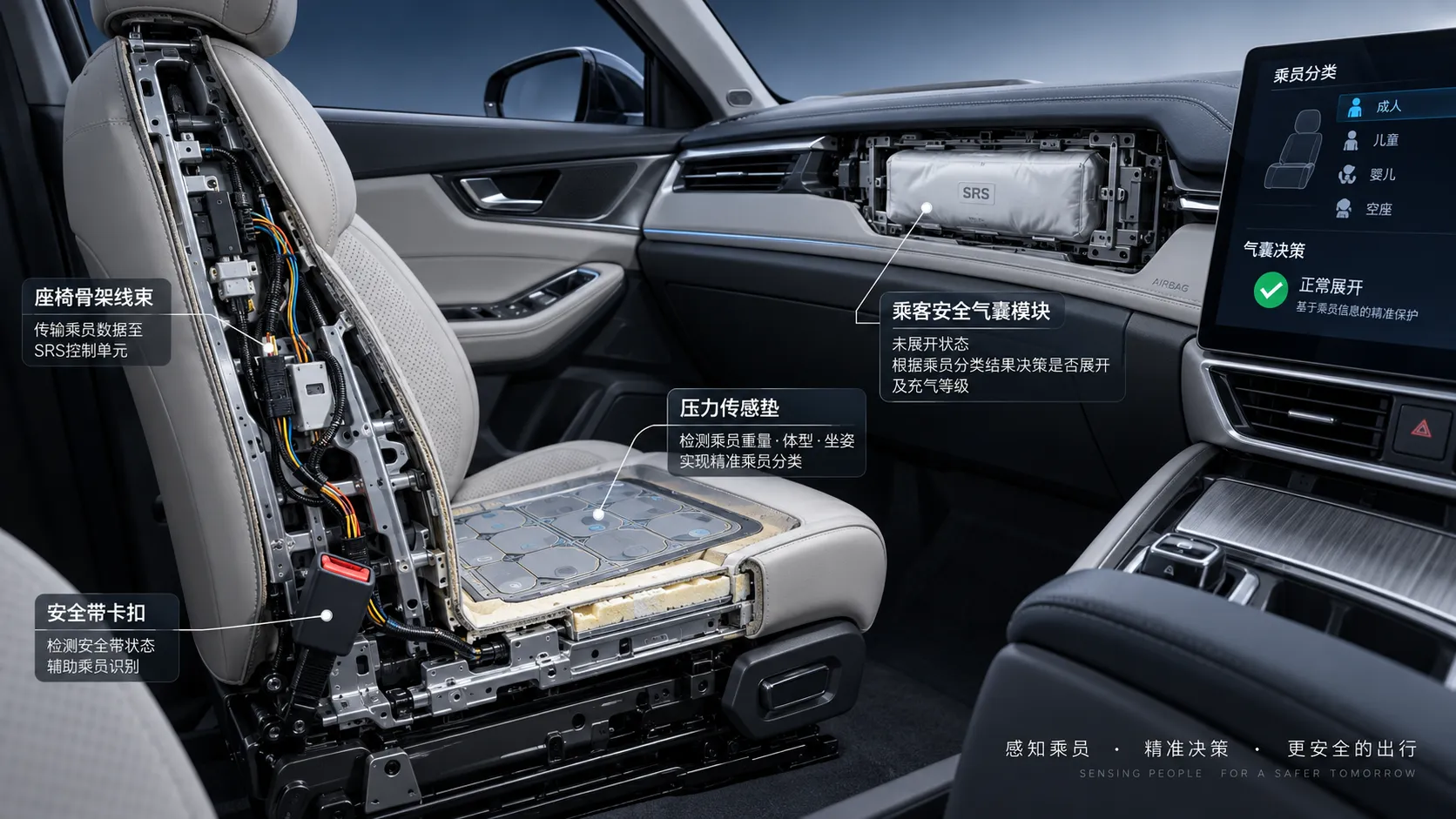
How Automotive Seat Occupancy Sensing Improves Airbag Deployment Decisions
Automotive seat occupancy sensing helps optimize airbag deployment decisions, improving passenger classification, safety diagnostics, and compliance across real-world conditions.
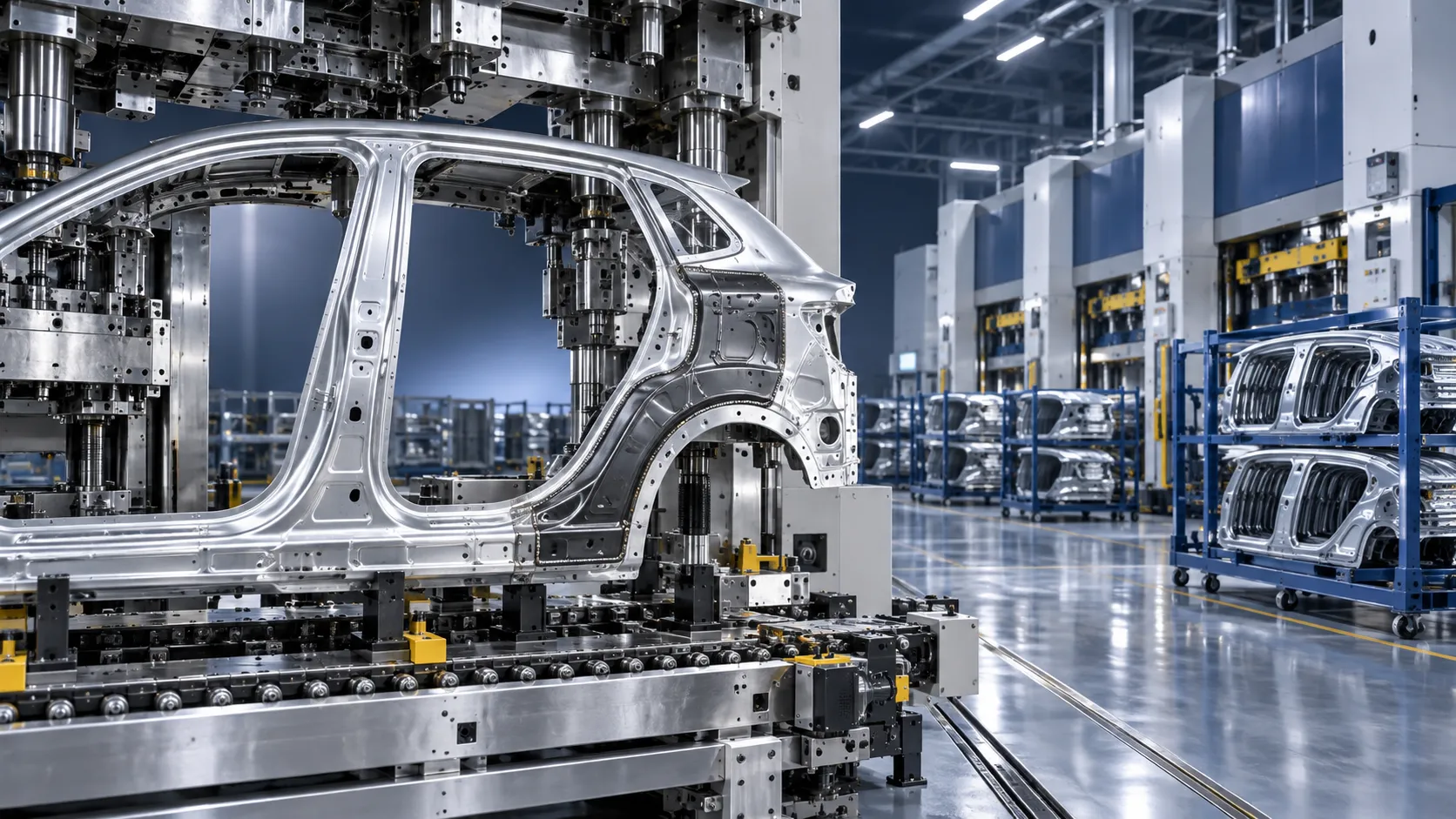
What Drives Lightweight Body Component Costs in High-Volume Vehicle Programs?
Lightweight body components cost depends on material yield, forming, joining, tooling, validation, and logistics. Explore proven ways to optimize total vehicle program cost.
Related News
- 00
0000-00
Climate Control Seats Cost: What Drives Price and Long-Term Ownership Value? - 00
0000-00
Seat Comfort Solutions Foam: How to Compare Density, Resilience, and Fatigue Performance - 00
0000-00
Seat Comfort Systems Manufacturer Selection Guide: Functions, Integration Options, and Testing Points - 00
0000-00
Seat Comfort Systems Explained: Key Functions, Module Types, and Integration Points - 00
0000-00
Seat Climate Systems Price Guide: What Affects Cost and Which Features Matter Most?
Weekly Insights
Stay ahead with our curated technology reports delivered every Monday.