
Cabin Comfort Solutions for Passenger Vehicles: How to Choose Features That Improve Ride Quality
Cabin Comfort Solutions for Passenger Vehicles: How to Choose Features That Improve Ride Quality
For passenger vehicles, ride quality is now judged in seconds.
Passengers notice seat support, noise levels, thermal balance, and vibration almost immediately.
That shift has made cabin comfort solutions a strategic engineering choice, not a trim-level afterthought.
For decision makers, the challenge is practical.
Which features truly improve ride quality, and which ones add cost, weight, or integration risk without enough value?
The best cabin comfort solutions usually come from system thinking.
Seats, body structure, passive safety, climate control, and acoustic management work together inside the same package limits.
This also means feature selection should follow vehicle targets, supplier capability, and validation plans from the start.
Start With the Ride Quality Outcomes You Need
Many programs begin by listing comfort features.
That sounds efficient, but it often creates overlap, scope creep, and late-stage tradeoff problems.
A better approach is to define the ride experience first.
Is the vehicle targeting urban commuting, premium family travel, fleet use, or long-distance highway comfort?
Each use case changes the priority list for cabin comfort solutions.
- Urban vehicles often need better low-speed vibration isolation and fast cabin cooling.
- Premium family models usually need quieter cabins and smarter seat adjustment.
- Fleet vehicles often benefit from durable materials and simpler service-friendly systems.
- Long-distance vehicles need posture support, thermal consistency, and fatigue reduction.
Once those targets are clear, feature selection becomes easier to defend.
It also creates a stronger basis for supplier reviews and test planning.
Evaluate Smart Seating as a Core Cabin Comfort Solution
Seats remain the most visible and most felt cabin comfort solutions in passenger vehicles.
They shape posture, absorb vibration, support safety systems, and influence perceived quality every minute of the trip.
Yet seat selection should go beyond foam softness or feature count.
What to check in seat system selection
- Frame stiffness and weight balance, especially for lightweight body programs.
- Cushion pressure distribution under short and long occupancy cycles.
- Manual or powered adjustability based on target segment and packaging limits.
- Ventilation, heating, or micro-climate features matched to regional demand.
- Integration with airbags, seatbelt anchors, occupancy sensors, and wiring architecture.
In practice, smart seating performs best when comfort and passive safety are developed together.
A highly adjustable seat that complicates side airbag deployment can create more trouble than value.
The strongest cabin comfort solutions respect both ergonomics and crash performance from day one.
Do Not Separate Comfort From Noise, Vibration, and Harshness
When passengers describe a vehicle as smooth, they rarely mean seating alone.
They are reacting to a mix of vertical motion, road noise, powertrain tone, and body resonance.
That is why cabin comfort solutions should always include NVH decisions.
Recent vehicle programs show a clear pattern.
Lighter structures improve efficiency, but they can expose more vibration paths into the cabin.
This makes body stampings, seat mounts, floor damping, and acoustic insulation part of the same decision framework.
Useful NVH selection questions
- Which frequency bands drive the strongest passenger complaints?
- Can the issue be solved at source, path, or receiver level?
- What is the weight penalty of each acoustic treatment option?
- Will the selected material affect thermal performance or assembly complexity?
These questions help teams avoid spending heavily on patch fixes late in development.
They also support more credible supplier comparisons for cabin comfort solutions.
Climate Management Has Become a Ride Quality Issue
Temperature stability now shapes comfort scores almost as much as seating support.
Passengers expect faster cooldown, fewer hot spots, and quieter airflow.
So climate-related cabin comfort solutions deserve early engineering attention.
This is especially true in electric vehicles.
Thermal comfort must be improved without creating excessive energy draw.
That pushes teams toward efficient airflow design, zonal control, and seat-based heating or ventilation.
The key point is simple.
Effective cabin comfort solutions improve thermal comfort without creating noise, power, or maintenance surprises.
Balance Comfort Gains Against Weight, Safety, and Cost
Every comfort feature competes for space, mass, budget, and validation time.
That tradeoff is now sharper in lightweight vehicle programs.
A thicker acoustic layer may improve quietness while working against weight targets.
A more advanced seat may improve posture while increasing wiring, electronics, and sourcing complexity.
This is where structured evaluation matters most.
A practical decision screen for cabin comfort solutions
- Passenger impact: Does the feature create a noticeable ride quality improvement?
- Integration load: How many systems, suppliers, and interfaces are affected?
- Compliance effect: Does it complicate crash, thermal, or durability validation?
- Lifetime cost: What happens to warranty, service access, and parts replacement?
- Scalability: Can the solution be reused across trims or vehicle platforms?
This framework helps separate attractive features from durable business decisions.
It also makes supplier discussions more transparent because tradeoffs become visible early.
Choose Suppliers That Can Support System Integration
A feature may look strong on paper and still fail in program execution.
That usually happens when the supplier can provide components, but not integration discipline.
For cabin comfort solutions, integration skill often matters as much as hardware performance.
The most reliable partners can discuss ergonomics, passive safety interfaces, noise control, and manufacturing impact in the same review.
That cross-functional view reduces late engineering changes and launch risk.
Supplier review points worth testing
- Past delivery on seating, restraint, or acoustic integration programs.
- Evidence from NVH, durability, thermal, and crash-related validation work.
- Ability to support design changes without destabilizing timing.
- Material traceability and regional compliance readiness.
- Clear understanding of vehicle-level comfort targets, not only part-level metrics.
This is especially relevant when selecting cabin comfort solutions that interact with seatbelt systems or airbag assemblies.
Comfort features should never create uncertainty in occupant protection performance.
Build a Selection Roadmap Before Freezing the Feature Set
The strongest programs treat cabin comfort solutions as a phased decision process.
That keeps teams from locking in expensive features before customer value is proven.
A practical roadmap usually includes four steps.
- Define measurable ride quality targets by vehicle use case and market region.
- Map candidate cabin comfort solutions to those targets with cost and weight ranges.
- Validate interactions across seating, climate, body, NVH, and safety systems.
- Freeze only the features that deliver visible passenger benefit with manageable integration risk.
This process sounds basic, but it prevents many expensive corrections later.
More importantly, it keeps ride quality decisions tied to engineering evidence.
In today’s market, cabin comfort solutions are a direct expression of vehicle quality.
The right mix can improve satisfaction, strengthen product positioning, and support safer, calmer travel.
The wrong mix can add mass, complexity, and validation pressure without lifting the ride enough to matter.
So when evaluating cabin comfort solutions, focus on measurable ride quality outcomes, not feature volume.
That is usually where better passenger experience and better program control start to align.
Related News
How to Evaluate a B2B Product Knowledge Platform for Faster Procurement Decisions
B2B product knowledge platform procurement starts with reducing decision risk. Learn how to compare specs, compliance, and supplier data to speed sourcing with confidence.
How to Evaluate an Occupant Restraint Systems Exporter for Quality, Compliance, and Supply Risk
Occupant restraint systems exporter evaluation guide: learn how to verify quality controls, compliance evidence, and supply risk before sourcing to avoid recalls, delays, and hidden costs.

Navigation Compliance Certification: Which Marine Systems Need It and How to Prepare?
Navigation compliance certification explained: discover which marine systems need approval, what documents matter, and how to prepare early to avoid delays, rework, and costly project risks.
How to Evaluate Steel Auto Body Stampings for Strength, Fit, and Cost
Steel auto body stampings should be judged by strength, fit, and total cost together. Learn how to compare materials, forming limits, springback, joining, and tooling before choosing.
How to Evaluate Lightweight Automotive Components for EV Range and Crash Performance
Lightweight automotive components for EVs: learn how to evaluate real range gains, crash performance, joining risk, and manufacturability to choose safer, smarter EV parts.
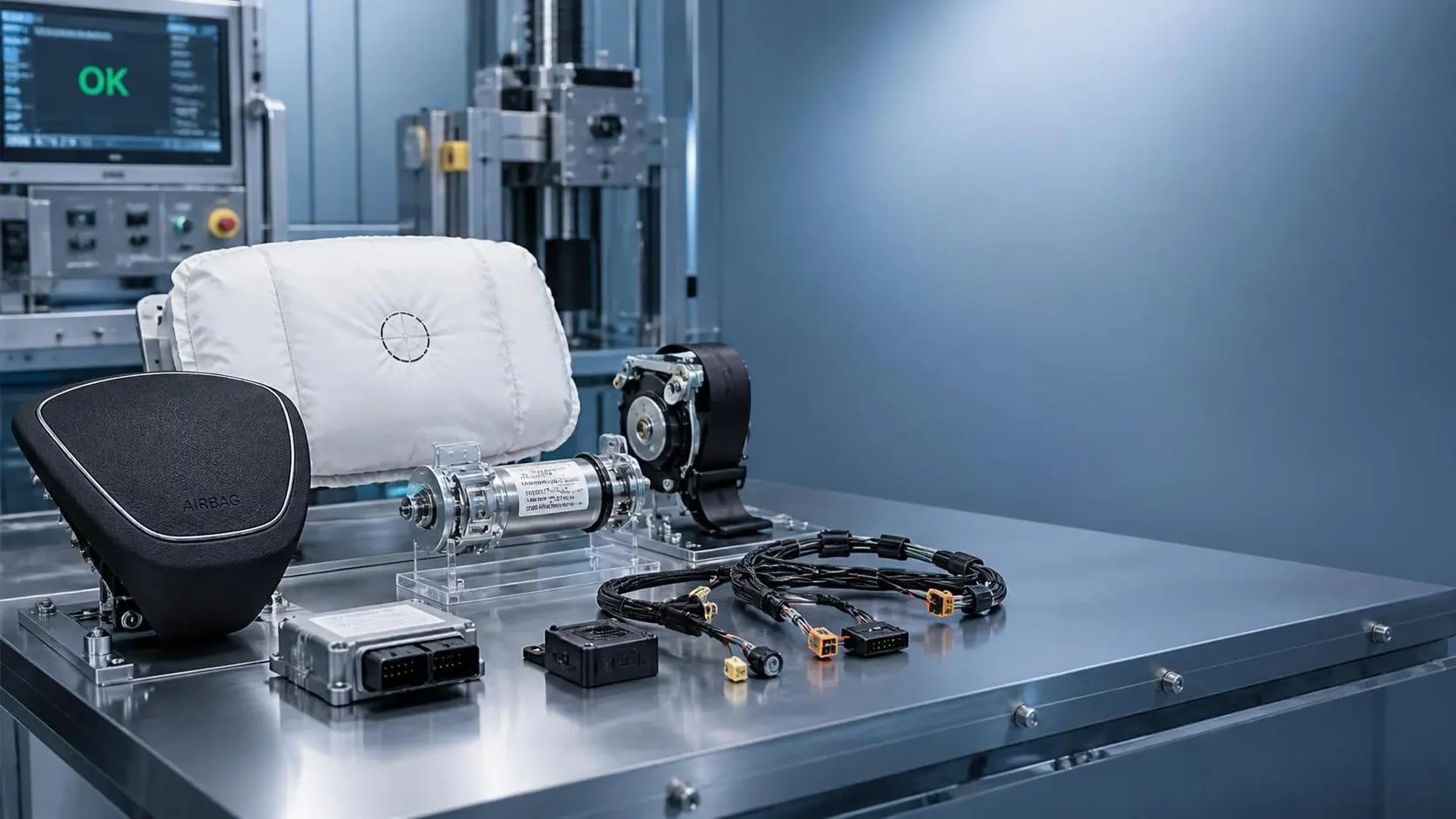
How to Evaluate Airbag Components for OEM Safety Performance and Compliance?
Airbag components evaluation guide for OEM teams: compare deployment performance, inflator consistency, compliance evidence, and supplier traceability to reduce safety risk and choose with confidence.

Maritime Compliance Information Standards: What Ship Operators Must Check
Maritime compliance information standards explained for ship operators: learn the key checks for navigation, documentation, updates, and crew readiness to reduce risk and avoid costly delays.

How to Evaluate Cargo Marine Sonar Systems for Detection Range and Vessel Fit
Cargo marine sonar systems: learn how to assess usable detection range, hull fit, noise risk, and bridge integration to choose a reliable solution for real cargo vessel operations.
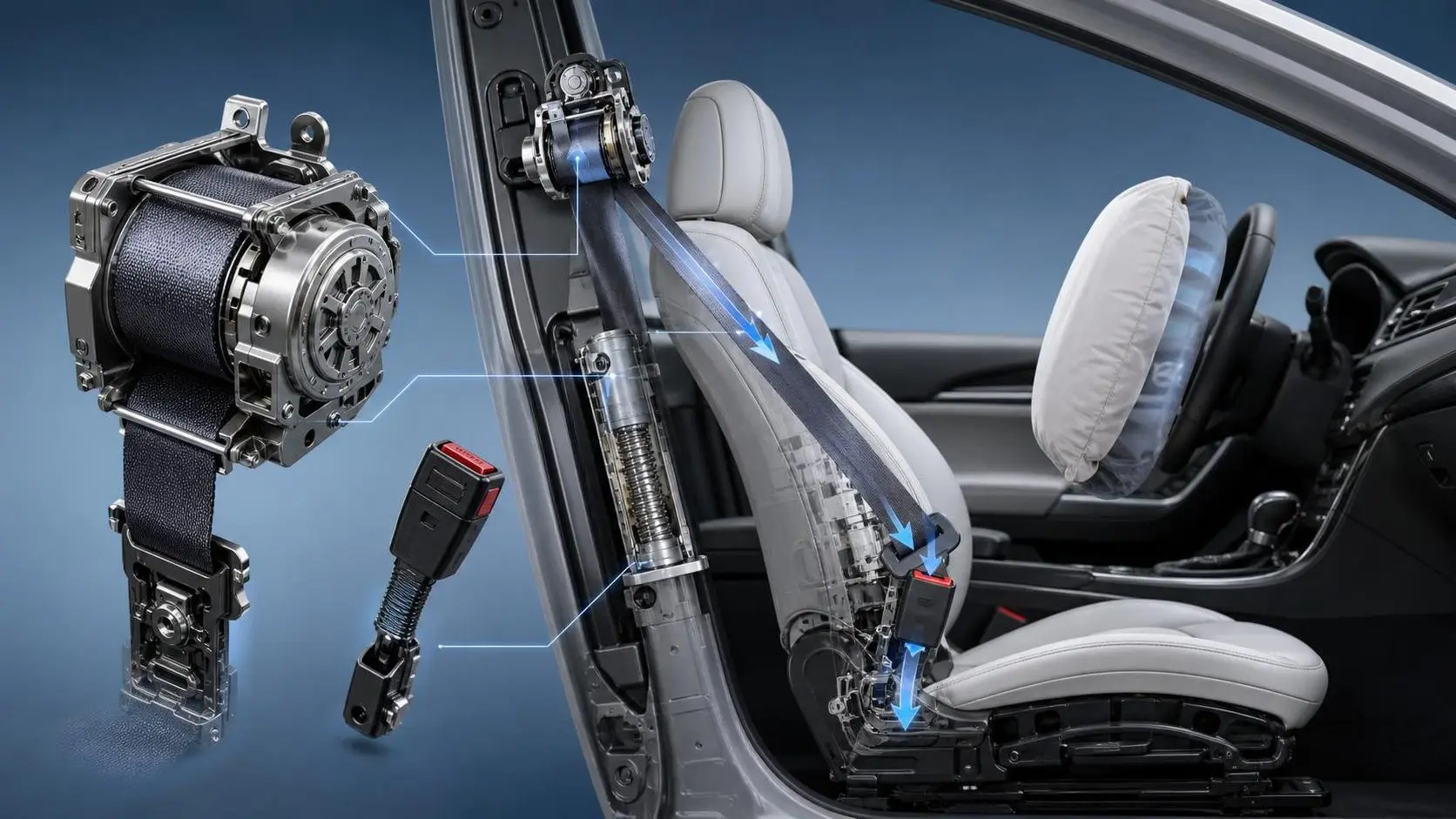
How Do Seatbelt Systems with Pretensioner Improve Crash Protection?
Seatbelt systems with pretensioner improve crash protection by tightening early, reducing forward motion, and helping airbags work as designed. Learn why timing is critical to occupant safety.
Related News
- 00
0000-00
Seat Comfort Solutions Foam: How to Compare Density, Resilience, and Fatigue Performance - 00
0000-00
Seat Comfort Systems Manufacturer Selection Guide: Functions, Integration Options, and Testing Points - 00
0000-00
Seat Comfort Systems Explained: Key Functions, Module Types, and Integration Points - 00
0000-00
Seat Climate Systems Price Guide: What Affects Cost and Which Features Matter Most? - 00
0000-00
Cabin Comfort Solutions for Passenger Vehicles: How to Choose Features That Improve Ride Quality
Weekly Insights
Stay ahead with our curated technology reports delivered every Monday.