
Seat Comfort Systems Explained: Key Functions, Module Types, and Integration Points
Seat Comfort Systems Explained: Key Functions, Module Types, and Integration Points
Seat comfort systems have moved far beyond simple heating pads and motorized sliders.
They now sit at the intersection of ergonomics, thermal control, sensing, software, and safety integration.
That shift matters because seat architecture affects user satisfaction, energy use, packaging, and compliance planning.
In practical terms, seat comfort systems influence how a platform feels, performs, and scales across trims.
For technical decision-making, the challenge is rarely one component.
The real challenge is system integration across electrical, mechanical, thermal, and occupant protection domains.
This is why seat comfort systems must be reviewed as engineered platforms, not optional cabin accessories.
What Seat Comfort Systems Actually Do
At the functional level, seat comfort systems manage posture support, microclimate control, and personalized adjustment.
These systems also help stabilize fatigue levels during long driving or marine operating cycles.
The core functions usually include the following:
- Fore-aft, recline, height, tilt, and lumbar adjustment
- Heating, ventilation, and sometimes active cooling
- Massage, pressure redistribution, and contour adaptation
- Occupant detection and seat position sensing
- Memory profiles linked to user settings
- Diagnostics, fault reporting, and network communication
Not every program needs all functions.
Still, most seat comfort systems are expected to support modular scaling across entry, mid, and premium variants.
That expectation changes sourcing logic from standalone parts to reusable system families.
Main Module Types Inside Seat Comfort Systems
Breaking seat comfort systems into modules helps teams control interfaces and reduce late-stage surprises.
Adjustment Modules
These include motors, gear drives, linkages, switches, and position sensors.
Their design affects noise, travel speed, backlash, durability, and current draw.
In lightweight platforms, motion packaging becomes a major engineering constraint.
Thermal Comfort Modules
Heating mats, blower units, air channels, temperature sensors, and control logic sit here.
The target is not maximum heat or airflow.
The target is fast, even, efficient comfort under different ambient conditions.
Pneumatic or Massage Modules
These modules use bladders, pumps, valves, and timing control.
They add perceived value, but also bring acoustic, reliability, and service complexity.
Occupant Sensing Modules
These modules may include weight sensors, classification mats, buckle status inputs, and position tracking.
They are essential where seat comfort systems share data with airbag or restraint logic.
Control Modules
The seat control unit coordinates inputs, outputs, memory, diagnostics, and network messages.
In more advanced seat comfort systems, software calibration becomes as important as hardware selection.
Key Integration Points That Shape Program Risk
Most integration issues appear at boundaries between teams, suppliers, and validation plans.
For seat comfort systems, several interfaces deserve early control.
Electrical Architecture
Seat comfort systems can create significant peak loads, especially during cold start heating and simultaneous adjustment.
That affects fuse sizing, harness routing, connector selection, and power management strategy.
On electrified platforms, power efficiency becomes a stronger design driver.
Network Communication
Modern seat comfort systems often connect through CAN, LIN, or gateway-managed body networks.
Memory settings, HMI commands, occupant sensing, and diagnostics all depend on clean message definitions.
When signal ownership is unclear, integration delays follow quickly.
Mechanical Packaging
Every added comfort feature competes for space inside the cushion, backrest, and under-seat area.
Seat comfort systems must coexist with tracks, recliners, airbags, belt anchors, and structural reinforcements.
This is where late design changes become expensive.
Thermal and Material Compatibility
Thermal modules interact with foam density, trim permeability, adhesive behavior, and occupant touch perception.
A well-performing heater on the bench may feel uneven in production trim.
That is a common blind spot in seat comfort systems validation.
Safety System Interfaces
Where seat comfort systems interact with occupant classification or seat position logic, safety implications increase sharply.
Signal timing, calibration drift, and service replacement rules must be tightly managed.
Performance Metrics That Matter
Teams often focus on feature count.
A better approach is measuring whether seat comfort systems meet real use-case targets.
These metrics make tradeoffs visible early.
They also support cleaner technical alignment with suppliers and platform teams.
Common Failure Modes in Seat Comfort Systems
From recent program patterns, failures usually come from integration gaps rather than isolated component defects.
- Uneven heating caused by trim stack variation
- Excessive blower noise after packaging changes
- Motor stall or slow movement under voltage drop conditions
- Communication faults between seat modules and body controllers
- Occupant sensing drift after foam or frame revisions
- Service issues from poor access to embedded modules
The pattern is clear.
Seat comfort systems fail when interface ownership is weak or validation scope is too narrow.
A Practical Integration Checklist
For smoother launches, seat comfort systems should be reviewed with a disciplined cross-functional checklist.
- Freeze feature content by trim level before harness and packaging decisions harden.
- Map every electrical load case, including simultaneous peak events.
- Confirm network signals, message timing, and diagnostic ownership early.
- Validate with production-intent foam, trim, and structural stack-ups.
- Review interactions with airbags, seatbelt systems, and occupant classification functions.
- Include acoustic, thermal feel, and serviceability in design verification plans.
- Set clear module replacement rules for field service and compliance control.
This approach keeps seat comfort systems aligned with cost, timing, and user expectations.
Why This Matters Now
The market signal is straightforward.
Users increasingly expect premium-level seat experience across more vehicle and mobility segments.
At the same time, electrification, lightweighting, and software-defined architectures raise integration pressure.
That means seat comfort systems must deliver more value with tighter energy, weight, and validation budgets.
Programs that treat comfort modules as isolated options usually absorb more rework later.
Programs that treat seat comfort systems as integrated platforms usually move faster and defend quality better.
Closing Takeaway
Seat comfort systems combine mechanics, electronics, thermal control, sensing, and software into one user-facing system.
Their success depends less on feature lists and more on interface discipline.
When module boundaries, validation targets, and safety links are defined early, better outcomes follow.
In real programs, that is the difference between a comfort feature and a reliable seat comfort system.
Use that lens when reviewing specifications, supplier proposals, and platform change requests.
Related News
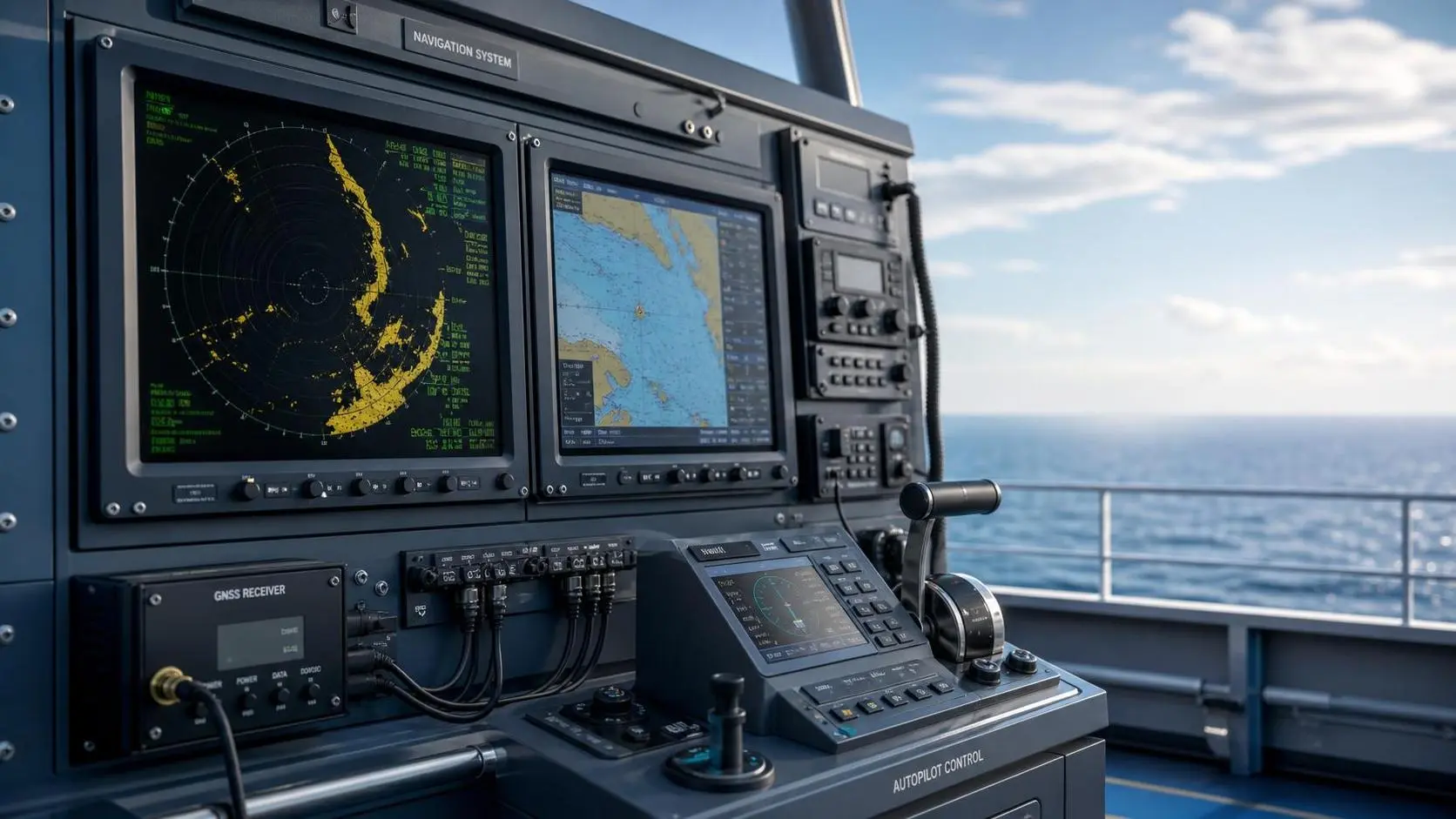
What Factors Drive Marine Navigation Components Cost in Commercial Vessel Projects?
Marine navigation components cost is shaped by integration, compliance, installation, and lifecycle support. Discover what drives pricing and how buyers can reduce risk while improving value.
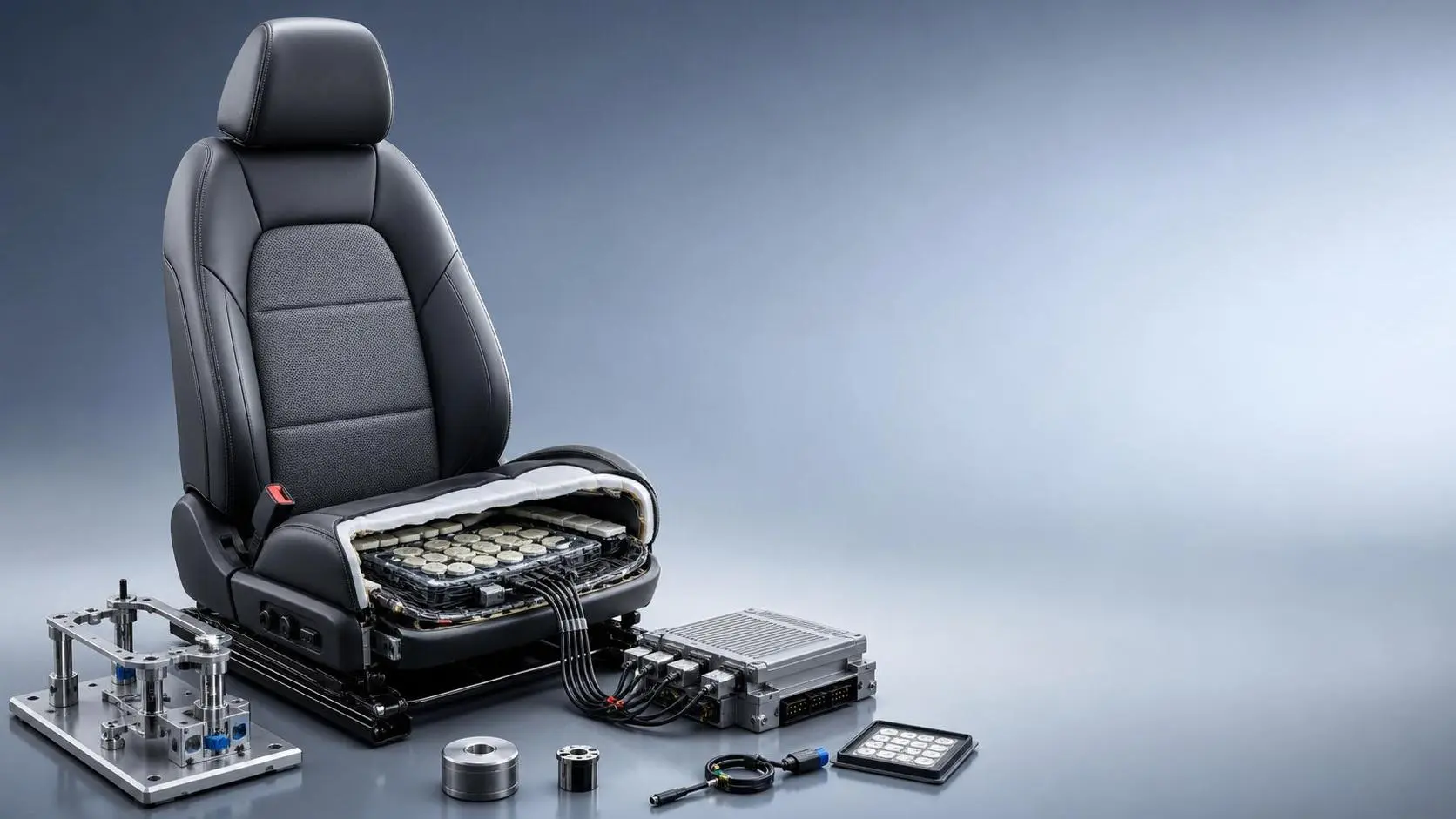
How Much Does Seat Occupancy Sensing Cost? Key Pricing Factors for Buyers
Seat occupancy sensing price varies widely by technology, integration, and compliance needs. Learn the key cost drivers, avoid hidden fees, and make smarter buying decisions.

How to Specify Micro-Climate Control Cabins for Harsh Outdoor Worksites?
Micro-climate control cabins for harsh outdoor worksites: learn how to specify thermal control, filtration, pressurization, and durability for safer uptime and smarter buying.
How to Evaluate a B2B Product Knowledge Platform for Faster Procurement Decisions
B2B product knowledge platform procurement starts with reducing decision risk. Learn how to compare specs, compliance, and supplier data to speed sourcing with confidence.
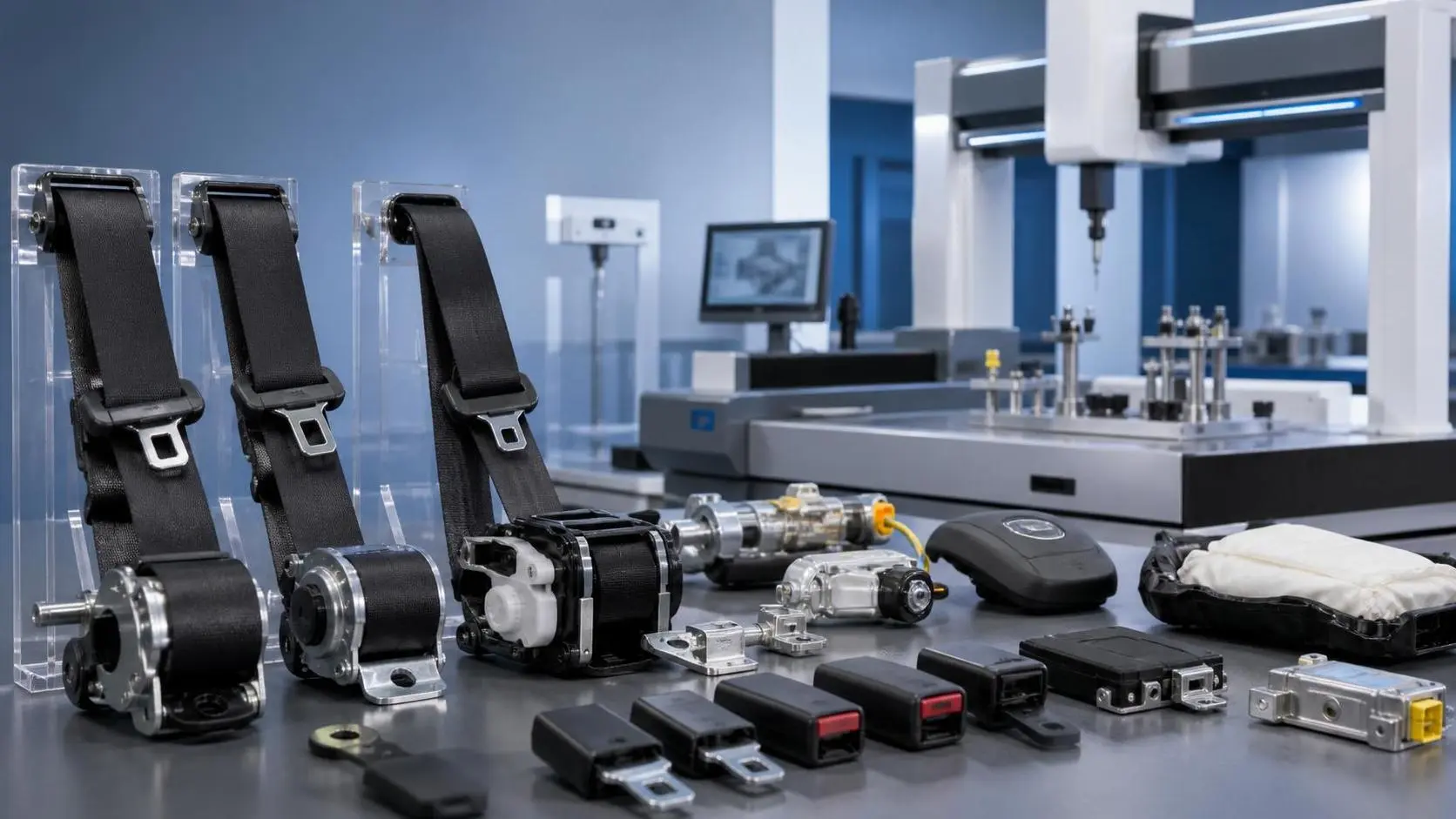
How to Evaluate an Occupant Restraint Systems Exporter for Quality, Compliance, and Supply Risk
Occupant restraint systems exporter evaluation guide: learn how to verify quality controls, compliance evidence, and supply risk before sourcing to avoid recalls, delays, and hidden costs.
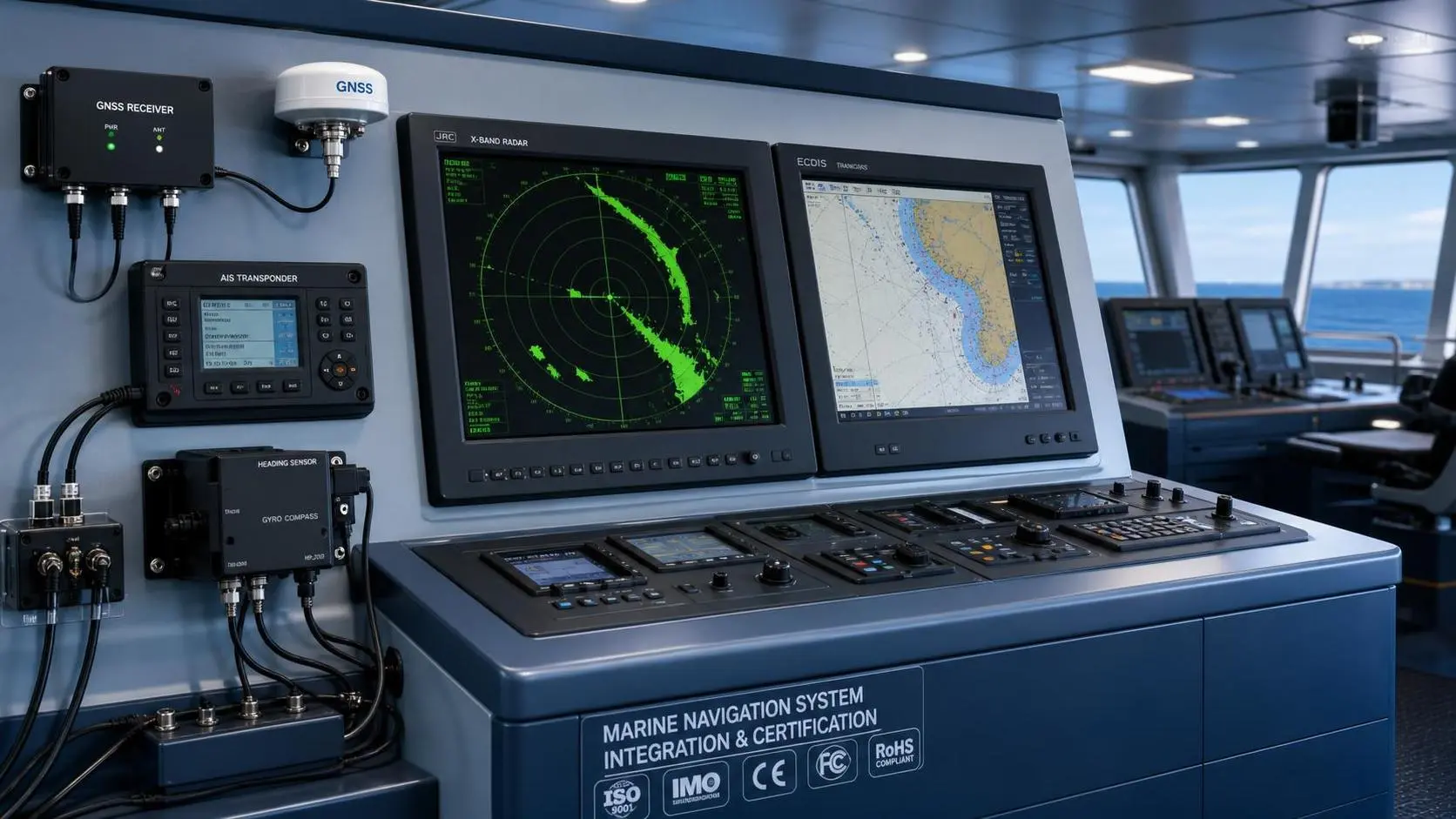
Navigation Compliance Certification: Which Marine Systems Need It and How to Prepare?
Navigation compliance certification explained: discover which marine systems need approval, what documents matter, and how to prepare early to avoid delays, rework, and costly project risks.
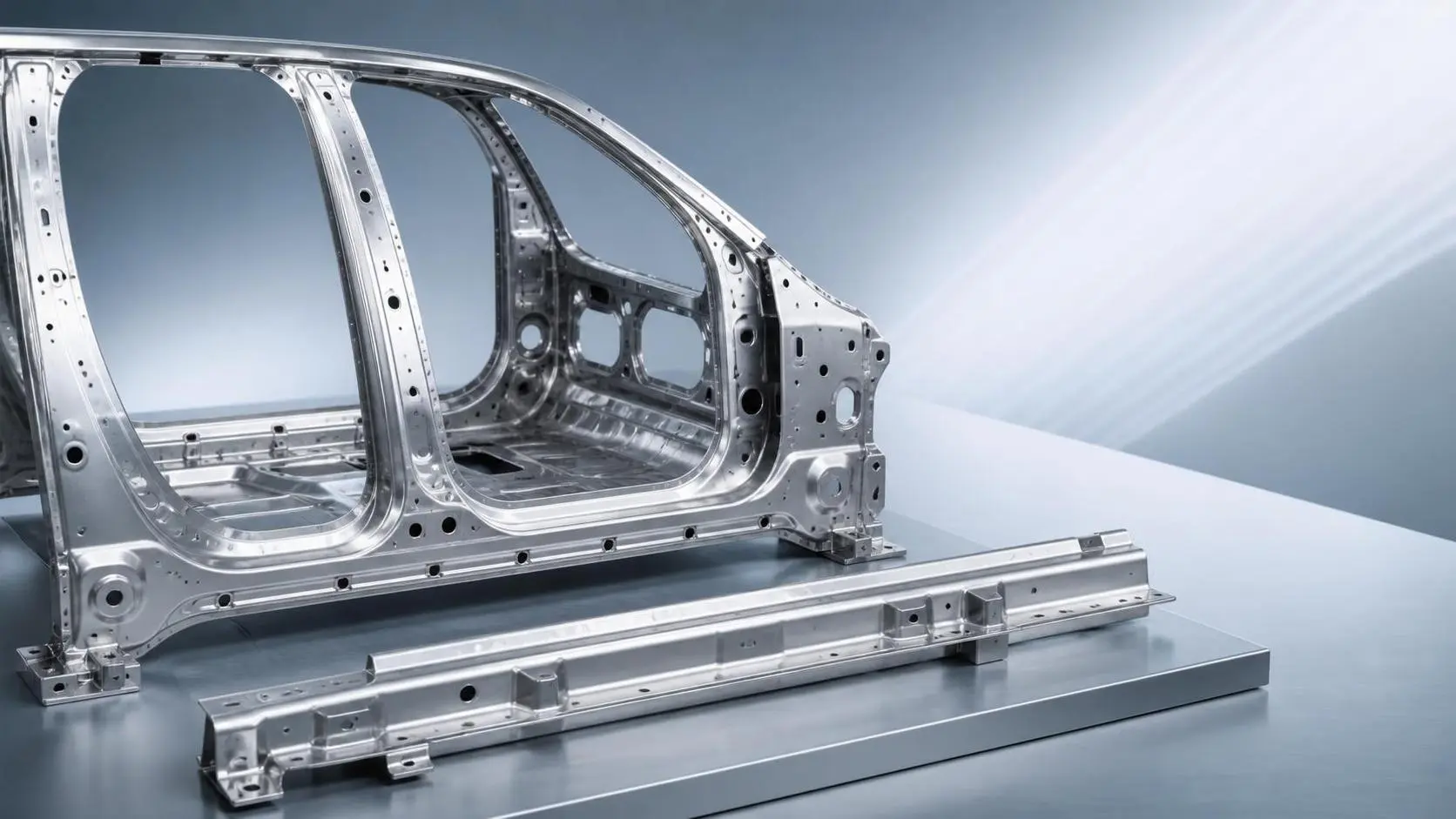
How to Evaluate Steel Auto Body Stampings for Strength, Fit, and Cost
Steel auto body stampings should be judged by strength, fit, and total cost together. Learn how to compare materials, forming limits, springback, joining, and tooling before choosing.
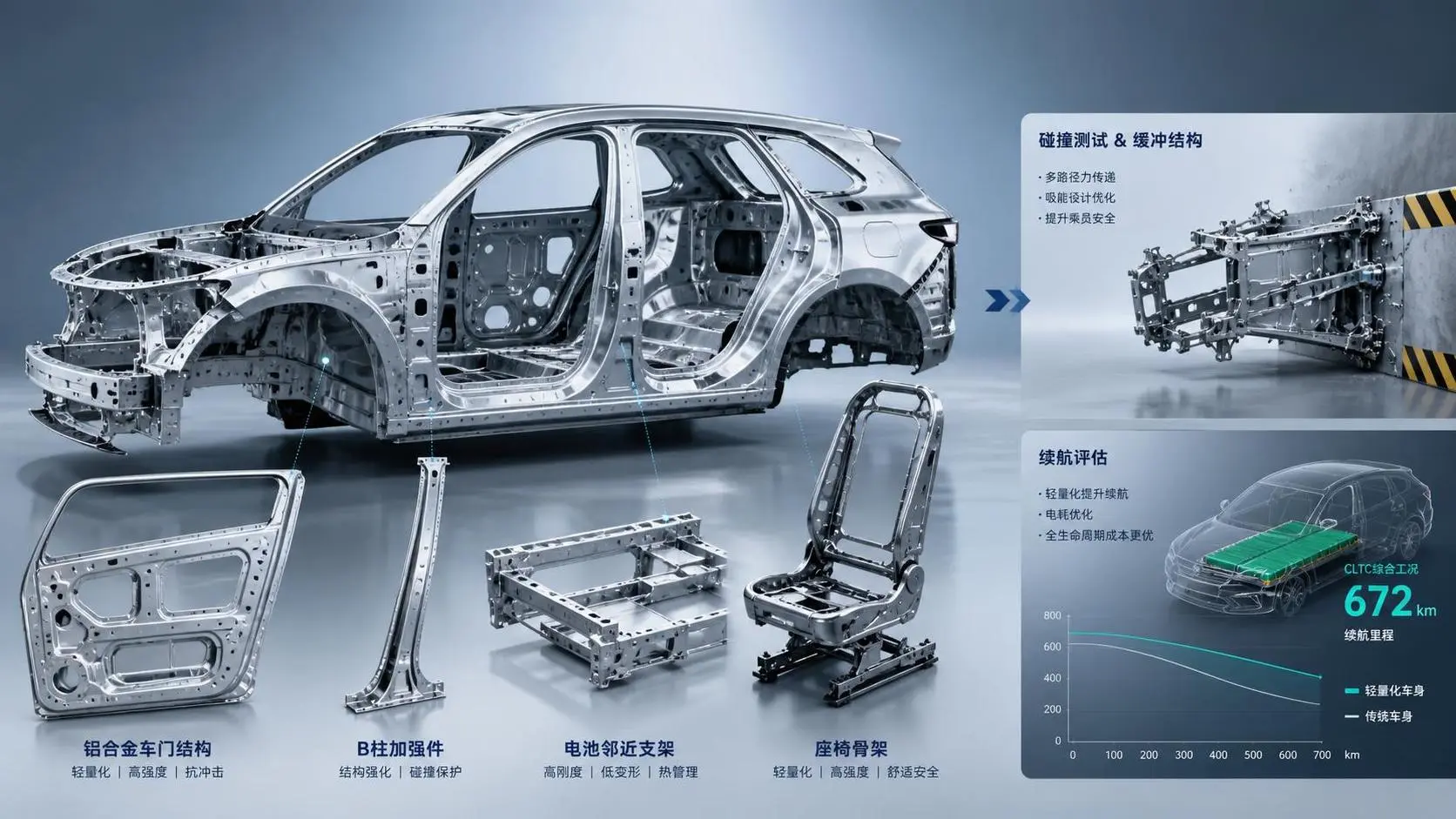
How to Evaluate Lightweight Automotive Components for EV Range and Crash Performance
Lightweight automotive components for EVs: learn how to evaluate real range gains, crash performance, joining risk, and manufacturability to choose safer, smarter EV parts.
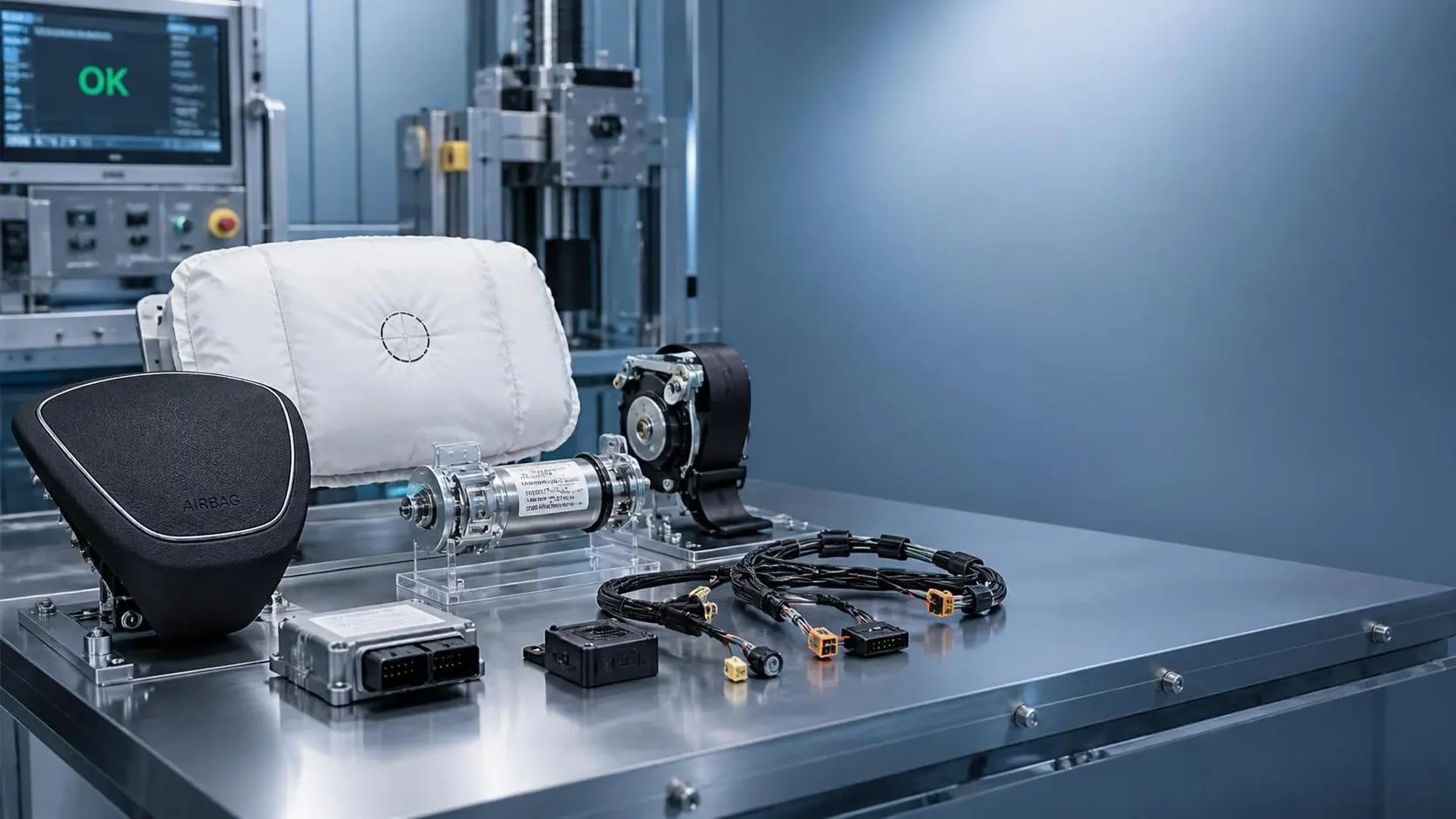
How to Evaluate Airbag Components for OEM Safety Performance and Compliance?
Airbag components evaluation guide for OEM teams: compare deployment performance, inflator consistency, compliance evidence, and supplier traceability to reduce safety risk and choose with confidence.
Related News
- 00
0000-00
Seat Comfort Solutions Foam: How to Compare Density, Resilience, and Fatigue Performance - 00
0000-00
Seat Comfort Systems Manufacturer Selection Guide: Functions, Integration Options, and Testing Points - 00
0000-00
Seat Comfort Systems Explained: Key Functions, Module Types, and Integration Points - 00
0000-00
Seat Climate Systems Price Guide: What Affects Cost and Which Features Matter Most? - 00
0000-00
Cabin Comfort Solutions for Passenger Vehicles: How to Choose Features That Improve Ride Quality
Weekly Insights
Stay ahead with our curated technology reports delivered every Monday.