
Seat Comfort Solutions Foam: How to Compare Density, Resilience, and Fatigue Performance
Seat comfort solutions foam is no longer a minor trim decision. In marine cabins, passenger vehicles, commercial fleets, and smart seating platforms, foam performance shapes comfort, vibration behavior, durability, and even compliance confidence. For any serious comparison, softness alone says very little. Density, resilience, and fatigue performance reveal how a seat will actually behave after long hours, repeated load cycles, temperature shifts, and real operational use.
Why foam comparison matters across mobility systems
Within the GNCS view of mobility equipment, seating belongs to a wider safety and perception chain. A seat is the first physical interface between occupant and machine, but it also affects posture stability, vibration transfer, restraint geometry, and long-term cabin experience.
That makes seat comfort solutions foam relevant well beyond automotive interiors. Marine seating, utility vehicles, premium passenger cabins, and lightweight seat structures all depend on foam behavior that stays predictable over time.
This is why technical reviews increasingly connect comfort materials with lifecycle cost, structural packaging, crash energy management, and brand quality perception. A foam that feels acceptable on day one can still fail the program if it loses support too quickly.
A practical reading of density, resilience, and fatigue
When evaluating seat comfort solutions foam, these three parameters should be read together rather than in isolation. Each one describes a different part of in-use behavior.
Density is the material baseline
Foam density usually indicates mass per unit volume. In broad terms, higher density can support better durability, shape stability, and load distribution, but it does not automatically mean better comfort.
A low-density foam may feel plush at first contact. Under continuous loading, however, it may bottom out faster, lose contour definition, or develop inconsistent support zones.
Higher density seat comfort solutions foam often gives engineers more room to tune the seat. It can work with contour geometry, trim cover tension, and support layering more consistently.
Resilience affects rebound and perceived liveliness
Resilience describes how well foam recovers after compression. It influences whether a cushion feels responsive, controlled, springy, or dull during entry, posture changes, and road-induced motion.
Too little resilience can create a dead feel. Too much can produce excessive bounce, especially in marine or commercial vehicle seating exposed to repeated vibration inputs.
For that reason, the best seat comfort solutions foam is not always the highest rebound option. The target depends on occupant motion, seat architecture, and cabin environment.
Fatigue performance shows what happens later
Fatigue performance measures how the foam changes after repeated compression cycles. This is often the decisive factor in real business use because it captures loss of thickness, firmness drift, and support degradation.
Two foams may look similar in early lab handling. After cyclic testing, one may retain structure while the other shows early collapse or permanent set.
In practical terms, fatigue is where comfort claims meet warranty risk.
What the industry is watching now
Current demand is shaped by three converging pressures. The first is lightweighting. Seat systems are expected to reduce mass without making the occupant feel more road harshness or structural hardness.
The second is durability under more varied duty cycles. Shared mobility, premium long-distance travel, and marine operations create different loading patterns than private short-trip use.
The third is compliance visibility. As GNCS tracks global mobility requirements, material choices are increasingly judged not only by comfort perception, but also by how they interact with seat frames, restraint positioning, flammability needs, and validation evidence.
This is why seat comfort solutions foam is receiving more detailed scrutiny during sourcing and design freeze stages. It sits at the intersection of human factors, passive safety logic, and costed durability.
How to compare foam without relying on feel alone
A hand-press test can help identify obvious extremes, but it should never anchor the final decision. Foams must be compared through a structured set of engineering questions.
The useful comparison is never just foam versus foam. It is seat comfort solutions foam inside a complete seat stack, under a defined use case.
Typical scenarios that change the answer
Different programs demand different balances, even when the same keyword appears in a specification sheet.
Passenger vehicle seating
The target usually combines initial comfort, posture support, and fatigue retention over a wide temperature range. Layered constructions are common, especially where perceived premium quality matters.
Marine cabin seating
Here, seat comfort solutions foam may face humidity, salt exposure, and repeated vibration from wave motion. Resilience tuning becomes especially important because excessive rebound can amplify discomfort over long voyages.
Commercial and utility applications
Higher usage frequency pushes fatigue performance to the front. Foam that keeps thickness and support profile under repetitive entry and exit cycles often delivers better total value than foam with a softer showroom impression.
Lightweight seat architectures
As frames become thinner or lighter, foam may need to compensate for harder structural signatures. In this context, density and resilience must be judged alongside the seat pan geometry and local pressure mapping.
Common mistakes in seat comfort solutions foam evaluation
- Treating density as a direct measure of comfort, without checking support contour and dynamic response.
- Selecting by initial touch only, then discovering poor fatigue retention in later validation.
- Reviewing foam coupons outside the real seat assembly, where trim tension and substrate stiffness change the result.
- Ignoring environment, especially moisture, heat, or cyclic vibration in marine and fleet settings.
- Comparing supplier data without confirming identical test methods and conditioning protocols.
These errors usually do not appear in the first meeting. They appear later as comfort drift, rework, field complaints, or unexplained differences between prototype and production.
A more reliable decision framework
A strong evaluation path starts with the seat mission, not the material brochure. Define occupant duration, motion environment, support targets, package limits, and regulatory constraints first.
Then compare seat comfort solutions foam across three layers of evidence: lab data, integrated seat testing, and expected lifecycle conditions. A material that passes only one layer is not a robust selection.
It also helps to establish acceptable tradeoff bands. For example, a modest increase in density may be justified if fatigue retention meaningfully improves and seat contour can be maintained for longer service intervals.
This is where GNCS-style intelligence matters. Decisions improve when comfort materials are read alongside structural trends, passive safety interfaces, and global validation expectations, rather than as isolated cabin components.
Where to focus next
The next useful step is to build a comparison matrix specific to the seat program. Include density tolerance, resilience target, fatigue retention, environment exposure, and integration requirements in one review sheet.
From there, test seat comfort solutions foam in the actual assembly wherever possible. Small differences in geometry, cover material, and support layering can change the final result more than expected.
A disciplined foam decision rarely comes from a single number. It comes from understanding how density, resilience, and fatigue work together to support comfort, safety alignment, and lifecycle reliability in the seating system as a whole.
Related News
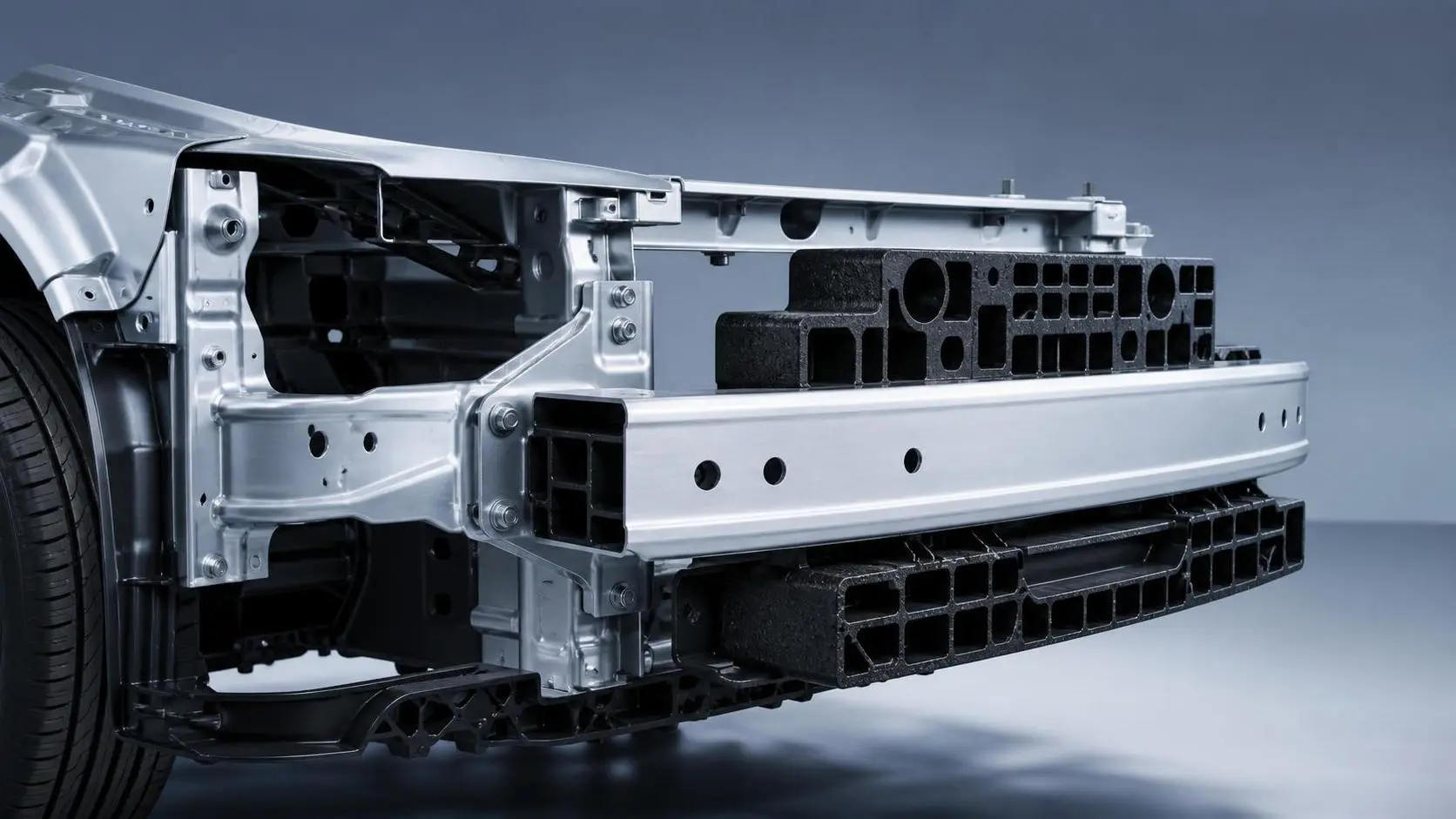
How Crash Management Components Reduce Repair Costs and Improve Impact Performance
Crash management components help reduce repair costs, protect critical vehicle structures, and improve impact performance. Learn how smarter design supports safer, more cost-efficient mobility programs.
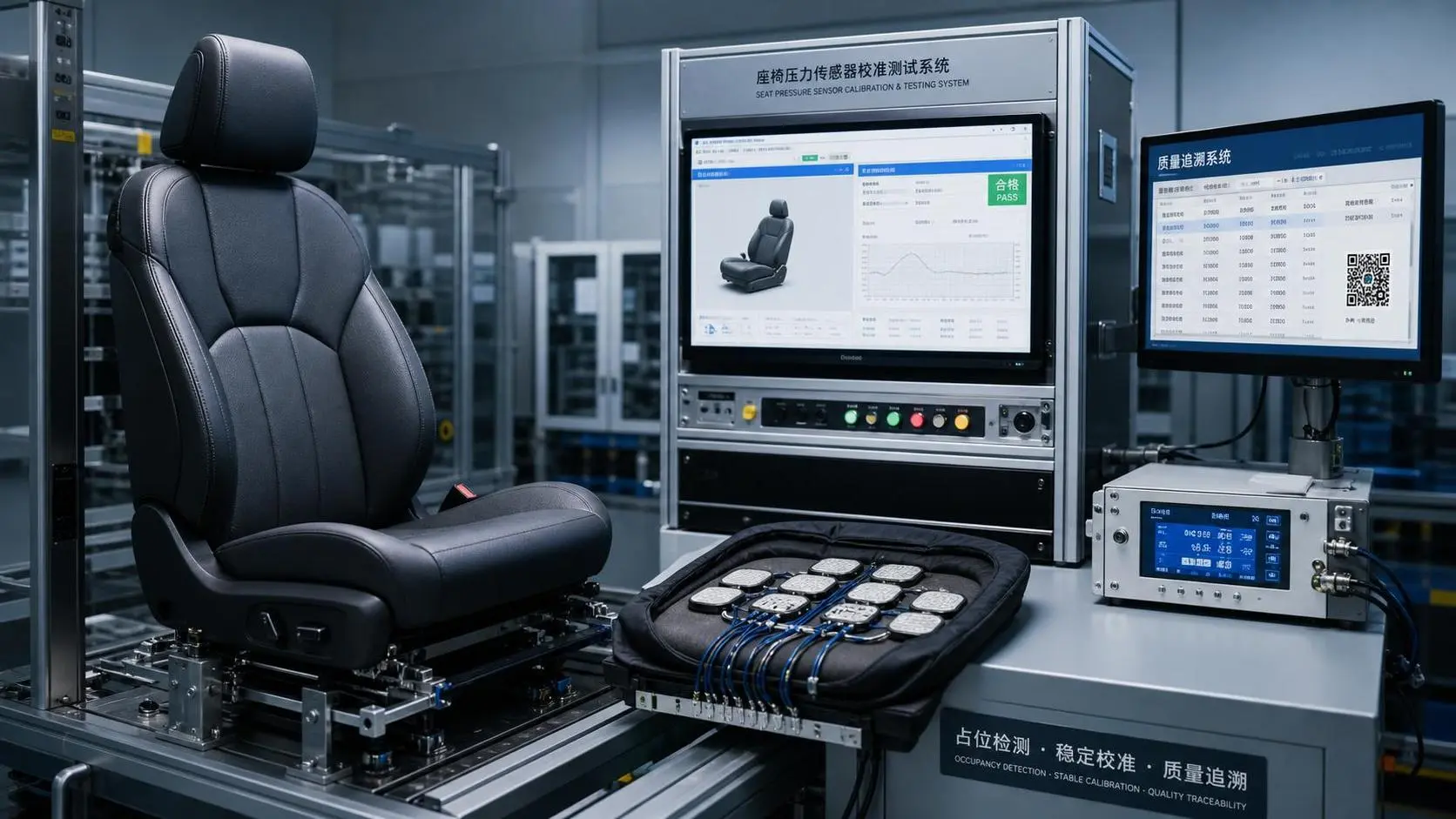
How to Evaluate a Seat Sensing Systems Factory for Automotive Safety Programs
Seat sensing systems factory selection goes beyond price. Learn how to assess quality control, validation, PPAP readiness, and long-term supply reliability for safer automotive programs.
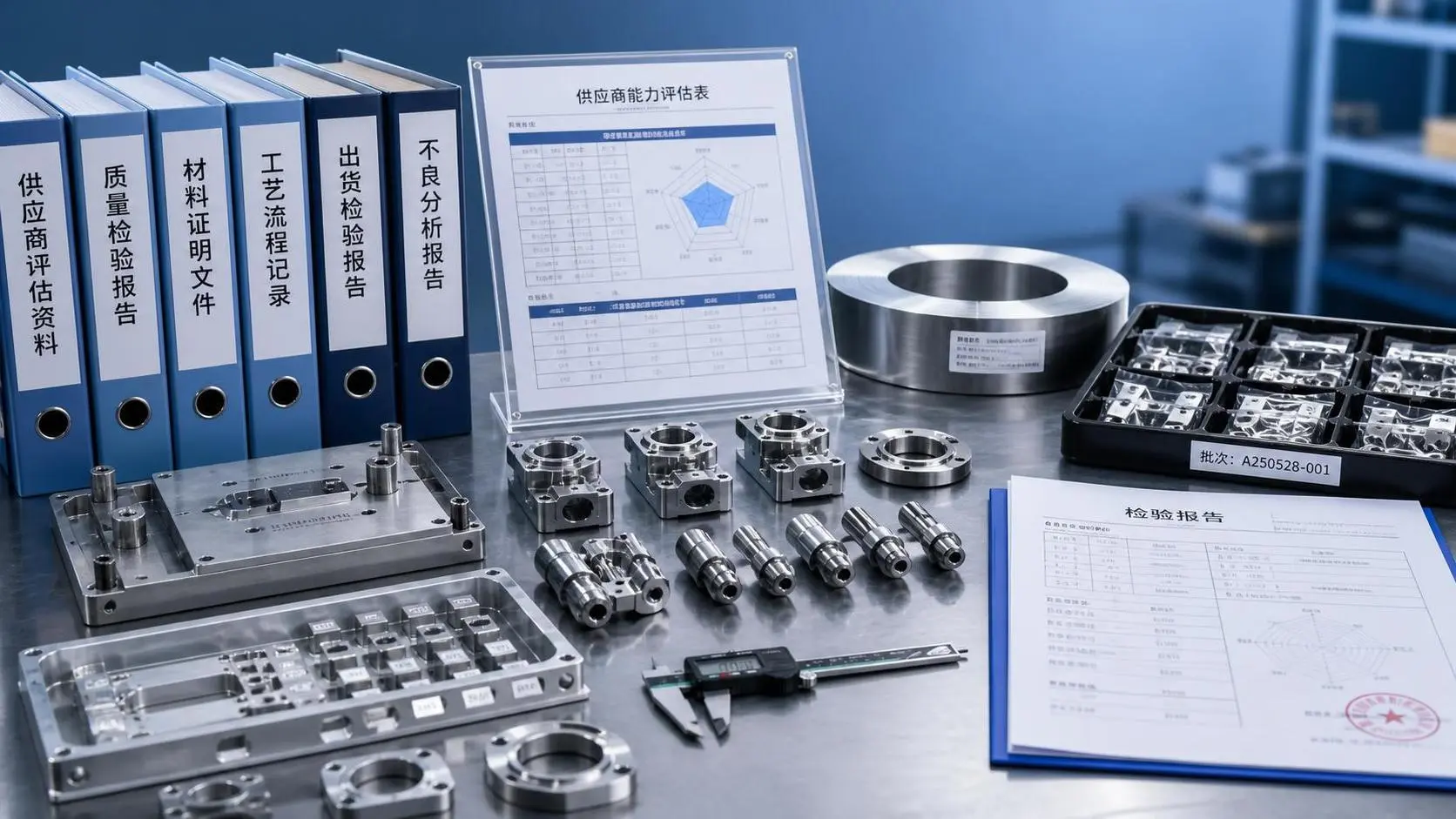
Supplier Capability Evaluation Process: Key Criteria for B2B Sourcing Decisions
Supplier capability evaluation process explained: learn the key criteria for B2B sourcing decisions, reduce supplier risk, and choose partners with confidence.
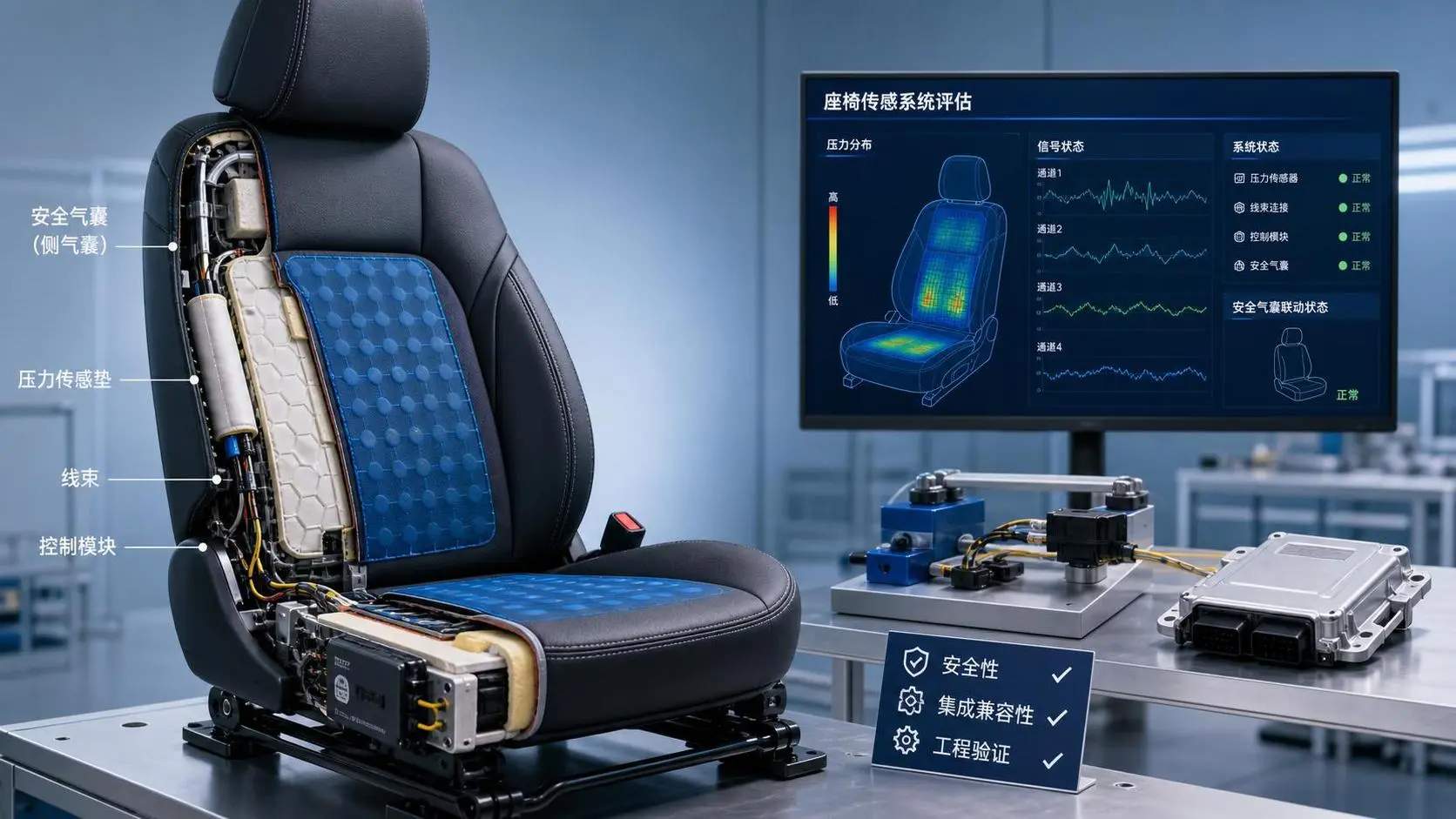
How to Evaluate a Seat Sensing Technology Supplier for Safety and Integration?
Seat sensing technology supplier evaluation guide: compare safety maturity, integration fit, algorithm reliability, and validation support to choose a partner that reduces risk.
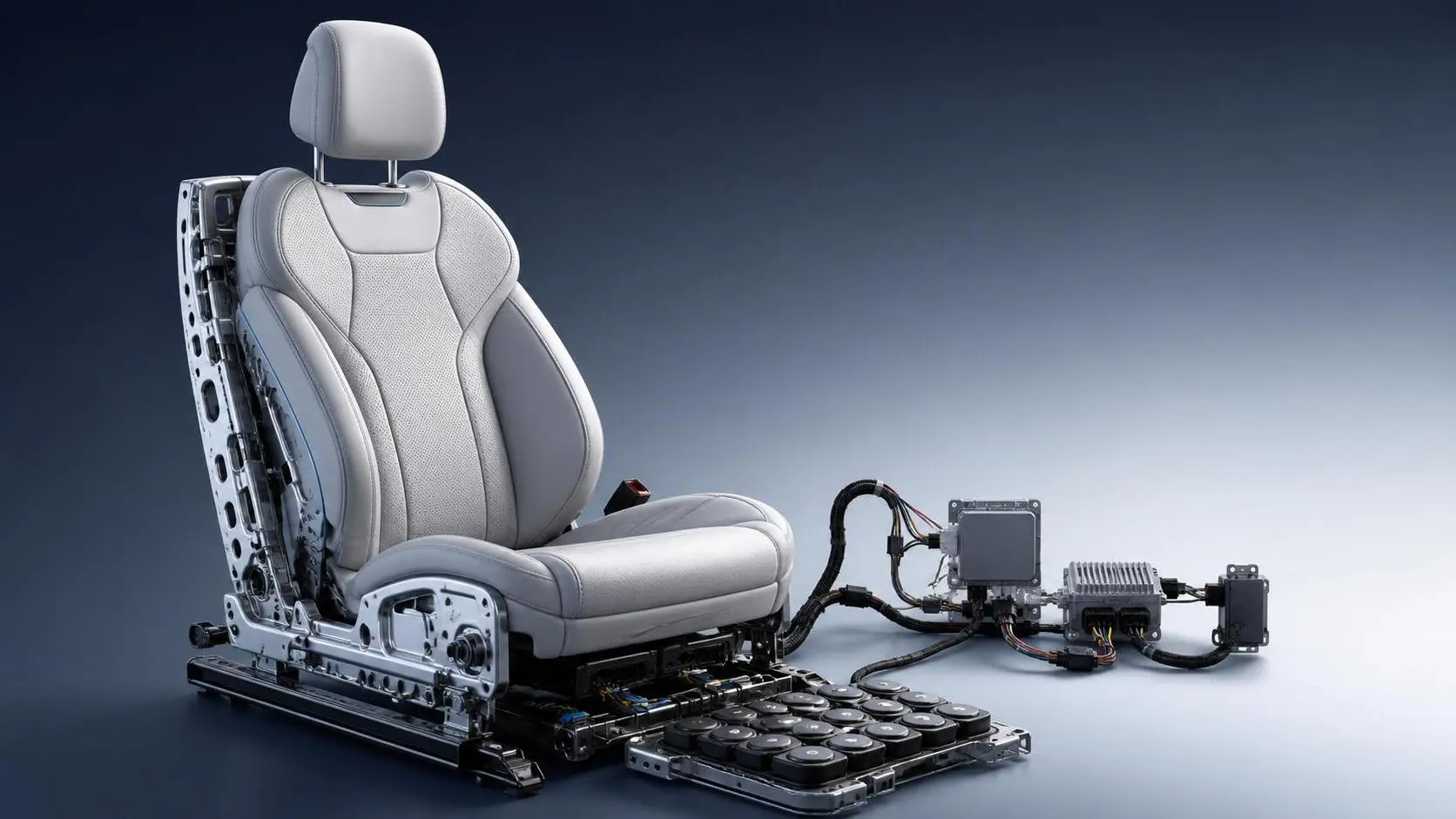
How to Evaluate Custom Smart Automotive Seating for Premium Vehicle Programs?
Custom smart automotive seating evaluation starts with safety, comfort, integration, and production readiness. Discover how premium vehicle teams choose smarter, lower-risk seat solutions.
B2B Product Intelligence Platforms: How to Compare Features, Data Coverage, and ROI
B2B product intelligence platform comparison: learn how to evaluate data coverage, feature depth, compliance visibility, and ROI to choose a sourcing tool that reduces risk and speeds decisions.
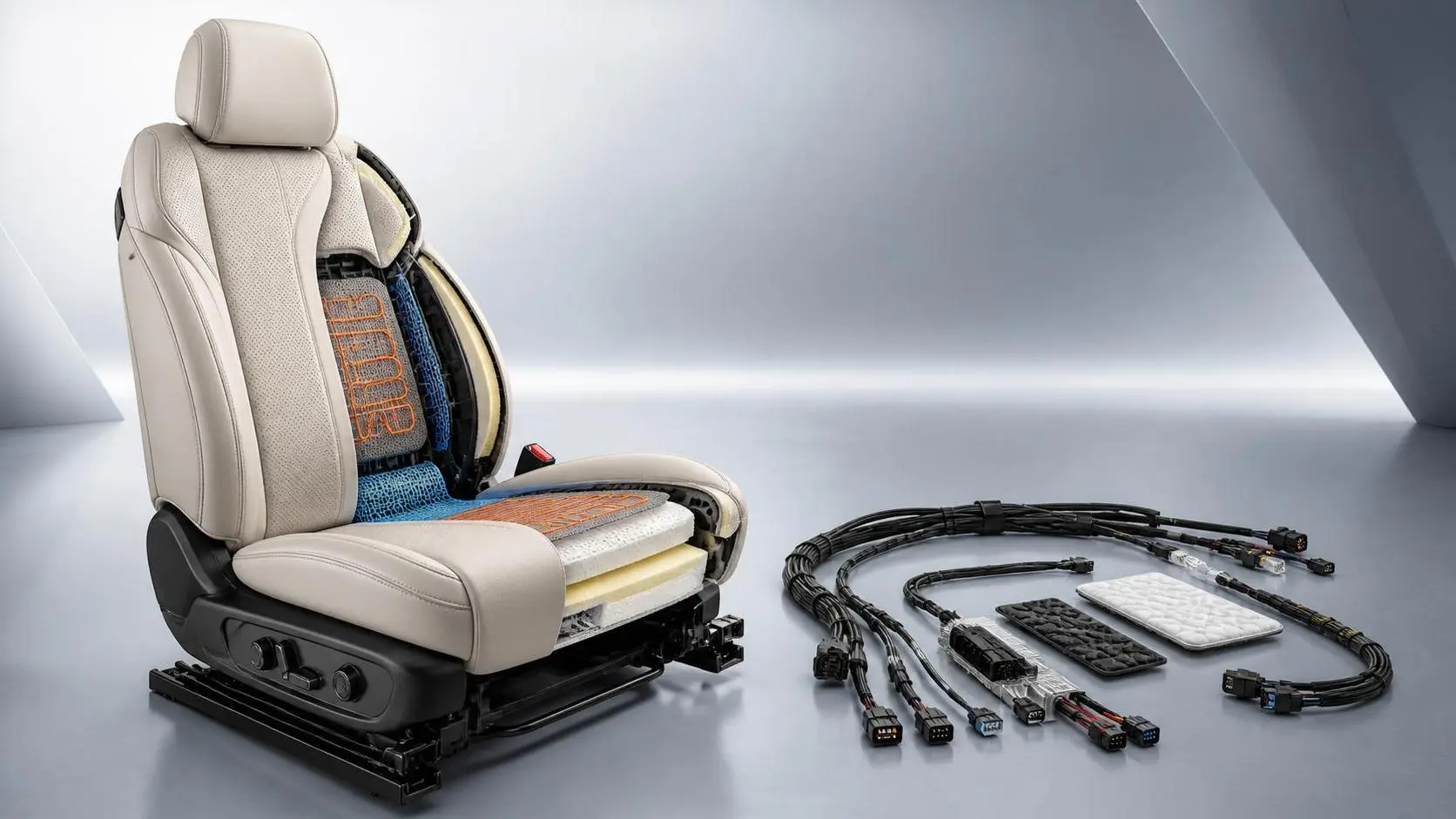
Climate Control Seats Cost: What Drives Price and Long-Term Ownership Value?
Climate control seats cost depends on materials, thermal tech, and integration. Learn what drives price and how to judge long-term value before you buy.
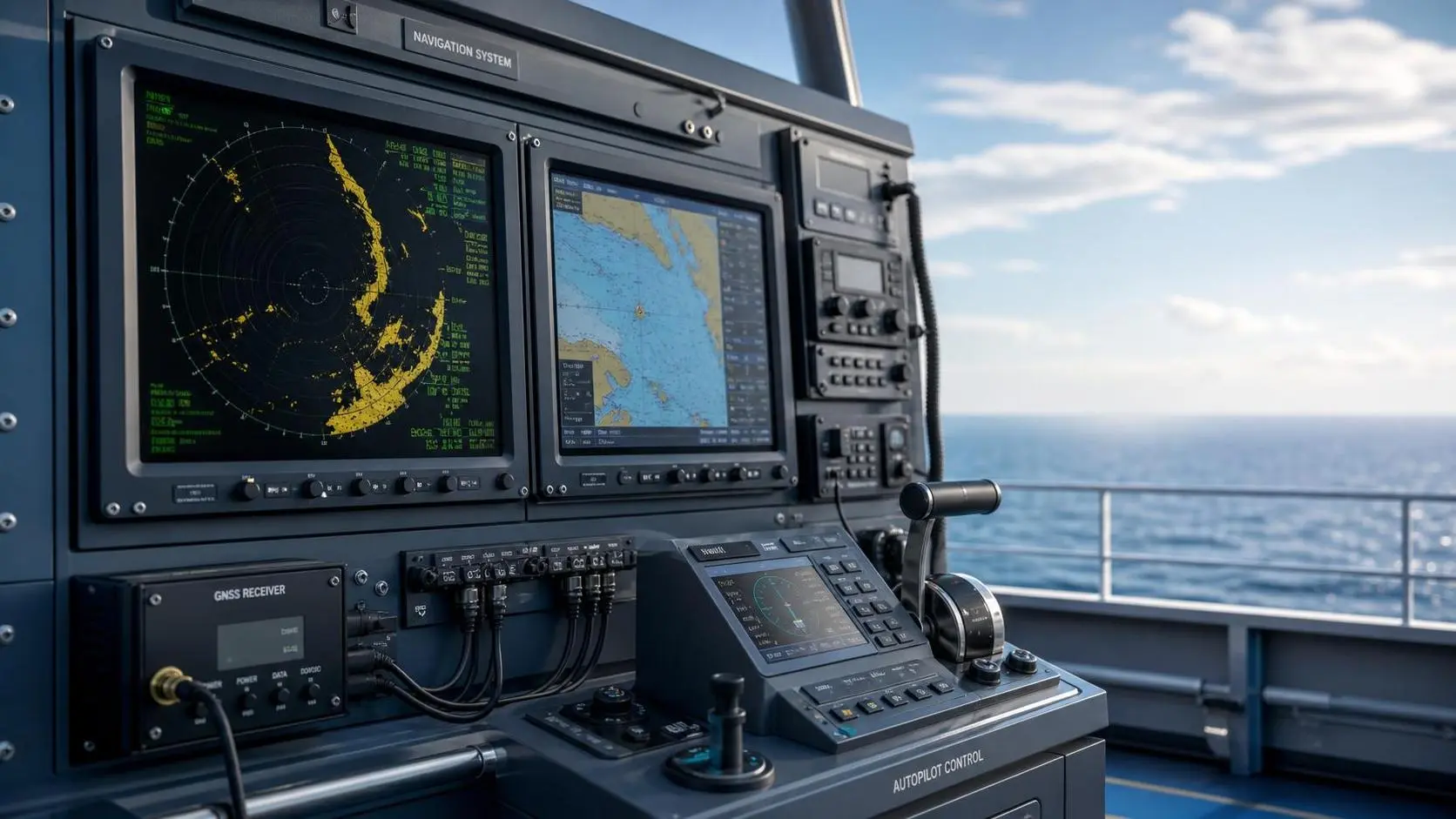
What Factors Drive Marine Navigation Components Cost in Commercial Vessel Projects?
Marine navigation components cost is shaped by integration, compliance, installation, and lifecycle support. Discover what drives pricing and how buyers can reduce risk while improving value.
How Much Does Seat Occupancy Sensing Cost? Key Pricing Factors for Buyers
Seat occupancy sensing price varies widely by technology, integration, and compliance needs. Learn the key cost drivers, avoid hidden fees, and make smarter buying decisions.
Related News
- 00
0000-00
Climate Control Seats Cost: What Drives Price and Long-Term Ownership Value? - 00
0000-00
Seat Comfort Solutions Foam: How to Compare Density, Resilience, and Fatigue Performance - 00
0000-00
Seat Comfort Systems Manufacturer Selection Guide: Functions, Integration Options, and Testing Points - 00
0000-00
Seat Comfort Systems Explained: Key Functions, Module Types, and Integration Points - 00
0000-00
Seat Climate Systems Price Guide: What Affects Cost and Which Features Matter Most?
Weekly Insights
Stay ahead with our curated technology reports delivered every Monday.