What smart cabin solutions improve comfort without added complexity?
As mobility platforms become more connected, smart cabin solutions are judged by one practical test: do they improve comfort without adding operational burden?
That question matters across automotive, marine, and adjacent transport environments, where comfort, safety, compliance, and integration discipline now intersect in the same cabin architecture.
The strongest smart cabin solutions do not overwhelm users with features. They reduce physical strain, stabilize cabin conditions, support passive safety, and fit existing engineering roadmaps.
For intelligence platforms such as GNCS, comfort is no longer isolated from structure, sensing, or protection. It is shaped by seating mechanics, thermal management, weight control, and reliable human-machine interaction.
This article explains how smart cabin solutions can raise perceived quality and daily usability while limiting complexity, cost risk, and validation pressure.
Defining smart cabin solutions in practical terms
In real programs, smart cabin solutions are integrated features that improve occupant comfort, awareness, and protection through sensors, controls, materials, and ergonomic design.
The key idea is not feature quantity. It is functional coordination. A cabin becomes smart when systems work together quietly, predictably, and with minimal user effort.
Examples include adaptive seat adjustment, zonal climate control, occupant sensing, low-noise actuation, pressure distribution tuning, and intuitive alert interfaces.
In transport cabins, comfort also depends on physical containment. Seat geometry, belt integration, body support, and impact-ready packaging influence both wellness and safety outcomes.
Therefore, the best smart cabin solutions balance three dimensions: human comfort, engineering simplicity, and compliance readiness.
What “without added complexity” really means
It means fewer control layers, fewer failure points, and fewer software dependencies than a feature-heavy architecture would normally create.
It also means reusing validated modules, reducing harness growth, simplifying diagnostics, and keeping user interaction obvious from the first touch.
Why the industry is prioritizing simpler comfort architecture
Across global mobility sectors, cabins are carrying more expectations than ever. Occupants want quieter, healthier, safer, and more personalized environments.
At the same time, engineering teams face weight targets, certification demands, supply-chain volatility, and strict launch timing. Complexity can quickly erase feature value.
This is why smart cabin solutions are moving toward modular, data-aware, and low-friction designs rather than isolated premium add-ons.
GNCS tracks this shift closely because comfort now connects directly with seating systems, lightweight body structures, and passive safety integration.
High-value smart cabin solutions that improve comfort efficiently
Not every comfort feature deserves equal priority. The best smart cabin solutions create clear occupant benefit while keeping architecture controlled.
1. Intelligent seating with fewer adjustments
Well-designed smart seating improves comfort more than many digital add-ons. Pressure mapping, memory positions, and posture support reduce fatigue quickly.
The most effective designs avoid excessive motors. They combine optimized foam, frame geometry, lumbar tuning, and selective automation.
2. Micro-climate control at body contact zones
Heating and ventilation targeted at seat and upper-body contact areas often deliver better comfort than simply increasing total cabin airflow.
These smart cabin solutions reduce energy waste and improve thermal satisfaction across short and long journeys.
3. Occupant sensing that supports comfort and safety
Sensing can detect presence, posture, belt usage, or seating position. That information improves restraint logic and enables responsive comfort settings.
When executed well, sensing-driven smart cabin solutions remain nearly invisible to the occupant while strengthening protection readiness.
4. Quiet interfaces and reduced cognitive load
Comfort is not only physical. It includes mental ease. Cleaner interfaces, fewer menu layers, and predictable controls reduce distraction and irritation.
Simple feedback logic often outperforms visually dense systems marketed as advanced smart cabin solutions.
5. Lightweight comfort structures
Materials engineering matters. Lighter seat frames, optimized stampings, and compact modules support both efficiency and vibration behavior.
This is where smart cabin solutions align with GNCS priorities in lightweight structures and occupant containment performance.
Business and engineering value of smart cabin solutions
Comfort-focused technologies are easier to justify when they produce measurable operational value. Good smart cabin solutions support more than user satisfaction.
- Lower integration risk through modular design and shared electronics.
- Better compliance alignment when seating, restraint, and sensing systems are coordinated early.
- Reduced weight growth compared with layered comfort add-ons.
- Improved lifecycle value through easier diagnostics and fewer redundant components.
- Stronger product differentiation without creating a confusing user experience.
In other words, smart cabin solutions deliver the highest return when comfort enhancement also supports packaging efficiency and program resilience.
Typical application paths across cabin environments
Different cabin types require different comfort priorities. Still, several smart cabin solutions scale well across sectors.
These examples show that smart cabin solutions should match mission duration, occupant movement, environmental variability, and safety architecture.
Implementation guidance for keeping complexity under control
Many cabin programs fail because comfort features are added late. Smart cabin solutions work best when requirements are prioritized from the start.
- Start with discomfort sources, not feature wish lists.
- Map each solution to weight, power, packaging, and validation impact.
- Prefer multifunction modules over isolated hardware additions.
- Align seat, belt, airbag, and sensing logic early in development.
- Use interface simplification as a design rule, not a finishing step.
- Plan diagnostics and software updates before launch architecture freezes.
Common pitfalls to avoid
- Too many seat adjustments with little ergonomic benefit.
- Climate features that raise energy demand without targeting discomfort zones.
- Sensing systems that are difficult to calibrate or explain.
- Display-heavy controls that distract from essential actions.
- Late-stage integration between comfort systems and passive safety hardware.
A grounded next step for evaluating smart cabin solutions
The most effective path is to evaluate smart cabin solutions as coordinated system choices, not isolated feature upgrades.
Review seating comfort, climate response, sensing reliability, and passive safety packaging within one decision framework. That reveals where complexity creates value and where it does not.
For organizations following GNCS intelligence, this systems view is essential. Comfort leadership now depends on precise integration between structure, perception, and protection.
When smart cabin solutions are selected with discipline, they improve comfort, preserve simplicity, and create cabins that feel advanced because they work naturally.
Related News
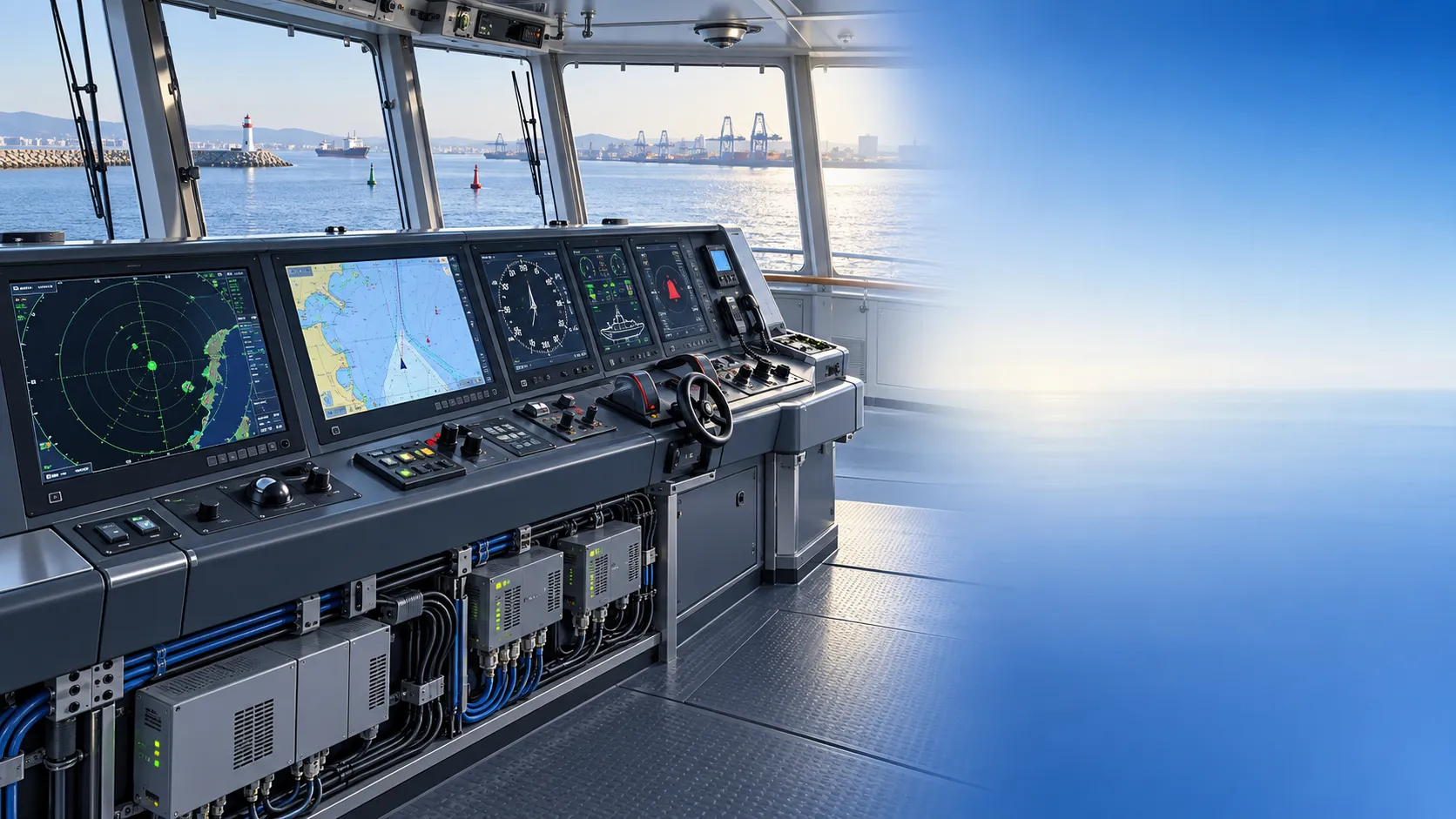
How to Specify Integrated Marine Electronics for Reliable Bridge Operations
Integrated marine electronics: learn how to specify reliable bridge systems with clear data flows, redundancy, alarm control, lifecycle interfaces, and operational testing.

How to Evaluate Navigation Radar Manufacturers for Commercial Vessel Projects
Navigation radar manufacturers: learn how to compare performance, compliance, integration, support, and lifecycle cost for commercial vessel projects.
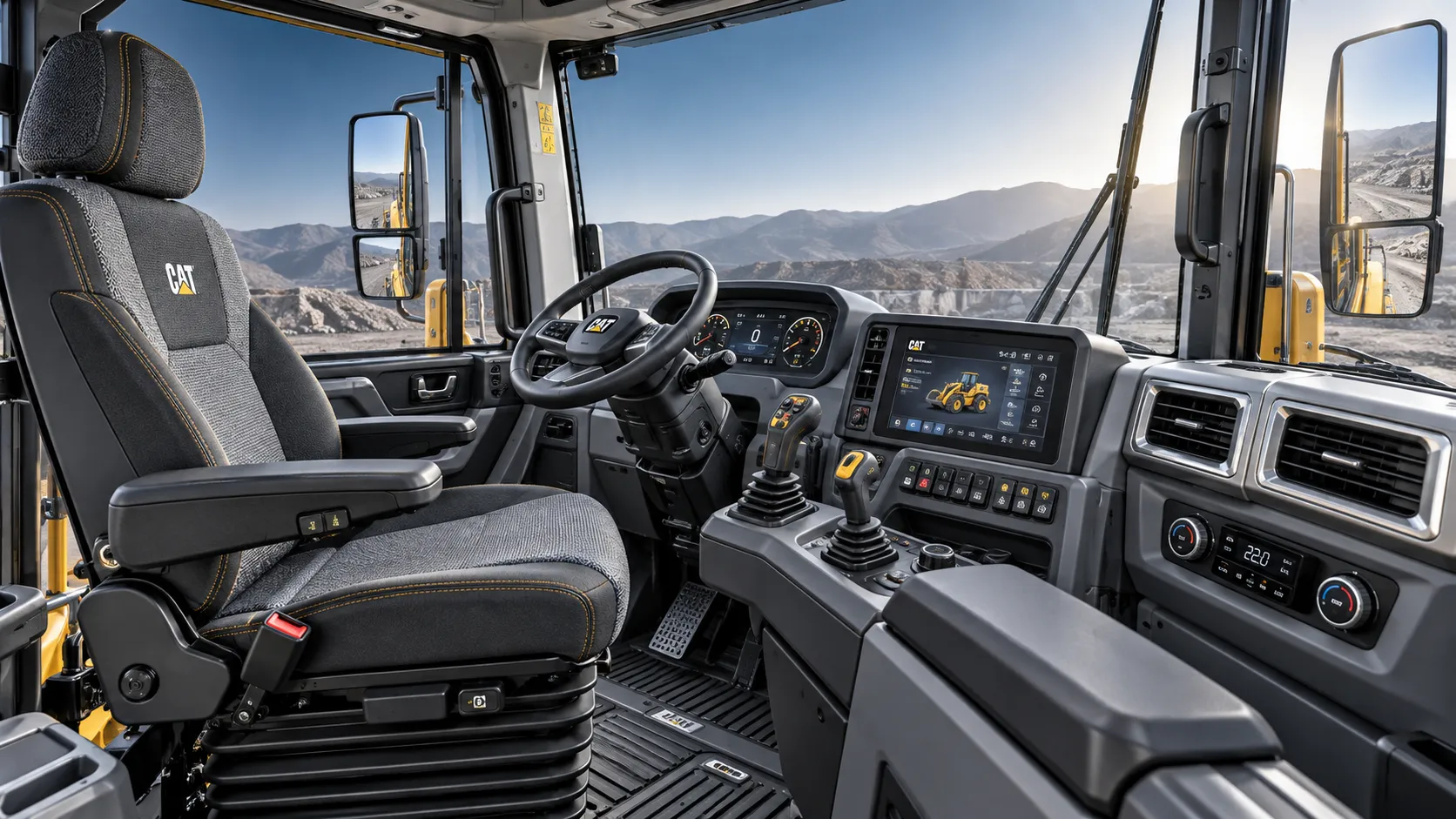
How Adjustable Cabin Ergonomics Reduce Operator Fatigue in Long-Shift Vehicles
Adjustable cabin ergonomics reduces operator fatigue through better seating, reach, visibility, vibration control, and climate comfort for safer long-shift vehicles.
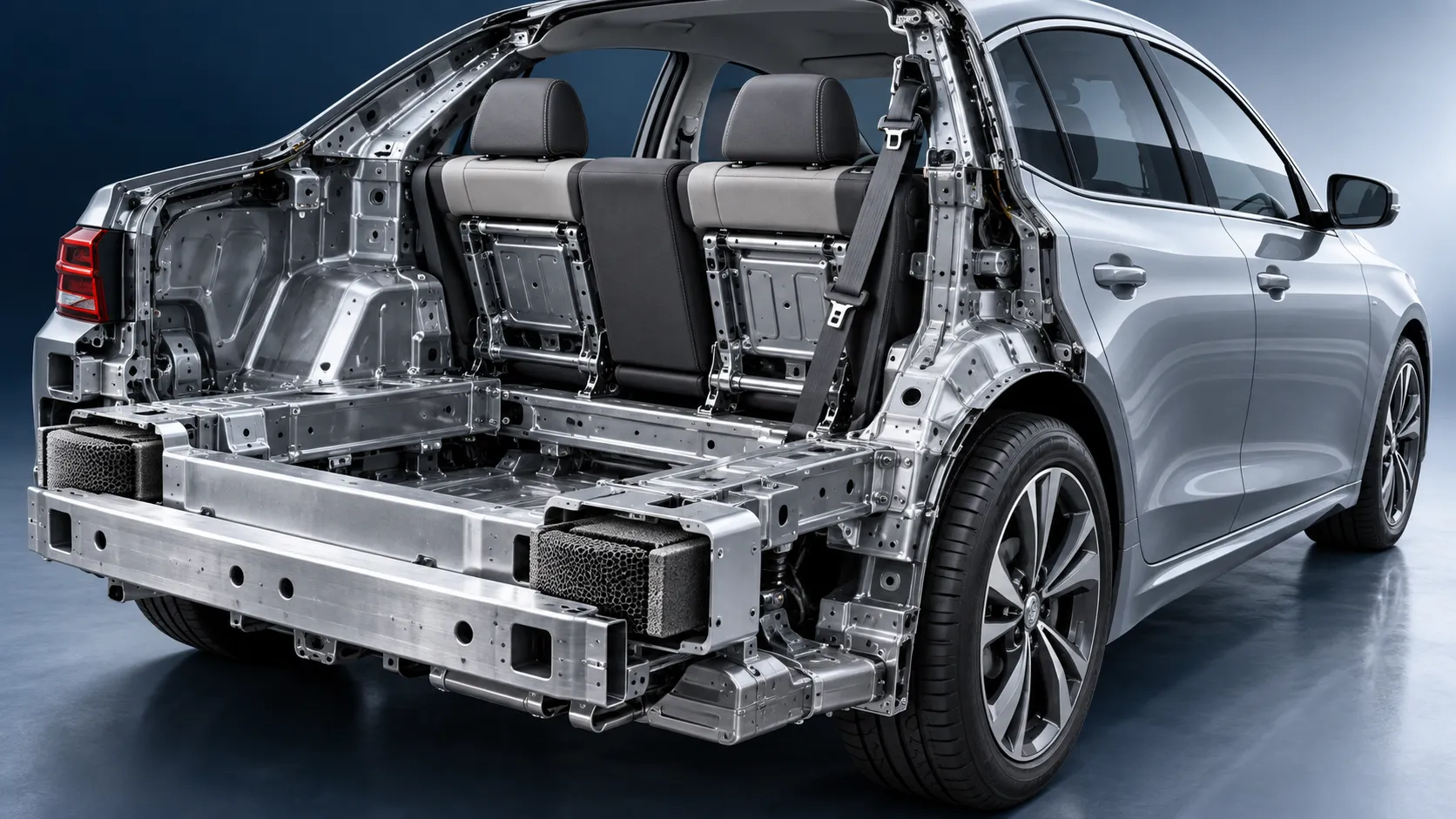
How Rear-Impact Safety Components Work Together to Protect Vehicle Occupants
Explore how automotive safety components for rear impact work together—from crash structures and seats to head restraints and belts—to enhance occupant protection.
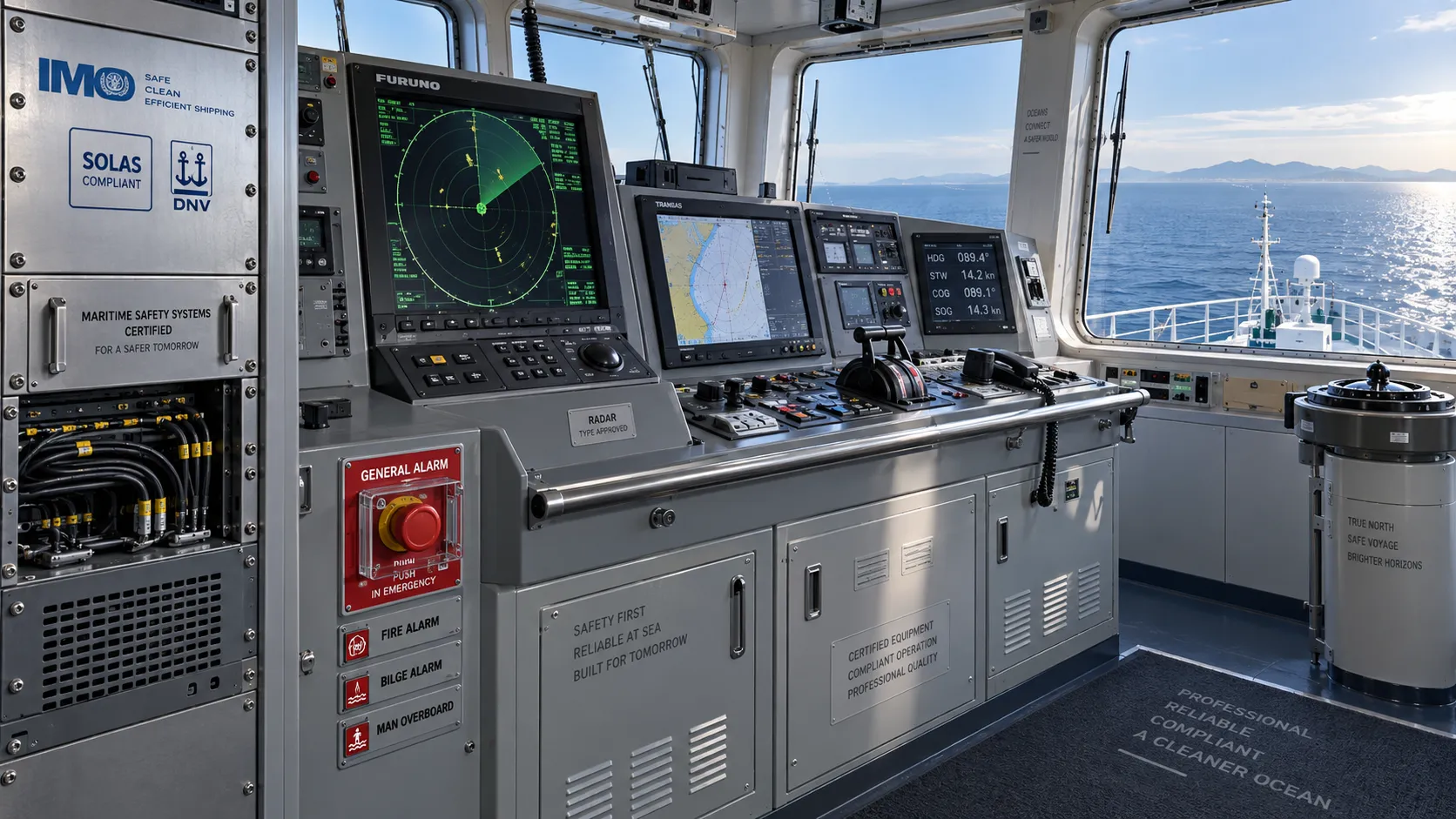
How to Evaluate a Marine Safety Systems Manufacturer for Vessel Compliance and Reliability
Marine safety systems manufacturer evaluation guide: verify compliance, engineering quality, lifecycle costs, and global service support for safer, reliable vessel operations.
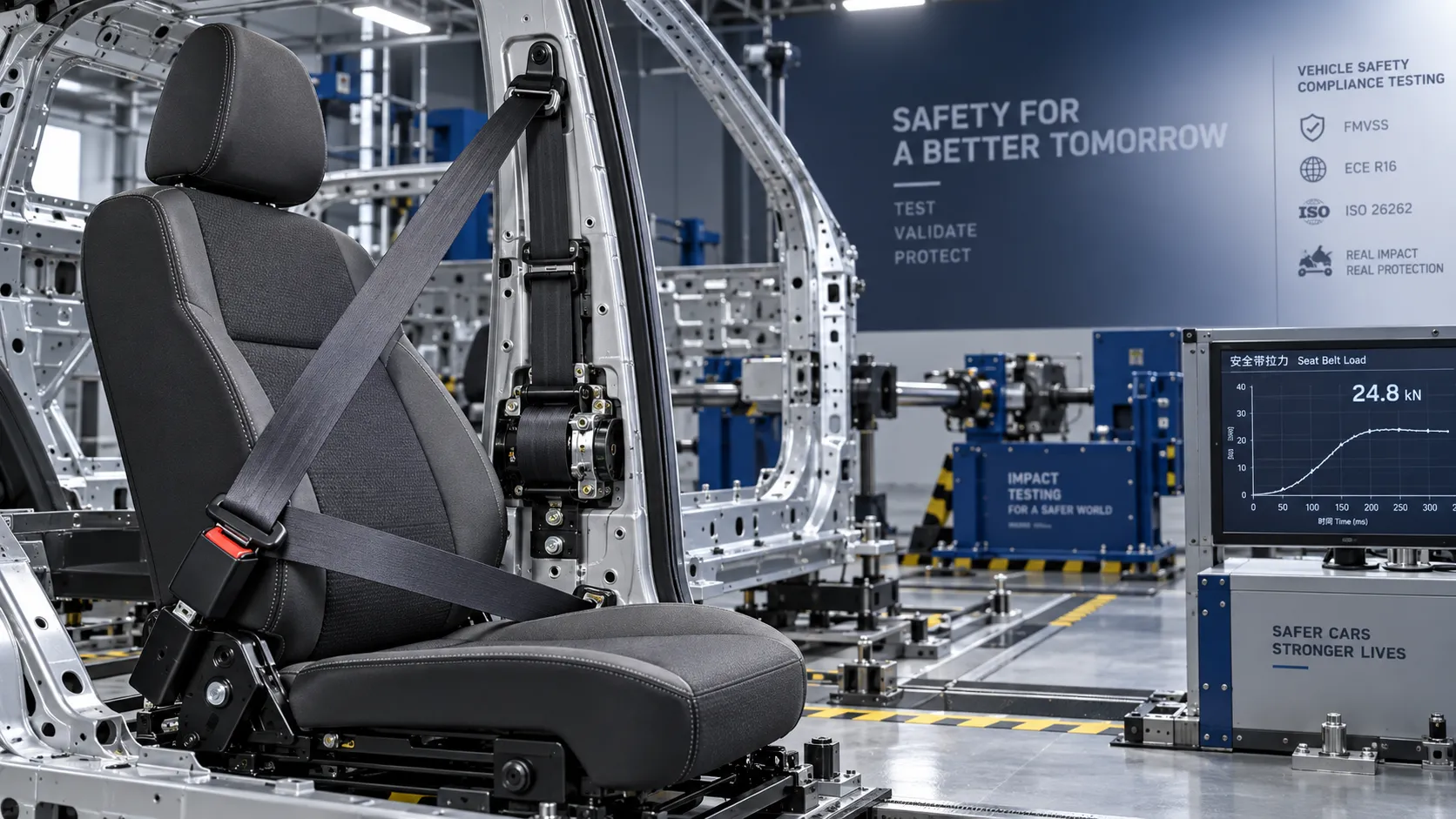
Crash Test Regulations for Seatbelts: Key Compliance Requirements Explained
Crash test regulations seatbelts explained: explore FMVSS, UN rules, anchorage strength, and dynamic restraint testing for safer, compliant vehicle systems.
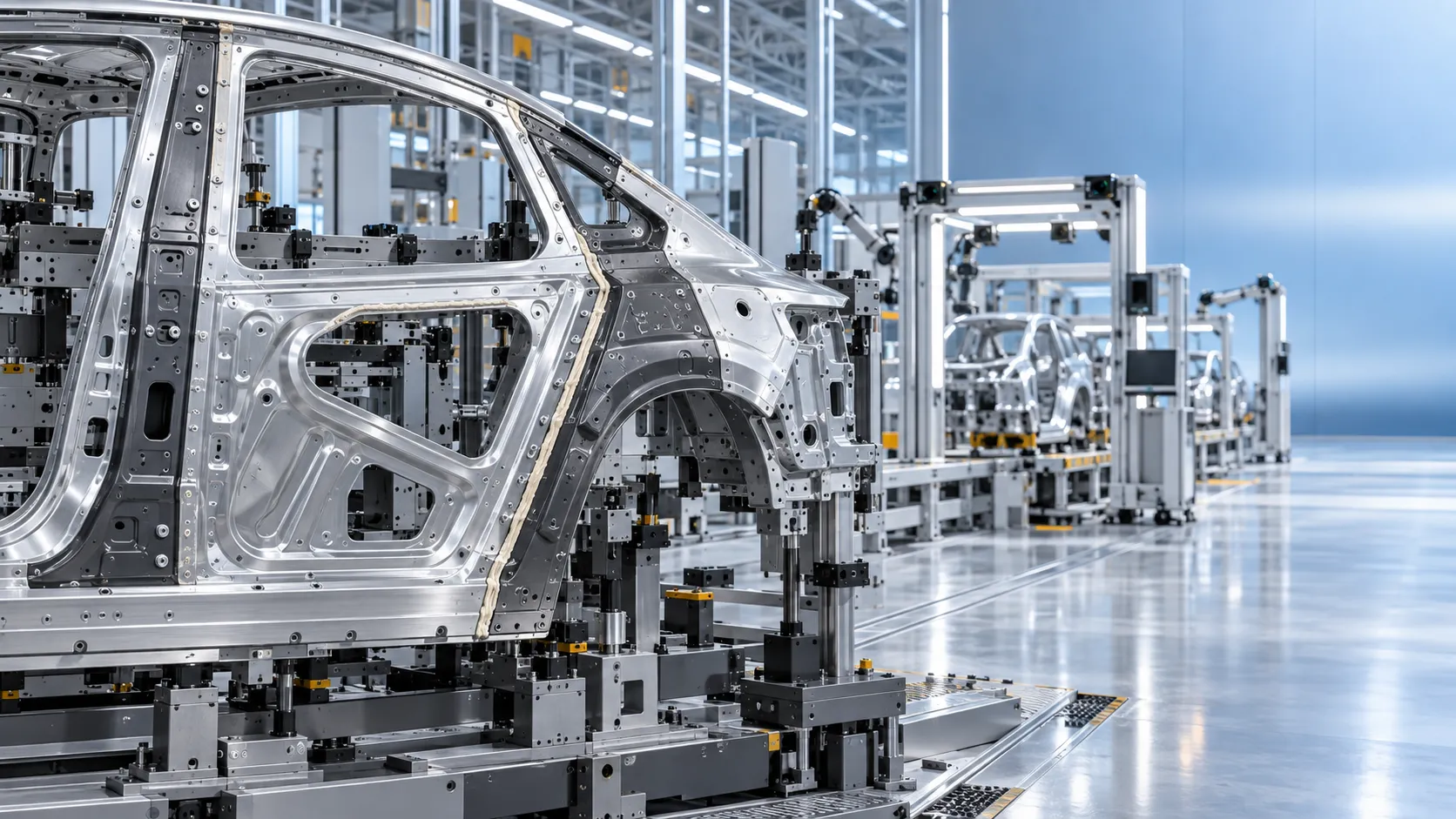
How to Calculate the Total Cost of Automotive Lightweighting for a Vehicle Program
Automotive lightweight solutions cost: learn how to calculate program-level costs, including materials, tooling, joining, validation, risk, and vehicle-level value.
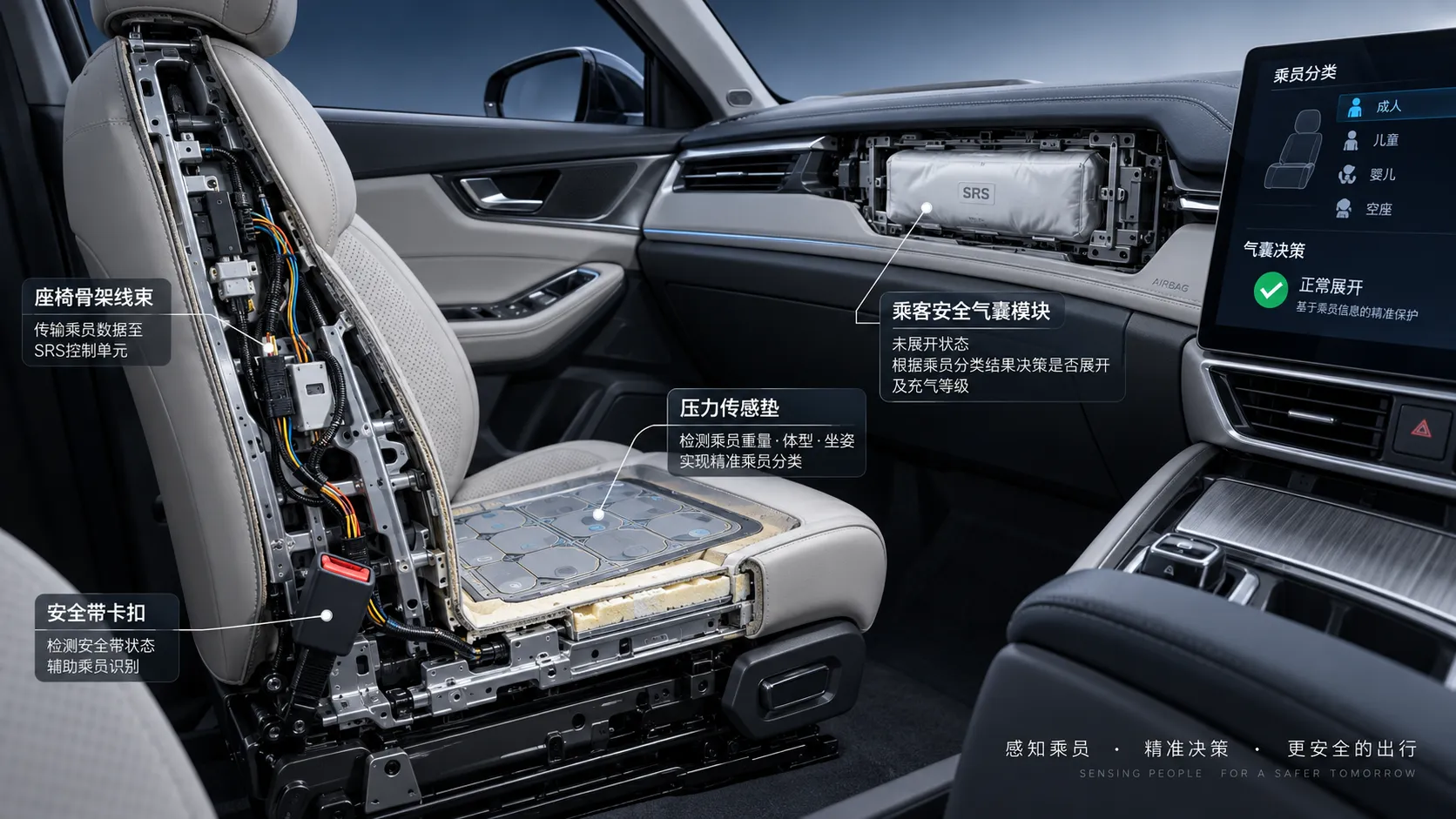
How Automotive Seat Occupancy Sensing Improves Airbag Deployment Decisions
Automotive seat occupancy sensing helps optimize airbag deployment decisions, improving passenger classification, safety diagnostics, and compliance across real-world conditions.
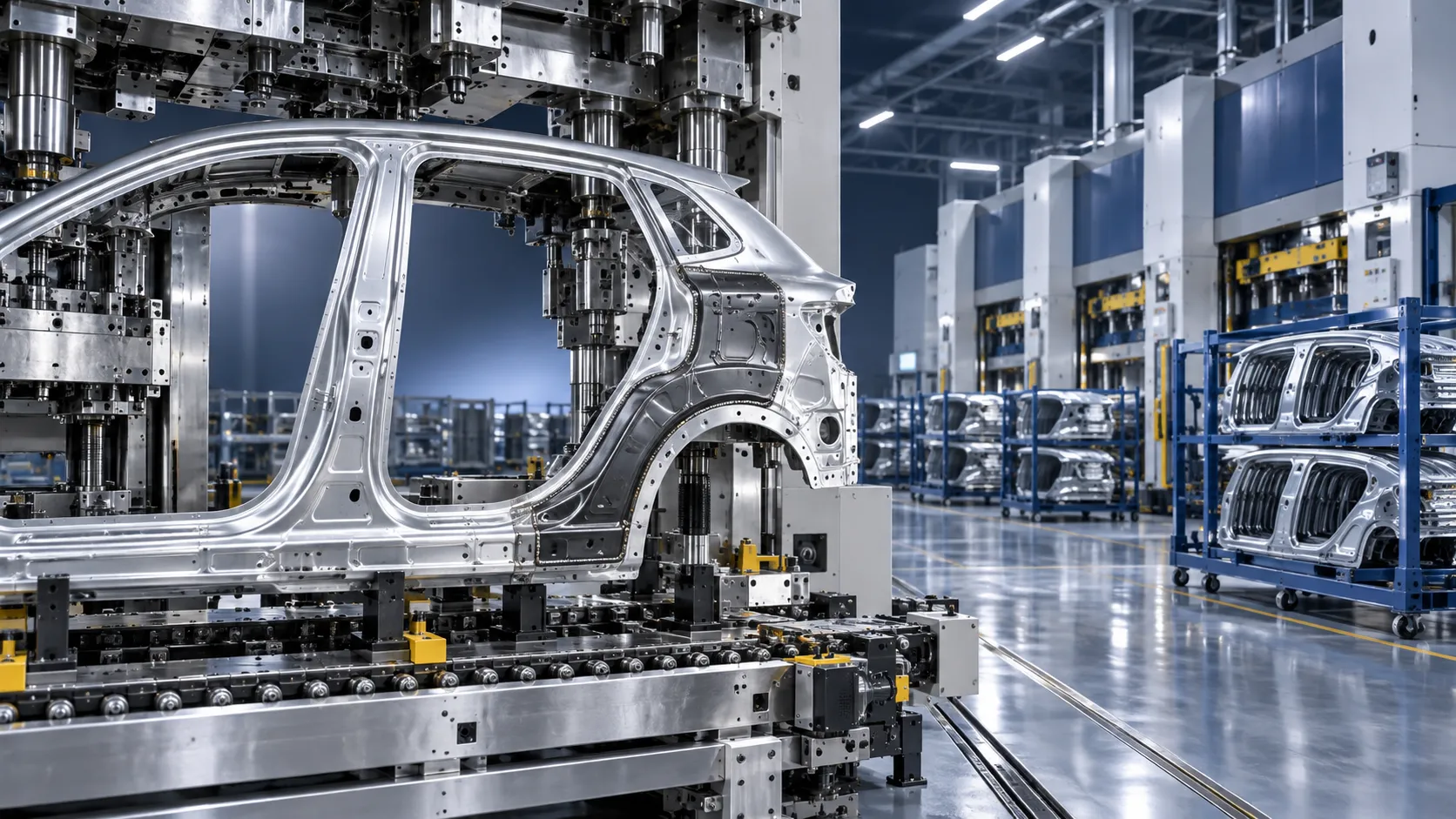
What Drives Lightweight Body Component Costs in High-Volume Vehicle Programs?
Lightweight body components cost depends on material yield, forming, joining, tooling, validation, and logistics. Explore proven ways to optimize total vehicle program cost.
Related News
- 00
0000-00
Climate Control Seats Cost: What Drives Price and Long-Term Ownership Value? - 00
0000-00
Seat Comfort Solutions Foam: How to Compare Density, Resilience, and Fatigue Performance - 00
0000-00
Seat Comfort Systems Manufacturer Selection Guide: Functions, Integration Options, and Testing Points - 00
0000-00
Seat Comfort Systems Explained: Key Functions, Module Types, and Integration Points - 00
0000-00
Seat Climate Systems Price Guide: What Affects Cost and Which Features Matter Most?
Weekly Insights
Stay ahead with our curated technology reports delivered every Monday.