
Seat Climate Systems Price Guide: What Affects Cost and Which Features Matter Most?
Why does seat climate systems price vary so much across programs?
Seat climate systems price rarely comes down to one part. It reflects the full architecture behind comfort, control, durability, and integration.
In practical sourcing work, a heated seat pad and a multi-zone climate seat are not close substitutes. They sit in different cost and engineering categories.
The largest price gaps usually come from airflow design, heating response, control logic, sensor count, seat trim compatibility, and vehicle-level integration.
A basic system may include heating mats, a simple blower, and manual controls. A premium system often adds occupancy sensing, temperature feedback, zonal management, and quieter airflow packaging.
That is why seat climate systems price should be reviewed as a system cost, not only a component quote.
Within GNCS coverage of smart seating, this matters because micro-climate control is tied to cabin ergonomics, passive safety packaging, and long-cycle reliability.
A low initial price can look attractive. Yet it may create hidden cost through revalidation, trim redesign, acoustic complaints, or higher warranty exposure later.
Which cost drivers have the biggest impact on seat climate systems price?
The quickest way to understand seat climate systems price is to separate visible hardware from less obvious engineering content.
Several factors tend to move pricing more than buyers expect:
- Thermal function scope: heating only, ventilation only, or combined heating and ventilation.
- Number of zones: cushion only costs less than cushion plus backrest with independent control.
- Fan and duct design: higher airflow and lower noise usually require better packaging and materials.
- Sensor package: temperature, occupancy, humidity, and pressure feedback all add cost.
- Seat foam and trim compatibility: perforated leather, layered textiles, and lightweight foam designs change system performance.
- Control unit strategy: standalone modules differ from body or seat control integration.
- Compliance and validation: EMC, durability, flammability, and vehicle crash packaging checks add engineering hours.
More often than not, integration complexity is underestimated. A seat climate module may be simple on paper, but difficult once seat frame geometry, harness routing, and occupant protection zones are involved.
That is especially true in programs balancing lightweight bodies, passive safety targets, and compact cabin packaging.
A quick comparison table helps frame the discussion
The table below is not a quotation sheet. It is a decision aid for understanding what usually pushes seat climate systems price upward.
Are premium features worth the extra spend, or mostly cosmetic?
Some premium features are easy to market but hard to justify. Others directly affect user comfort, thermal consistency, and field performance.
Features that usually deserve close attention include fast warm-up, stable airflow distribution, low operating noise, and reliable temperature feedback.
Those functions influence daily perception far more than a long feature list with weak calibration.
In higher-end cabins, response speed matters. If heat-up time is slow or airflow feels uneven, the seat climate systems price may be lower, but the perceived value drops quickly.
The same applies to smart control features. Memory profiles and automatic adjustment can be worthwhile when tied to real occupancy patterns and cabin comfort goals.
By contrast, adding complexity without a clear use case can inflate seat climate systems price and create more failure points.
A useful test is simple: does the feature improve thermal performance, reduce complaints, support platform differentiation, or ease integration with broader seat electronics?
If the answer is unclear, the feature may belong on a later roadmap rather than the first sourcing round.
Where do buyers misread seat climate systems price most often?
One common mistake is comparing quotes without normalizing the technical baseline. A lower number may exclude software tuning, validation scope, or interface hardware.
Another mistake is treating seat trim and climate hardware as separate decisions. In reality, perforation pattern, foam density, cover stack, and airflow path are linked.
There is also a frequent timing problem. When a seat climate system is introduced late, the nominal part price may stay manageable, but launch cost often does not.
This is where cross-domain intelligence becomes valuable. GNCS often tracks how seat systems interact with lightweight structures, safety packaging, and regulatory verification rather than viewing them as isolated options.
That broader view helps identify hidden cost drivers earlier.
- Noise targets may require blower redesign.
- Seatback packaging may conflict with airbags or harness routing.
- Thermal performance may change after trim material substitution.
- Warranty risk may rise when supplier validation is too narrow.
If those items are ignored, the quoted seat climate systems price tells only part of the story.
How should seat climate systems price be evaluated against long-term value?
A good evaluation model looks beyond piece price. It combines program fit, engineering maturity, service risk, and expected user perception.
In many cases, the lowest seat climate systems price is not the lowest total cost.
A practical review should include these checks:
- Confirm actual thermal performance under the target trim and foam stack.
- Review integration with seat control units, occupancy systems, and cabin electronics.
- Check durability data for fan life, heating cycles, and connector stability.
- Ask how validation covers vibration, EMC, flammability, and climate exposure.
- Map change cost if the program later adds new trims or regional variants.
This approach is especially useful in global mobility programs, where one seating platform may support different comfort expectations, compliance pathways, and environmental loads.
Long-term value also includes supplier transparency. Clear documentation on airflow curves, heating response, software logic, and validation boundaries reduces downstream uncertainty.
A simple judgment table for final comparison
What is the smartest next step before locking a supplier or feature mix?
Start by defining the thermal experience the seat must deliver, not just the option code it should carry.
Then align that target with trim material, seat architecture, electronics strategy, and validation boundaries. This creates a more realistic view of seat climate systems price.
A disciplined review usually answers four things: what level of comfort is required, which features are essential, where integration risk sits, and which quoted costs are truly comparable.
For organizations tracking smart seating through GNCS, the stronger decisions usually come from linking comfort features with structural, safety, and compliance realities early.
That makes the final choice less about chasing the lowest seat climate systems price and more about selecting the right cost-performance balance for the full program lifecycle.
The next practical move is to build a short comparison sheet using scope, feature value, integration effort, and validation depth. That is where pricing starts to become usable intelligence rather than just a number.
Related News

What Factors Drive Marine Navigation Components Cost in Commercial Vessel Projects?
Marine navigation components cost is shaped by integration, compliance, installation, and lifecycle support. Discover what drives pricing and how buyers can reduce risk while improving value.
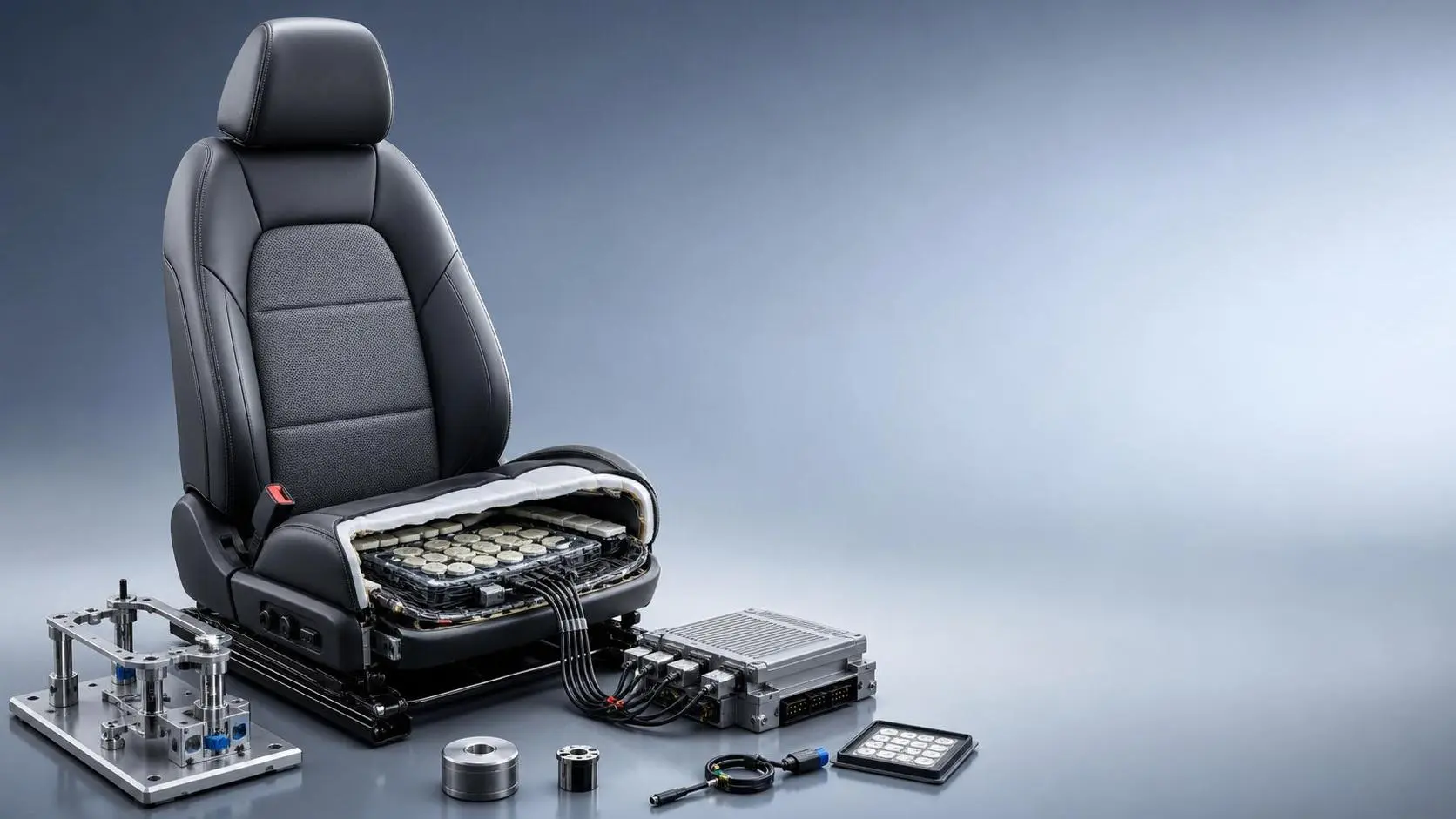
How Much Does Seat Occupancy Sensing Cost? Key Pricing Factors for Buyers
Seat occupancy sensing price varies widely by technology, integration, and compliance needs. Learn the key cost drivers, avoid hidden fees, and make smarter buying decisions.

How to Specify Micro-Climate Control Cabins for Harsh Outdoor Worksites?
Micro-climate control cabins for harsh outdoor worksites: learn how to specify thermal control, filtration, pressurization, and durability for safer uptime and smarter buying.
How to Evaluate a B2B Product Knowledge Platform for Faster Procurement Decisions
B2B product knowledge platform procurement starts with reducing decision risk. Learn how to compare specs, compliance, and supplier data to speed sourcing with confidence.
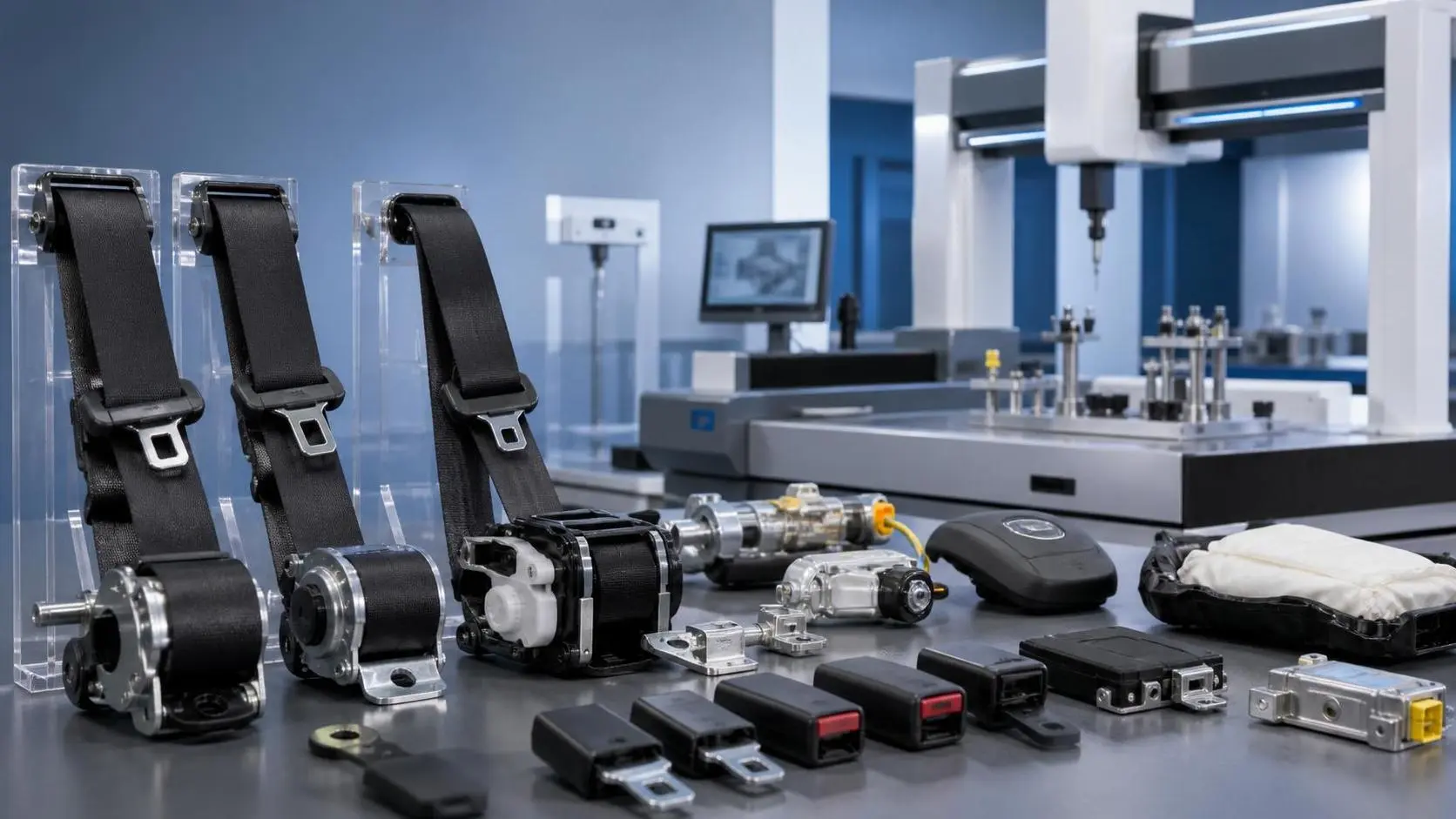
How to Evaluate an Occupant Restraint Systems Exporter for Quality, Compliance, and Supply Risk
Occupant restraint systems exporter evaluation guide: learn how to verify quality controls, compliance evidence, and supply risk before sourcing to avoid recalls, delays, and hidden costs.
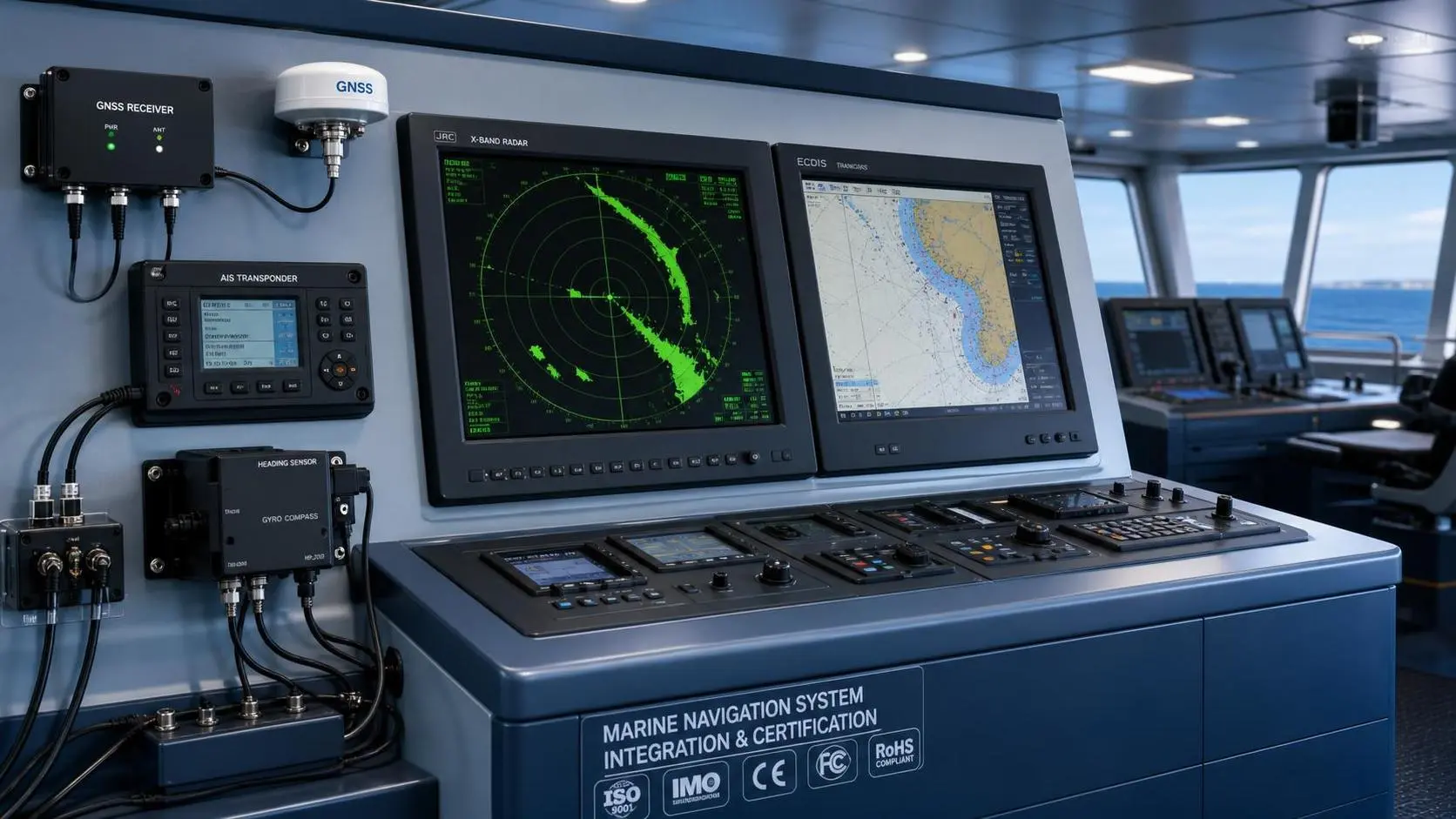
Navigation Compliance Certification: Which Marine Systems Need It and How to Prepare?
Navigation compliance certification explained: discover which marine systems need approval, what documents matter, and how to prepare early to avoid delays, rework, and costly project risks.
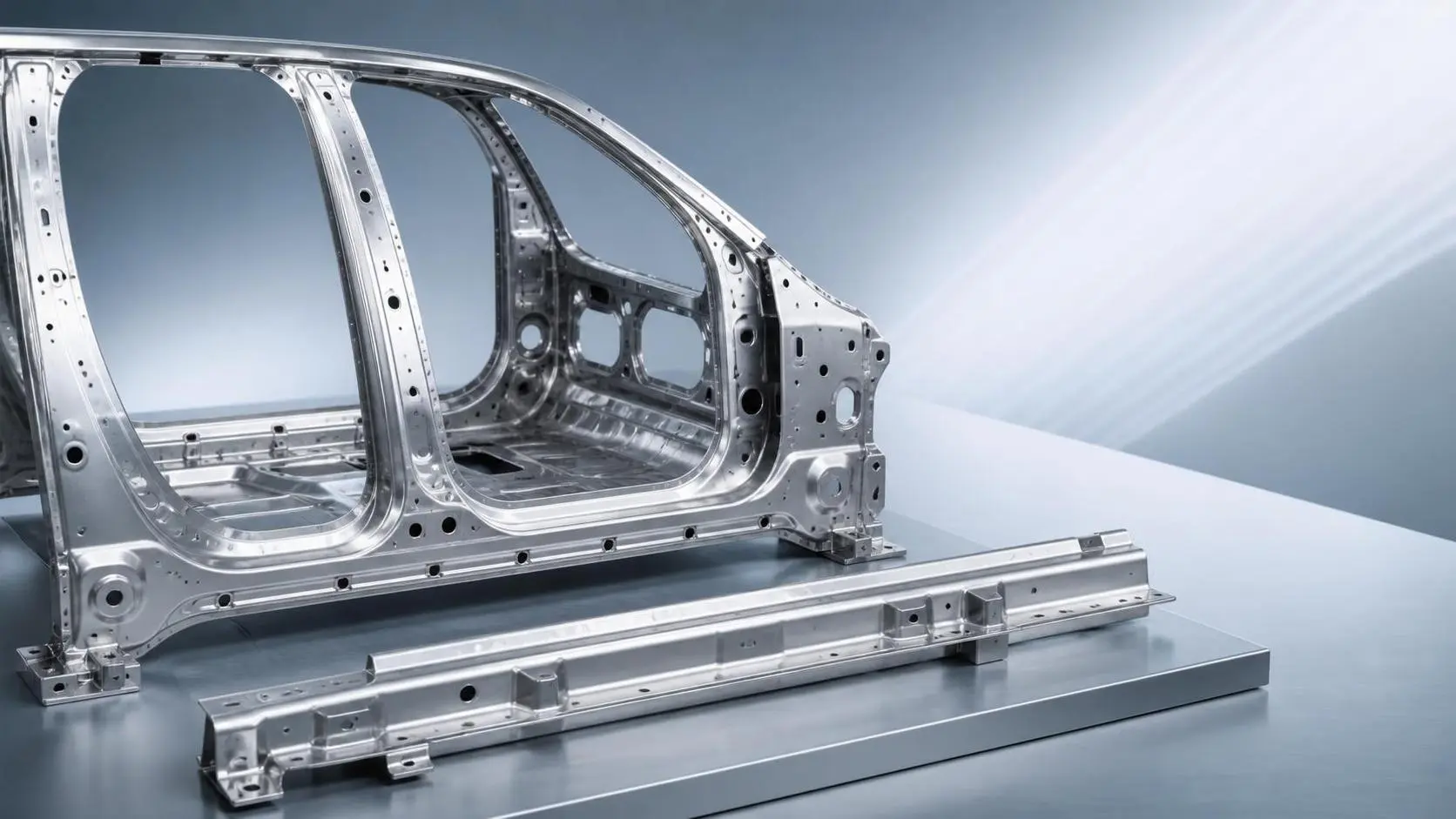
How to Evaluate Steel Auto Body Stampings for Strength, Fit, and Cost
Steel auto body stampings should be judged by strength, fit, and total cost together. Learn how to compare materials, forming limits, springback, joining, and tooling before choosing.
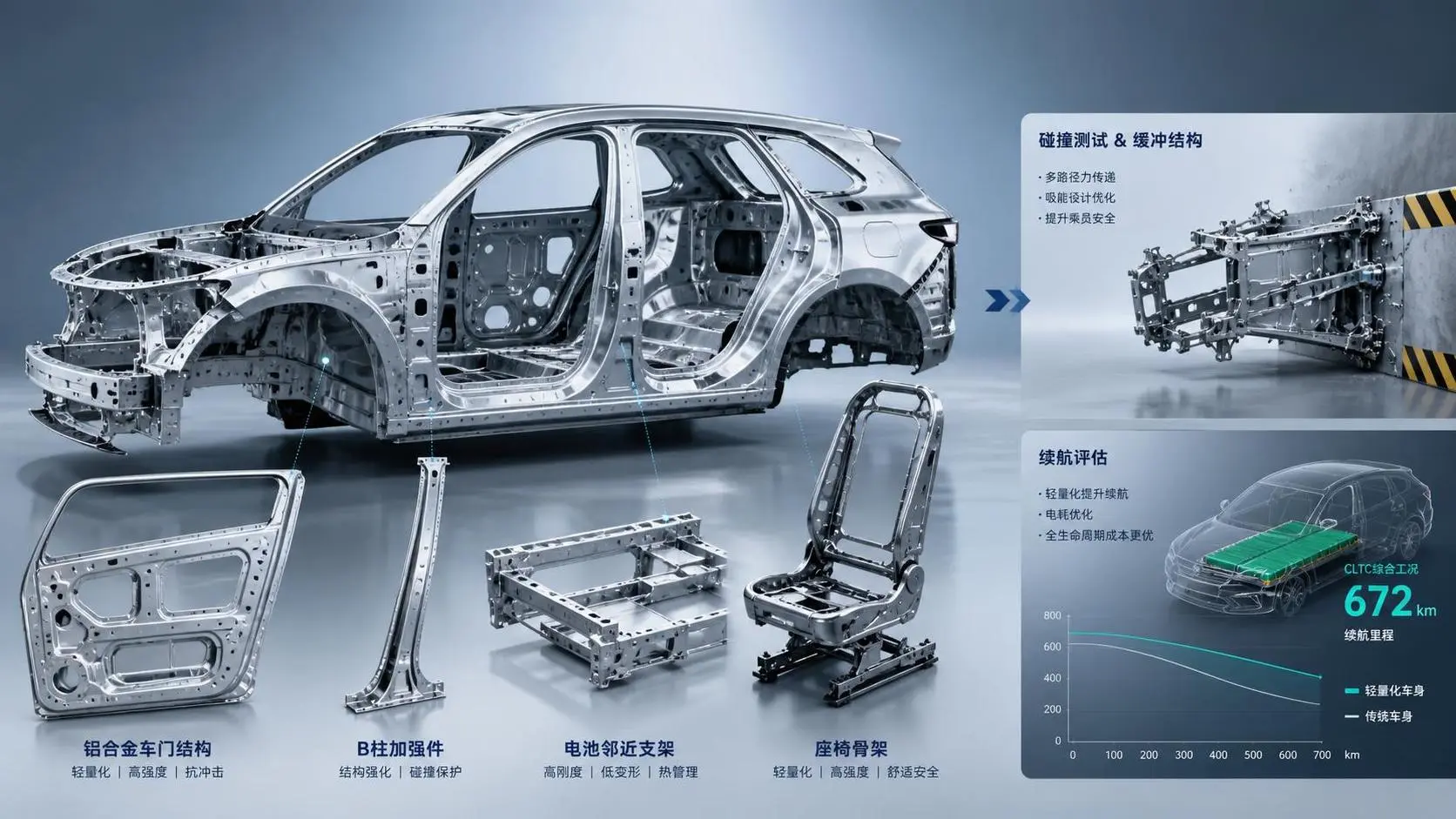
How to Evaluate Lightweight Automotive Components for EV Range and Crash Performance
Lightweight automotive components for EVs: learn how to evaluate real range gains, crash performance, joining risk, and manufacturability to choose safer, smarter EV parts.
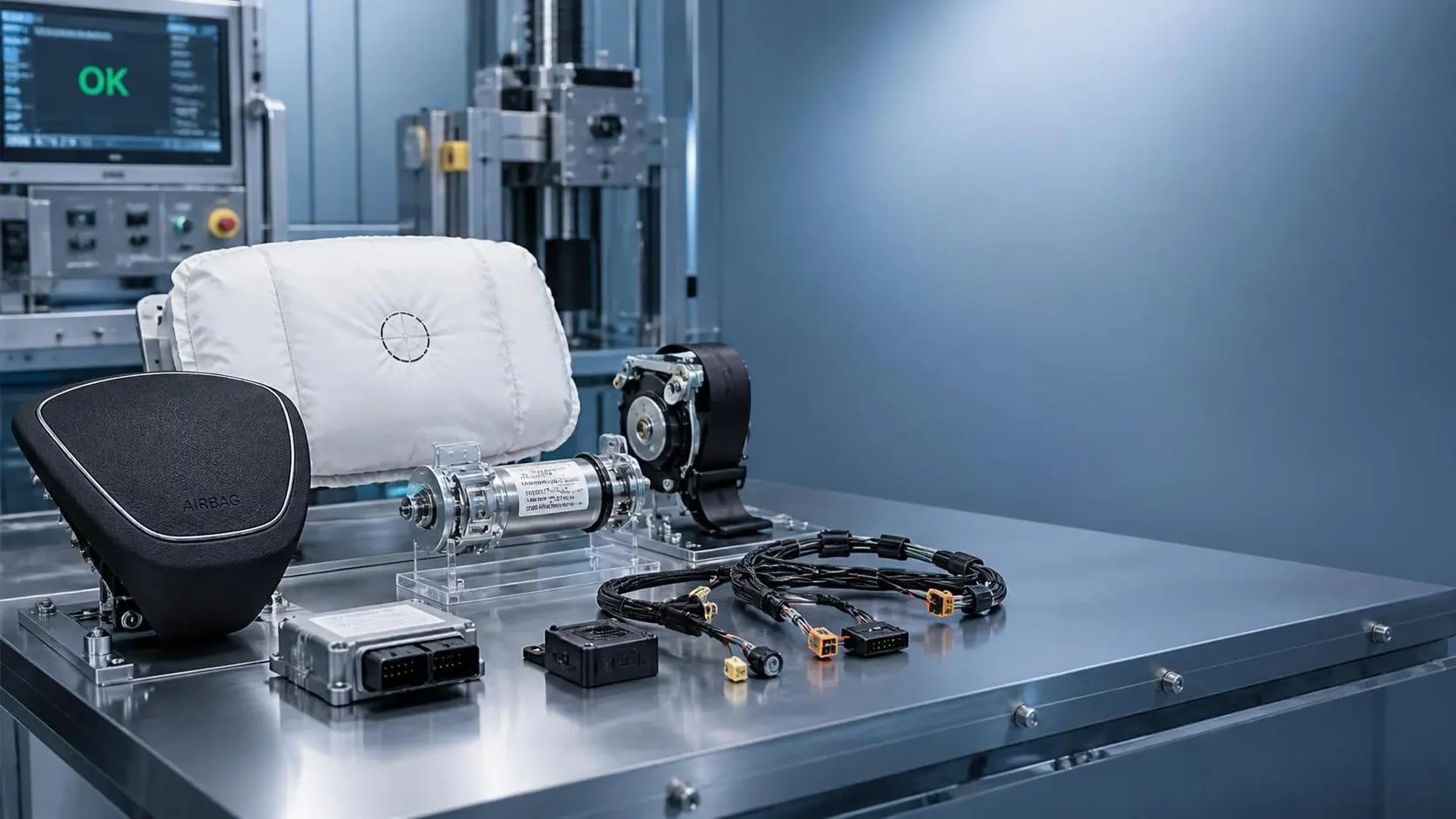
How to Evaluate Airbag Components for OEM Safety Performance and Compliance?
Airbag components evaluation guide for OEM teams: compare deployment performance, inflator consistency, compliance evidence, and supplier traceability to reduce safety risk and choose with confidence.
Related News
- 00
0000-00
Seat Comfort Solutions Foam: How to Compare Density, Resilience, and Fatigue Performance - 00
0000-00
Seat Comfort Systems Manufacturer Selection Guide: Functions, Integration Options, and Testing Points - 00
0000-00
Seat Comfort Systems Explained: Key Functions, Module Types, and Integration Points - 00
0000-00
Seat Climate Systems Price Guide: What Affects Cost and Which Features Matter Most? - 00
0000-00
Cabin Comfort Solutions for Passenger Vehicles: How to Choose Features That Improve Ride Quality
Weekly Insights
Stay ahead with our curated technology reports delivered every Monday.