
How Micro-Climate Control Seats Improve Thermal Comfort in Premium Vehicle Interiors
Why micro-climate control matters beyond cabin luxury
In premium interiors, thermal comfort is no longer judged by cabin temperature alone.
The seat has become the most direct thermal interface between body, material, and vehicle system logic.
That is why micro-climate control now sits at the center of smart seating decisions.
A well-designed micro-climate control seat manages heat, humidity, airflow, and contact pressure together.
The result is not only faster comfort perception.
It also affects fatigue, energy use, sensor strategy, and even how premium quality is experienced.
Within the wider GNCS view of mobility equipment, this matters because cabin comfort cannot be separated from safety, lightweight design, and intelligent control.
The same platform that tracks passive safety performance and structural efficiency also needs to understand human thermal response in real use.
In practice, micro-climate control is where precision perception meets occupant containment quality inside the cabin.
Actual use cases change what “good thermal comfort” means
Not every premium vehicle asks the seat to solve the same problem.
A chauffeured rear seat, a long-range EV front seat, and a high-performance crossover all create different thermal expectations.
The common mistake is to compare only airflow rate or heating power.
That misses how posture, trim materials, trip duration, and cabin load alter the thermal equation.
In short commutes, users usually notice response speed first.
During long-distance driving, moisture management and pressure-related heat buildup become more important.
In highly insulated cabins, lower ambient noise makes fan behavior more noticeable.
In lightweight platforms, power draw and packaging become stricter constraints.
This is why micro-climate control should be judged as a scenario-fit system, not a single feature.
Long-distance executive travel usually prioritizes stability
In premium sedans and luxury SUVs, the seat often supports continuous occupancy for several hours.
Here, micro-climate control must prevent gradual discomfort rather than deliver a dramatic first minute effect.
Breathable foam structure, zoned ventilation, and surface temperature consistency matter more than peak output.
If the lower back warms too quickly while the cushion lags, thermal imbalance appears even when specifications look strong.
This is also the scenario where low-noise fans and stable sensor feedback make the biggest difference.
Urban premium EVs often reward efficiency and fast correction
In city-focused EV cabins, thermal comfort is tied closely to energy management.
Micro-climate control seats can reduce the need for aggressive whole-cabin conditioning.
That helps preserve range while improving comfort during stop-and-go operation.
But this only works when seat sensing reacts quickly to occupancy, sunlight shifts, and short trip patterns.
A slow system may use power without creating a meaningful comfort advantage.
Performance-oriented cabins demand discreet thermal control
Sport seats present another challenge.
Higher lateral support improves body control, but it also reduces natural air circulation around the torso and thighs.
In this setting, micro-climate control must work inside tighter foam volumes and more sculpted trim shapes.
The best solutions keep airflow targeted and unobtrusive.
Too much fan sensation can feel artificial and conflict with the refined character expected in the segment.
Different scenarios shift the evaluation priorities
A practical comparison helps separate visual luxury from real thermal performance.
The table also shows why a single benchmark rarely captures true seat performance.
Micro-climate control should be evaluated against duty cycle, cabin architecture, and occupant exposure time.
Where smart seating design really changes the outcome
The hardware inside the seat matters, but integration matters more.
Micro-climate control performs best when cushion structure, trim permeability, sensing, and software strategy are tuned together.
Perforated leather, for example, can look premium while still blocking useful airflow if backing layers are too restrictive.
Likewise, strong heating elements may create hot spots if pressure mapping is ignored.
GNCS often frames these topics as part of a broader intelligence chain.
Seat climate performance connects to lightweight magnesium frames, sensor reliability, crash packaging boundaries, and electronic control architecture.
That systems view is useful because premium seating rarely fails from one component alone.
It usually underperforms when thermal design, mechanical support, and control logic are developed in isolation.
Signals worth checking before calling a seat “advanced”
- Whether micro-climate control adapts to occupied and unoccupied states without wasting power.
- Whether airflow reaches contact zones instead of staying inside the foam path.
- Whether thermal response remains stable across different body sizes and seating postures.
- Whether seat noise stays acceptable in quiet premium cabins.
- Whether the system still performs after trim aging, dust exposure, and repeated compression.
Misjudgments often happen before validation starts
One common error is assuming heated and ventilated seats already equal micro-climate control.
They do not.
True micro-climate control implies coordinated management, not separate comfort functions placed side by side.
Another mistake is testing only under stable laboratory conditions.
Real cabins see solar load swings, layered clothing, varied humidity, and changing occupancy timing.
A seat that feels excellent at startup may become uneven after prolonged contact.
There is also a tendency to focus on purchase cost while ignoring maintenance realities.
Filter cleanliness, fan durability, foam recovery, and trim contamination all influence long-term thermal behavior.
In premium applications, durability is part of comfort credibility.
If micro-climate control fades noticeably over time, the whole seat loses perceived intelligence.
How to match micro-climate control to the right cabin strategy
A more reliable approach is to define the operating scenario first, then choose the thermal strategy.
- Map trip duration, ambient range, humidity exposure, and seat occupancy patterns.
- Check material stack-up, especially trim perforation, backing resistance, and foam airflow channels.
- Compare power budget limits with expected warm-up and cool-down targets.
- Test thermal comfort together with NVH, posture support, and safety packaging constraints.
- Plan maintenance intervals for fans, ducts, and seat surface contamination.
In many premium programs, the best answer is not the highest airflow or the hottest heater.
It is the most balanced micro-climate control system for the intended cabin mission.
That balance is especially important as mobility platforms become more digitalized, more lightweight, and more tightly regulated.
The seat now supports comfort, efficiency, and perceived safety at the same time.
A practical next step for evaluation
The strongest evaluations start with a scenario matrix rather than a feature checklist.
List the main cabin conditions, define acceptable thermal response windows, and record the limits on power, packaging, noise, and maintenance.
From there, micro-climate control can be assessed as a system-level capability.
That makes it easier to compare smart seating solutions, identify hidden trade-offs, and set realistic performance targets.
For GNCS-style analysis, this is the useful lens.
Thermal comfort is not separate from mobility engineering.
It is one more precision layer inside the broader effort to make cabins safer, smarter, lighter, and more credible in real operation.
Related News
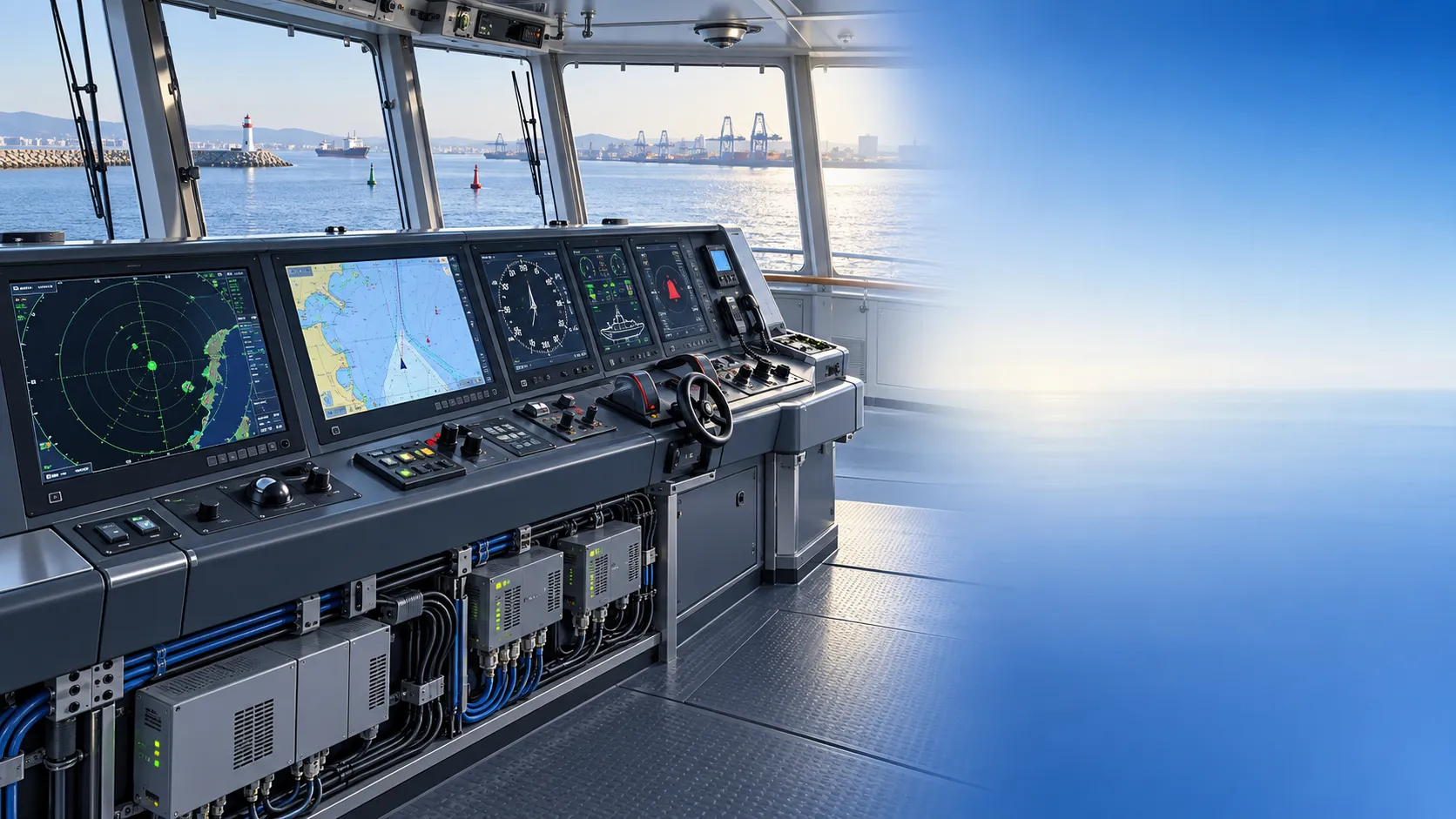
How to Specify Integrated Marine Electronics for Reliable Bridge Operations
Integrated marine electronics: learn how to specify reliable bridge systems with clear data flows, redundancy, alarm control, lifecycle interfaces, and operational testing.

How to Evaluate Navigation Radar Manufacturers for Commercial Vessel Projects
Navigation radar manufacturers: learn how to compare performance, compliance, integration, support, and lifecycle cost for commercial vessel projects.
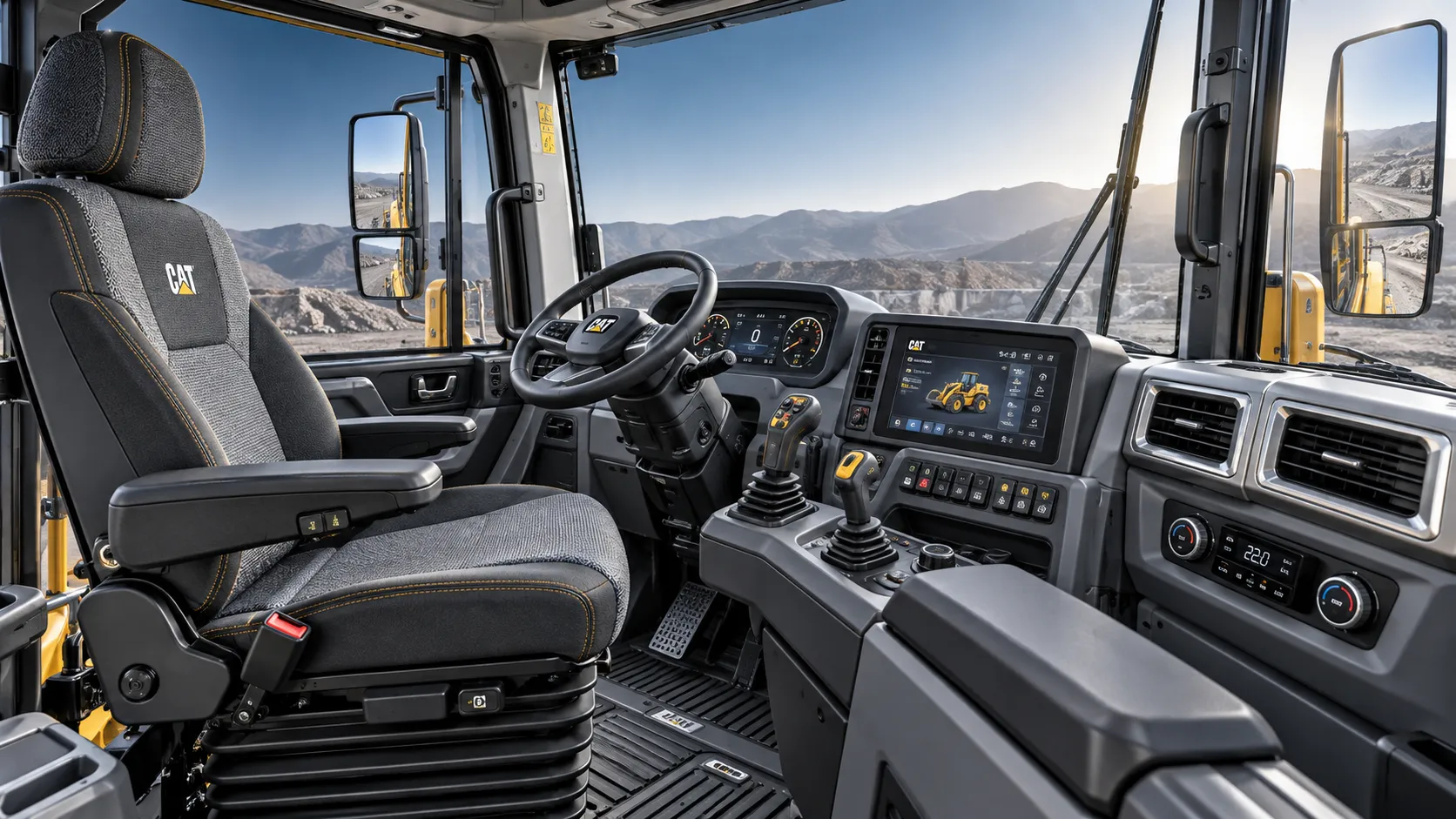
How Adjustable Cabin Ergonomics Reduce Operator Fatigue in Long-Shift Vehicles
Adjustable cabin ergonomics reduces operator fatigue through better seating, reach, visibility, vibration control, and climate comfort for safer long-shift vehicles.
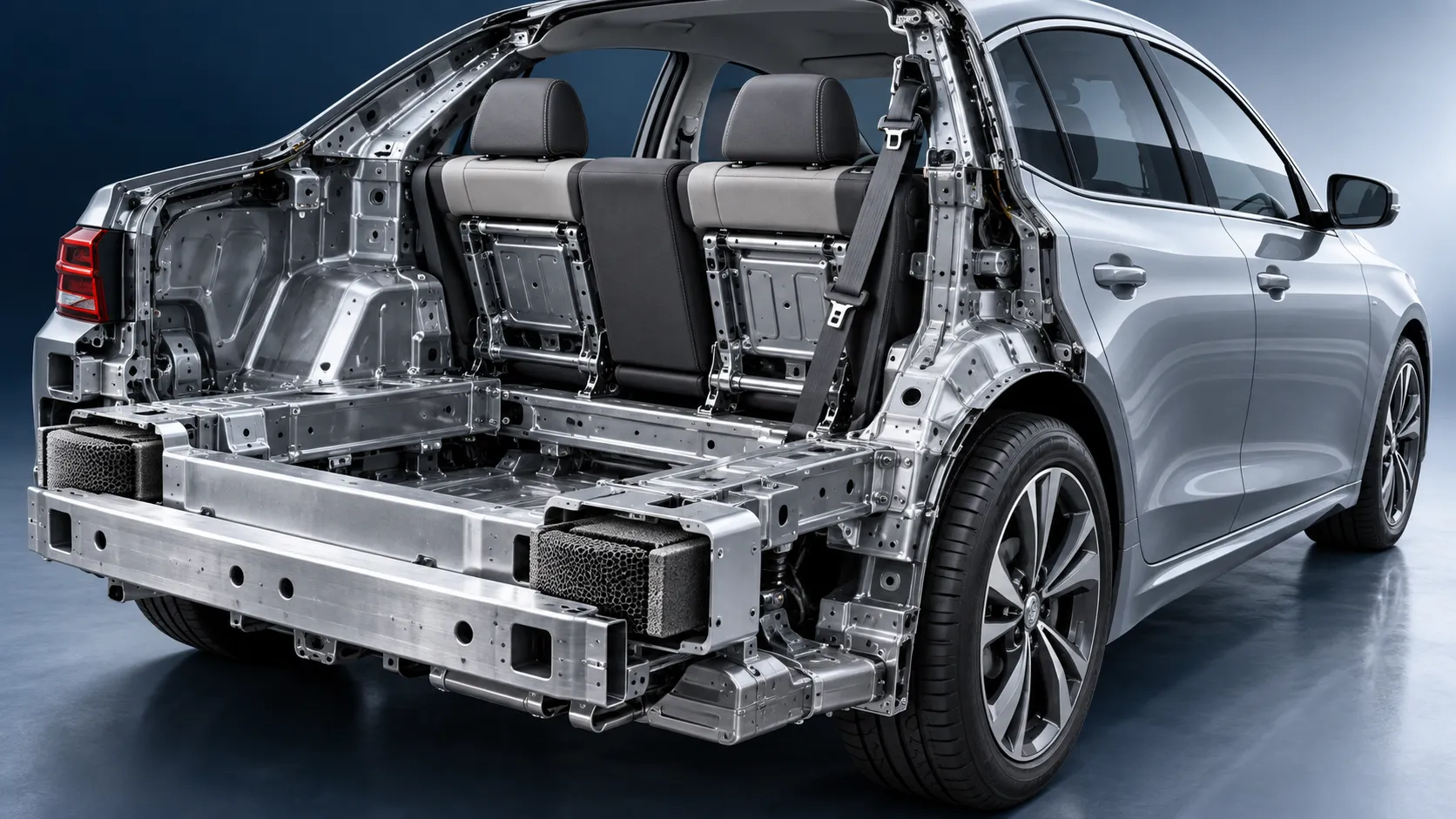
How Rear-Impact Safety Components Work Together to Protect Vehicle Occupants
Explore how automotive safety components for rear impact work together—from crash structures and seats to head restraints and belts—to enhance occupant protection.
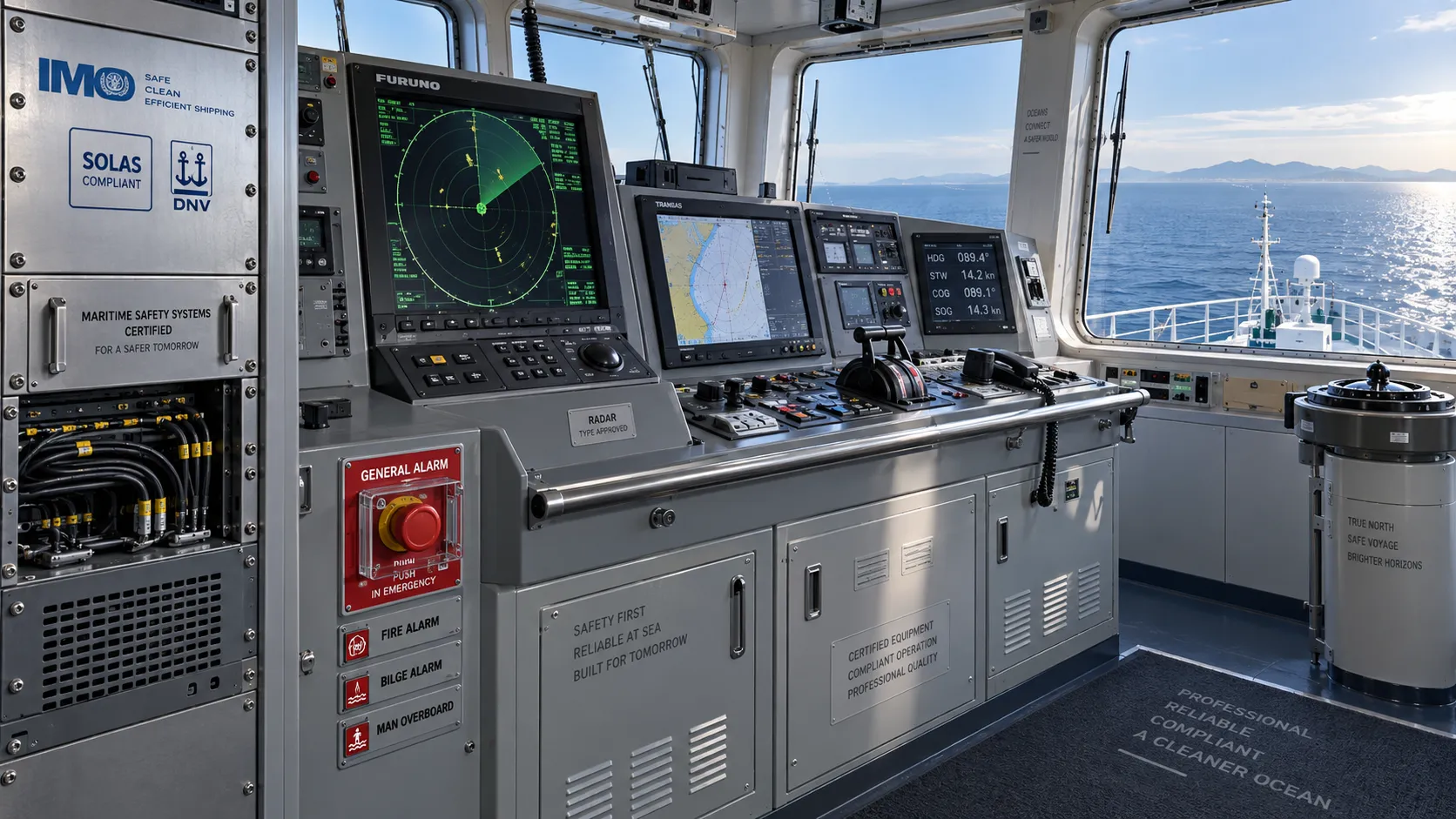
How to Evaluate a Marine Safety Systems Manufacturer for Vessel Compliance and Reliability
Marine safety systems manufacturer evaluation guide: verify compliance, engineering quality, lifecycle costs, and global service support for safer, reliable vessel operations.
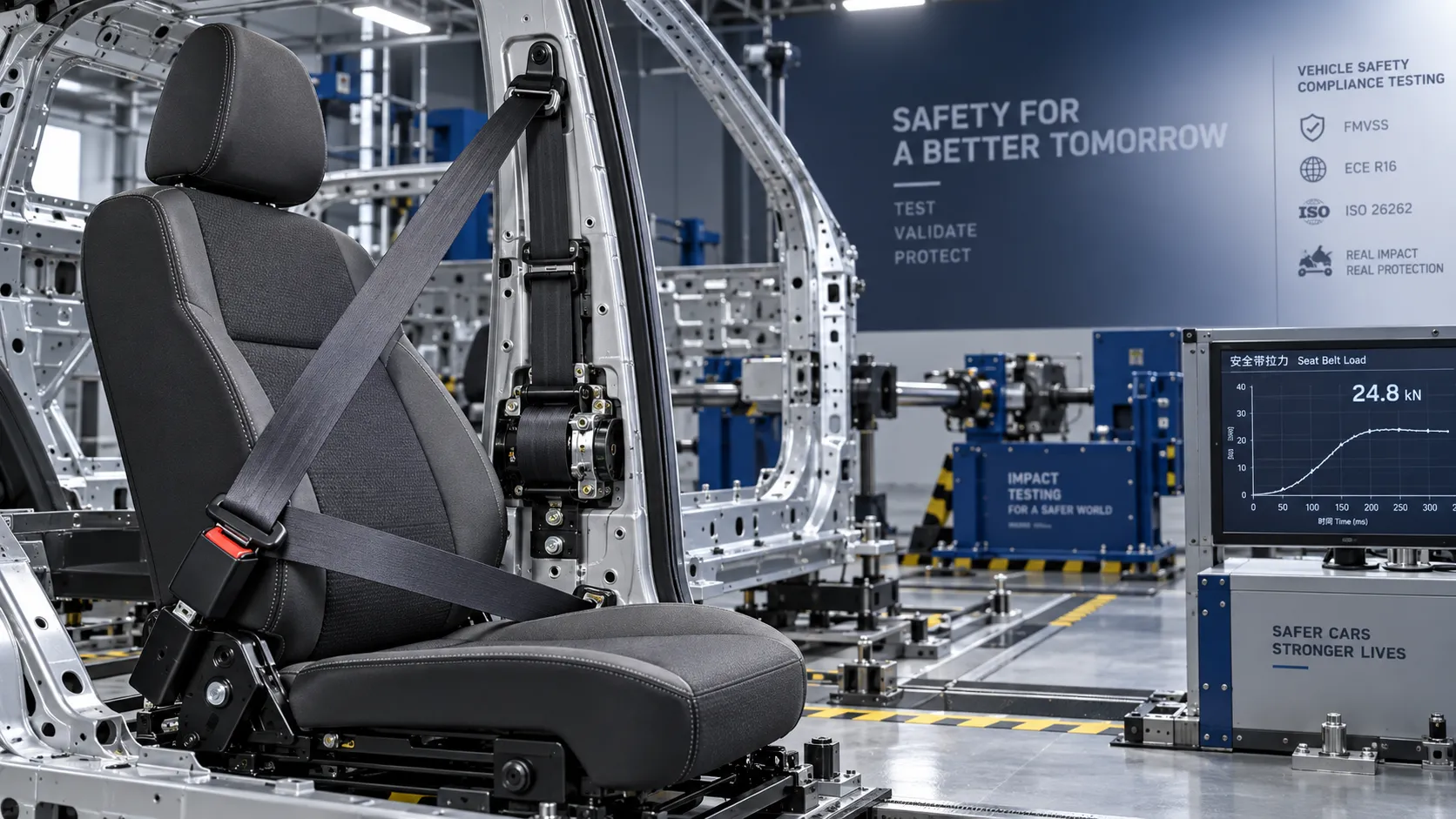
Crash Test Regulations for Seatbelts: Key Compliance Requirements Explained
Crash test regulations seatbelts explained: explore FMVSS, UN rules, anchorage strength, and dynamic restraint testing for safer, compliant vehicle systems.

How to Calculate the Total Cost of Automotive Lightweighting for a Vehicle Program
Automotive lightweight solutions cost: learn how to calculate program-level costs, including materials, tooling, joining, validation, risk, and vehicle-level value.
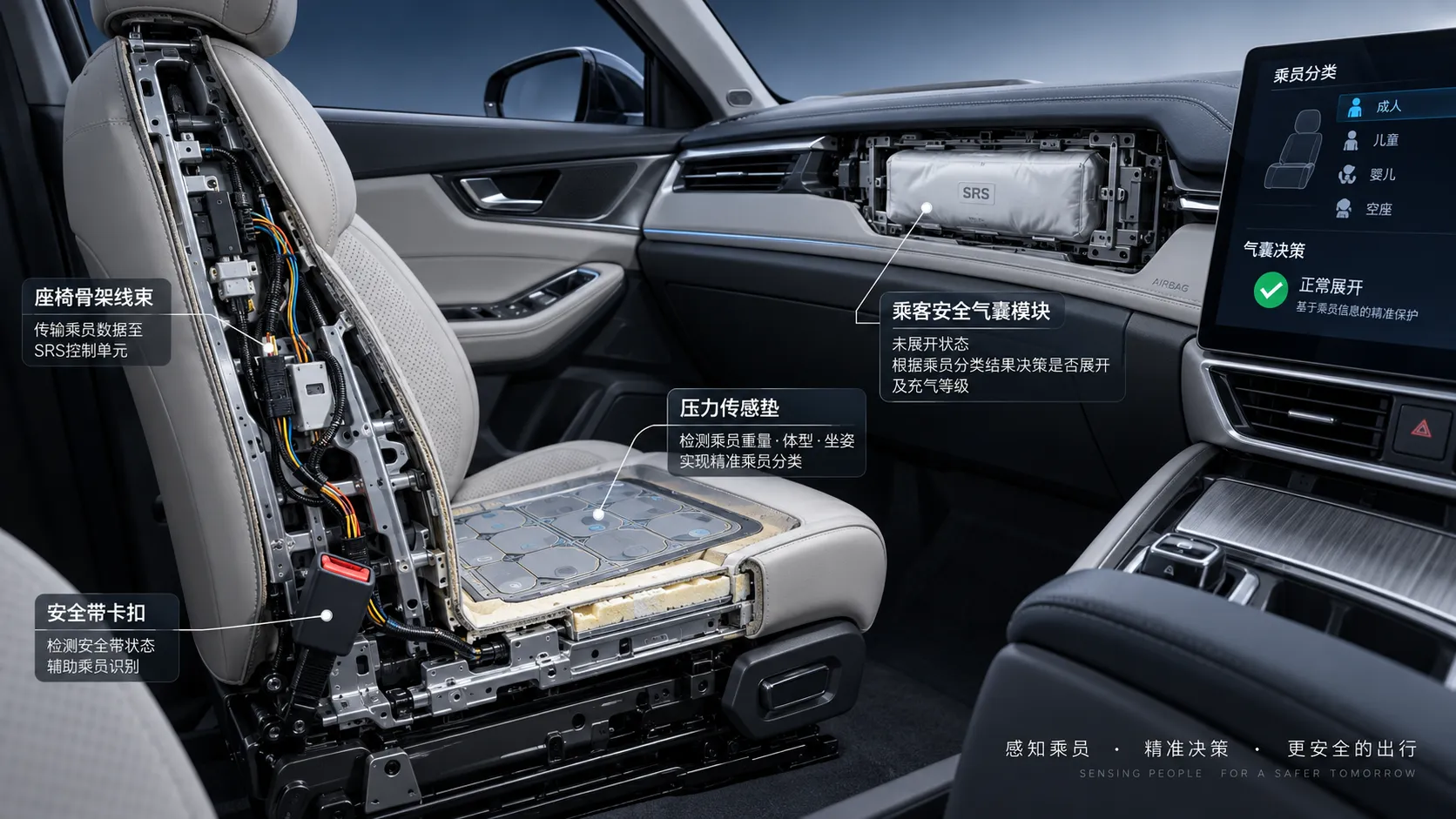
How Automotive Seat Occupancy Sensing Improves Airbag Deployment Decisions
Automotive seat occupancy sensing helps optimize airbag deployment decisions, improving passenger classification, safety diagnostics, and compliance across real-world conditions.
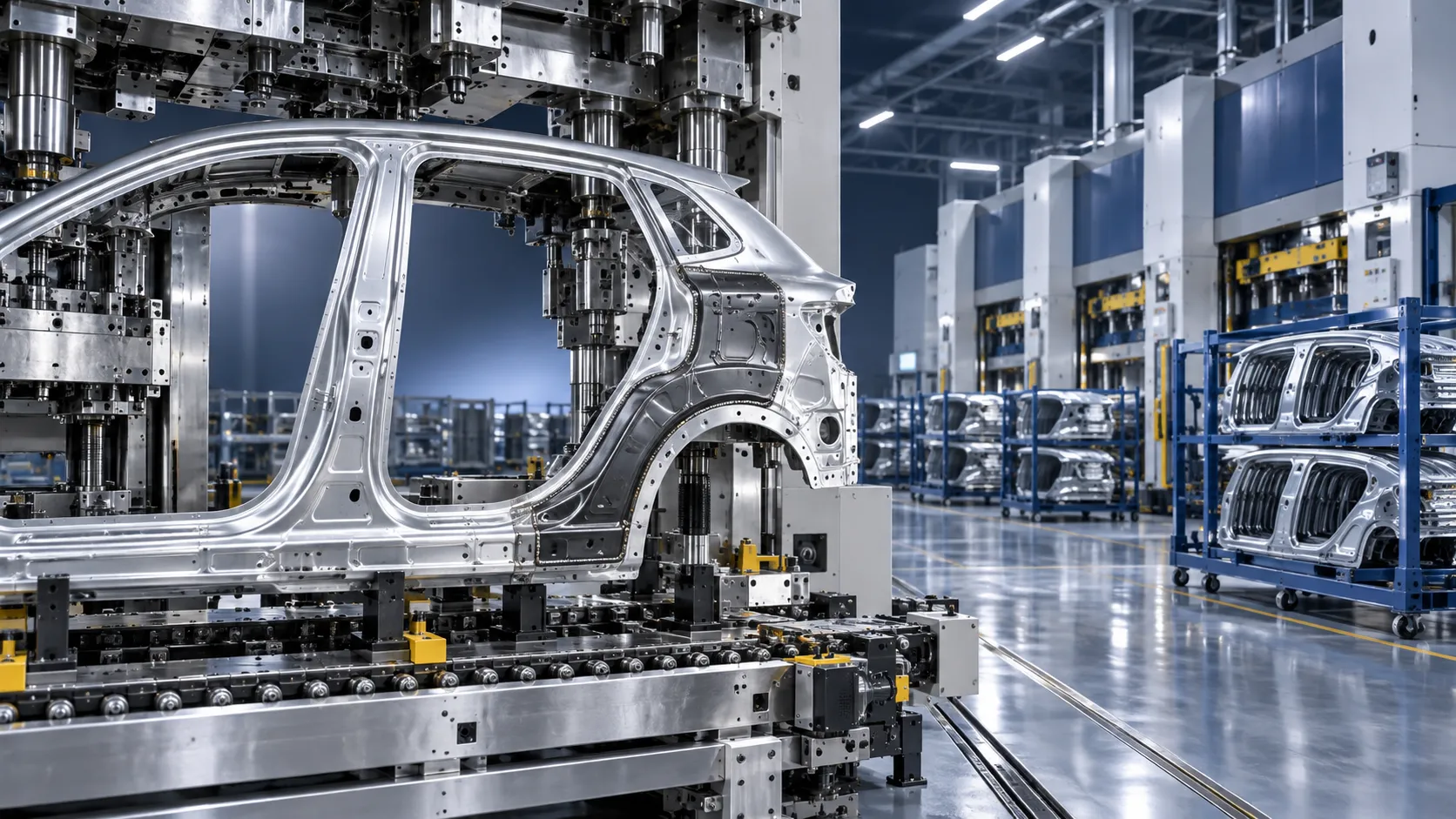
What Drives Lightweight Body Component Costs in High-Volume Vehicle Programs?
Lightweight body components cost depends on material yield, forming, joining, tooling, validation, and logistics. Explore proven ways to optimize total vehicle program cost.
Related News
- 00
0000-00
Climate Control Seats Cost: What Drives Price and Long-Term Ownership Value? - 00
0000-00
Seat Comfort Solutions Foam: How to Compare Density, Resilience, and Fatigue Performance - 00
0000-00
Seat Comfort Systems Manufacturer Selection Guide: Functions, Integration Options, and Testing Points - 00
0000-00
Seat Comfort Systems Explained: Key Functions, Module Types, and Integration Points - 00
0000-00
Seat Climate Systems Price Guide: What Affects Cost and Which Features Matter Most?
Weekly Insights
Stay ahead with our curated technology reports delivered every Monday.