
Seat Comfort Systems Manufacturer Selection Guide: Functions, Integration Options, and Testing Points
Selecting a seat comfort systems manufacturer is no longer a catalog exercise. In smart seating programs, comfort hardware now sits at the intersection of electronics, lightweight structures, thermal control, and safety validation.
That matters across the broader mobility equipment landscape followed by GNCS, where cabin systems are judged not only by feel, but by integration discipline, durability, and compliance readiness.
A strong supplier must therefore support functional performance, system compatibility, and robust testing evidence. The real task is to determine which manufacturer can do all three with consistency.
Why seat comfort systems now deserve closer evaluation
In earlier seat programs, comfort features were often treated as optional trim. That view no longer fits current vehicle architecture, especially in premium, electric, and long-distance mobility platforms.
Seat heating, ventilation, massage, posture support, and occupancy sensing increasingly share space with safety components, lightweight frames, and centralized electronic controls.
From GNCS’s perspective, this reflects a larger industry pattern. Precision perception and physical protection are becoming linked inside the cabin, not managed as isolated subsystems.
For that reason, a seat comfort systems manufacturer must be assessed in the same disciplined way used for passive safety or structural modules. Surface-level comfort claims are not enough.
What a seat comfort system actually includes
The term covers more than seat heaters. A modern system usually combines thermal management, air movement, actuation, sensing, control logic, and user interface coordination.
In practice, the package may include seat pads, fans, ducting, lumbar motors, massage bladders, pressure sensors, control modules, harnesses, and software calibration.
The best seat comfort systems manufacturer understands how these elements interact with foam, trim, frame geometry, restraint routing, and power budgets.
Core functions commonly requested
- Seat heating with zonal control and rapid warm-up behavior
- Ventilation using axial or radial fans with managed airflow paths
- Massage functions based on pneumatic bladders or motorized mechanisms
- Lumbar and bolster adjustment for posture support
- Occupant detection or pressure mapping linked to seat intelligence
- Memory, personalization, and HMI coordination with cabin software
A capable seat comfort systems manufacturer should explain not only what functions are available, but how they perform under real package and usage constraints.
Functions should be judged by performance, not by feature count
More functions do not automatically create a better seat. Technical value appears when comfort output remains stable across occupant sizes, climate conditions, vibration exposure, and long service cycles.
For heating, look beyond peak temperature. Uniformity, response time, hotspot control, and current draw often reveal more than brochure data.
For ventilation, airflow distribution through foam and trim is critical. A seat may contain strong fans, yet still feel weak if pressure losses are poorly managed.
Massage requires similar scrutiny. The mechanism should produce repeatable pressure patterns without increasing noise, reducing durability, or disturbing seating posture.
This is where an experienced seat comfort systems manufacturer usually separates itself. It can discuss comfort as a measurable system behavior, not just a list of options.
Integration options shape program risk early
Integration decisions often determine whether a comfort system remains manageable through launch. They affect wiring complexity, software effort, serviceability, and compatibility with seat architecture.
Some suppliers provide standalone subassemblies. Others deliver highly integrated modules linked to body controllers, domain controllers, or seat control units.
Mechanical integration points
Mechanical fit should be reviewed first. Heating mats, fans, ducts, bladders, and wiring paths must coexist with frame members, recliners, tracks, airbags, and trim retention features.
Lightweight seat structures add another variable. Magnesium or mixed-material frames can improve mass efficiency, but they may alter mounting, grounding, and thermal behavior.
A seat comfort systems manufacturer should show package drawings, tolerance assumptions, and design rules for foam compression, duct sealing, and harness protection.
Electronic and software integration paths
Electronic architecture deserves equal attention. Interface choices may include LIN, CAN, local controllers, zonal gateways, or direct integration into a smart seat ECU.
Questions around diagnostics, fault reporting, firmware updates, current management, and sleep-wake behavior should be resolved before sourcing decisions harden.
This is particularly relevant in programs where seat modules share data with occupancy sensing, restraint logic, or cabin personalization systems.
Testing points that reveal supplier maturity
Validation is where marketing language becomes technical evidence. A credible seat comfort systems manufacturer should already have a structured test matrix, not just isolated lab results.
Thermal performance testing should verify warm-up time, steady-state control, surface uniformity, cooling effectiveness, and behavior under low and high ambient conditions.
Durability testing should cover actuation cycles, fan life, bladder fatigue, connector retention, harness flexing, and long-term compression effects from repeated seating.
Noise and vibration deserve separate review. Ventilated seats and massage units can meet function targets while creating acoustic signatures that degrade cabin quality perception.
Environmental exposure matters as well. Moisture, dust, salt, thermal shock, and chemical resistance can all affect comfort components, especially in global programs.
Evidence worth requesting
- DVP or equivalent validation matrix with pass criteria
- Thermal maps and airflow measurements under repeatable conditions
- Cycle life data for motors, fans, and pneumatic elements
- EMC and electrical protection records where applicable
- Failure analysis examples and corrective action history
- Correlation between bench tests and in-seat occupant evaluations
When a seat comfort systems manufacturer can explain failures as clearly as successes, its process is usually more dependable.
How the wider cabin and safety context affects selection
Seat comfort does not operate in isolation from passive safety. Routing, packaging, and sensing choices may influence airbags, seatbelt systems, occupant detection, and crash-relevant seat behavior.
That is why GNCS treats smart seating as part of a larger protection ecosystem. Comfort, lightweighting, and safety increasingly share design boundaries inside the same module.
A useful supplier conversation should therefore include cross-functional topics such as restraint adjacency, crash retention of components, and service access after seat installation.
In programs targeting premium positioning, user satisfaction also depends on subtle details: thermal ramp smoothness, fan tone, switch logic, and how quickly the system recovers after repeated use.
A practical framework for comparing manufacturers
A balanced comparison usually works better than scoring only cost or feature breadth. The strongest seat comfort systems manufacturer often performs well across several moderately demanding dimensions.
- Functional depth: real comfort output under defined conditions
- Integration readiness: fit with seat, electrical, and software architecture
- Validation quality: complete, traceable, repeatable test evidence
- Manufacturing stability: process control, traceability, change management
- Compliance awareness: familiarity with regional and program-specific requirements
- Collaboration speed: response quality during design iteration and issue closure
This approach helps distinguish between suppliers that can prototype attractive functions and those that can support industrialized, reliable seat programs.
Where to focus next
A useful next step is to translate comfort expectations into measurable engineering targets. Temperature range, airflow level, response time, acoustic limits, power draw, and cycle life should be defined early.
After that, compare each seat comfort systems manufacturer against the same package assumptions, interface rules, and validation checkpoints. Consistent comparison usually exposes hidden risks quickly.
In complex mobility programs, the better choice is rarely the supplier with the longest feature list. It is the one that can connect comfort performance, cabin integration, and testing discipline into one credible system story.
Related News
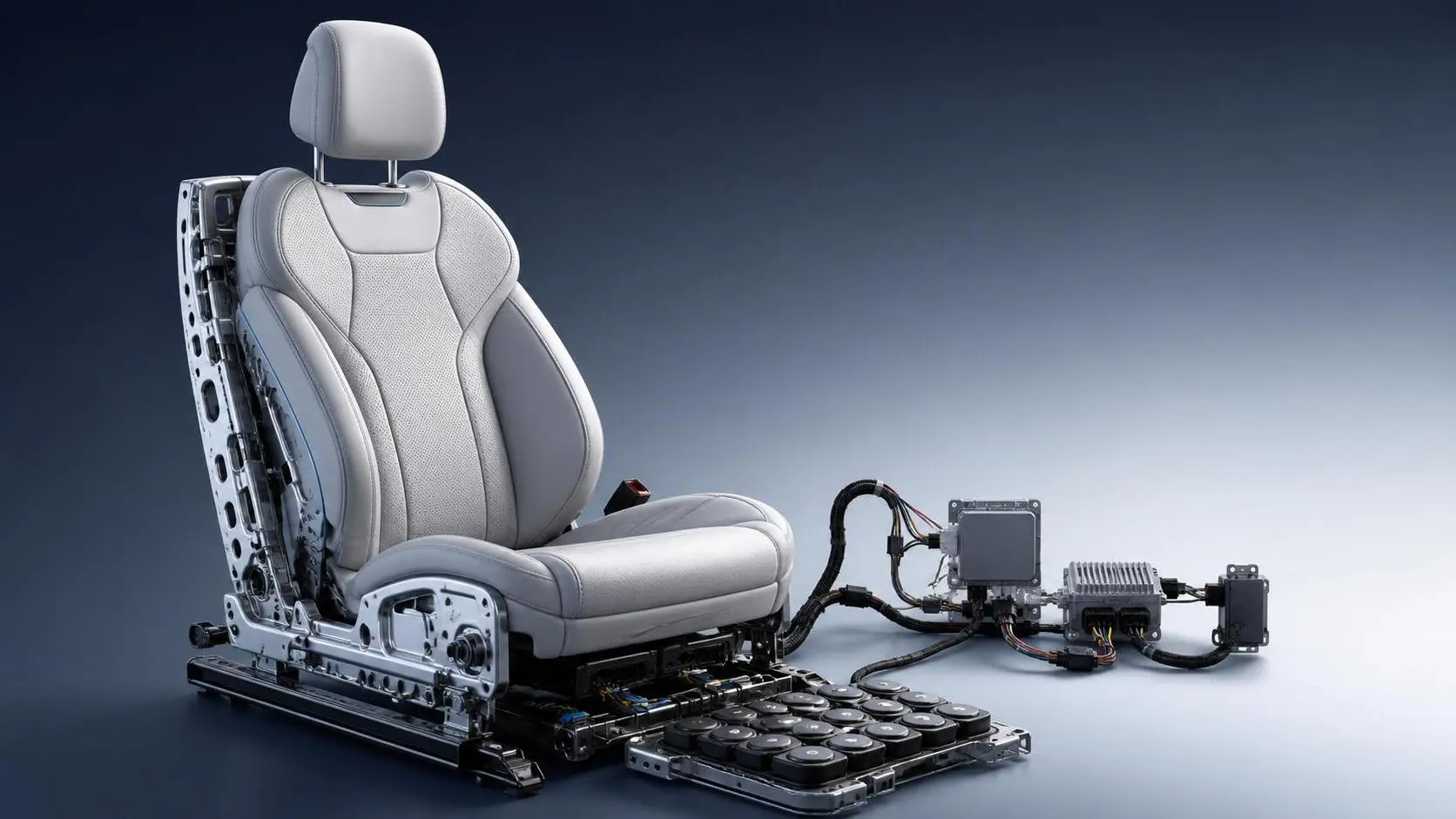
How to Evaluate Custom Smart Automotive Seating for Premium Vehicle Programs?
Custom smart automotive seating evaluation starts with safety, comfort, integration, and production readiness. Discover how premium vehicle teams choose smarter, lower-risk seat solutions.
B2B Product Intelligence Platforms: How to Compare Features, Data Coverage, and ROI
B2B product intelligence platform comparison: learn how to evaluate data coverage, feature depth, compliance visibility, and ROI to choose a sourcing tool that reduces risk and speeds decisions.
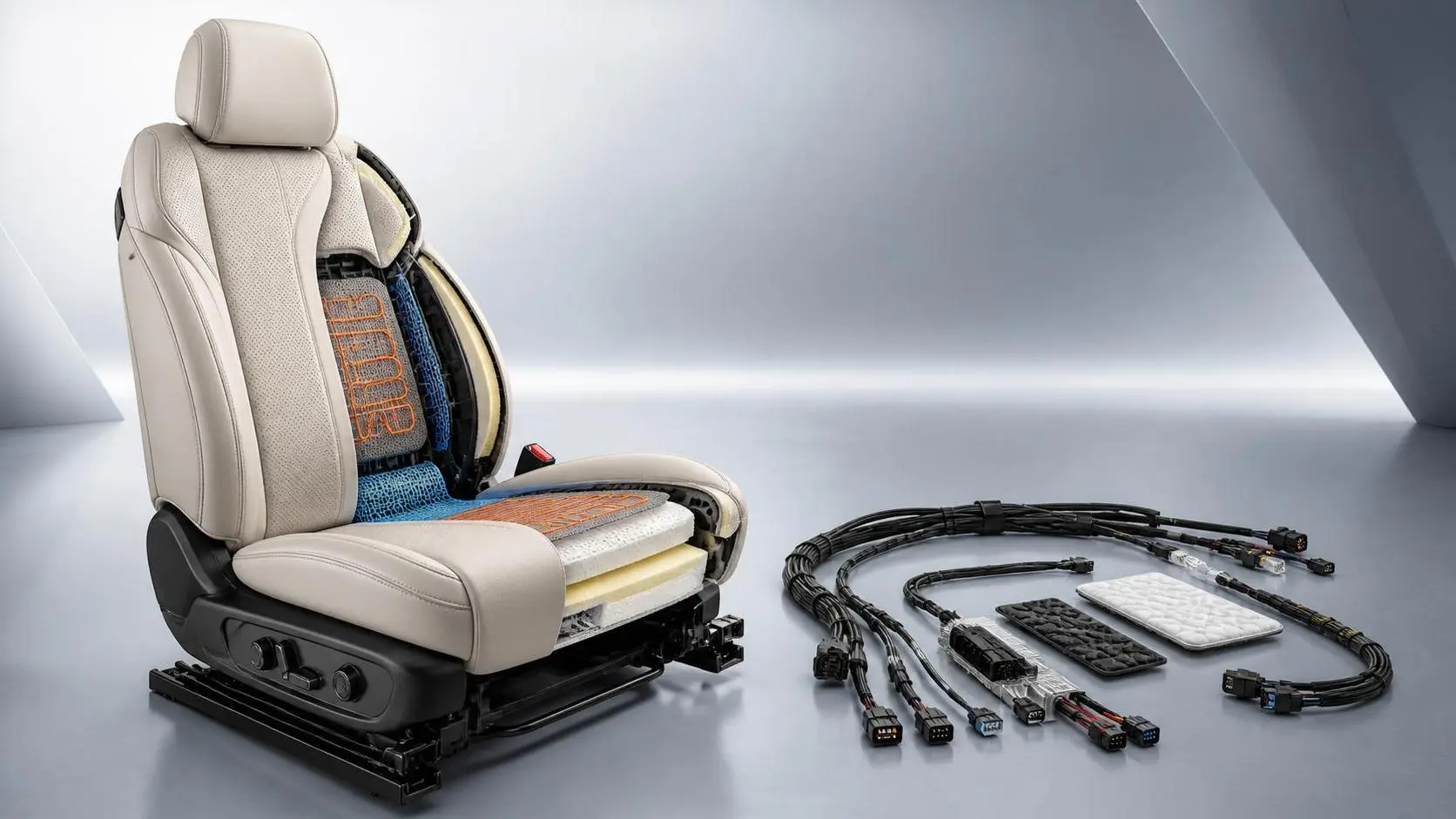
Climate Control Seats Cost: What Drives Price and Long-Term Ownership Value?
Climate control seats cost depends on materials, thermal tech, and integration. Learn what drives price and how to judge long-term value before you buy.
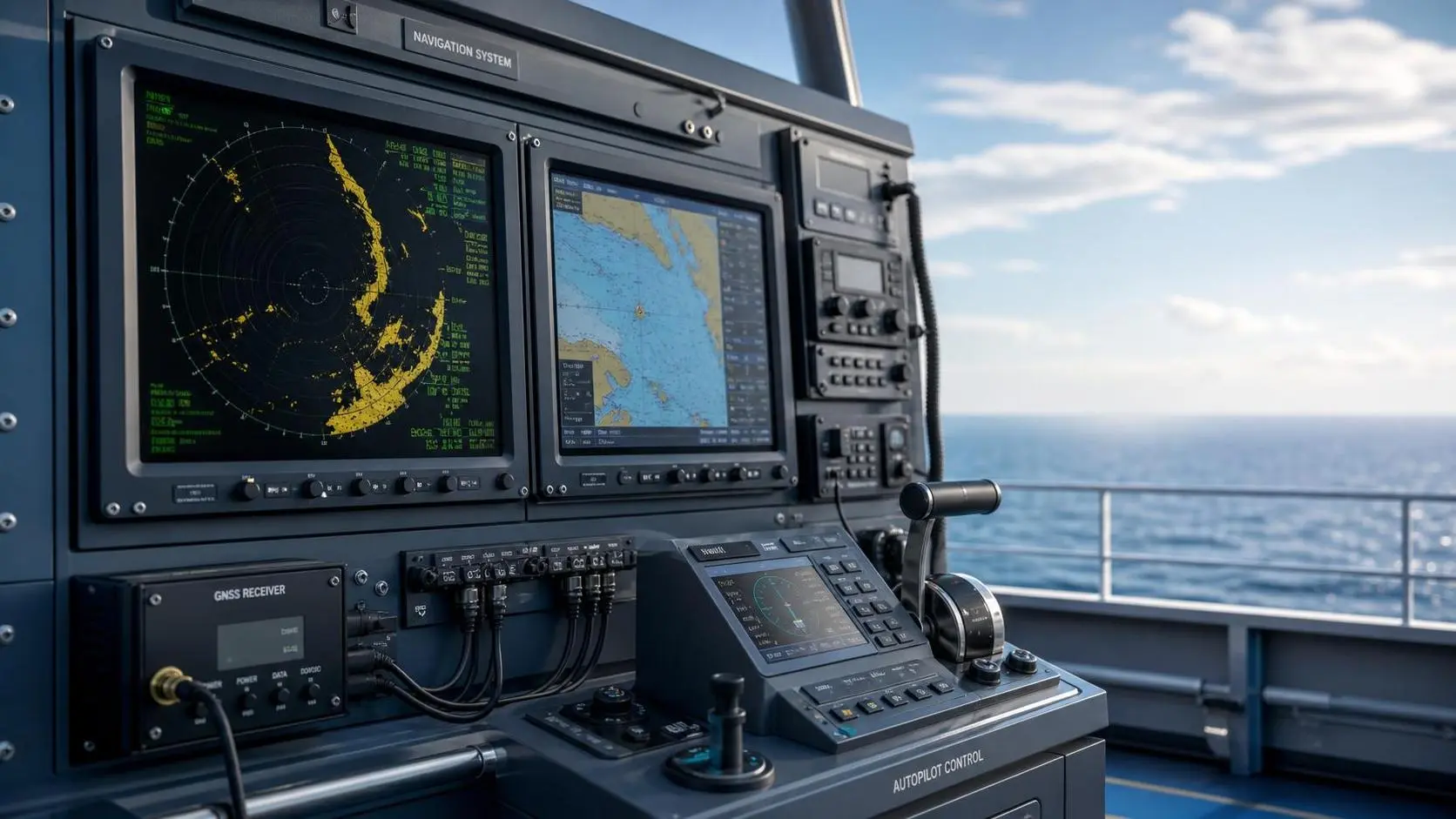
What Factors Drive Marine Navigation Components Cost in Commercial Vessel Projects?
Marine navigation components cost is shaped by integration, compliance, installation, and lifecycle support. Discover what drives pricing and how buyers can reduce risk while improving value.
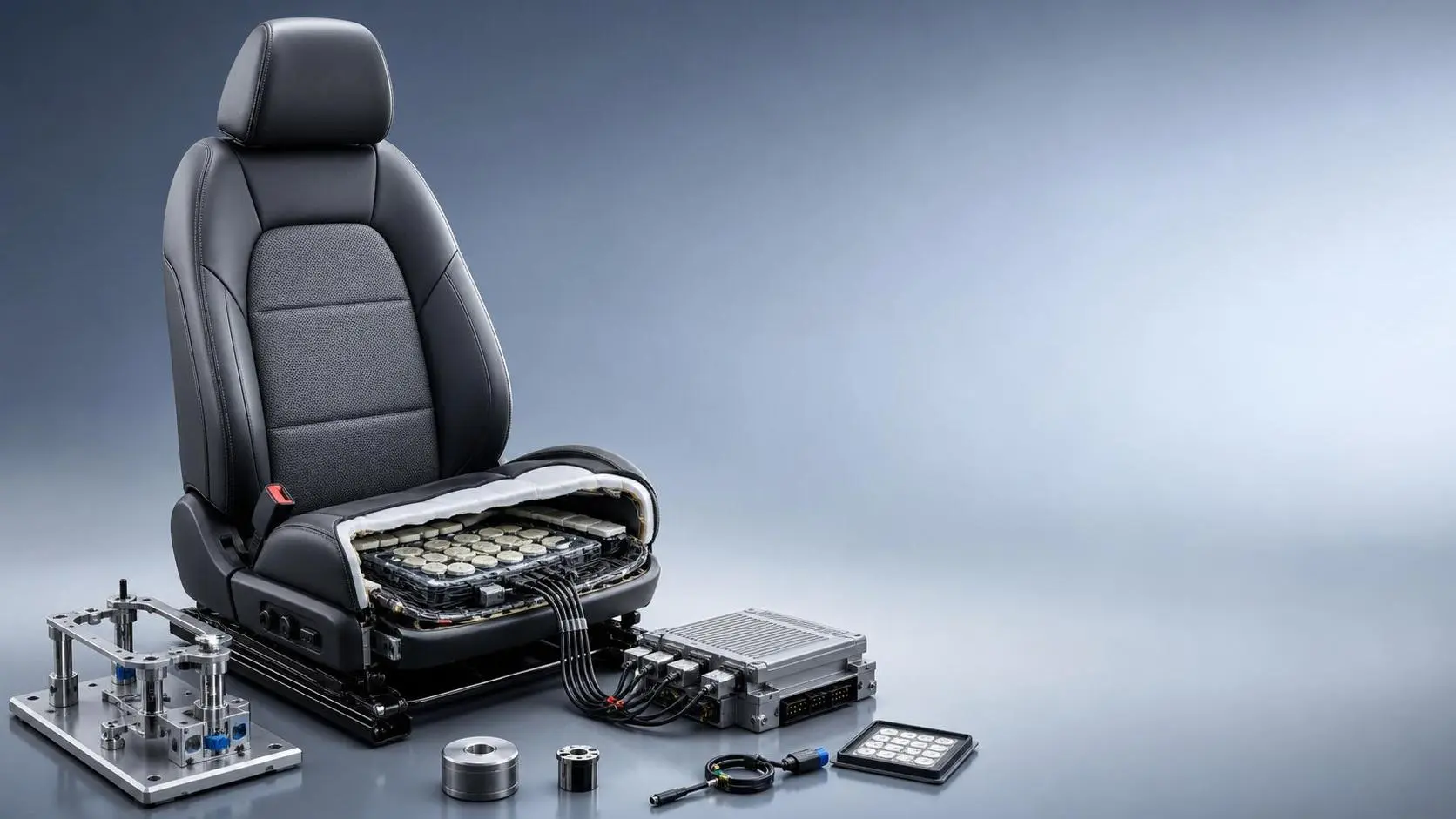
How Much Does Seat Occupancy Sensing Cost? Key Pricing Factors for Buyers
Seat occupancy sensing price varies widely by technology, integration, and compliance needs. Learn the key cost drivers, avoid hidden fees, and make smarter buying decisions.
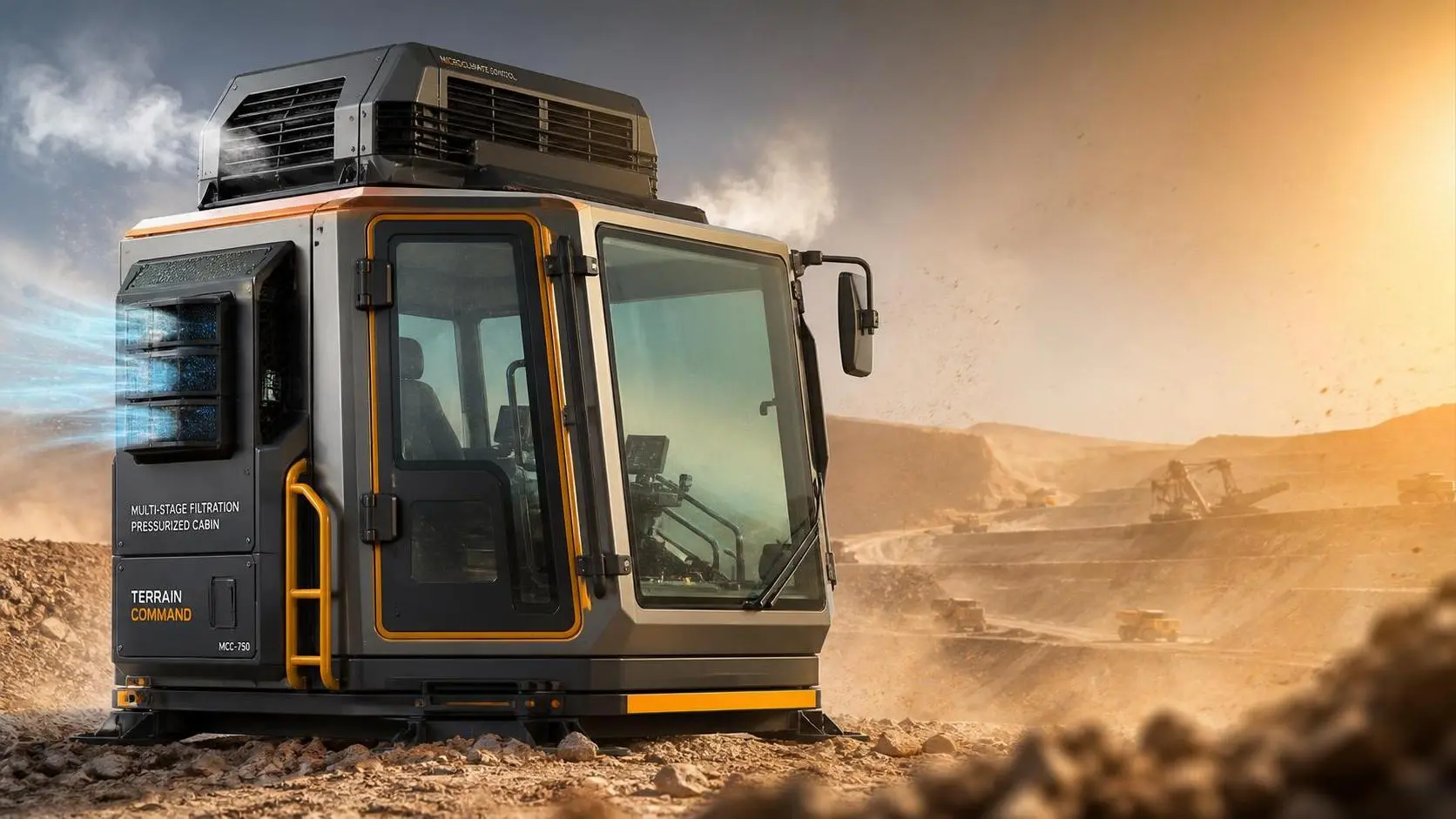
How to Specify Micro-Climate Control Cabins for Harsh Outdoor Worksites?
Micro-climate control cabins for harsh outdoor worksites: learn how to specify thermal control, filtration, pressurization, and durability for safer uptime and smarter buying.
How to Evaluate a B2B Product Knowledge Platform for Faster Procurement Decisions
B2B product knowledge platform procurement starts with reducing decision risk. Learn how to compare specs, compliance, and supplier data to speed sourcing with confidence.
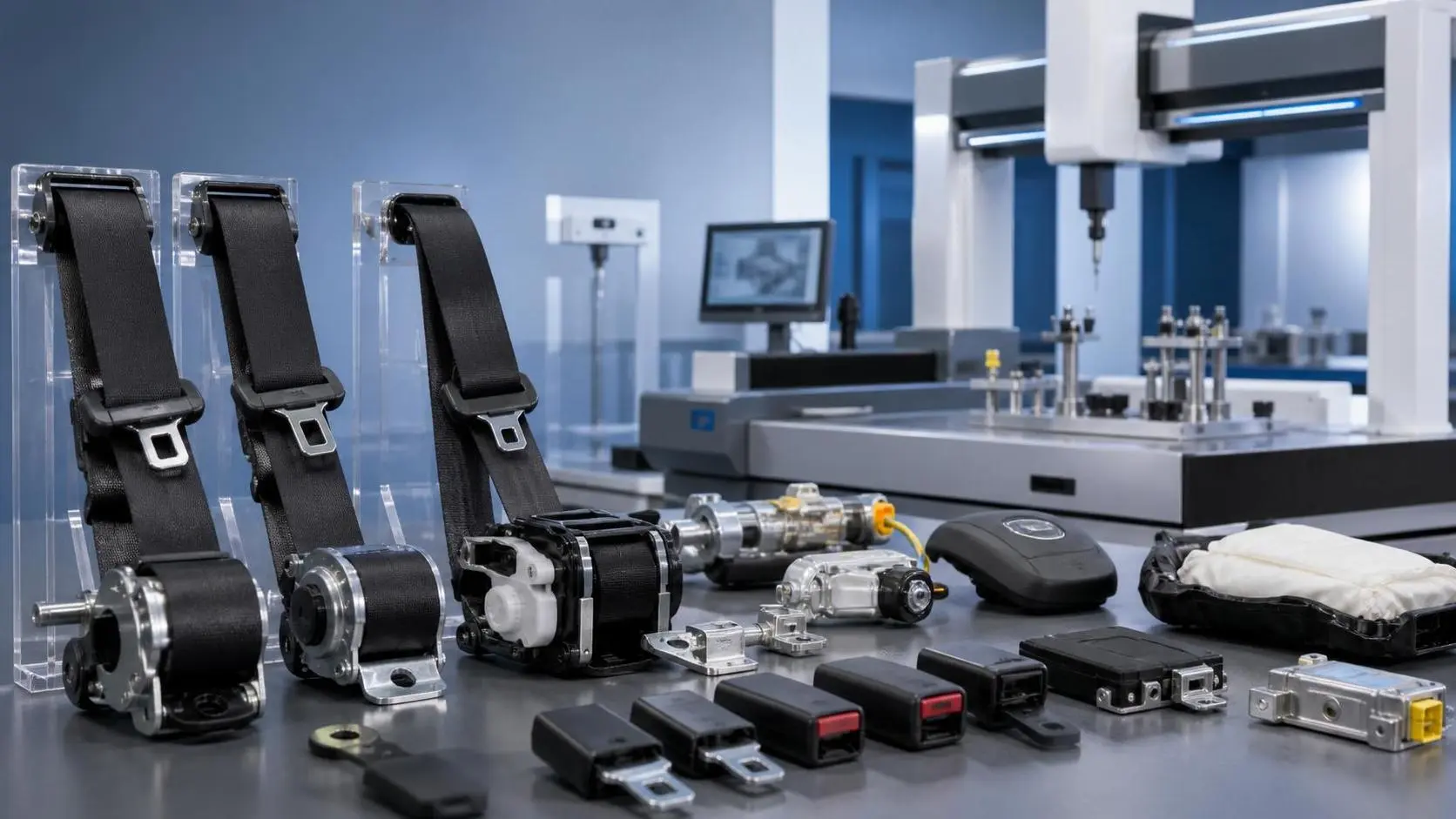
How to Evaluate an Occupant Restraint Systems Exporter for Quality, Compliance, and Supply Risk
Occupant restraint systems exporter evaluation guide: learn how to verify quality controls, compliance evidence, and supply risk before sourcing to avoid recalls, delays, and hidden costs.
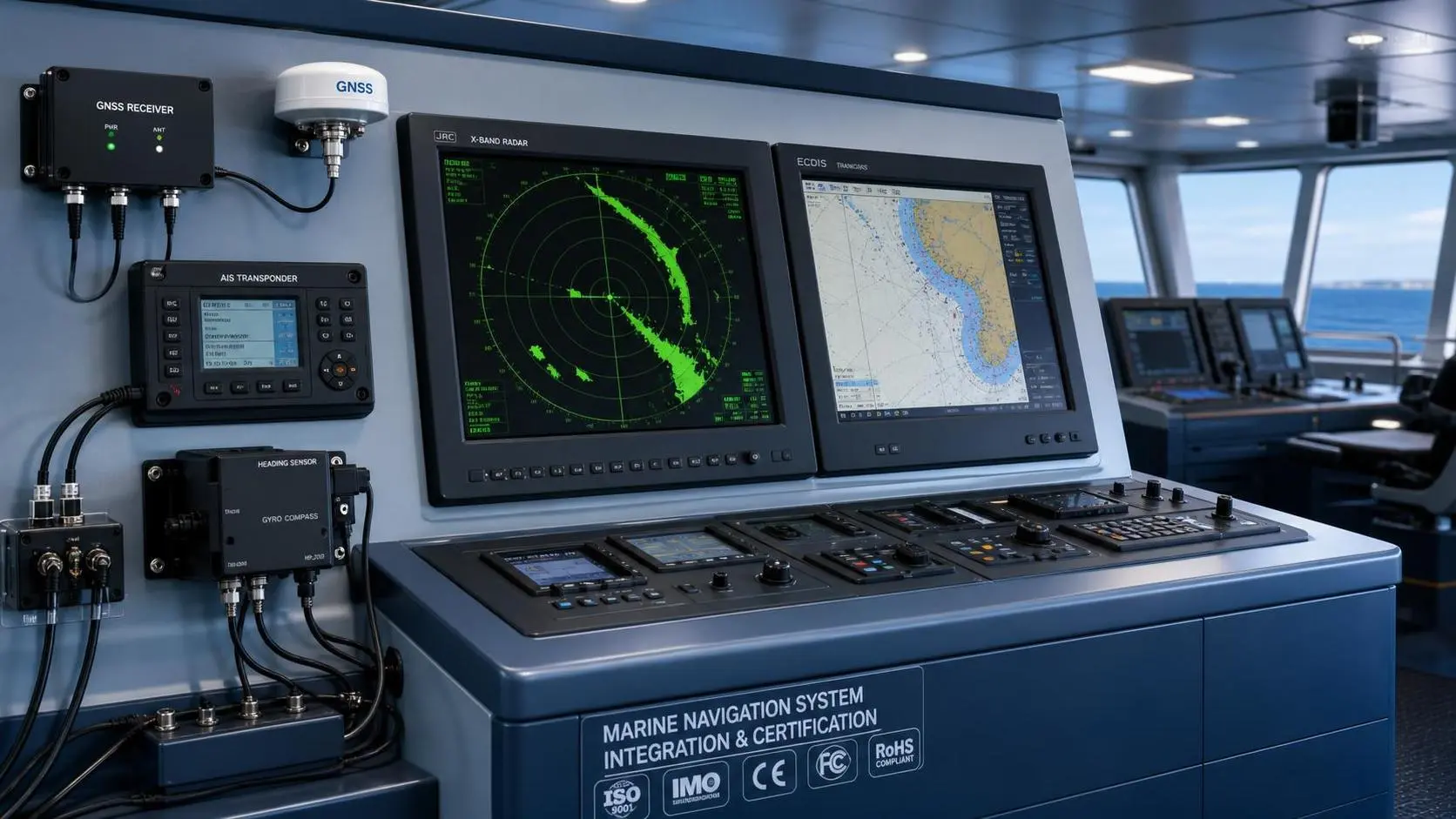
Navigation Compliance Certification: Which Marine Systems Need It and How to Prepare?
Navigation compliance certification explained: discover which marine systems need approval, what documents matter, and how to prepare early to avoid delays, rework, and costly project risks.
Related News
- 00
0000-00
Climate Control Seats Cost: What Drives Price and Long-Term Ownership Value? - 00
0000-00
Seat Comfort Solutions Foam: How to Compare Density, Resilience, and Fatigue Performance - 00
0000-00
Seat Comfort Systems Manufacturer Selection Guide: Functions, Integration Options, and Testing Points - 00
0000-00
Seat Comfort Systems Explained: Key Functions, Module Types, and Integration Points - 00
0000-00
Seat Climate Systems Price Guide: What Affects Cost and Which Features Matter Most?
Weekly Insights
Stay ahead with our curated technology reports delivered every Monday.