
How micro-climate control is changing seat comfort
As smart seating evolves from a comfort feature into a performance-critical cabin system, micro-climate control is reshaping how vehicles manage heat, airflow, and occupant fatigue. For researchers tracking mobility technology, this shift reveals how seat engineering now intersects with ergonomics, energy efficiency, and user experience. Understanding these changes offers a clearer view of where intelligent seat comfort is heading next.
What does micro-climate control mean in modern seat design?
Micro-climate control refers to localized temperature and humidity management around the human body.
In seating systems, it uses heating, ventilation, airflow channels, sensors, and surface materials.
The goal is not simply to make a seat feel warm or cool.
The real target is stable thermal comfort during changing driving and environmental conditions.
This is why micro-climate control is becoming central to premium and mainstream automotive seat development.
Seat comfort depends on heat transfer, body pressure, fabric breathability, and moisture accumulation.
Traditional seat comfort focused on foam density, contour, and support geometry.
Today, micro-climate control adds an active layer of regulation.
That change matters in electric vehicles, long-distance travel, and high-occupancy mobility services.
For GNCS, this evolution fits a larger pattern across mobility equipment.
High-value systems now combine sensing, efficiency, safety logic, and human-centered performance.
Key elements behind seat-level thermal regulation
- Ventilation fans that move air through perforated trim and foam channels
- Heating mats for rapid warmth in cold environments
- Humidity and temperature sensors that support adaptive control
- Moisture-managing textiles and breathable cover materials
- Control software linked to occupancy and cabin conditions
Why is micro-climate control changing seat comfort more than before?
The biggest shift is expectation.
Occupants now expect seats to respond intelligently, not just remain structurally supportive.
Heat buildup on the back and thighs creates discomfort faster than many cabin designers once assumed.
Even small thermal imbalances can increase fatigue over long journeys.
Micro-climate control addresses these discomfort patterns at the contact surface.
That makes it more precise than adjusting only the whole cabin HVAC system.
This precision is especially valuable in EV platforms.
Localized climate management can reduce dependence on energy-intensive cabin heating or cooling.
As a result, micro-climate control can support both comfort and range optimization.
Another reason is data integration.
Seats are increasingly connected to occupancy detection, posture sensing, and memory settings.
Once those systems exist, adding intelligent micro-climate control becomes a logical extension.
What changes in real use?
A ventilated seat can reduce sweat accumulation during hot weather or extended traffic delays.
A heated surface can improve early-drive comfort without fully warming the entire cabin.
Adaptive micro-climate control can also react to solar load, clothing thickness, and body heat patterns.
The outcome is less distraction and more stable perceived comfort.
Which applications benefit most from micro-climate control?
Micro-climate control is no longer limited to luxury vehicles.
Its value is expanding across many mobility scenarios.
High-impact use cases
- Long-distance passenger vehicles, where fatigue reduction matters
- Electric vehicles, where energy-efficient comfort solutions are critical
- Ride-hailing and shared fleets, where occupant turnover increases thermal variability
- Commercial transport cabins, where drivers remain seated for many hours
- Premium marine seating, where sunlight, humidity, and salt exposure complicate comfort management
The marine angle is often underestimated.
In navigation environments, seats face radiant heat, moisture, and long operational periods.
Micro-climate control can improve alertness and comfort on bridges, patrol craft, and high-end vessels.
That aligns with GNCS coverage of precision navigation and cabin intelligence.
Across both automotive and marine sectors, the system acts as a human-machine interface enhancer.
How should micro-climate control systems be evaluated?
Choosing a seat with micro-climate control should go beyond marketing labels.
The best systems balance comfort speed, noise, durability, and energy use.
Evaluation points that matter
- Response time: How quickly does cooling or heating become noticeable?
- Air distribution: Is airflow even across the backrest and cushion?
- Material pairing: Do trim and foam support breathability?
- Acoustic performance: Are fans quiet under normal operation?
- Energy efficiency: Does micro-climate control reduce broader HVAC demand?
- Reliability: Can the system withstand pressure cycles, dust, and moisture?
- Control logic: Is the adjustment manual, automatic, or sensor-driven?
Surface feel also matters.
A strong fan alone does not guarantee better micro-climate control.
Poor trim design can block airflow and reduce effectiveness.
Likewise, aggressive heating without feedback control may create discomfort.
The strongest designs treat the seat as an integrated thermal platform.
What are the common myths and risks around micro-climate control?
One common myth is that micro-climate control is only a luxury feature.
In reality, it can improve endurance, reduce discomfort, and support better cabin efficiency.
Another myth is that cooling seats simply blow cold air.
Most systems manage airflow and heat exchange rather than direct refrigeration.
There are also implementation risks.
Risks to watch
- Weak airflow paths hidden by dense foam structures
- Noise complaints caused by under-optimized fan packaging
- Moisture management failures in humid environments
- Higher maintenance if filters or ducts are poorly protected
- User dissatisfaction when control interfaces are confusing
The safest approach is evidence-based validation.
Thermal mapping, pressure studies, and real-world trials reveal whether micro-climate control truly improves seat comfort.
This mirrors how GNCS tracks other high-reliability systems through measurable performance, not claims alone.
How will micro-climate control shape the future of intelligent seating?
The next phase is personalization.
Future micro-climate control systems will likely learn preferred settings from repeated use.
They may also coordinate with occupancy sensors, biometric data, and route conditions.
That means seat comfort will become predictive rather than reactive.
Material innovation will also matter.
Lightweight frames, advanced textiles, and low-power airflow modules can improve system efficiency.
In shared and autonomous mobility, micro-climate control may become part of a broader wellness package.
That package could include posture adjustment, fatigue monitoring, and occupant-specific environmental settings.
For the wider mobility industry, the message is clear.
Seats are no longer passive structures.
They are active comfort and performance systems.
FAQ table: quick answers about micro-climate control
Conclusion: what should be watched next?
Micro-climate control is changing seat comfort by making it targeted, intelligent, and measurable.
It improves more than temperature perception.
It influences fatigue, efficiency, material selection, and cabin experience strategy.
For anyone following smart seating, the next step is to compare systems through real thermal performance and integration quality.
At GNCS, tracking micro-climate control means tracking where comfort engineering meets safety logic, lightweight design, and intelligent mobility.
Watch how sensor fusion, low-power components, and advanced textiles continue to redefine the seat as a critical cabin technology platform.
Related News
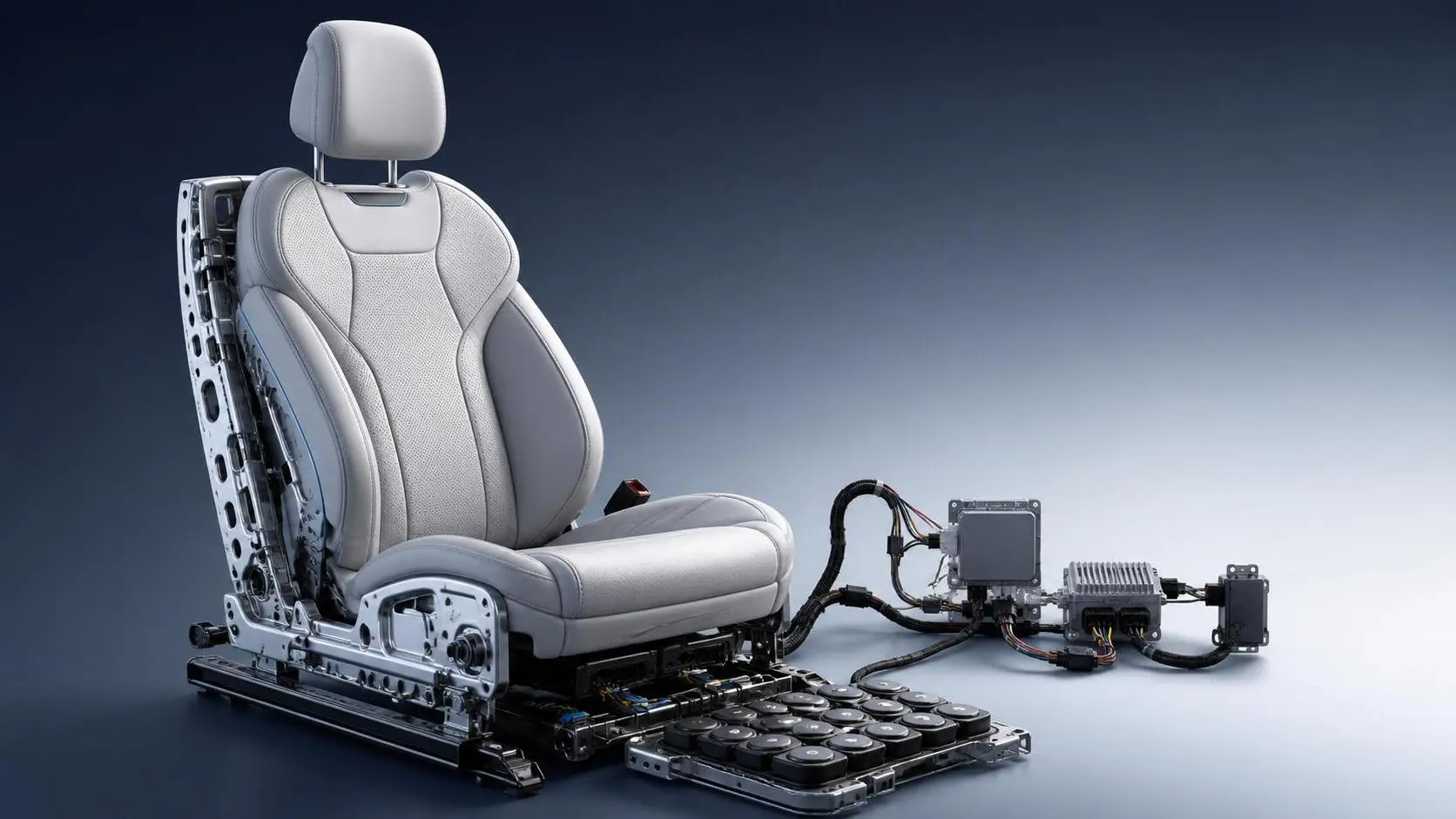
How to Evaluate Custom Smart Automotive Seating for Premium Vehicle Programs?
Custom smart automotive seating evaluation starts with safety, comfort, integration, and production readiness. Discover how premium vehicle teams choose smarter, lower-risk seat solutions.
B2B Product Intelligence Platforms: How to Compare Features, Data Coverage, and ROI
B2B product intelligence platform comparison: learn how to evaluate data coverage, feature depth, compliance visibility, and ROI to choose a sourcing tool that reduces risk and speeds decisions.
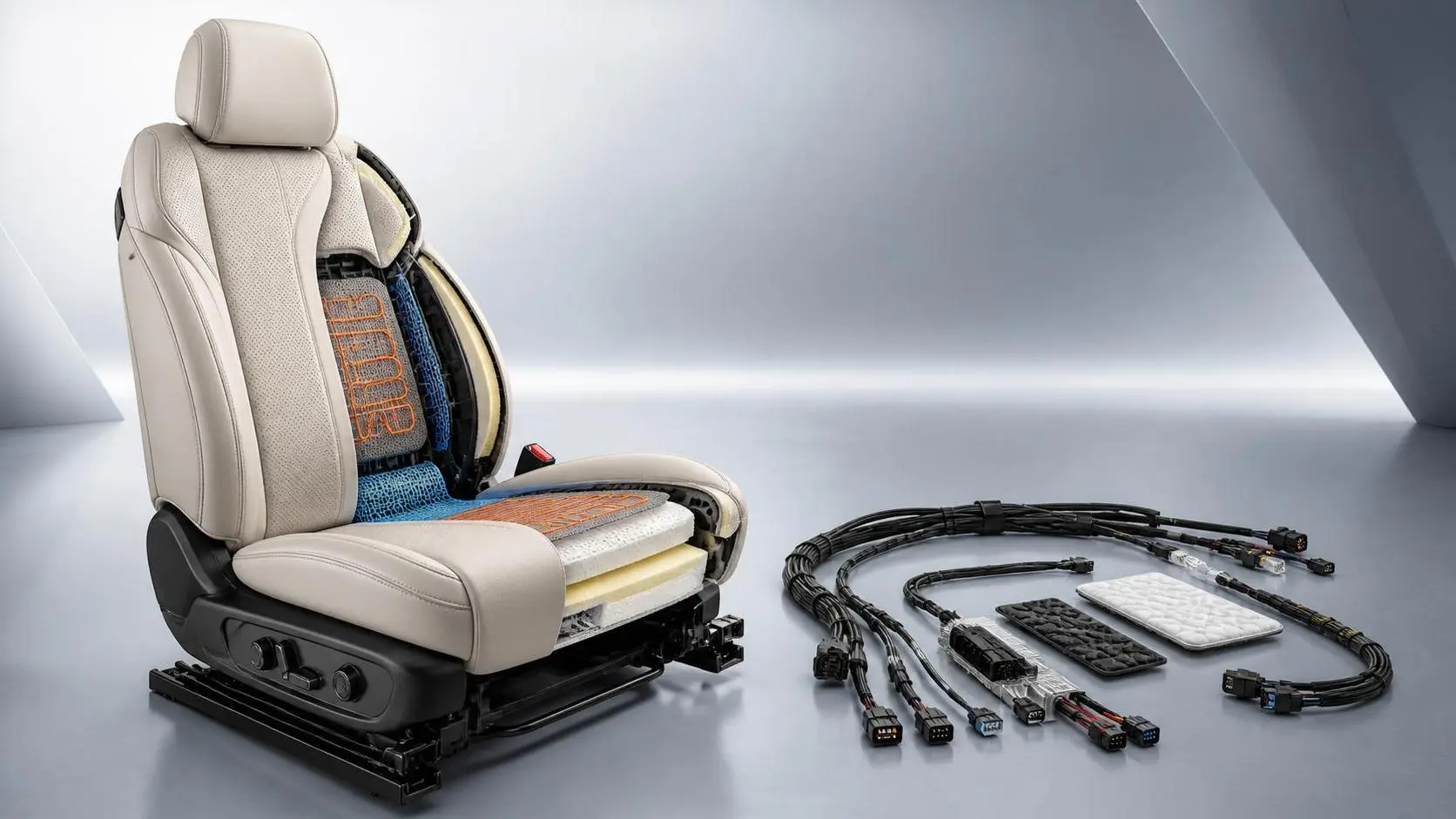
Climate Control Seats Cost: What Drives Price and Long-Term Ownership Value?
Climate control seats cost depends on materials, thermal tech, and integration. Learn what drives price and how to judge long-term value before you buy.
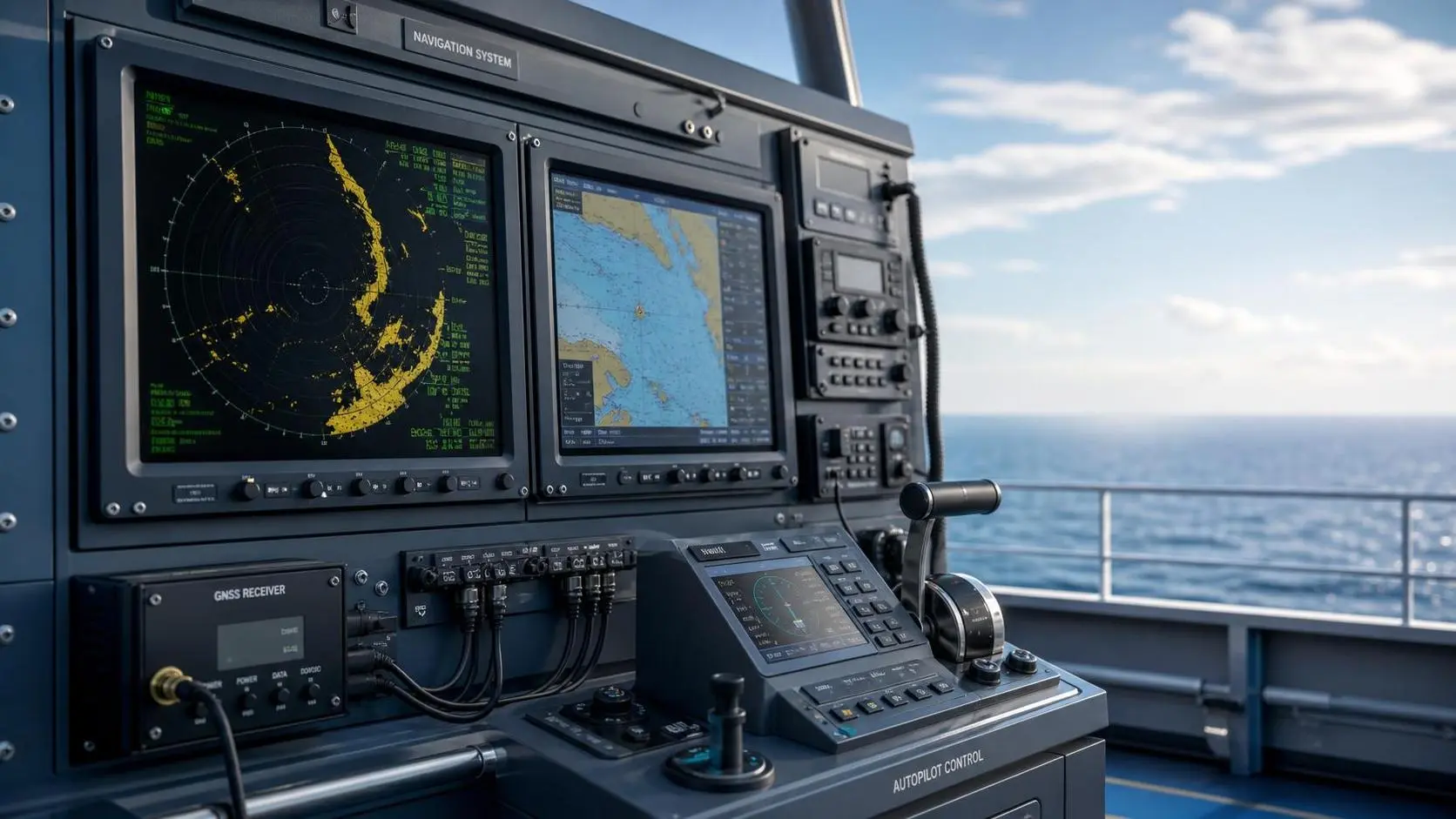
What Factors Drive Marine Navigation Components Cost in Commercial Vessel Projects?
Marine navigation components cost is shaped by integration, compliance, installation, and lifecycle support. Discover what drives pricing and how buyers can reduce risk while improving value.
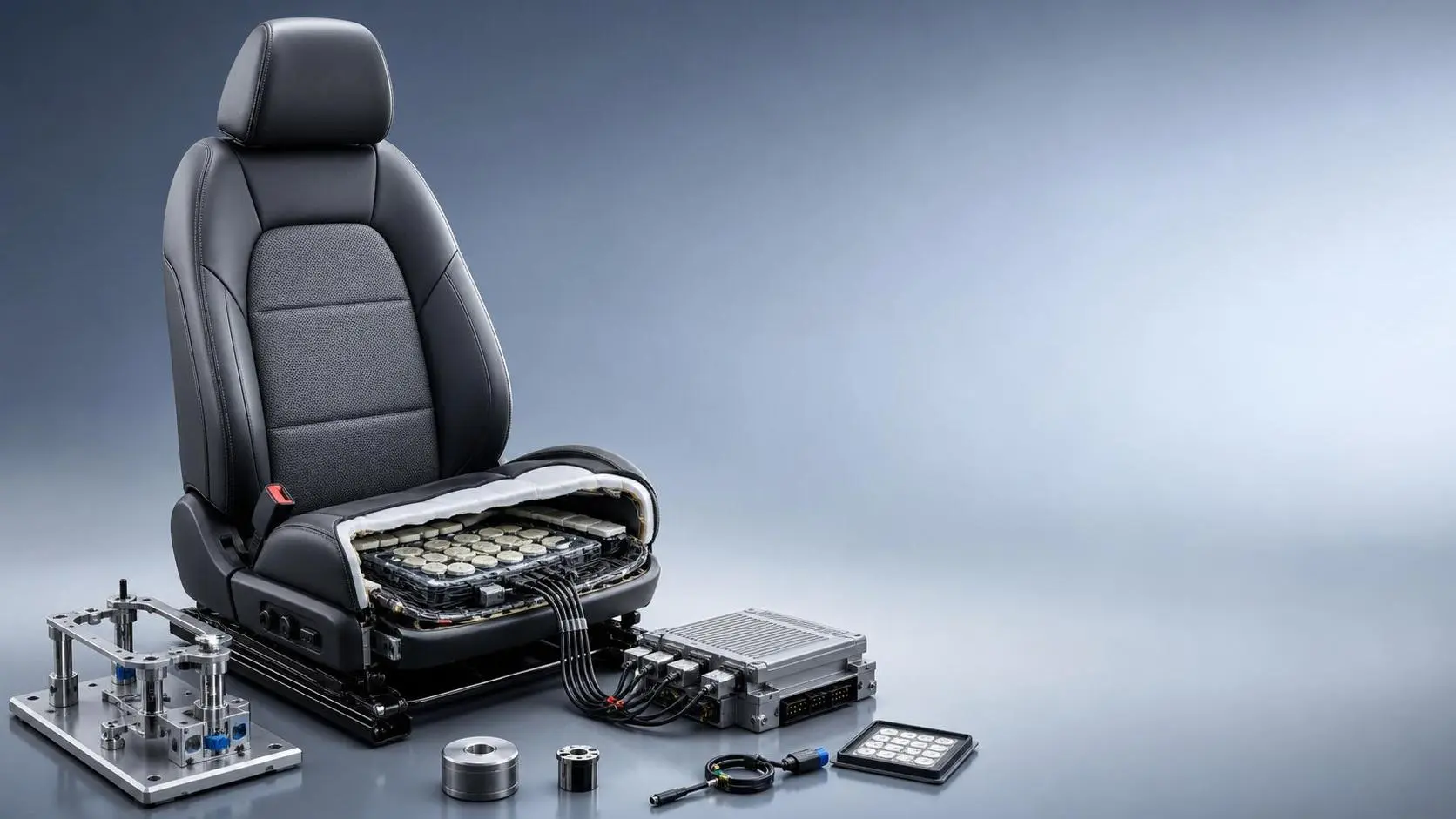
How Much Does Seat Occupancy Sensing Cost? Key Pricing Factors for Buyers
Seat occupancy sensing price varies widely by technology, integration, and compliance needs. Learn the key cost drivers, avoid hidden fees, and make smarter buying decisions.
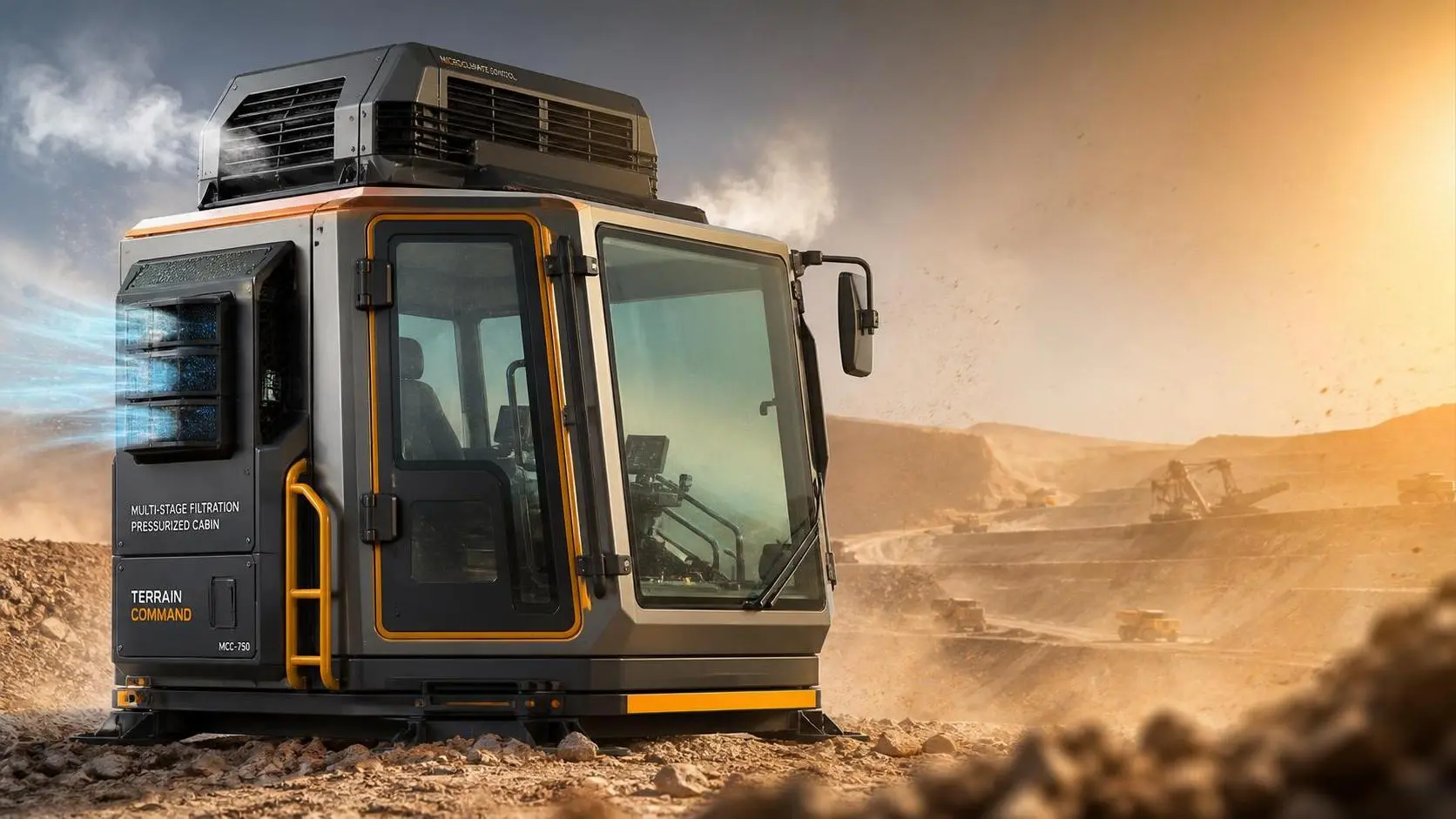
How to Specify Micro-Climate Control Cabins for Harsh Outdoor Worksites?
Micro-climate control cabins for harsh outdoor worksites: learn how to specify thermal control, filtration, pressurization, and durability for safer uptime and smarter buying.
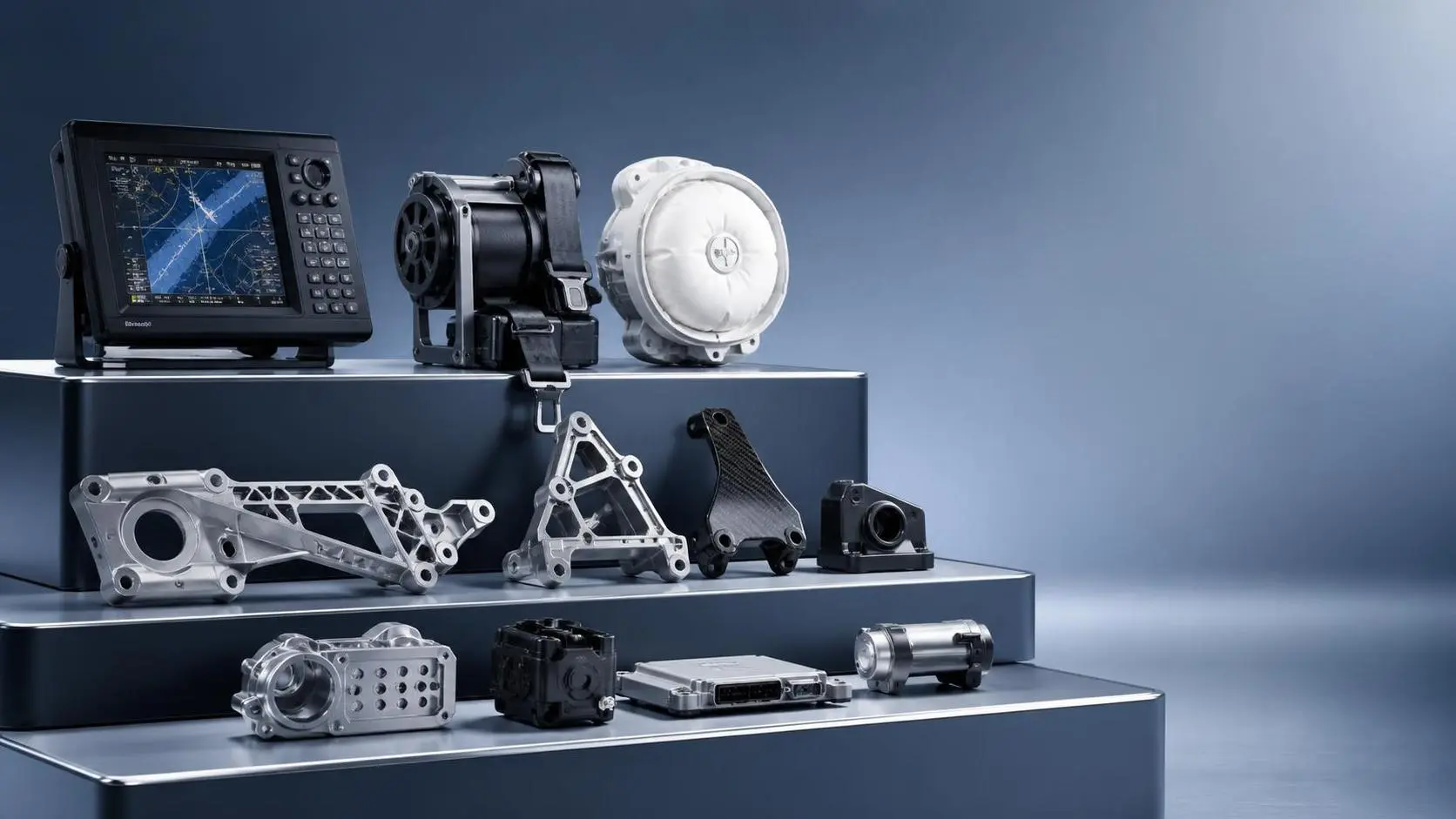
How to Evaluate a B2B Product Knowledge Platform for Faster Procurement Decisions
B2B product knowledge platform procurement starts with reducing decision risk. Learn how to compare specs, compliance, and supplier data to speed sourcing with confidence.
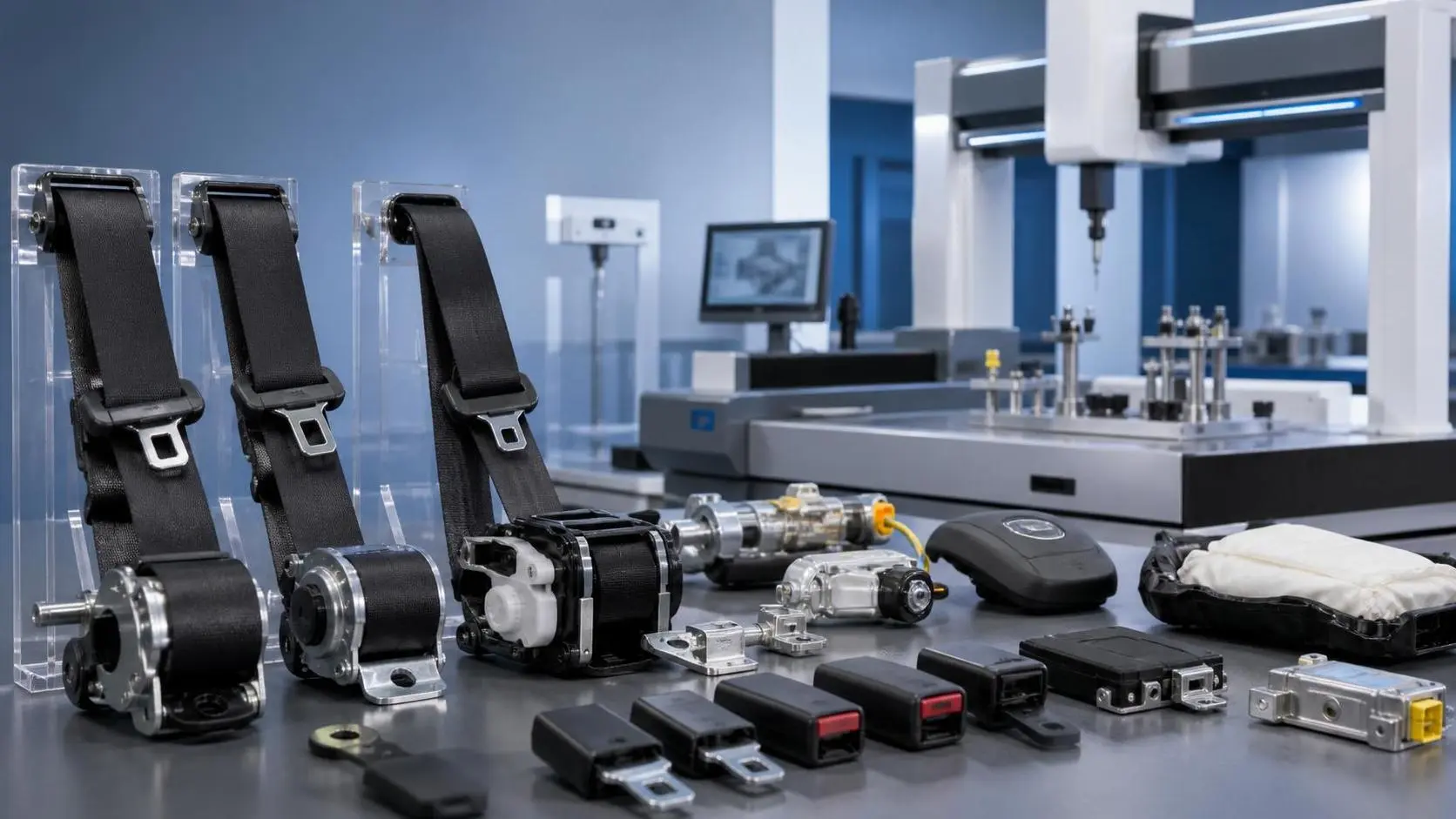
How to Evaluate an Occupant Restraint Systems Exporter for Quality, Compliance, and Supply Risk
Occupant restraint systems exporter evaluation guide: learn how to verify quality controls, compliance evidence, and supply risk before sourcing to avoid recalls, delays, and hidden costs.
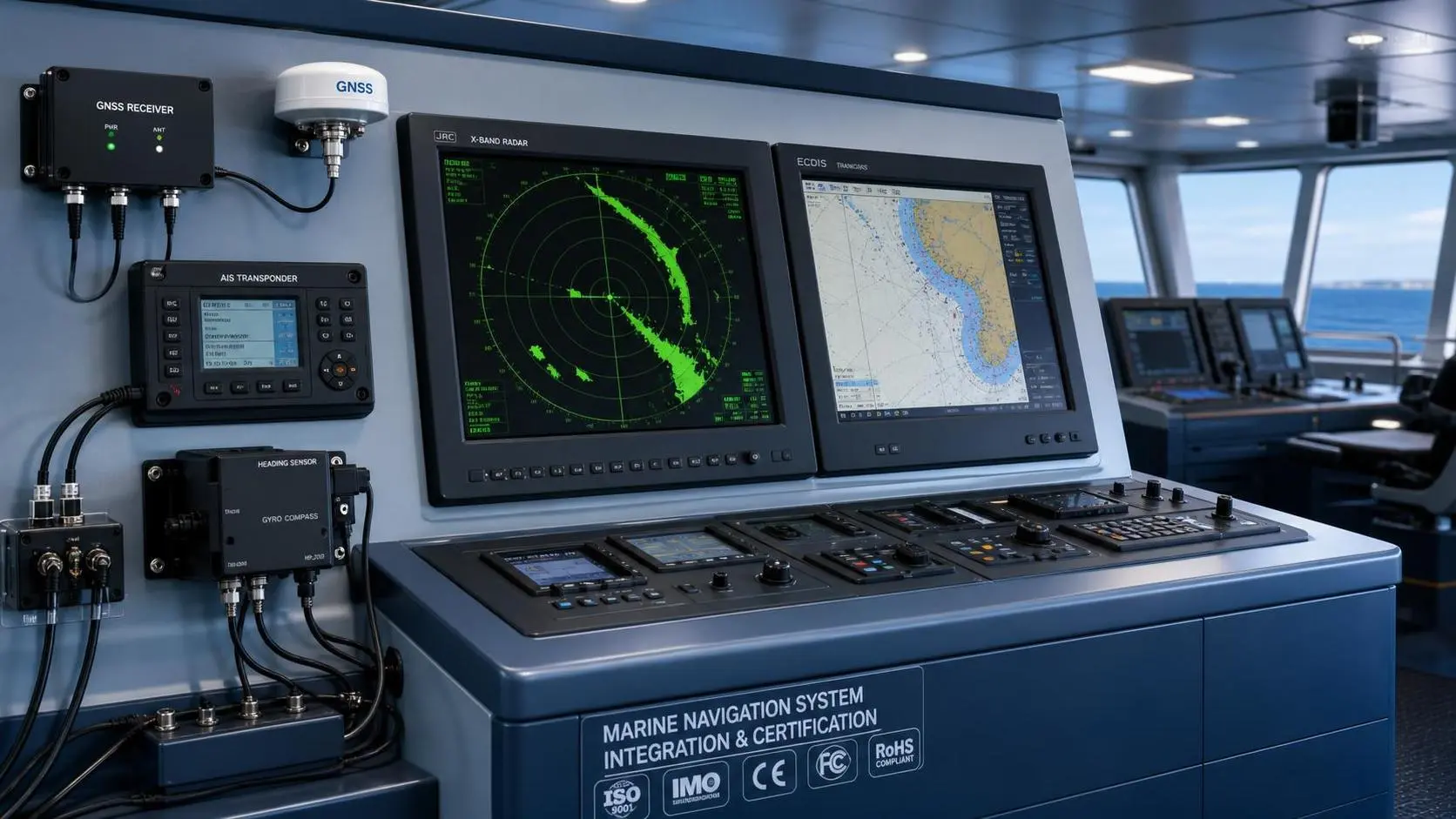
Navigation Compliance Certification: Which Marine Systems Need It and How to Prepare?
Navigation compliance certification explained: discover which marine systems need approval, what documents matter, and how to prepare early to avoid delays, rework, and costly project risks.
Related News
- 00
0000-00
Climate Control Seats Cost: What Drives Price and Long-Term Ownership Value? - 00
0000-00
Seat Comfort Solutions Foam: How to Compare Density, Resilience, and Fatigue Performance - 00
0000-00
Seat Comfort Systems Manufacturer Selection Guide: Functions, Integration Options, and Testing Points - 00
0000-00
Seat Comfort Systems Explained: Key Functions, Module Types, and Integration Points - 00
0000-00
Seat Climate Systems Price Guide: What Affects Cost and Which Features Matter Most?
Weekly Insights
Stay ahead with our curated technology reports delivered every Monday.