
Why automotive lightweight bodies matter more in 2026
In 2026, automotive lightweight bodies matter more than ever as automakers face tougher safety rules, electrification pressures, and rising efficiency demands. For researchers tracking mobility trends, understanding how automotive lightweight bodies improve crash performance, extend EV range, and support advanced manufacturing is essential to evaluating the next wave of competitive advantage across the global transportation industry.
Why a checklist approach matters in 2026
Automotive lightweight bodies are no longer a narrow engineering topic. They now affect vehicle safety, battery economics, carbon targets, repairability, and platform strategy across the wider mobility sector.
A checklist helps separate real structural progress from simple mass reduction claims. In 2026, the best decisions depend on material mix, joining logic, crash load paths, and manufacturing readiness.
This matters especially in a market shaped by electrified drivetrains, global crash protocols, digital production systems, and stronger expectations for lifecycle efficiency.
Core checklist for evaluating automotive lightweight bodies
- Verify mass reduction at the body-in-white level, not only at part level, because true performance depends on system integration, stiffness retention, and assembly trade-offs.
- Check crash energy management early by mapping front, side, rear, and roof load paths across mixed materials, especially where battery protection changes deformation behavior.
- Compare material strategy across high-strength steel, aluminum, magnesium, and composites, then assess whether each material is placed where it delivers measurable structural value.
- Review joining technology in detail, including laser welding, riveting, structural adhesives, and hybrid fastening, because joints often determine durability and repair outcomes.
- Measure torsional rigidity and bending stiffness alongside weight savings, since weak stiffness performance can undermine handling, cabin refinement, and long-term structural consistency.
- Confirm compatibility with passive safety systems, including airbags, seatbelt anchorage, seat mounting, and controlled intrusion zones that support occupant restraint timing.
- Test manufacturability at scale by checking hot stamping capacity, die life, scrap rates, takt time, and traceability within digitally monitored production environments.
- Examine battery range impact realistically, because lighter structures support EV efficiency, but gains vary with aerodynamics, thermal loads, tire choice, and software calibration.
- Audit corrosion protection and multi-material isolation, particularly where aluminum and steel meet, since galvanic risk can erase long-term benefits of automotive lightweight bodies.
- Assess repair complexity and insurance implications, because advanced automotive lightweight bodies may lower energy use yet raise service costs if replacement methods remain specialized.
- Track compliance alignment with IIHS, Euro NCAP, FMVSS, and regional pedestrian requirements, as future-ready structures must perform across multiple regulatory scenarios.
- Calculate lifecycle value, including embodied carbon, recyclability, secondary material use, and logistics efficiency, rather than focusing only on initial mass savings.
Where automotive lightweight bodies create the biggest impact
Electric vehicles
In EVs, automotive lightweight bodies directly influence battery sizing logic. Reducing structural mass can improve range, preserve performance, or allow a smaller battery pack with lower total cost.
The challenge is that EV platforms also need strong floor structures and side-impact protection around the battery. Lightweighting only works when crash loads are redirected intelligently.
Passenger safety systems
Automotive lightweight bodies matter for cabin protection because restraint systems depend on predictable structural timing. Airbags, belts, and seats work best when body deformation remains controlled and repeatable.
That is why GNCS closely links body structures with passive safety architecture. Structural mass reduction without occupant kinematics validation is a weak strategy in 2026.
Commercial and fleet mobility
For vans, robo-taxi platforms, and delivery vehicles, automotive lightweight bodies influence payload efficiency, uptime economics, and energy consumption across high-mileage duty cycles.
In these applications, durability and serviceability can be more important than maximum mass reduction. A balanced design often beats an aggressive but hard-to-repair structure.
Marine-adjacent mobility intelligence
Across GNCS research, lightweight structures are part of a broader equipment intelligence story. Precision perception, structural containment, and compliance discipline increasingly overlap across transport domains.
The same analytical mindset used for marine navigation reliability also applies to automotive lightweight bodies: quantify failure modes, validate performance margins, and connect design to operational reality.
Commonly overlooked risks
Overvaluing material novelty
New alloys and composite concepts attract attention, but material novelty alone does not guarantee better automotive lightweight bodies. Process stability and structural placement matter more.
Ignoring joint performance
Many lightweight programs fail in the joints. Fatigue, heat distortion, adhesive aging, and mixed-material interfaces can degrade real-world body performance long after launch.
Separating crash from manufacturing
A structure may look excellent in simulation yet become inconsistent in production. Automotive lightweight bodies need manufacturing discipline, not just strong CAE results.
Underestimating repair ecosystems
If body repairs require rare tools, limited bonding expertise, or expensive replacement sections, ownership costs can offset efficiency gains and weaken market acceptance.
Practical execution steps
- Start with a body architecture map showing mass concentration, crash paths, joining zones, and battery interfaces before selecting individual materials.
- Run side-by-side trade studies between high-strength steel intensive designs and multi-material alternatives using the same safety and cost assumptions.
- Link structural simulation with restraint modeling so body decisions support airbag timing, belt loading, and seat performance in severe impact events.
- Use manufacturing data from stamping, welding, and adhesive cure stages to validate whether prototype lightweight gains can survive volume production.
- Add lifecycle metrics early, including scrap recovery, recyclability, corrosion risk, and field repair complexity, to avoid late-stage redesign.
Why 2026 is the turning point
In earlier years, automotive lightweight bodies were often discussed as an efficiency option. In 2026, they are becoming a strategic requirement shaped by regulation, electrification, and safety credibility.
The leading structures will not simply weigh less. They will integrate smarter load management, stronger passive safety coordination, scalable manufacturing, and better lifecycle economics.
For mobility intelligence platforms such as GNCS, this is where technical stitching becomes valuable: connecting body stampings, restraint systems, seating structures, and compliance signals into one decision framework.
Conclusion and next action
Automotive lightweight bodies matter more in 2026 because they sit at the intersection of range, crashworthiness, production efficiency, and global compliance. They are now a core indicator of long-term transport competitiveness.
Use the checklist above to evaluate whether a lightweight strategy is structural, scalable, and safety-aligned. Then compare results across materials, joining methods, and lifecycle outcomes before drawing conclusions.
The next practical step is simple: review one current platform through this framework and identify where automotive lightweight bodies create measurable value, hidden risk, or untapped design advantage.
Related News

How to Specify Integrated Marine Electronics for Reliable Bridge Operations
Integrated marine electronics: learn how to specify reliable bridge systems with clear data flows, redundancy, alarm control, lifecycle interfaces, and operational testing.

How to Evaluate Navigation Radar Manufacturers for Commercial Vessel Projects
Navigation radar manufacturers: learn how to compare performance, compliance, integration, support, and lifecycle cost for commercial vessel projects.
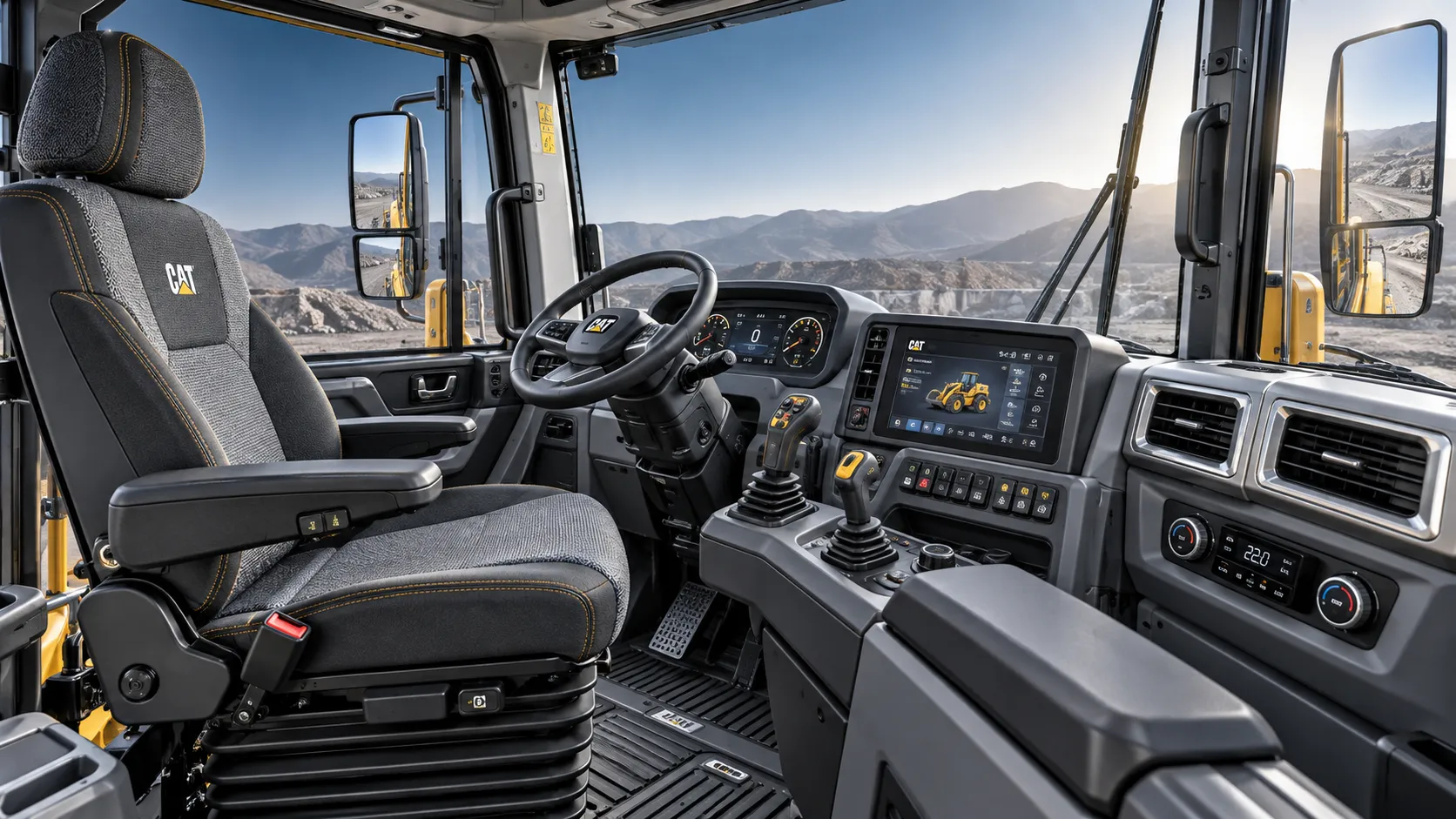
How Adjustable Cabin Ergonomics Reduce Operator Fatigue in Long-Shift Vehicles
Adjustable cabin ergonomics reduces operator fatigue through better seating, reach, visibility, vibration control, and climate comfort for safer long-shift vehicles.
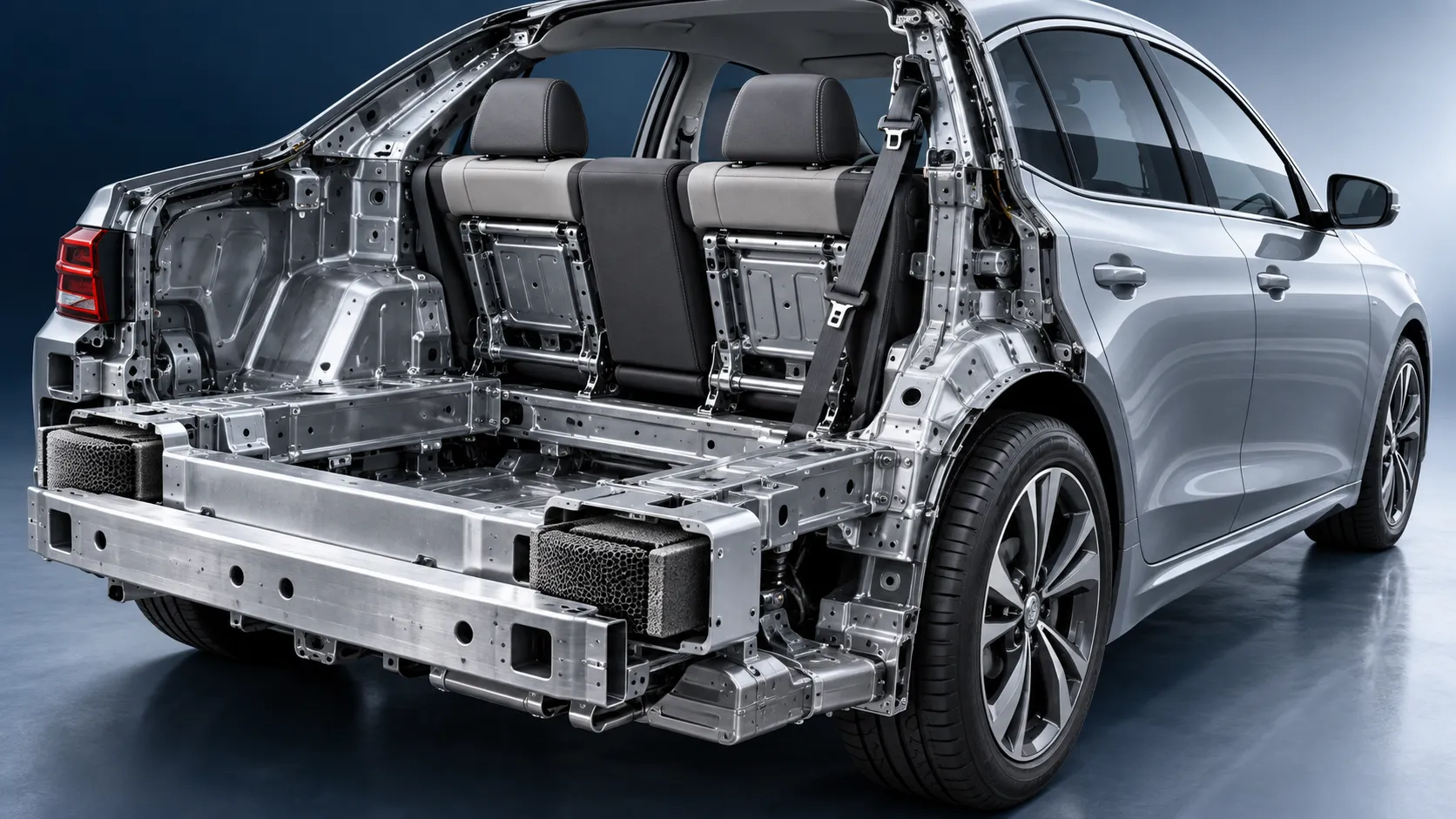
How Rear-Impact Safety Components Work Together to Protect Vehicle Occupants
Explore how automotive safety components for rear impact work together—from crash structures and seats to head restraints and belts—to enhance occupant protection.

How to Evaluate a Marine Safety Systems Manufacturer for Vessel Compliance and Reliability
Marine safety systems manufacturer evaluation guide: verify compliance, engineering quality, lifecycle costs, and global service support for safer, reliable vessel operations.
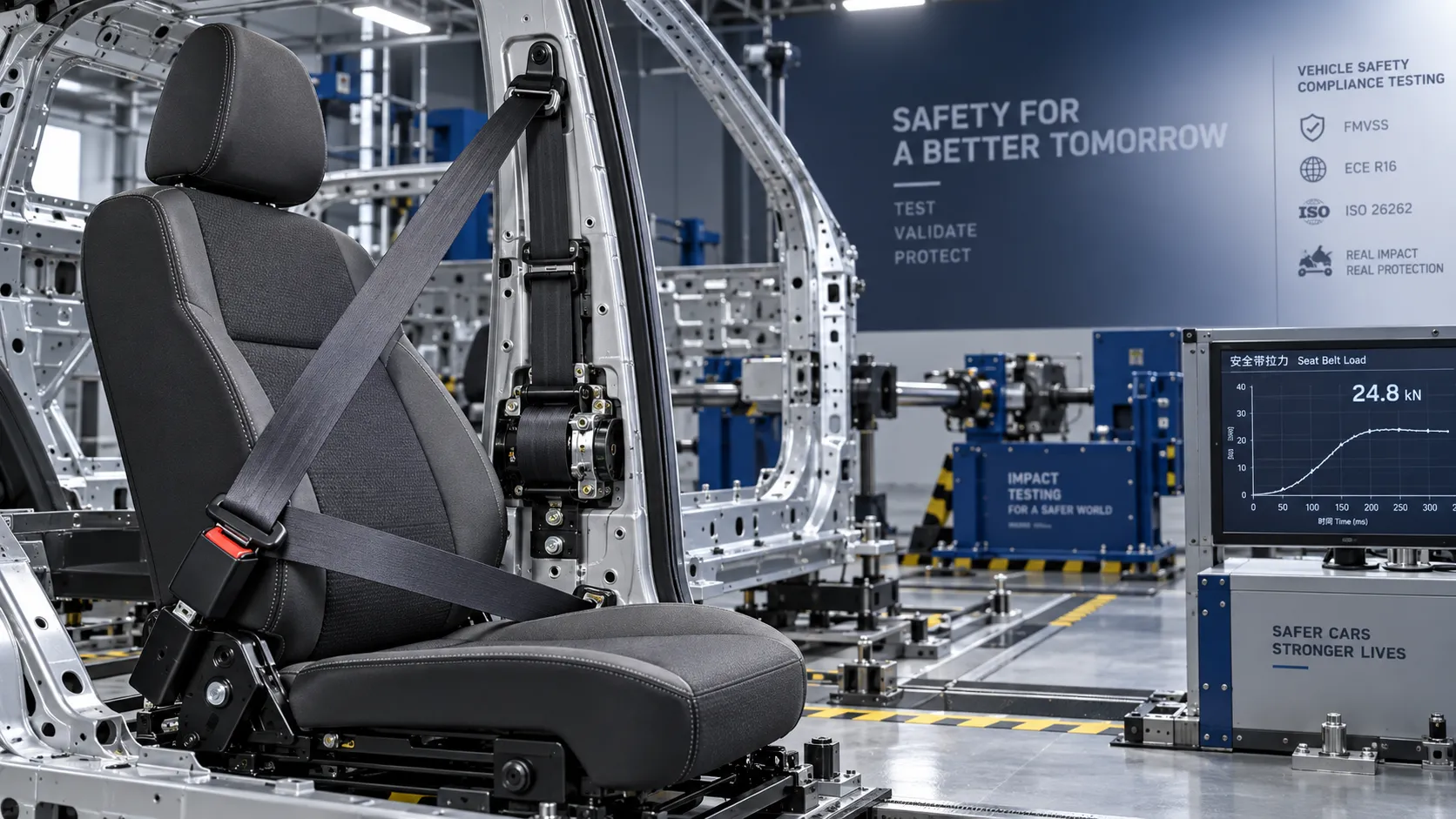
Crash Test Regulations for Seatbelts: Key Compliance Requirements Explained
Crash test regulations seatbelts explained: explore FMVSS, UN rules, anchorage strength, and dynamic restraint testing for safer, compliant vehicle systems.

How to Calculate the Total Cost of Automotive Lightweighting for a Vehicle Program
Automotive lightweight solutions cost: learn how to calculate program-level costs, including materials, tooling, joining, validation, risk, and vehicle-level value.

How Automotive Seat Occupancy Sensing Improves Airbag Deployment Decisions
Automotive seat occupancy sensing helps optimize airbag deployment decisions, improving passenger classification, safety diagnostics, and compliance across real-world conditions.

What Drives Lightweight Body Component Costs in High-Volume Vehicle Programs?
Lightweight body components cost depends on material yield, forming, joining, tooling, validation, and logistics. Explore proven ways to optimize total vehicle program cost.
Related News
- 00
0000-00
How to Evaluate an Aluminum Automotive Stampings Supplier for Cost, Quality, and Lead Time - 00
0000-00
How to Evaluate Aluminum for Vehicle Lightweight Solutions: Key Trade-Offs in Cost, Strength, and Formability - 00
0000-00
Stamped Aluminum Body Parts: Key Grades, Forming Limits, and Best-Fit Vehicle Applications - 00
0000-00
How Aluminum Automotive Stampings for Body Panels Improve Weight, Corrosion Resistance, and Formability - 00
0000-00
Automotive Lightweight Solutions: How to Compare Materials, Processes, and Cost Drivers
Weekly Insights
Stay ahead with our curated technology reports delivered every Monday.