
Stamped Aluminum Body Parts: Key Grades, Forming Limits, and Best-Fit Vehicle Applications
Stamped Aluminum Body Parts: Key Grades, Forming Limits, and Best-Fit Vehicle Applications
Stamped aluminum body parts now sit at the center of vehicle lightweighting. Yet lower mass alone does not guarantee better engineering, lower cost, or safer structures.
Grade selection, forming limits, joining strategy, and part location decide whether aluminum delivers a real system benefit. That is where many programs still succeed or fail.
Stamped aluminum body parts can reduce body-in-white weight, improve corrosion resistance, and support range targets for EVs. But they also introduce tighter process windows.
In practice, the key question is simple: which alloy works in which panel, at which thickness, under which forming and crash requirements?
The answer depends on balancing tensile strength, elongation, bake hardening response, dent resistance, springback behavior, and assembly compatibility across the vehicle platform.
Why Stamped Aluminum Body Parts Matter More Now
Recent vehicle programs face pressure from emissions rules, EV battery mass, crash requirements, and total cost targets. That combination makes lightweight structures more valuable than before.
Stamped aluminum body parts help offset battery pack weight without changing the full vehicle package. They are especially relevant when mass savings must come from upper-body structures.
A second driver is corrosion durability. Exterior closures and underbody-adjacent structures often benefit from aluminum where long-term surface quality matters.
More importantly, aluminum is no longer limited to niche premium vehicles. Production routes, hemming practices, and mixed-material joining methods have matured.
That said, stamped aluminum body parts are not a direct substitution for steel. The same geometry often behaves differently during draw, trim, flange, piercing, and assembly.
Key Aluminum Grades Used in Automotive Stamping
Most stamped aluminum body parts for automotive use come from the 5xxx and 6xxx series. Each family serves a different balance of formability, strength, and surface performance.
5xxx Series: Strong Formability, Good for Complex Shapes
Typical grades include 5182, 5754, and related variants. These alloys are magnesium-based and usually offer strong elongation and stable draw performance.
They are often selected for inner panels, floor sections, and parts where deep drawing matters more than final paint-bake strengthening.
Their practical advantage is broader forming tolerance. Their tradeoff is lower post-bake strength compared with many 6xxx outer panel materials.
6xxx Series: Better Outer Panel Balance
Common grades include 6016, 6022, 6111, and 6181. These silicon-magnesium alloys are widely used for closures and visible outer panels.
They generally provide good surface quality, useful dent resistance, and bake hardening response after paint curing. That makes them attractive for hoods, doors, and decklids.
However, stamped aluminum body parts in 6xxx grades often require tighter lubrication control and more careful die compensation because springback can become more visible.
7xxx and Other High-Strength Options
Some advanced programs explore higher-strength aluminum for reinforcement concepts. Still, these are less common in conventional stamped aluminum body parts.
The reason is straightforward. Strength gains may come with reduced formability, higher cracking risk, more difficult joining, and narrower stamping robustness.
Forming Limits That Shape Real-World Feasibility
When stamped aluminum body parts underperform, the issue is often not alloy strength alone. It is usually the interaction between geometry, material temper, tooling, and friction.
1. Lower Formability Than the CAD Model Suggests
Digital feasibility can look acceptable while the physical panel still tears near radii, embosses, or wall transitions. Aluminum is less forgiving in local strain concentration areas.
Forming limit diagrams remain essential, but they should be paired with bead tuning, blank shape optimization, and realistic tribology data from production conditions.
2. Springback and Shape Control
Stamped aluminum body parts typically show more springback than mild steel parts. This affects flushness, gap control, hem quality, and downstream assembly repeatability.
Compensation must be built into die surfaces early. Waiting until tryout often extends launch timing and increases rework cost.
3. Surface Galling and Lubrication Sensitivity
Aluminum surfaces react differently against tooling. Galling risk rises when lubrication breaks down or die surface preparation is inconsistent.
For visible stamped aluminum body parts, this matters twice. Surface damage can become both a forming issue and a paint-quality issue.
4. Edge Cracking After Trimming or Flanging
Trim quality strongly affects edge stretchability. Rough sheared edges can trigger cracks during later flanging, especially in tighter radii or higher-strength tempers.
This is one reason why stamped aluminum body parts need evaluation across the full route, not only the first draw operation.
Best-Fit Vehicle Applications for Stamped Aluminum Body Parts
Not every automotive panel deserves aluminum. The best applications usually combine meaningful mass reduction, moderate forming complexity, and clear value in corrosion or closure performance.
Hoods and Decklids
These are among the most established stamped aluminum body parts. They offer strong mass savings high in the vehicle, helping center-of-gravity control.
Outer panels often use 6xxx alloys, while inners may use grades chosen for drawability and local stiffness management.
Doors and Liftgates
Doors gain from reduced opening effort and lower hinge loads. Liftgates also benefit because lighter closures improve user interaction and power-assist sizing.
Still, stamped aluminum body parts in doors must be checked carefully for intrusion performance, hem flange quality, and mixed-material corrosion interfaces.
Roof Panels
Roof skins are attractive because every kilogram saved at the top of the body helps handling and rollover-related mass distribution.
However, oil canning, surface stability, and joining around roof rails need close control. Surface-sensitive stamped aluminum body parts leave little room for process drift.
Selected Inner Structures
Floor sections, wheelhouse inners, and package-adjacent structures can work well when load paths are understood and joining methods are proven.
This becomes more relevant in EV architectures, where body mass interacts directly with range, payload, and battery enclosure strategy.
Where Aluminum Is Less Competitive
Some parts remain better suited to advanced high-strength steel. Very high intrusion zones, low-cost high-volume reinforcements, and severe local load areas often favor steel.
If geometry is extremely deep, highly stretched, or dependent on tight edge durability, stamped aluminum body parts may require too much process compromise.
The better decision is often mixed material design, not all-aluminum design. Smart allocation usually beats material purity.
A Practical Evaluation Framework
A useful review path for stamped aluminum body parts should cover five checkpoints before final sourcing or tooling release:
- Confirm the mass-saving value at vehicle level, not only part level.
- Match alloy and temper to draw severity, surface class, and bake cycle.
- Validate springback and edge cracking with production-like tooling and lubrication.
- Review joining, galvanic isolation, and repair implications early.
- Check crash, dent, NVH, and dimensional stability as one linked system.
This kind of framework keeps stamped aluminum body parts from being judged only by weight. In real programs, manufacturability and integration decide final success.
Conclusion
Stamped aluminum body parts are most effective when grade choice, formability limits, and vehicle application are aligned from the start.
5xxx alloys usually fit deeper and more complex shapes. 6xxx alloys often fit visible closures where dent resistance and bake response matter more.
The strongest opportunities remain hoods, doors, decklids, roofs, and selected inner structures. The biggest risks remain springback, edge cracking, surface damage, and joining complexity.
For teams assessing stamped aluminum body parts, the right question is not whether aluminum is lighter. It is whether the full part system performs better, reliably, and at scale.
Related News

Which Passive Safety Engineering Standards Apply to Automotive Restraint Systems?
Passive safety engineering standards for automotive restraint systems: explore FMVSS, UN regulations, seatbelts, airbags, anchors, and compliance planning.

How European B2B Teams Can Evaluate Product Intelligence Platforms for Sourcing
B2B product intelligence platform Europe: learn how procurement teams assess suppliers, compliance data, technical capabilities, and sourcing risks with confidence.
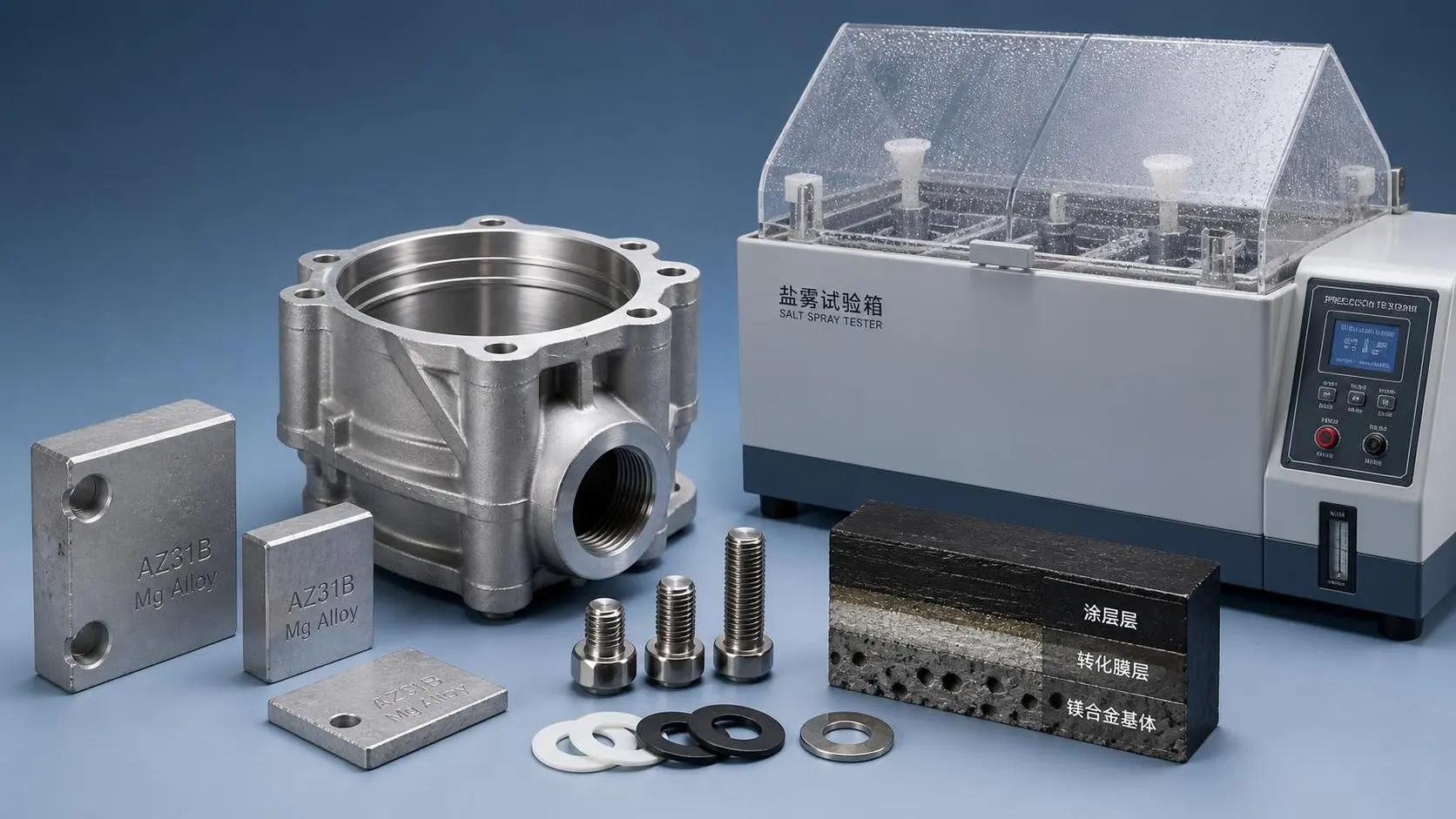
How to Evaluate Magnesium Alloys Corrosion Resistance for Marine Parts?
Magnesium alloys corrosion resistance for marine parts depends on more than alloy grade. Learn how to assess coatings, galvanic risk, geometry, and real-world exposure before you decide.

How to Evaluate Mobility Safety Systems for Safer Vehicle Platform Design
Mobility safety systems evaluation starts with platform architecture, crash energy management, and seat-restraint timing. Learn how to choose safer, validation-ready vehicle designs.

How Seat Belt Pretensioners for EVs Improve Crash Safety and System Response
Seat belt pretensioners for EVs improve crash timing, occupant control, and system response. Discover how smarter integration boosts EV safety performance.
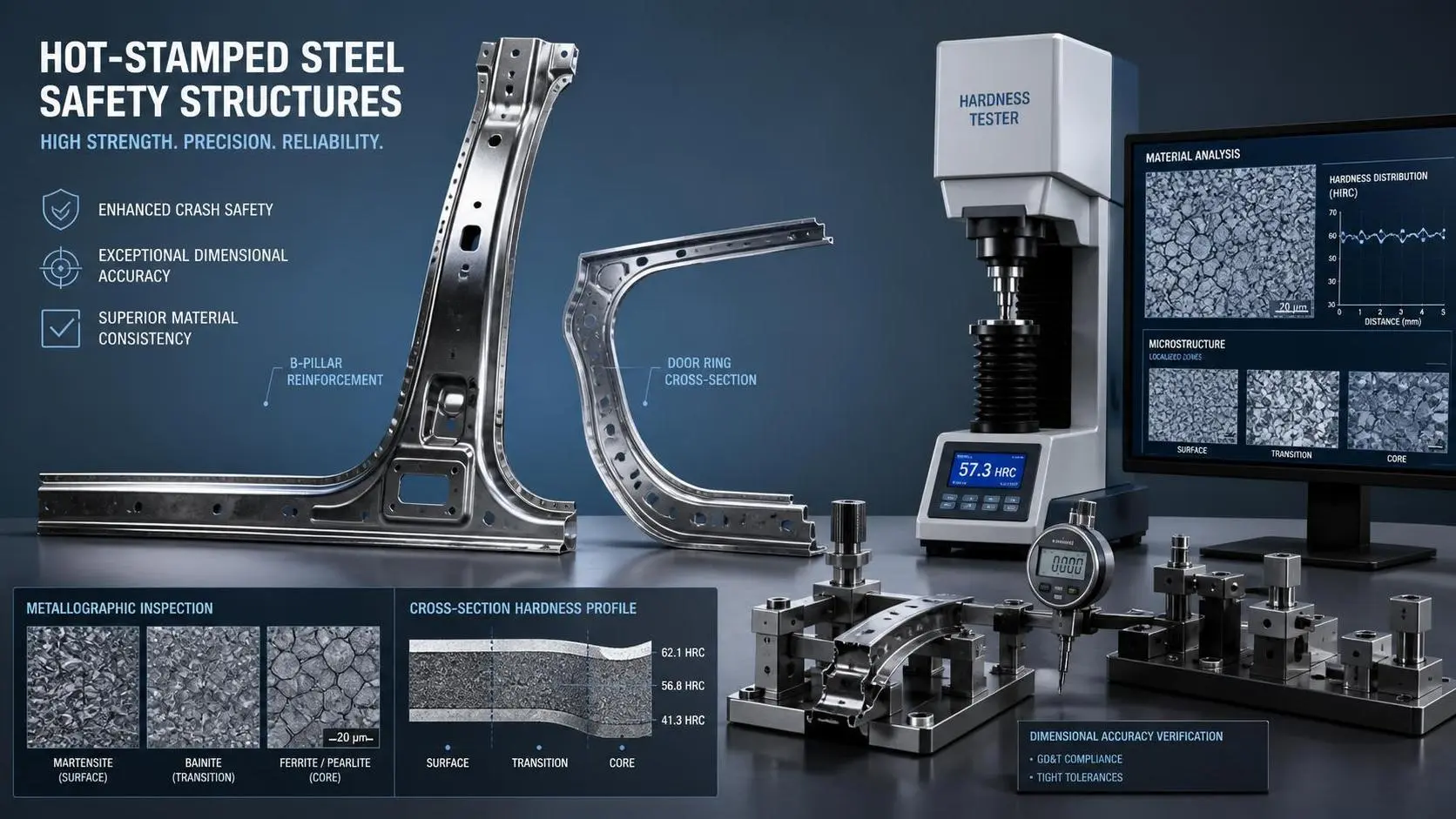
How to Evaluate High Strength Hot Stamped Steel Parts for Crash-Safety Applications
High strength hot stamped steel parts for crash-safety applications: learn how to assess strength, microstructure, dimensional accuracy, and process stability for safer sourcing decisions.
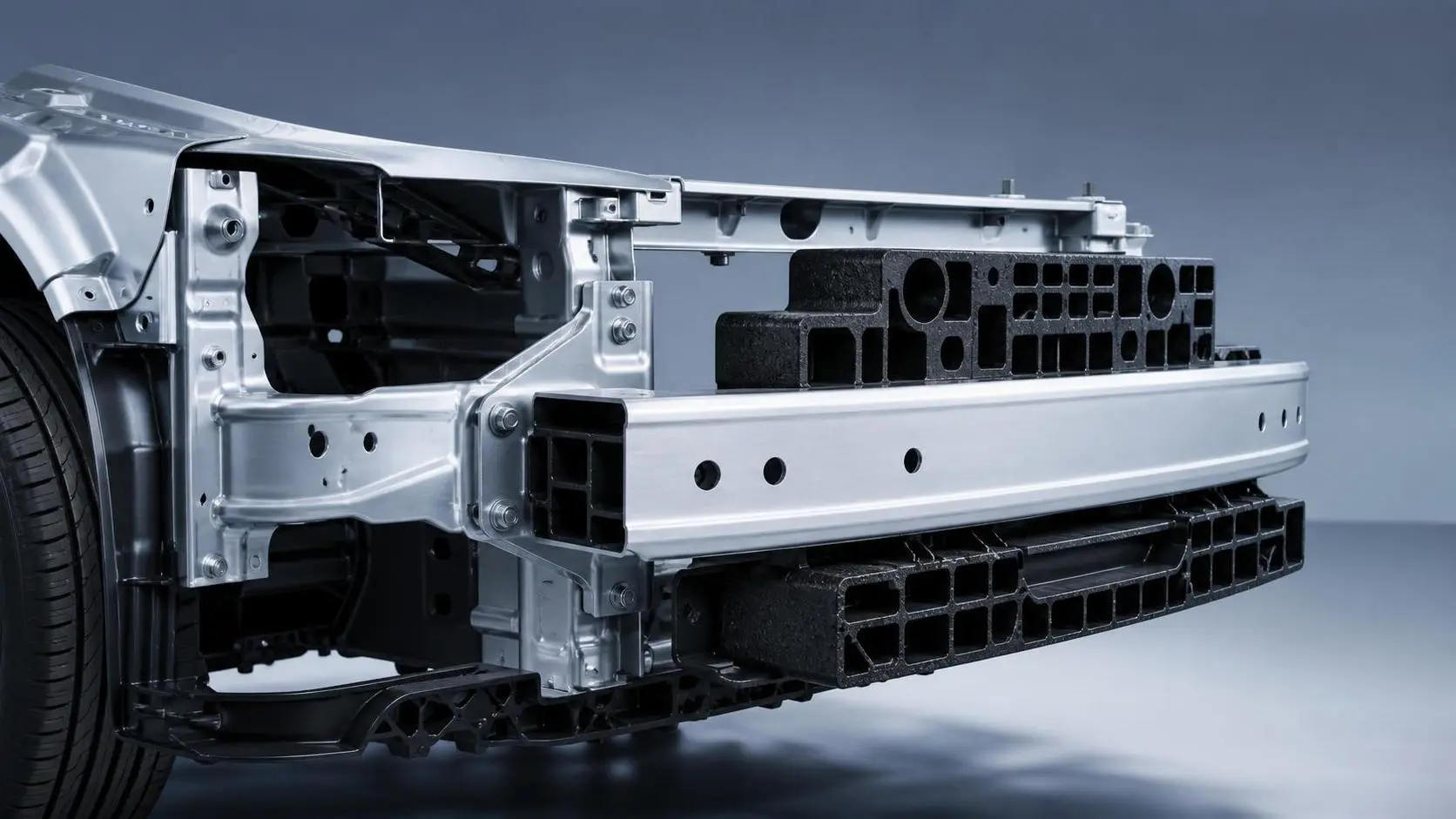
How Crash Management Components Reduce Repair Costs and Improve Impact Performance
Crash management components help reduce repair costs, protect critical vehicle structures, and improve impact performance. Learn how smarter design supports safer, more cost-efficient mobility programs.

How to Evaluate a Seat Sensing Systems Factory for Automotive Safety Programs
Seat sensing systems factory selection goes beyond price. Learn how to assess quality control, validation, PPAP readiness, and long-term supply reliability for safer automotive programs.
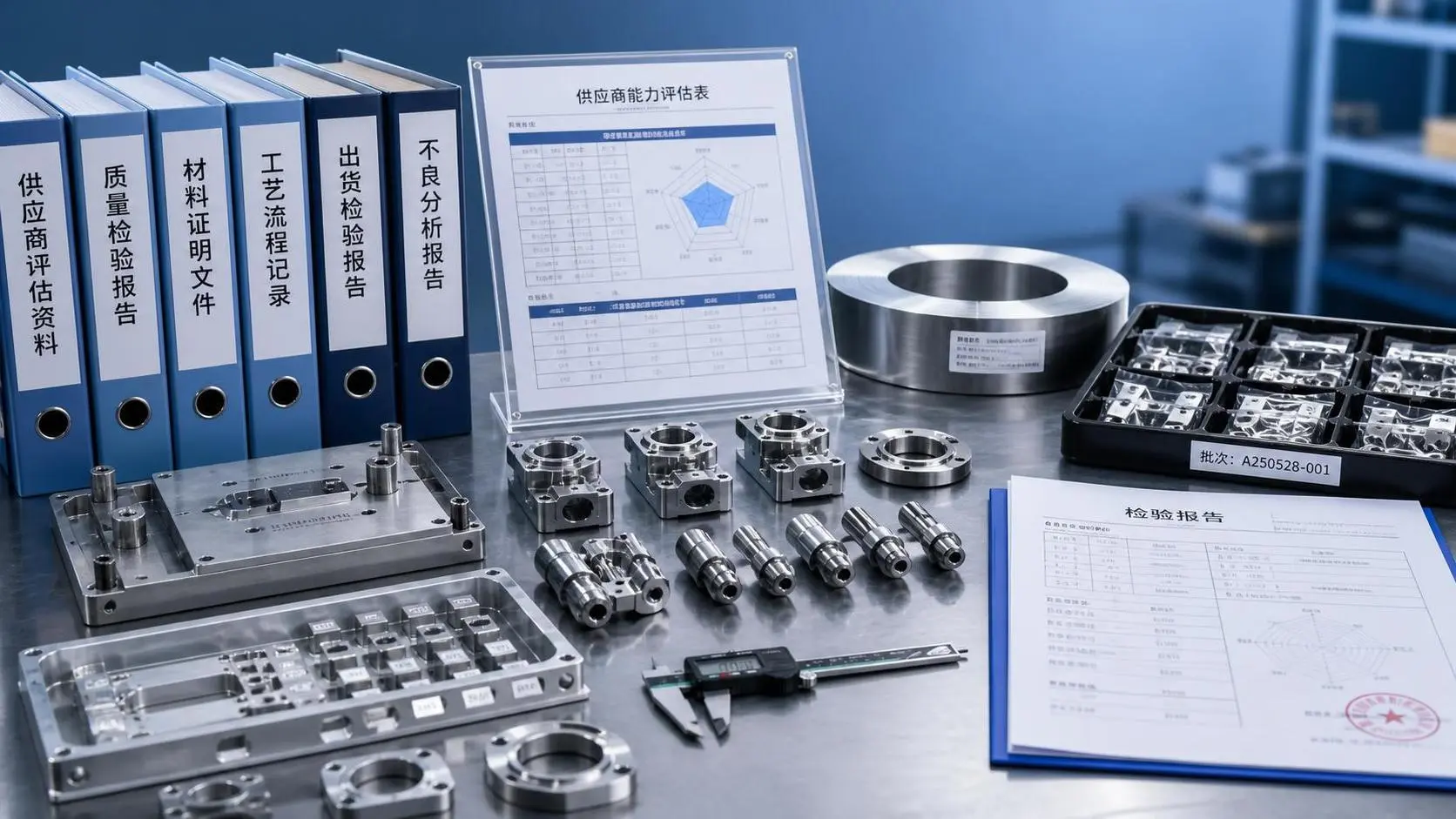
Supplier Capability Evaluation Process: Key Criteria for B2B Sourcing Decisions
Supplier capability evaluation process explained: learn the key criteria for B2B sourcing decisions, reduce supplier risk, and choose partners with confidence.
Related News
- 00
0000-00
How to Evaluate an Aluminum Automotive Stampings Supplier for Cost, Quality, and Lead Time - 00
0000-00
How to Evaluate Aluminum for Vehicle Lightweight Solutions: Key Trade-Offs in Cost, Strength, and Formability - 00
0000-00
Stamped Aluminum Body Parts: Key Grades, Forming Limits, and Best-Fit Vehicle Applications - 00
0000-00
How Aluminum Automotive Stampings for Body Panels Improve Weight, Corrosion Resistance, and Formability - 00
0000-00
Automotive Lightweight Solutions: How to Compare Materials, Processes, and Cost Drivers
Weekly Insights
Stay ahead with our curated technology reports delivered every Monday.