
Are vehicle lightweight solutions worth the tradeoffs?
Are vehicle lightweight solutions worth the tradeoffs? For mobility programs, the answer is rarely absolute. Weight reduction can improve range, fuel economy, handling, and emissions performance. Yet every kilogram removed may introduce cost, complexity, repair challenges, or new validation risks. In sectors where safety, durability, and compliance are non-negotiable, vehicle lightweight solutions must be judged through a full-system lens rather than a material trend alone.
This matters across the broader equipment landscape covered by GNCS. Lightweight body structures influence crash energy management, seat integration, restraint timing, and even packaging for intelligent cabin systems. The most effective vehicle lightweight solutions are not simply lighter parts. They are balanced engineering decisions that protect safety margins while supporting manufacturing stability and long-term commercial value.
Definition and Core Scope of Vehicle Lightweight Solutions
Vehicle lightweight solutions refer to design, material, and process strategies that reduce mass without undermining structural performance, occupant protection, or product life. The goal is not minimum weight at any price. The goal is optimum weight for the mission profile.
In practice, vehicle lightweight solutions usually combine several approaches:
- Material substitution, such as aluminum, magnesium, composites, or advanced high-strength steel.
- Part consolidation to remove brackets, welds, and redundant reinforcement.
- Topology optimization for better stiffness-to-weight performance.
- Process upgrades, including hot stamping, structural adhesives, and precision casting.
- Subsystem redesign across body, seat, restraint, and battery or powertrain packaging.
The tradeoffs appear because mass affects almost every attribute. A lighter body can reduce energy consumption. However, it can also change crash pulse behavior, NVH response, corrosion pathways, joining methods, and service procedures. That is why vehicle lightweight solutions should be assessed as system engineering, not isolated part engineering.
Industry Context and Current Decision Signals
The push toward vehicle lightweight solutions is driven by multiple pressures. Electrification has increased platform mass. Emissions regulation remains strict in many regions. Customers still expect comfort, cabin technology, and high safety ratings. These forces create a direct need to offset weight growth intelligently.
Several current signals are shaping lightweight strategy:
For platforms integrating passive safety systems, GNCS observes a critical pattern. Material changes in structural zones often affect airbag timing windows, seatbelt load paths, and occupant kinematics. This means vehicle lightweight solutions cannot be approved solely by mass saved per part. They need cross-domain validation.
Main Benefits and Business Value
Well-executed vehicle lightweight solutions can deliver strong technical and commercial returns. The most obvious value is reduced energy demand. In internal combustion vehicles, this supports fuel economy. In electric vehicles, it can support range, battery downsizing, or performance improvement.
Mass reduction also influences dynamic behavior. Lower weight can improve acceleration, braking response, and steering feel. In some architectures, lighter unsprung or upper-body mass also benefits ride quality and rollover resistance.
There is also a packaging benefit. Efficient vehicle lightweight solutions can free structural margin for other needs, including battery protection, seat comfort features, acoustic treatment, and advanced sensing hardware. This becomes valuable when platforms must carry more cabin technology without continuous weight escalation.
From a business perspective, lightweighting may support:
- Regulatory compliance with lower fleet energy or emission burden.
- Better product positioning through efficiency and handling gains.
- Reduced lifecycle energy use in high-mileage applications.
- Platform flexibility when integrating safety and comfort modules.
However, these gains are only meaningful when they exceed the hidden costs of complexity. That is where the tradeoff analysis becomes essential.
The Tradeoffs Behind Vehicle Lightweight Solutions
The central challenge is simple: the lightest answer is not always the best answer. Vehicle lightweight solutions create value only when the downside is visible, measurable, and manageable.
Cost and Capital Intensity
Advanced materials often cost more than conventional steel. Tooling, joining, forming, and quality inspection may also become more expensive. If volume is low or scale is uncertain, the payback period may stretch beyond the business case.
Crashworthiness and Safety Integration
A lighter structure must still manage crash energy predictably. Different materials fail differently. Some absorb energy progressively. Others transfer load in ways that alter cabin intrusion, restraint timing, or seat anchorage behavior.
This is especially important for systems linked to GNCS coverage, including airbags, seatbelts, and seat assemblies. Vehicle lightweight solutions that change pulse shape may require recalibration across the full passive safety stack.
Manufacturing Complexity
Mixed-material bodies can demand adhesive bonding, self-piercing rivets, laser welding, or thermal isolation methods. These processes increase line complexity and operator training requirements. They may also affect takt time and production stability.
Repairability and Service Cost
Some lightweight structures are harder to repair after collision damage. Specialized tools, replacement sections, or heat restrictions can increase service cost. If repair economics worsen, insurance cost and residual value may suffer.
Supply Chain and Compliance Risk
Magnesium, aluminum grades, resin systems, and specialty adhesives may face regional sourcing constraints. Vehicle lightweight solutions therefore need material traceability, qualification discipline, and contingency sourcing plans.
Typical Application Paths and Suitability by Component
Not every component offers the same return. The best vehicle lightweight solutions usually target high-mass, high-volume, or high-leverage areas first.
This component view helps prioritize effort. In many programs, targeted vehicle lightweight solutions outperform broad redesigns because they focus investment where mass reduction changes system performance most.
Practical Evaluation Framework
A disciplined framework reduces the risk of chasing theoretical savings that fail in validation or production. The following sequence is practical and repeatable:
- Define the primary objective: range, emissions, dynamics, payload, or safety packaging.
- Quantify mass sensitivity at vehicle level, not part level alone.
- Screen candidate materials and processes against crash, corrosion, and durability needs.
- Model interaction with seatbelts, airbags, seat structures, and cabin packaging.
- Estimate tooling, cycle time, scrap, repairability, and sourcing risk.
- Validate with physical tests where simulation uncertainty remains high.
This approach keeps vehicle lightweight solutions grounded in operational reality. It also supports better communication between structural engineering, safety validation, manufacturing, and commercial planning.
Implementation Notes and Next-Step Focus
The strongest programs start with selective lightweighting, not ideology. A balanced roadmap often combines advanced high-strength steel in safety-critical zones, aluminum in closures, and optimized seat or interior structures where load paths are well understood.
Vehicle lightweight solutions are worth the tradeoffs when three conditions are met. First, the mass reduction creates measurable vehicle-level benefit. Second, safety and durability remain predictable. Third, the manufacturing and service model stays economically credible.
For teams navigating these decisions, the next step is not a blanket material switch. It is a structured assessment of high-impact components, crash interfaces, and lifecycle cost exposure. That method turns vehicle lightweight solutions from a design ambition into a reliable competitive advantage.
GNCS continues to track the intersection of lightweight bodies, passive safety systems, and intelligent cabin engineering. In a market shaped by precision, compliance, and zero-compromise protection, the best vehicle lightweight solutions are those that reduce mass without reducing confidence.
Related News
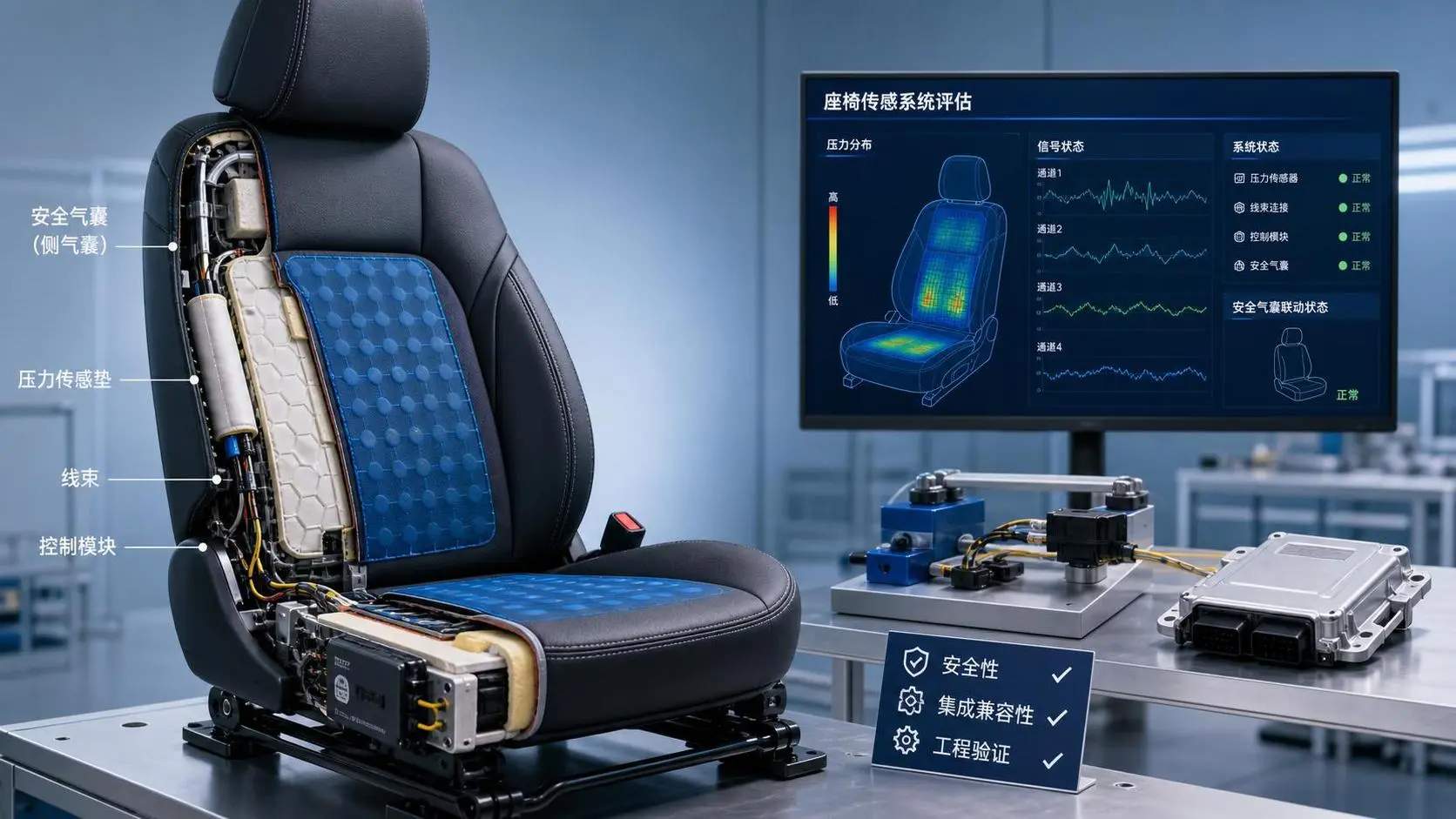
How to Evaluate a Seat Sensing Technology Supplier for Safety and Integration?
Seat sensing technology supplier evaluation guide: compare safety maturity, integration fit, algorithm reliability, and validation support to choose a partner that reduces risk.

How to Evaluate Custom Smart Automotive Seating for Premium Vehicle Programs?
Custom smart automotive seating evaluation starts with safety, comfort, integration, and production readiness. Discover how premium vehicle teams choose smarter, lower-risk seat solutions.

B2B Product Intelligence Platforms: How to Compare Features, Data Coverage, and ROI
B2B product intelligence platform comparison: learn how to evaluate data coverage, feature depth, compliance visibility, and ROI to choose a sourcing tool that reduces risk and speeds decisions.

Climate Control Seats Cost: What Drives Price and Long-Term Ownership Value?
Climate control seats cost depends on materials, thermal tech, and integration. Learn what drives price and how to judge long-term value before you buy.

What Factors Drive Marine Navigation Components Cost in Commercial Vessel Projects?
Marine navigation components cost is shaped by integration, compliance, installation, and lifecycle support. Discover what drives pricing and how buyers can reduce risk while improving value.

How Much Does Seat Occupancy Sensing Cost? Key Pricing Factors for Buyers
Seat occupancy sensing price varies widely by technology, integration, and compliance needs. Learn the key cost drivers, avoid hidden fees, and make smarter buying decisions.
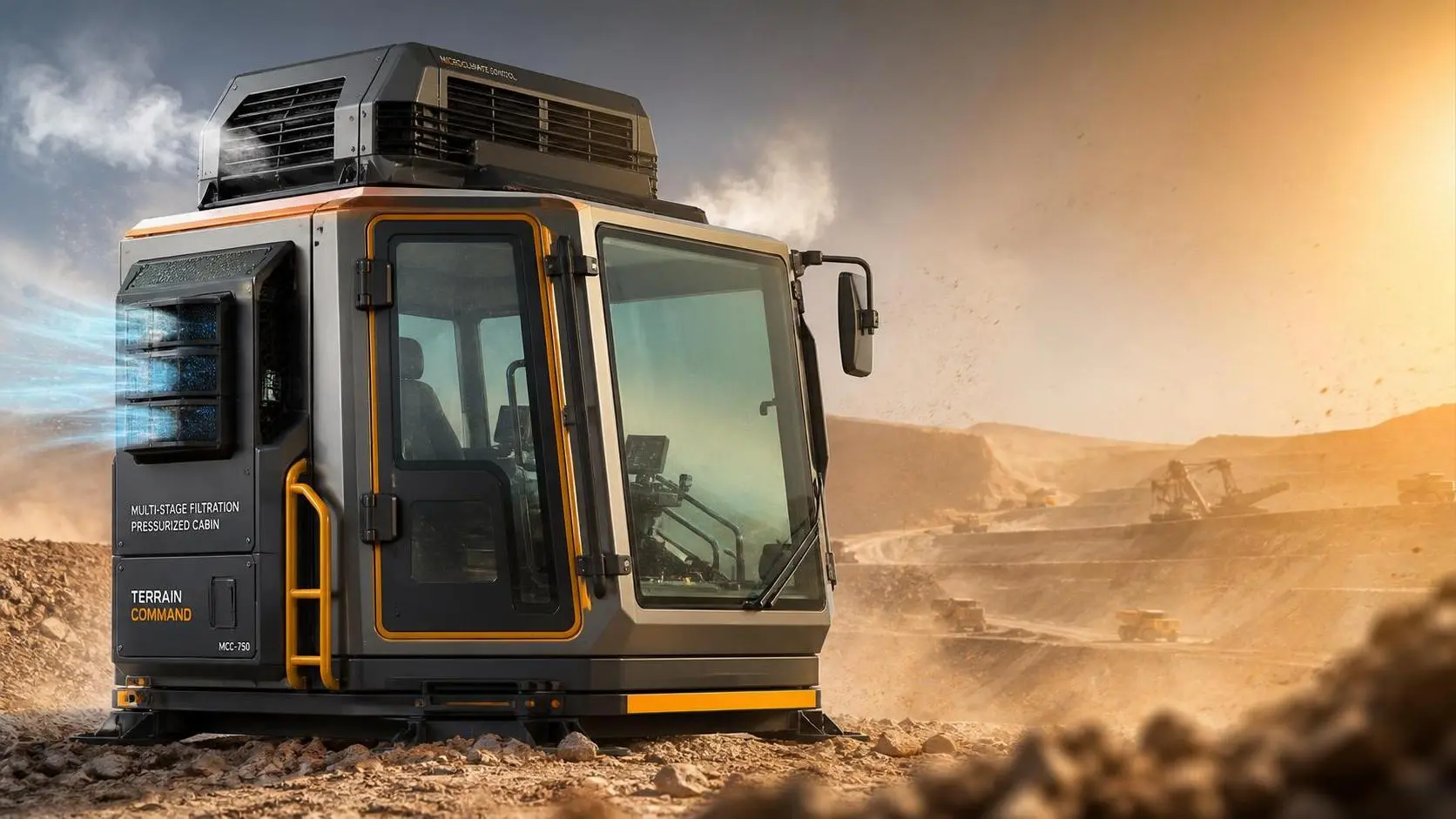
How to Specify Micro-Climate Control Cabins for Harsh Outdoor Worksites?
Micro-climate control cabins for harsh outdoor worksites: learn how to specify thermal control, filtration, pressurization, and durability for safer uptime and smarter buying.

How to Evaluate a B2B Product Knowledge Platform for Faster Procurement Decisions
B2B product knowledge platform procurement starts with reducing decision risk. Learn how to compare specs, compliance, and supplier data to speed sourcing with confidence.

How to Evaluate an Occupant Restraint Systems Exporter for Quality, Compliance, and Supply Risk
Occupant restraint systems exporter evaluation guide: learn how to verify quality controls, compliance evidence, and supply risk before sourcing to avoid recalls, delays, and hidden costs.
Related News
- 00
0000-00
How to Evaluate an Aluminum Automotive Stampings Supplier for Cost, Quality, and Lead Time - 00
0000-00
How to Evaluate Aluminum for Vehicle Lightweight Solutions: Key Trade-Offs in Cost, Strength, and Formability - 00
0000-00
Stamped Aluminum Body Parts: Key Grades, Forming Limits, and Best-Fit Vehicle Applications - 00
0000-00
How Aluminum Automotive Stampings for Body Panels Improve Weight, Corrosion Resistance, and Formability - 00
0000-00
Automotive Lightweight Solutions: How to Compare Materials, Processes, and Cost Drivers
Weekly Insights
Stay ahead with our curated technology reports delivered every Monday.