
Automotive Lightweight Solutions: How to Compare Materials, Processes, and Cost Drivers
Automotive lightweight solutions are no longer judged by density charts alone. In real vehicle programs, the better comparison starts with load paths, crash behavior, joining limits, tooling strategy, and lifecycle cost.
That shift matters across the broader mobility industry. Platforms tracked by GNCS increasingly connect lightweight body decisions with passive safety, seating structures, compliance pressure, and global manufacturing consistency.
A lighter structure can improve range, emissions, handling, and payload efficiency. Yet the wrong material or process can raise scrap, slow production, complicate repairs, or weaken crash-energy management where it matters most.
What lightweighting really means in vehicle structures
In practice, automotive lightweight solutions aim to reduce mass without losing structural integrity, occupant protection, durability, or manufacturing stability. The target is not minimum weight. The target is better system efficiency.
That is why material substitution alone rarely delivers the best answer. A thinner gauge steel part, a cast aluminum node, and a composite panel may all save weight, but they behave very differently in assembly and impact.
The most useful comparison looks at the vehicle as a mixed-material system. Body-in-white, closures, seat frames, battery enclosures, cross-car beams, and crash members each follow different constraints.
Why the topic is getting sharper industry attention
Electrification has changed the economics of mass. Heavy battery packs make every kilogram more visible, especially when teams are chasing range, ride quality, and package efficiency at the same time.
Crash regulations are also tightening the conversation. High-strength structures must still manage intrusion, deceleration, and energy transfer around passengers, restraint systems, and smart seating architectures.
From the GNCS perspective, this is where lightweight body design intersects with cabin safety. Material choices affect not only shell mass, but also how airbags, seatbelts, and seat structures perform in dynamic events.
Supply chain volatility adds another layer. Resin costs, aluminum premiums, energy-intensive processing, and regional stamping capacity can quickly change the attractiveness of one route over another.
Comparing the main material families
Most automotive lightweight solutions fall into four broad material groups: advanced steels, aluminum alloys, magnesium alloys, and fiber-reinforced composites. Each group solves a different engineering problem.
Advanced high-strength steel
AHSS remains the baseline for many body structures because it combines familiar manufacturing routes with strong crash performance and relatively controlled material cost.
Hot stamping extends this value further. It enables very high strength in pillars, roof rails, and intrusion-critical areas, although tooling, furnace integration, and die wear must be assessed carefully.
Aluminum alloys
Aluminum offers strong mass reduction potential in closures, crash management systems, and certain body nodes. It also supports extrusion, casting, and sheet-based solutions with good design flexibility.
The tradeoff is not simply higher raw material cost. Joining methods, springback control, corrosion management, and repair complexity can reshape the real program economics.
Magnesium alloys
Magnesium is attractive where thin-wall casting and aggressive mass reduction are needed, including seat frames, brackets, and selected interior support structures.
Still, magnesium requires disciplined attention to corrosion protection, creep behavior in hot zones, and supply stability. It is often best used selectively rather than broadly.
Composites
Glass fiber and carbon fiber composites can deliver major weight savings and high stiffness. They are especially relevant where shape complexity or part consolidation creates system-level value.
Their challenge lies in cycle time, quality control, joining, repairability, and recycling pathways. For high-volume programs, those issues often matter more than headline mass savings.
Processes often decide the winner
Material selection cannot be separated from process selection. Many automotive lightweight solutions fail in evaluation because teams compare properties, while ignoring the realities of forming and assembly.
Cold stamping still dominates high-volume economics. Hot stamping is preferred when ultra-high strength is essential. Extrusion works well for linear load-bearing shapes. Casting supports node integration and design freedom.
Composites introduce routes such as compression molding, resin transfer molding, and prepreg layup. Their feasibility depends heavily on takt time, quality repeatability, and scrap tolerance.
Joining is usually the hidden decision point. Spot welding, laser welding, rivets, structural adhesives, self-piercing rivets, and hybrid joining each bring different cost, durability, and inspection implications.
Questions worth asking during process review
- Can the selected process hold geometry under production variation?
- Does joining introduce galvanic, fatigue, or sealing risks?
- How much scrap is expected at launch and at steady state?
- Will maintenance, die life, or curing time restrict throughput?
- Can the process scale across regions with equal quality?
The cost drivers behind lightweight decisions
Cost comparison becomes misleading when it focuses only on raw material price per kilogram. Better decisions come from total delivered function per part, per assembly, and per vehicle.
Several drivers usually dominate the business case for automotive lightweight solutions:
- Material premium versus the actual kilograms removed.
- Tooling investment, including dies, furnaces, molds, and fixtures.
- Cycle time and line productivity.
- Joining and surface treatment complexity.
- Scrap rate, yield loss, and rework exposure.
- Validation effort for crash, fatigue, corrosion, and repair.
- End-of-life recovery and recycling value.
Part consolidation can offset expensive materials. A cast aluminum structure that replaces six stampings may reduce fasteners, tolerances, and assembly steps enough to justify a higher metal cost.
The reverse can also happen. A composite panel may look attractive on mass, yet lose ground when cure time, inspection, repair, and low-volume economics are modeled honestly.
Where lightweight solutions create the most practical value
Not every component deserves the same lightweight strategy. The strongest returns usually appear where weight reduction improves multiple vehicle metrics at once.
Body-in-white structures benefit when mass savings are achieved without disturbing crash load paths. Closures help lower center of gravity and improve user feel. Seat frames can reduce mass while supporting comfort and smart sensing integration.
Battery enclosures and cross members deserve special scrutiny. These parts sit at the intersection of stiffness, thermal shielding, crash containment, and manufacturing scale.
This systems view aligns with how GNCS tracks the market. Lightweighting is most valuable when it supports both structural efficiency and cabin protection, not when it shifts risk to downstream safety systems.
A practical evaluation framework
A workable review model starts with function, not material. Define the part’s structural role, crash role, environmental exposure, joining interfaces, and service expectations before ranking options.
Then compare candidate automotive lightweight solutions across a short set of weighted criteria. The goal is a defendable decision, not an abstract technology score.
Once that matrix is built, weak assumptions become easier to spot. A promising material often loses priority because the joining route is immature, or because regional supply adds unacceptable launch risk.
What to examine next
The next step is to narrow the decision around real program conditions. Separate high-volume and niche-volume cases. Test mixed-material joining early. Quantify crash tradeoffs before locking packaging assumptions.
It also helps to connect material evaluation with adjacent systems. Seat integration, restraint timing, battery protection, and repair pathways can all change the value of automotive lightweight solutions.
A disciplined shortlist should end with three things: a functional weight target, a validated process route, and a transparent cost model. That is usually where lightweight strategy becomes a reliable engineering decision rather than a materials debate.
Related News
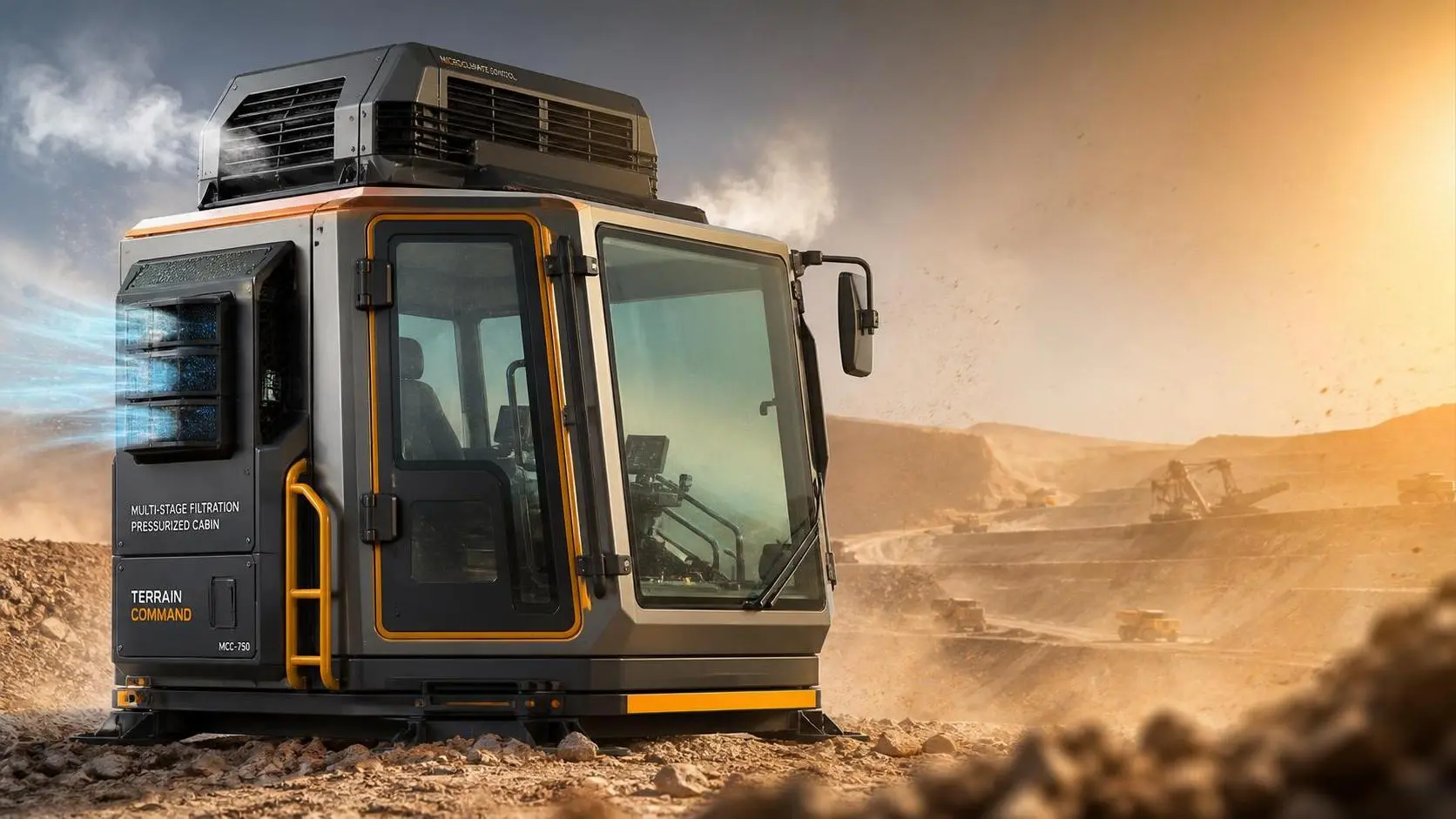
How to Specify Micro-Climate Control Cabins for Harsh Outdoor Worksites?
Micro-climate control cabins for harsh outdoor worksites: learn how to specify thermal control, filtration, pressurization, and durability for safer uptime and smarter buying.

How to Evaluate a B2B Product Knowledge Platform for Faster Procurement Decisions
B2B product knowledge platform procurement starts with reducing decision risk. Learn how to compare specs, compliance, and supplier data to speed sourcing with confidence.

How to Evaluate an Occupant Restraint Systems Exporter for Quality, Compliance, and Supply Risk
Occupant restraint systems exporter evaluation guide: learn how to verify quality controls, compliance evidence, and supply risk before sourcing to avoid recalls, delays, and hidden costs.

Navigation Compliance Certification: Which Marine Systems Need It and How to Prepare?
Navigation compliance certification explained: discover which marine systems need approval, what documents matter, and how to prepare early to avoid delays, rework, and costly project risks.
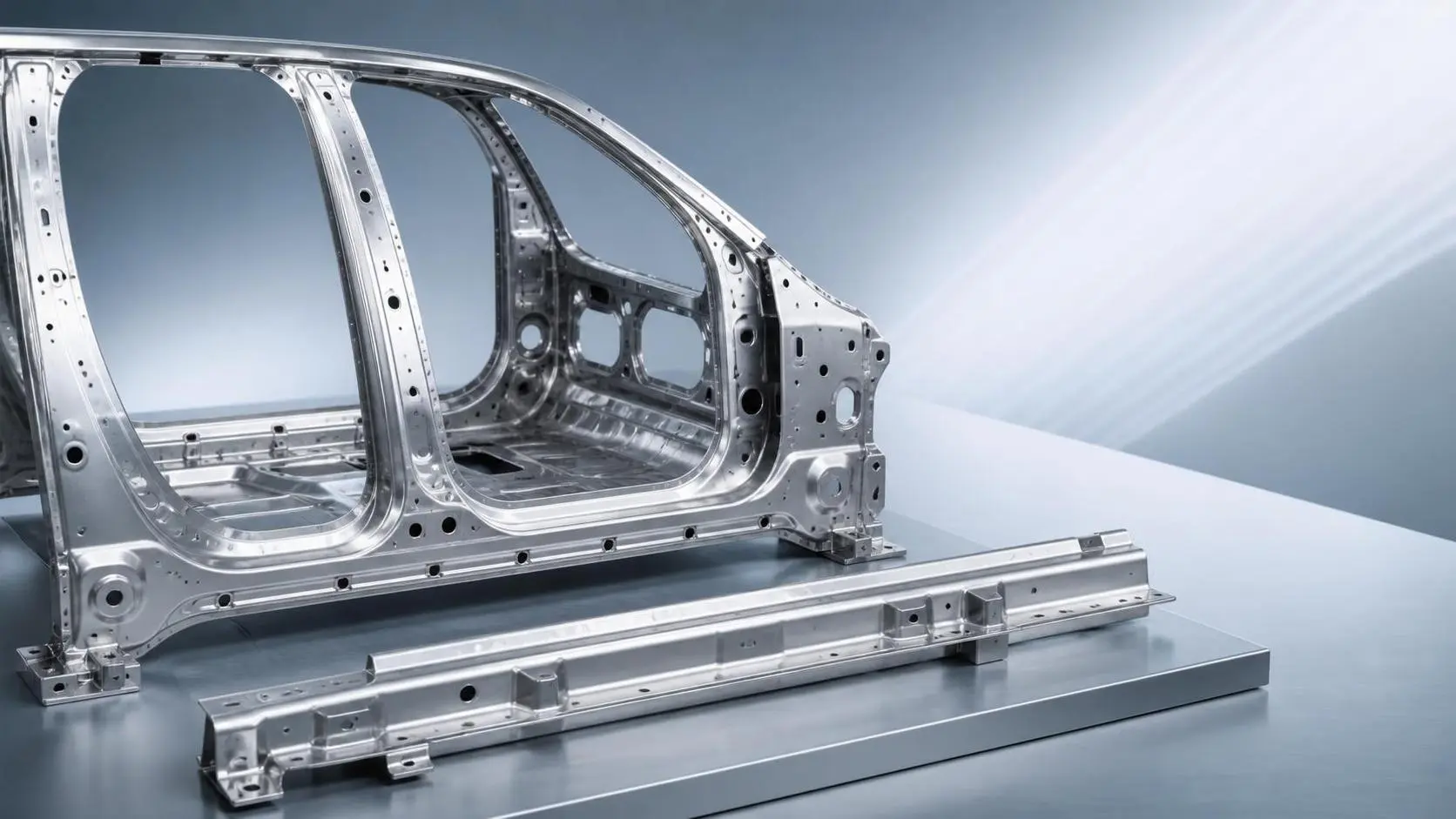
How to Evaluate Steel Auto Body Stampings for Strength, Fit, and Cost
Steel auto body stampings should be judged by strength, fit, and total cost together. Learn how to compare materials, forming limits, springback, joining, and tooling before choosing.
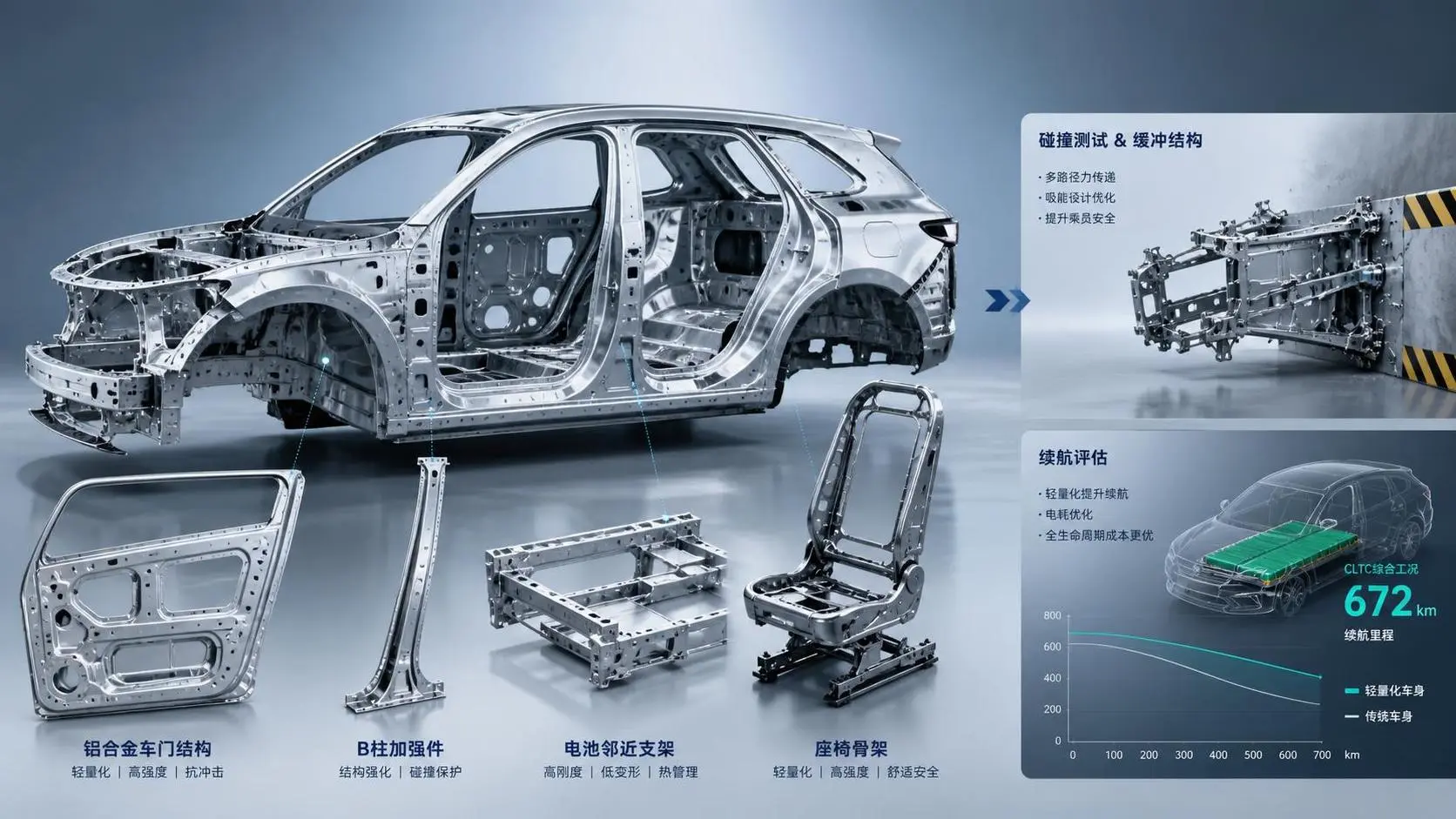
How to Evaluate Lightweight Automotive Components for EV Range and Crash Performance
Lightweight automotive components for EVs: learn how to evaluate real range gains, crash performance, joining risk, and manufacturability to choose safer, smarter EV parts.

How to Evaluate Airbag Components for OEM Safety Performance and Compliance?
Airbag components evaluation guide for OEM teams: compare deployment performance, inflator consistency, compliance evidence, and supplier traceability to reduce safety risk and choose with confidence.

Maritime Compliance Information Standards: What Ship Operators Must Check
Maritime compliance information standards explained for ship operators: learn the key checks for navigation, documentation, updates, and crew readiness to reduce risk and avoid costly delays.

How to Evaluate Cargo Marine Sonar Systems for Detection Range and Vessel Fit
Cargo marine sonar systems: learn how to assess usable detection range, hull fit, noise risk, and bridge integration to choose a reliable solution for real cargo vessel operations.
Related News
- 00
0000-00
How to Evaluate an Aluminum Automotive Stampings Supplier for Cost, Quality, and Lead Time - 00
0000-00
How to Evaluate Aluminum for Vehicle Lightweight Solutions: Key Trade-Offs in Cost, Strength, and Formability - 00
0000-00
Stamped Aluminum Body Parts: Key Grades, Forming Limits, and Best-Fit Vehicle Applications - 00
0000-00
How Aluminum Automotive Stampings for Body Panels Improve Weight, Corrosion Resistance, and Formability - 00
0000-00
Automotive Lightweight Solutions: How to Compare Materials, Processes, and Cost Drivers
Weekly Insights
Stay ahead with our curated technology reports delivered every Monday.