
How Aluminum Automotive Stampings for Body Panels Improve Weight, Corrosion Resistance, and Formability
Why are aluminum automotive stampings for body panels drawing so much attention?
Lightweight design is no longer a side topic in mobility engineering. It now affects range, fuel use, emissions targets, crash tuning, and long-term durability.
That is why aluminum automotive stampings for body panels keep moving into the center of vehicle development discussions.
They are not simply thinner exterior parts. They are engineered structural and semi-structural stampings shaped for hoods, doors, roofs, fenders, liftgates, and closures.
Their value comes from three linked advantages: lower mass, better corrosion resistance, and strong formability for modern body geometry.
In practical terms, a lighter body panel can support energy efficiency while also freeing mass for safety systems, battery packaging, or comfort features.
For a platform like GNCS, this matters because body stampings sit at the intersection of lightweight structures and occupant protection.
A panel choice influences not only manufacturing economics, but also how the whole vehicle manages impact loads, corrosion life, and repair expectations.
So when people ask whether aluminum automotive stampings for body panels are worth attention, the short answer is yes.
The better question is how they perform under real design, tooling, and compliance constraints. That is where the discussion becomes useful.
What exactly counts as an aluminum body stamping?
An aluminum body stamping is a sheet metal part formed in a press using dies, force, and controlled material flow.
The feedstock is usually an aluminum alloy sheet selected for a balance of strength, elongation, dent resistance, and joining compatibility.
Common examples include outer panels, inner reinforcements, roof skins, door inners, hood outers, and tailgate components.
Some parts are visible Class A surfaces. Others sit underneath and support stiffness, latch systems, or crash load paths.
What makes aluminum automotive stampings for body panels different from general aluminum fabrication is process precision.
Panel geometry, springback control, trimming accuracy, hemming behavior, and surface quality all need close control.
This is why discussions around these stampings often involve alloy grades, lubricant selection, press parameters, and die compensation.
The topic also belongs in a broader industry context. GNCS tracks body stampings alongside passive safety systems because lightweight panels affect package design and protection strategies together.
How much do they really help with weight reduction and corrosion resistance?
The weight benefit is real, but it should be judged at system level rather than by raw density alone.
Aluminum is significantly lighter than conventional steel. Even after gauge adjustments, body panels can still deliver meaningful mass savings.
That reduction can improve battery efficiency in EVs, lower fuel consumption in ICE platforms, and help offset added safety or electronics content.
Corrosion resistance is another strong reason for adoption. Aluminum naturally forms an oxide layer that protects the surface in many service conditions.
This does not mean aluminum body panels are immune to damage or poor processing. Surface contamination, joining choices, and coating design still matter.
More common problems come from mixed-material interfaces, especially where aluminum meets steel and galvanic corrosion risks appear.
A simple comparison helps clarify where aluminum automotive stampings for body panels usually perform best.
The takeaway is not that aluminum replaces steel everywhere. It performs best where weight savings and corrosion life justify the process shift.
Is formability really an advantage, or does aluminum make stamping harder?
Both statements can be true, depending on what is being measured.
Aluminum can support complex shapes, smooth outer surfaces, and large integrated panels. That is why it fits modern body styling and aero-driven forms.
At the same time, it behaves differently from steel during forming. Springback is often more pronounced, and die design must account for that.
Lubrication, blank holder force, bead design, and forming speed can all shift the final result.
In other words, the material offers formability, but only within a disciplined process window.
This is one reason hot stamping and advanced aluminum forming methods receive attention in technical intelligence platforms.
Engineers want parts that are light and visually clean, yet still predictable in production and stable in assembly.
A useful way to judge formability is to ask whether the part requires:
- deep draws with tight radii;
- high surface quality on visible exterior areas;
- precise hem flanges or joining edges;
- dimensional repeatability across large production volumes.
If the answer is yes, then alloy selection and stamping expertise matter as much as the material itself.
Where do aluminum automotive stampings for body panels make the most sense?
They are most effective where large surface area and movable closures offer strong mass-saving returns.
Hoods, doors, trunk lids, liftgates, and roof panels are common examples. These locations benefit from lower mass without demanding uniform material use across the entire body.
EV architectures are another strong fit. Battery packs add substantial weight, so lightweight body solutions become more valuable.
Premium vehicles also adopt aluminum more often because performance, corrosion life, and styling precision carry more design weight.
Still, the best use case is not always the most expensive vehicle. It is the platform where total system trade-offs line up.
That includes tooling maturity, joining strategy, local repair ecosystems, and compliance targets linked to crash tests or environmental exposure.
This systems view matches the GNCS perspective. Lightweight body stampings do not sit in isolation from seatbelt loads, airbag timing, or occupant packaging.
They influence the full cabin protection environment, especially in highly integrated vehicle programs.
What are the most common mistakes when evaluating these stampings?
A frequent mistake is treating aluminum body panels as a simple material swap.
Material substitution changes stamping behavior, joining methods, coating systems, and dimensional control. It can also affect repair and recycling workflows.
Another mistake is overfocusing on weight while ignoring panel stiffness, dent resistance, and noise behavior.
Some teams also underestimate corrosion risks at interfaces. Fasteners, sealants, adhesives, and contact with other metals need deliberate review.
To keep the evaluation grounded, it helps to use a short judgment table.
A more reliable evaluation looks beyond the part price and asks how the panel behaves through stamping, assembly, crash integration, and field use.
How should the next step be judged before adoption?
Start with the application, not the trend. Identify which body panels carry the strongest case for weight reduction, corrosion life, or shape complexity.
Then review the full chain: alloy, forming route, die capability, joining method, coating, and repair assumptions.
For aluminum automotive stampings for body panels, the most useful decision framework usually includes four checks.
- Confirm where the mass saving changes vehicle performance in a measurable way.
- Compare corrosion protection strategy at every mixed-material interface.
- Validate forming stability for surface quality and assembly tolerances.
- Check how the panel choice interacts with crash packaging and cabin safety design.
That last point is often underappreciated. GNCS follows lightweight bodies and passive safety together because structural choices ripple into the whole protection architecture.
So the answer is not simply whether aluminum is better. It is whether the selected aluminum stamping improves the vehicle system more than the alternatives.
When that judgment is made carefully, aluminum automotive stampings for body panels can become a practical route to lighter, more durable, and better-optimized body design.
The sensible next move is to map target panels, compare alloy and joining options, and define a clear evaluation standard for cost, formability, corrosion, and safety fit.
Related News

Climate Control Seats Cost: What Drives Price and Long-Term Ownership Value?
Climate control seats cost depends on materials, thermal tech, and integration. Learn what drives price and how to judge long-term value before you buy.

What Factors Drive Marine Navigation Components Cost in Commercial Vessel Projects?
Marine navigation components cost is shaped by integration, compliance, installation, and lifecycle support. Discover what drives pricing and how buyers can reduce risk while improving value.

How Much Does Seat Occupancy Sensing Cost? Key Pricing Factors for Buyers
Seat occupancy sensing price varies widely by technology, integration, and compliance needs. Learn the key cost drivers, avoid hidden fees, and make smarter buying decisions.

How to Specify Micro-Climate Control Cabins for Harsh Outdoor Worksites?
Micro-climate control cabins for harsh outdoor worksites: learn how to specify thermal control, filtration, pressurization, and durability for safer uptime and smarter buying.
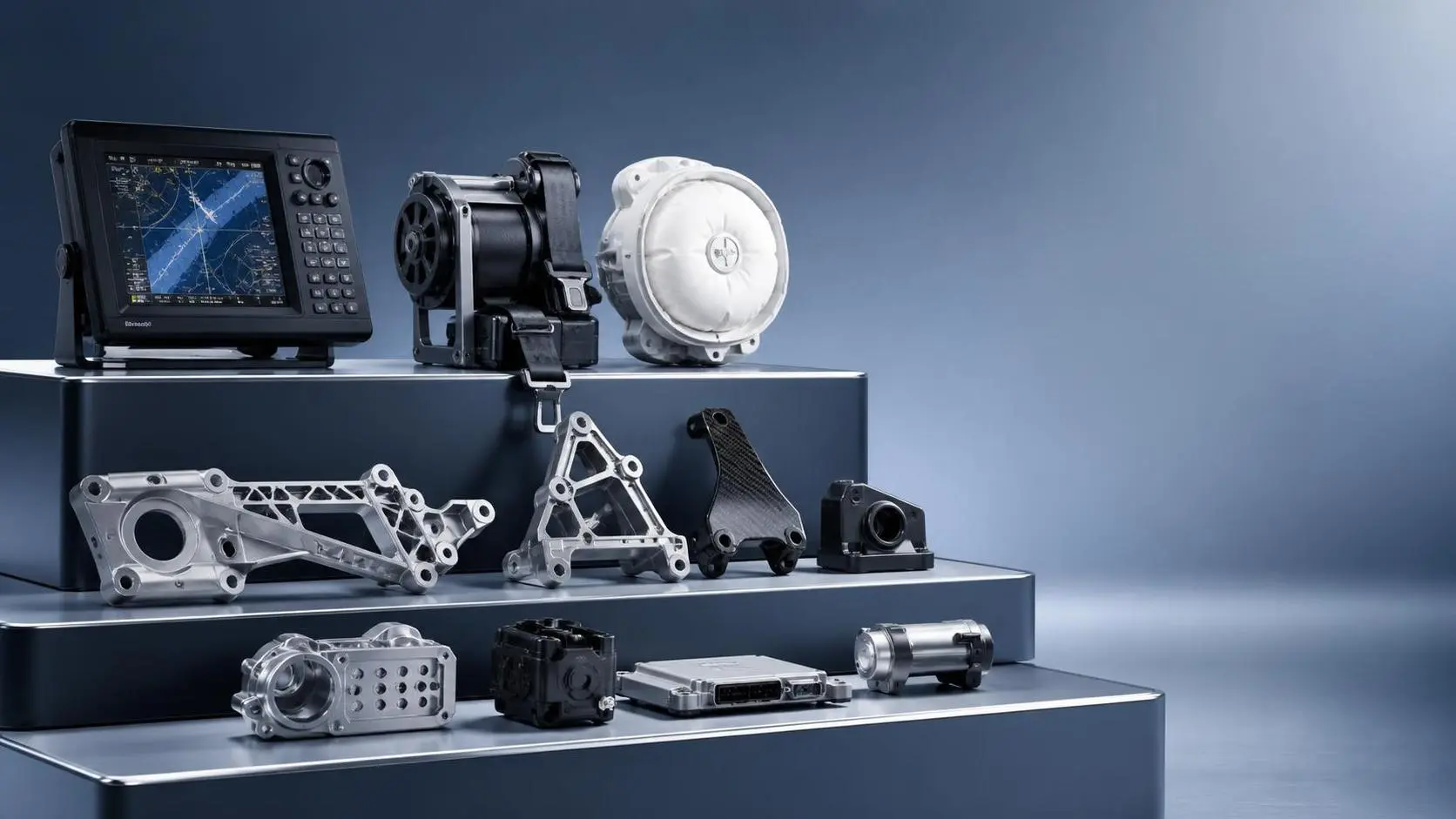
How to Evaluate a B2B Product Knowledge Platform for Faster Procurement Decisions
B2B product knowledge platform procurement starts with reducing decision risk. Learn how to compare specs, compliance, and supplier data to speed sourcing with confidence.
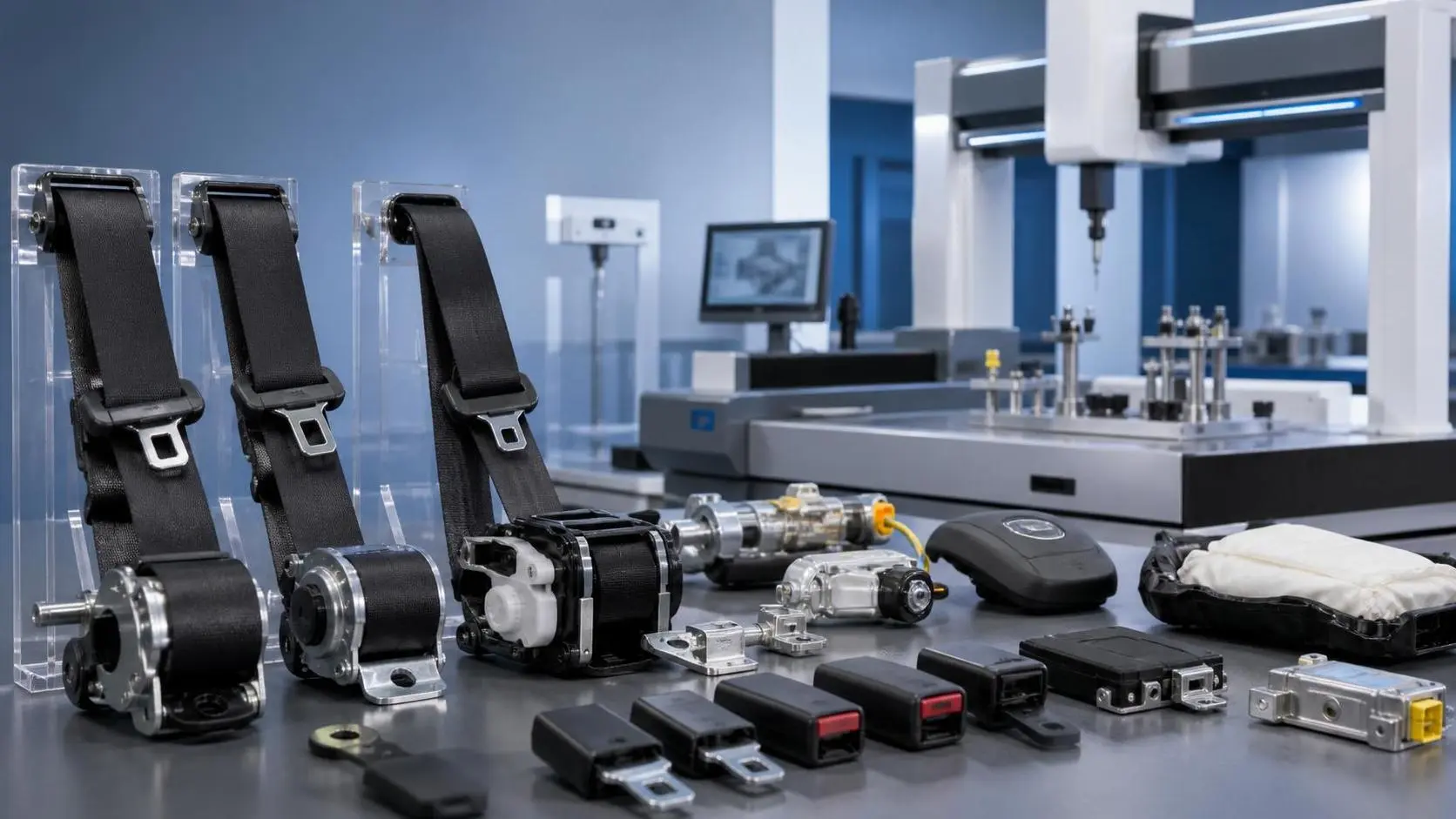
How to Evaluate an Occupant Restraint Systems Exporter for Quality, Compliance, and Supply Risk
Occupant restraint systems exporter evaluation guide: learn how to verify quality controls, compliance evidence, and supply risk before sourcing to avoid recalls, delays, and hidden costs.

Navigation Compliance Certification: Which Marine Systems Need It and How to Prepare?
Navigation compliance certification explained: discover which marine systems need approval, what documents matter, and how to prepare early to avoid delays, rework, and costly project risks.
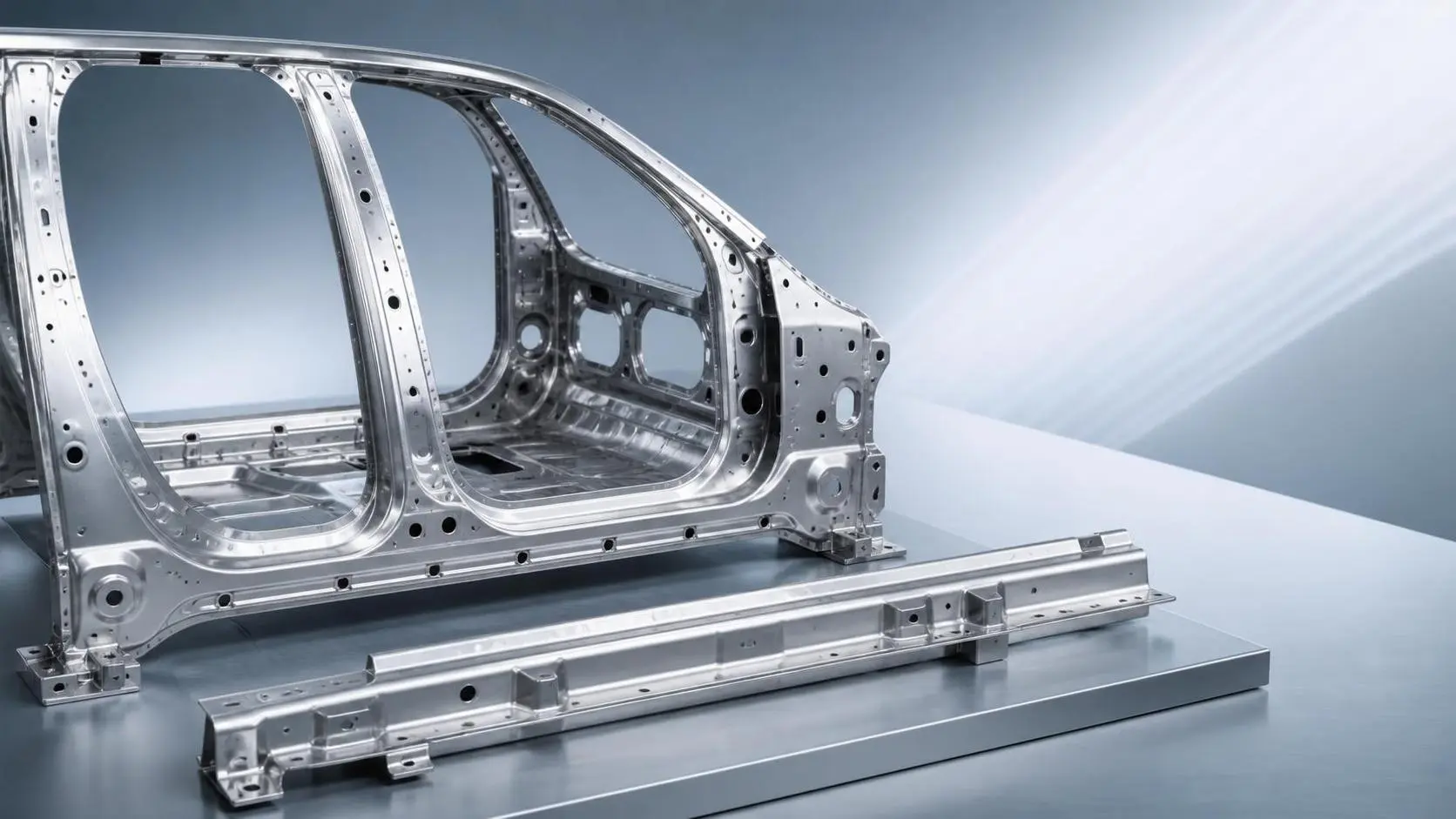
How to Evaluate Steel Auto Body Stampings for Strength, Fit, and Cost
Steel auto body stampings should be judged by strength, fit, and total cost together. Learn how to compare materials, forming limits, springback, joining, and tooling before choosing.
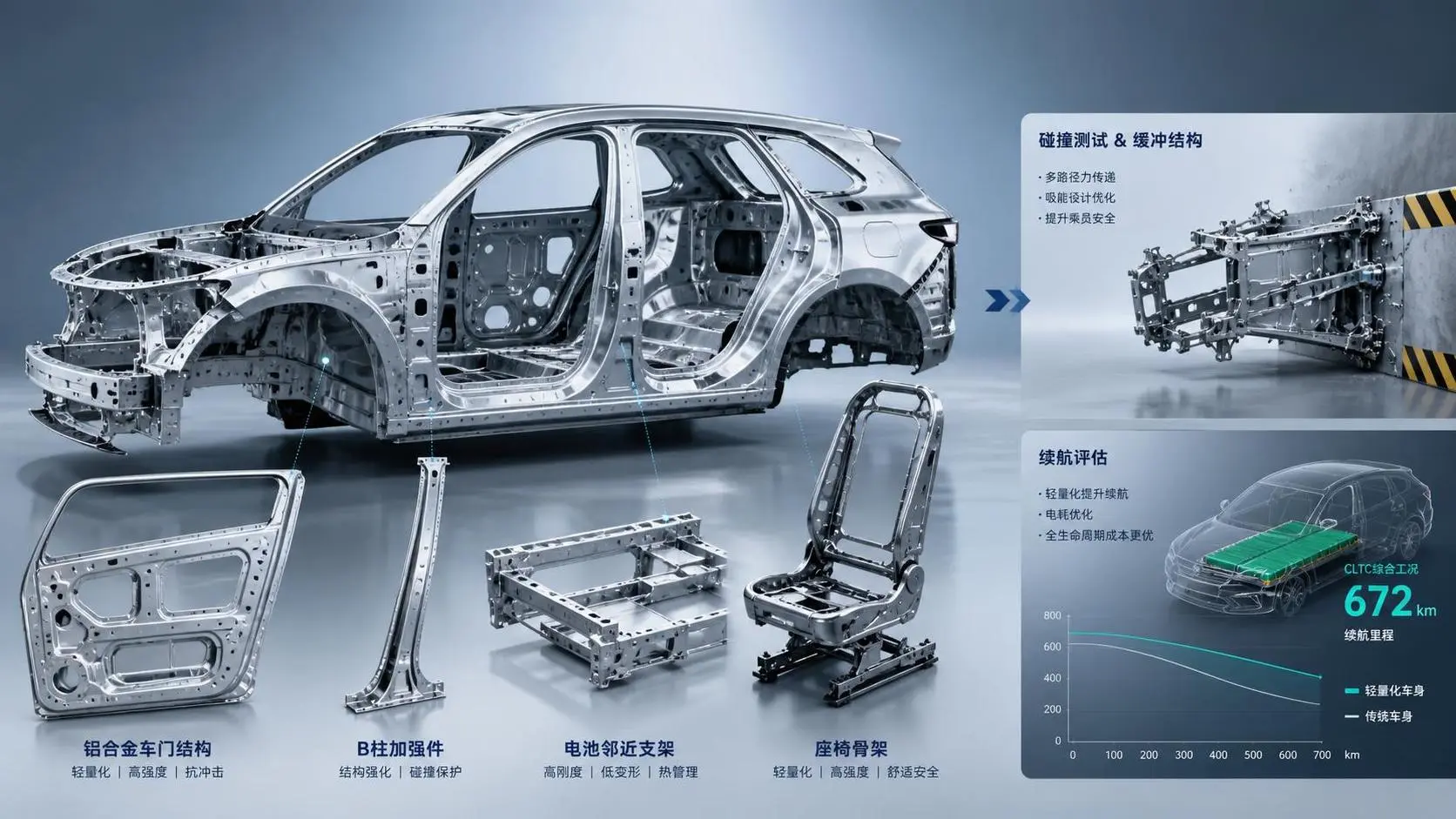
How to Evaluate Lightweight Automotive Components for EV Range and Crash Performance
Lightweight automotive components for EVs: learn how to evaluate real range gains, crash performance, joining risk, and manufacturability to choose safer, smarter EV parts.
Related News
- 00
0000-00
How to Evaluate an Aluminum Automotive Stampings Supplier for Cost, Quality, and Lead Time - 00
0000-00
How to Evaluate Aluminum for Vehicle Lightweight Solutions: Key Trade-Offs in Cost, Strength, and Formability - 00
0000-00
Stamped Aluminum Body Parts: Key Grades, Forming Limits, and Best-Fit Vehicle Applications - 00
0000-00
How Aluminum Automotive Stampings for Body Panels Improve Weight, Corrosion Resistance, and Formability - 00
0000-00
Automotive Lightweight Solutions: How to Compare Materials, Processes, and Cost Drivers
Weekly Insights
Stay ahead with our curated technology reports delivered every Monday.