
Steel vs Aluminum Lightweight Body Components: Which Fits Your Program Targets Better?
Steel and aluminum remain the two main candidates for lightweight body components, yet the better choice is rarely universal. Program targets often collide: lower mass, stable crash performance, manageable tooling, predictable joining, and acceptable cost. In mobility sectors where GNCS tracks both structural intelligence and safety compliance, this comparison matters because material selection influences not only vehicle weight, but also energy management, repair strategy, and launch risk.
Why the comparison has become more important
Lightweighting used to focus mainly on fuel economy. Today, the pressure is broader. Battery-electric platforms need range efficiency. Hybrid architectures need packaging flexibility. Safety rules still demand controlled deformation and occupant protection.
At the same time, sourcing conditions have become less forgiving. Regional content rules, energy prices, recycling expectations, and production resilience now shape decisions around lightweight body components as much as lab data does.
That is why material choice now sits at the intersection of engineering, manufacturing, compliance, and commercial planning. GNCS follows this intersection closely across auto body stampings and passive safety systems, where structural behavior and containment protection must work together.
Steel and aluminum do not solve the same problem in the same way
Steel lightweight body components usually rely on advanced high-strength steel, ultra-high-strength steel, or hot-stamped grades. Their value comes from strength, predictable forming pathways, and mature crash engineering knowledge.
Aluminum lightweight body components approach the challenge differently. They reduce mass through lower density, often with larger section designs to recover stiffness. The result can be significant weight savings, but not through simple material substitution.
This distinction matters. A door ring, crash rail, floor crossmember, or seat structure cannot be judged by density alone. Geometry, gauge, joining method, and load path redesign all affect the real program outcome.
A practical comparison
Where steel usually holds the advantage
Steel remains hard to replace in structures where intrusion resistance, established crash models, and efficient high-volume production are critical. This is especially true for pillars, rocker reinforcements, side impact members, and safety cage zones.
For many programs, steel lightweight body components also offer a better balance between investment and benefit. Existing stamping lines, die know-how, weld cells, and repair ecosystems are already aligned with steel-intensive bodies.
Hot stamping has strengthened steel’s position further. It allows complex shapes with high strength levels and repeatable quality, supporting both weight reduction and crashworthiness without rebuilding the entire manufacturing logic.
This matters beyond body engineering. Passive safety calibration, including airbags and seatbelt timing, depends on structural response. A familiar steel load path can shorten validation cycles across the cabin protection system.
Where aluminum can justify the extra effort
Aluminum becomes attractive when the program has an aggressive mass target and enough freedom to redesign structures around the material. Front-end modules, closures, battery enclosures, substructures, and large cast nodes often benefit most.
The gain is not only curb weight. Lower body mass can improve range, acceleration, payload, and sometimes ride tuning. In premium or performance applications, aluminum lightweight body components can support a stronger business case.
Still, the engineering penalty should not be underestimated. Aluminum usually requires greater attention to section thickness, local buckling, adhesive durability, galvanic isolation, and post-collision repair procedures.
In other words, aluminum works best when the organization is prepared for a material system, not just a lighter sheet. The material reward comes with process discipline.
The decision often turns on manufacturing, not theory
Many lightweight body components look promising in simulation, then lose value on the plant floor. Scrap rates rise. Joining speed falls. Tolerance control becomes difficult. Repair channels push back. Launch cost expands quietly.
Steel usually benefits from mature resistance spot welding, known springback behavior, and wider supplier familiarity. Aluminum often needs rivets, structural adhesives, laser processes, or hybrid joints, especially in multi-material architectures.
That added joining complexity is not automatically negative. It simply means the cost model must include cycle time, inspection, corrosion sealing, and end-of-line quality management. Otherwise, the mass benefit may be overstated.
GNCS intelligence around body structures and cabin safety consistently shows the same pattern: program fit improves when material decisions are evaluated with manufacturing readiness from the start, not after concept freeze.
Questions worth testing early
- Can the target weight be achieved through steel grade optimization before changing material family?
- Will aluminum require a new joining route across adjacent lightweight body components?
- How does the chosen material affect crash pulse consistency and restraint tuning?
- Is regional supply stable for the selected alloy, temper, coating, or hot-stamped blank?
- What does repairability look like after low-speed and high-severity damage?
Cost should be viewed across the full lifecycle
Piece price still matters, but it is only one layer. Material yield, blank design, die wear, joining consumables, plant modifications, logistics density, and recycling credits all affect the real economics of lightweight body components.
Steel often wins when total industrialization cost is tight and production scale is high. Aluminum can recover ground when mass savings create measurable value in energy use, battery downsizing, or premium positioning.
There is also a compliance angle. Lifecycle carbon reporting is becoming more visible in mobility procurement. The embodied carbon of steel and aluminum depends heavily on region, electricity source, recycled content, and supplier process control.
That means the cleaner answer is not always the lighter answer. A credible evaluation should compare carbon intensity per functional part, not just per kilogram of raw material.
Typical fit by application zone
The most successful programs rarely choose one material everywhere. They place each material where its strengths are easiest to convert into value.
A better way to frame the decision
The most useful question is not whether steel or aluminum is superior. It is whether a specific material system improves program targets after geometry, process, crash behavior, compliance, and cost are all counted together.
For lightweight body components, steel often fits better when the target is robust safety performance with industrial discipline and lower launch disruption. Aluminum often fits better when the target is maximum weight reduction with enough engineering freedom to redesign around it.
Mixed-material design is increasingly the realistic middle ground. It reflects how modern mobility platforms are built: strength where intrusion matters, lighter sections where mass can be removed efficiently, and joining strategies chosen with care.
The next step is to convert the debate into a measurable matrix. Rank lightweight body components by crash criticality, mass sensitivity, joining impact, tooling change, repair burden, and lifecycle carbon. That approach produces a program answer, not just a material opinion.
Related News

How to Specify Integrated Marine Electronics for Reliable Bridge Operations
Integrated marine electronics: learn how to specify reliable bridge systems with clear data flows, redundancy, alarm control, lifecycle interfaces, and operational testing.

How to Evaluate Navigation Radar Manufacturers for Commercial Vessel Projects
Navigation radar manufacturers: learn how to compare performance, compliance, integration, support, and lifecycle cost for commercial vessel projects.
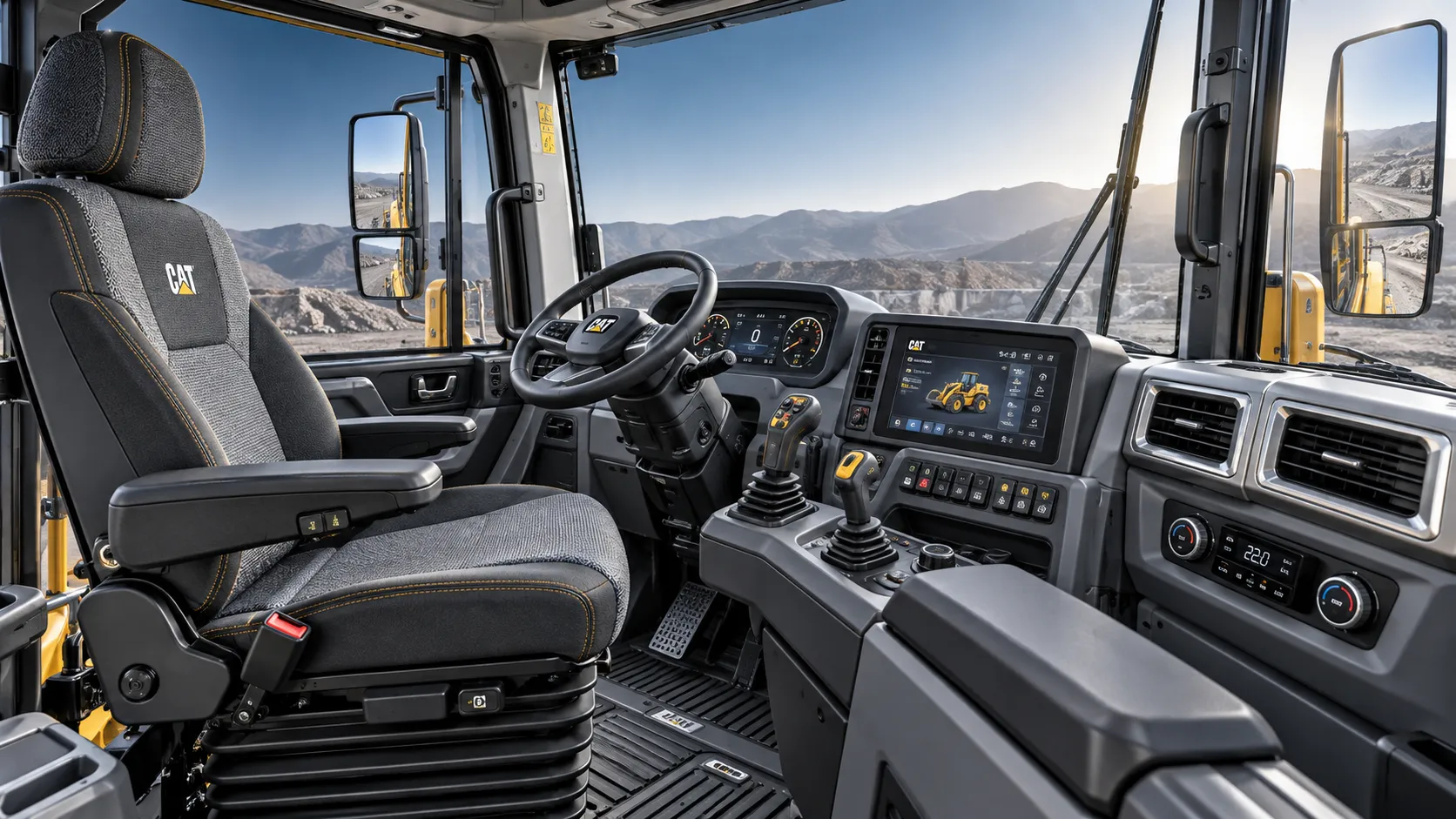
How Adjustable Cabin Ergonomics Reduce Operator Fatigue in Long-Shift Vehicles
Adjustable cabin ergonomics reduces operator fatigue through better seating, reach, visibility, vibration control, and climate comfort for safer long-shift vehicles.
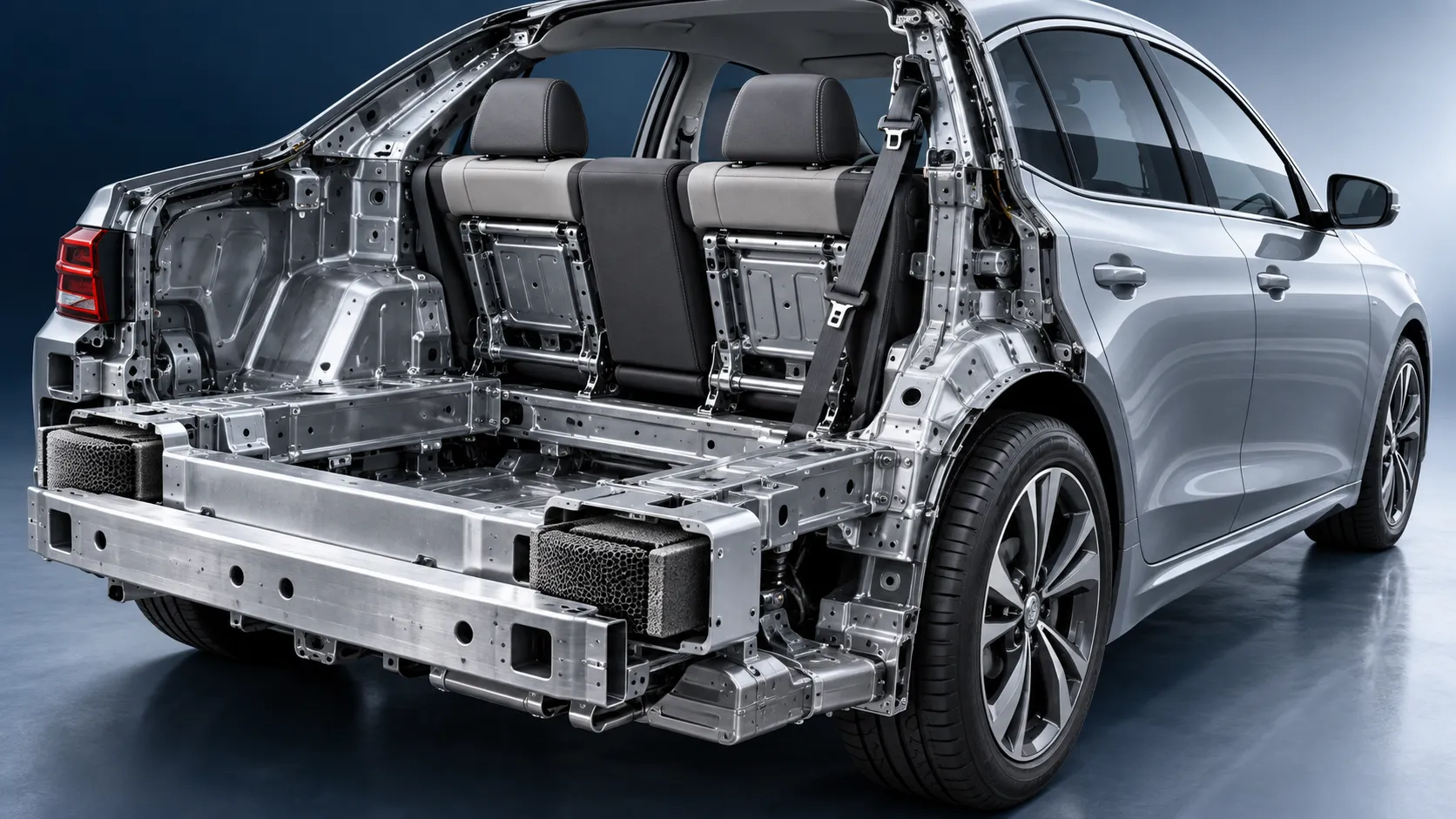
How Rear-Impact Safety Components Work Together to Protect Vehicle Occupants
Explore how automotive safety components for rear impact work together—from crash structures and seats to head restraints and belts—to enhance occupant protection.

How to Evaluate a Marine Safety Systems Manufacturer for Vessel Compliance and Reliability
Marine safety systems manufacturer evaluation guide: verify compliance, engineering quality, lifecycle costs, and global service support for safer, reliable vessel operations.
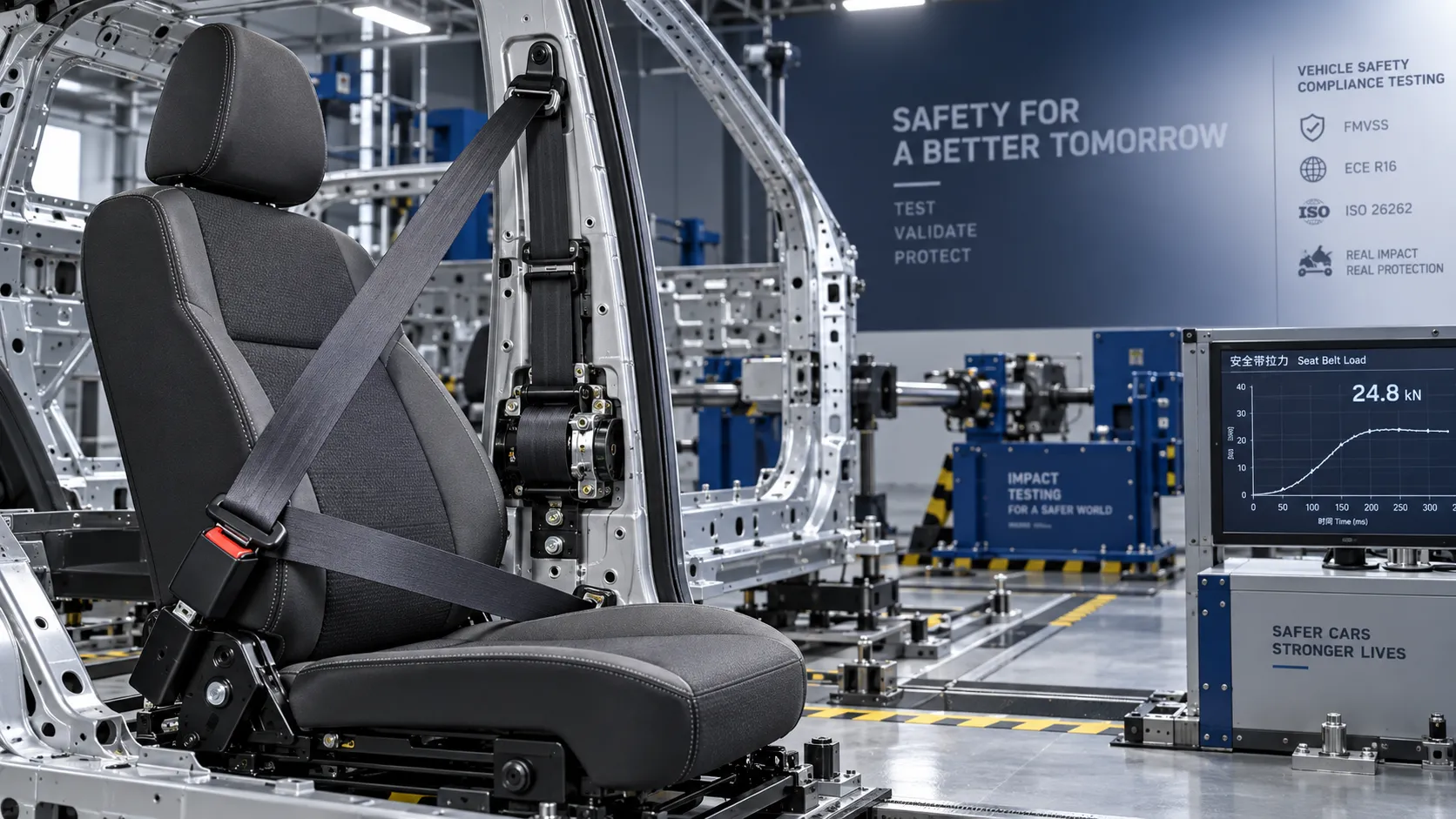
Crash Test Regulations for Seatbelts: Key Compliance Requirements Explained
Crash test regulations seatbelts explained: explore FMVSS, UN rules, anchorage strength, and dynamic restraint testing for safer, compliant vehicle systems.

How to Calculate the Total Cost of Automotive Lightweighting for a Vehicle Program
Automotive lightweight solutions cost: learn how to calculate program-level costs, including materials, tooling, joining, validation, risk, and vehicle-level value.

How Automotive Seat Occupancy Sensing Improves Airbag Deployment Decisions
Automotive seat occupancy sensing helps optimize airbag deployment decisions, improving passenger classification, safety diagnostics, and compliance across real-world conditions.

What Drives Lightweight Body Component Costs in High-Volume Vehicle Programs?
Lightweight body components cost depends on material yield, forming, joining, tooling, validation, and logistics. Explore proven ways to optimize total vehicle program cost.
Related News
- 00
0000-00
How to Evaluate an Aluminum Automotive Stampings Supplier for Cost, Quality, and Lead Time - 00
0000-00
How to Evaluate Aluminum for Vehicle Lightweight Solutions: Key Trade-Offs in Cost, Strength, and Formability - 00
0000-00
Stamped Aluminum Body Parts: Key Grades, Forming Limits, and Best-Fit Vehicle Applications - 00
0000-00
How Aluminum Automotive Stampings for Body Panels Improve Weight, Corrosion Resistance, and Formability - 00
0000-00
Automotive Lightweight Solutions: How to Compare Materials, Processes, and Cost Drivers
Weekly Insights
Stay ahead with our curated technology reports delivered every Monday.