
How to Evaluate Aluminum for Vehicle Lightweight Solutions: Key Trade-Offs in Cost, Strength, and Formability
Choosing aluminum for vehicle lightweight programs sounds straightforward until real constraints enter the discussion. In practice, successful vehicle lightweight solutions aluminum decisions depend on how cost, strength, crash behavior, corrosion resistance, and formability interact across the full manufacturing route. For platforms shaped by stricter emissions goals, electrification pressure, and tougher safety validation, aluminum is less a single material choice than a system-level trade-off.
That is why this topic matters well beyond a simple weight-reduction exercise. Across the broader mobility landscape tracked by GNCS, lightweight body structures increasingly affect passive safety packaging, seat integration, joining strategy, and even component sourcing risk. The material selected for an outer panel, crash box, battery enclosure, or seat structure can change both engineering outcomes and commercial feasibility.
Why aluminum remains central to lightweight vehicle design
Aluminum continues to attract attention because it offers a meaningful mass advantage over conventional steel while still supporting demanding structural functions. That balance makes it relevant for body-in-white parts, closures, energy-absorbing members, seat frames, and electric vehicle enclosures.
Still, aluminum does not deliver the same value everywhere. A grade that performs well in a door inner may struggle in a deep-drawn outer panel. A high-strength alloy that helps stiffness targets may also raise forming difficulty, springback, tool wear, or scrap rates.
In other words, vehicle lightweight solutions aluminum work best when material evaluation starts from the part function, not from density alone.
The first question is not grade selection but load path
Technical evaluation should begin with how the part carries load in service and in a crash. Static strength, fatigue exposure, dent resistance, stiffness, and energy absorption are not interchangeable requirements.
For example, closures and exterior panels usually prioritize surface quality and formability. Structural rails or crash-management parts often place greater value on yield strength, elongation, and controlled deformation. Seat structures add another layer, because comfort packaging, occupant restraint geometry, and durability cycles all influence material suitability.
This is where GNCS-style cross-domain observation is useful. Lightweight body decisions cannot be separated from cabin safety logic. Material behavior during impact affects restraint timing, intrusion control, and the performance envelope of airbags and seatbelt systems.
Cost is broader than raw material price
Many aluminum evaluations fail because cost is reduced to the purchase price per kilogram. That is too narrow for serious vehicle lightweight solutions aluminum analysis.
A more accurate view includes blank utilization, cycle time, lubrication demands, die maintenance, scrap recovery, joining complexity, heat-treatment needs, and corrosion protection. Logistics and regional alloy availability also matter, especially when a platform spans multiple plants.
In several cases, a more expensive alloy reduces total system cost because it cuts thickness, part count, or reinforcement demand. The opposite can also happen. A lower-cost sheet may trigger slower forming speeds and higher rejection rates, erasing the expected savings.
Strength must be read together with crash behavior
Higher tensile strength looks attractive on a datasheet, but crashworthiness depends on more than a peak number. Yield ratio, elongation, strain-rate sensitivity, fracture mode, and section design all influence how a component performs under severe loading.
Some aluminum grades provide excellent specific strength yet show limited tolerance for sharp geometry or local thinning. Others offer lower headline strength but better energy absorption because they deform more progressively.
For passive safety applications, progressive collapse often matters more than simple strength maximization. This is especially true for front and rear crash members, side structures, and seat load paths connected to occupant restraint systems.
A sound vehicle lightweight solutions aluminum review therefore combines coupon data with component-level simulation and physical validation. Material cards should reflect actual forming history and heat exposure, not ideal laboratory values.
Common alloy families and their practical direction
The familiar 5xxx and 6xxx series often dominate automotive discussions, but they serve different priorities.
- 5xxx series alloys usually bring good formability and corrosion resistance, making them useful for inner panels, floor parts, and some structural applications.
- 6xxx series alloys support bake hardening and stronger post-form properties, which helps closures, reinforcements, and mixed performance targets.
- Cast aluminum alloys become relevant for nodes, shock towers, and battery housings where geometry and integration outweigh sheet forming concerns.
The choice is rarely about which family is better overall. It is about which alloy supports the required combination of stampability, joining route, crash response, and cost discipline.
Formability often decides whether the business case survives
Formability is sometimes treated as a manufacturing issue to solve later. That approach usually creates expensive iteration loops. In reality, formability should shape early aluminum selection.
Complex curvature, tight radii, emboss features, and part depth can quickly expose the limits of an otherwise promising grade. Aluminum also tends to show stronger springback behavior than mild steel, which affects dimensional stability and assembly fit.
That matters for exterior appearance parts, but it also matters for safety-critical assemblies. If geometry variation changes weld location, adhesive gap, or fastener alignment, downstream structural performance can shift as well.
Early die simulation, thinning maps, and forming-limit analysis are therefore not secondary checks. They are part of the material business case.
Signals that a grade may be mismatched
- Frequent local cracking near draw beads or corners
- Excessive springback compensation during tryout
- Large thickness increase needed to preserve shape
- Joining distortions after hemming, riveting, or welding
- Surface defects that undermine visible panel quality
Corrosion and joining can shift the preferred answer
Vehicle lightweight solutions aluminum projects often involve mixed-material architectures. That immediately raises galvanic corrosion and joining compatibility questions.
An alloy that performs well alone may behave differently once it is attached to coated steel, cast nodes, or magnesium subcomponents. Surface treatment, sealants, adhesive systems, and fastener isolation can become essential parts of the design.
Joining strategy also affects material selection. Self-piercing rivets, flow-drill screws, laser welding, MIG welding, and structural adhesives each impose different constraints on temper, thickness, and access.
For high-volume programs, the best alloy is often the one that keeps the joining window stable across real plant variation.
Where aluminum creates the most value
Not every vehicle zone returns the same value from lightweight substitution. A disciplined review looks for locations where mass reduction improves multiple targets at once.
These examples show why GNCS places lightweight structures near cabin safety intelligence. Material choice influences not only body mass, but also how protective systems are packaged and validated.
A practical evaluation framework
Useful aluminum decisions usually come from a short, disciplined sequence rather than broad comparison charts.
- Define the part function under service load, crash load, and manufacturing load.
- Set a ranked requirement list, separating must-have targets from negotiable preferences.
- Screen alloy families by formability, temper availability, and joining compatibility.
- Model part performance with realistic thinning, springback, and assembly assumptions.
- Compare total cost using plant data, not only benchmark material pricing.
- Validate with component tests that reflect actual interfaces and corrosion conditions.
This process keeps vehicle lightweight solutions aluminum evaluation grounded in manufacturable performance. It also helps avoid a common mistake: selecting a material from standalone properties, then forcing the production system to absorb the mismatch.
What deserves attention next
The next phase of aluminum assessment is becoming more integrated. Carbon accounting, recycled content, closed-loop scrap models, and regional compliance are now entering the same decision space as crash and cost.
That shift favors teams that build a repeatable evaluation method. A clear matrix linking performance targets, alloy behavior, process capability, and supply conditions will usually outperform one-off material debates.
For any new program, the strongest starting point is simple: map the part function, test the real trade-offs, and judge vehicle lightweight solutions aluminum in the context of the whole structure. That is where better decisions, and fewer late surprises, tend to emerge.
Related News

How to Specify Integrated Marine Electronics for Reliable Bridge Operations
Integrated marine electronics: learn how to specify reliable bridge systems with clear data flows, redundancy, alarm control, lifecycle interfaces, and operational testing.

How to Evaluate Navigation Radar Manufacturers for Commercial Vessel Projects
Navigation radar manufacturers: learn how to compare performance, compliance, integration, support, and lifecycle cost for commercial vessel projects.
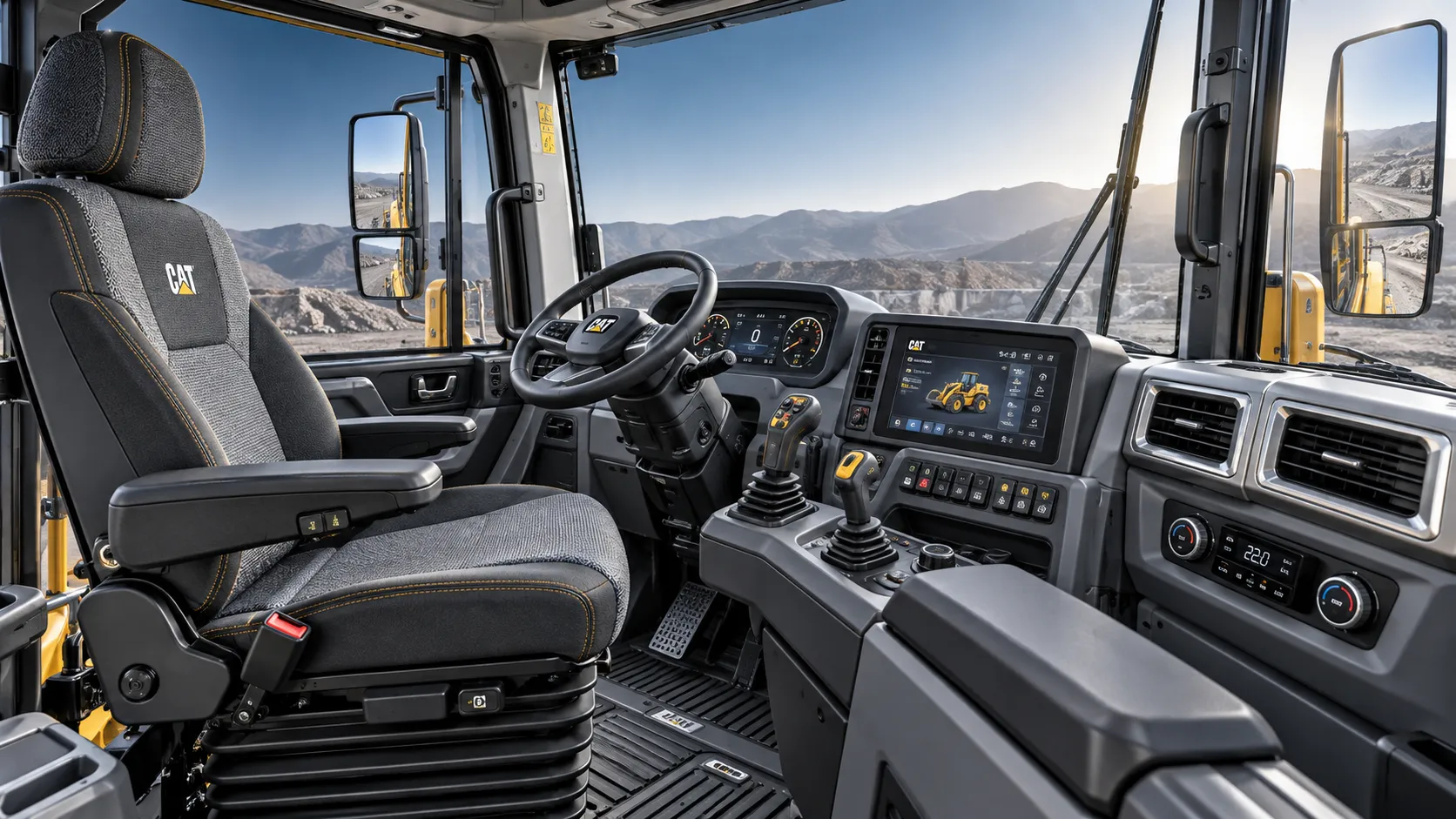
How Adjustable Cabin Ergonomics Reduce Operator Fatigue in Long-Shift Vehicles
Adjustable cabin ergonomics reduces operator fatigue through better seating, reach, visibility, vibration control, and climate comfort for safer long-shift vehicles.
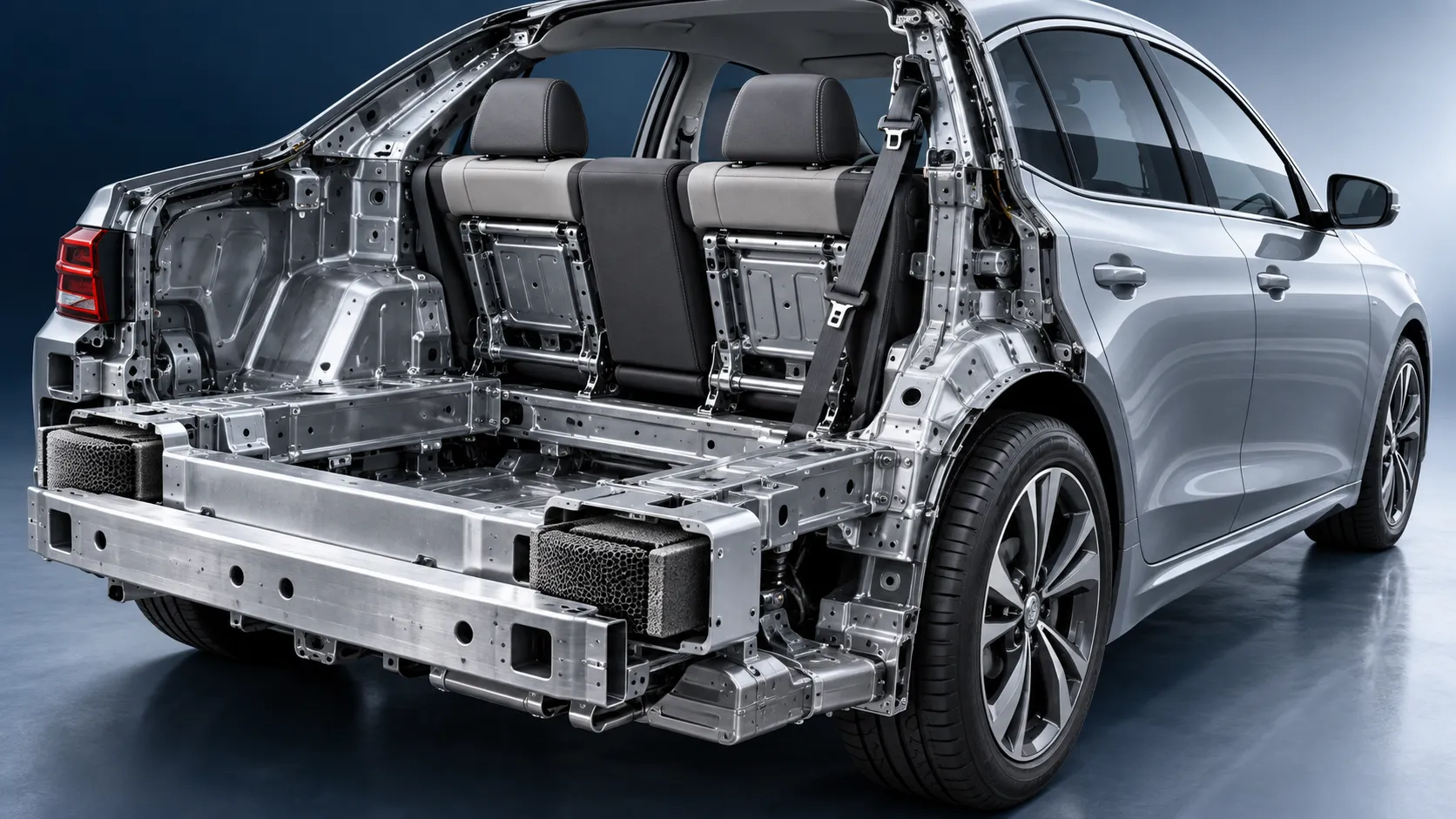
How Rear-Impact Safety Components Work Together to Protect Vehicle Occupants
Explore how automotive safety components for rear impact work together—from crash structures and seats to head restraints and belts—to enhance occupant protection.

How to Evaluate a Marine Safety Systems Manufacturer for Vessel Compliance and Reliability
Marine safety systems manufacturer evaluation guide: verify compliance, engineering quality, lifecycle costs, and global service support for safer, reliable vessel operations.
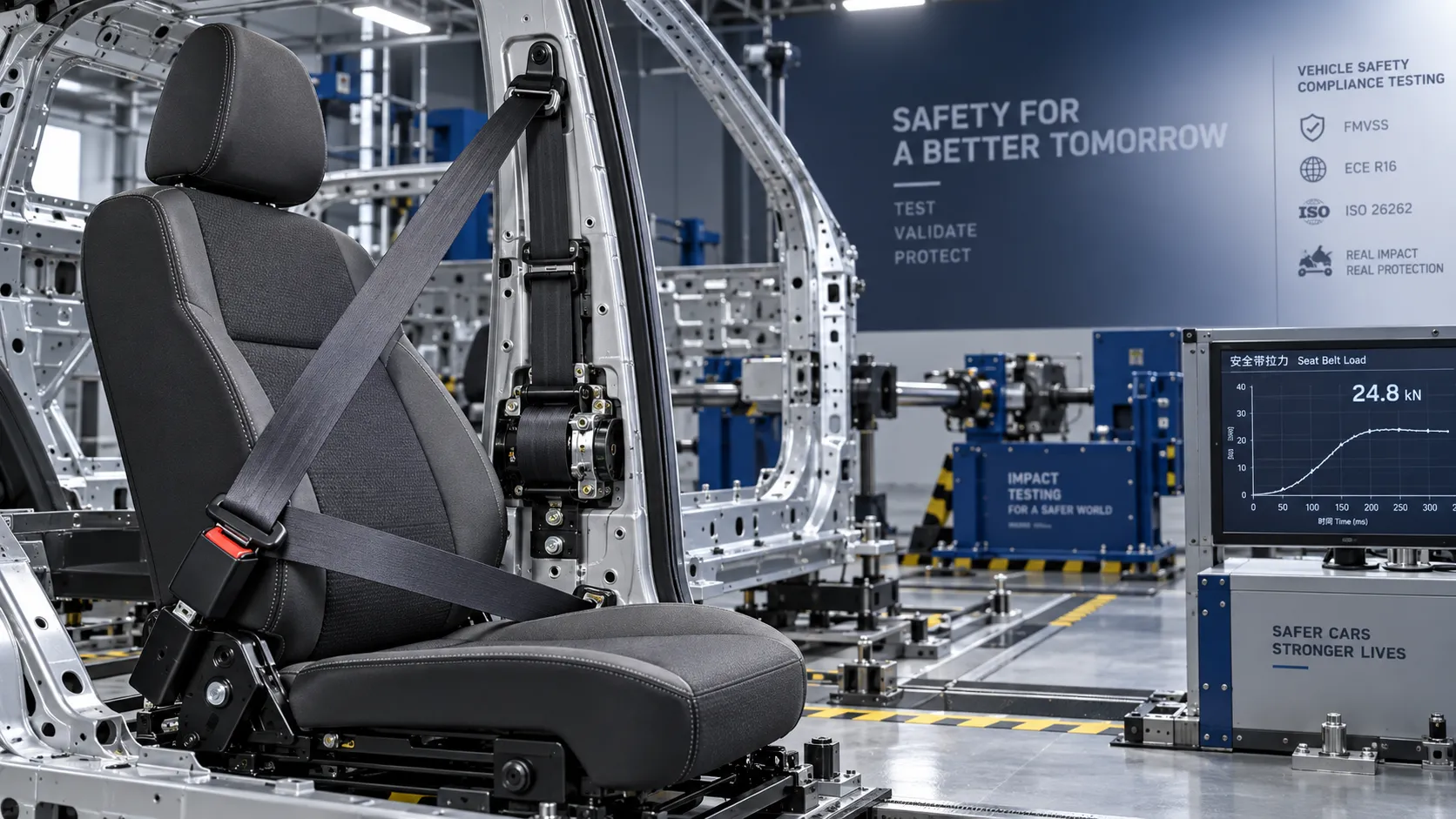
Crash Test Regulations for Seatbelts: Key Compliance Requirements Explained
Crash test regulations seatbelts explained: explore FMVSS, UN rules, anchorage strength, and dynamic restraint testing for safer, compliant vehicle systems.

How to Calculate the Total Cost of Automotive Lightweighting for a Vehicle Program
Automotive lightweight solutions cost: learn how to calculate program-level costs, including materials, tooling, joining, validation, risk, and vehicle-level value.

How Automotive Seat Occupancy Sensing Improves Airbag Deployment Decisions
Automotive seat occupancy sensing helps optimize airbag deployment decisions, improving passenger classification, safety diagnostics, and compliance across real-world conditions.

What Drives Lightweight Body Component Costs in High-Volume Vehicle Programs?
Lightweight body components cost depends on material yield, forming, joining, tooling, validation, and logistics. Explore proven ways to optimize total vehicle program cost.
Related News
- 00
0000-00
How to Evaluate an Aluminum Automotive Stampings Supplier for Cost, Quality, and Lead Time - 00
0000-00
How to Evaluate Aluminum for Vehicle Lightweight Solutions: Key Trade-Offs in Cost, Strength, and Formability - 00
0000-00
Stamped Aluminum Body Parts: Key Grades, Forming Limits, and Best-Fit Vehicle Applications - 00
0000-00
How Aluminum Automotive Stampings for Body Panels Improve Weight, Corrosion Resistance, and Formability - 00
0000-00
Automotive Lightweight Solutions: How to Compare Materials, Processes, and Cost Drivers
Weekly Insights
Stay ahead with our curated technology reports delivered every Monday.