
Automotive Lightweight Bodies: Material Options, Weight Savings, and Trade-Offs Explained
Automotive lightweight bodies are changing how vehicles are engineered, validated, and scaled. Lower mass can improve range, efficiency, and handling, but every kilogram removed affects crash behavior, joining methods, tooling, and total cost.
For GNCS and its focus on safety, perception, and structural intelligence, automotive lightweight bodies are not only a design trend. They are a practical decision space where materials, compliance targets, and manufacturing realities must align.
This guide explains where steel, aluminum, magnesium, and composites fit best, what realistic weight savings look like, and which trade-offs matter most in different vehicle scenarios.
Why scenario-based evaluation matters for automotive lightweight bodies
Not every platform needs the same lightweight strategy. A battery electric SUV, a compact city car, and a premium sports vehicle face different limits on crash loads, cost, repairability, and production speed.
That is why automotive lightweight bodies should be judged by use case, not by material hype. The best answer often combines several materials rather than replacing one body structure with a single alternative.
A smart assessment usually starts with five questions:
- How much mass reduction is actually needed?
- Which crash zones must absorb the most energy?
- What annual volume justifies new tooling or joining lines?
- How important are corrosion resistance and repair methods?
- Which regulations or rating systems drive body performance?
Scenario 1: High-volume mainstream vehicles need balanced automotive lightweight bodies
For large-volume sedans, hatchbacks, and crossovers, the strongest solution is usually advanced high-strength steel mixed with selective aluminum parts. This route protects cost discipline while still reducing body-in-white mass.
In this scenario, body engineers prioritize repeatable forming, mature supply chains, and reliable crash performance. Press-hardened steel works especially well in pillars, roof rails, and door rings.
Core judgment points in mainstream production
Conventional mild steel is no longer enough for competitive automotive lightweight bodies. Modern platforms often move toward multi-phase steel, martensitic grades, and tailored blanks to reduce gauge without losing strength.
Typical body-in-white mass savings versus older steel designs often reach 10% to 20%. Costs stay more manageable than full aluminum programs, especially when stamping infrastructure already exists.
Scenario 2: Electric vehicles benefit when automotive lightweight bodies offset battery mass
Battery packs add substantial weight. In electric vehicles, automotive lightweight bodies can improve range, braking, tire wear, and dynamic response, even when battery size remains unchanged.
Aluminum becomes more attractive here because it can deliver meaningful savings in closures, crash management systems, substructures, and selected body panels. Some EV platforms also mix steel safety cages with aluminum outer sections.
Where aluminum performs best
Compared with conventional steel structures, aluminum-intensive automotive lightweight bodies may reduce body mass by roughly 20% to 35%. The exact result depends on architecture, part integration, and joining strategy.
However, aluminum introduces higher raw material costs, springback challenges, and more complex repair practices. It also requires careful isolation to limit galvanic corrosion when combined with steel.
Scenario 3: Performance and premium platforms favor aggressive weight reduction
Sports cars and premium vehicles often accept higher material and process costs to gain better acceleration, cornering precision, and brand differentiation. In these cases, the value of every kilogram saved is greater.
This is where magnesium and composite solutions enter the discussion. They are rarely universal replacements, but they can be highly effective in selected body parts.
Magnesium in targeted body applications
Magnesium is lighter than aluminum and can support strong local savings in seat frames, instrument panel supports, and some inner structures. In broader automotive lightweight bodies, it remains a selective material.
The trade-offs include higher cost, lower formability in some processes, corrosion sensitivity, and strict design control around stiffness, creep, and joining compatibility.
Composites for specialized lightweight gains
Carbon fiber reinforced polymers and glass fiber composites can cut major mass from roof panels, hoods, trunk lids, and structural modules. In some applications, savings can exceed 40% relative to steel.
Yet composites bring slow cycle times, expensive tooling, difficult recycling pathways, and more complex damage inspection. That limits their use in many high-volume automotive lightweight bodies.
Material options compared across common body design scenarios
Different scenario needs reshape lightweight body decisions
The right automotive lightweight bodies strategy changes when one requirement becomes dominant. Safety, scale, cost, and serviceability do not weigh equally in every project.
- Crash-led programs favor ultra-high-strength steel in occupant cell zones.
- Range-led EV programs often add more aluminum to closures and front-end structures.
- Premium differentiation supports composites in visible or high-value panels.
- Repair-sensitive fleets usually avoid materials needing specialized service networks.
- High-output factories prefer processes with fast cycle times and stable scrap economics.
Practical adaptation advice for selecting automotive lightweight bodies
A practical selection path should connect engineering goals with manufacturing readiness. The strongest programs define material use by function, not by marketing preference.
- Map mass hotspots first, including roof, closures, floor, and crash structures.
- Separate energy absorption zones from stiffness-critical mounting zones.
- Estimate body-in-white savings in relation to total vehicle mass, not isolated parts.
- Review stamping, casting, bonding, riveting, and welding capabilities early.
- Include corrosion control, repair pathways, and recycling in the business case.
- Validate against IIHS, Euro NCAP, and regional durability targets together.
A useful mixed-material rule
Use steel where crash load paths demand proven energy management. Use aluminum where panel mass and unsprung-adjacent structures offer strong system benefit. Use magnesium and composites only where the value clearly outweighs complexity.
Common misjudgments in automotive lightweight bodies planning
One frequent mistake is assuming lighter always means safer or more efficient. Poor section design or weak joining strategy can erase the benefits of a lower-density material.
Another mistake is comparing material density without considering stiffness, fatigue, buckling response, and part count changes. True automotive lightweight bodies performance depends on the full structural system.
Programs also underestimate joining transitions. Adhesives, self-piercing rivets, laser welding, and hybrid fastening can reshape capital cost and line takt time more than material choice alone.
Repair economics are often ignored as well. A body concept that saves weight but increases insurance, downtime, or technician complexity may fail commercially.
What to do next when evaluating automotive lightweight bodies
Start with a scenario matrix rather than a single-material target. Define whether the program is cost-led, range-led, safety-led, or performance-led, then assign materials to each structural zone accordingly.
For deeper strategic tracking, GNCS connects lightweight body developments with passive safety trends, hot stamping evolution, compliance updates, and smart mobility intelligence. That broader view helps turn material choices into reliable platform decisions.
The most effective automotive lightweight bodies are rarely built from one perfect material. They result from precise trade-off control, validated crash thinking, and disciplined adaptation to real production scenarios.
Related News

How to Specify Integrated Marine Electronics for Reliable Bridge Operations
Integrated marine electronics: learn how to specify reliable bridge systems with clear data flows, redundancy, alarm control, lifecycle interfaces, and operational testing.

How to Evaluate Navigation Radar Manufacturers for Commercial Vessel Projects
Navigation radar manufacturers: learn how to compare performance, compliance, integration, support, and lifecycle cost for commercial vessel projects.
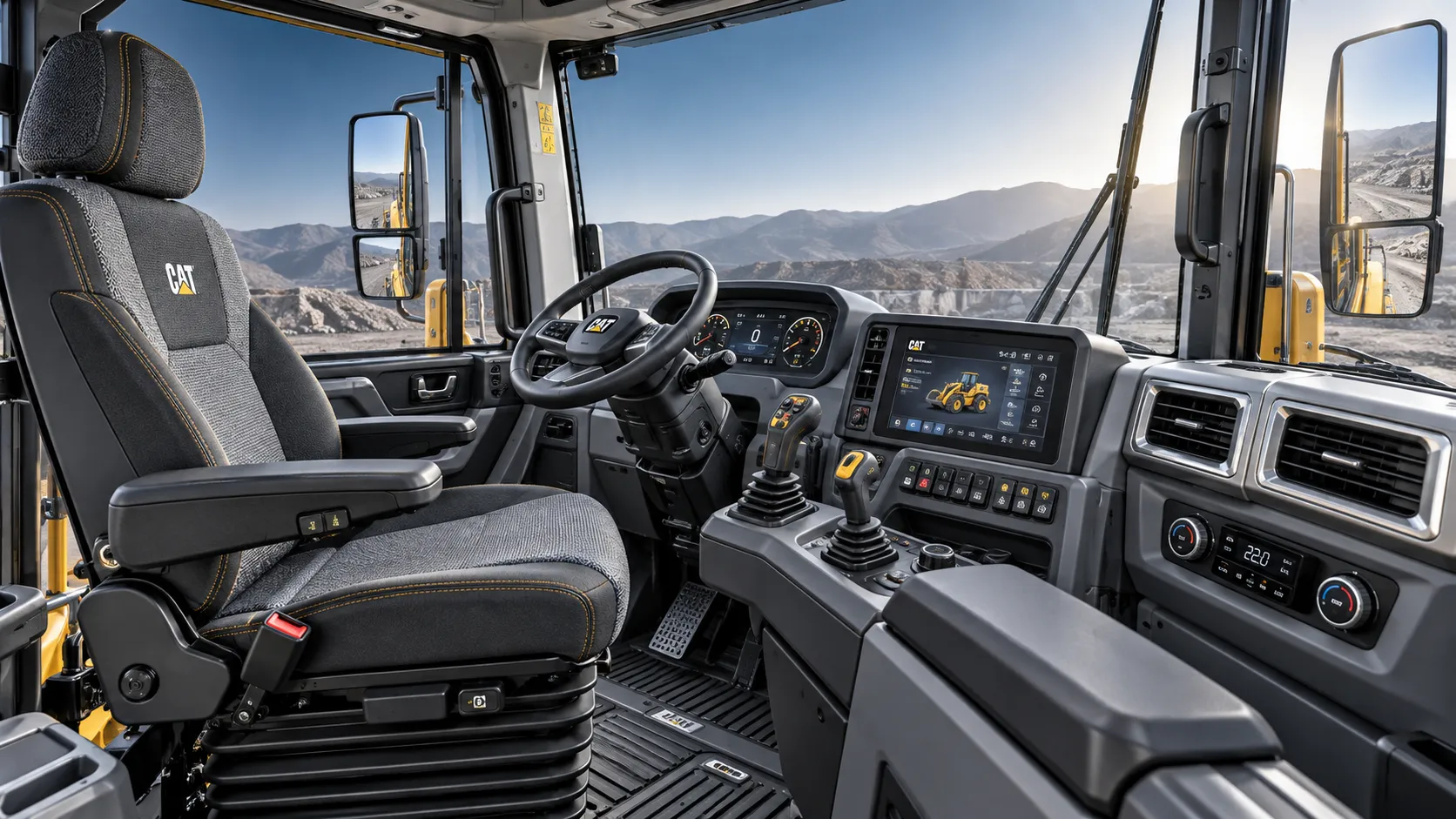
How Adjustable Cabin Ergonomics Reduce Operator Fatigue in Long-Shift Vehicles
Adjustable cabin ergonomics reduces operator fatigue through better seating, reach, visibility, vibration control, and climate comfort for safer long-shift vehicles.
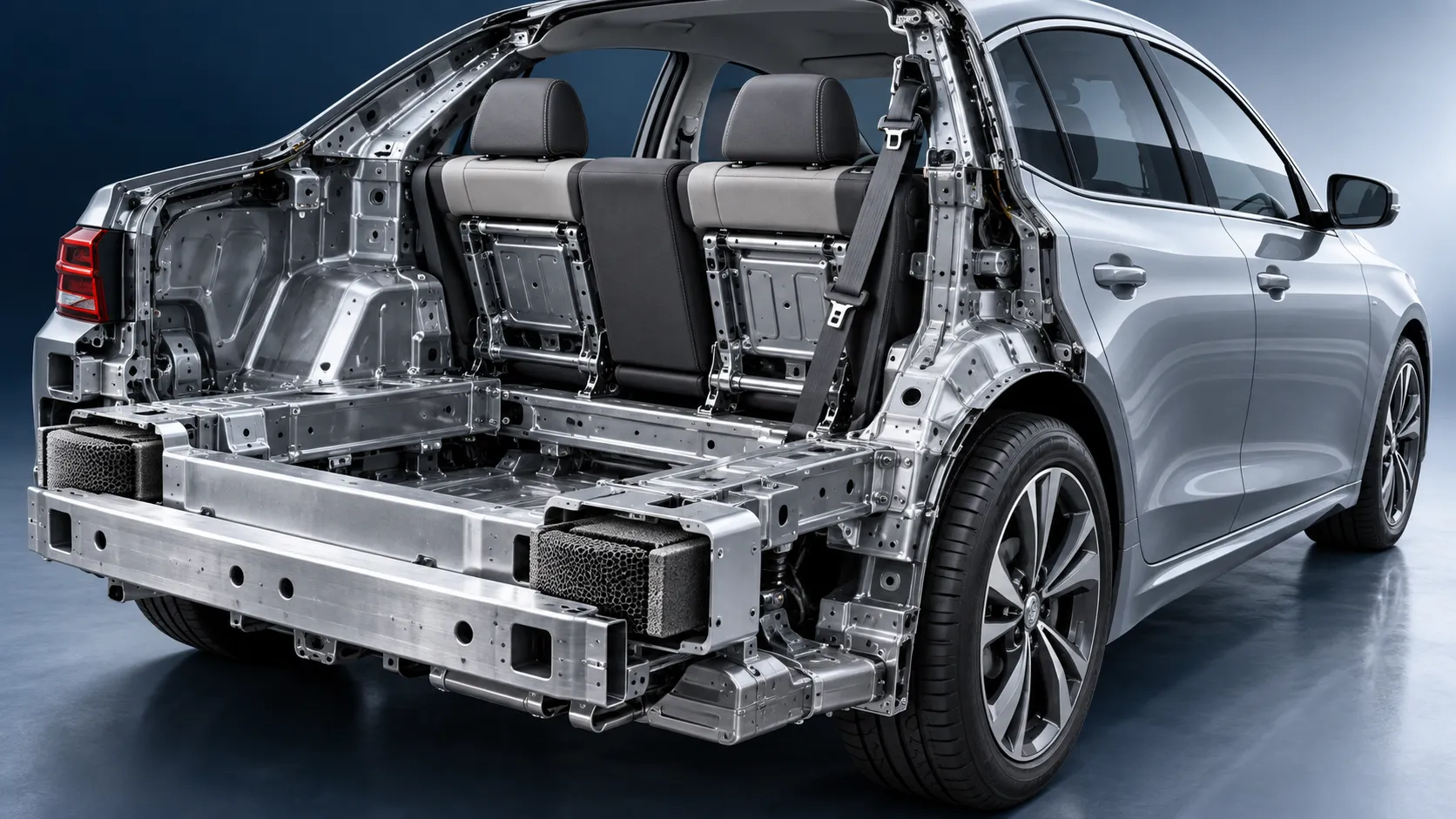
How Rear-Impact Safety Components Work Together to Protect Vehicle Occupants
Explore how automotive safety components for rear impact work together—from crash structures and seats to head restraints and belts—to enhance occupant protection.

How to Evaluate a Marine Safety Systems Manufacturer for Vessel Compliance and Reliability
Marine safety systems manufacturer evaluation guide: verify compliance, engineering quality, lifecycle costs, and global service support for safer, reliable vessel operations.
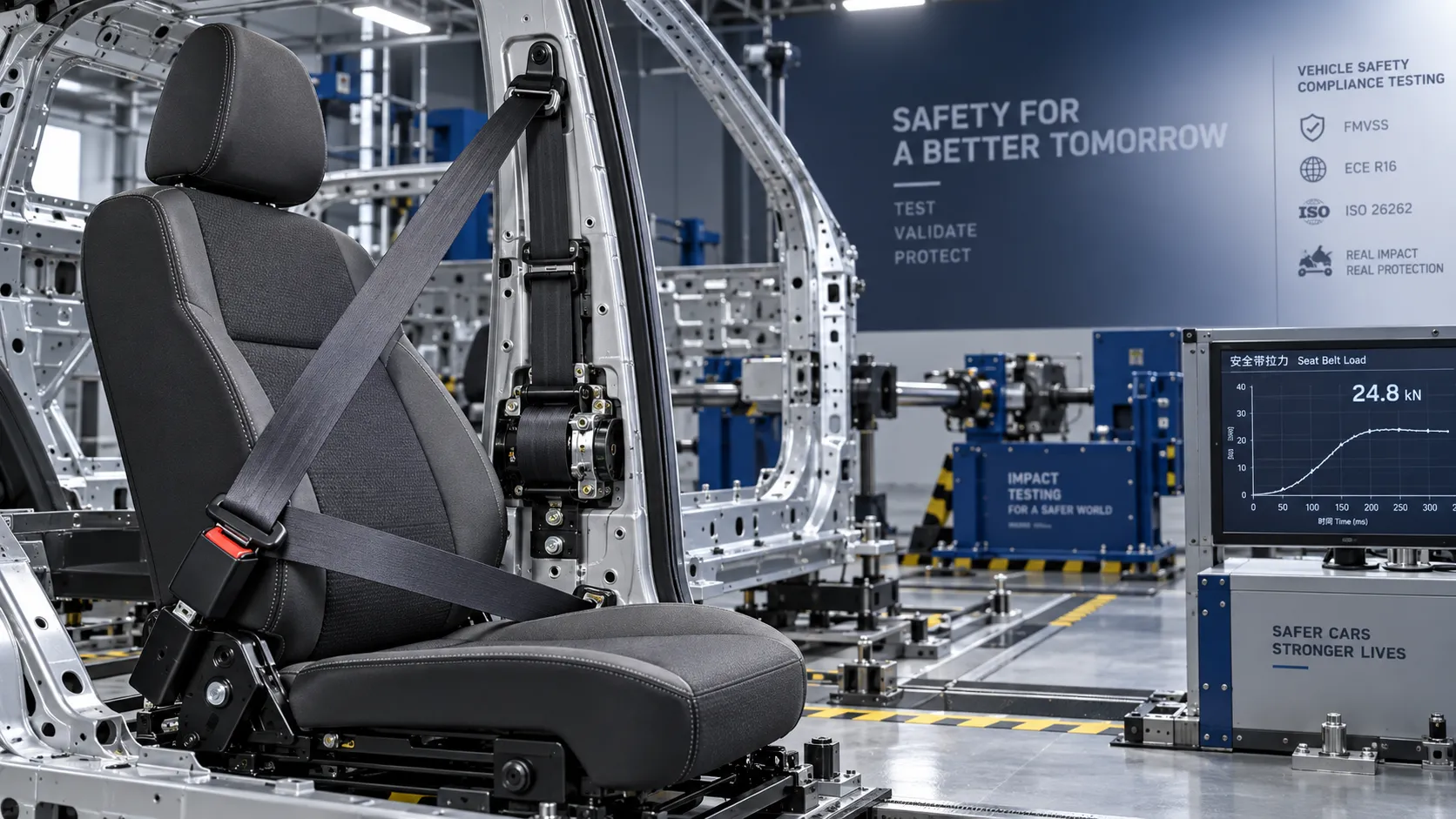
Crash Test Regulations for Seatbelts: Key Compliance Requirements Explained
Crash test regulations seatbelts explained: explore FMVSS, UN rules, anchorage strength, and dynamic restraint testing for safer, compliant vehicle systems.

How to Calculate the Total Cost of Automotive Lightweighting for a Vehicle Program
Automotive lightweight solutions cost: learn how to calculate program-level costs, including materials, tooling, joining, validation, risk, and vehicle-level value.

How Automotive Seat Occupancy Sensing Improves Airbag Deployment Decisions
Automotive seat occupancy sensing helps optimize airbag deployment decisions, improving passenger classification, safety diagnostics, and compliance across real-world conditions.

What Drives Lightweight Body Component Costs in High-Volume Vehicle Programs?
Lightweight body components cost depends on material yield, forming, joining, tooling, validation, and logistics. Explore proven ways to optimize total vehicle program cost.
Related News
- 00
0000-00
How to Evaluate an Aluminum Automotive Stampings Supplier for Cost, Quality, and Lead Time - 00
0000-00
How to Evaluate Aluminum for Vehicle Lightweight Solutions: Key Trade-Offs in Cost, Strength, and Formability - 00
0000-00
Stamped Aluminum Body Parts: Key Grades, Forming Limits, and Best-Fit Vehicle Applications - 00
0000-00
How Aluminum Automotive Stampings for Body Panels Improve Weight, Corrosion Resistance, and Formability - 00
0000-00
Automotive Lightweight Solutions: How to Compare Materials, Processes, and Cost Drivers
Weekly Insights
Stay ahead with our curated technology reports delivered every Monday.