
Where crash energy-absorbing parts make the difference
Where Crash Energy-Absorbing Parts Make the Difference
In modern mobility engineering, the difference between a survivable impact and a catastrophic failure often lies in how precisely crash energy-absorbing parts are designed, validated, and integrated.
For technical evaluation, these components are measurable safety assets, not secondary structural details.
They connect material behavior, deformation paths, regulatory performance, lightweight targets, and system-level occupant protection.
This article examines where crash energy-absorbing solutions deliver the greatest value across body structures, passive safety systems, and cabin protection architectures.
Scenario Judgment Starts With Impact Direction
Crash energy-absorbing design is scenario-driven because every impact direction creates different load paths, intrusion risks, and occupant kinematics.
A frontal crash needs controlled longitudinal collapse, while a side crash requires rapid lateral resistance with minimal cabin intrusion.
Rear impacts focus on seatback stability, whiplash mitigation, and fuel or battery protection.
Rollover events demand roof strength, pillar continuity, and restraint coordination under complex multi-axis loading.
Therefore, crash energy-absorbing parts must be assessed through actual crash scenes, not only through static strength numbers.
Frontal Impact Zones Need Predictable Deformation
In frontal collisions, the front rails, crash boxes, bumper beams, and subframe interfaces decide how energy enters the vehicle body.
The key value of crash energy-absorbing parts is progressive folding without premature fracture or uncontrolled load transfer.
Hot-stamped steel, aluminum extrusions, and tailored blanks are often combined to balance stiffness, mass, and crush efficiency.
A well-tuned front structure decelerates the vehicle while preserving survival space and reducing airbag dependency.
Judgment should include crush stroke, peak force, load plateau stability, repairability, and compatibility with different vehicle heights.
Side Impact Scenarios Require Fast Load Distribution
Side crashes offer limited crush space, making crash energy-absorbing strategies more difficult than frontal deformation control.
Door beams, B-pillars, rocker panels, seat crossmembers, and floor reinforcements must act as one integrated protection cage.
The strongest part is not always the safest part if it redirects energy into the occupant compartment.
Effective crash energy-absorbing design spreads lateral loads across the sill, roof rail, seat frame, and opposite-side structure.
Core judgment points include pole impact response, abdominal intrusion, thorax protection, battery enclosure stability, and airbag deployment timing.
Electric Vehicle Platforms Change the Energy Map
Electric vehicles introduce battery packs, high-voltage cables, and flat floor architectures into the crash energy-absorbing equation.
The battery enclosure must resist intrusion, but surrounding structures still need controlled collapse to reduce occupant deceleration.
Rocker reinforcements, underbody shields, crossmembers, and front casting interfaces become critical energy management nodes.
Large aluminum castings can simplify assembly, yet they demand careful fracture control during offset crashes.
For EV platforms, crash energy-absorbing validation should consider thermal runaway prevention, post-crash isolation, and repair feasibility.
Lightweight Bodies Need More Than Material Substitution
Lightweighting can improve range and efficiency, but unsafe weight reduction weakens real crash performance.
Crash energy-absorbing parts should be optimized through geometry, joining strategy, material grading, and deformation sequencing.
High-strength steel provides excellent strength, while aluminum offers mass reduction and stable extrusion-based collapse.
Magnesium and composites may support seat frames or secondary structures, but require strict validation under dynamic loading.
A good lightweight solution protects load paths instead of simply replacing heavier parts with thinner materials.
Passive Safety Systems Depend on Structural Timing
Airbags and seatbelts perform best when the body structure manages deceleration within a predictable time window.
Crash energy-absorbing components influence sensor signals, occupant movement, belt load, and airbag firing decisions.
If the structure collapses too quickly, restraint systems may face excessive loads and limited reaction time.
If the structure is too stiff, peak deceleration may rise and increase injury risk.
System-level tuning connects crash energy-absorbing performance with pretensioners, load limiters, inflators, side curtains, and seat geometry.
Seat Assemblies Become Active Participants in Protection
Seats are no longer simple comfort structures inside the cabin.
They influence occupant posture, belt effectiveness, pelvis movement, head trajectory, and rear-impact energy absorption.
Seat tracks, recliners, frame joints, and head restraints must maintain position during high-G loading.
Crash energy-absorbing seat design can reduce whiplash risk while preventing submarining and excessive torso rotation.
Smart seating systems add sensors, posture recognition, and adaptive restraint coordination, increasing the value of verified structural behavior.
Scenario Differences That Should Guide Evaluation
This comparison shows why crash energy-absorbing decisions must follow the dominant risk in each scenario.
Practical Fit Recommendations for Different Needs
- Use progressive crush structures where long deformation stroke is available.
- Use ultra-high-strength reinforcements where intrusion space is limited.
- Apply multi-material joints only after validating dynamic separation risk.
- Coordinate crash energy-absorbing timing with airbag and seatbelt calibration.
- Review repair strategy when using large castings or bonded assemblies.
- Confirm regional compliance with IIHS, Euro NCAP, and local crash protocols.
The best solution is rarely a single part upgrade.
It is usually a calibrated architecture connecting structure, restraints, electronics, and occupant environment.
Common Misjudgments in Crash Energy-Absorbing Decisions
One frequent mistake is equating higher strength with better safety.
Strength matters, but crash energy-absorbing performance depends on how force is introduced, managed, and released.
Another mistake is evaluating components without neighboring parts, joints, sensors, and restraint systems.
A bumper beam may perform well alone, yet fail to protect the full body-in-white load path.
Cost reduction can also hide risks in welding quality, adhesive durability, corrosion resistance, and material batch consistency.
Digital simulation is essential, but it must be correlated with sled tests, component tests, and full-vehicle crash data.
How GNCS Connects Safety Intelligence With Application Scenarios
GNCS observes crash energy-absorbing development through the combined lens of precision engineering and physical containment protection.
Its intelligence framework links auto body stampings, airbag assemblies, seatbelt systems, and smart seat structures.
This connection matters because vehicle safety is increasingly decided by interactions between materials, electronics, and compliance requirements.
Hot stamping evolution, non-toxic inflator chemistry, magnesium seat frames, and cloud-updated safety logic all affect future protection.
By tracking these signals, GNCS helps identify where crash energy-absorbing parts create measurable technical credibility.
Action Steps for Better Scenario-Based Decisions
- Define the dominant crash scenarios for the platform or component family.
- Map load paths from impact entry points to protected cabin zones.
- Set measurable targets for crush force, intrusion, deceleration, and restraint timing.
- Compare material options through dynamic behavior, not only static strength.
- Validate crash energy-absorbing performance across simulation, subsystem tests, and full-vehicle evidence.
- Recheck compliance as regulations, rating protocols, and vehicle architectures change.
Crash energy-absorbing parts make the biggest difference where safety margins are smallest.
They protect occupants, preserve critical systems, and support lightweight mobility without sacrificing crashworthiness.
For stronger decisions, evaluate every crash energy-absorbing solution through its real scenario, real load path, and real system interaction.
That approach turns passive components into active contributors to zero-casualty mobility.
Related News
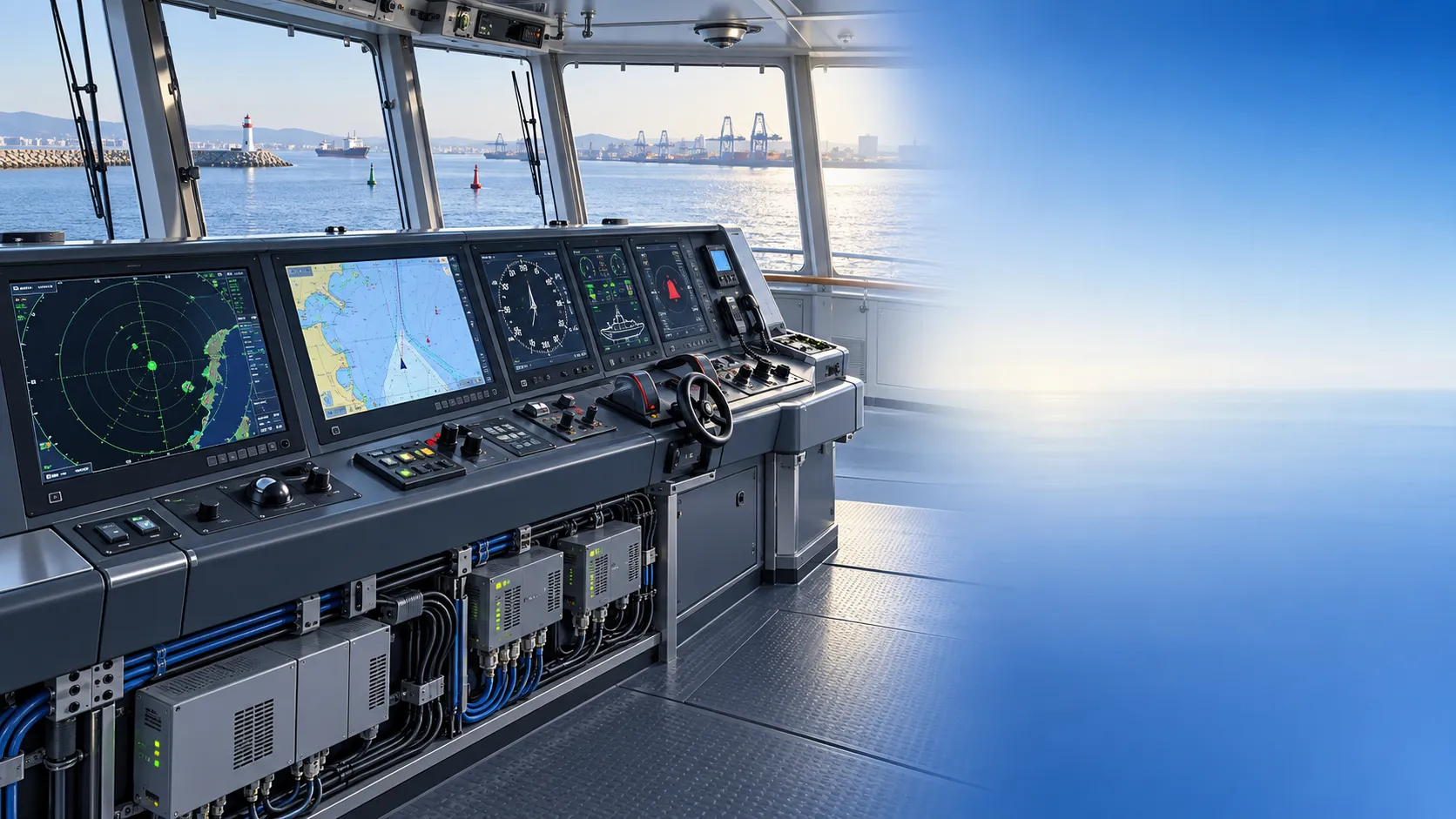
How to Specify Integrated Marine Electronics for Reliable Bridge Operations
Integrated marine electronics: learn how to specify reliable bridge systems with clear data flows, redundancy, alarm control, lifecycle interfaces, and operational testing.

How to Evaluate Navigation Radar Manufacturers for Commercial Vessel Projects
Navigation radar manufacturers: learn how to compare performance, compliance, integration, support, and lifecycle cost for commercial vessel projects.
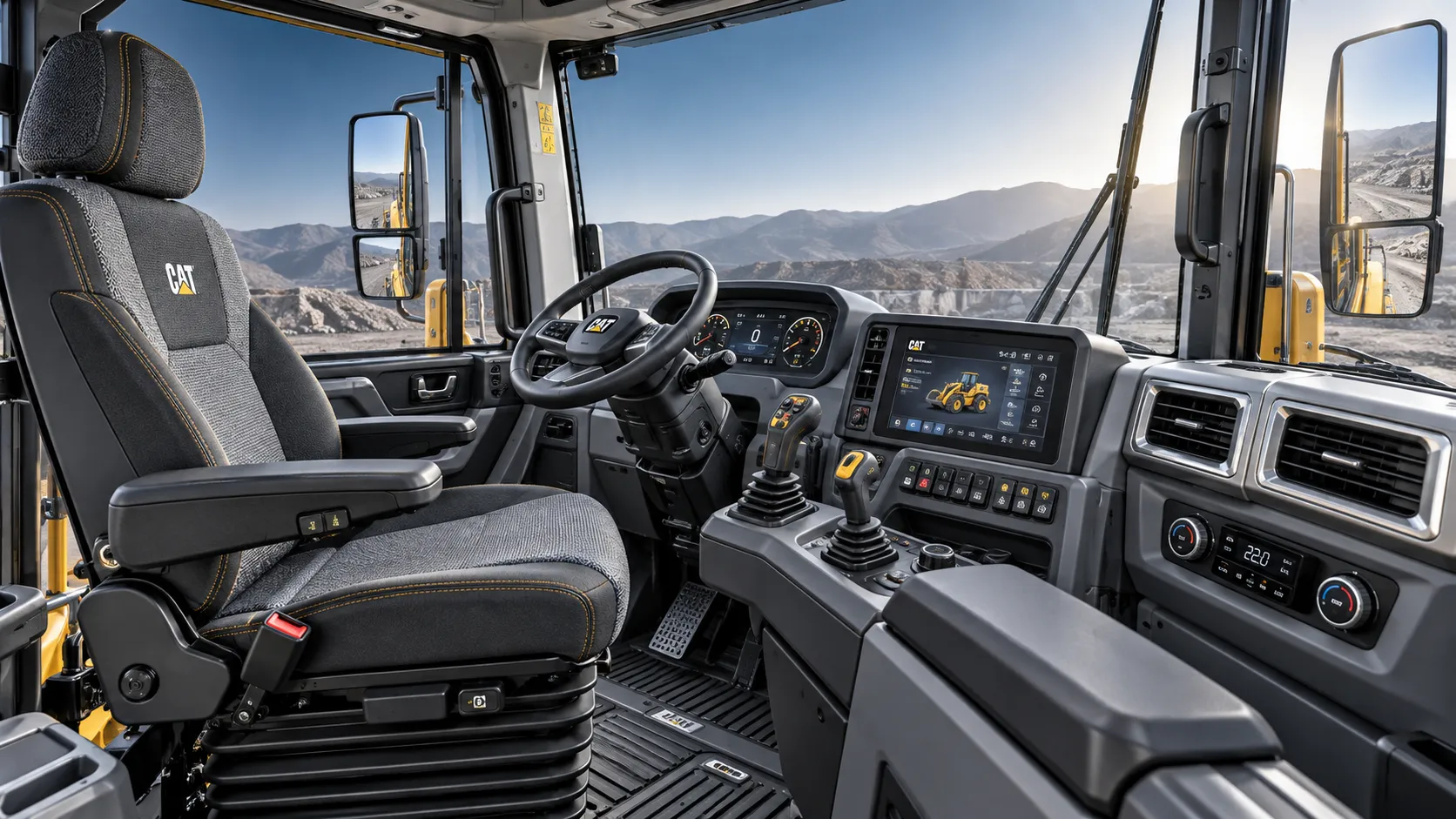
How Adjustable Cabin Ergonomics Reduce Operator Fatigue in Long-Shift Vehicles
Adjustable cabin ergonomics reduces operator fatigue through better seating, reach, visibility, vibration control, and climate comfort for safer long-shift vehicles.
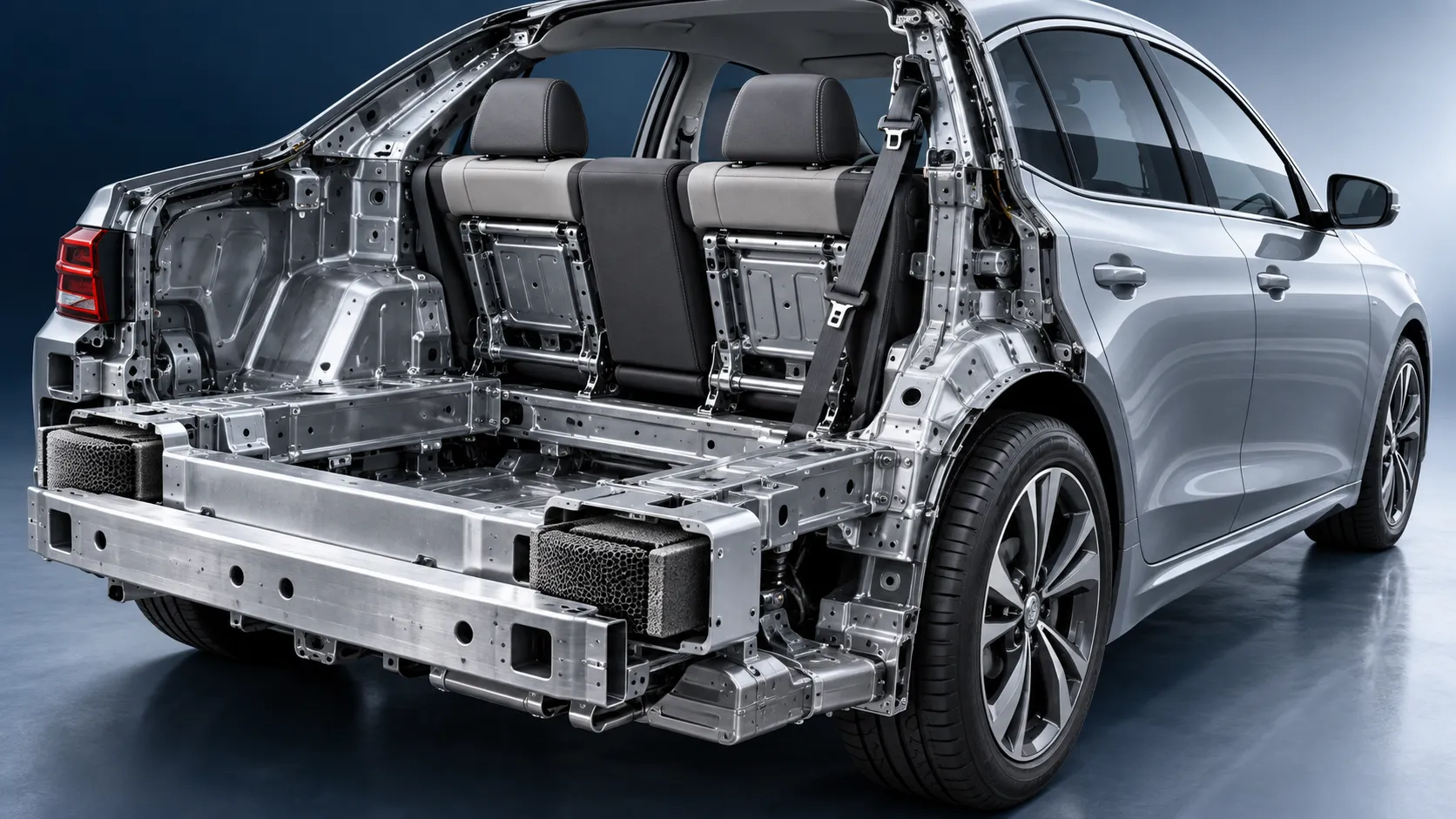
How Rear-Impact Safety Components Work Together to Protect Vehicle Occupants
Explore how automotive safety components for rear impact work together—from crash structures and seats to head restraints and belts—to enhance occupant protection.
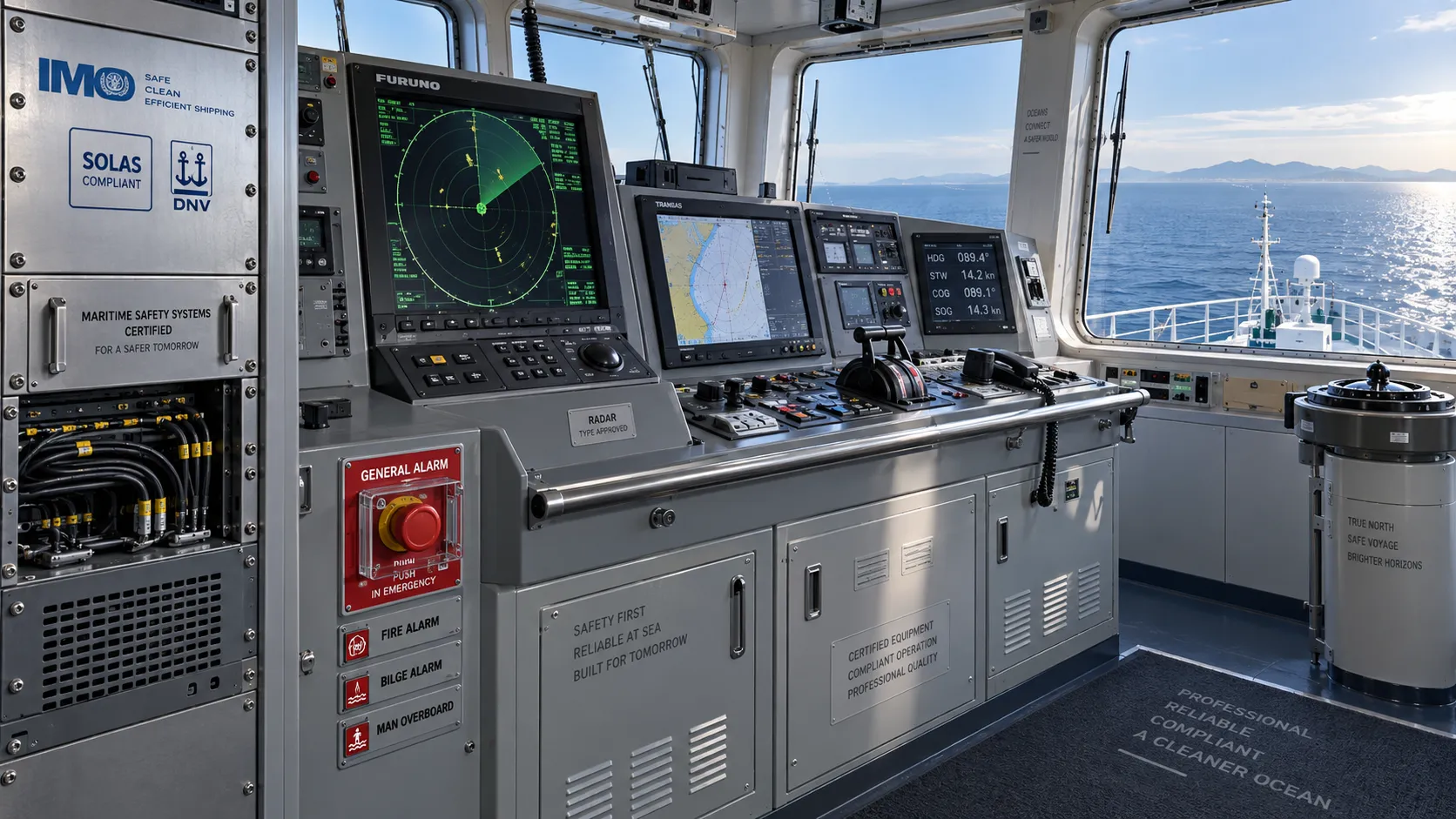
How to Evaluate a Marine Safety Systems Manufacturer for Vessel Compliance and Reliability
Marine safety systems manufacturer evaluation guide: verify compliance, engineering quality, lifecycle costs, and global service support for safer, reliable vessel operations.
Crash Test Regulations for Seatbelts: Key Compliance Requirements Explained
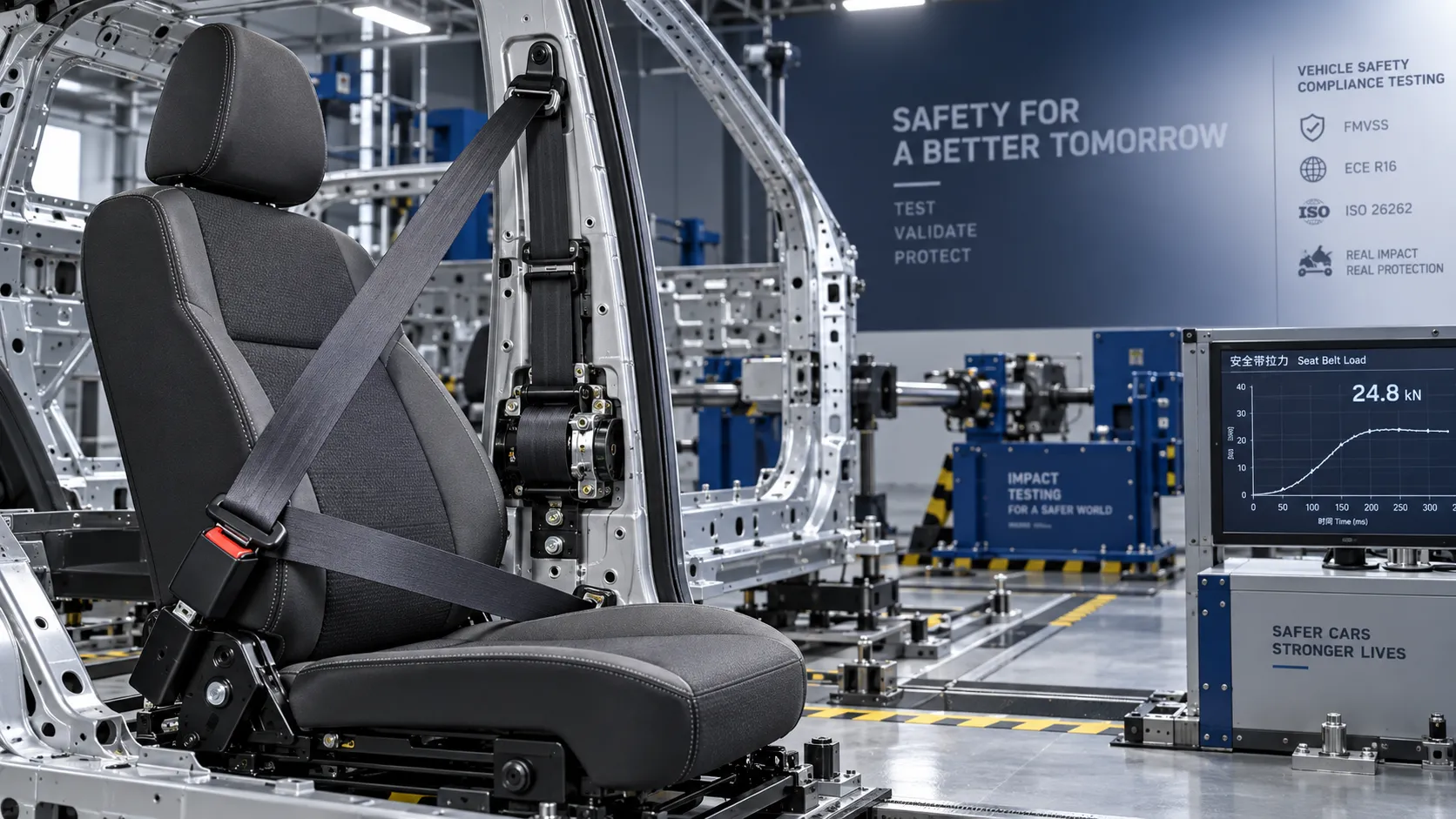
Crash test regulations seatbelts explained: explore FMVSS, UN rules, anchorage strength, and dynamic restraint testing for safer, compliant vehicle systems.

How to Calculate the Total Cost of Automotive Lightweighting for a Vehicle Program
Automotive lightweight solutions cost: learn how to calculate program-level costs, including materials, tooling, joining, validation, risk, and vehicle-level value.

How Automotive Seat Occupancy Sensing Improves Airbag Deployment Decisions
Automotive seat occupancy sensing helps optimize airbag deployment decisions, improving passenger classification, safety diagnostics, and compliance across real-world conditions.
What Drives Lightweight Body Component Costs in High-Volume Vehicle Programs?
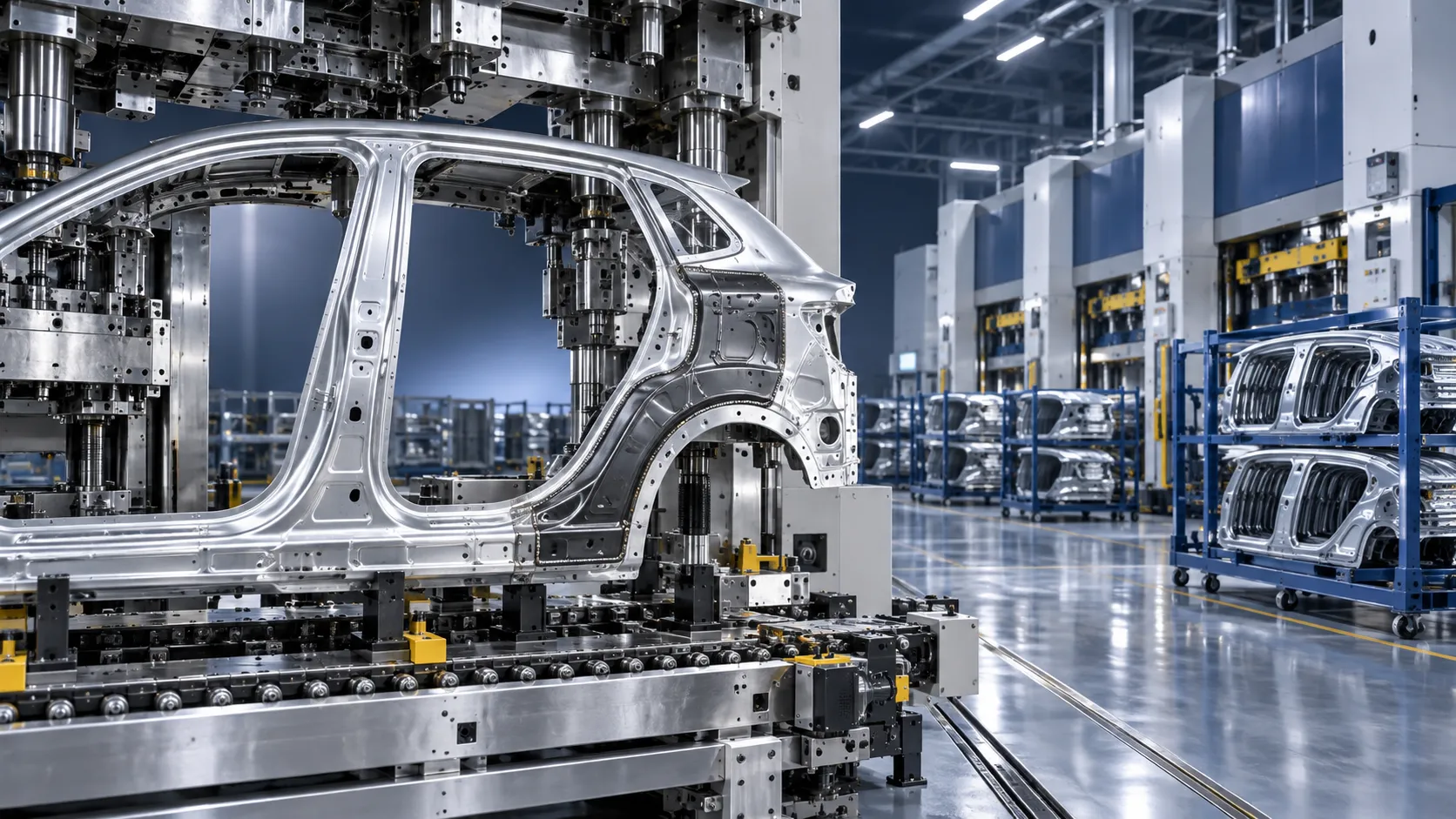
Lightweight body components cost depends on material yield, forming, joining, tooling, validation, and logistics. Explore proven ways to optimize total vehicle program cost.
Related News
- 00
0000-00
How to Evaluate High Strength Hot Stamped Steel Parts for Crash-Safety Applications - 00
0000-00
How to Evaluate Steel Auto Body Stampings for Strength, Fit, and Cost - 00
0000-00
Vehicle Lightweight Engineering for Body Structures vs High-Strength Steel: When to Use Which - 00
0000-00
Vehicle Lightweight Solutions for Structural Parts: When to Use Aluminum, HSS, or Hot Stamping - 00
0000-00
How to Evaluate High Strength Steel Stampings for Seat Structures: Key Grades and Forming Limits
Weekly Insights
Stay ahead with our curated technology reports delivered every Monday.