
How to Evaluate High Strength Steel Stampings for Seat Structures: Key Grades and Forming Limits
Evaluating high strength steel stampings for seat structures starts with a simple correction: tensile strength alone does not decide suitability. In seat frames, recliner brackets, cross members, and reinforcement parts, material choice must also support forming stability, dimensional repeatability, weld integrity, and crash energy management.
That balance matters more now because lightweight targets are rising while seat safety expectations remain unforgiving. GNCS follows this intersection closely, where automotive lightweight bodies, passive safety systems, and smart seating design increasingly depend on reliable material assessment rather than headline strength values.
Why seat structure stampings need a different evaluation logic
Seat structures are not generic stamped assemblies. They sit between occupant restraint systems and body-in-white load paths, so they must handle static loads, fatigue cycles, vibration, and severe crash pulses within tight packaging limits.
In practice, high strength steel stampings for seat structures often face competing requirements. A part may need high yield strength for stiffness, enough elongation for drawability, and stable edge performance for pierced holes, tabs, and slots.
This is why evaluation should be based on the full manufacturing route. Coil properties, stamping behavior, joining response, coating condition, and downstream assembly accuracy all influence final seat performance.
The steel grades most often reviewed
For high strength steel stampings for seat structures, the most common families include HSLA, DP, CP, martensitic grades, and press hardened steel. Each brings a different balance between formability and structural resistance.
HSLA and lower strength AHSS
HSLA grades are still widely used in brackets, adjuster supports, and less critical reinforcements. They offer predictable forming, reasonable weldability, and lower springback risk compared with stronger advanced high strength steels.
They are useful when geometry is complex and crash demand is moderate. Their limitation appears when mass reduction targets require thinner gauges without losing stiffness or load capacity.
Dual phase steels
DP590, DP780, and similar grades are common references for high strength steel stampings for seat structures. They provide a practical mix of tensile strength and usable elongation, which helps with reinforcement parts and side members.
The assessment challenge is not only drawability. Edge cracking sensitivity, local thinning, and springback control often become the real decision factors in production tools.
Complex phase and martensitic steels
CP and martensitic grades support higher intrusion resistance and compact structural sections. They are considered when seat architecture needs stronger anti-collapse behavior, especially near joints, latch interfaces, and load transfer zones.
These grades usually demand stricter control of bend radii, pierce quality, trimming strategy, and post-form dimensional variation. A strong datasheet can still translate into unstable shop-floor behavior if tooling margins are narrow.
Press hardened steel
For the most demanding high strength steel stampings for seat structures, press hardened steel can deliver very high strength after forming and quenching. It is suitable for selected components where geometry is manageable and crash loads are severe.
Even so, the evaluation should include coating behavior, die quench consistency, hole strategy, trimming method, and joining compatibility. Material performance after hot stamping is only one part of the picture.
Where forming limits really decide success
Forming limits are often discussed as laboratory values, but seat parts expose them in very local ways. Tight embossments, pierced slots, flange turns, and multi-step bends create stress concentrations that standard coupons do not fully represent.
For high strength steel stampings for seat structures, three limits deserve early attention: global formability, edge formability, and springback sensitivity. Ignoring any of them can distort the entire cost and performance case.
Global formability
Uniform elongation, n-value, and forming limit curves still matter. They help identify whether a part can survive drawing and restriking without unacceptable thinning or surface distress.
Edge formability
Many seat failures start near trimmed or pierced edges. Hole expansion ratio, cut edge quality, burr direction, and punch clearance can decide whether a nominally suitable grade survives flange expansion.
This is especially relevant when high strength steel stampings for seat structures include multiple attachment holes for recliners, tracks, sensors, or restraint interfaces.
Springback and dimensional control
Seat assemblies rely on alignment. Misplaced holes, twisted sections, or variable flange angles can affect recliner function, weld fixture fit, and final comfort systems integration.
Higher strength grades usually increase springback risk. Assessment should therefore include part geometry, die compensation strategy, binder control, and repeatability over long production runs.
Crash performance is broader than peak strength
In seat structures, the best material is not always the strongest one. Load path continuity, ductile failure mode, weld zone behavior, and deformation sequence are often more important than maximum tensile numbers.
A grade that resists intrusion well but tears at pierced features may create an unstable crash response. A slightly lower strength option may perform better if it preserves connection integrity and predictable deformation.
This systems view fits the broader GNCS perspective. Passive safety components, seatbelt systems, airbags, and seat frames must work as one containment chain, not as isolated parts optimized separately.
Joining, coating, and fatigue should be part of the same review
High strength steel stampings for seat structures rarely operate alone. They are spot welded, laser welded, riveted, or mechanically joined into mixed assemblies with brackets, tubes, recliners, and sometimes aluminum or magnesium elements.
Because of that, weld nugget quality, heat affected zone behavior, coating interaction, and stack-up variation should be checked early. A strong base material can still underperform if joining reduces local durability.
Fatigue is another frequent blind spot. Seat backs, cushions, and tracks see repeated occupant movement and road input over long service life. Cyclic loading can expose microcracks that static tests miss.
- Review weldability with the exact coating condition, not bare steel assumptions.
- Check cut edge fatigue near slots, notches, and attachment interfaces.
- Compare corrosion strategy with seat packaging and cabin moisture exposure.
- Validate dimensional stability after joining, not only after stamping.
A practical evaluation sequence
A useful review process for high strength steel stampings for seat structures usually begins with function mapping. Identify which parts carry crash loads, which stabilize geometry, and which mainly support packaging or trim attachment.
Then match grade family to part behavior instead of forcing one steel across the full seat assembly. Mixed material strategies often provide better cost and manufacturability than a single premium grade.
After that, test the material through realistic manufacturing conditions. Include pierce-and-flange operations, multi-hit forming, restrike effects, joining trials, and dimensional capability studies.
Simulation also helps, but it should be calibrated with real data. Forming simulation, springback prediction, and crash CAE are strongest when they use verified material cards and representative edge conditions.
Questions worth asking before final grade release
- Does the selected grade protect the intended load path under dynamic seat loading?
- Can the part be stamped at stable yield without edge splits or severe springback?
- Will welding or fastening reduce local crash or fatigue resistance?
- Is gauge reduction creating hidden manufacturing risk elsewhere in the seat?
- Does the grade support global compliance targets such as IIHS or E-NCAP seat-related requirements?
What deserves closer monitoring next
The next phase of assessment is moving toward cross-domain optimization. Seat structures now interact more closely with smart sensing, active restraint logic, lightweight mixed materials, and tighter vehicle platform commonization.
That means high strength steel stampings for seat structures should be judged not only by part-level strength, but by how well they support a complete cabin safety architecture. Material selection has become a system decision.
A sound next step is to build a comparison matrix around grade family, forming limit margin, joining route, crash role, and dimensional capability. That approach creates a more reliable basis for down-selection than supplier datasheets alone.
Where uncertainty remains, focus first on edge cracking behavior, springback repeatability, and joined-part crash response. Those three areas usually reveal whether a promising steel choice is truly production-ready.
Related News
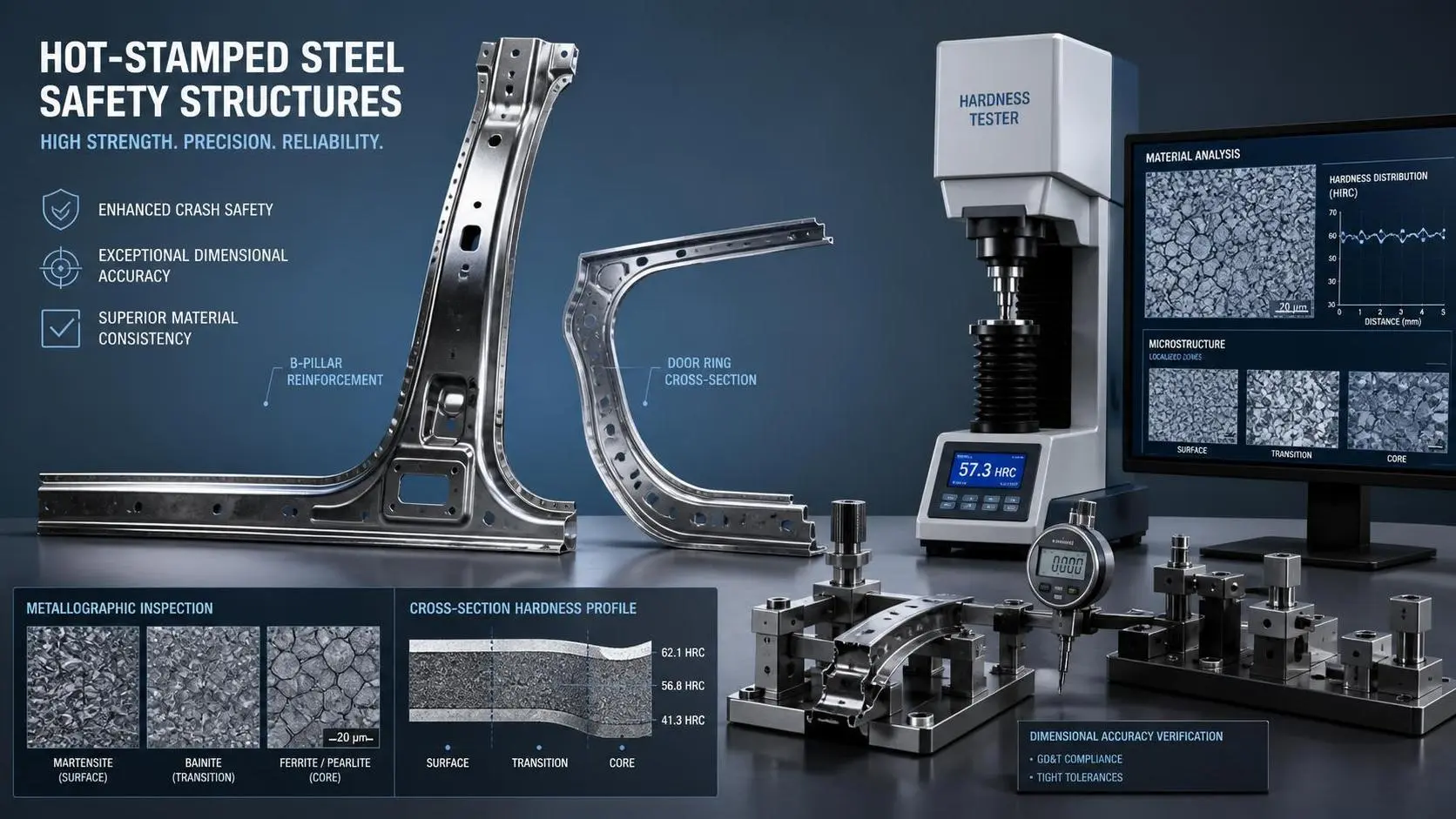
How to Evaluate High Strength Hot Stamped Steel Parts for Crash-Safety Applications
High strength hot stamped steel parts for crash-safety applications: learn how to assess strength, microstructure, dimensional accuracy, and process stability for safer sourcing decisions.
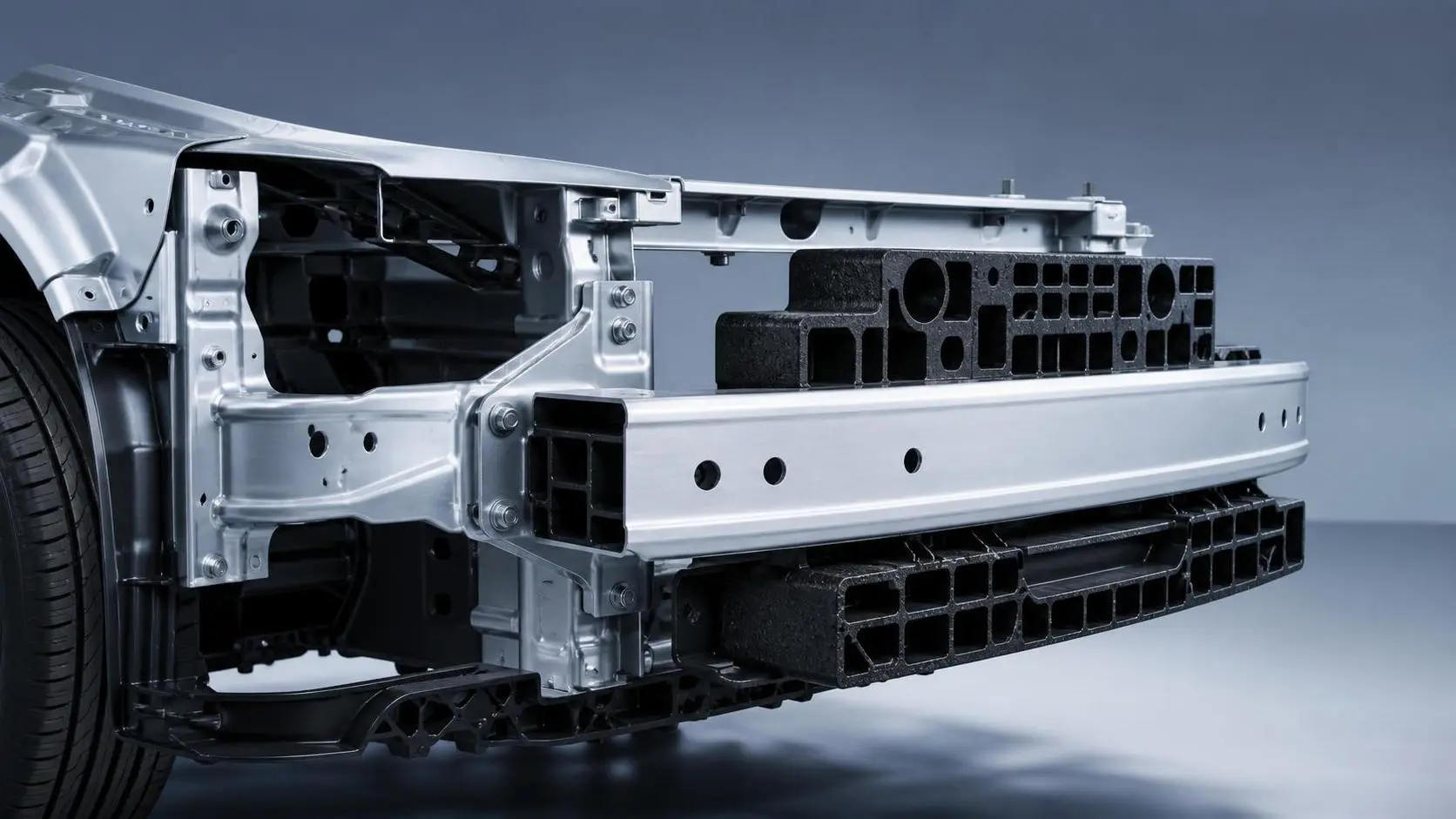
How Crash Management Components Reduce Repair Costs and Improve Impact Performance
Crash management components help reduce repair costs, protect critical vehicle structures, and improve impact performance. Learn how smarter design supports safer, more cost-efficient mobility programs.
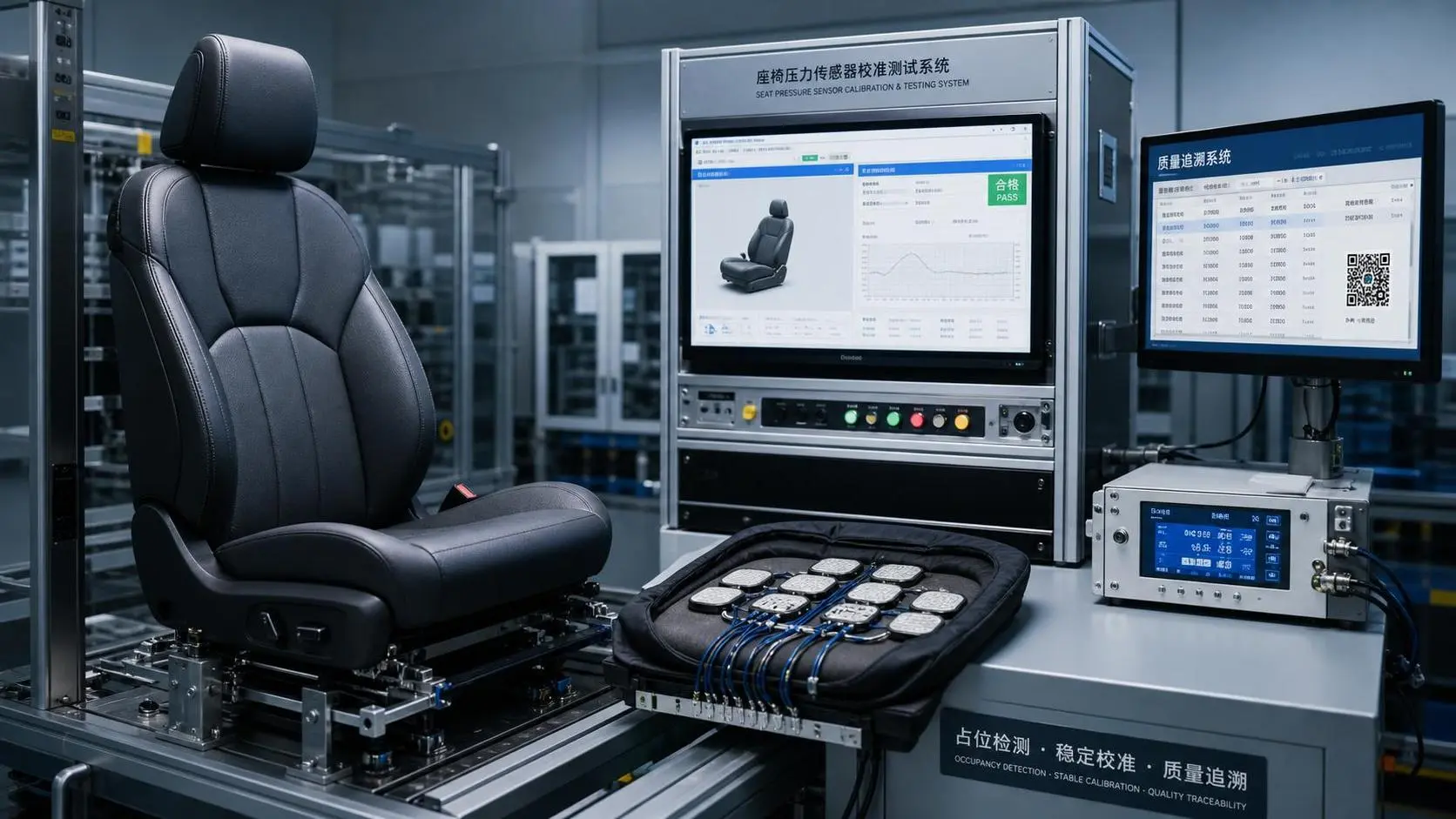
How to Evaluate a Seat Sensing Systems Factory for Automotive Safety Programs
Seat sensing systems factory selection goes beyond price. Learn how to assess quality control, validation, PPAP readiness, and long-term supply reliability for safer automotive programs.
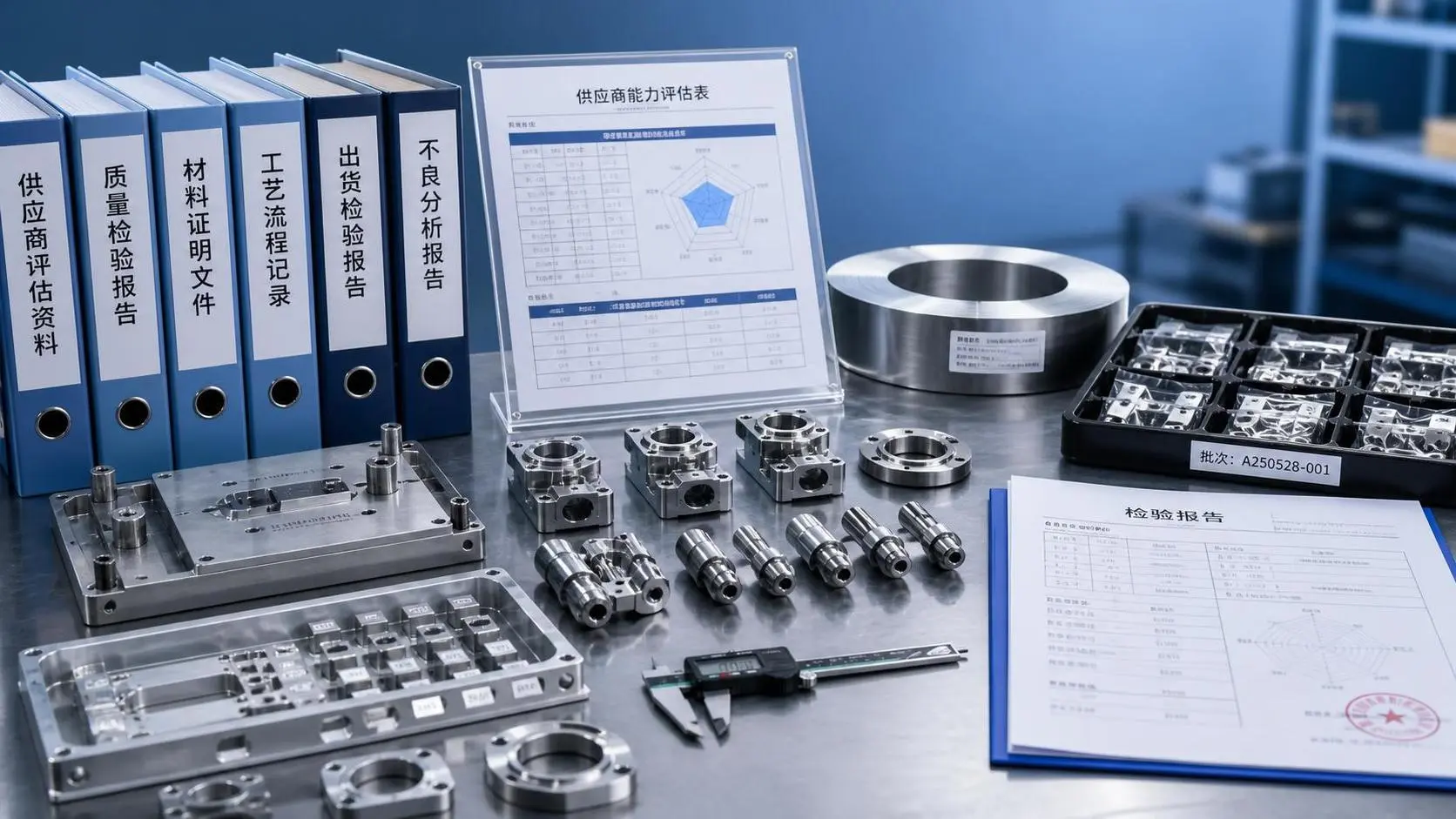
Supplier Capability Evaluation Process: Key Criteria for B2B Sourcing Decisions
Supplier capability evaluation process explained: learn the key criteria for B2B sourcing decisions, reduce supplier risk, and choose partners with confidence.
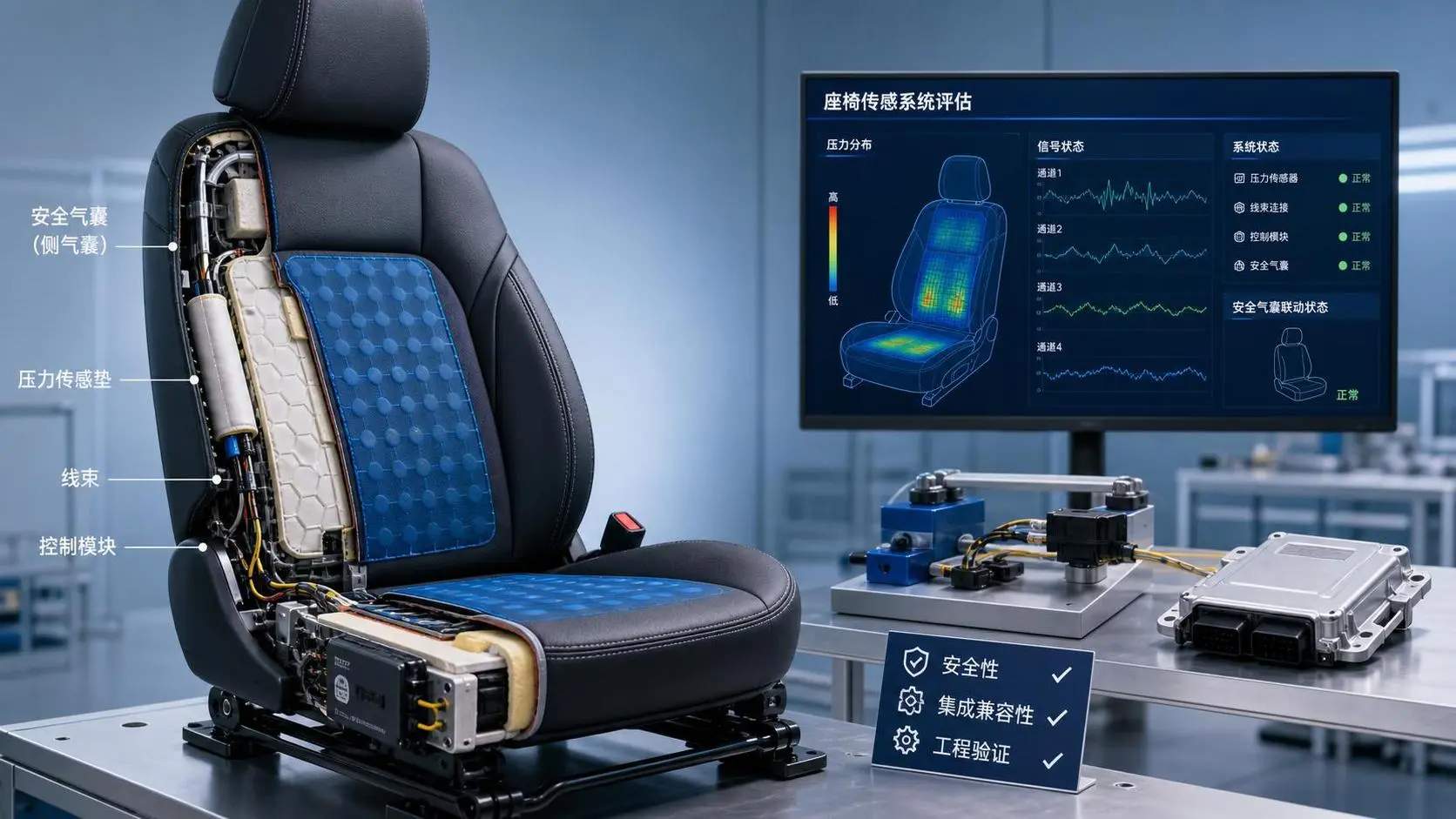
How to Evaluate a Seat Sensing Technology Supplier for Safety and Integration?
Seat sensing technology supplier evaluation guide: compare safety maturity, integration fit, algorithm reliability, and validation support to choose a partner that reduces risk.
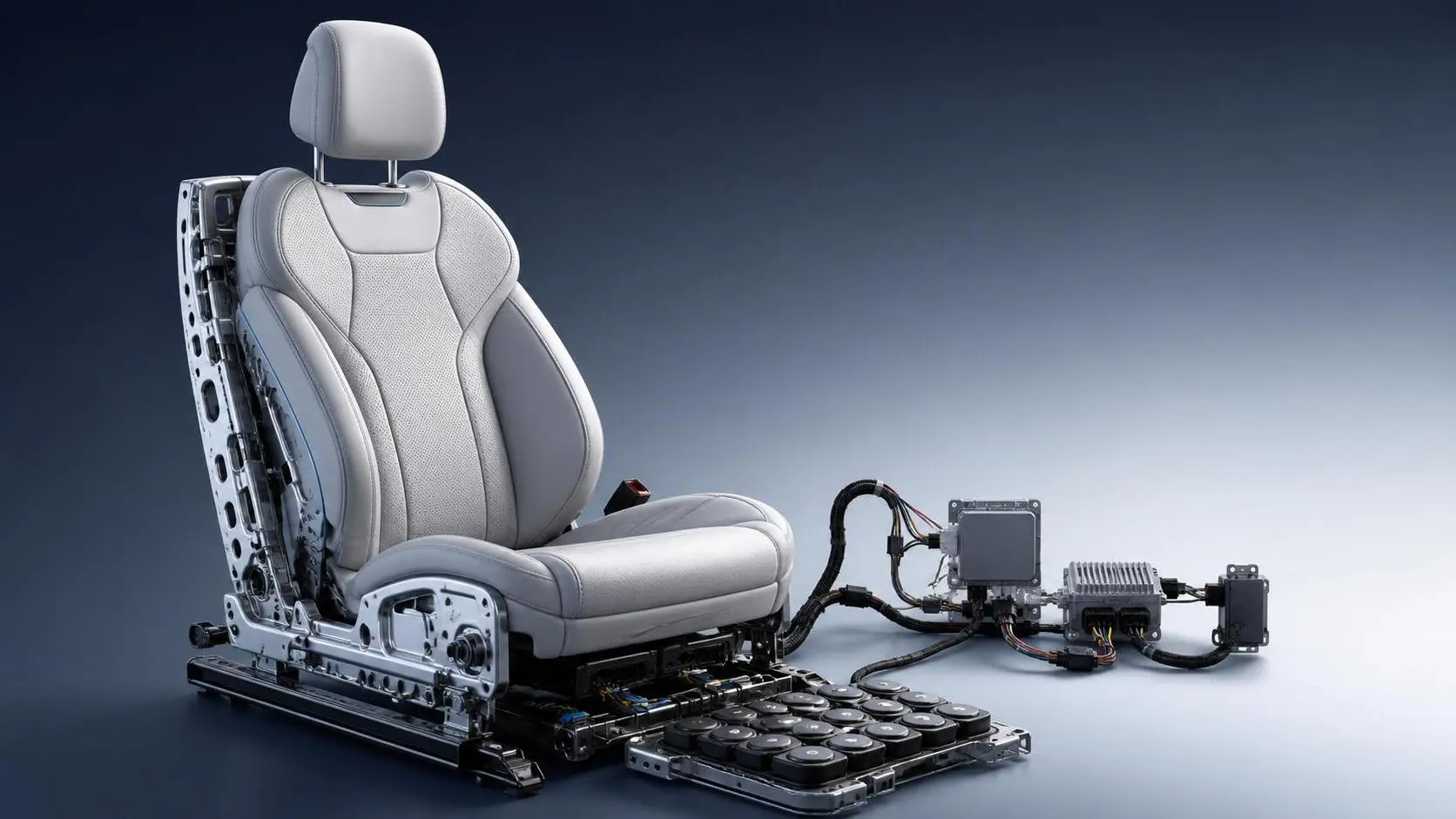
How to Evaluate Custom Smart Automotive Seating for Premium Vehicle Programs?
Custom smart automotive seating evaluation starts with safety, comfort, integration, and production readiness. Discover how premium vehicle teams choose smarter, lower-risk seat solutions.
B2B Product Intelligence Platforms: How to Compare Features, Data Coverage, and ROI
B2B product intelligence platform comparison: learn how to evaluate data coverage, feature depth, compliance visibility, and ROI to choose a sourcing tool that reduces risk and speeds decisions.
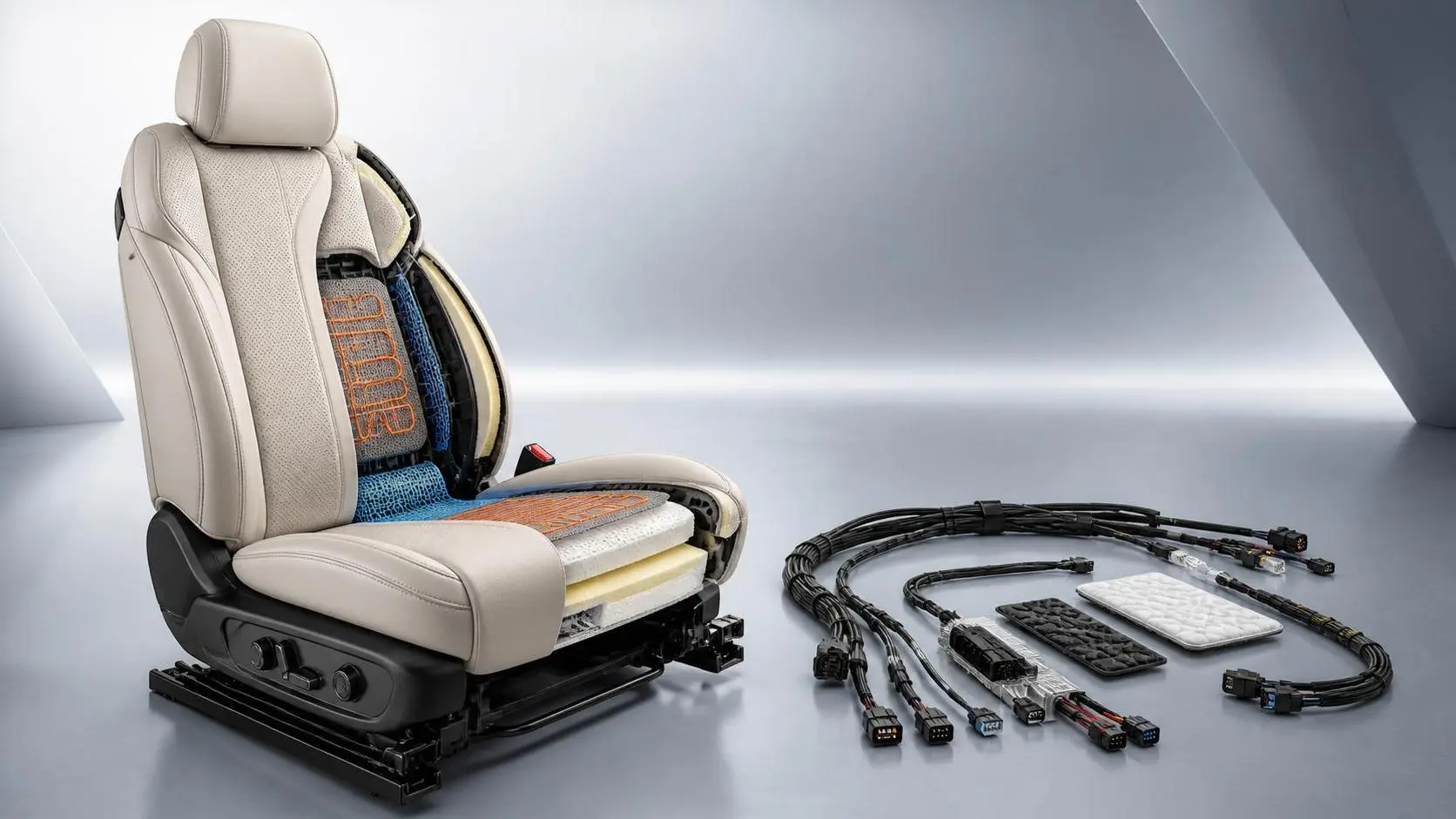
Climate Control Seats Cost: What Drives Price and Long-Term Ownership Value?
Climate control seats cost depends on materials, thermal tech, and integration. Learn what drives price and how to judge long-term value before you buy.

What Factors Drive Marine Navigation Components Cost in Commercial Vessel Projects?
Marine navigation components cost is shaped by integration, compliance, installation, and lifecycle support. Discover what drives pricing and how buyers can reduce risk while improving value.
Related News
- 00
0000-00
How to Evaluate High Strength Hot Stamped Steel Parts for Crash-Safety Applications - 00
0000-00
How to Evaluate Steel Auto Body Stampings for Strength, Fit, and Cost - 00
0000-00
Vehicle Lightweight Engineering for Body Structures vs High-Strength Steel: When to Use Which - 00
0000-00
Vehicle Lightweight Solutions for Structural Parts: When to Use Aluminum, HSS, or Hot Stamping - 00
0000-00
How to Evaluate High Strength Steel Stampings for Seat Structures: Key Grades and Forming Limits
Weekly Insights
Stay ahead with our curated technology reports delivered every Monday.