
Vehicle Lightweight Solutions for Structural Parts: When to Use Aluminum, HSS, or Hot Stamping
Vehicle lightweight solutions for structural parts start with the real load case
Choosing among aluminum, HSS, and hot stamping is rarely a simple material decision. It is a structural strategy tied to crash paths, joining limits, tooling plans, and regulatory targets.
That is why vehicle lightweight solutions for structural parts often look different across body-in-white zones, seat structures, and safety-critical reinforcements, even within one platform.
In practice, the best answer comes from matching energy absorption, stiffness, corrosion behavior, and cost to the actual duty of each part.
GNCS tracks this balance closely because lightweight body engineering now intersects with crash regulation, passive safety architecture, and global manufacturing compliance.
A pillar reinforcement for IIHS side impact, for example, should not be judged by the same priorities as a seat frame cross member or a hood inner.
Why the same platform can need different material logic
Different structural zones fail in different ways. Some must remain stable and preserve survival space. Others must deform in a controlled manner and dissipate energy early.
This is where vehicle lightweight solutions for structural parts become application-specific rather than theoretical. Weight reduction alone does not define success.
Front rails, rocker reinforcements, roof rails, battery protection structures, and seat anchorage areas all carry distinct timing and force requirements during impact.
A marine navigation enclosure may prioritize corrosion and dimensional stability. A vehicle side structure must prioritize intrusion resistance under milliseconds of severe load.
The useful judgment model is straightforward: define the failure mode first, then compare aluminum, HSS, and hot stamping against that requirement.
A quick comparison before selecting the structural route
This table is only a starting point. Vehicle lightweight solutions for structural parts still depend on geometry, joining stack, and local crash pulse.
When aluminum makes sense beyond simple mass reduction
Aluminum is attractive when the part benefits from lower inertia, corrosion resistance, or larger gauge flexibility without excessive intrusion risk.
Typical examples include closures, front-end carriers, seat frames, and some battery enclosure members. In these areas, mass reduction directly improves efficiency or handling response.
For vehicle lightweight solutions for structural parts, aluminum works best where section redesign can offset lower modulus through smarter geometry.
That often means deeper sections, tailored ribs, or cast-and-extrusion hybrids. The material alone does not deliver the result.
A frequent mistake is using aluminum in a load path that demands very stable intrusion control but offers limited section space. Weight falls, but crash tuning becomes harder.
Another overlooked issue is joining. Adhesives, self-piercing rivets, and mixed-material isolation add process steps that reshape the business case.
Where aluminum usually performs well
- Closures where hinge load, dent resistance, and corrosion matter together.
- Seat structures where every kilogram removed supports comfort, actuation, and cabin system integration.
- Modules needing modular assembly and clean separation from high-intrusion zones.
HSS remains the practical middle ground in many body structures
High-strength steel continues to anchor many vehicle lightweight solutions for structural parts because it balances performance, cost discipline, and established manufacturing routes.
In underbody members, floor cross members, wheelhouse reinforcements, and seat anchorage zones, HSS often delivers the most stable program outcome.
The reason is not only strength. HSS fits existing stamping lines, resistance welding strategies, and repair expectations better than many mixed-material alternatives.
This matters in high-volume programs where a small process disruption can cancel a theoretical weight advantage.
HSS is especially useful when the structure needs predictable deformation rather than maximum hardness. Controlled crush can be more valuable than peak tensile numbers.
In actual development, HSS grades are often chosen to smooth the transition between softer energy-absorbing zones and ultra-strong passenger cell barriers.
Hot stamping fits the zones where survival space cannot be negotiated
Hot stamping becomes compelling when packaging is tight and intrusion limits are severe. Side structures and roof load paths are the clearest examples.
A-pillars, B-pillars, roof rails, door rings, and rocker reinforcements frequently rely on hot-stamped parts to preserve occupant space during high-energy events.
For vehicle lightweight solutions for structural parts, this route allows thinner gauges while maintaining very high strength after quenching.
That benefit is real, but it comes with strict process control. Temperature window, die cooling, coating behavior, and trimming quality all affect final consistency.
This is why hot stamping is less about chasing a headline material property and more about controlling a full manufacturing ecosystem.
GNCS often follows this area because crash compliance, passive safety integration, and lightweight body targets converge most sharply here.
The decision changes by structural zone
Not every strong part should be hot-stamped. Parts needing holes, flanges, or late geometry changes may become expensive or difficult to industrialize.
A mixed strategy is often better. Use hot stamping for the core safety cage, HSS for transitions, and aluminum where mass sensitivity delivers real system value.
Different scenarios shift the ranking of aluminum, HSS, and hot stamping
The same material choice can look right in one program and weak in another. The ranking changes with architecture, production scale, and validation burden.
This is the practical core of vehicle lightweight solutions for structural parts: choose by zone behavior, not by material fashion.
Where teams often misread the application
One common error is comparing raw tensile strength without checking section geometry. A stronger grade may still perform worse in a poorly packaged shape.
Another is focusing on piece cost while ignoring joining, corrosion isolation, scrap rate, and repair complexity. Those hidden costs often decide program feasibility.
Vehicle lightweight solutions for structural parts also get misjudged when crash modes are evaluated separately from cabin systems.
Seatbelt loads, airbag timing, and seat structural behavior can change how the surrounding body structure should be tuned.
There is also a standards issue. A material route optimized for one regional crash requirement may need rework under another compliance protocol.
A more reliable way to choose the right structural material mix
Start with the parts that define occupant space, restraint interaction, and battery or cabin protection. These deserve the earliest material freeze.
- Map each part to its dominant failure mode: intrusion barrier, controlled crush, stiffness support, or attachment integrity.
- Check whether section space is generous or constrained. Tight packaging usually raises the value of hot stamping.
- Review joining routes early. Aluminum may save mass but lose time and money if the joining stack becomes too complex.
- Compare lifecycle costs, not only blank price. Tooling, coating, corrosion treatment, and repair all belong in the model.
- Validate material decisions against the actual regulation set, including IIHS and regional NCAP paths when relevant.
For GNCS-style analysis, the strongest decisions usually come from linking crash energy management with manufacturing reality and long-term compliance exposure.
Next-step judgment for vehicle lightweight solutions for structural parts
A useful next step is to sort structural parts by crash role, package limit, joining route, and expected production volume before comparing materials.
That process quickly shows where aluminum brings real advantage, where HSS stays optimal, and where hot stamping is worth the process intensity.
Vehicle lightweight solutions for structural parts become clearer when every decision is tied to a defined scenario, a measurable load case, and a realistic industrial path.
From there, the material mix is no longer a generic lightweight exercise. It becomes a defensible engineering choice for safety, efficiency, and compliance.
Related News

Which Passive Safety Engineering Standards Apply to Automotive Restraint Systems?
Passive safety engineering standards for automotive restraint systems: explore FMVSS, UN regulations, seatbelts, airbags, anchors, and compliance planning.

How European B2B Teams Can Evaluate Product Intelligence Platforms for Sourcing
B2B product intelligence platform Europe: learn how procurement teams assess suppliers, compliance data, technical capabilities, and sourcing risks with confidence.
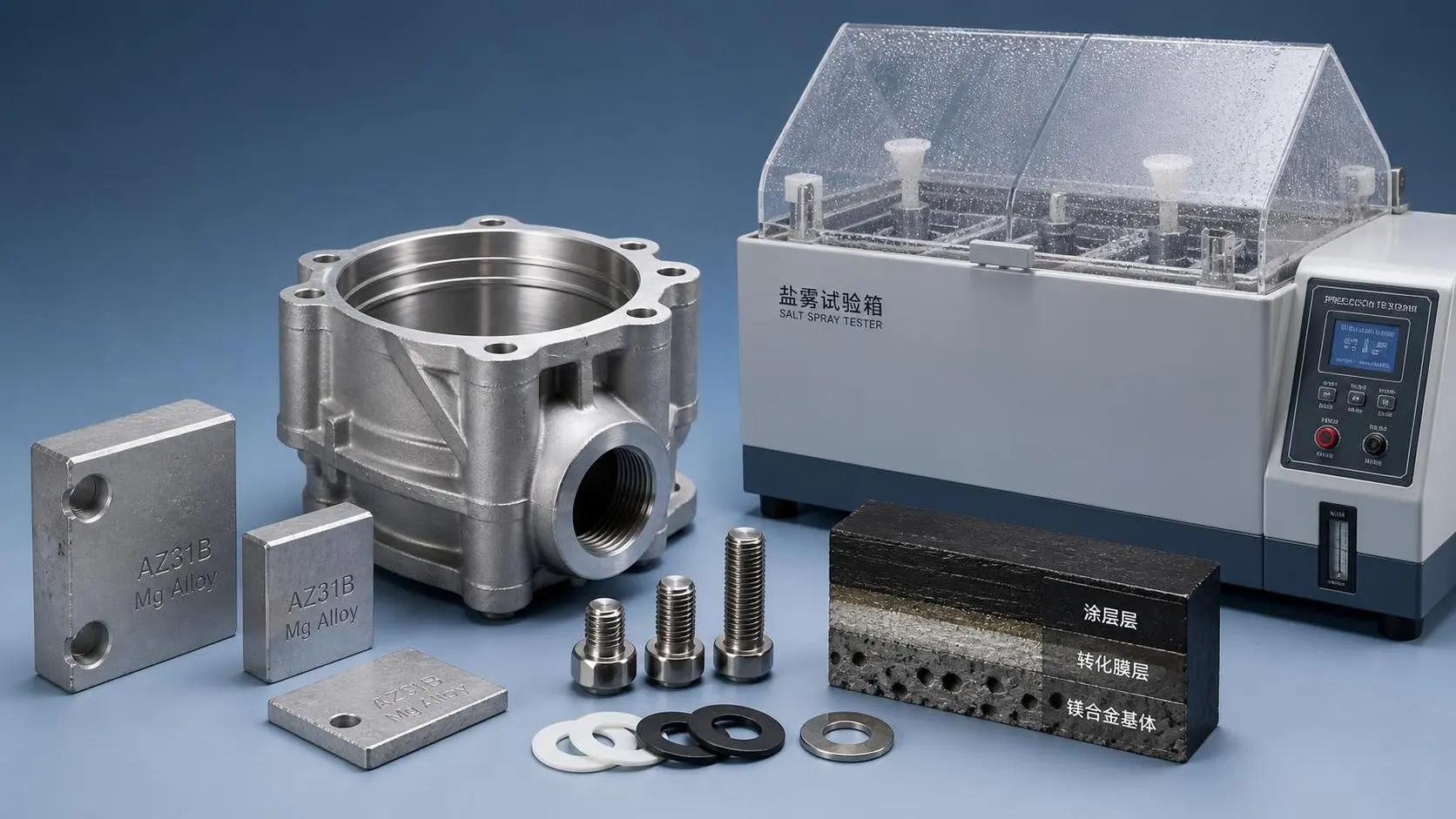
How to Evaluate Magnesium Alloys Corrosion Resistance for Marine Parts?
Magnesium alloys corrosion resistance for marine parts depends on more than alloy grade. Learn how to assess coatings, galvanic risk, geometry, and real-world exposure before you decide.

How to Evaluate Mobility Safety Systems for Safer Vehicle Platform Design
Mobility safety systems evaluation starts with platform architecture, crash energy management, and seat-restraint timing. Learn how to choose safer, validation-ready vehicle designs.

How Seat Belt Pretensioners for EVs Improve Crash Safety and System Response
Seat belt pretensioners for EVs improve crash timing, occupant control, and system response. Discover how smarter integration boosts EV safety performance.
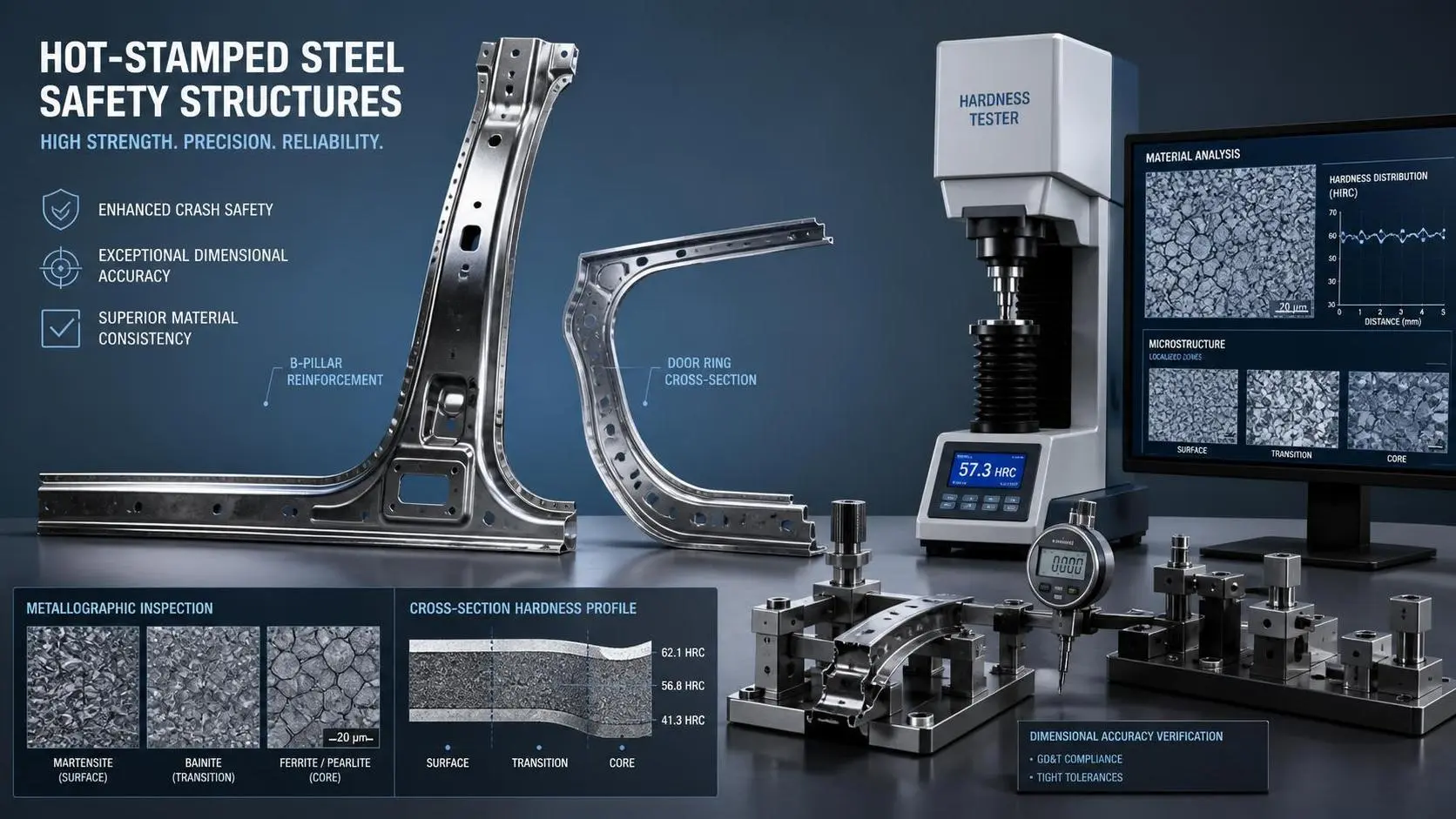
How to Evaluate High Strength Hot Stamped Steel Parts for Crash-Safety Applications
High strength hot stamped steel parts for crash-safety applications: learn how to assess strength, microstructure, dimensional accuracy, and process stability for safer sourcing decisions.
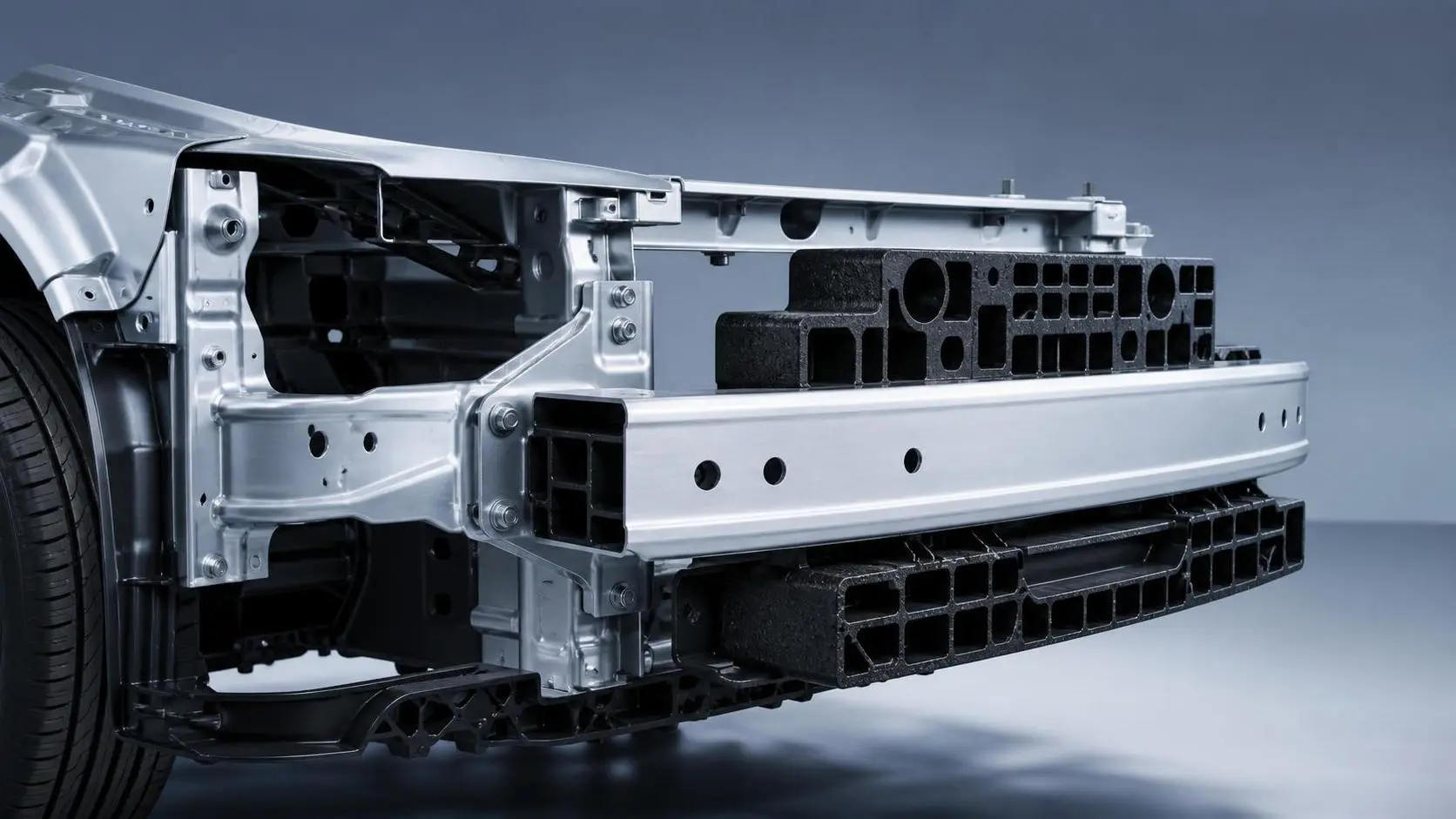
How Crash Management Components Reduce Repair Costs and Improve Impact Performance
Crash management components help reduce repair costs, protect critical vehicle structures, and improve impact performance. Learn how smarter design supports safer, more cost-efficient mobility programs.

How to Evaluate a Seat Sensing Systems Factory for Automotive Safety Programs
Seat sensing systems factory selection goes beyond price. Learn how to assess quality control, validation, PPAP readiness, and long-term supply reliability for safer automotive programs.
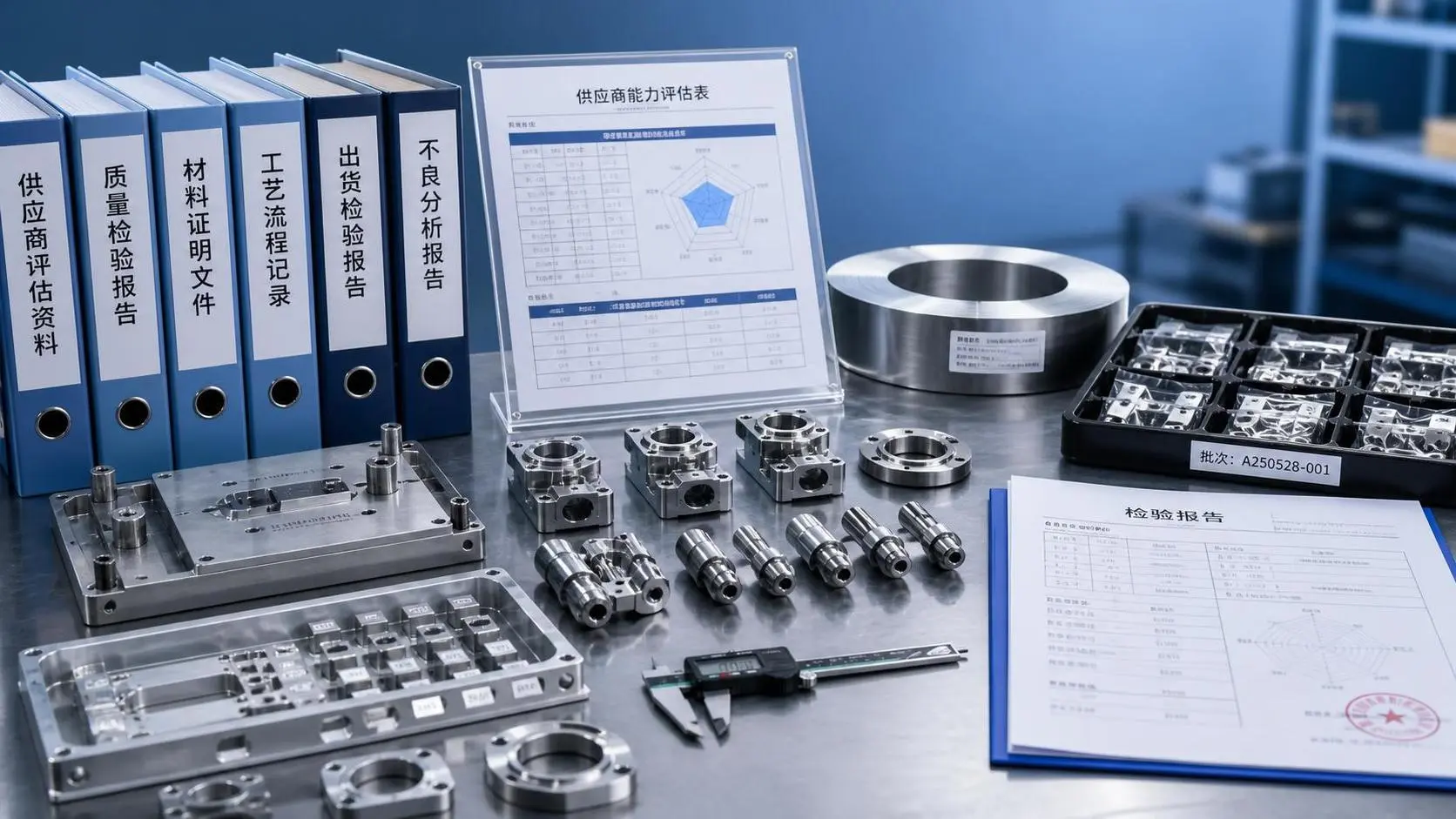
Supplier Capability Evaluation Process: Key Criteria for B2B Sourcing Decisions
Supplier capability evaluation process explained: learn the key criteria for B2B sourcing decisions, reduce supplier risk, and choose partners with confidence.
Related News
- 00
0000-00
How to Evaluate High Strength Hot Stamped Steel Parts for Crash-Safety Applications - 00
0000-00
How to Evaluate Steel Auto Body Stampings for Strength, Fit, and Cost - 00
0000-00
Vehicle Lightweight Engineering for Body Structures vs High-Strength Steel: When to Use Which - 00
0000-00
Vehicle Lightweight Solutions for Structural Parts: When to Use Aluminum, HSS, or Hot Stamping - 00
0000-00
How to Evaluate High Strength Steel Stampings for Seat Structures: Key Grades and Forming Limits
Weekly Insights
Stay ahead with our curated technology reports delivered every Monday.