
Custom High Strength Steel Stampings: Key Tolerances, Tooling Factors, and Lead Times
Custom high strength steel stampings sit at the intersection of lightweight design, crash performance, and launch discipline. In sectors tracked by GNCS, especially automotive body structures and safety-critical assemblies, the real challenge is rarely the steel grade alone. Dimensional tolerances, tooling stability, and realistic lead times shape whether a stamped part performs consistently in welding, assembly, and impact conditions.
That is why the topic deserves close attention now. Programs are moving toward thinner gauges, stronger materials, tighter compliance targets, and faster model cycles. As these pressures rise, small early assumptions in custom high strength steel stampings can become large downstream risks in quality, cost, and schedule.
What the term really covers in practice
In practical terms, custom high strength steel stampings are formed parts engineered for a specific geometry, load path, and assembly environment. They often use AHSS, UHSS, dual-phase steels, martensitic grades, or hot stamped boron steel.
The word custom matters. It means the part is not only shaped to print. It is also tuned to joining strategy, coating requirements, forming limits, and the expected behavior during crash or fatigue loading.
In GNCS coverage, this matters well beyond body-in-white cost optimization. It connects directly to passive safety performance, cabin containment integrity, and the broader push toward lighter but more resilient mobility platforms.
Why tolerance strategy drives more than fit-up
Tolerance discussions often begin with whether the part fits the checking fixture. That is necessary, but it is not enough. For custom high strength steel stampings, tolerance capability influences weld position, stack-up behavior, springback control, and repeatability across production lots.
A part can pass a basic dimensional check and still create instability in the line. Hole location drift may affect robotic joining. Edge movement can change flange engagement. Surface variation may disturb sealing, trim, or adjacent safety modules.
The tolerance areas that deserve early review
- Critical hole positions tied to welding, bolting, or locator schemes.
- Profile tolerances in load-bearing sections and crush initiators.
- Flatness and twist on mounting zones.
- Trim edge quality where cracks or burrs may affect durability.
- Material thickness variation and coating impact on forming behavior.
Usually, the most effective approach is not asking for the tightest tolerance everywhere. It is defining functional tolerances around true assembly and safety needs, then matching those needs to realistic process capability.
Springback is still the central technical issue
When strength rises, elastic recovery becomes harder to ignore. Springback is one of the main reasons custom high strength steel stampings require more development effort than conventional mild steel parts.
It affects geometry after forming, after trimming, and sometimes after welding. The challenge increases with complex draw shapes, asymmetric flanges, variable section stiffness, and mixed joining conditions.
This is where tolerance planning and tooling design meet. If springback compensation is weak, even a well-machined die may struggle to hold the required shape over time.
Typical controls used to manage springback
- Forming simulation with material data matched to the actual source coil.
- Restrike or calibration stations.
- Controlled binder pressure and draw bead design.
- Section-specific compensation in the die face.
- Part restraint strategies during measurement and checking.
Tooling factors that affect quality and timing
Tooling decisions shape both part quality and project pacing. With custom high strength steel stampings, tool wear, press tonnage, die material, lubrication, and trim method all influence consistency.
Higher-strength grades place heavier demands on the tool set. Punches, inserts, and trim steels can wear faster. Galling risk can rise. If the tool concept is too aggressive for the material, launch issues usually appear as repeated tuning loops.
In many launches, the schedule problem is not a late tool start. It is a tool concept that looked feasible on paper, yet lacked enough margin for the real forming behavior of the steel.
Lead times are driven by complexity, not only by capacity
Lead time for custom high strength steel stampings is often underestimated because teams focus on tooling build weeks alone. In reality, timing depends on design freeze quality, simulation maturity, die buy-off cycles, material sourcing, and validation requirements.
Hot stamped or safety-relevant parts may require additional process proving, mechanical validation, and dimensional correlation. If PPAP expectations are introduced late, the project calendar can compress quickly.
What usually expands the timeline
- Late geometry changes after forming simulation is complete.
- Incomplete GD&T tied to unclear functional requirements.
- Material substitutions without fresh forming validation.
- Tool rework caused by springback or trim cracking.
- Delayed checking fixtures or measurement plans.
A realistic launch plan builds time for tryout learning, not just nominal production readiness. That is especially true for custom high strength steel stampings used in structural rings, pillars, cross-members, reinforcements, and seat load paths.
Where these stampings create the most value
The business case for custom high strength steel stampings is strongest where weight reduction must coexist with energy management. Automotive body structures are the obvious example, but the value logic extends across mobility systems monitored by GNCS.
In passive safety architecture, stronger and better-controlled stampings help preserve occupant space and support predictable load transfer. In seat structures, they can improve stiffness while limiting mass growth. In adjacent transport equipment, they support durable enclosure and containment functions.
That wider relevance explains the continued industry focus. Regulation, electrification, crash expectations, and platform consolidation all favor parts that combine precision, strength, and scalable production.
A practical review framework before release
Before committing a part to tool release, it helps to review custom high strength steel stampings through a short but disciplined lens. The aim is to expose hidden assumptions while changes are still manageable.
- Confirm which dimensions are function-critical and which are negotiable.
- Check whether the selected steel grade matches both crash intent and forming window.
- Review simulation inputs against real material data, not generic datasets.
- Validate joining assumptions with actual flange access and hole capability.
- Align tool build timing with fixture, validation, and PPAP milestones.
- Define what process capability is required at SOP, not only at tryout.
This kind of review is less about adding paperwork and more about protecting the program from preventable rework. The earlier the alignment, the lower the cost of correction.
What to watch next
The next phase of custom high strength steel stampings will be shaped by better digital validation, stronger links between material suppliers and die development, and tighter integration with safety compliance data. GNCS tracks that convergence because it affects not only component sourcing, but also credibility in global mobility programs.
A useful next step is to map each stamped part against three questions: what function it protects, which tolerances truly matter, and where tooling risk can delay launch. That simple discipline often reveals whether the current plan is robust enough for production reality.
When those answers are clear, custom high strength steel stampings become easier to evaluate as a system decision rather than a single-part purchase. That is usually where better timing, better quality, and better safety performance begin.
Related News
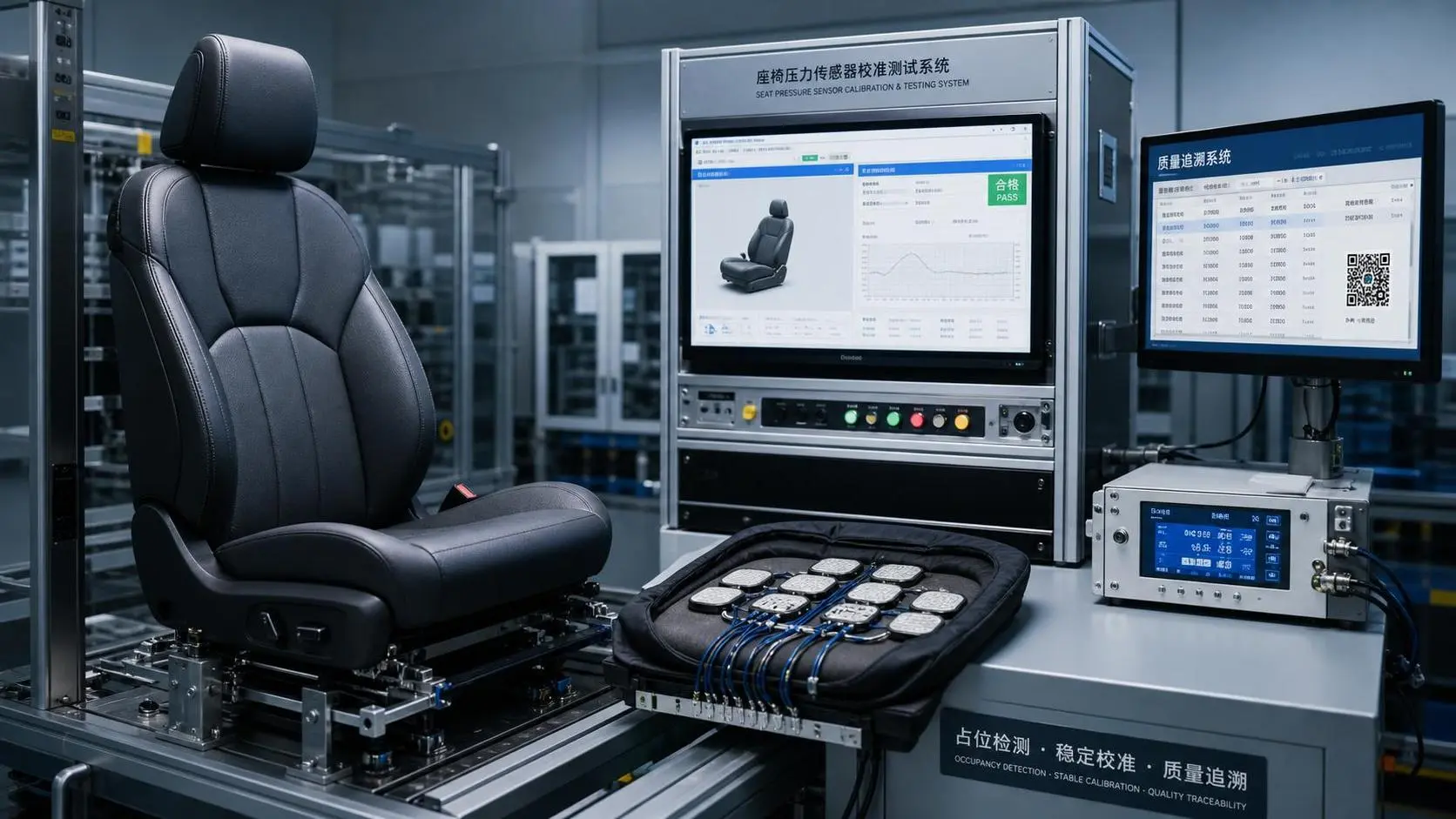
How to Evaluate a Seat Sensing Systems Factory for Automotive Safety Programs
Seat sensing systems factory selection goes beyond price. Learn how to assess quality control, validation, PPAP readiness, and long-term supply reliability for safer automotive programs.
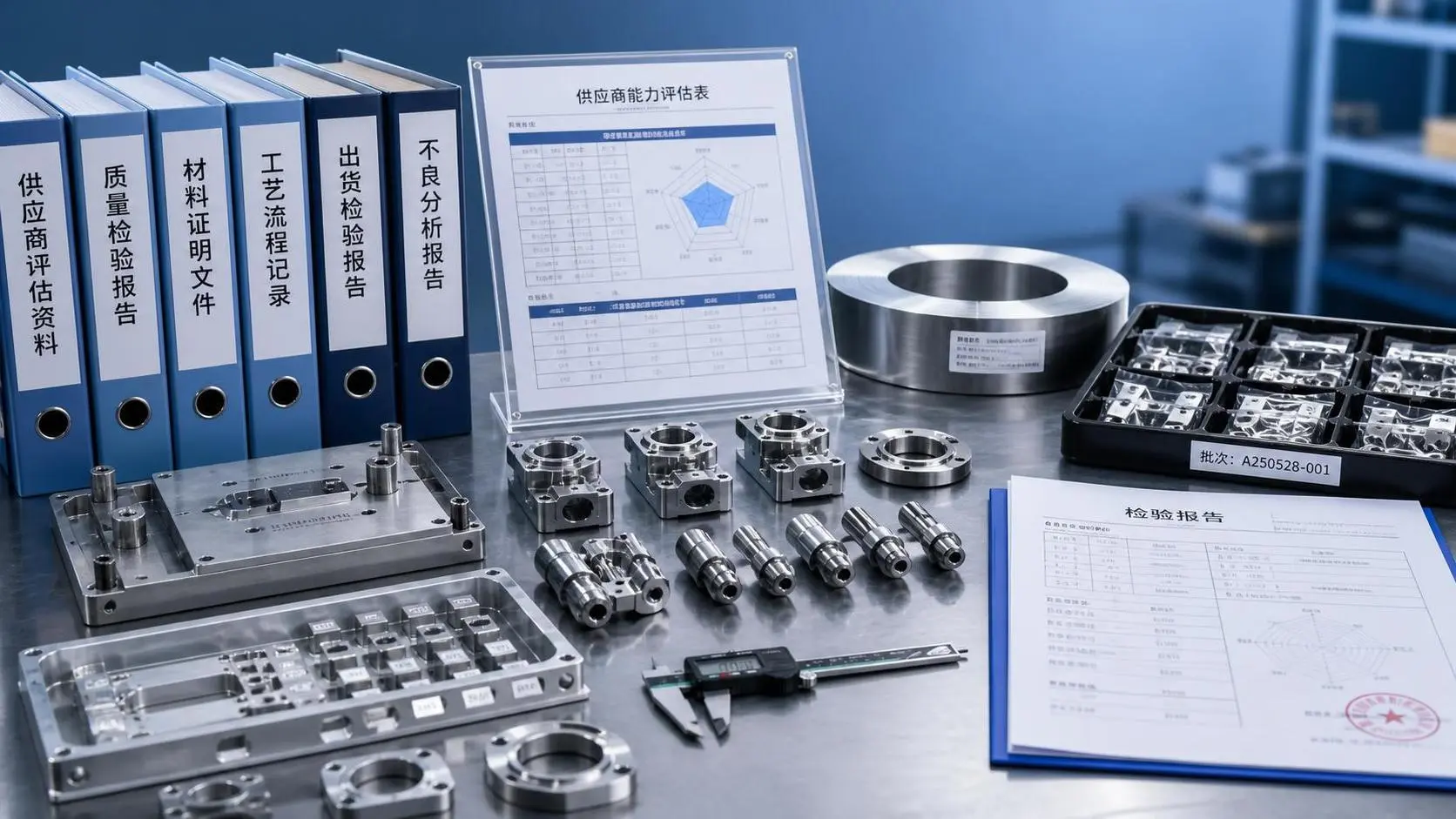
Supplier Capability Evaluation Process: Key Criteria for B2B Sourcing Decisions
Supplier capability evaluation process explained: learn the key criteria for B2B sourcing decisions, reduce supplier risk, and choose partners with confidence.
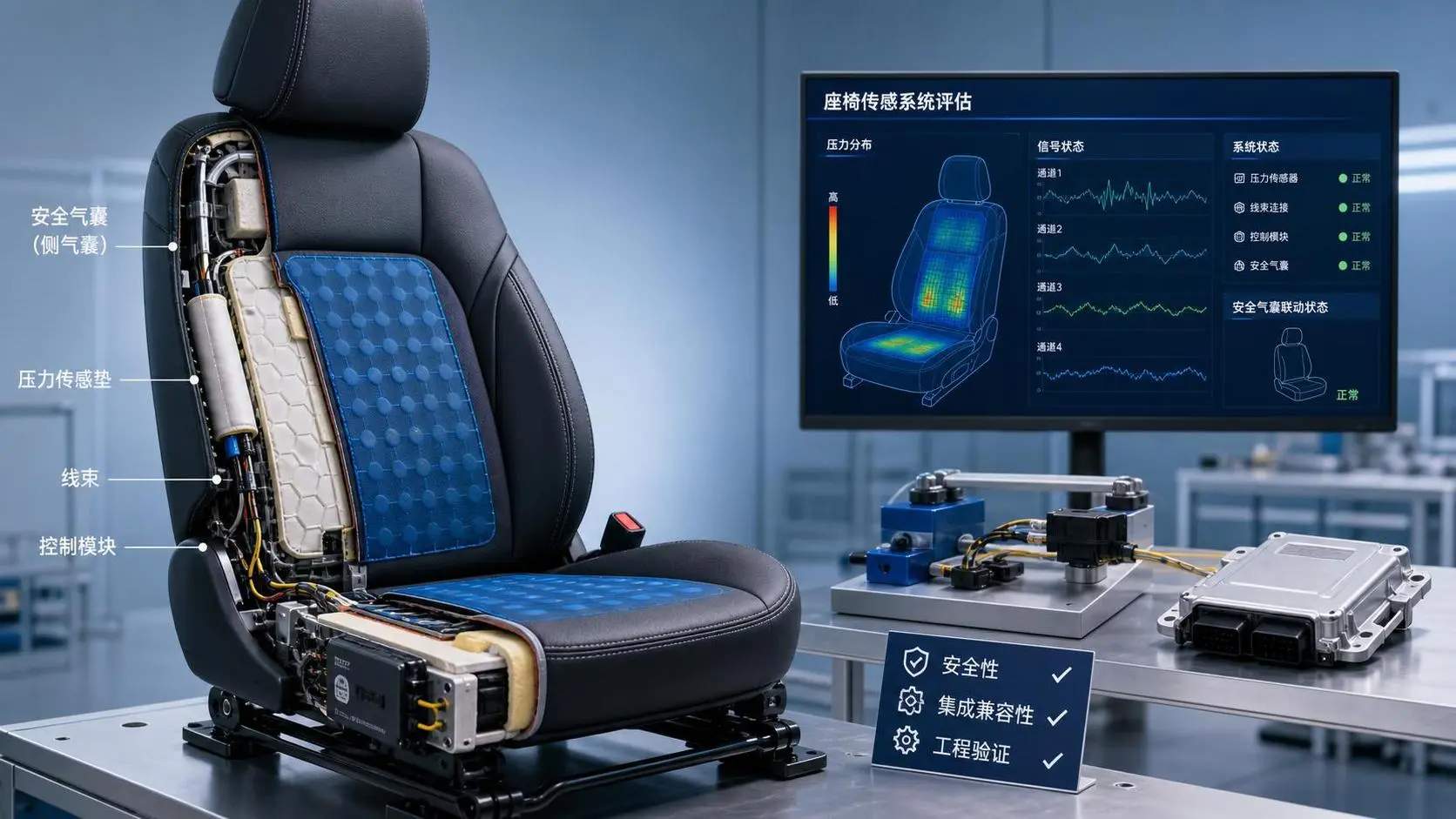
How to Evaluate a Seat Sensing Technology Supplier for Safety and Integration?
Seat sensing technology supplier evaluation guide: compare safety maturity, integration fit, algorithm reliability, and validation support to choose a partner that reduces risk.
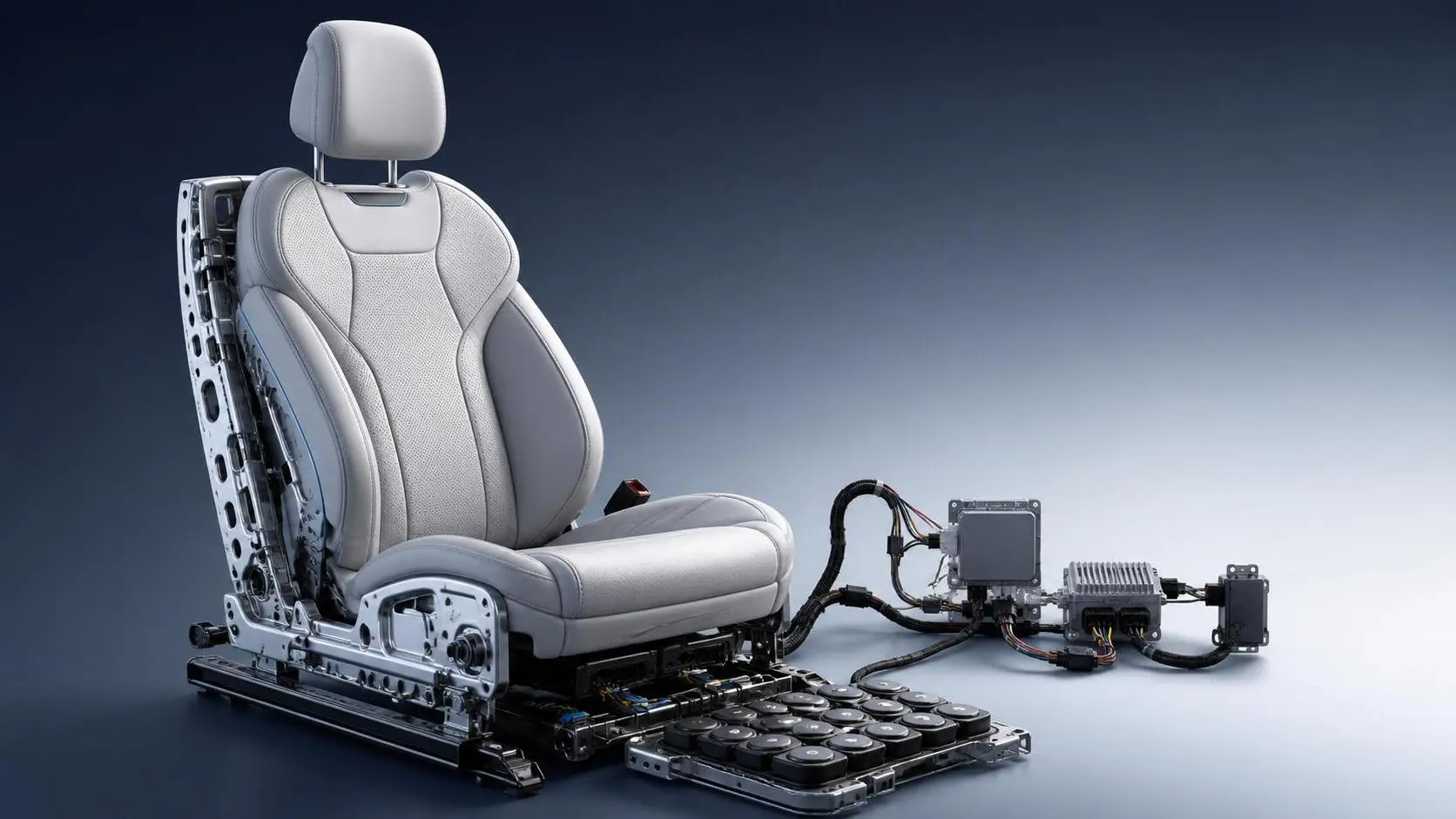
How to Evaluate Custom Smart Automotive Seating for Premium Vehicle Programs?
Custom smart automotive seating evaluation starts with safety, comfort, integration, and production readiness. Discover how premium vehicle teams choose smarter, lower-risk seat solutions.
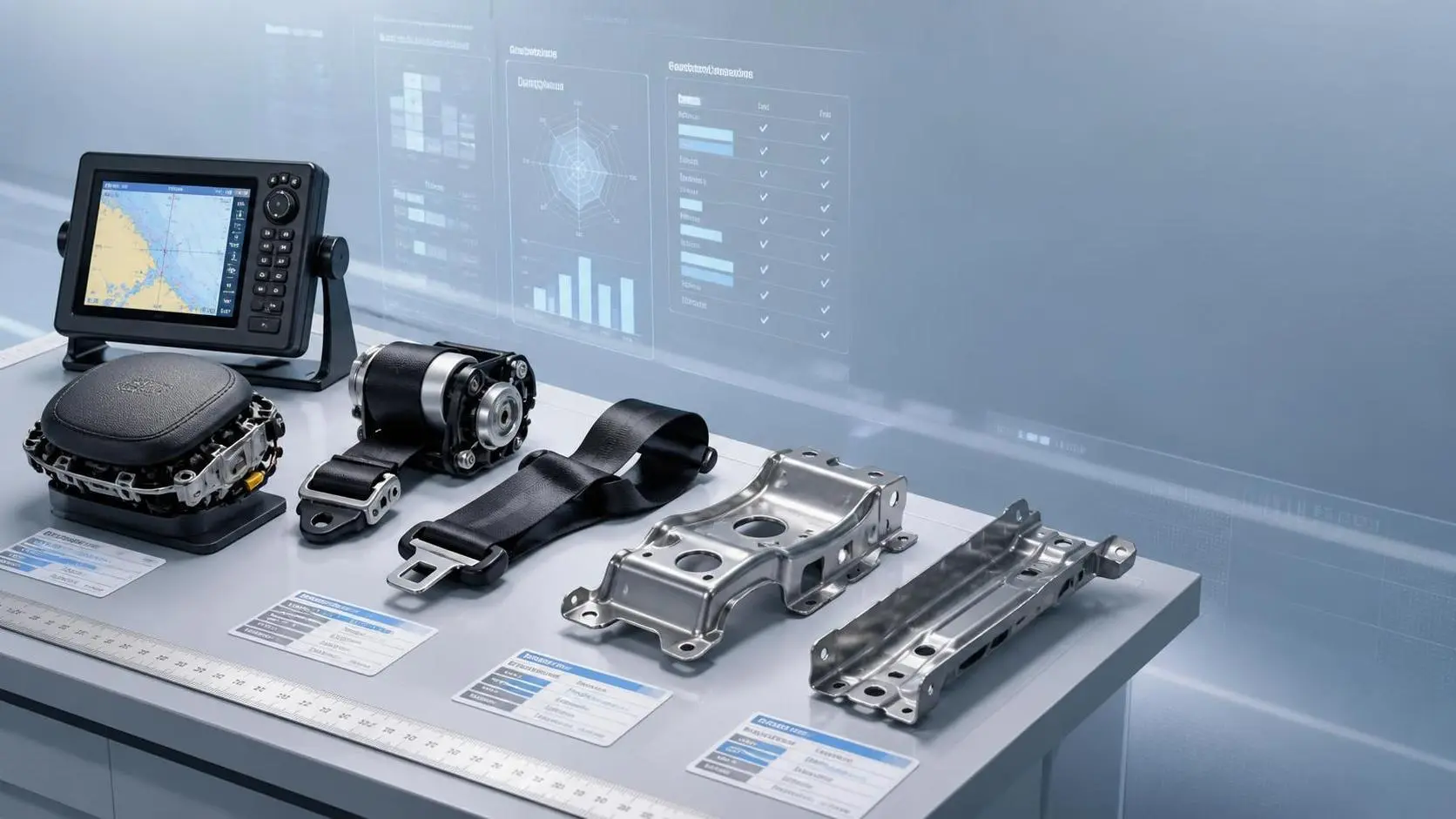
B2B Product Intelligence Platforms: How to Compare Features, Data Coverage, and ROI
B2B product intelligence platform comparison: learn how to evaluate data coverage, feature depth, compliance visibility, and ROI to choose a sourcing tool that reduces risk and speeds decisions.
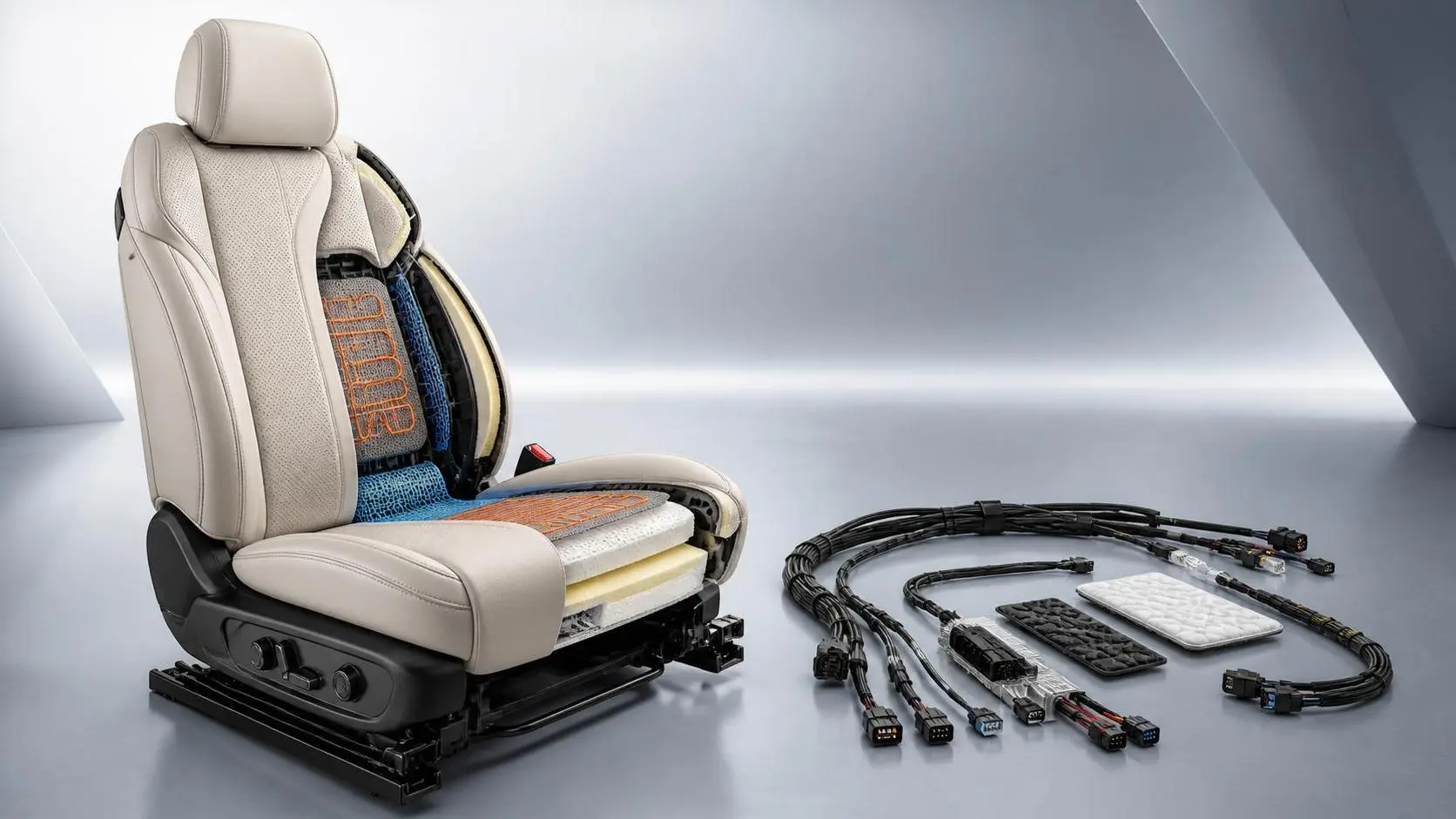
Climate Control Seats Cost: What Drives Price and Long-Term Ownership Value?
Climate control seats cost depends on materials, thermal tech, and integration. Learn what drives price and how to judge long-term value before you buy.
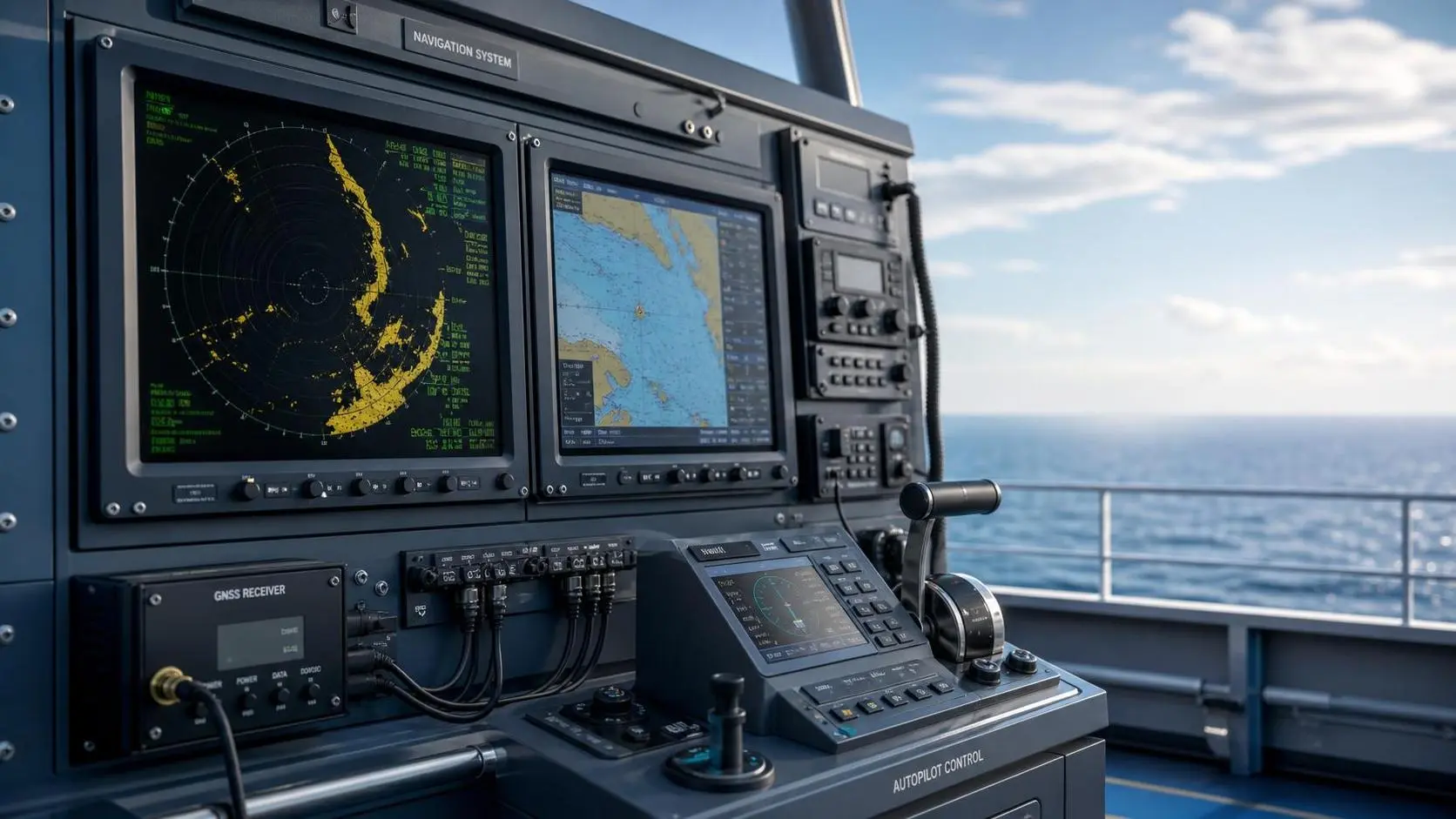
What Factors Drive Marine Navigation Components Cost in Commercial Vessel Projects?
Marine navigation components cost is shaped by integration, compliance, installation, and lifecycle support. Discover what drives pricing and how buyers can reduce risk while improving value.

How Much Does Seat Occupancy Sensing Cost? Key Pricing Factors for Buyers
Seat occupancy sensing price varies widely by technology, integration, and compliance needs. Learn the key cost drivers, avoid hidden fees, and make smarter buying decisions.
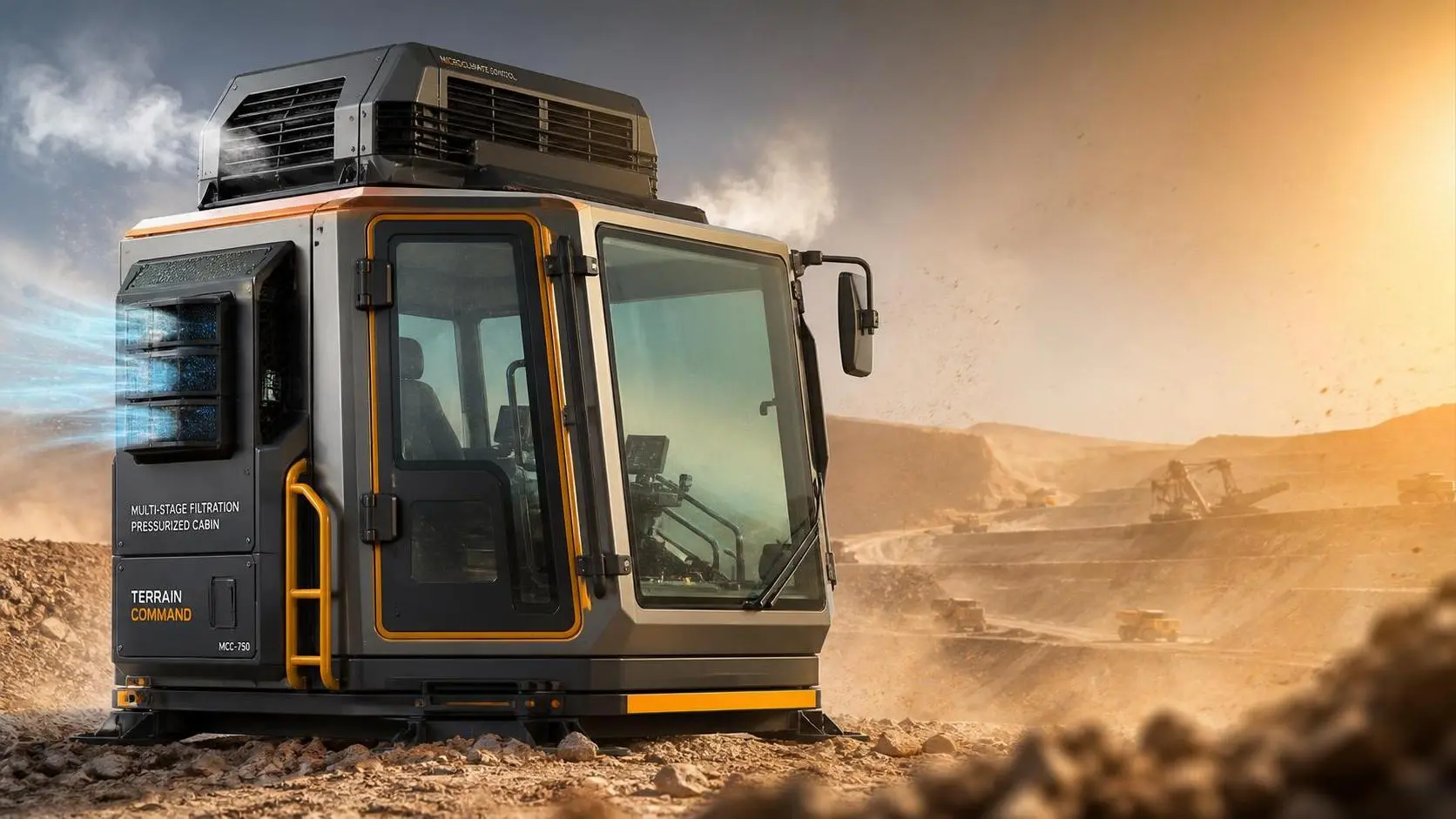
How to Specify Micro-Climate Control Cabins for Harsh Outdoor Worksites?
Micro-climate control cabins for harsh outdoor worksites: learn how to specify thermal control, filtration, pressurization, and durability for safer uptime and smarter buying.
Related News
- 00
0000-00
How to Evaluate Steel Auto Body Stampings for Strength, Fit, and Cost - 00
0000-00
Vehicle Lightweight Engineering for Body Structures vs High-Strength Steel: When to Use Which - 00
0000-00
Vehicle Lightweight Solutions for Structural Parts: When to Use Aluminum, HSS, or Hot Stamping - 00
0000-00
How to Evaluate High Strength Steel Stampings for Seat Structures: Key Grades and Forming Limits - 00
0000-00
Custom High Strength Steel Stampings: Key Tolerances, Tooling Factors, and Lead Times
Weekly Insights
Stay ahead with our curated technology reports delivered every Monday.