
Welded Body in White Components Explained: Materials, Joining Methods, and Strength
Welded body in white components sit at the center of modern vehicle architecture. They define how loads travel, how energy is absorbed, and how far lightweighting can go without undermining durability.
For any technical review, these assemblies are more than stamped shells. Material grade, weld layout, flange design, and local reinforcements all shape stiffness, crash behavior, corrosion risk, and factory repeatability.
That is why welded body in white components remain a major focus across mobility intelligence platforms such as GNCS, where lightweight structures, passive safety, and compliance trends increasingly intersect.
What the body in white actually includes
Body in white refers to the welded sheet metal structure before paint, trim, glass, powertrain, and interior systems are installed. It is the structural backbone of the vehicle body.
Typical welded body in white components include the floor assembly, side members, A-, B-, and C-pillars, roof rails, cross members, rocker panels, wheel housings, front rails, rear rails, and closure reinforcements.
Some parts primarily carry global loads. Others tune local behavior near joints, seats, battery packs, suspension hard points, or crash load paths. The distinction matters during technical evaluation.
Why this layer gets so much scrutiny
Once the body geometry is frozen, many downstream outcomes are also constrained. Repair strategy, tooling complexity, NVH response, occupant packaging, and passive safety performance all trace back to body in white decisions.
In practice, welded body in white components are judged as a system. A strong pillar alone does not guarantee a strong cabin if adjacent joints, rails, or floor interfaces deform too early.
Material choices are now multi-layered
The old assumption that steel dominates everywhere is no longer enough. Today, body structures mix conventional steels, high-strength steels, advanced high-strength steels, press-hardened steels, aluminum, and selective composites.
Each material enters the design for a different reason. Some improve bend stiffness. Some create a stable crash cage. Others reduce mass in closures, roof structures, or sub-assemblies.
What matters most is not the headline material list. It is the placement logic. The best structures use material where crash pulses, torsion, and manufacturing realities justify the cost and complexity.
This is closely aligned with GNCS coverage of automotive lightweight bodies, where hot stamping, high-strength steel, and structural efficiency are tracked as practical competitiveness factors, not abstract trends.
Joining methods decide whether design intent survives production
A body shell can look excellent in CAD and still fail in production if the joining strategy is poorly matched to material stack-up, coating, access, or thermal sensitivity.
For welded body in white components, the dominant methods still include resistance spot welding, laser welding, MIG welding in selected zones, and hybrid combinations with structural adhesives or rivets.
Resistance spot welding
This remains the volume-production baseline for steel BIW structures. It is fast, automatable, and well understood. Electrode life, nugget consistency, and stack thickness still require close monitoring.
Laser welding
Laser processes support narrow seams, lower flange requirements, and better dimensional control in certain assemblies. They also demand tighter fit-up and more stable process windows.
Adhesive-bonded hybrid joints
These are increasingly common in mixed-material bodies. Adhesives improve load distribution and stiffness, while welds or rivets provide initial fixation and peel resistance.
The key evaluation issue is not choosing the most advanced method. It is confirming that the selected method preserves structural targets through cycle time pressure, tolerance variation, and corrosion exposure.
Strength is broader than ultimate load capacity
When people discuss strength in welded body in white components, they often mean more than tensile numbers. Real strength is structural behavior under bending, torsion, fatigue, impact, and progressive collapse.
A front rail must crush predictably. A B-pillar must resist intrusion. A floor cross member may need to control seat anchorage loads. Roof rails must contribute during rollover events.
In other words, strength is functional. It depends on where deformation is allowed, where it is delayed, and how adjoining members share the load.
- Global stiffness affects handling feel, sealing performance, and NVH.
- Crash strength protects survival space and manages energy paths.
- Fatigue resistance supports long-term durability at welded interfaces.
- Joint integrity prevents local failures from triggering larger collapse.
This systems view is especially relevant when body structure is considered alongside airbags, seatbelt systems, and seating interfaces. Cabin restraint performance depends on the structure staying predictable.
Where technical reviews usually uncover risk
Most issues do not come from a single catastrophic design error. They emerge at interfaces: dissimilar materials, local thinning after forming, inaccessible weld zones, or reinforcements that interrupt intended load flow.
Another common problem is overvaluing nominal material strength while underestimating joint efficiency. A 1500 MPa reinforcement cannot deliver its theoretical benefit through a weak connection strategy.
Coatings also deserve attention. Zinc layers, adhesive cure cycles, heat input, and corrosion sealing all affect long-term performance, especially in closed sections and splash-exposed areas.
Useful questions during assessment
- Which welded body in white components are load-critical in crash and torsion events?
- Does the joining process match the material mix and flange geometry?
- Are reinforcement patches improving real performance or only local strength values?
- How sensitive is the design to production tolerance and electrode wear?
- What is the likely effect on repairability and lifecycle corrosion behavior?
Why industry attention is growing
The pressure on welded body in white components is increasing from several directions at once. Battery-electric platforms need mass control. Safety protocols are tightening. Platform sharing raises reuse demands across regions and vehicle classes.
At the same time, supply chains want fewer process surprises. That pushes evaluators to compare not only peak performance, but also production robustness, inspection feasibility, and regulatory durability.
GNCS frames this well through its broader safety and compliance lens. Structural intelligence is no longer isolated from restraint systems, seating loads, or global crash assessment standards such as IIHS and Euro NCAP.
A practical way to interpret component value
The most useful approach is to read welded body in white components through five linked filters: material efficiency, joining reliability, load-path clarity, manufacturing stability, and compatibility with downstream safety systems.
That keeps reviews grounded. It also prevents a narrow focus on mass reduction or raw strength numbers from hiding larger integration problems.
Where a program is still early, compare sections by crash function and process risk. Where a design is mature, shift attention toward validation evidence, failure modes, and consistency across variants.
The next step is usually not a broader theory discussion. It is building a tighter checklist around critical components, joint maps, material stack-ups, and test correlations that matter to the target platform.
That is where informed judgment becomes useful: not in naming every body part, but in recognizing which welded body in white components truly control safety, stiffness, and manufacturable lightweight performance.
Related News
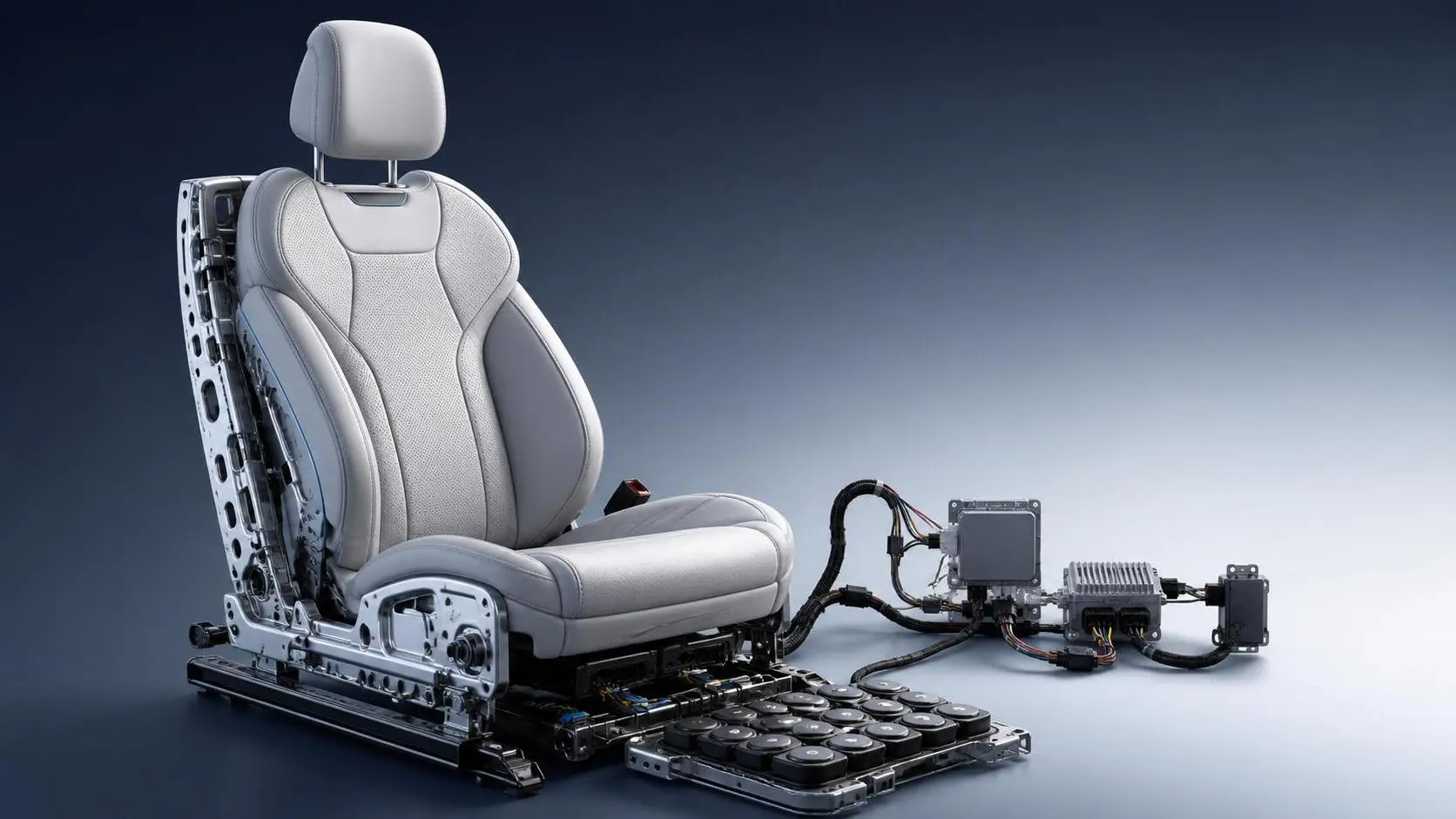
How to Evaluate Custom Smart Automotive Seating for Premium Vehicle Programs?
Custom smart automotive seating evaluation starts with safety, comfort, integration, and production readiness. Discover how premium vehicle teams choose smarter, lower-risk seat solutions.
B2B Product Intelligence Platforms: How to Compare Features, Data Coverage, and ROI
B2B product intelligence platform comparison: learn how to evaluate data coverage, feature depth, compliance visibility, and ROI to choose a sourcing tool that reduces risk and speeds decisions.
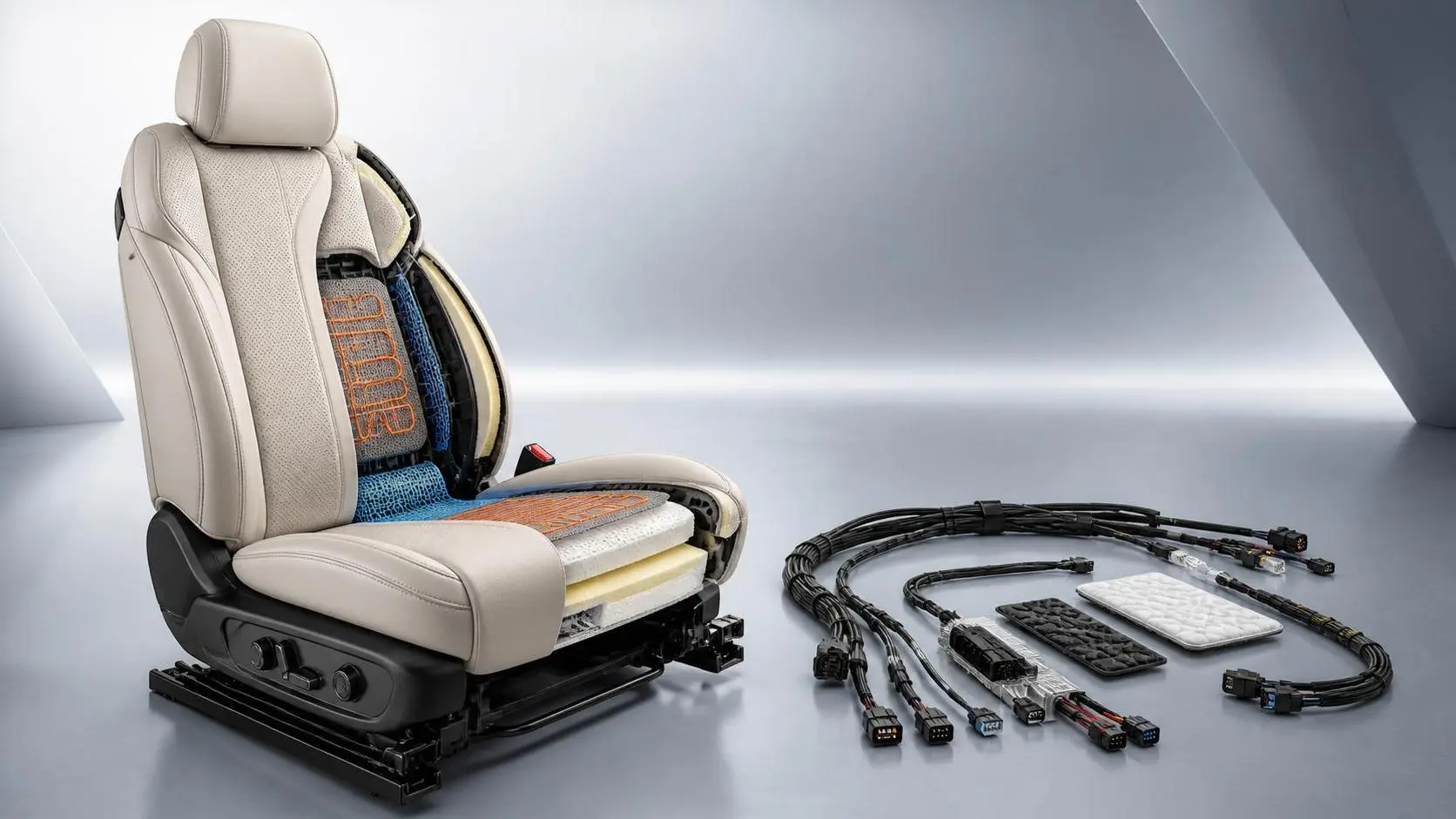
Climate Control Seats Cost: What Drives Price and Long-Term Ownership Value?
Climate control seats cost depends on materials, thermal tech, and integration. Learn what drives price and how to judge long-term value before you buy.

What Factors Drive Marine Navigation Components Cost in Commercial Vessel Projects?
Marine navigation components cost is shaped by integration, compliance, installation, and lifecycle support. Discover what drives pricing and how buyers can reduce risk while improving value.
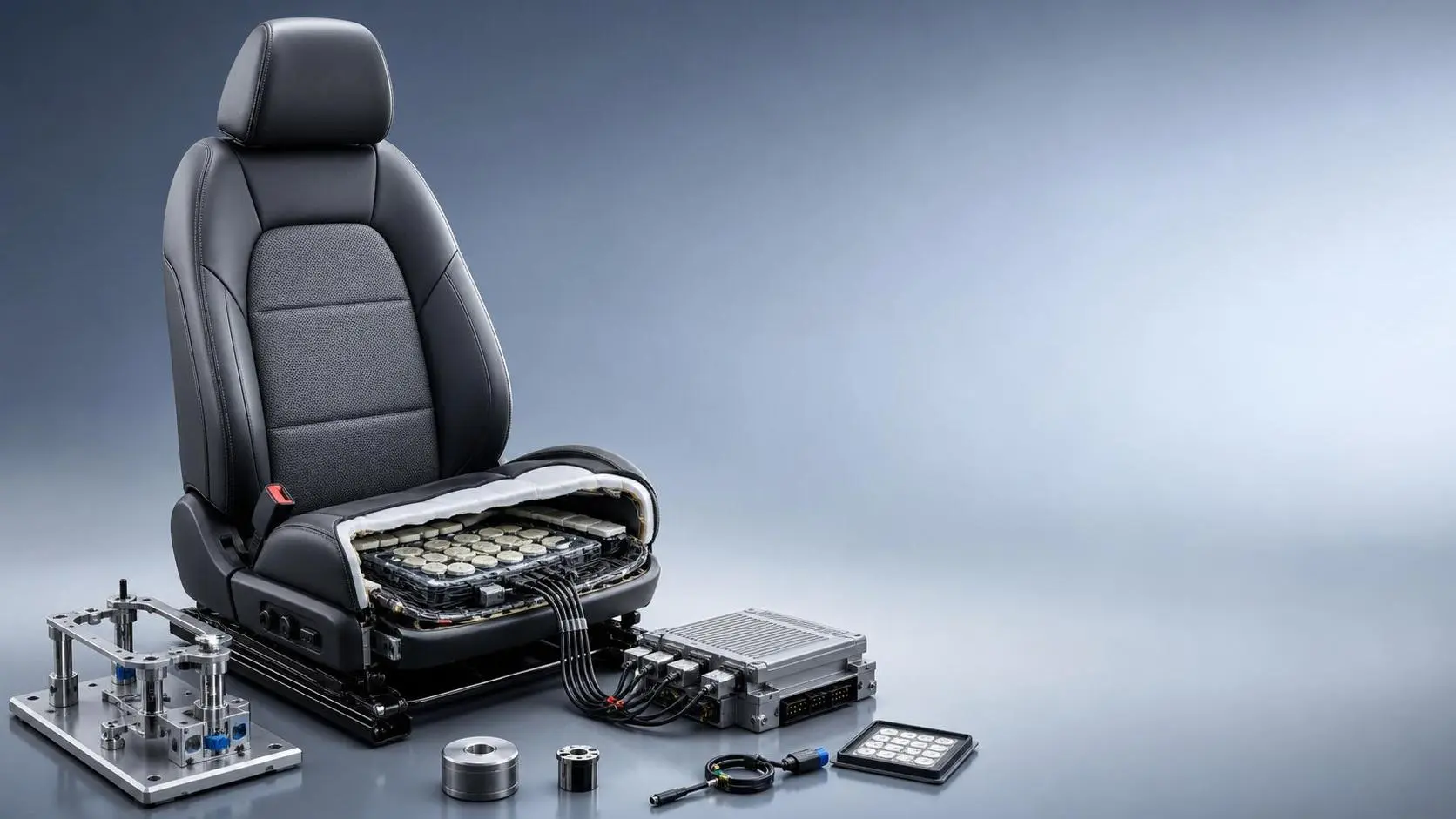
How Much Does Seat Occupancy Sensing Cost? Key Pricing Factors for Buyers
Seat occupancy sensing price varies widely by technology, integration, and compliance needs. Learn the key cost drivers, avoid hidden fees, and make smarter buying decisions.
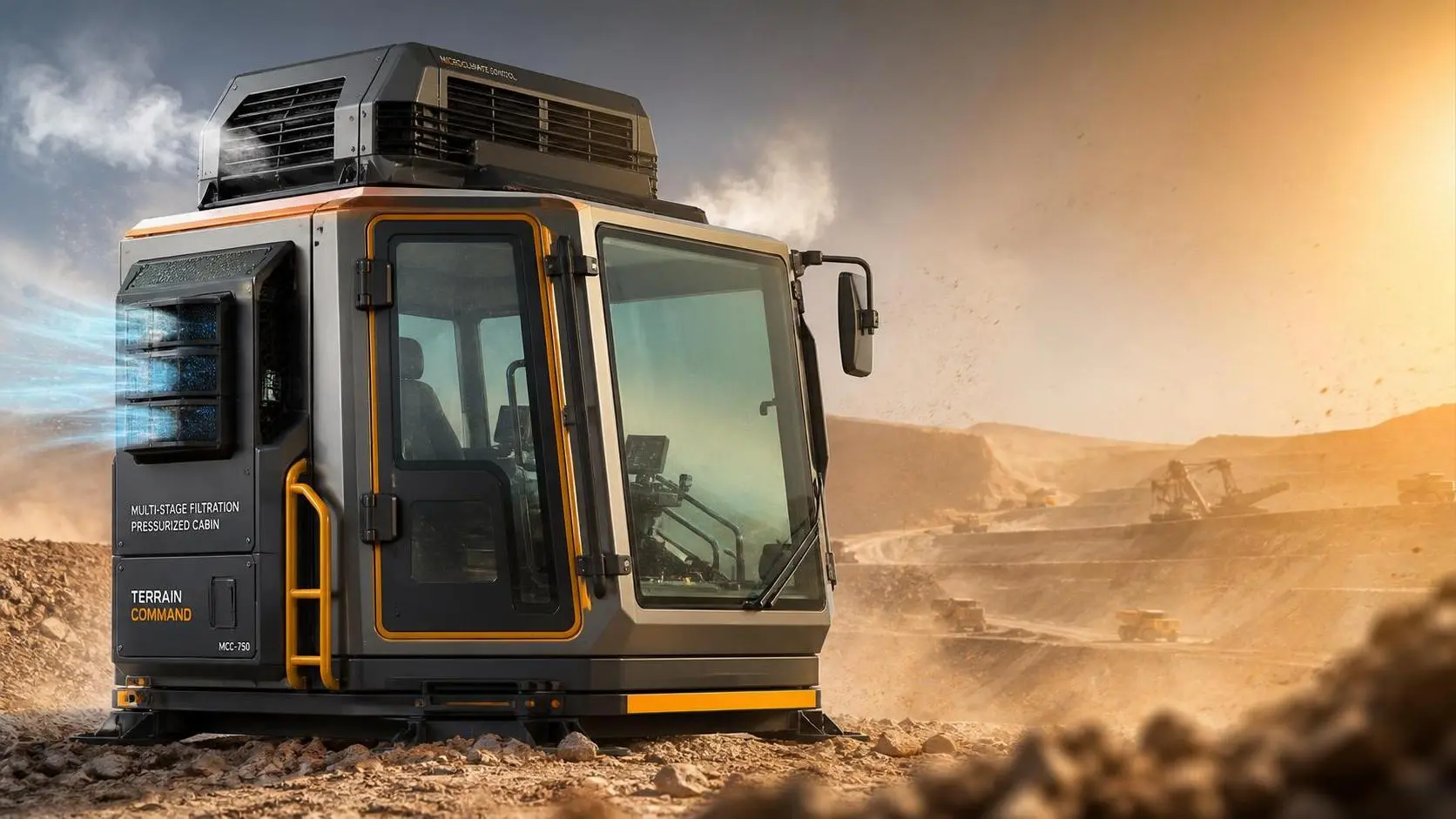
How to Specify Micro-Climate Control Cabins for Harsh Outdoor Worksites?
Micro-climate control cabins for harsh outdoor worksites: learn how to specify thermal control, filtration, pressurization, and durability for safer uptime and smarter buying.
How to Evaluate a B2B Product Knowledge Platform for Faster Procurement Decisions
B2B product knowledge platform procurement starts with reducing decision risk. Learn how to compare specs, compliance, and supplier data to speed sourcing with confidence.
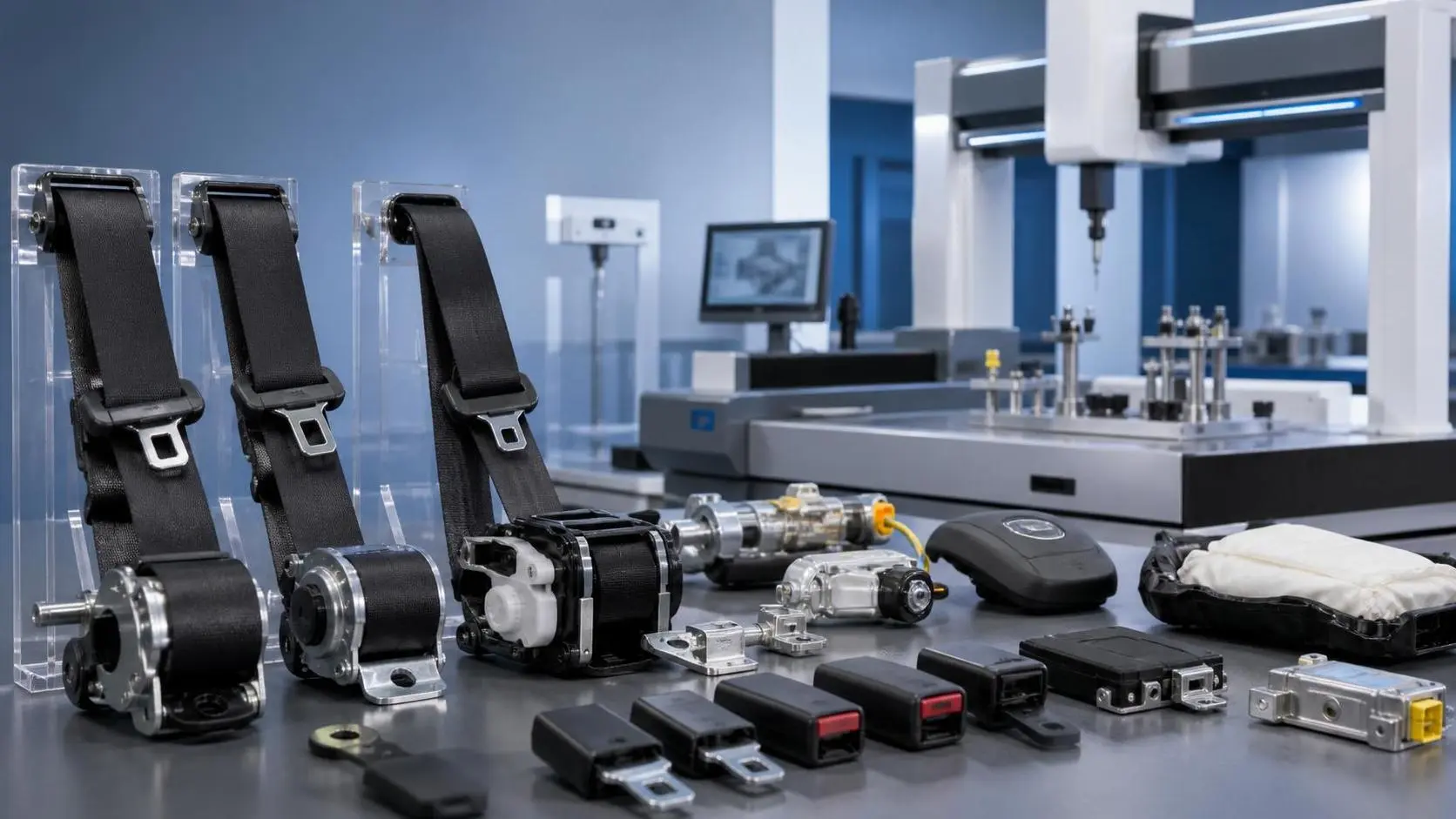
How to Evaluate an Occupant Restraint Systems Exporter for Quality, Compliance, and Supply Risk
Occupant restraint systems exporter evaluation guide: learn how to verify quality controls, compliance evidence, and supply risk before sourcing to avoid recalls, delays, and hidden costs.

Navigation Compliance Certification: Which Marine Systems Need It and How to Prepare?
Navigation compliance certification explained: discover which marine systems need approval, what documents matter, and how to prepare early to avoid delays, rework, and costly project risks.
Related News
- 00
0000-00
How to Evaluate Steel Auto Body Stampings for Strength, Fit, and Cost - 00
0000-00
Vehicle Lightweight Engineering for Body Structures vs High-Strength Steel: When to Use Which - 00
0000-00
Vehicle Lightweight Solutions for Structural Parts: When to Use Aluminum, HSS, or Hot Stamping - 00
0000-00
How to Evaluate High Strength Steel Stampings for Seat Structures: Key Grades and Forming Limits - 00
0000-00
Custom High Strength Steel Stampings: Key Tolerances, Tooling Factors, and Lead Times
Weekly Insights
Stay ahead with our curated technology reports delivered every Monday.