
Vehicle Lightweight Engineering for Body Structures vs High-Strength Steel: When to Use Which
In body-in-white development, the debate around vehicle lightweight engineering for body structures versus high-strength steel has moved well beyond simple mass reduction. The real decision sits at the intersection of crash load paths, joining strategy, plant capability, repair economics, and regulation. For sectors tracked by GNCS, where structural efficiency and occupant protection are tightly linked, the better choice depends on where weight matters most and where risk becomes unacceptable.
Why this comparison matters now
Pressure is coming from several directions at once. Emissions targets still matter in many markets, but electrification has changed the math.
Battery packs add mass and alter center-of-gravity behavior. That pushes body teams to recover weight without weakening the passenger cell.
At the same time, IIHS, Euro NCAP, and regional side-impact protocols continue to tighten expectations around small overlap, pole impact, and far-side protection.
This is why vehicle lightweight engineering for body structures has become a system decision. Material choice now affects airbag timing, seatbelt tuning, seat anchorage performance, and downstream repairability.
That broader systems view fits the GNCS lens. A body structure is not an isolated shell. It is the foundation that lets passive safety hardware perform predictably.
High-strength steel is a material choice, lightweight engineering is a design strategy
The first distinction is conceptual. High-strength steel refers to a material family, including AHSS and ultra-high-strength grades used in pillars, rails, rockers, and reinforcements.
Vehicle lightweight engineering for body structures is wider. It includes material substitution, topology optimization, thickness reduction, part integration, joining redesign, and crash energy management.
In practice, high-strength steel is often one tool inside vehicle lightweight engineering for body structures, not its opposite.
That matters because some programs ask, “Should we switch to aluminum?” when the better question is, “Which combination of geometry, grade, process, and joining delivers the target?”
What high-strength steel does especially well
High-strength steel offers strong crash resistance at relatively low material cost. It also fits existing stamping ecosystems better than most alternatives.
Hot-stamped boron steel remains valuable in intrusion-critical zones. It supports very high tensile performance in compact package spaces.
For many global platforms, it is the fastest route to regulatory confidence because supply chains, validation methods, and repair standards are already mature.
What broader lightweight engineering can unlock
A broader vehicle lightweight engineering for body structures approach can remove mass from places steel alone cannot optimize efficiently.
Examples include cast node integration, aluminum closures, tailored blanks, mixed-material floor systems, and selective use of magnesium in seat-related substructures.
The gain is not only lower curb weight. It can also improve range, ride response, axle load balance, and design freedom around battery packaging.
When high-strength steel is usually the better choice
High-strength steel tends to win when the program needs disciplined cost control and robust crash performance across high-volume production.
It is especially suitable in these situations:
- The plant already has mature stamping, spot welding, and hot-forming capability.
- The structure needs very high intrusion resistance in A-pillars, B-pillars, roof rails, or door rings.
- Program timing leaves little room for qualification of new joining methods.
- Regional service networks require straightforward repair procedures and familiar replacement parts.
- The weight target is meaningful but not aggressive enough to justify a mixed-material architecture.
This is common in compact cars, commercial derivatives, and cost-sensitive EV platforms. Here, high-strength steel often delivers the best balance of safety, throughput, and margin protection.
When vehicle lightweight engineering for body structures should go beyond steel
A broader approach becomes more compelling when every kilogram has a commercial or functional payoff.
That is often the case in long-range EVs, performance vehicles, premium multi-material platforms, and programs constrained by payload or dynamic efficiency.
In these cases, limiting the solution to high-strength steel may protect cost, but it can block higher-value gains elsewhere.
A more complete vehicle lightweight engineering for body structures strategy is often justified when:
- Range improvement or battery downsizing has direct revenue value.
- The body layout benefits from large integrated castings or adhesive-bonded assemblies.
- Front and rear crash management can be redesigned around mixed load paths.
- NVH, handling, and stiffness targets require tailored material distribution.
- Brand positioning supports higher process cost in exchange for performance differentiation.
The decision is often made by manufacturing, not theory
Material selection can look attractive in simulation and fail in the factory. That is why manufacturability must sit early in the evaluation.
High-strength steel brings forming limits, springback management, tool wear, and cracking sensitivity. Those issues are known, but they still need control.
Mixed-material lightweight solutions introduce a different set of burdens. They may require adhesive cure windows, rivet access, corrosion isolation, and more complex teardown logic.
Joining compatibility is often the hidden gate. A body structure can meet mass and crash targets on paper, then fail on cycle time or quality consistency.
Safety performance has to be judged as a system
A lighter body is not automatically a safer body. Structural tuning must match restraint strategy.
Changes in front rail collapse, side sill stiffness, or roof ring behavior can shift occupant kinematics. That affects airbags, seatbelts, and seat structures.
GNCS regularly tracks this kind of interaction across auto body stampings and passive safety systems. The practical lesson is simple.
Vehicle lightweight engineering for body structures should be reviewed with restraint calibration teams, not only body teams. Otherwise, structural efficiency in one domain can create instability in another.
What to examine before making the call
A useful evaluation framework should connect engineering targets with commercial reality. Five checks are usually enough to expose the correct path.
- Map the kilograms that create the highest business value, not only the highest technical appeal.
- Separate safety cage requirements from non-critical panels and closures.
- Audit joining, corrosion, and repair implications before approving mixed materials.
- Review crash pulse effects on airbags, seatbelts, and seating anchors.
- Test the design against plant capability, supplier stability, and regional compliance pathways.
This keeps vehicle lightweight engineering for body structures from becoming a narrow weight contest. It turns it into a controlled platform decision.
A practical way forward
In most programs, the answer is not steel or lightweight engineering. It is targeted use of high-strength steel inside a broader vehicle lightweight engineering for body structures roadmap.
Use steel where intrusion tolerance, cost discipline, and industrial readiness dominate. Push beyond steel where architecture-level mass reduction changes range, dynamics, or packaging value.
The next step is to build a decision matrix around crash zones, joining methods, mass-payback value, and compliance exposure. That kind of structured comparison usually reveals the right material mix faster than ideology does.
For teams following GNCS intelligence, the most reliable advantage comes from reading body structures the same way safety systems are read: as interconnected performance layers, not isolated parts.
Related News
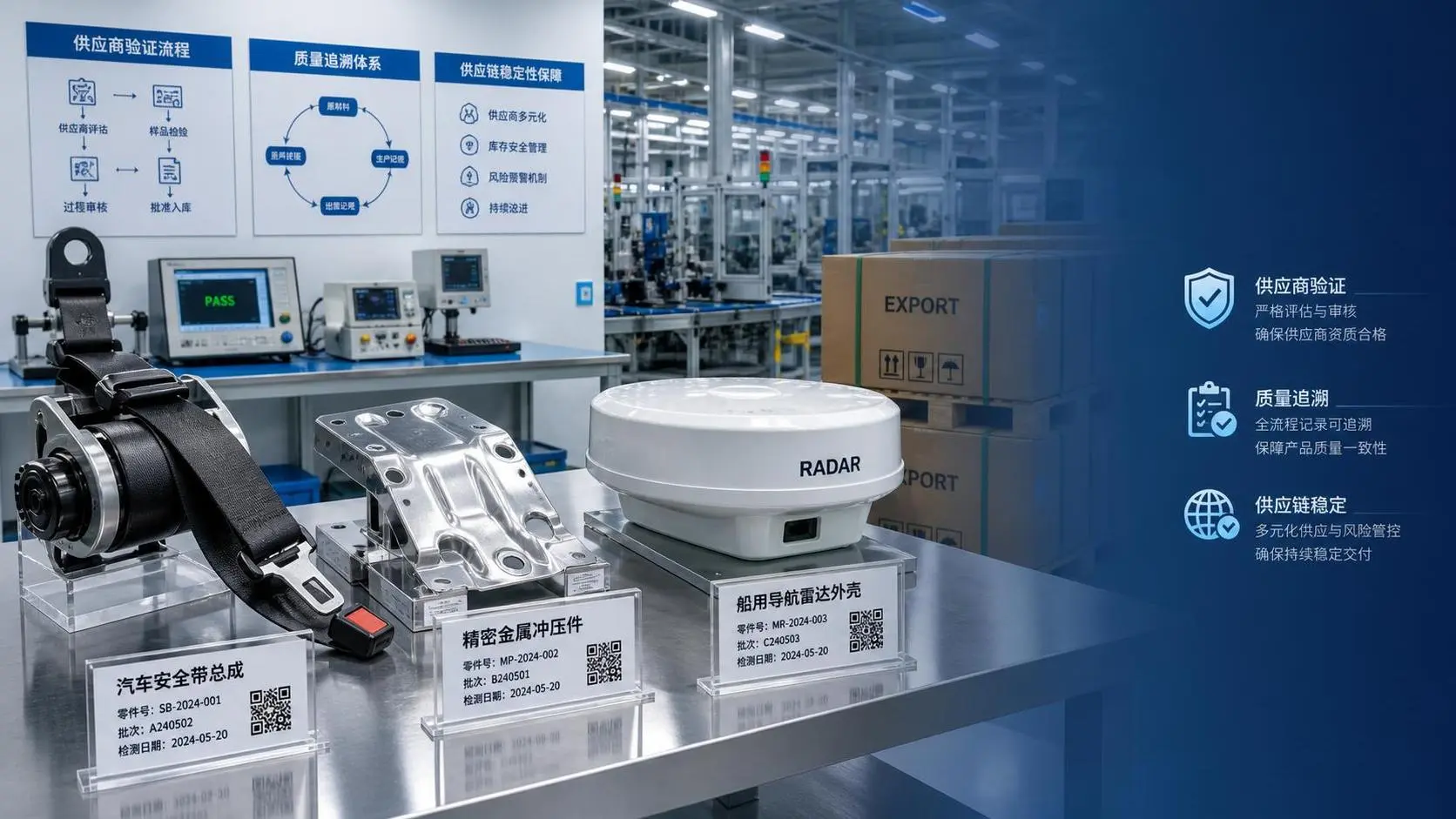
Industrial Sourcing Information: How Buyers Vet Suppliers, Costs, and Supply Risks
Industrial sourcing information guide for vetting suppliers, calculating landed costs, managing compliance, and reducing supply-chain risks in marine and automotive safety programs.
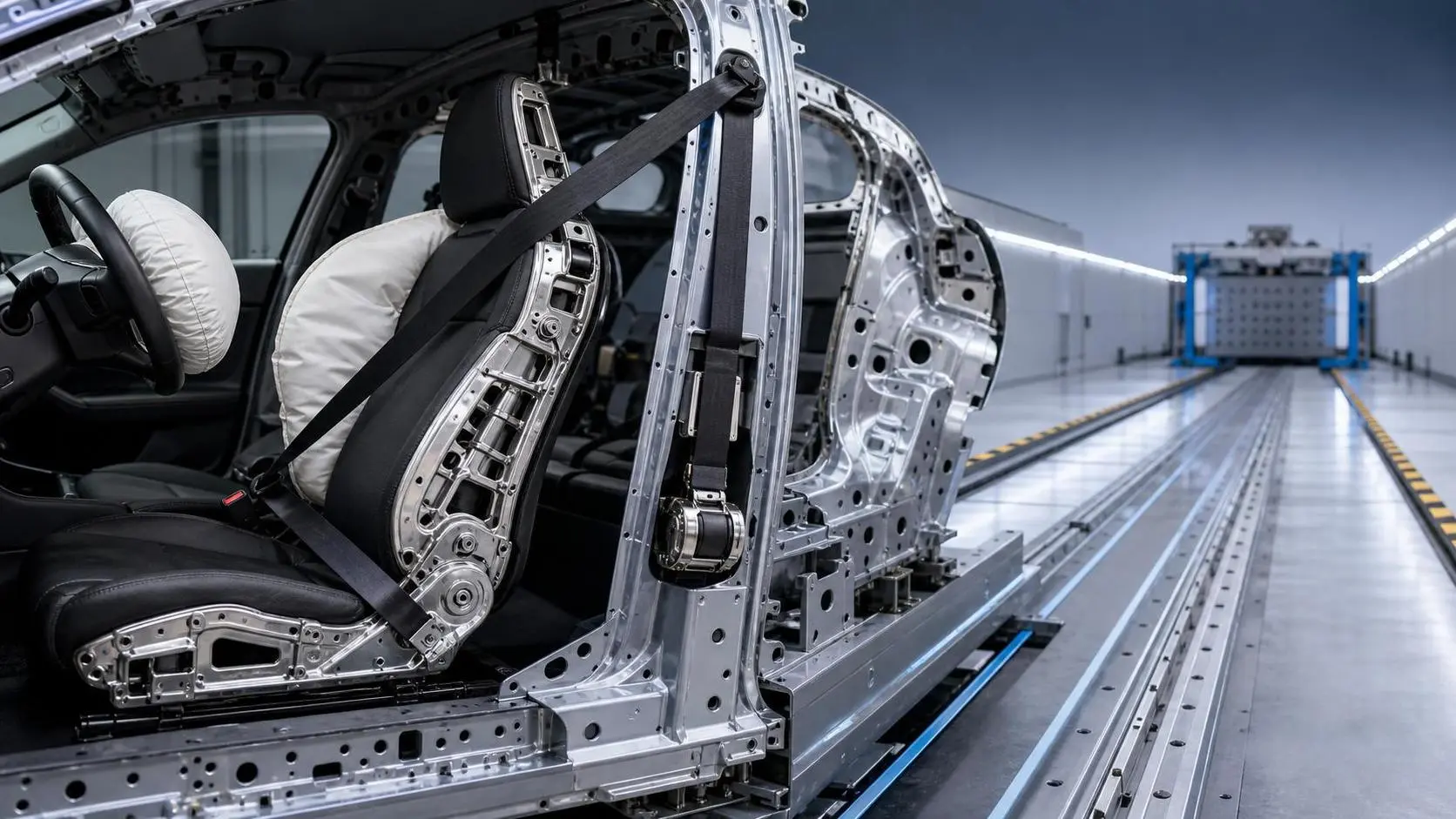
Which Passive Safety Engineering Standards Apply to Automotive Restraint Systems?
Passive safety engineering standards for automotive restraint systems: explore FMVSS, UN regulations, seatbelts, airbags, anchors, and compliance planning.

How European B2B Teams Can Evaluate Product Intelligence Platforms for Sourcing
B2B product intelligence platform Europe: learn how procurement teams assess suppliers, compliance data, technical capabilities, and sourcing risks with confidence.
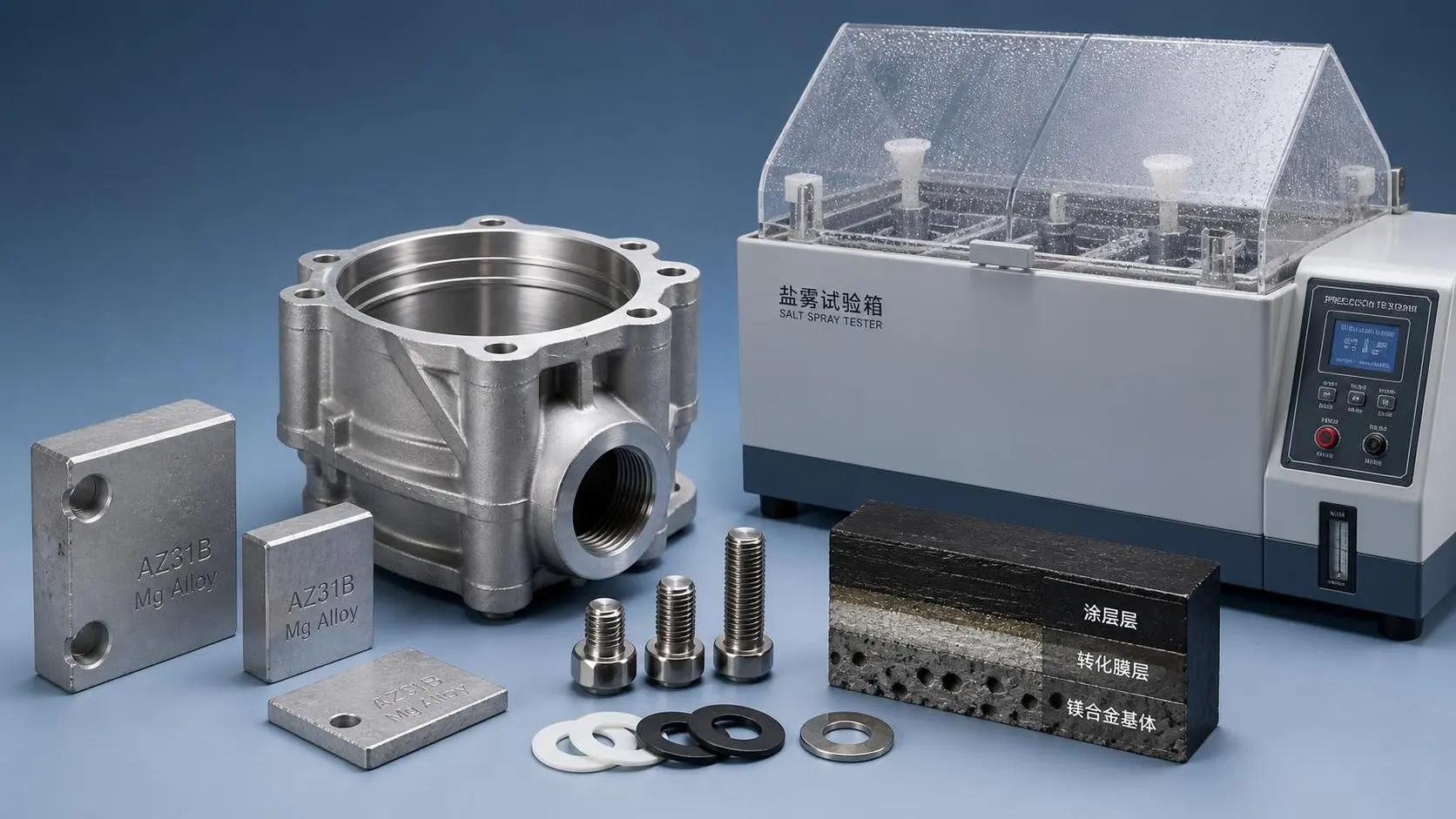
How to Evaluate Magnesium Alloys Corrosion Resistance for Marine Parts?
Magnesium alloys corrosion resistance for marine parts depends on more than alloy grade. Learn how to assess coatings, galvanic risk, geometry, and real-world exposure before you decide.
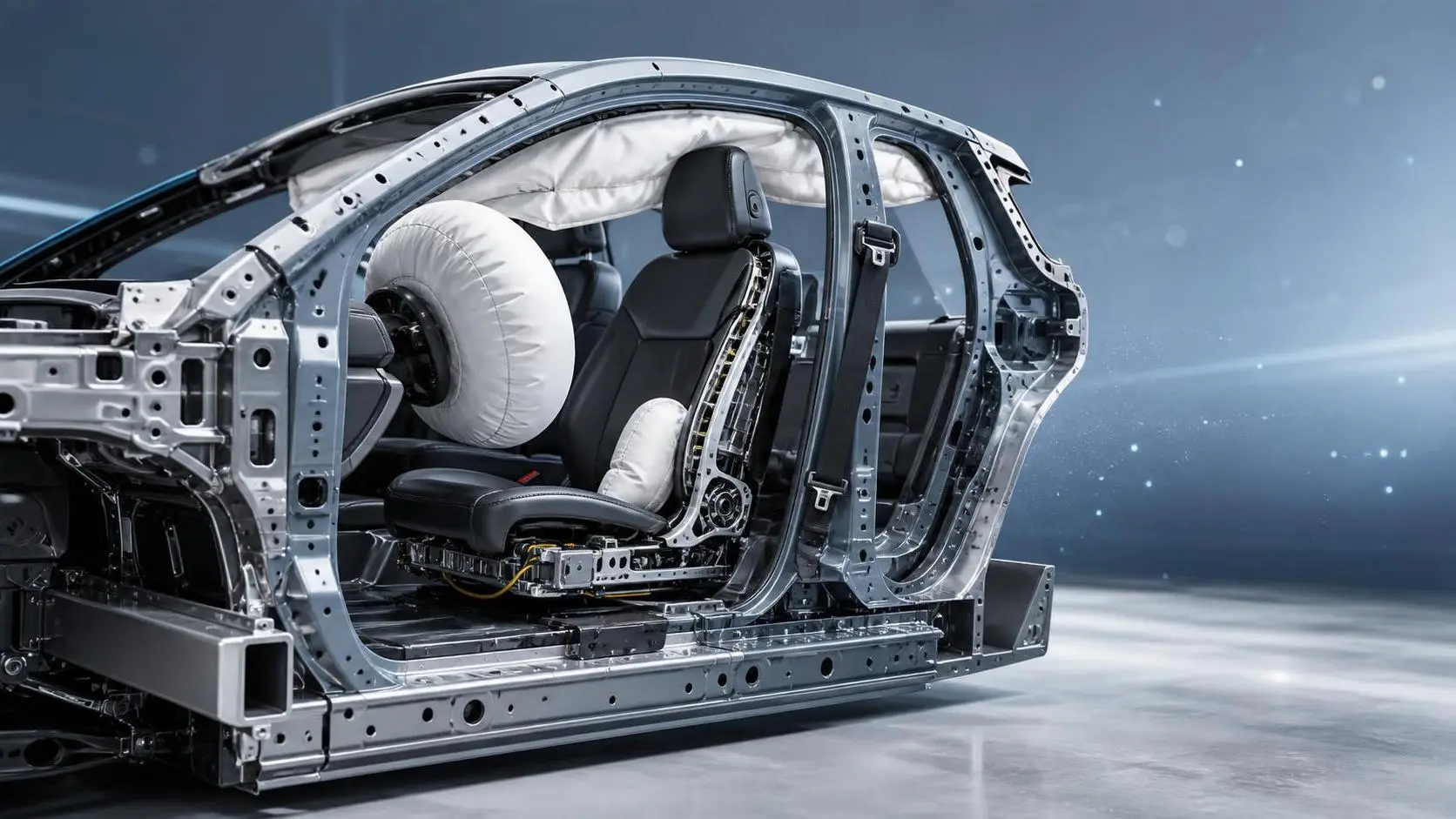
How to Evaluate Mobility Safety Systems for Safer Vehicle Platform Design
Mobility safety systems evaluation starts with platform architecture, crash energy management, and seat-restraint timing. Learn how to choose safer, validation-ready vehicle designs.
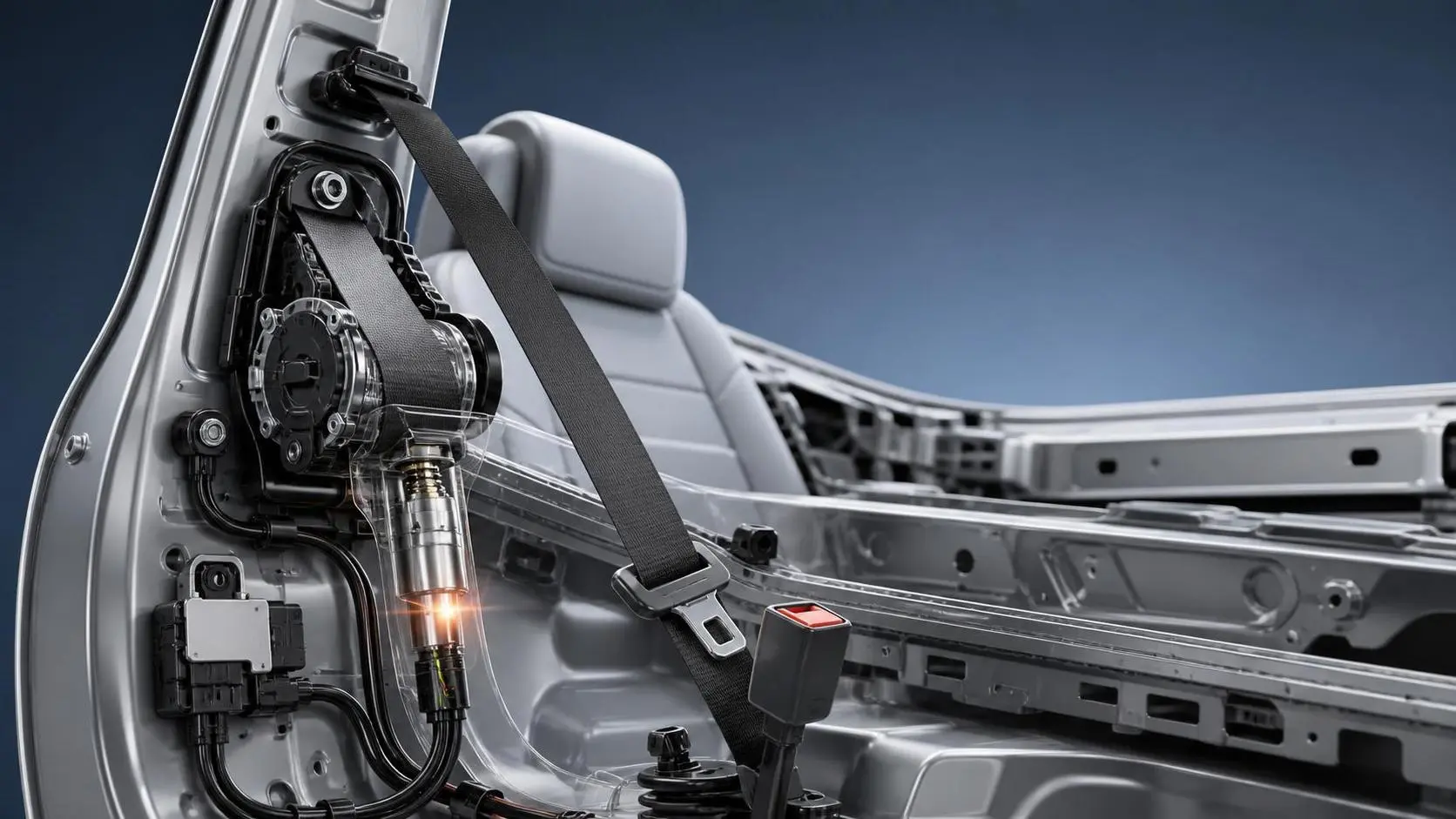
How Seat Belt Pretensioners for EVs Improve Crash Safety and System Response
Seat belt pretensioners for EVs improve crash timing, occupant control, and system response. Discover how smarter integration boosts EV safety performance.
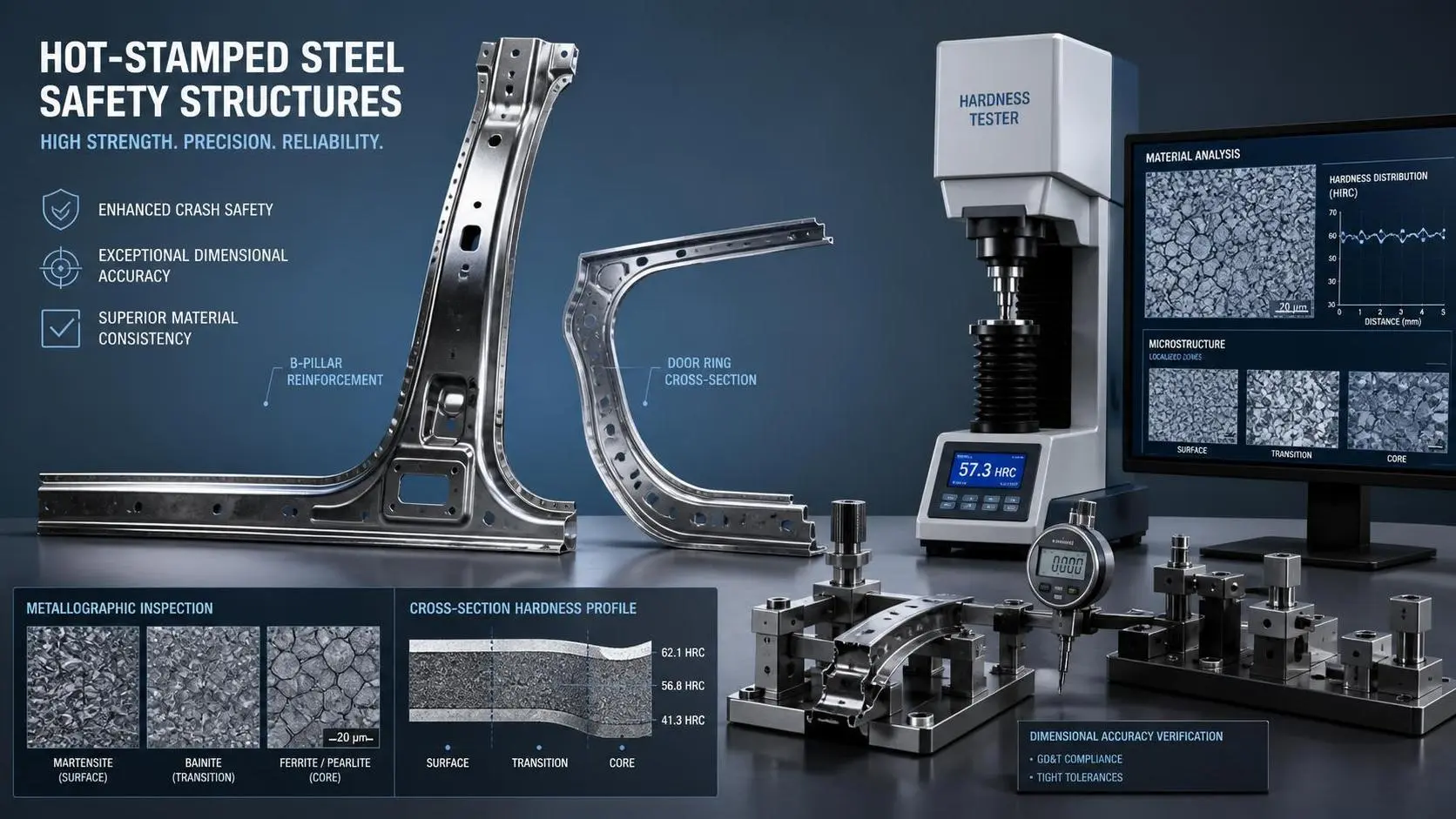
How to Evaluate High Strength Hot Stamped Steel Parts for Crash-Safety Applications
High strength hot stamped steel parts for crash-safety applications: learn how to assess strength, microstructure, dimensional accuracy, and process stability for safer sourcing decisions.
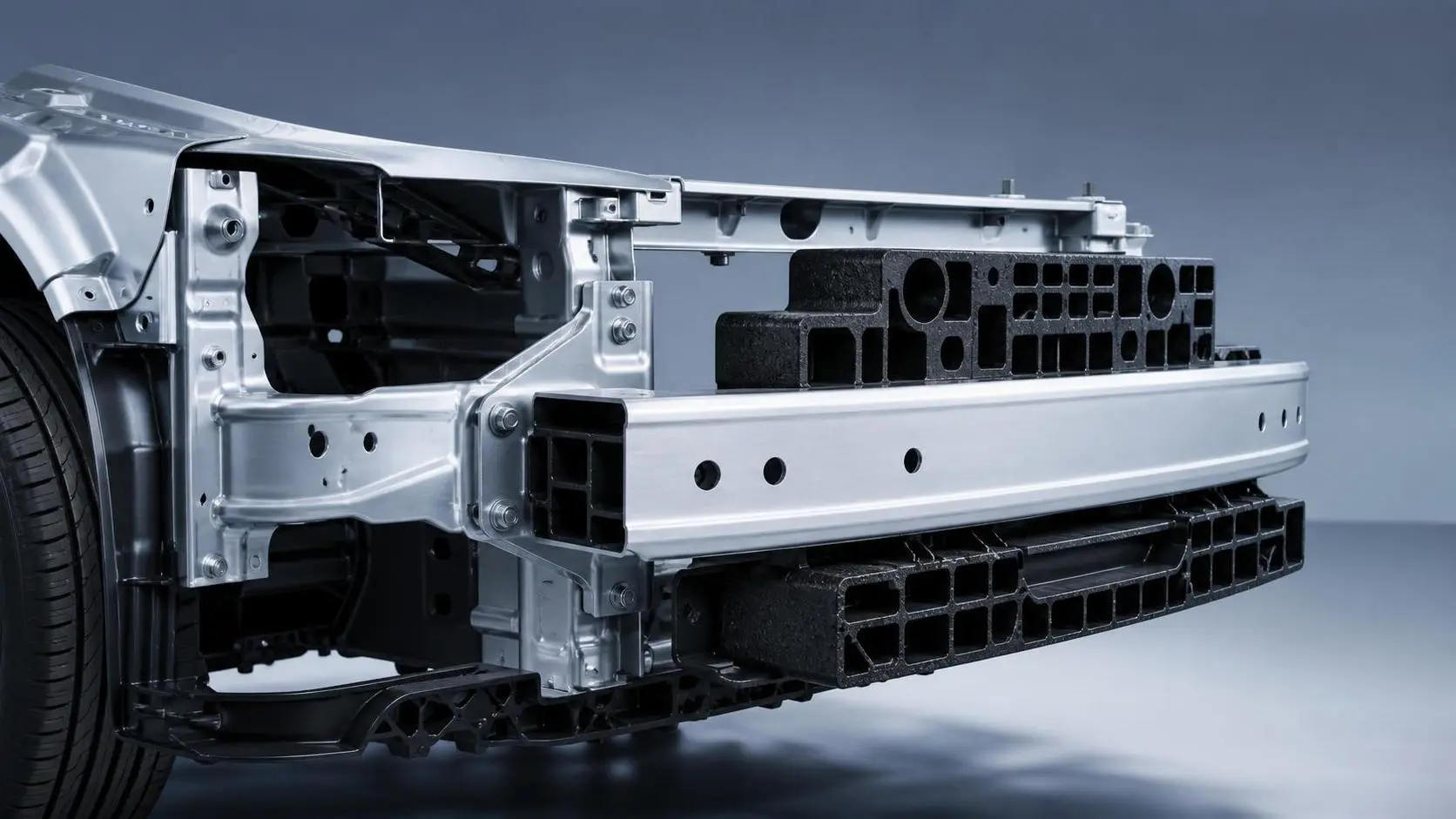
How Crash Management Components Reduce Repair Costs and Improve Impact Performance
Crash management components help reduce repair costs, protect critical vehicle structures, and improve impact performance. Learn how smarter design supports safer, more cost-efficient mobility programs.
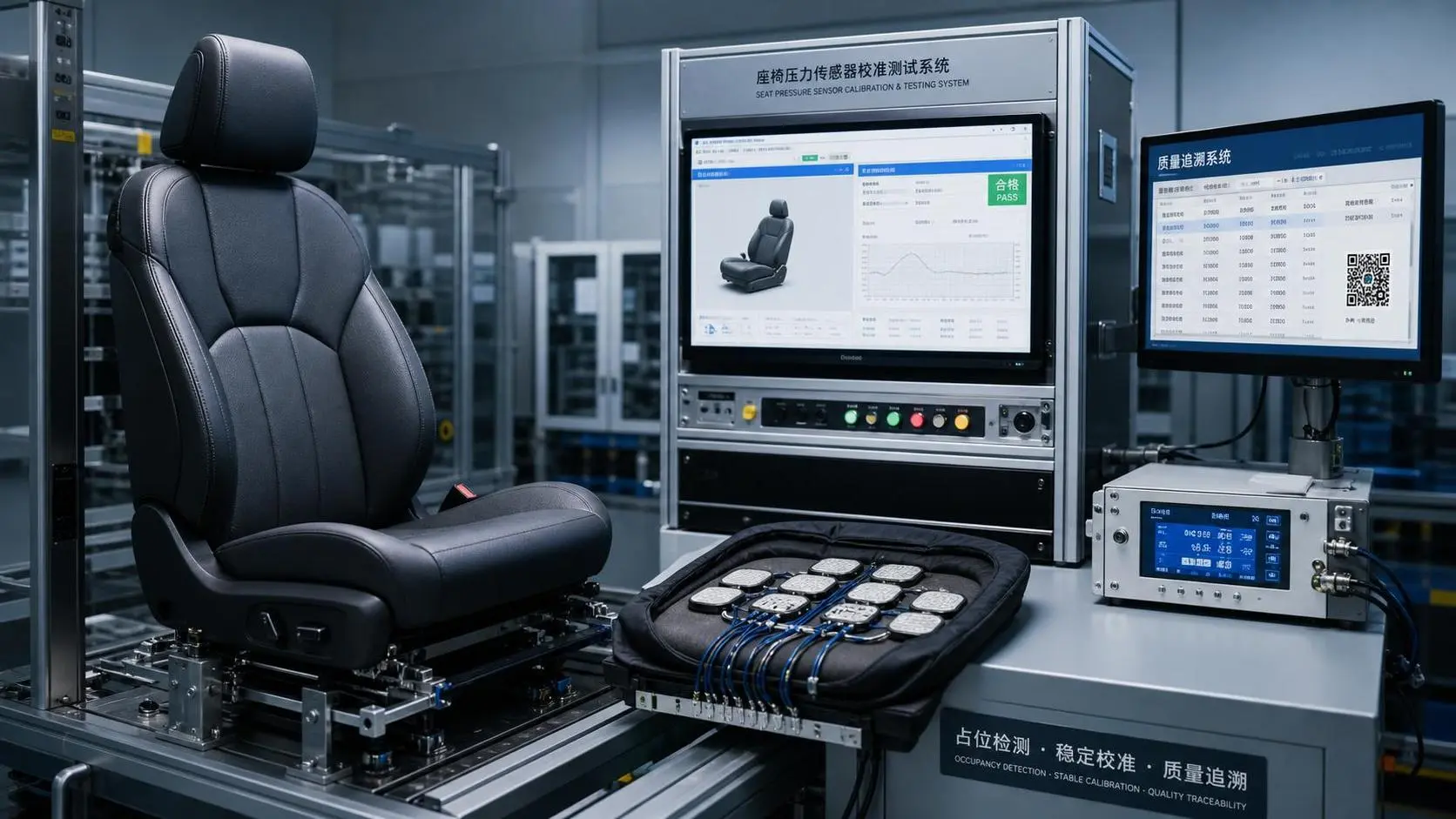
How to Evaluate a Seat Sensing Systems Factory for Automotive Safety Programs
Seat sensing systems factory selection goes beyond price. Learn how to assess quality control, validation, PPAP readiness, and long-term supply reliability for safer automotive programs.
Related News
- 00
0000-00
How to Evaluate High Strength Hot Stamped Steel Parts for Crash-Safety Applications - 00
0000-00
How to Evaluate Steel Auto Body Stampings for Strength, Fit, and Cost - 00
0000-00
Vehicle Lightweight Engineering for Body Structures vs High-Strength Steel: When to Use Which - 00
0000-00
Vehicle Lightweight Solutions for Structural Parts: When to Use Aluminum, HSS, or Hot Stamping - 00
0000-00
How to Evaluate High Strength Steel Stampings for Seat Structures: Key Grades and Forming Limits
Weekly Insights
Stay ahead with our curated technology reports delivered every Monday.