Marine Signal Processing for Radar: Key Algorithms, Noise Filters, and Detection Tradeoffs
Marine Signal Processing for Radar: Key Algorithms, Noise Filters, and Detection Tradeoffs
Marine signal processing for radar decides whether a system sees a small craft, loses it in sea clutter, or flags a false target during rough weather.
That makes marine signal processing for radar a practical evaluation topic, not just a theoretical one.
In modern navigation, performance depends on how algorithms manage weak echoes, moving backgrounds, interference, and limited onboard computing resources.
The core question is simple: how reliably can a radar separate meaningful targets from unstable maritime noise?
At GNCS, this topic fits a broader intelligence view of precision perception, compliance readiness, and deployment value across global marine safety systems.
Why Marine Radar Processing Is Harder Than It Looks
Marine environments are hostile to stable detection.
Sea waves create clutter with strong amplitude variation.
Rain, spray, and ducting distort signal returns.
Harbor reflections add multipath effects.
Small fiberglass boats and floating debris may return weak echoes that resemble background fluctuation.
This is why marine signal processing for radar relies on layered filtering, adaptive thresholds, and motion-aware detection logic.
A good receiver alone is not enough.
The signal chain must preserve target energy while rejecting clutter that changes across range, azimuth, and time.
The Typical Marine Signal Processing for Radar Chain
Most systems follow a recognizable processing path.
- RF reception and downconversion
- Analog conditioning and digitization
- Pulse compression or matched filtering
- Doppler or motion discrimination
- Clutter suppression and noise filtering
- Thresholding and target detection
- Tracking, association, and display logic
Each stage affects what follows.
If early filtering distorts target shape, later detectors may miss slow or low-RCS objects.
If thresholds are loose, tracking becomes unstable because false alarms flood the tracker.
That is the first major tradeoff in marine signal processing for radar: sensitivity versus downstream stability.
Key Algorithms That Matter Most
Matched Filtering and Pulse Compression
Matched filtering improves signal-to-noise ratio by aligning processing with the transmitted waveform.
In marine signal processing for radar, pulse compression also helps range resolution without requiring impractically short high-power pulses.
The tradeoff is sidelobe control.
Poor sidelobe suppression can mask nearby weak targets beside strong returns such as coastlines or large ships.
Doppler Processing and MTI Logic
Moving Target Indication helps reject stationary or slowly varying clutter.
Doppler methods are useful when distinguishing vessel motion from background returns.
Still, ocean surfaces move too.
That reduces the clean separation seen in land radar.
Evaluators should check blind speeds, clutter notch width, and performance under moderate sea states.
CFAR Detection
CFAR, or Constant False Alarm Rate, is central to marine signal processing for radar.
It adapts the detection threshold to local background conditions instead of using one fixed threshold.
Common variants include CA-CFAR, GO-CFAR, SO-CFAR, and OS-CFAR.
CA-CFAR is efficient but weak near clutter edges.
OS-CFAR is more robust in non-homogeneous environments, though it needs more computation.
That matters on embedded marine platforms with tight power and latency budgets.
Track-Before-Detect and Multi-Frame Integration
Weak targets often appear below single-scan detection thresholds.
Track-before-detect methods integrate evidence across time before declaring a target.
This can improve sensitivity in low-visibility conditions.
The cost is latency, memory load, and model complexity.
Practical Noise Filters Used at Sea
Noise filters in marine signal processing for radar are rarely one-size-fits-all.
They are tuned for clutter type, vessel speed, antenna behavior, and expected target class.
Time-Domain Averaging
Averaging reduces random noise and stabilizes displays.
But aggressive averaging can smear maneuvering targets or delay updates.
Median and Order-Statistic Filters
These filters suppress impulsive interference and outliers.
They work well when harbor interference or sporadic spikes contaminate the scan.
Adaptive Sea Clutter Filters
These estimate clutter statistics locally and adjust suppression strength by cell or sector.
They are essential when clutter varies sharply with wind direction and wave geometry.
Rain Filters
Rain clutter often appears diffuse and range-spread.
Special rain suppression can improve display clarity, but it may also attenuate small targets hidden inside weather cells.
This is another classic marine signal processing for radar tradeoff: cleaner imagery versus target preservation.
Detection Tradeoffs That Influence Real Evaluation
A radar can score well in one dimension and still underperform in operations.
From an assessment standpoint, false alarm rate should be reviewed alongside probability of detection, not in isolation.
The better signal is consistency across sea states, target sizes, and weather regimes.
What to Check in a Marine Radar Technical Review
A useful review of marine signal processing for radar should move beyond headline range claims.
- Identify which clutter models guide threshold design.
- Check CFAR variant selection for edge and multi-target conditions.
- Review rain and sea clutter suppression under different sea states.
- Measure detection stability for small, low-RCS targets.
- Verify latency introduced by multi-scan integration.
- Assess processor load, thermal limits, and upgrade headroom.
- Compare algorithm behavior against marine compliance expectations.
This matters even more as digital navigation platforms become more connected and software-defined.
Recent market movement shows growing interest in update-ready radar architectures, not fixed-function black boxes.
That shifts evaluation toward algorithm transparency, validation data quality, and lifecycle maintainability.
Where GNCS Fits the Decision Process
GNCS tracks marine navigation systems as part of a wider safety and perception intelligence framework.
For radar programs, that means connecting algorithm choices with compliance trends, integration demands, and commercial readiness.
The same discipline used to study passive safety and smart cabin systems also sharpens marine electronics evaluation.
In practice, marine signal processing for radar should be judged as part of a total perception chain, not a standalone feature list.
Closing View
Marine signal processing for radar is really about disciplined compromise.
The best systems do not chase maximum sensitivity at any cost.
They balance detection probability, clutter rejection, latency, and compute efficiency in conditions that rarely stay stable for long.
When reviewing a platform, focus on algorithm behavior under stress, not just clean-lab specifications.
That is usually where the true value of marine signal processing for radar becomes visible, and where better procurement and deployment decisions begin.
Related News

How to Evaluate a Seat Sensing Technology Supplier for Safety and Integration?
Seat sensing technology supplier evaluation guide: compare safety maturity, integration fit, algorithm reliability, and validation support to choose a partner that reduces risk.

How to Evaluate Custom Smart Automotive Seating for Premium Vehicle Programs?
Custom smart automotive seating evaluation starts with safety, comfort, integration, and production readiness. Discover how premium vehicle teams choose smarter, lower-risk seat solutions.
B2B Product Intelligence Platforms: How to Compare Features, Data Coverage, and ROI
B2B product intelligence platform comparison: learn how to evaluate data coverage, feature depth, compliance visibility, and ROI to choose a sourcing tool that reduces risk and speeds decisions.

Climate Control Seats Cost: What Drives Price and Long-Term Ownership Value?
Climate control seats cost depends on materials, thermal tech, and integration. Learn what drives price and how to judge long-term value before you buy.
What Factors Drive Marine Navigation Components Cost in Commercial Vessel Projects?
Marine navigation components cost is shaped by integration, compliance, installation, and lifecycle support. Discover what drives pricing and how buyers can reduce risk while improving value.

How Much Does Seat Occupancy Sensing Cost? Key Pricing Factors for Buyers
Seat occupancy sensing price varies widely by technology, integration, and compliance needs. Learn the key cost drivers, avoid hidden fees, and make smarter buying decisions.

How to Specify Micro-Climate Control Cabins for Harsh Outdoor Worksites?
Micro-climate control cabins for harsh outdoor worksites: learn how to specify thermal control, filtration, pressurization, and durability for safer uptime and smarter buying.
How to Evaluate a B2B Product Knowledge Platform for Faster Procurement Decisions
B2B product knowledge platform procurement starts with reducing decision risk. Learn how to compare specs, compliance, and supplier data to speed sourcing with confidence.
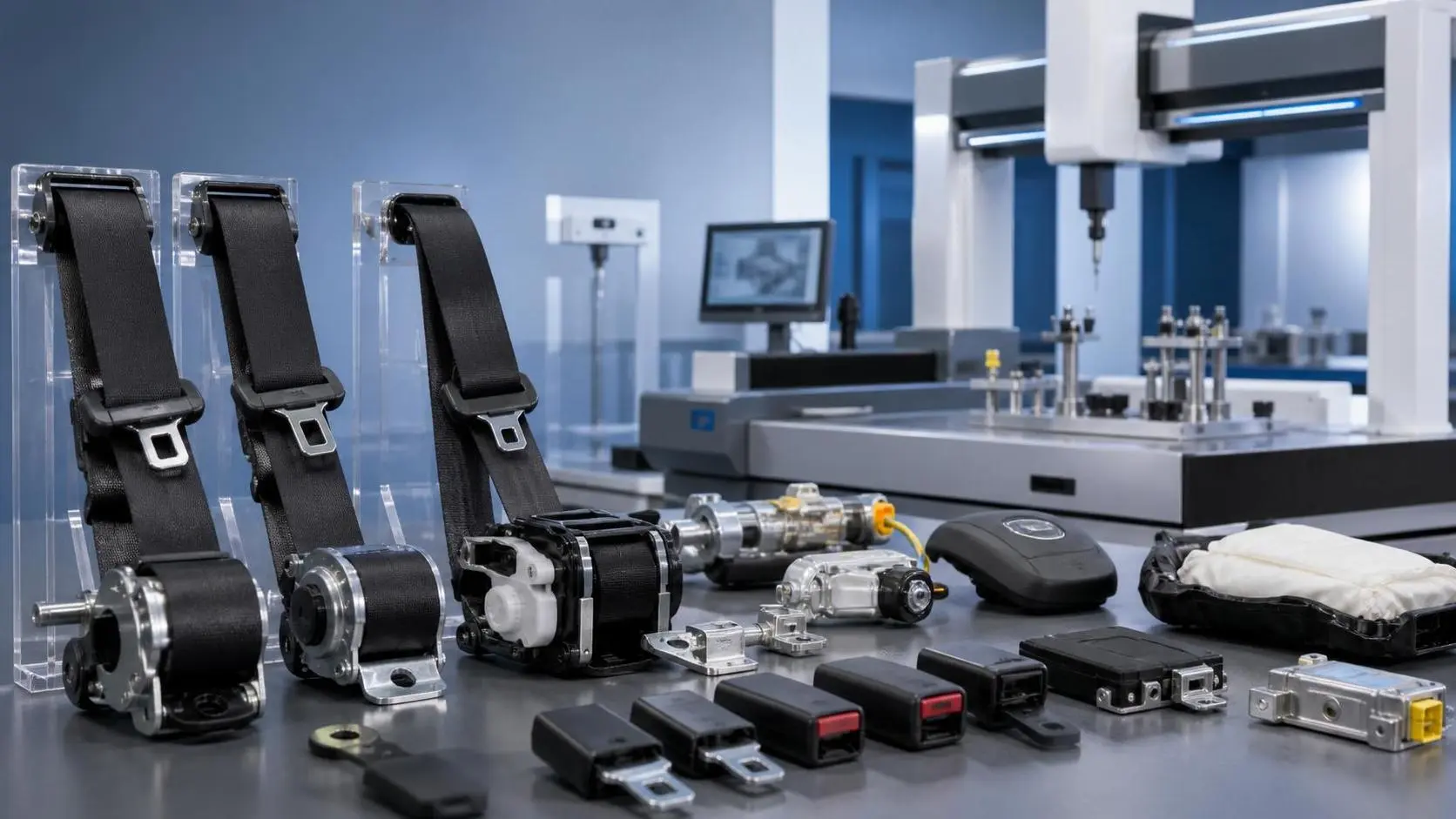
How to Evaluate an Occupant Restraint Systems Exporter for Quality, Compliance, and Supply Risk
Occupant restraint systems exporter evaluation guide: learn how to verify quality controls, compliance evidence, and supply risk before sourcing to avoid recalls, delays, and hidden costs.
Related News
- 00
0000-00
How to Evaluate Cargo Marine Sonar Systems for Detection Range and Vessel Fit - 00
0000-00
How to Evaluate Marine Signal Processing Software for Radar and Sonar Integration - 00
0000-00
How Do Automatic Identification Systems Improve Vessel Tracking and Collision Avoidance? - 00
0000-00
How to Choose Marine Navigation Systems for Patrol Boats in Coastal and Offshore Missions - 00
0000-00
Marine Electronics Systems Distributor Selection: 7 Checks Before You Compare Quotes
Weekly Insights
Stay ahead with our curated technology reports delivered every Monday.