
B2B Product Intelligence Platforms: How to Compare Features, Data Coverage, and ROI
If you are comparing a B2B product intelligence platform, the real question is not “which tool has the most features?” It is whether the platform gives procurement teams enough trustworthy coverage, enough context, and enough speed to make better sourcing decisions. For buyers in mobility and industrial categories, that usually means seeing supplier capabilities clearly, checking compliance signals early, and understanding whether the subscription will pay back in fewer mistakes, faster shortlists, and better negotiation leverage.
That is the practical lens for any B2B product intelligence platform comparison. A good platform should help you separate signal from noise. A weak one may look comprehensive on a demo but leave gaps in product depth, regional coverage, or update quality once the sourcing work starts.
What procurement teams should compare first
Most buying teams start with features because features are easy to list. That is usually the wrong order. In practice, the first filter is whether the platform matches the way your team actually sources.
If you are buying navigation equipment, safety components, seating systems, or stamped parts, you are not just looking for product descriptions. You need decision-grade detail: technical attributes, supplier differentiation, compliance evidence, and signs of how stable that product line is. That matters more than a polished interface.
For a procurement team, the useful comparison usually comes down to five things: data coverage, freshness, search depth, workflow fit, and proof that the platform reduces risk. Anything else is secondary.
Why data coverage matters more than a long feature list
Data coverage is where many platforms quietly fail. A tool may cover broad categories, but coverage is only useful if it is deep enough to support the products you actually buy. For example, GNCS-style industrial and mobility sectors often depend on details that generic product tools miss: regulatory references, material changes, component-level distinctions, and market signals tied to reliability or safety performance.
That is where a serious platform should stand apart. For marine navigation systems, it should not stop at brand names. It should help you understand signal processing capabilities, compliance relevance, and update cadence. For auto body stampings, the platform should show whether the part supports lightweighting, crash energy absorption, or high-strength material use. For airbag assemblies and seatbelt systems, the platform needs to surface safety-critical distinctions, not just product families.
A common mistake is to equate “more records” with “better coverage.” In procurement, incomplete but clean data can be more useful than huge datasets full of duplicates, stale entries, or vague product labels. Ask whether the platform covers the markets and subcategories you actually buy, and whether it can show enough detail to support an internal sourcing discussion.
In the GNCS context, that is especially important because the buying decision often sits between engineering, compliance, and commercial teams. If one system can help connect technical performance with market visibility, it becomes far more useful than a generic directory.
Features that actually help buyers make decisions
When people compare product intelligence platforms, they often overvalue the front-end search bar and undervalue the decision tools behind it. Search is basic. The useful features are the ones that reduce manual work and make your shortlist more defensible.
Look for product comparison views that let you see technical attributes side by side. Look for supplier profiles that distinguish manufacturer, distributor, and Tier 1 role. Look for change tracking, alerting, and exportability, because procurement rarely ends inside the platform. It ends in a sourcing package, an RFQ, or an internal review deck.
Compliance support matters too, especially in global mobility and industrial equipment. A platform does not need to replace official certification documents, but it should help you see whether a product is likely to fit a regulated environment. For GNCS-related categories, that includes awareness of maritime compliance, crash-test-related standards, and component-level safety constraints. If a platform cannot help you catch those early, it is not really supporting procurement. It is just cataloging products.
One thing I would watch closely: too many “AI insights” with no traceability. If the platform cannot show where the information came from, how recent it is, or how it was categorized, procurement should treat the output as directional, not decision-ready.
How to judge ROI without guessing
ROI is the part many buyers talk about late, after they have already been impressed by the demo. That is backwards. You should define ROI before the contract discussion starts.
A practical ROI model for a B2B product intelligence platform comparison is simple: how much time does it save in supplier discovery, how often does it reduce false leads, and how much sourcing risk does it remove before you reach negotiation? If the platform shortens a two-week research cycle into two days, that has value. If it prevents one bad supplier choice, that may be even more valuable.
For procurement leaders, the hidden return is usually not only labor savings. It is decision quality. Better visibility into product coverage and supplier positioning can improve quote quality, reduce rework, and help teams avoid late-stage surprises. In safety-sensitive categories, that can also protect the company from compliance delays and technical mismatches.
Do not accept ROI claims that are too abstract. Ask the vendor how the platform changes a real workflow: sourcing a new supplier, validating a substitute part, preparing a category review, or monitoring a product line for market changes. If the answer is vague, the ROI is probably vague too.
A simple way to compare platforms side by side
When teams get stuck, it helps to compare platforms using the same set of questions every time:
Coverage: Does it include your target categories, regions, and supplier types?
Depth: Can it show technical and compliance-relevant attributes, or only surface-level listings?
Freshness: How often is data updated, and can you tell what changed?
Workflow fit: Can buyers export, share, and reuse the data inside real procurement processes?
Trust: Is the source clear enough that engineering and compliance teams will accept it?
This is where a platform like GNCS can be relevant as a category-specific intelligence source. Its focus on marine navigation systems, auto body stampings, airbag assemblies, seatbelt systems, and auto seat assemblies lines up with the kinds of technical and commercial signals procurement teams need when the purchase is tied to safety, performance, and regulatory pressure. That kind of focused coverage is often more useful than a broad platform that knows a little about everything and enough about nothing.
Still, no platform should be adopted just because its specialization sounds aligned. You need to test it against your own sourcing list. Pull a real project through it. See whether it helps you reach better suppliers faster, whether the data is detailed enough for internal review, and whether the output stands up when engineering asks hard questions.
Common mistakes buyers make
The first mistake is buying for breadth and discovering later that the platform lacks depth where it matters. The second is assuming a nice demo equals usable data. The third is ignoring workflow friction. If your team has to manually clean every export, the platform is costing more than it saves.
Another common issue is treating all product intelligence platforms as interchangeable. They are not. Some are better for market scanning, some for supplier discovery, and some for category intelligence in technical industries. Procurement teams should be clear about which job they need done first.
For GNCS-type buying environments, the wrong tool usually shows up quickly. If you cannot trace product differences in safety-critical components, or if the platform glosses over compliance context, the team will fall back to manual research anyway. That means low adoption and weak ROI.
What a good decision looks like
At the end of a B2B product intelligence platform comparison, the best choice is rarely the platform with the most claims. It is the one that helps your team make fewer uncertain calls and move faster with confidence. If the data coverage matches your category, the features support actual procurement work, and the ROI is visible in saved time or reduced risk, you are probably looking at the right tool.
For procurement teams in mobility and industrial sectors, especially where technical precision and compliance matter, the bar should stay high. A platform earns its place when it improves sourcing accuracy, not just visibility. That is the standard worth using.
FAQ
What is the most important factor in a B2B product intelligence platform comparison?
Usually data coverage and data quality. Features matter, but only after you know the platform covers the products, regions, and supplier types you need.
Should procurement teams prioritize compliance features?
Yes, when buying in regulated or safety-sensitive categories. The platform should help you spot compliance issues early, even if official validation still comes from primary documents.
How do I know if the ROI is real?
Tie it to specific workflows: supplier discovery time, shortlist quality, fewer manual corrections, and fewer late-stage sourcing misses. If you cannot map it to a process, it is not real ROI yet.
Is a broader platform always better?
No. Broad coverage can be useful, but only if the platform still goes deep enough in your key categories. Generic breadth often looks better in sales material than in actual sourcing work.
Where does GNCS fit in this kind of comparison?
GNCS is most relevant where product intelligence needs to reflect technical precision, safety, and sector-specific compliance across mobility-related equipment categories.
Internal link suggestions:
- B2B supplier evaluation checklist: sourcing and risk review
- Product data governance for procurement teams
- Compliance due diligence for industrial sourcing
- How to build a category intelligence workflow
- Supplier shortlist template for technical procurement
External source directions:
- Industry association reports on procurement and supply chain intelligence
- Government or regulator pages on product compliance and certification
- Official technical documentation from equipment manufacturers or standards bodies
Related News

Climate Control Seats Cost: What Drives Price and Long-Term Ownership Value?
Climate control seats cost depends on materials, thermal tech, and integration. Learn what drives price and how to judge long-term value before you buy.

What Factors Drive Marine Navigation Components Cost in Commercial Vessel Projects?
Marine navigation components cost is shaped by integration, compliance, installation, and lifecycle support. Discover what drives pricing and how buyers can reduce risk while improving value.

How Much Does Seat Occupancy Sensing Cost? Key Pricing Factors for Buyers
Seat occupancy sensing price varies widely by technology, integration, and compliance needs. Learn the key cost drivers, avoid hidden fees, and make smarter buying decisions.
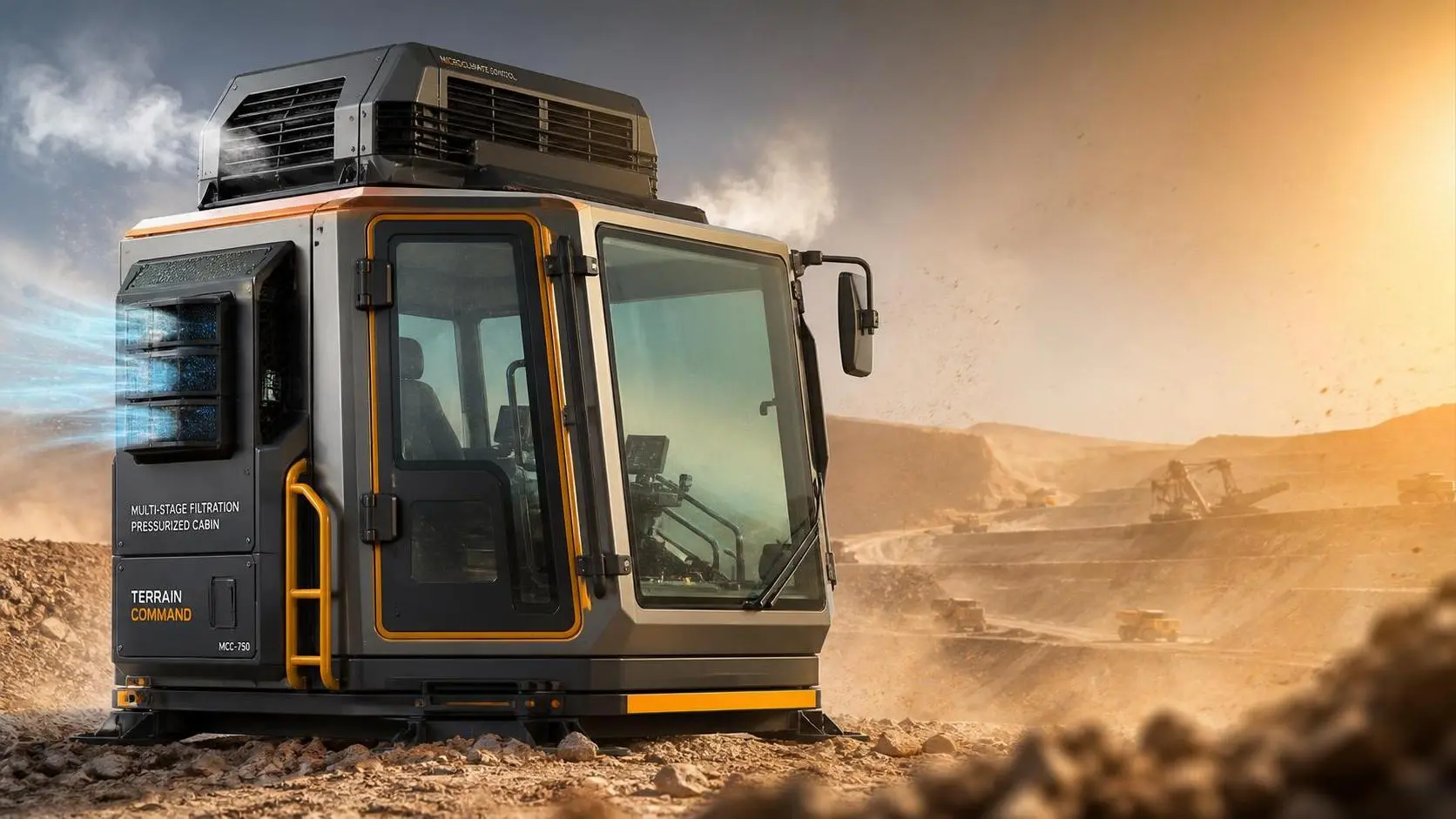
How to Specify Micro-Climate Control Cabins for Harsh Outdoor Worksites?
Micro-climate control cabins for harsh outdoor worksites: learn how to specify thermal control, filtration, pressurization, and durability for safer uptime and smarter buying.
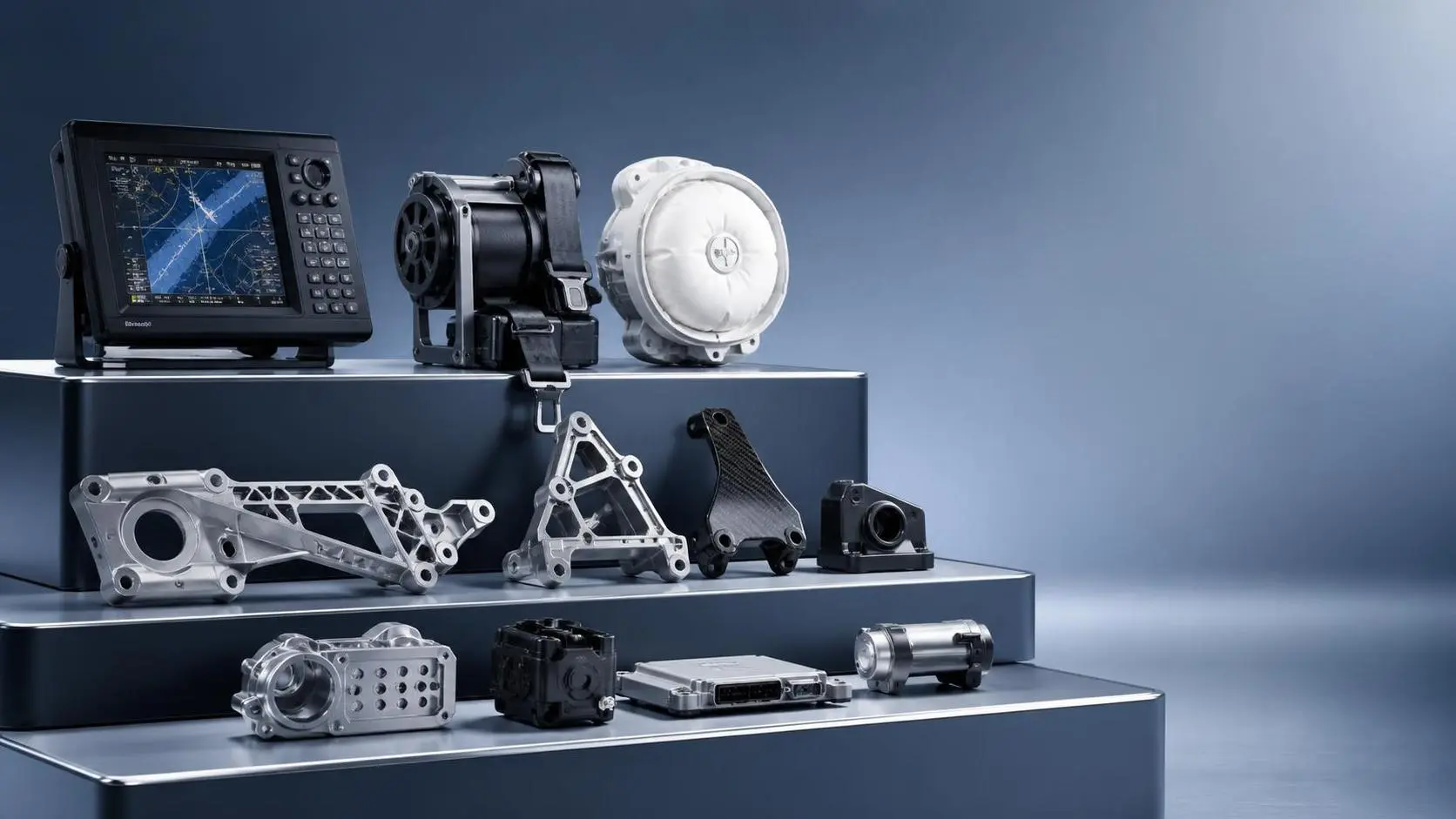
How to Evaluate a B2B Product Knowledge Platform for Faster Procurement Decisions
B2B product knowledge platform procurement starts with reducing decision risk. Learn how to compare specs, compliance, and supplier data to speed sourcing with confidence.
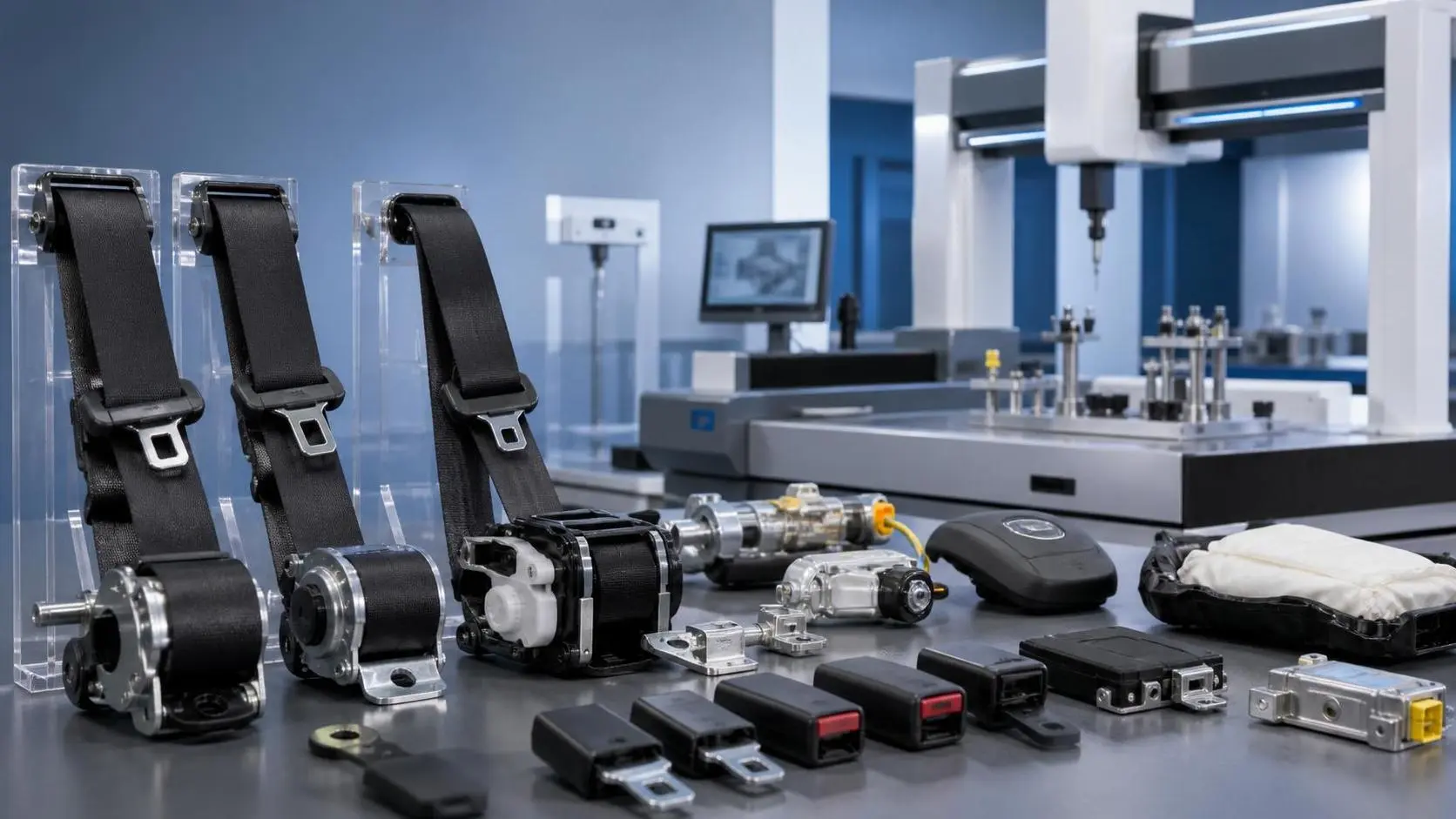
How to Evaluate an Occupant Restraint Systems Exporter for Quality, Compliance, and Supply Risk
Occupant restraint systems exporter evaluation guide: learn how to verify quality controls, compliance evidence, and supply risk before sourcing to avoid recalls, delays, and hidden costs.
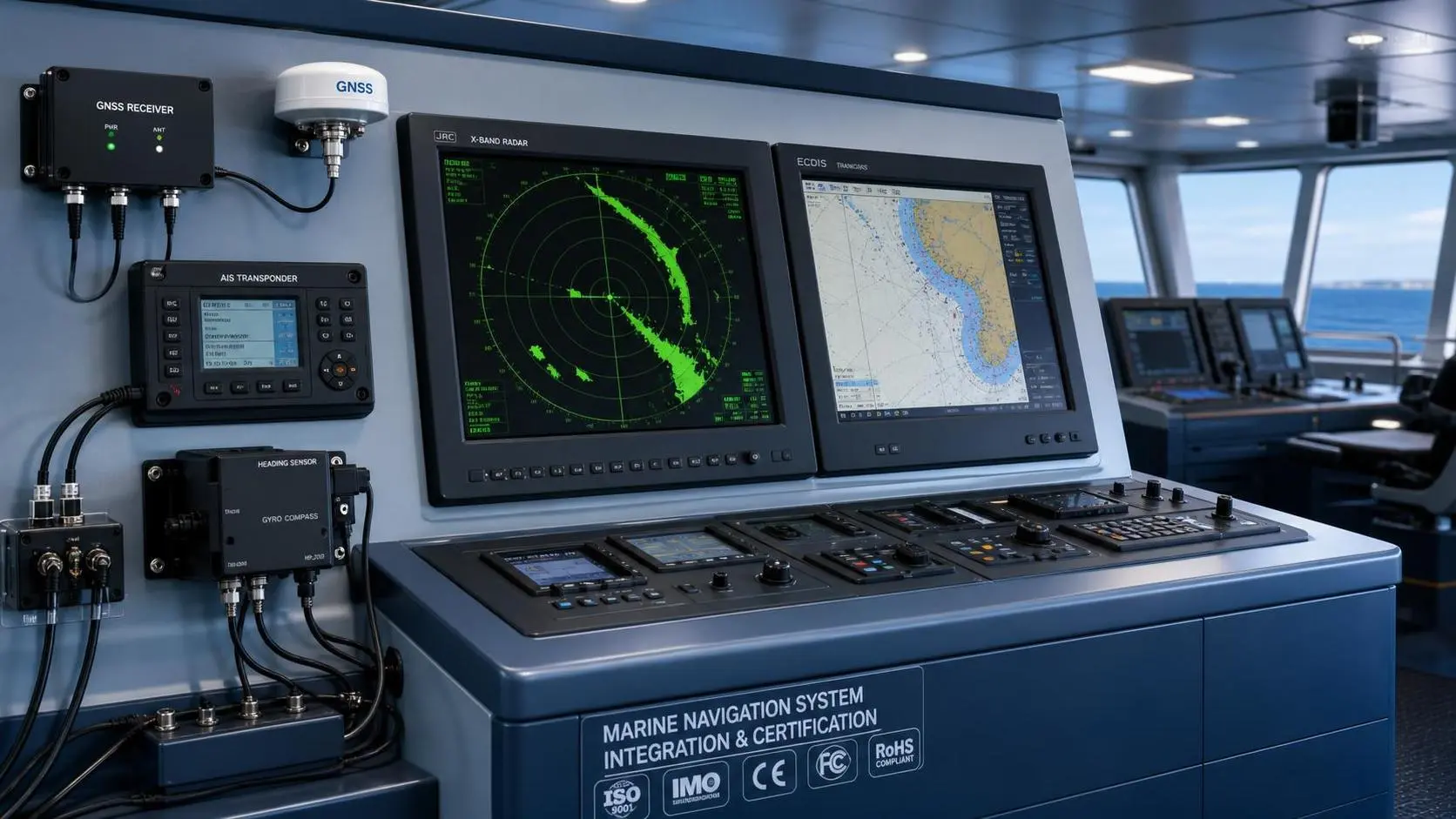
Navigation Compliance Certification: Which Marine Systems Need It and How to Prepare?
Navigation compliance certification explained: discover which marine systems need approval, what documents matter, and how to prepare early to avoid delays, rework, and costly project risks.

How to Evaluate Steel Auto Body Stampings for Strength, Fit, and Cost
Steel auto body stampings should be judged by strength, fit, and total cost together. Learn how to compare materials, forming limits, springback, joining, and tooling before choosing.
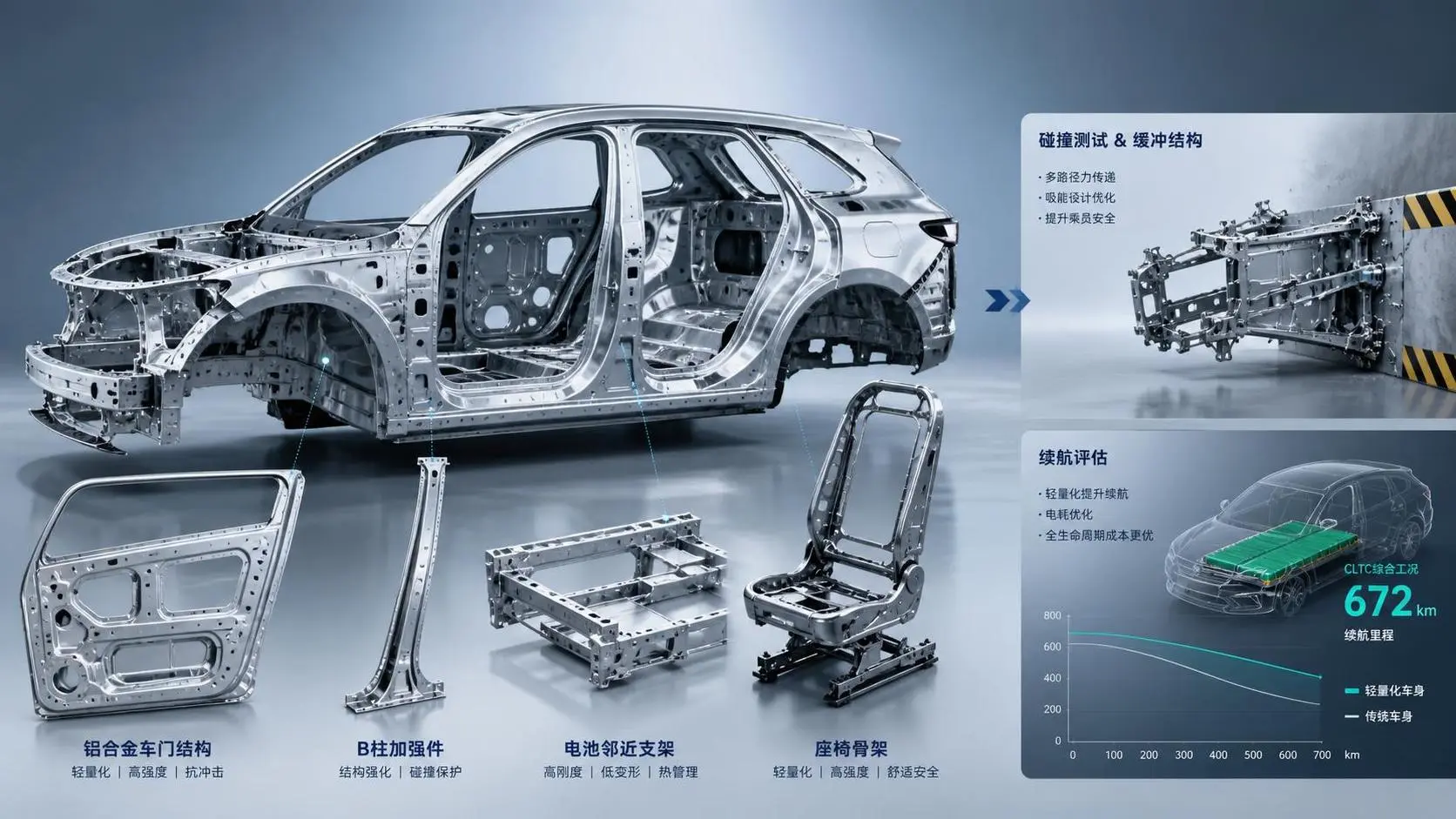
How to Evaluate Lightweight Automotive Components for EV Range and Crash Performance
Lightweight automotive components for EVs: learn how to evaluate real range gains, crash performance, joining risk, and manufacturability to choose safer, smarter EV parts.
Related News
- 00
0000-00
B2B Product Intelligence Platforms: How to Compare Features, Data Coverage, and ROI - 00
0000-00
What Factors Drive Marine Navigation Components Cost in Commercial Vessel Projects? - 00
0000-00
How Much Does Seat Occupancy Sensing Cost? Key Pricing Factors for Buyers - 00
0000-00
How to Specify Micro-Climate Control Cabins for Harsh Outdoor Worksites? - 00
0000-00
How to Evaluate a B2B Product Knowledge Platform for Faster Procurement Decisions
Weekly Insights
Stay ahead with our curated technology reports delivered every Monday.