
How to Specify Micro-Climate Control Cabins for Harsh Outdoor Worksites?
For project managers running demanding outdoor operations, specifying micro-climate control cabins is no longer just about operator comfort. In practice, it affects alertness, shift endurance, electronic reliability, dust ingress, and even whether a machine can stay productive through long duty cycles in heat, cold, humidity, or heavy particulate exposure. On remote sites, a poorly specified cabin often shows up later as downtime, operator complaints, fogged glazing, unstable HVAC performance, or maintenance burdens that were easy to underestimate during procurement.
That is why the decision should start with the worksite, not the brochure. “Micro-climate control” sounds straightforward, but in harsh outdoor environments it usually means managing a tightly controlled operator zone inside a much less forgiving thermal and contamination envelope. The cabin has to maintain acceptable temperature, airflow, filtration, visibility, noise control, and vibration comfort while the machine itself is exposed to solar load, engine heat, dust, water, shock, and irregular operating cycles.
Define the exposure profile before you compare cabin options
Many selection mistakes happen because buyers compare cabin features without fully defining the site conditions. A mine haul road, a port terminal, a coastal yard, and a desert construction site may all ask for “climate-controlled cabins,” yet the real technical priorities differ. In one case, solar gain and fine dust dominate. In another, salt-laden air, corrosion risk, and condensation control matter more. In cold regions, heater response and defrost performance may be more critical than nominal cooling capacity.
A useful specification process begins with a short environmental matrix:
- Ambient temperature range, including peak summer solar exposure and cold-start conditions
- Humidity pattern and condensation risk
- Dust type: coarse dust, fine silica-like particles, mud, fibers, or mixed contaminants
- Rain, washdown, splash, or marine atmosphere exposure
- Daily duty cycle and idle/load distribution
- Operator occupancy hours and shift length
- Machine vibration, shock, and noise profile
- Power availability and allowable energy draw from the host platform
This first step sounds basic, but it changes the whole conversation. A cabin that performs well in intermittent municipal duty may struggle in a continuous 12-hour quarry cycle. A design optimized for cooling may underperform when the real issue is positive pressurization and filtration stability.
Think of the cabin as a system, not just an enclosure with HVAC
When project teams specify micro-climate control cabins, they often focus on air-conditioning output first. That matters, but cooling or heating hardware alone rarely determines success. Thermal performance depends on the cabin shell, glazing, insulation, sealing, airflow routing, seat interaction, control logic, and the heat load introduced by electronics, hydraulic lines, and the operator.
This system view is increasingly familiar in adjacent sectors. GNCS has long tracked how mobility and cabin safety decisions are converging across marine navigation, passive restraint systems, lightweight structures, and smart seating. In automotive seat assemblies, for example, micro-climate control is no longer treated as an isolated comfort add-on; it interacts with occupant sensing, material selection, airflow channels, and long-duration ergonomics. That same thinking is valuable on outdoor worksites. The cabin environment is shaped by structure, containment, and human factors together.
So instead of asking only, “What is the cooling capacity?”, ask a better question: “Under our real operating loads, how does the entire cabin maintain a stable operator micro-environment?”
The specification items that deserve closer scrutiny
Thermal load management
Cabin cooling and heating performance should be assessed against total load, not nominal unit rating alone. Solar radiation through glazing, conductive heat through panels, internal heat from displays and controls, and frequent door opening can all overwhelm a system that looks adequate on paper. Tinted or coated glass, insulated roof structures, and careful vent placement can be as important as compressor size.
If the machine operates in direct sun for long periods, ask how the supplier accounts for solar gain. If the cabin must recover quickly after access doors are opened repeatedly, transient pull-down performance matters more than steady-state temperature claims.
Pressurization and filtration
In dusty or contaminated worksites, cabin pressurization is often the make-or-break factor. Positive pressure helps prevent ingress through seals, cable penetrations, and service openings, but only if the enclosure integrity is good enough to hold it. Filtration should be evaluated by filter stage, service interval, ease of replacement, and expected contaminant load. Fine dust environments can render a nominally capable system ineffective if filters clog too quickly or if maintenance access is poor.
Buyers should also clarify whether the cabin is intended mainly for comfort cooling or for controlled air quality in hazardous particulate environments. Those are related needs, but not identical ones.
Air distribution at the operator zone
A cabin can meet average temperature targets and still feel uncomfortable. Dead zones, excessive draft on the neck or hands, poor footwell heating, and uneven defog airflow all reduce usability. This is where micro-climate control cabins differ from generic enclosed cabs: the goal is localized stability around the seated operator, not simply conditioning a volume of air.
Seat design can affect this more than many teams expect. GNCS’s cross-sector coverage of smart seating and cabin ergonomics points to a recurring lesson: air delivery, contact materials, posture, and vibration exposure shape thermal perception together. If operators sit for extended periods in high-vibration equipment, a cabin that ignores seat-level comfort may underperform even with strong HVAC hardware.
Sealing, corrosion resistance, and structural durability
Harsh outdoor service punishes joints, gaskets, fasteners, drains, hinges, and external housings. For coastal, offshore-adjacent, or washdown-prone applications, corrosion resistance becomes a specification issue, not an afterthought. Dust plus vibration can wear seals surprisingly fast. Water ingress around roof-mounted HVAC units or electrical pass-throughs is another common weakness.
It is worth checking how the cabin is built: panel interfaces, cable routing, drain design, glazing retention, and service access all influence long-term reliability. A cabin that looks robust at delivery may become maintenance-heavy if these details are unresolved.
Controls, sensing, and diagnostics
On remote or multi-shift sites, the ability to diagnose faults quickly matters almost as much as performance itself. Control logic should be understandable to operators and maintainers. Temperature and airflow sensors need reasonable placement and protection from misleading local effects. If the platform already uses digital monitoring, integration with machine diagnostics may help teams identify recurring overloads, blocked filters, or unstable compressor cycling before they become downtime events.
Not every project needs advanced connectivity, but every project benefits from clear fault indication and maintainable control architecture.
Where project specifications often go wrong
One common mistake is over-relying on a single performance number. A stated airflow rate or cooling capacity does not tell you how the system behaves after filter loading, under vibration, or during repeated access cycles. Another is underestimating power constraints. Electrified or hybrid platforms, in particular, may have tighter energy budgets, so cabin climate precision has to be balanced against total system efficiency.
There is also a tendency to separate comfort from safety. On paper, these can look like different budgets. In reality, they overlap. Defogging affects visibility. Heat stress affects concentration. Excess cabin noise and poor vibration isolation increase fatigue. GNCS’s broader focus on “Physical Containment Protection” is relevant here: once a cabin becomes the primary human-machine interface in a demanding environment, containment, ergonomics, and environmental control should not be specified in isolation.
Questions worth asking suppliers before freezing the spec
These questions do not guarantee the right answer, but they quickly separate generic offers from engineered ones.
Match the cabin to the operating model, not just the machine
Two sites can run the same equipment and still need different cabin specifications because operator patterns, maintenance discipline, and downtime tolerance are different. If the machine is shared across shifts, control simplicity and fast recovery may outrank fine-tuned personalization. If operations are remote and technicians are scarce, modular components and easy field service become more valuable than highly customized systems that are difficult to support.
For multinational fleets, local requirements may also shape the decision. Some projects need closer review of occupational exposure rules, electrical approvals, or region-specific expectations around glazing, noise, and ergonomics. Those points usually need confirmation against project documents and local regulations rather than assumption.
A practical way to make the final decision
A strong specification for micro-climate control cabins usually comes from narrowing the decision around four questions: what environment must be controlled, how stable that control must remain over time, what maintenance reality the site can support, and which failure modes are unacceptable. Once those are clear, discussions about insulation, HVAC architecture, pressurization, seating integration, and controls become far more productive.
This is also where intelligence-led evaluation helps. GNCS approaches cabin-related topics through the same lens it applies across navigation systems, passive safety, and smart seating: precise perception, controlled containment, and technical credibility across real operating conditions. For project teams, that mindset is useful because it resists the easy shortcut of choosing on headline features alone.
If you are close to procurement, the next sensible step is not asking for more marketing material. It is validating the environmental assumptions, duty cycle, service strategy, and compliance requirements behind each proposal. In harsh outdoor worksites, that is usually the difference between a cabin that merely looks equipped and one that remains usable, maintainable, and worth the capital commitment after the first hard season.
Related News
How to Evaluate a B2B Product Knowledge Platform for Faster Procurement Decisions
B2B product knowledge platform procurement starts with reducing decision risk. Learn how to compare specs, compliance, and supplier data to speed sourcing with confidence.
How to Evaluate an Occupant Restraint Systems Exporter for Quality, Compliance, and Supply Risk
Occupant restraint systems exporter evaluation guide: learn how to verify quality controls, compliance evidence, and supply risk before sourcing to avoid recalls, delays, and hidden costs.
Navigation Compliance Certification: Which Marine Systems Need It and How to Prepare?
Navigation compliance certification explained: discover which marine systems need approval, what documents matter, and how to prepare early to avoid delays, rework, and costly project risks.
How to Evaluate Steel Auto Body Stampings for Strength, Fit, and Cost
Steel auto body stampings should be judged by strength, fit, and total cost together. Learn how to compare materials, forming limits, springback, joining, and tooling before choosing.
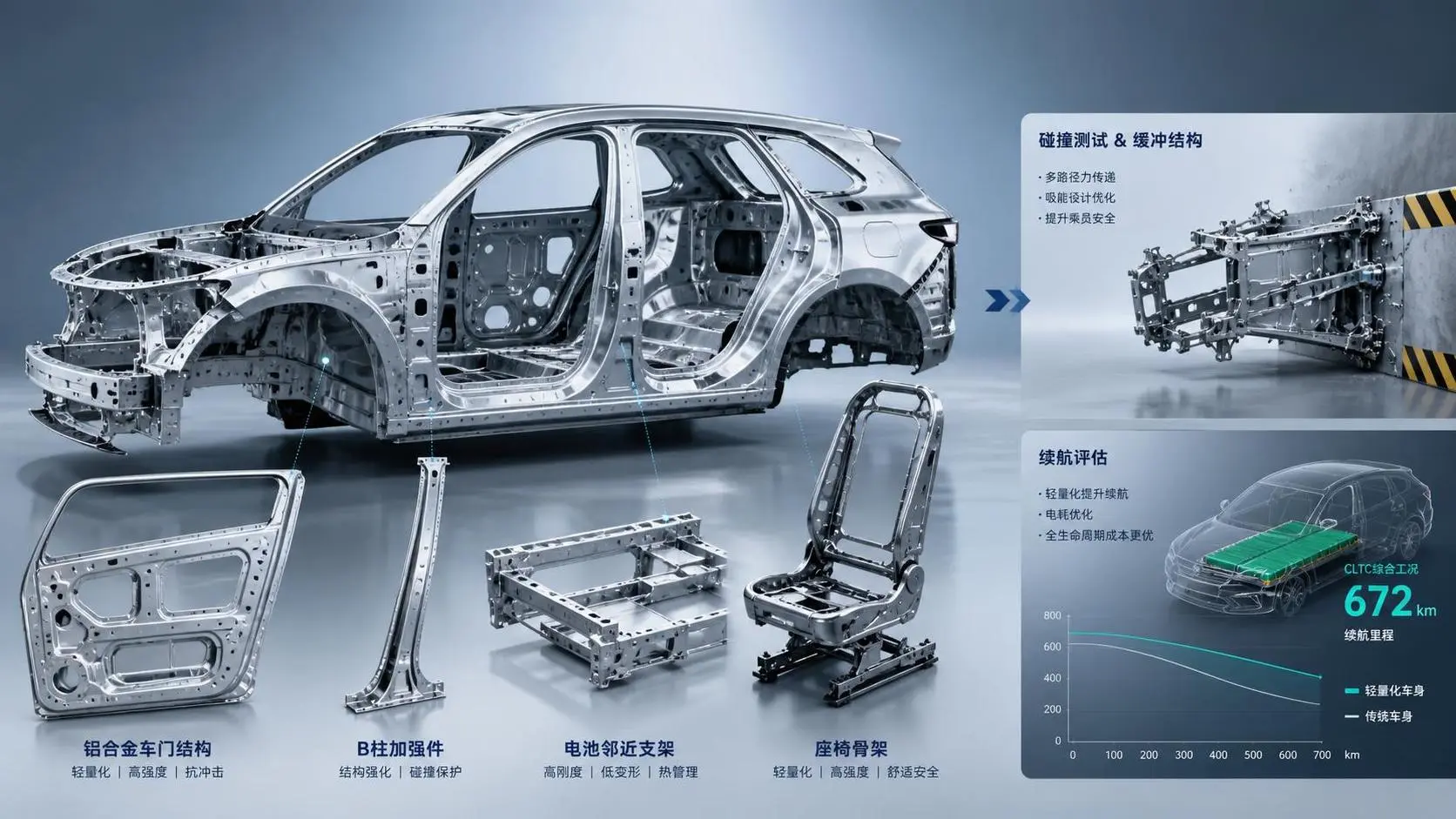
How to Evaluate Lightweight Automotive Components for EV Range and Crash Performance
Lightweight automotive components for EVs: learn how to evaluate real range gains, crash performance, joining risk, and manufacturability to choose safer, smarter EV parts.
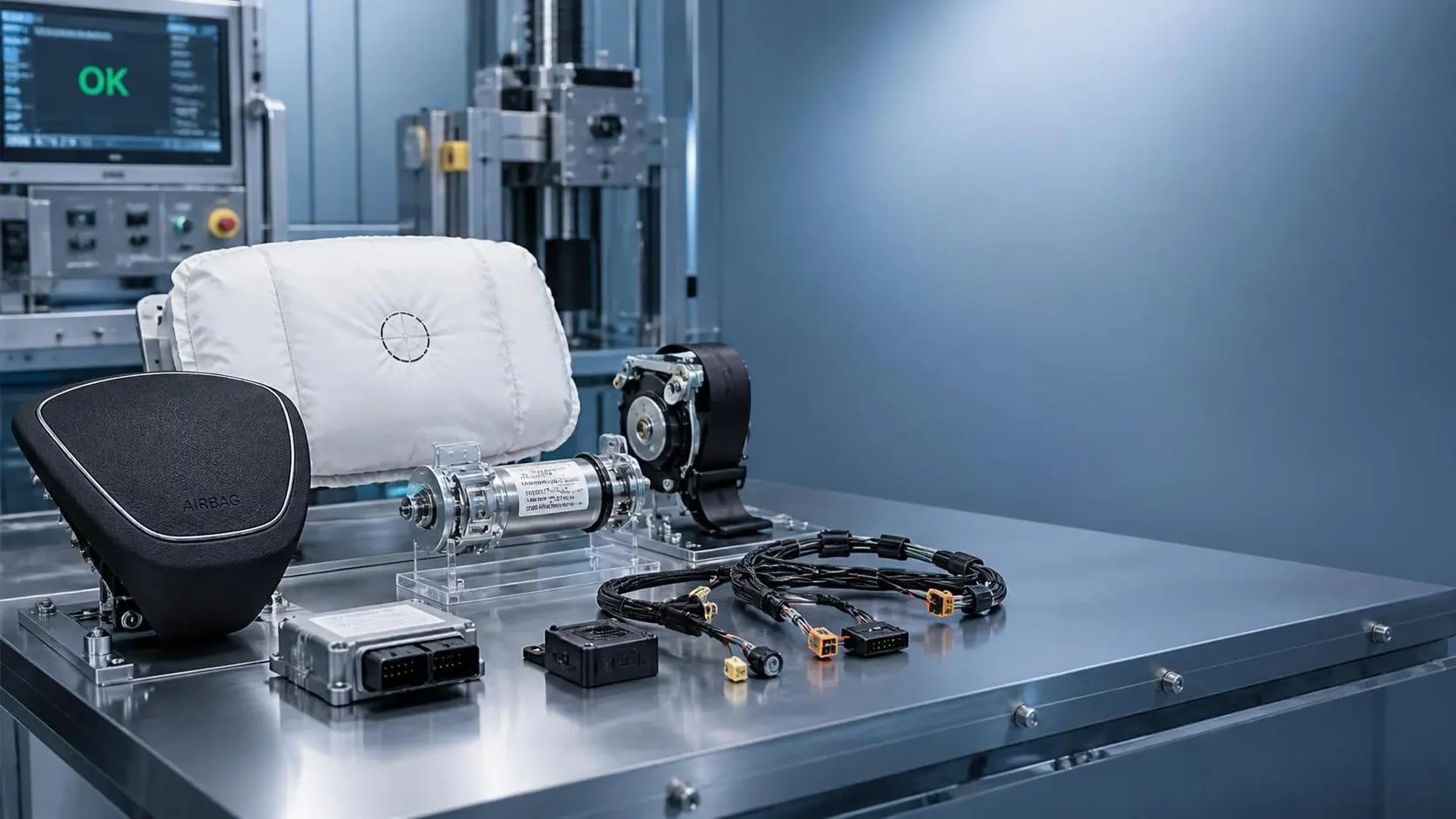
How to Evaluate Airbag Components for OEM Safety Performance and Compliance?
Airbag components evaluation guide for OEM teams: compare deployment performance, inflator consistency, compliance evidence, and supplier traceability to reduce safety risk and choose with confidence.
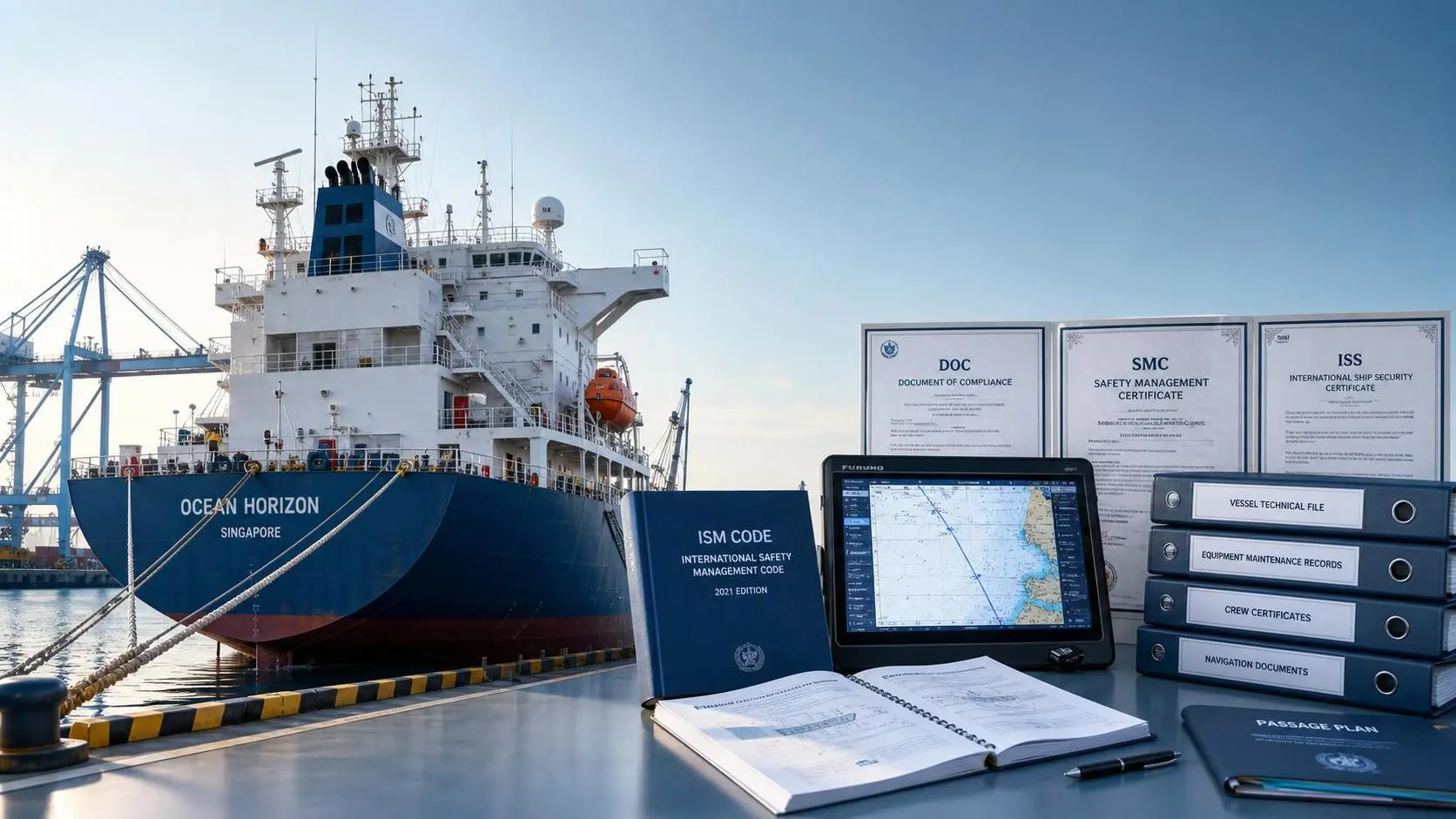
Maritime Compliance Information Standards: What Ship Operators Must Check
Maritime compliance information standards explained for ship operators: learn the key checks for navigation, documentation, updates, and crew readiness to reduce risk and avoid costly delays.

How to Evaluate Cargo Marine Sonar Systems for Detection Range and Vessel Fit
Cargo marine sonar systems: learn how to assess usable detection range, hull fit, noise risk, and bridge integration to choose a reliable solution for real cargo vessel operations.
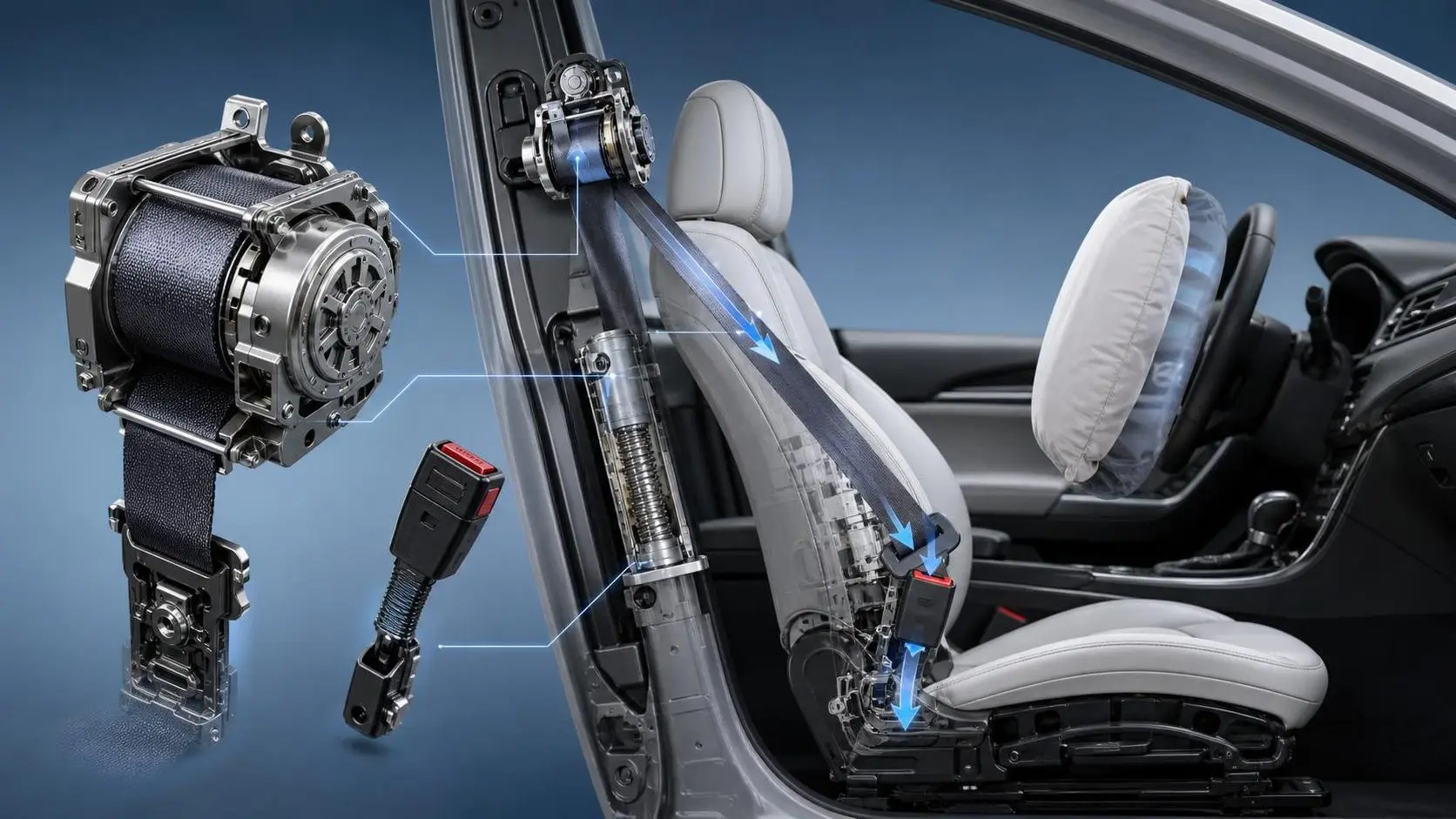
How Do Seatbelt Systems with Pretensioner Improve Crash Protection?
Seatbelt systems with pretensioner improve crash protection by tightening early, reducing forward motion, and helping airbags work as designed. Learn why timing is critical to occupant safety.
Related News
- 00
0000-00
How to Specify Micro-Climate Control Cabins for Harsh Outdoor Worksites? - 00
0000-00
How to Evaluate a B2B Product Knowledge Platform for Faster Procurement Decisions - 00
0000-00
How to Evaluate an Occupant Restraint Systems Exporter for Quality, Compliance, and Supply Risk - 00
0000-00
Navigation Compliance Certification: Which Marine Systems Need It and How to Prepare? - 00
0000-00
How to Evaluate Lightweight Automotive Components for EV Range and Crash Performance
Weekly Insights
Stay ahead with our curated technology reports delivered every Monday.