
Climate Control Seats Cost: What Drives Price and Long-Term Ownership Value?
Climate control seats cost is driven by three layers of value: the seat architecture itself, the thermal hardware inside it, and the effort needed to integrate that hardware into the vehicle or cabin platform. A low quote often reflects a narrower scope, not a better seat. Once airflow paths, heating elements, foam density, trim construction, electrical interfaces, and control logic are all included, the real price picture changes quickly.
The seat structure is usually the first cost anchor. Frames made from stamped steel, high-strength steel, or magnesium-reinforced designs do not behave the same in tooling, welding, corrosion protection, or weight targets. A lighter frame can reduce mass, but it may add complexity in joining, reinforcement, or supplier qualification. Foam specification matters as well. Softer foam can improve initial comfort, yet it may need more careful tuning to preserve air channels, avoid collapse around ducts, and maintain pressure distribution over time. Trim materials also influence cost in a direct way: leather, coated textiles, perforated surfaces, and multi-layer laminates each change cutting waste, sewing time, and scrap risk.
Thermal performance is another major driver. A climate control seat normally combines heating, ventilation, and sometimes active sensing or zone control. Heated seats rely on resistance elements, insulation layers, and temperature feedback. Ventilated seats depend on blowers, ducting, perforated trim, and foam geometries that let air move without creating hot spots or noise. If the seat is expected to heat and cool quickly, the supplier may need denser element placement, stronger airflow, or more refined control mapping, all of which raise component and validation effort. Where airflow must be quiet, the fan design and vibration isolation become part of the cost rather than a separate comfort feature.
Integration complexity often explains why two seats with similar visible features can carry very different prices. A seat that connects to a simple switched power circuit is easier to source than one that must communicate with a central body controller, respect seat occupancy logic, or coordinate with memory functions, lumbar systems, and climate zones. Harness length, connector type, fuse strategy, and software calibration all affect assembly time and field reliability. If the seat must fit across multiple vehicle trims or cabin variants, the mounting points, switchgear, and control modules may need additional modularity, which usually increases part count and validation scope.
Electrical architecture deserves close attention in the quote review. Heated and ventilated seats can draw meaningful current, especially at startup. That creates implications for wiring gauge, relay sizing, thermal protection, and battery load management. In some programs, the seat supplier is responsible only for the seat assembly; in others, the supplier must also support control logic, diagnostics, or interface testing. Those responsibilities change engineering hours and after-sales exposure. A price that excludes software support or harness adaptation may look attractive until the integration work appears later in the program.
Durability is where long-term ownership value becomes visible. Ventilation systems are sensitive to dust ingestion, blocked ducts, fan wear, and moisture exposure. Heating elements can fail if they are poorly supported, sharply bent during assembly, or stressed by repeated seat articulation. Switches, connectors, and sensors can also age unevenly under vibration, repeated entry and exit cycles, and cabin temperature swings. Seats used in fleet, commercial, or high-utilization environments often face more severe wear than a private passenger application, so the procurement specification should reflect cycle life, cleaning chemistry, and occupant turnover rather than only the showroom feel.
Environmental conditions matter more than many first-pass comparisons suggest. A seat that performs well in a mild climate may be underdesigned for high humidity, fine dust, salt exposure, or very cold starts. Vent paths can lose efficiency when trim pore structure changes after aging or cleaning. Heated seats may need careful control limits where seat surfaces can become uncomfortable if the thermistor response is slow. If the cabin uses remote start, idle-stop, or low-voltage operating modes, the thermal system must behave predictably under reduced electrical availability. These details do not always appear in a headline specification, but they shape both complaint rates and replacement risk.
Installation and packaging are practical cost items that are easy to miss. A seat may require floor pan adjustments, bracket changes, extra clip points, or revised wire routing to fit properly. Even when the seat itself is complete, labor can rise if the assembly is awkward to place, the connector access is poor, or the service removal path is tight. On constrained cabin platforms, the placement of blower units, duct runs, and switch modules can compete with other interior components. That interaction often produces hidden expense in tooling changes, station timing, and line-side rework.
Testing and qualification also sit inside climate control seats cost, whether they are quoted explicitly or absorbed into the unit price. Thermal cycling, vibration, ingress, odor, abrasion, and electrical endurance testing all require time and sample material. If a seat uses mixed materials, such as foam, fabric, wiring, plastics, and metal frames, each interface needs attention. A design that is easy to assemble on paper can still be expensive to stabilize if one adhesive layer softens under heat, a foam edge blocks airflow, or a blower generates an audible tone at a certain voltage range. That is why a low initial quotation should be checked against the depth of validation behind it.
Long-term ownership value depends on serviceability as much as initial performance. Replaceable fans, accessible connectors, standardized heaters, and modular trim pieces can reduce downtime when a fault occurs. If repairs require full seat removal for minor component failure, the labor burden can outweigh the original cost advantage. Spare parts availability and part commonality across trims also matter. A seat platform that shares motors, switches, or control units across multiple programs can simplify inventory and support, while a highly unique design may lock the program into slower sourcing and more expensive replacements.
There is also a common misread in climate control seats cost comparisons: higher feature count does not automatically mean higher value. A seat with more functions can still be the weaker commercial choice if its airflow is poorly distributed, its controls are inconsistent, or its maintenance burden is high. The better comparison is whether the design aligns thermal output, occupant comfort, electrical load, and assembly effort with the intended usage profile. In some cabins, modest heating and targeted ventilation deliver more usable comfort than a heavily featured system that is difficult to tune and expensive to maintain.
Procurement evaluation works best when the quote is broken into visible and hidden layers: frame, foam, trim, heating, ventilation, controls, harnessing, assembly labor, validation, packaging, and service exposure. Each layer has its own failure modes and its own effect on total ownership value. A seat that looks economical at purchase but creates repeat warranty work, installation friction, or difficult repairs can become the more expensive option over time. The most defensible choice is usually the one whose cost structure matches the real duty cycle of the cabin rather than the one with the lowest line-item price.
When the specification is clear, climate control seats cost becomes easier to interpret. The quote should show how the seat manages heat, airflow, durability, and integration without relying on vague feature claims. That is the point where price and ownership value can be compared on the same basis.
Related News
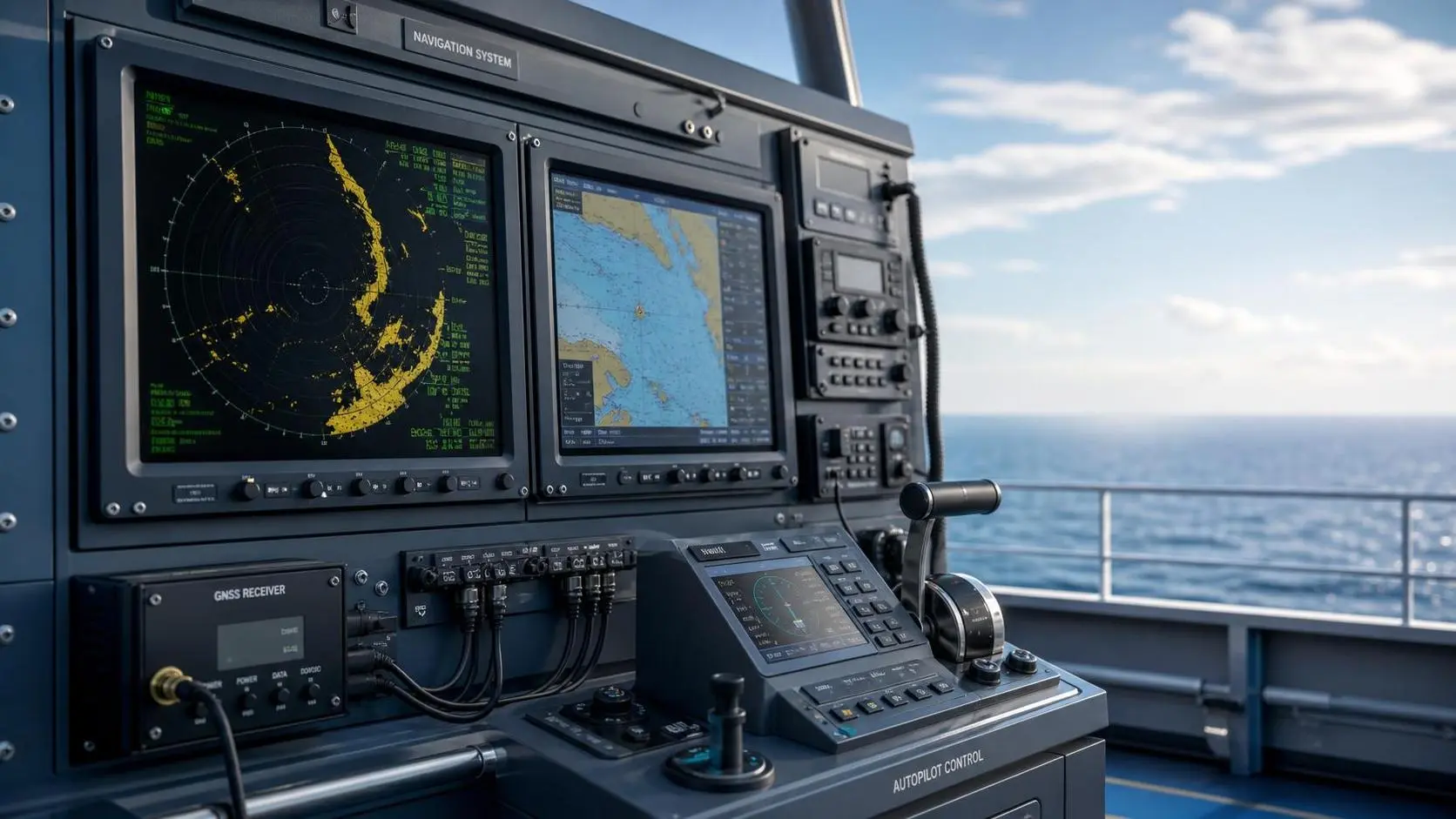
What Factors Drive Marine Navigation Components Cost in Commercial Vessel Projects?
Marine navigation components cost is shaped by integration, compliance, installation, and lifecycle support. Discover what drives pricing and how buyers can reduce risk while improving value.
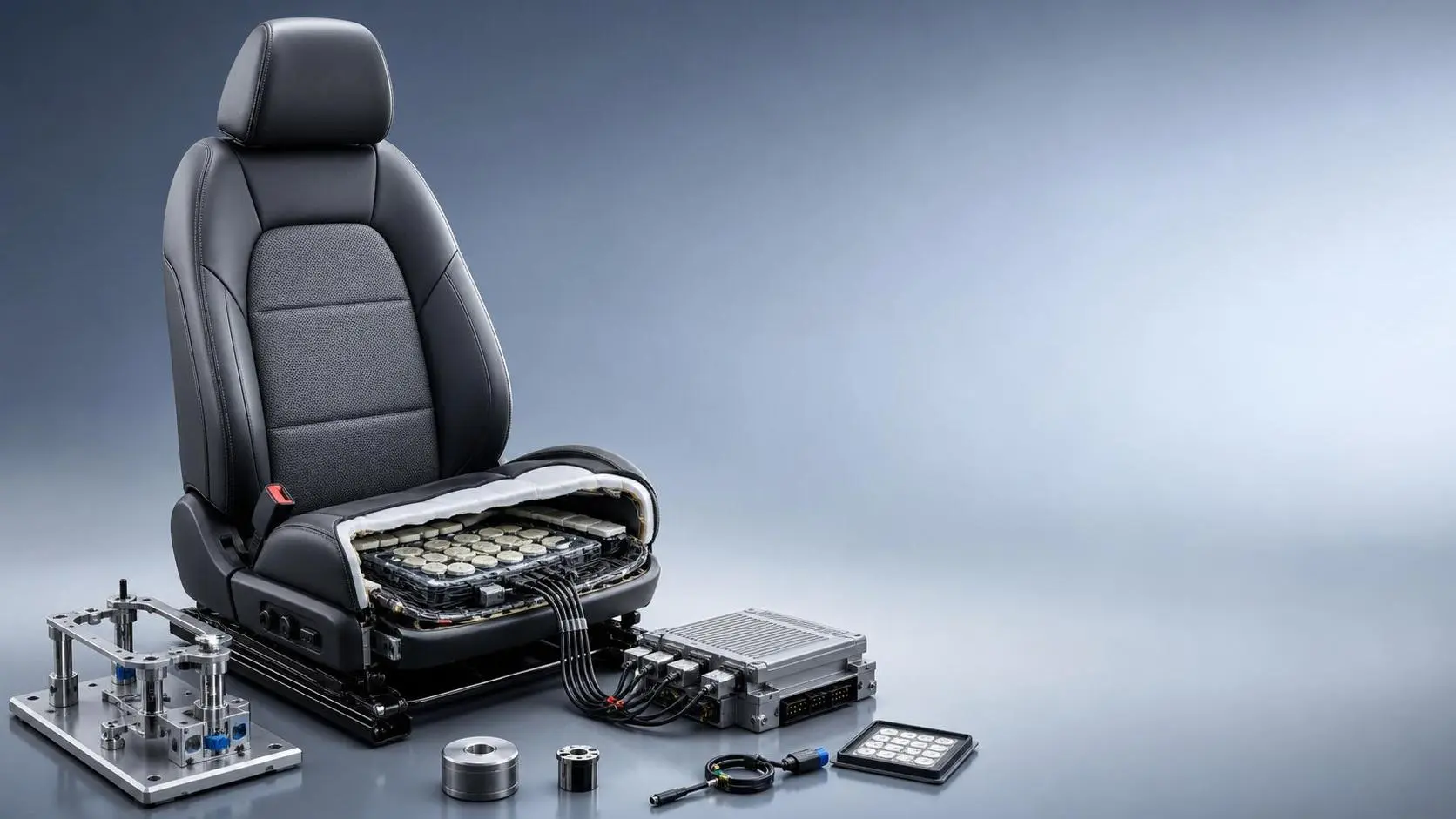
How Much Does Seat Occupancy Sensing Cost? Key Pricing Factors for Buyers
Seat occupancy sensing price varies widely by technology, integration, and compliance needs. Learn the key cost drivers, avoid hidden fees, and make smarter buying decisions.
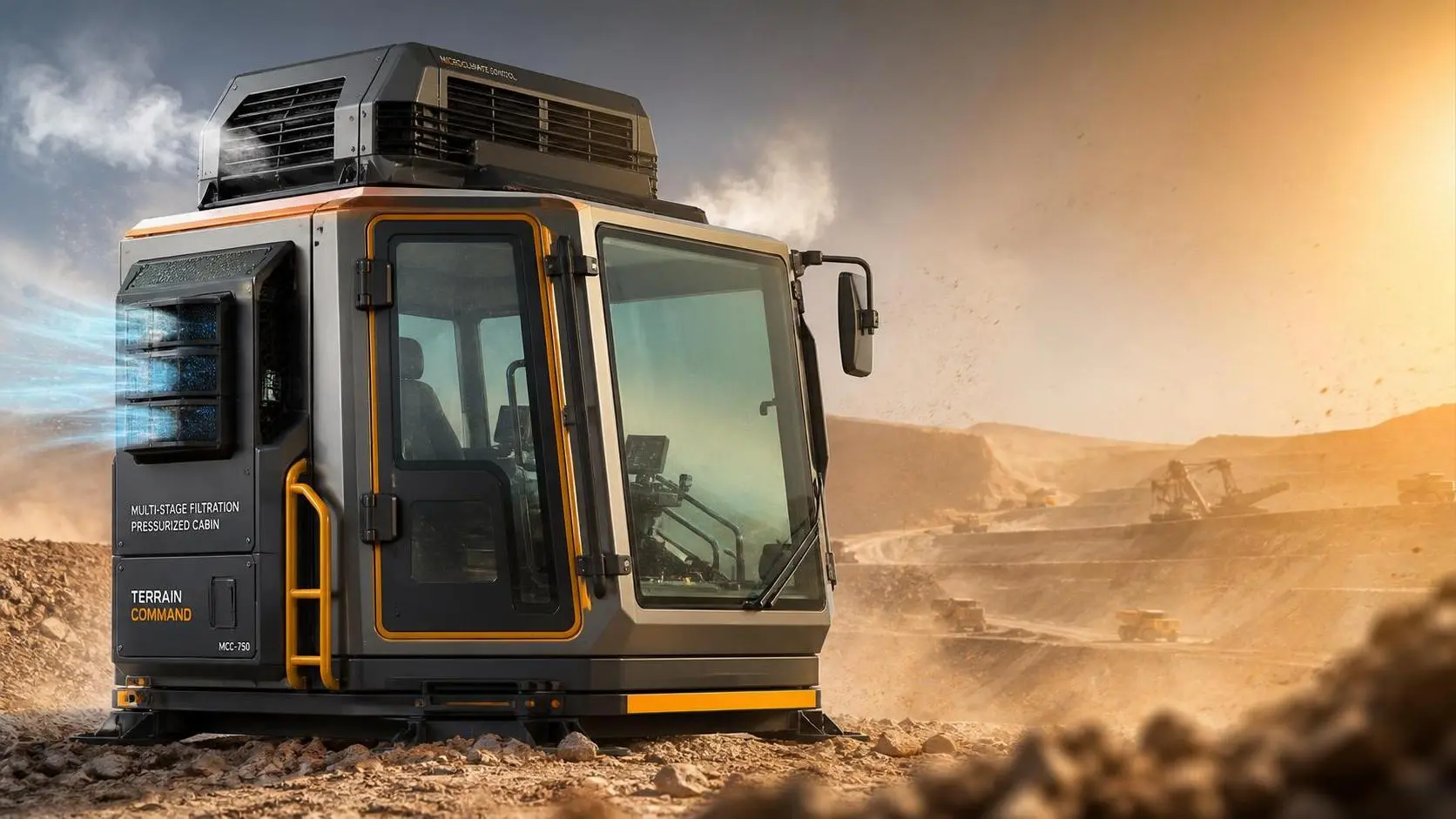
How to Specify Micro-Climate Control Cabins for Harsh Outdoor Worksites?
Micro-climate control cabins for harsh outdoor worksites: learn how to specify thermal control, filtration, pressurization, and durability for safer uptime and smarter buying.
How to Evaluate a B2B Product Knowledge Platform for Faster Procurement Decisions
B2B product knowledge platform procurement starts with reducing decision risk. Learn how to compare specs, compliance, and supplier data to speed sourcing with confidence.
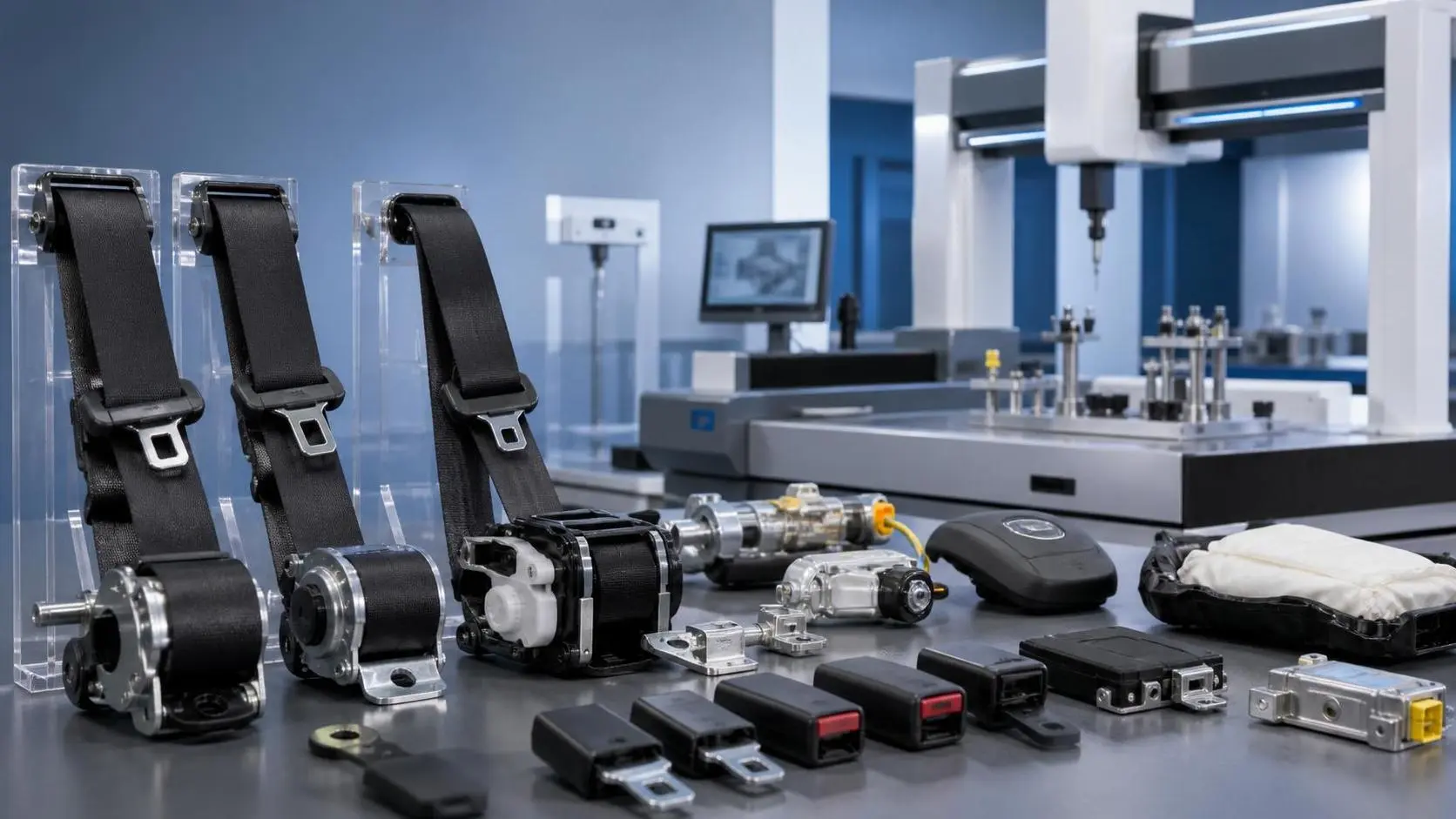
How to Evaluate an Occupant Restraint Systems Exporter for Quality, Compliance, and Supply Risk
Occupant restraint systems exporter evaluation guide: learn how to verify quality controls, compliance evidence, and supply risk before sourcing to avoid recalls, delays, and hidden costs.
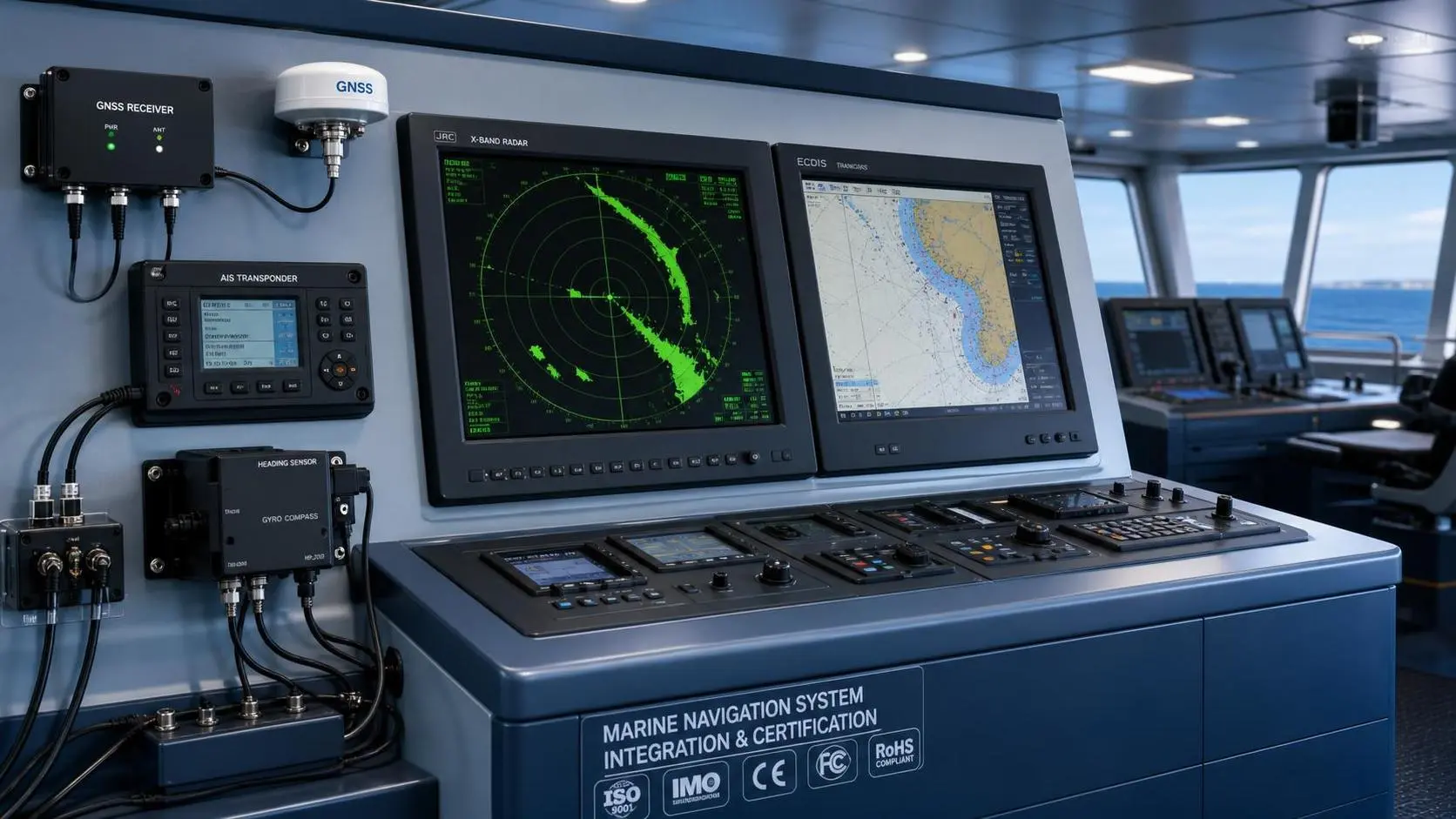
Navigation Compliance Certification: Which Marine Systems Need It and How to Prepare?
Navigation compliance certification explained: discover which marine systems need approval, what documents matter, and how to prepare early to avoid delays, rework, and costly project risks.
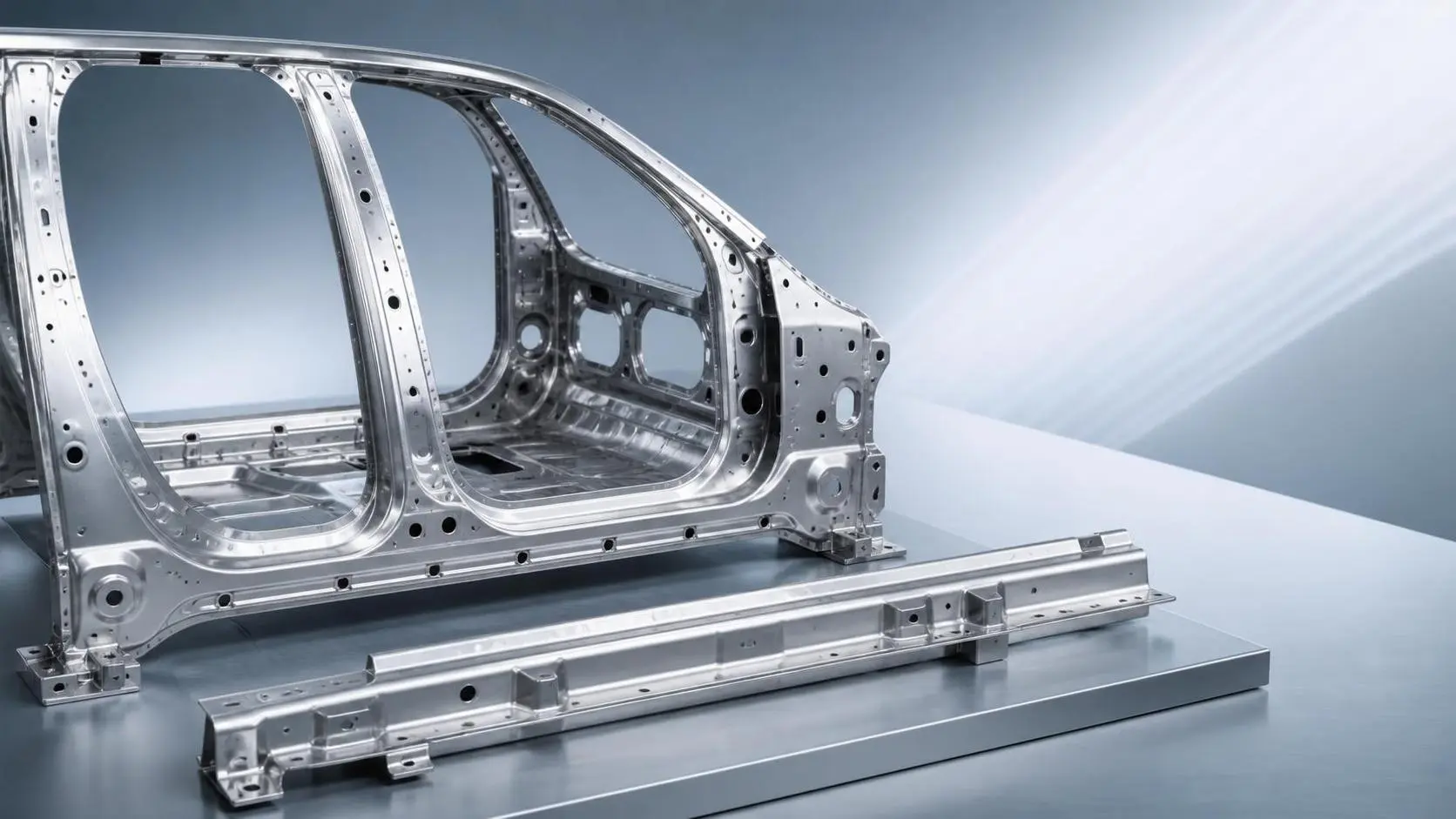
How to Evaluate Steel Auto Body Stampings for Strength, Fit, and Cost
Steel auto body stampings should be judged by strength, fit, and total cost together. Learn how to compare materials, forming limits, springback, joining, and tooling before choosing.
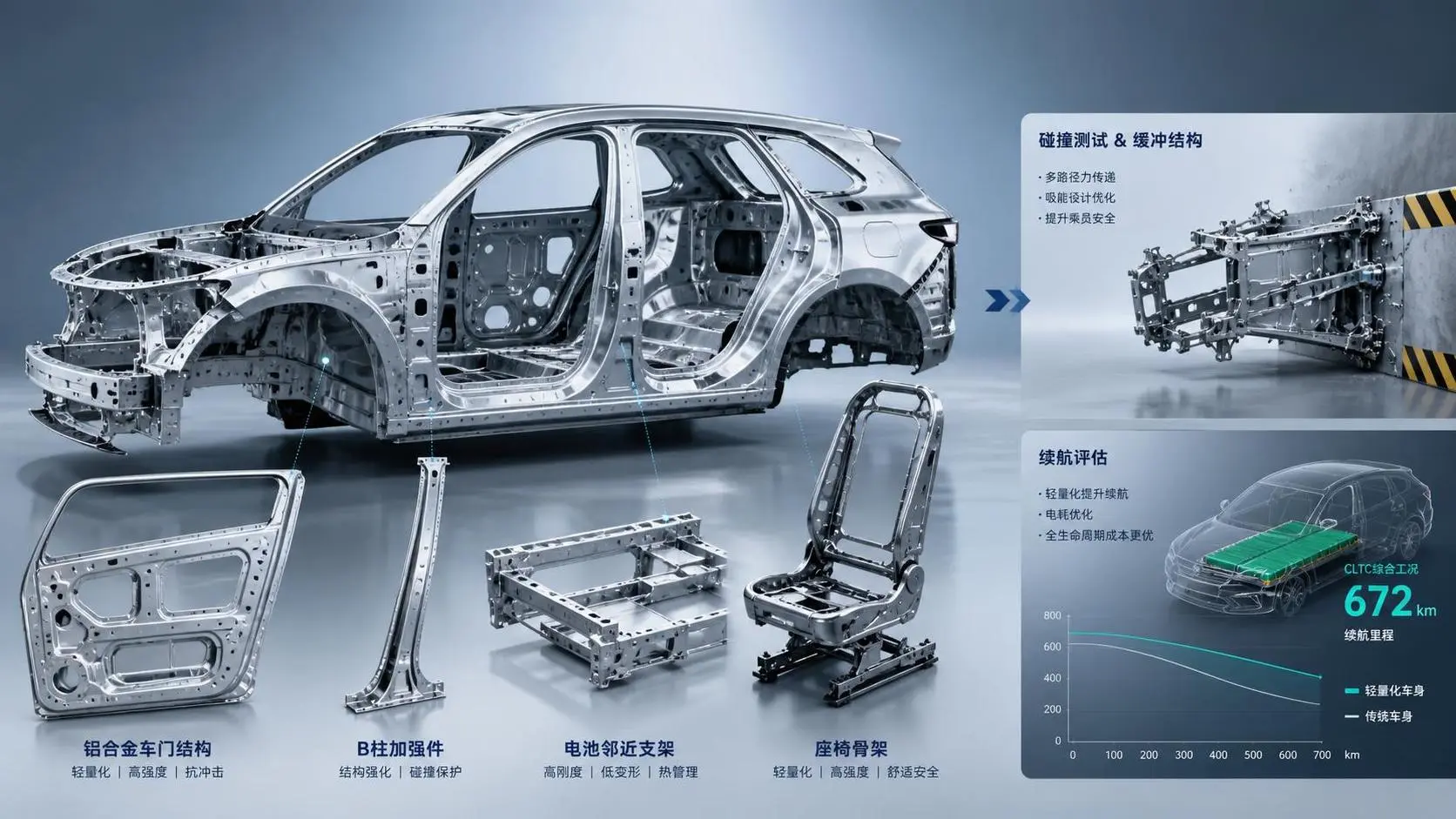
How to Evaluate Lightweight Automotive Components for EV Range and Crash Performance
Lightweight automotive components for EVs: learn how to evaluate real range gains, crash performance, joining risk, and manufacturability to choose safer, smarter EV parts.
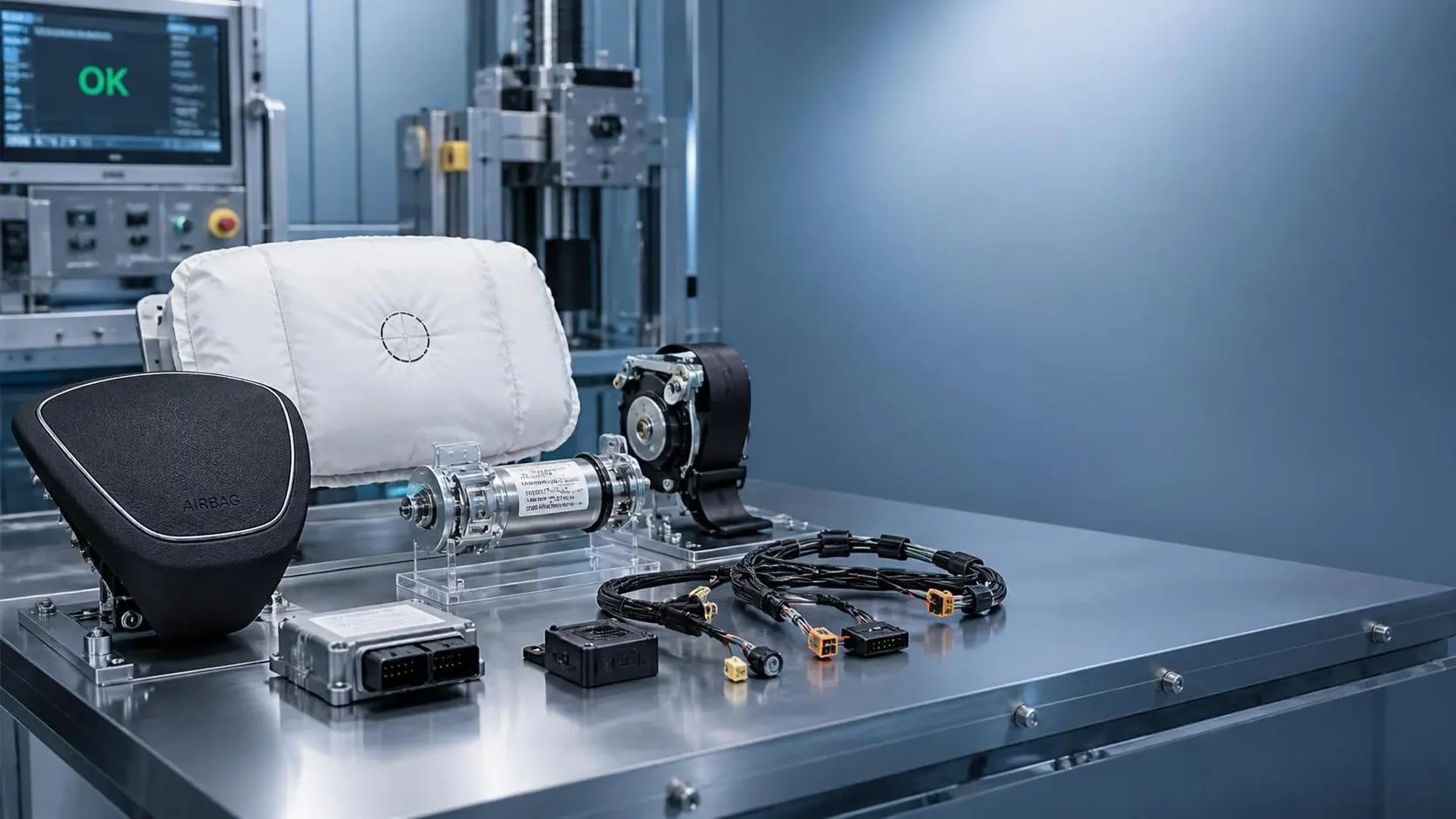
How to Evaluate Airbag Components for OEM Safety Performance and Compliance?
Airbag components evaluation guide for OEM teams: compare deployment performance, inflator consistency, compliance evidence, and supplier traceability to reduce safety risk and choose with confidence.
Related News
- 00
0000-00
Climate Control Seats Cost: What Drives Price and Long-Term Ownership Value? - 00
0000-00
Seat Comfort Solutions Foam: How to Compare Density, Resilience, and Fatigue Performance - 00
0000-00
Seat Comfort Systems Manufacturer Selection Guide: Functions, Integration Options, and Testing Points - 00
0000-00
Seat Comfort Systems Explained: Key Functions, Module Types, and Integration Points - 00
0000-00
Seat Climate Systems Price Guide: What Affects Cost and Which Features Matter Most?
Weekly Insights
Stay ahead with our curated technology reports delivered every Monday.