How to Evaluate Cargo Marine Sonar Systems for Detection Range and Vessel Fit
Start with the operating problem, not the sonar brochure
Selecting cargo marine sonar systems usually goes wrong in a very predictable way: the team compares headline detection range, asks for a clean target demo, and assumes the unit that sees farther is the better fit. On working vessels, that shortcut creates trouble fast. A sonar that performs well in a controlled trial can still be a poor choice if the hull shape generates noise, the transducer location is compromised, or the bridge actually needs short-to-mid-range bottom awareness more than long-range target pickup.
For technical evaluators, the useful question is not “Which system has the best specs?” but “Which system keeps detection reliable in our actual water, at our normal speeds, on this vessel type, with this installation envelope?” That framing changes the whole evaluation process.
Use the checklist below in the same order you would use during a serious selection review. It helps separate systems that look strong on paper from systems that will still work once they are mounted, connected, and run under cargo operations.
Define what the sonar must detect, and at what moment
Before looking at models, pin down the detection task. “Obstacle detection” is too vague to be useful. You need to know whether the system is expected to support shallow-water transit, underwater object awareness, docking approach, seabed contour reading, or hazard detection ahead of the vessel. Each task pushes the evaluation toward a different balance of frequency, beam behavior, processing, and display usability.
- List the primary target types: seabed, debris, mooring obstacles, underwater structures, fishing gear, or moving contacts.
- Set the action distance, not just the detection distance. A contact seen at long range is useless if vessel speed and watch workflow leave no practical reaction window.
- Separate mandatory use cases from occasional ones. Many buyers over-spec for a rare scenario and then live with a system that is harder to integrate every day.
This first step sounds obvious, but it is where many cargo marine sonar systems are mis-scoped. If the mission profile is muddled, every later comparison becomes noisy.
Read detection range claims in context
Detection range is one of the most misunderstood parts of sonar selection. Range claims depend on target size, target material, water conditions, vessel speed, noise environment, frequency choice, and signal processing behavior. A quoted maximum range is only meaningful if you know what target it refers to and under what operating assumptions.
When reviewing vendor material or test documentation, check these points:
- Target definition: Was range measured against seabed profile, a large object, or a small discrete target? These are not interchangeable.
- Water assumptions: Performance in calm harbor water tells you little about cluttered, aerated, or noisy operating zones.
- Operational speed: Some systems look stable at low speed and degrade noticeably once hull flow noise rises.
- Detection threshold: Ask what signal confidence or display threshold was used to call something “detected.”
If two systems claim similar range, the one with cleaner target separation at the distances you actually use is often the better choice. Technical evaluators should treat “usable detection range” as the real metric.
Do not trade away target resolution for theoretical reach without checking the mission
Longer range sounds attractive, but cargo vessel operations often depend more on interpretable returns than on extreme reach. If the sonar can see a broad mass at distance but cannot distinguish hazard shape, edge, or relative position well enough for bridge decisions, that extra range is less valuable than it looks.
This matters especially when vessels operate in constrained approaches, shallow channels, or infrastructure-heavy areas. In those cases, resolution, beam control, and clutter suppression can outweigh raw range. The right question is whether the operator can tell what they are looking at early enough to act. That is different from simply seeing energy on a screen.
Check vessel fit at the hull level, not just in the equipment list
A sonar that is technically capable can still fail the vessel-fit test because the hull gives it a poor acoustic environment. Installation location, draft variation, hull form, appendages, propeller wash, and bubble flow all affect performance. This is where evaluation has to move from procurement language into real marine engineering.
Review the vessel with the following in mind:
- Available transducer location relative to keel, bow shape, and turbulence sources.
- Lightship and loaded draft conditions. A location that works in one loading condition may be less effective in another.
- Risk of aeration at operating speed. Bubbles are a common reason real-world sonar performance falls short of expectation.
- Structural access for mounting, cabling, maintenance, and future replacement.
One common mistake is evaluating the sonar cabinet and display in isolation while assuming the transducer can simply be “placed somewhere suitable.” On a cargo vessel, that assumption needs to be earned through a proper hull review.
Match frequency choice to water conditions and detection priorities
Frequency selection is where many tradeoffs become unavoidable. Lower frequencies generally support longer reach, while higher frequencies often improve detail and short-range definition. But the right answer depends on water depth, expected target class, noise conditions, and whether your operators need forward-looking awareness, bottom mapping behavior, or obstacle discrimination.
You do not need to turn the evaluation into a theory lecture. Just make sure the supplier explains, in practical terms, why the chosen frequency band fits your vessel’s operating profile. If the explanation stays generic, press harder. A good technical match should be easy to defend against route conditions and target priorities.
Review onboard noise sources early
Acoustic performance is often limited by the vessel, not the sonar electronics. Machinery vibration, propeller cavitation, hydrodynamic turbulence, and interference from nearby systems can all reduce detection quality. This is especially relevant on working cargo vessels where speed, loading, and machinery states vary across a voyage.
Ask for a noise-risk review tied to the proposed transducer position. If sea trial planning is part of the purchase path, define test conditions that include representative vessel speed and machinery loading. Bench behavior and harbor checks are not enough.
Treat integration as part of performance
A sonar system is only useful if its output reaches the right operator in a form they can act on. During evaluation, look beyond the sensor and check how the system connects with bridge workflows. That includes display placement, alarm logic, data interfaces, power quality expectations, and interaction with existing navigation systems.
This is a good point to use a structured review:
Ask for evidence that mirrors your operating envelope
Technical evaluators should be careful with polished demonstrations. Useful evidence is specific. Ask what vessel type the performance example came from, what speed it was running, what the water condition was, and what the target class was. If your vessel is a deep-draft cargo platform operating with variable loading and route complexity, evidence from a different hull form or a low-speed service craft may have limited value.
You are not looking for perfect one-to-one matching every time. You are looking for enough similarity to trust the performance trend. That is a much better basis for selection than a generic claim that the system is “widely used” or “highly adaptable.”
Check serviceability before signing off
Support is often treated as a commercial issue, but for sonar it is part of technical risk control. Check spare parts path, transducer servicing method, calibration or setup requirements, software update process, and fault isolation support. If a system needs specialized intervention for routine issues, that should affect the selection decision.
A system that is slightly less ambitious on paper but easier to maintain across fleet operations can be the better engineering decision, especially when route uptime matters more than edge-case capability.
Watch for these common selection mistakes
- Choosing by maximum range alone.
- Ignoring loaded-versus-ballast hull behavior.
- Assuming any available transducer pocket will be acoustically acceptable.
- Treating bridge integration as a later project.
- Using trial conditions that are too clean to reveal operational limitations.
- Overbuying for rare scenarios while compromising everyday usability.
Most bad outcomes come from one of those six errors, not from a dramatic equipment defect.
A practical decision sequence
If you need a clean way to close the evaluation, use this order. Define the real detection task. Screen candidate cargo marine sonar systems against vessel type and installation constraints. Compare usable range and target clarity under similar operating assumptions. Review hull noise and transducer placement risk. Then look at integration, support burden, and lifecycle practicality.
That sequence keeps the decision anchored to operational fit instead of marketing emphasis. In practice, the strongest choice is usually the system that gives dependable detection where the vessel actually works, fits the hull without acoustic compromise, and can be maintained without turning every service event into a project.
Related News
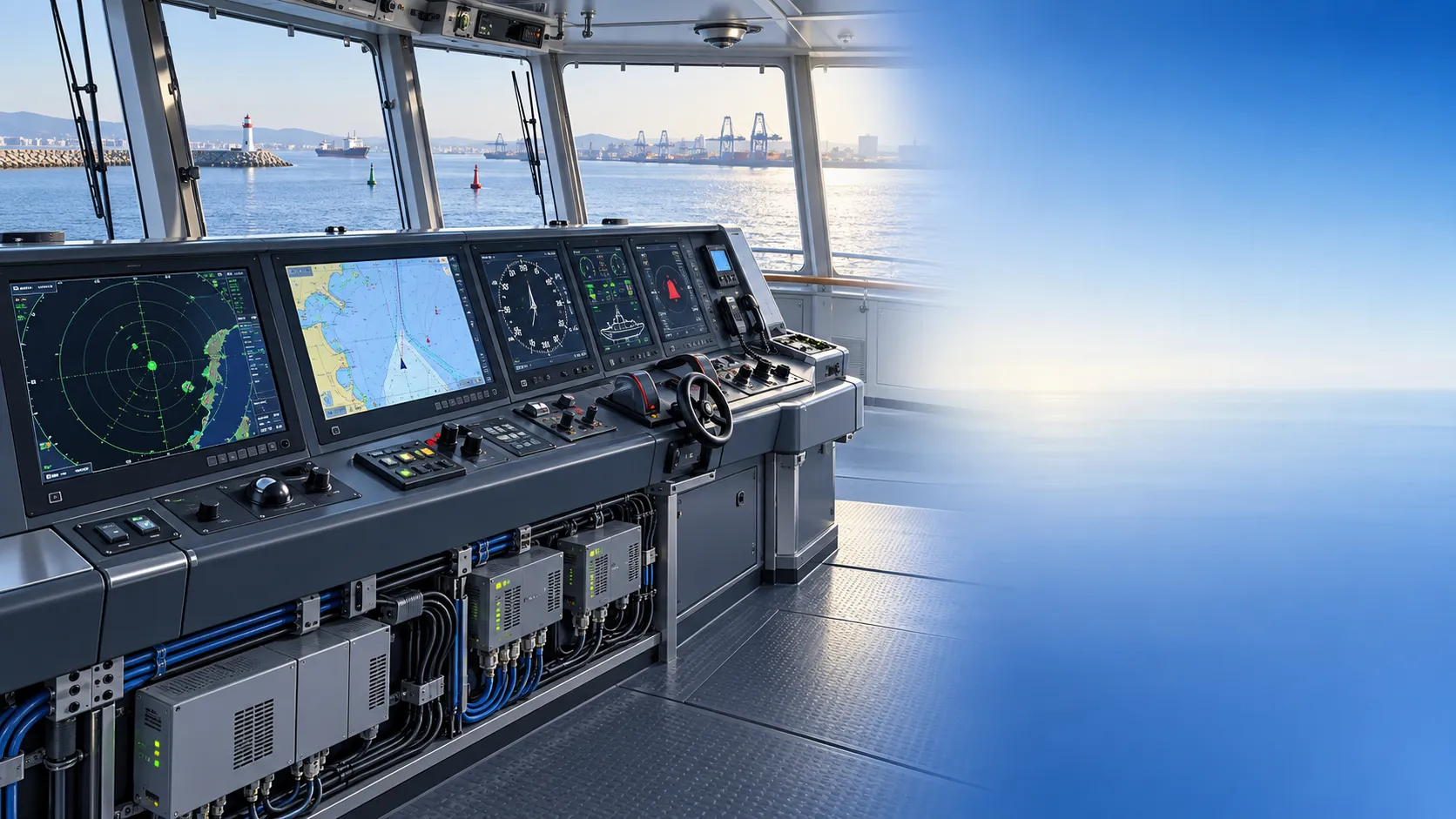
How to Specify Integrated Marine Electronics for Reliable Bridge Operations
Integrated marine electronics: learn how to specify reliable bridge systems with clear data flows, redundancy, alarm control, lifecycle interfaces, and operational testing.
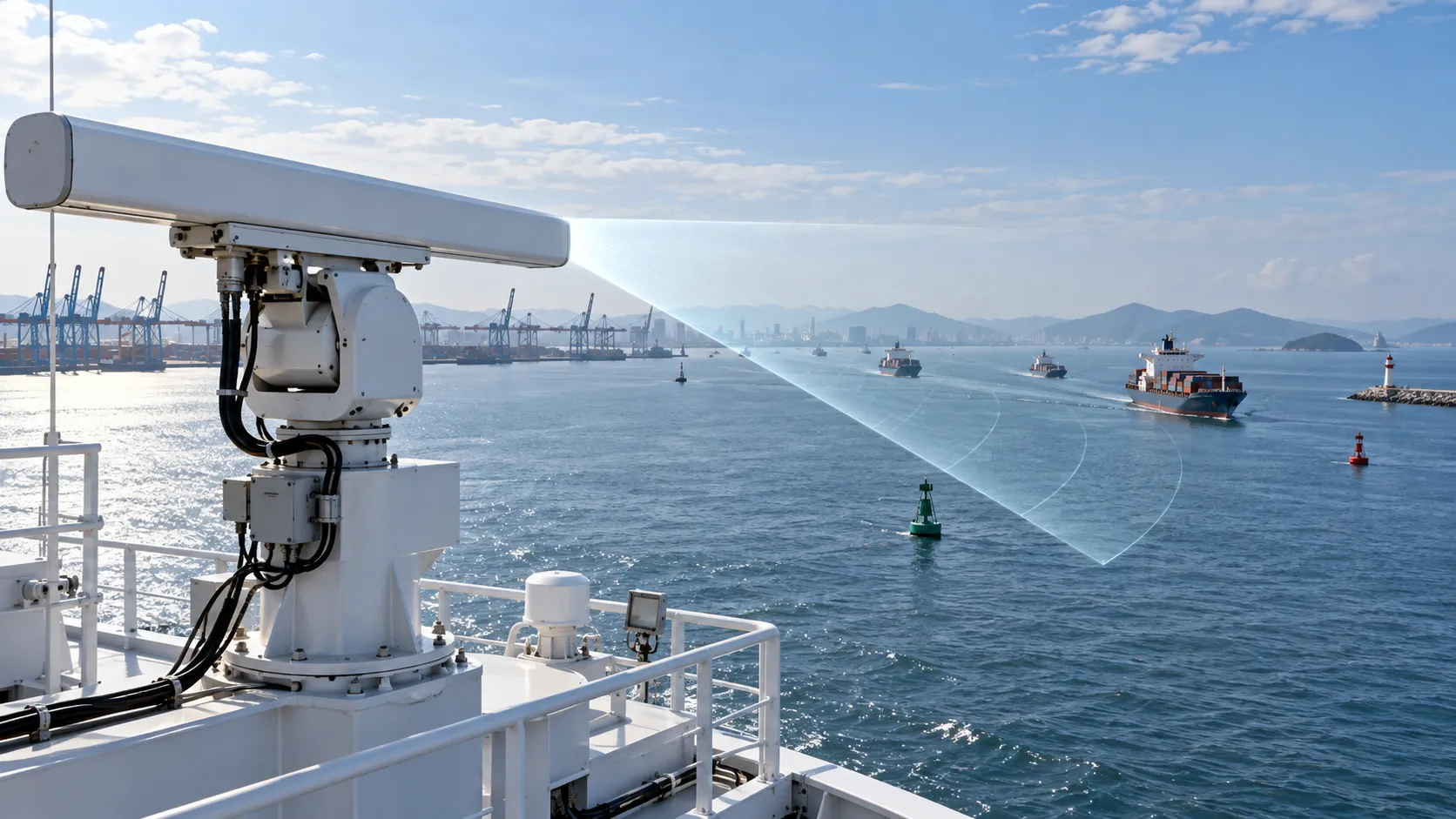
How to Evaluate Navigation Radar Manufacturers for Commercial Vessel Projects
Navigation radar manufacturers: learn how to compare performance, compliance, integration, support, and lifecycle cost for commercial vessel projects.

How Adjustable Cabin Ergonomics Reduce Operator Fatigue in Long-Shift Vehicles
Adjustable cabin ergonomics reduces operator fatigue through better seating, reach, visibility, vibration control, and climate comfort for safer long-shift vehicles.

How Rear-Impact Safety Components Work Together to Protect Vehicle Occupants
Explore how automotive safety components for rear impact work together—from crash structures and seats to head restraints and belts—to enhance occupant protection.
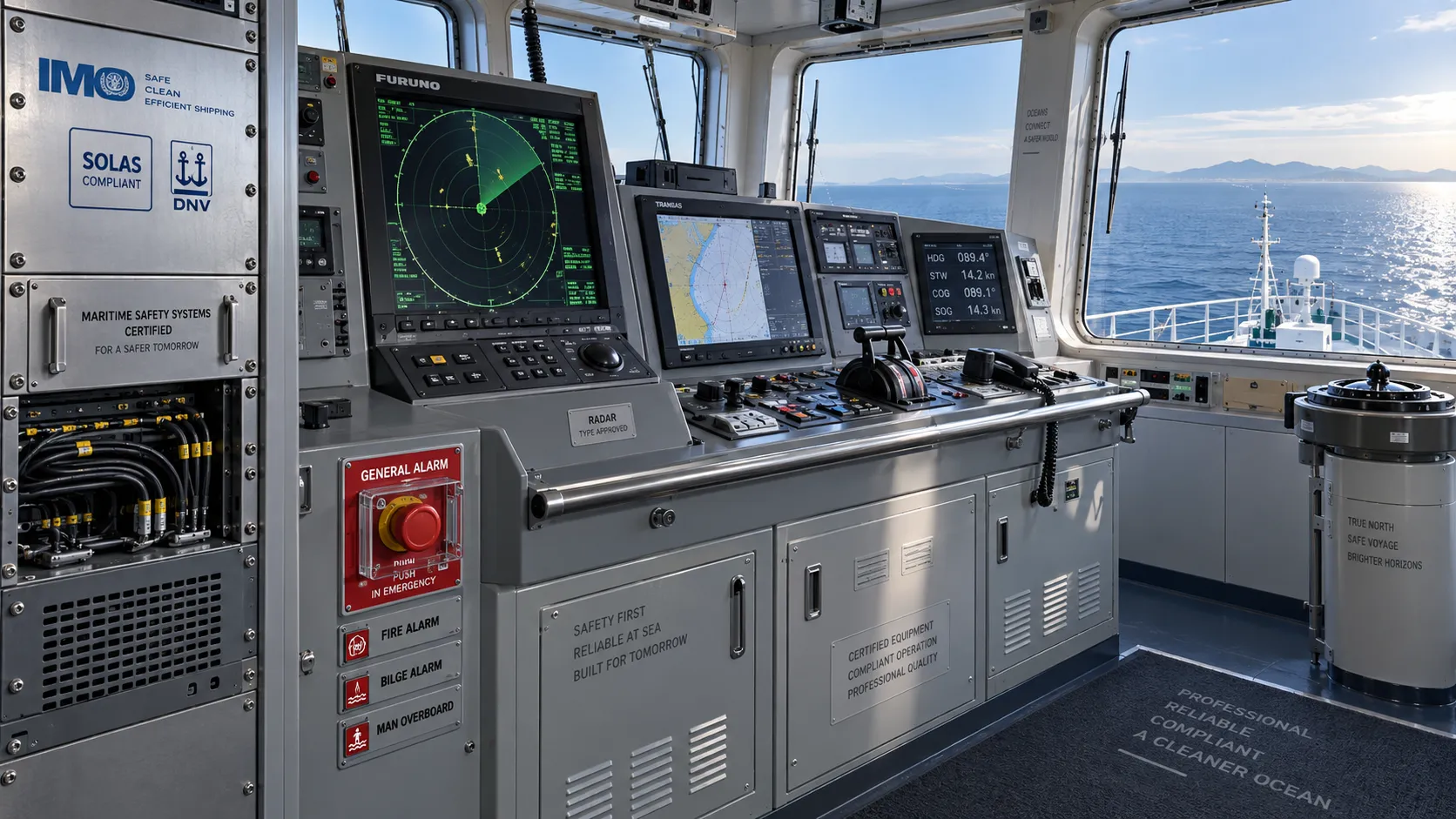
How to Evaluate a Marine Safety Systems Manufacturer for Vessel Compliance and Reliability
Marine safety systems manufacturer evaluation guide: verify compliance, engineering quality, lifecycle costs, and global service support for safer, reliable vessel operations.
Crash Test Regulations for Seatbelts: Key Compliance Requirements Explained
Crash test regulations seatbelts explained: explore FMVSS, UN rules, anchorage strength, and dynamic restraint testing for safer, compliant vehicle systems.

How to Calculate the Total Cost of Automotive Lightweighting for a Vehicle Program
Automotive lightweight solutions cost: learn how to calculate program-level costs, including materials, tooling, joining, validation, risk, and vehicle-level value.

How Automotive Seat Occupancy Sensing Improves Airbag Deployment Decisions
Automotive seat occupancy sensing helps optimize airbag deployment decisions, improving passenger classification, safety diagnostics, and compliance across real-world conditions.

What Drives Lightweight Body Component Costs in High-Volume Vehicle Programs?
Lightweight body components cost depends on material yield, forming, joining, tooling, validation, and logistics. Explore proven ways to optimize total vehicle program cost.
Related News
- 00
0000-00
How to Evaluate Navigation Radar Manufacturers for Commercial Vessel Projects - 00
0000-00
How to Evaluate Cargo Marine Sonar Systems for Detection Range and Vessel Fit - 00
0000-00
How to Evaluate Marine Signal Processing Software for Radar and Sonar Integration - 00
0000-00
How Do Automatic Identification Systems Improve Vessel Tracking and Collision Avoidance? - 00
0000-00
How to Choose Marine Navigation Systems for Patrol Boats in Coastal and Offshore Missions
Weekly Insights
Stay ahead with our curated technology reports delivered every Monday.