How to Compare Ship Safety Navigation Systems in Europe for Compliance and Route Risk Control
How to Compare Ship Safety Navigation Systems in Europe for Compliance and Route Risk Control
Comparing ship safety navigation systems Europe is no longer just a technical exercise. It shapes compliance, route risk control, deployment timing, and operational resilience across ports, flags, and weather zones.
A strong decision framework must connect regulation, onboard integration, data quality, and response capability. That balance matters when projects involve retrofit deadlines, route expansion, or higher insurance pressure.
In practical terms, the best ship safety navigation systems Europe are not always the most feature-rich. They are the systems that stay reliable under real route risk.
Start With the Compliance Baseline
Any comparison should begin with compliance scope. In Europe, that means looking beyond product brochures and checking how a system supports SOLAS, IMO, IEC, and class requirements.
This also includes regional operating realities. Port state control expectations, cybersecurity updates, and ECDIS maintenance practices all affect system suitability.
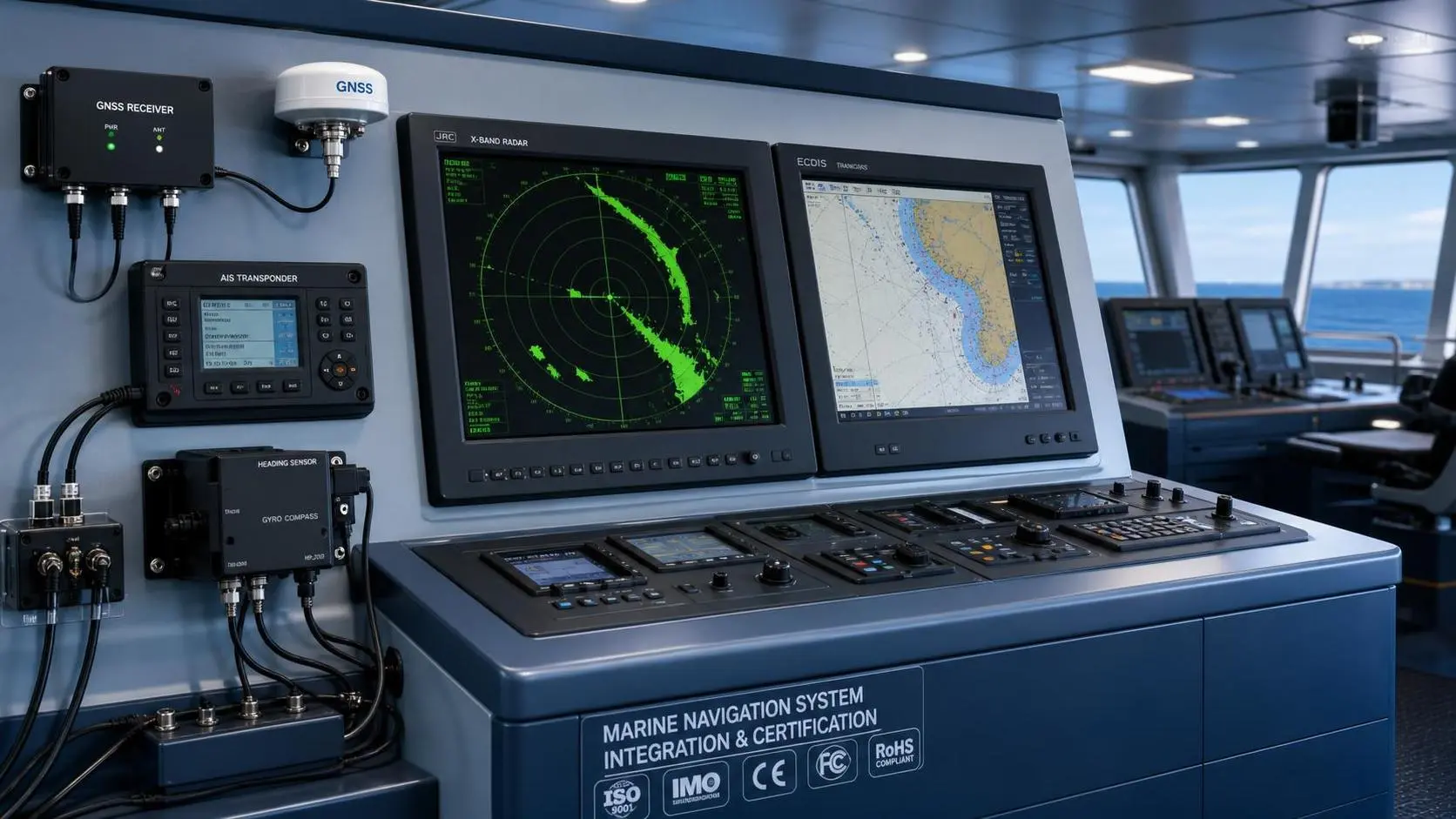
A compliant package usually needs more than one device. Radar, ECDIS, AIS, GNSS, heading sensors, echo sounders, alarm management, and bridge integration must work together.
When reviewing ship safety navigation systems Europe, confirm whether compliance is native to the architecture or added through third-party patchwork. That difference affects future audit risk.
Key compliance checks
- Type approval status for core navigation equipment.
- Compatibility with current ECDIS chart and software update rules.
- Cybersecurity support, logging, and controlled update procedures.
- Alarm handling aligned with bridge watchkeeping practices.
- Documentation quality for flag, class, and insurer reviews.
Map Route Risk Before Comparing Features
Feature comparison without route analysis usually leads to overbuying or blind spots. European operations vary sharply between coastal traffic, offshore support, inland interfaces, and open-sea corridors.
The question is simple. What risk must the system detect, verify, and help the crew manage before it becomes an incident?
From recent market shifts, more operators are focusing on congested approaches, weather volatility, shallow-water margins, and signal interference. That changes what “best fit” really means.
Ship safety navigation systems Europe should therefore be scored against actual route profiles, not generic vessel categories alone.
Typical route risk factors
- Dense traffic separation schemes and collision exposure.
- Ice, fog, heavy rain, and sea clutter effects on sensor confidence.
- Restricted waters with tight under-keel clearance.
- GNSS disruption, spoofing, or degraded satellite visibility.
- Crew workload during night transit and multi-alarm events.
Compare the System as an Integrated Safety Stack
A navigation purchase should be assessed as a safety stack, not as isolated hardware. Integration quality often has more operational value than one extra standalone feature.
For example, radar performance matters. But radar fused with AIS, chart overlays, heading reference, and alert logic gives a far stronger route risk control result.
The same principle applies to bridge ergonomics. If information is technically available but scattered across screens, crew response slows down at the worst moment.
When reviewing ship safety navigation systems Europe, test how well the stack supports perception, confirmation, and action under pressure.
What to compare inside the stack
- Sensor fusion accuracy across radar, AIS, GNSS, and depth data.
- Latency between detection, display refresh, and alert presentation.
- Bridge display consistency across day, night, and failure modes.
- Fallback behavior when one sensor becomes unreliable.
- Cybersecure software architecture and remote support readiness.
Use a Practical Evaluation Matrix
A structured matrix keeps the decision grounded. It also helps procurement, technical teams, and operations align around the same evidence.
The most useful model weighs compliance, route risk control, lifecycle support, and integration burden. Cost matters, but it should not dominate the score.
This kind of matrix makes ship safety navigation systems Europe easier to compare across vendors, especially when proposals use different terminology.
Look Beyond Accuracy Claims
Suppliers often lead with precision metrics. Those numbers matter, but they rarely tell the full operational story.
A better question is how accuracy holds up when the environment gets messy. Traffic overlap, weather clutter, weak signals, or delayed updates can quickly expose weak systems.
More importantly, crews need usable confidence, not just technical output. The system should show what is known, what is uncertain, and what requires action.
That is why ship safety navigation systems Europe should be reviewed through simulated route scenarios, not paper specifications alone.
Good scenario tests include
- Harbor approach with overlapping AIS and radar targets.
- Open-sea transit with partial GNSS degradation.
- Restricted channel navigation under poor visibility.
- Alarm-rich bridge events with simultaneous route changes.
Check Lifecycle Risk, Not Just Purchase Price
In actual projects, lifecycle risk often outweighs initial price differences. A cheaper package can become expensive if updates are slow, service coverage is thin, or spare parts are hard to source.
This is especially relevant for ship safety navigation systems Europe, where multi-country support and inspection readiness are part of normal operations.
Ask how the vendor handles software revisions, chart dependencies, hardware obsolescence, and onboard troubleshooting. Those answers reveal long-term reliability faster than marketing claims do.
It also helps to review training depth. Faster crew adoption usually lowers route risk more than one extra advanced feature.
A Practical Selection Process
A workable process keeps decisions consistent and defensible. It also makes internal approval smoother when capital spending is under pressure.
- Define route clusters, vessel profiles, and compliance obligations.
- List required functions and failure-mode expectations.
- Shortlist vendors with verified European support capability.
- Run scenario-based demonstrations using real operating conditions.
- Score each option with a weighted evaluation matrix.
- Validate lifecycle support before final commercial negotiation.
This process helps turn ship safety navigation systems Europe from a feature debate into a route risk control decision. That shift usually leads to better long-term outcomes.
At GNCS, this is exactly where intelligence becomes useful. The right comparison framework links technical precision, compliance discipline, and operating reality into one decision path.
If the goal is safer navigation and more dependable investment value, compare ship safety navigation systems Europe through the lens of route exposure, integration quality, and lifecycle control. That is where the strongest decisions usually emerge.
Related News

How to Evaluate Custom Smart Automotive Seating for Premium Vehicle Programs?
Custom smart automotive seating evaluation starts with safety, comfort, integration, and production readiness. Discover how premium vehicle teams choose smarter, lower-risk seat solutions.
B2B Product Intelligence Platforms: How to Compare Features, Data Coverage, and ROI
B2B product intelligence platform comparison: learn how to evaluate data coverage, feature depth, compliance visibility, and ROI to choose a sourcing tool that reduces risk and speeds decisions.

Climate Control Seats Cost: What Drives Price and Long-Term Ownership Value?
Climate control seats cost depends on materials, thermal tech, and integration. Learn what drives price and how to judge long-term value before you buy.
What Factors Drive Marine Navigation Components Cost in Commercial Vessel Projects?
Marine navigation components cost is shaped by integration, compliance, installation, and lifecycle support. Discover what drives pricing and how buyers can reduce risk while improving value.

How Much Does Seat Occupancy Sensing Cost? Key Pricing Factors for Buyers
Seat occupancy sensing price varies widely by technology, integration, and compliance needs. Learn the key cost drivers, avoid hidden fees, and make smarter buying decisions.

How to Specify Micro-Climate Control Cabins for Harsh Outdoor Worksites?
Micro-climate control cabins for harsh outdoor worksites: learn how to specify thermal control, filtration, pressurization, and durability for safer uptime and smarter buying.
How to Evaluate a B2B Product Knowledge Platform for Faster Procurement Decisions
B2B product knowledge platform procurement starts with reducing decision risk. Learn how to compare specs, compliance, and supplier data to speed sourcing with confidence.

How to Evaluate an Occupant Restraint Systems Exporter for Quality, Compliance, and Supply Risk
Occupant restraint systems exporter evaluation guide: learn how to verify quality controls, compliance evidence, and supply risk before sourcing to avoid recalls, delays, and hidden costs.
Navigation Compliance Certification: Which Marine Systems Need It and How to Prepare?
Navigation compliance certification explained: discover which marine systems need approval, what documents matter, and how to prepare early to avoid delays, rework, and costly project risks.
Related News
- 00
0000-00
How to Evaluate Cargo Marine Sonar Systems for Detection Range and Vessel Fit - 00
0000-00
How to Evaluate Marine Signal Processing Software for Radar and Sonar Integration - 00
0000-00
How Do Automatic Identification Systems Improve Vessel Tracking and Collision Avoidance? - 00
0000-00
How to Choose Marine Navigation Systems for Patrol Boats in Coastal and Offshore Missions - 00
0000-00
Marine Electronics Systems Distributor Selection: 7 Checks Before You Compare Quotes
Weekly Insights
Stay ahead with our curated technology reports delivered every Monday.