
Marine Electronics Systems Distributor Selection: 7 Checks Before You Compare Quotes
Marine Electronics Systems Distributor Selection: 7 Checks Before You Compare Quotes
Choosing a marine electronics systems distributor is not a simple price exercise. The lowest quote can create the highest operating cost later.
In marine navigation, equipment reliability affects route safety, inspection readiness, and maintenance planning. That is why distributor selection deserves a structured review before any negotiation starts.
A capable marine electronics systems distributor should support more than product delivery. It should also help with compliance documents, lead-time visibility, integration advice, and after-sales coordination.
From recent market shifts, one signal is clear. Supply uncertainty and stricter technical expectations are making distributor quality a bigger sourcing variable than before.
The seven checks below provide a practical framework. Use them before comparing quotes, and the shortlist will become much more reliable.
1. Confirm Product Authorization and Source Transparency
Start with origin control. A marine electronics systems distributor should clearly explain where products come from and how channel authorization is maintained.
Ask for brand authorization letters, traceability records, and warranty terms. If the answer is vague, the commercial risk is already visible.
This matters even more for radar, ECDIS, AIS, GNSS receivers, sonar modules, and bridge communication equipment. Counterfeit or gray-market units may pass a warehouse check but fail at sea.
A reliable marine electronics systems distributor will also separate factory-new, refurbished, and legacy inventory. Clear labeling prevents disputes during installation or class inspection.
2. Check Technical Breadth, Not Just Catalog Size
Many sellers carry long product lists. Fewer can explain system compatibility, interface requirements, or performance tradeoffs across different vessel profiles.
A strong marine electronics systems distributor should understand network architecture, onboard power constraints, antenna placement, and software update paths.
In practice, this reduces costly rework. It also prevents situations where individually compliant devices fail as an integrated navigation package.
Useful qualification questions include:
- Can they map equipment selection to vessel class, route, and operating environment?
- Do they understand NMEA, Ethernet, sensor fusion, and bridge integration issues?
- Can they explain upgrade paths for mixed fleets with legacy hardware?
- Do they flag software licensing or firmware dependency risks early?
When a marine electronics systems distributor answers these questions with specifics, quote evaluation becomes much easier and much safer.
3. Review Compliance Support in Detail
Marine electronics procurement often fails on paperwork, not hardware. That is why compliance support should be checked before commercial comparison.
The right marine electronics systems distributor should provide certificates, declarations, test reports, and revision-controlled documentation relevant to the supplied model.
Depending on application, this may include IMO, SOLAS, IEC, MED, or classification society requirements. The exact mix varies, but document readiness should never be assumed.
More importantly, check whether the distributor can support audits, port-state reviews, or customer file requests after delivery. That is where weak suppliers often disappear.
If a marine electronics systems distributor treats compliance as a side issue, the sourcing decision is already carrying hidden downtime risk.
4. Test Supply Stability and Lead-Time Credibility
Quoted lead time and actual lead time are often different. This gap can disrupt dry-dock schedules, retrofit windows, and fleet maintenance planning.
A dependable marine electronics systems distributor should show stocking logic, supplier relationships, and historical delivery performance for critical items.
Look beyond average claims. Ask which products are stocked locally, which are factory-order only, and which depend on allocation or export approvals.
This is especially important for replacement modules, sensors, displays, and control units. A single delayed component can hold back commissioning.
A useful check is to request scenario-based answers:
- What happens if a core item misses the shipping date?
- What backup source exists for urgent vessel needs?
- How are shortages communicated and escalated?
A marine electronics systems distributor with disciplined answers usually has disciplined operations behind them.
5. Evaluate After-Sales Responsiveness Before Purchase
After-sales quality should be tested before the order is placed. Once a fault occurs onboard, response speed matters more than brochure claims.
A qualified marine electronics systems distributor should define support windows, escalation contacts, spare parts availability, and warranty handling steps.
It also helps if they can coordinate with OEM engineers, service partners, or local technicians near major ports. That shortens recovery time when failures happen.
Ask for real service metrics, not generic promises. Response time, replacement approval time, and average issue closure time are all useful indicators.
In actual operations, the best marine electronics systems distributor is often the one that helps restore uptime fastest, not the one that quoted lowest.
6. Compare Total Procurement Cost, Not Unit Price Alone
Quote comparison should include the full operational picture. Unit price alone hides logistics, integration, support, and failure-related expenses.
A marine electronics systems distributor may appear more expensive upfront but reduce costs through correct specification, cleaner documentation, and lower service friction.
When comparing offers, review these cost layers:
- Freight, insurance, and packaging for sensitive electronic equipment
- Commissioning support and software activation needs
- Compatibility risk and reinstallation labor
- Warranty return handling and downtime exposure
- Spare parts strategy across the vessel lifecycle
This broader view makes marine electronics systems distributor selection more aligned with operational reality, especially for fleet-level purchasing.
7. Judge Communication Quality and Decision Support
Good distributor performance is visible in communication habits. Slow, incomplete, or inconsistent replies usually signal larger execution issues later.
A strong marine electronics systems distributor should provide structured quotations, clean technical clarifications, and fast updates when conditions change.
More importantly, they should help decision-making. That includes offering options, flagging risks, and explaining what each choice means for compliance, uptime, and future maintenance.
This advisory role is becoming more valuable as marine electronics systems become more connected, software-dependent, and documentation-heavy.
When communication stays precise from inquiry to delivery, there is usually less noise in execution and fewer surprises after purchase.
A Practical Shortlist Framework
Before comparing final quotes, score each marine electronics systems distributor across the same seven checks. Keep the format simple and evidence-based.
This approach keeps marine electronics systems distributor evaluation objective. It also makes internal approval discussions faster, because the tradeoffs are documented clearly.
Final Thought Before You Request Quotes
The best time to reduce sourcing risk is before price comparison begins. Once quotes arrive, teams often focus too narrowly on numbers.
A capable marine electronics systems distributor brings traceable products, credible technical support, stronger compliance readiness, and faster recovery when problems appear.
That combination protects installation schedules and long-term vessel performance. It also creates better confidence when decisions need to move quickly.
Before the next RFQ round, apply these seven checks to every marine electronics systems distributor on the list. The comparison will be sharper, and the final choice will stand on much stronger ground.
Related News
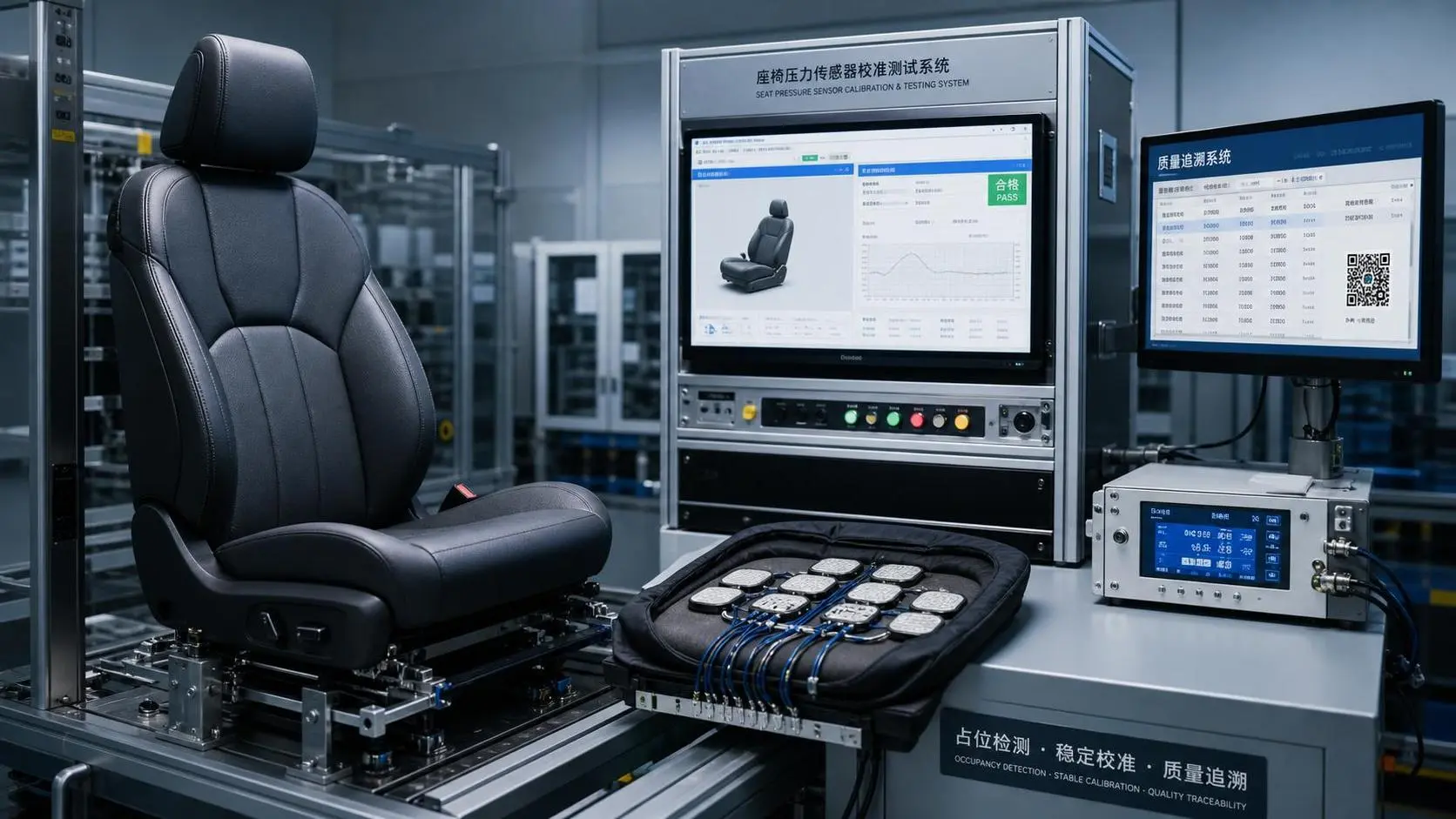
How to Evaluate a Seat Sensing Systems Factory for Automotive Safety Programs
Seat sensing systems factory selection goes beyond price. Learn how to assess quality control, validation, PPAP readiness, and long-term supply reliability for safer automotive programs.
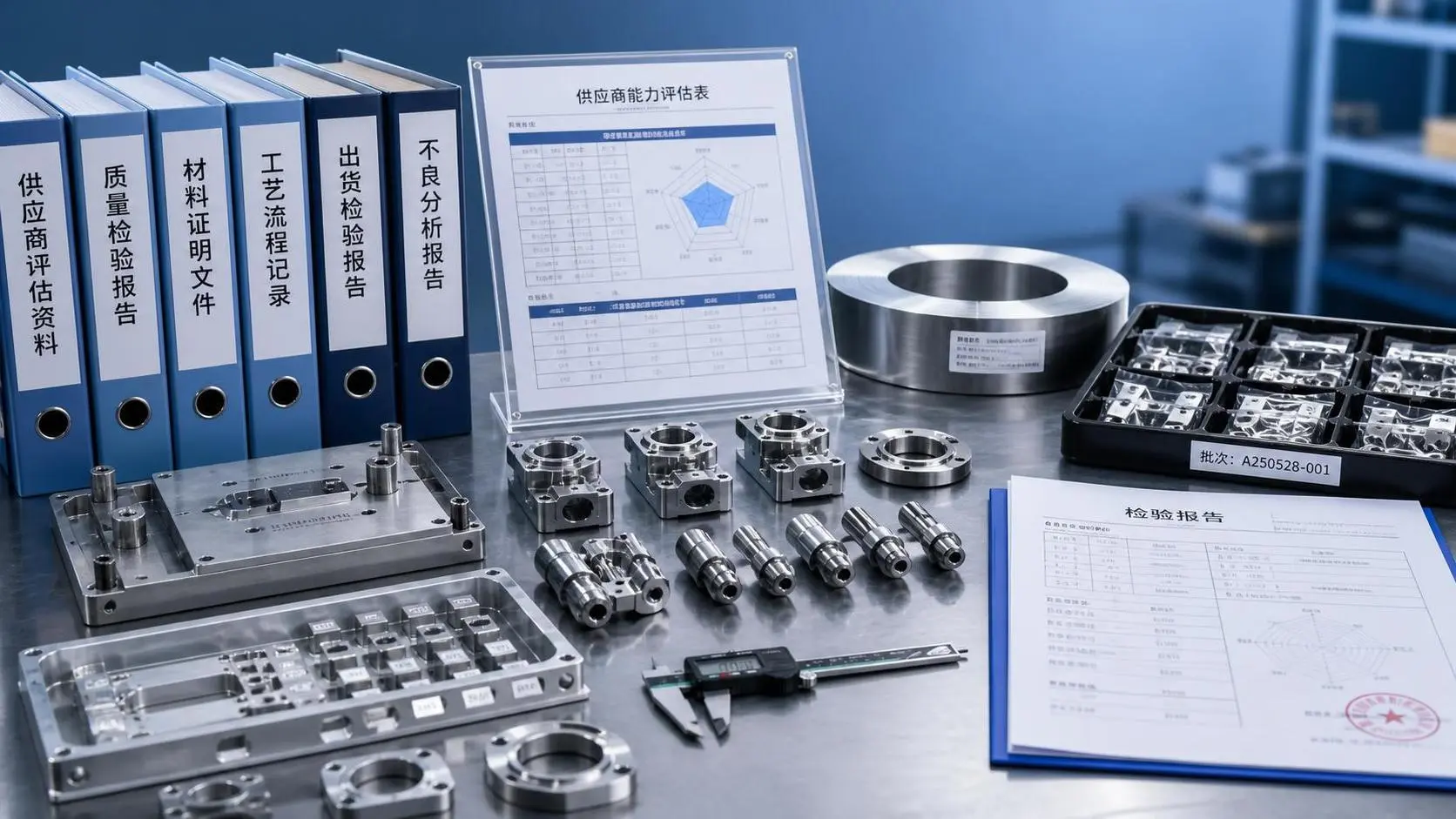
Supplier Capability Evaluation Process: Key Criteria for B2B Sourcing Decisions
Supplier capability evaluation process explained: learn the key criteria for B2B sourcing decisions, reduce supplier risk, and choose partners with confidence.
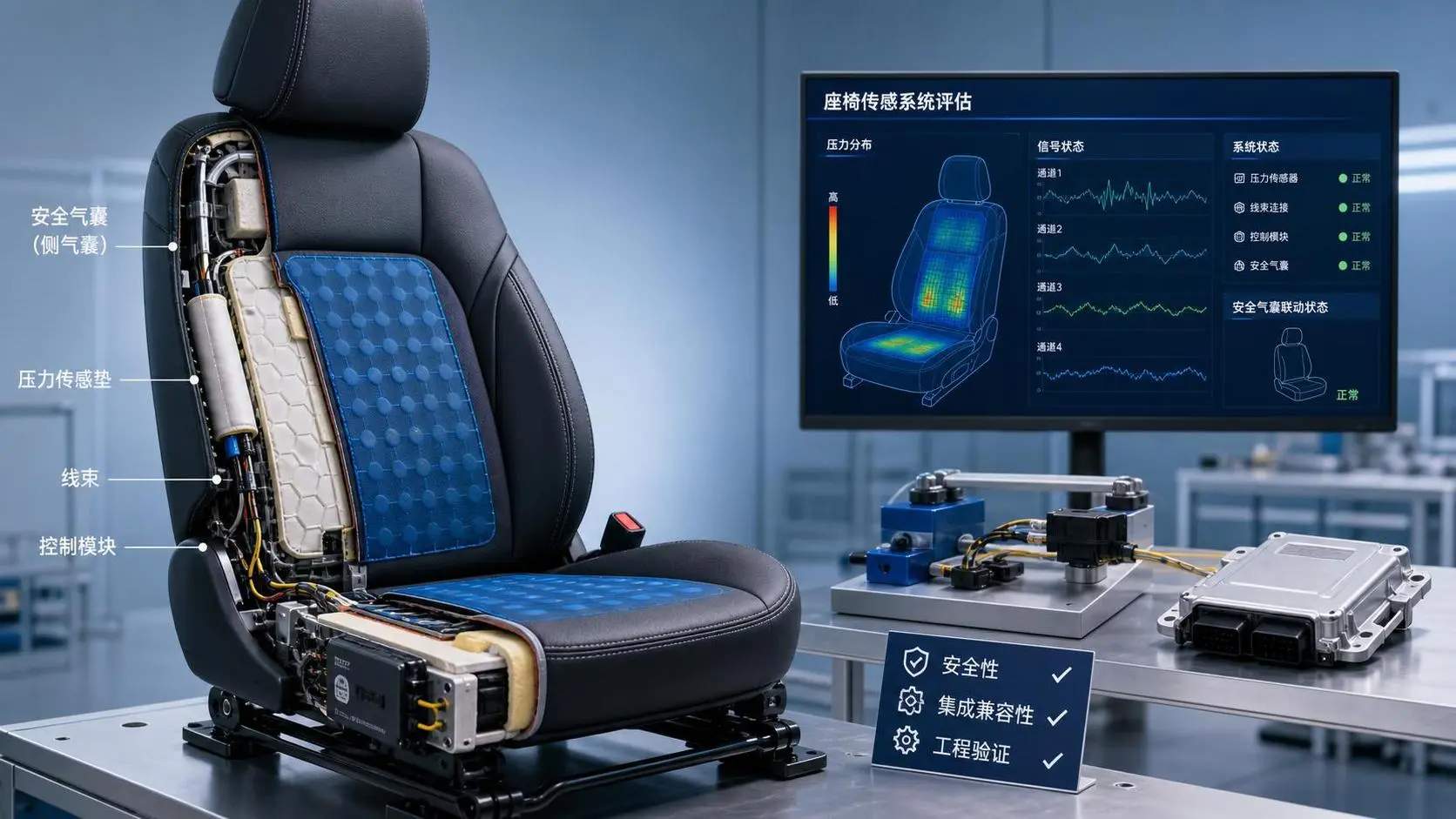
How to Evaluate a Seat Sensing Technology Supplier for Safety and Integration?
Seat sensing technology supplier evaluation guide: compare safety maturity, integration fit, algorithm reliability, and validation support to choose a partner that reduces risk.

How to Evaluate Custom Smart Automotive Seating for Premium Vehicle Programs?
Custom smart automotive seating evaluation starts with safety, comfort, integration, and production readiness. Discover how premium vehicle teams choose smarter, lower-risk seat solutions.
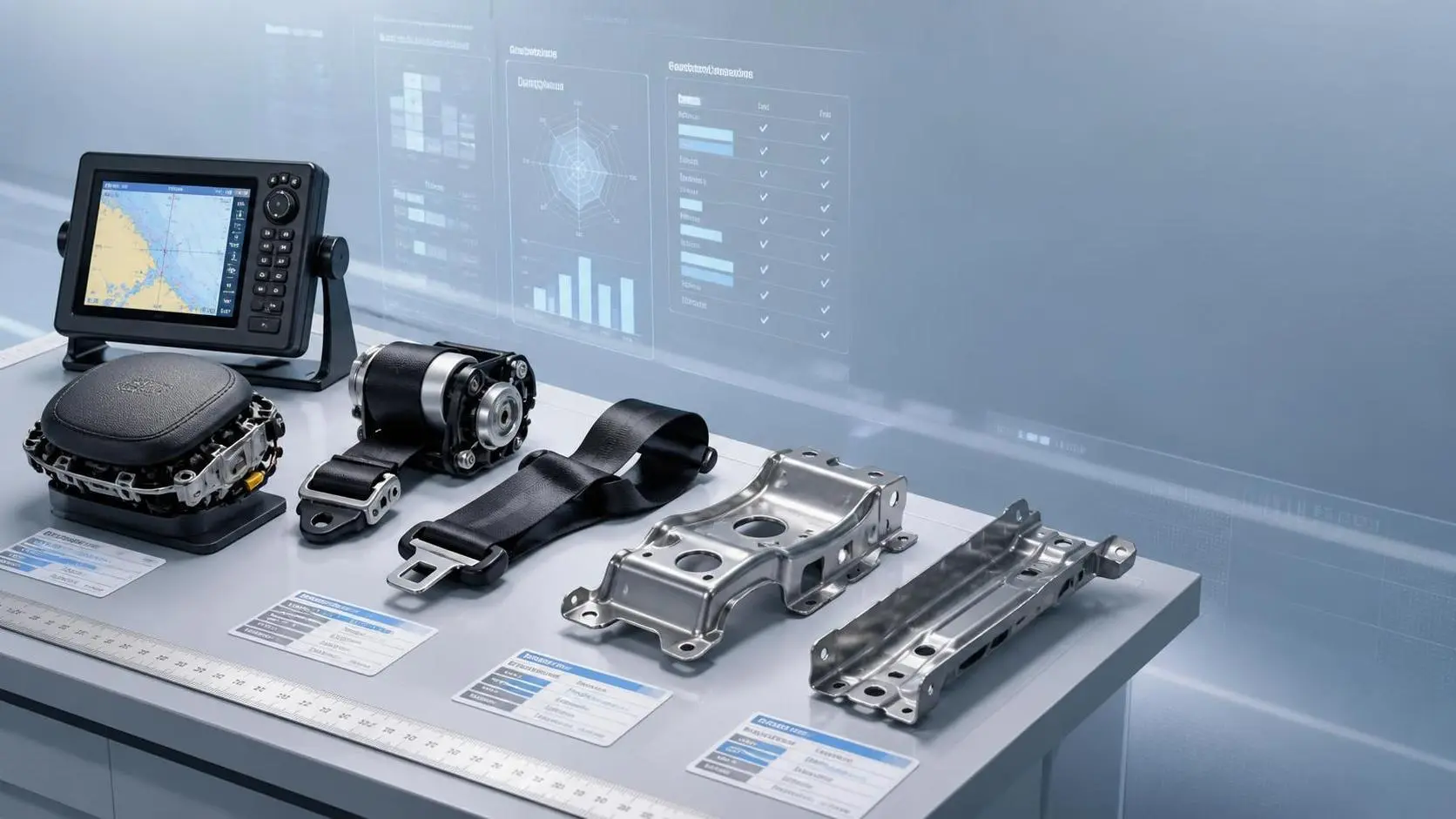
B2B Product Intelligence Platforms: How to Compare Features, Data Coverage, and ROI
B2B product intelligence platform comparison: learn how to evaluate data coverage, feature depth, compliance visibility, and ROI to choose a sourcing tool that reduces risk and speeds decisions.

Climate Control Seats Cost: What Drives Price and Long-Term Ownership Value?
Climate control seats cost depends on materials, thermal tech, and integration. Learn what drives price and how to judge long-term value before you buy.
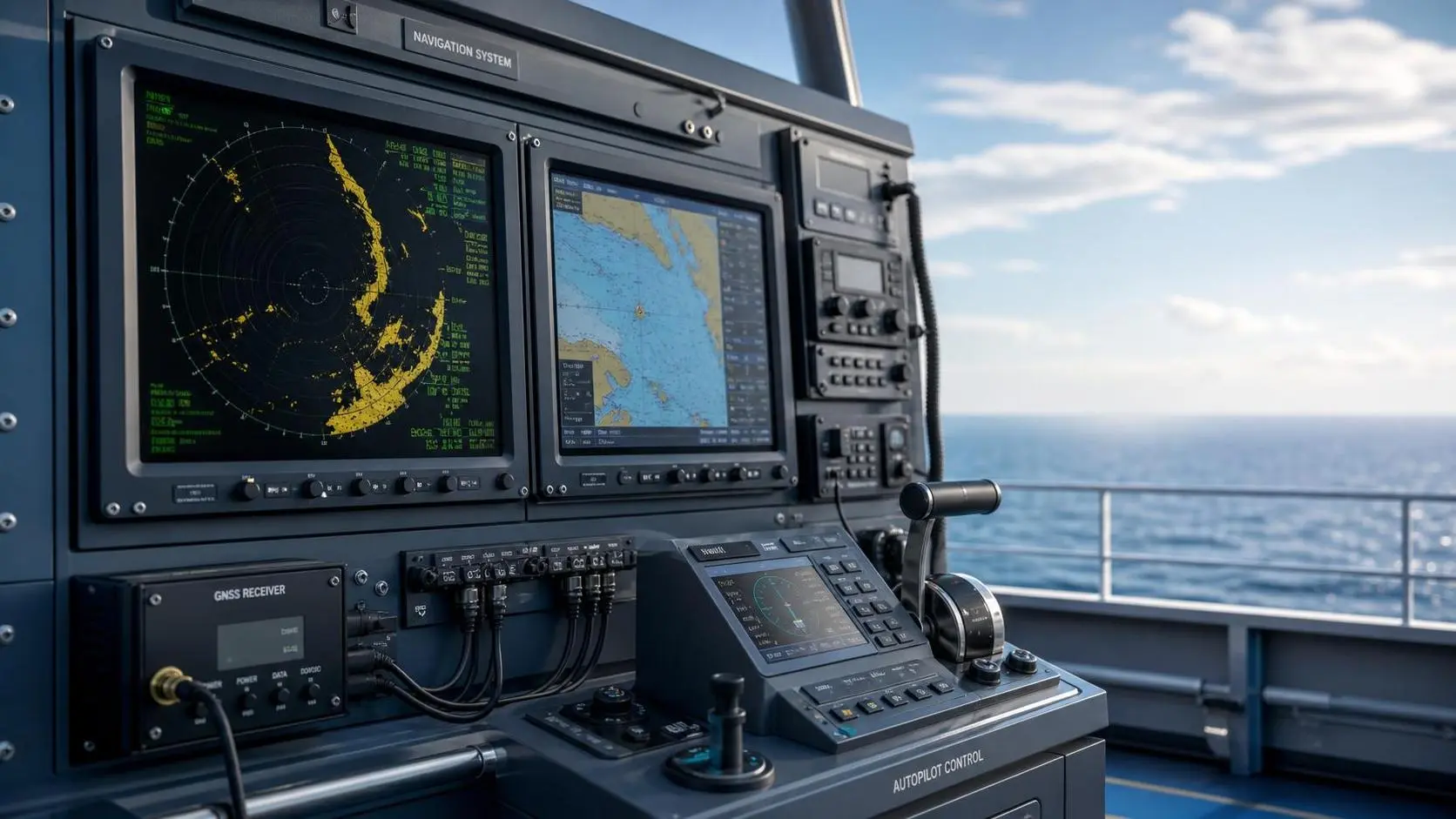
What Factors Drive Marine Navigation Components Cost in Commercial Vessel Projects?
Marine navigation components cost is shaped by integration, compliance, installation, and lifecycle support. Discover what drives pricing and how buyers can reduce risk while improving value.
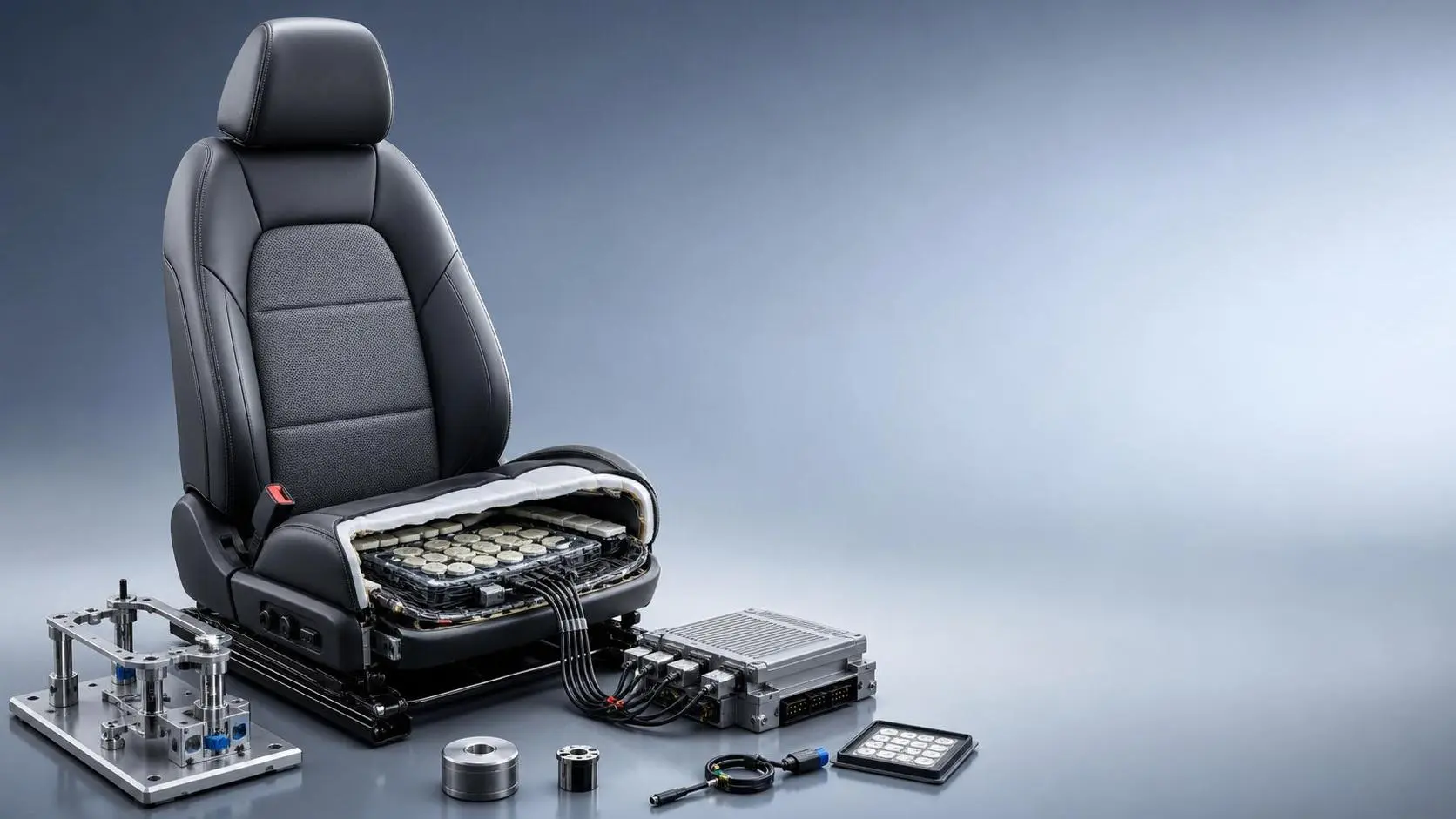
How Much Does Seat Occupancy Sensing Cost? Key Pricing Factors for Buyers
Seat occupancy sensing price varies widely by technology, integration, and compliance needs. Learn the key cost drivers, avoid hidden fees, and make smarter buying decisions.

How to Specify Micro-Climate Control Cabins for Harsh Outdoor Worksites?
Micro-climate control cabins for harsh outdoor worksites: learn how to specify thermal control, filtration, pressurization, and durability for safer uptime and smarter buying.
Related News
- 00
0000-00
How to Evaluate Cargo Marine Sonar Systems for Detection Range and Vessel Fit - 00
0000-00
How to Evaluate Marine Signal Processing Software for Radar and Sonar Integration - 00
0000-00
How Do Automatic Identification Systems Improve Vessel Tracking and Collision Avoidance? - 00
0000-00
How to Choose Marine Navigation Systems for Patrol Boats in Coastal and Offshore Missions - 00
0000-00
Marine Electronics Systems Distributor Selection: 7 Checks Before You Compare Quotes
Weekly Insights
Stay ahead with our curated technology reports delivered every Monday.