
How to Evaluate Custom Smart Automotive Seating for Premium Vehicle Programs?
Meta Title: How to Evaluate Custom Smart Automotive Seating for Premium Vehicle Programs
Choosing custom smart automotive seating for a premium vehicle is rarely a matter of picking the seat with the most features. What usually drives success or failure is whether the seat system fits the vehicle architecture, supports safety targets, delivers real comfort over time, and can be industrialized without creating late-stage program risk. If you are evaluating suppliers or concepts, the right question is not “What functions are available?” but “What will still work after integration, validation, and production ramp-up?”
That shift in thinking matters most in premium programs, where seat performance is judged at a much higher level. A ventilated cushion, posture memory, occupant detection mat, massage module, lightweight frame, and software-controlled adjustments may all look attractive in a supplier presentation. But the real evaluation happens where mechanics, electronics, thermal management, passive safety, and brand expectations collide.
Start with the job the seat must actually do
A premium seat is not just a comfort component. It is part structure, part restraint environment, part HMI, and part brand signature. That is why early evaluation should begin with program intent rather than feature comparison.
In practice, the first screen should include a few blunt questions:
- Is this seat being developed for chauffeur comfort, driver engagement, rear executive use, or multi-row family luxury?
- Will the vehicle prioritize weight reduction, long-range EV efficiency, premium thermal comfort, or advanced sensing readiness?
- How tightly does the seat need to interact with airbags, seatbelt systems, cabin domain controllers, and occupant classification logic?
- What level of customization is real, and what level is simply catalog variation presented as custom engineering?
Many evaluation teams lose time because they treat all smart seats as if they serve the same purpose. They do not. A seat that performs well in a premium SUV may be a poor fit for a low-roof performance sedan, especially once headroom, ingress, side-bolster packaging, and crash geometry are considered.
A short answer, if you need one: the best custom smart automotive seating solution is the one that meets brand-level comfort expectations without compromising crash integration, electrical architecture, manufacturability, or serviceability.
Structural integrity matters more than the feature list
This is where experienced evaluators usually separate serious suppliers from polished presenters. Smart functions are easy to demonstrate. Stable structural performance under real vehicle conditions is harder.
Look closely at the seat frame design, track system, recliner mechanism, and attachment interfaces. In premium programs, the seat often carries more modules and more customer expectations, but packaging space does not grow in proportion. That creates tension between stiffness, weight, durability, and integration room.
Ask for evidence around:
- Frame material strategy, especially where lightweight alloys or mixed-material designs are proposed
- Load paths under crash conditions
- Fatigue durability under repeated adjustment and occupant load cycles
- Noise, vibration, and harshness behavior over vehicle life
- Tolerance control in moving joints and powered mechanisms
A common mistake is to assume that lightweight automatically means advanced. It may, but only if the supplier can show how mass reduction affects stiffness, resonance, attachment robustness, and long-term wear. A magnesium or aluminum-rich seat structure can support premium program targets, but it also demands disciplined joining, corrosion management, and validation planning.
Comfort should be measured, not described
Premium brands sell a feeling, but that feeling still comes from measurable design choices. Cushion hardness, pressure distribution, thigh support, lumbar range, shoulder contour, ingress comfort, and thermal response all shape user perception.
What often gets missed is duration. A seat that feels impressive in a ten-minute showroom demo may become tiring on a two-hour drive. That is why short-form clinic feedback should not outweigh ergonomic data and repeat-use validation.
When comparing concepts, pay attention to the following:
- Pressure mapping consistency across different occupant sizes
- Adjustment range for seat height, tilt, lumbar, bolster, and head restraint
- Micro-climate performance for heating, ventilation, and humidity management
- Perceived comfort during entry, exit, cornering, and long-distance travel
- Trim and foam behavior after repeated thermal and mechanical cycling
If a supplier talks about “luxury comfort” but cannot explain how comfort is validated across occupant percentiles, that is a warning sign. Premium programs are not buying adjectives. They are buying repeatable occupant experience.
Evaluate the sensing stack as part of the safety system
Smart seating now sits much closer to safety logic than many teams assumed a few years ago. Occupant sensing, posture detection, seat position tracking, belt reminder interaction, and even wellness-related functions all place the seat inside a broader decision loop.
That means the sensing package cannot be judged only by function availability. It has to be judged by reliability, calibration stability, fault handling, and integration with the vehicle’s electronic architecture.
Focus on questions such as:
- How does the occupant detection system perform across body types, seating postures, and real-world usage conditions?
- What happens when sensors drift, lose signal quality, or face contamination and wear?
- How are diagnostics reported to the vehicle network?
- What software update path exists for seat-related control logic?
- How well does the seat system coordinate with passive safety components and restraint logic?
This is one area where cross-domain intelligence becomes useful. Platforms such as GNCS, which track smart seating alongside lightweight structures and passive safety developments, can help evaluators compare seat claims against broader integration realities. That is especially relevant when a supplier presents smart sensing as a cabin convenience feature while the engineering impact clearly reaches into safety and compliance territory.
Premium programs live or die on integration discipline
Some seat systems are excellent in isolation and difficult in the vehicle. That distinction matters.
By the time a premium program reaches hardware freeze, a seat assembly may need to coexist with side airbags, belt anchorage strategies, center console movement, rear-seat packaging, battery-floor height constraints, HMI controls, memory modules, and zonal electrical architecture. The more functions added, the more integration risk compounds.
So ask for a vehicle-level view early. Not just CAD snapshots. Real integration logic.
A capable supplier should be able to discuss connector layout, wire routing, thermal loads, control unit placement, service access, and failure isolation without becoming vague. If every answer depends on “that can be finalized later,” it usually means risk is being pushed downstream.
Another detail that gets overlooked: serviceability. Premium customers expect features to work quietly and consistently. A seat with deeply buried actuators, hard-to-replace sensor mats, or fragile trim disassembly paths may pass engineering review and still become a warranty headache.
Do not separate compliance from early evaluation
In premium vehicle programs, compliance is not a final checkpoint. It shapes architecture from the beginning. Seat design decisions can influence occupant protection performance, head restraint behavior, belt interaction, flammability requirements, and market-specific homologation paths.
Exact requirements vary by region and vehicle program, so validation needs to be confirmed against official regulatory and OEM-specific standards. Still, the decision pattern is consistent: if a supplier treats compliance as paperwork rather than design input, expect delays later.
Ask suppliers to explain not only what standards they target, but how those requirements influenced the design. That answer tells you a lot about engineering maturity.
What experienced evaluators check before shortlisting
Once the basics are clear, shortlist decisions usually come down to evidence quality. Not all suppliers can support a premium launch cadence, even if their prototype looks strong.
- Prototype maturity: Is the sample close to production intent or mainly demonstrative?
- Validation depth: Are durability, thermal, vibration, and abuse tests defined clearly?
- Software readiness: Is the control logic stable enough for integration testing?
- Manufacturing credibility: Can the supplier hold cosmetic and dimensional quality at scale?
- Change control: How are design changes managed once the seat enters the program?
- Supply resilience: Are critical motors, ECUs, sensors, and trim materials exposed to single-source risk?
This is also where many teams correct an early misconception: premium seating is not only about innovation. It is about controlled complexity. A seat with fewer features but stronger validation and cleaner integration may be the better choice than a more ambitious system that puts launch timing at risk.
When a “custom” seat is not truly custom
The word custom gets used loosely. In some cases, it means real co-development around vehicle package, brand ergonomics, trim strategy, and electronic architecture. In other cases, it means a standard seat platform with optional modules.
Neither approach is automatically wrong. A modular seat can be the smarter route if program timing is tight and differentiation needs are modest. But if the vehicle’s premium positioning depends on signature comfort, rear-cabin experience, or unusually demanding package constraints, catalog-based customization may fall short.
The cleanest way to test this is to ask where the supplier is willing to change core architecture rather than surface content. Foam, trim, stitching, and button layout are easy. Structural hard points, occupant sensing strategy, packaging geometry, and climate hardware tell you whether the customization is real.
Final decision: weigh risk, not just capability
When technical teams make the final call on custom smart automotive seating, the most reliable approach is to score each candidate against four dimensions: vehicle fit, occupant experience, systems integration, and industrial readiness. If one of those is weak, the program usually pays for it later through delays, rework, or warranty exposure.
The strongest suppliers are not the ones promising everything. They are the ones that show where trade-offs exist, where validation still needs to happen, and where the seat system could pressure the broader vehicle program. That kind of transparency is usually a better indicator of premium-program readiness than a long feature sheet.
If you are narrowing options now, push the discussion beyond comfort demos and marketing terminology. Ask what survives crash integration, what stays quiet after years of use, what can be serviced without pain, and what can be produced consistently at premium quality. That is how custom smart automotive seating should be evaluated when the vehicle program, and the brand behind it, cannot afford soft decisions.
FAQ
Is a higher feature count always better for premium seating?
No. Extra functions add value only when they survive integration, durability testing, and customer use without creating noise, weight, thermal, or software issues.
What is the biggest red flag in early supplier evaluation?
A polished demo with weak answers on validation, crash interaction, diagnostics, or manufacturing readiness. That usually signals downstream risk.
Should lightweight seat structures be prioritized in EV programs?
Often yes, but not blindly. Weight reduction matters, yet it has to be balanced against stiffness, durability, cost, and attachment integrity.
How early should compliance review start?
At concept stage. Waiting until design freeze to check compliance usually leads to packaging changes, test repetition, or delayed approval.
Can a modular seat platform still work for a premium vehicle?
Yes, if the vehicle does not depend on deep architectural differentiation and the modular base still meets brand comfort and integration targets.
Internal Link Anchor Text Suggestions
- smart seating system integration requirements: seat electronics and vehicle architecture content
- lightweight seat frame materials in premium vehicles: materials and structural engineering topic page
- occupant sensing and passive safety coordination: safety systems analysis page
- premium automotive seat comfort testing methods: ergonomics and validation guide
- supplier evaluation checklist for automotive interiors: sourcing and technical assessment resource
External Authority Source Suggestions
- regional vehicle safety assessment program documentation and technical protocols
- official regulatory agency pages covering vehicle seating, restraint, and occupant protection requirements
- OEM or Tier 1 technical papers on seat comfort, sensing integration, and lightweight structure development
Related News
B2B Product Intelligence Platforms: How to Compare Features, Data Coverage, and ROI
B2B product intelligence platform comparison: learn how to evaluate data coverage, feature depth, compliance visibility, and ROI to choose a sourcing tool that reduces risk and speeds decisions.
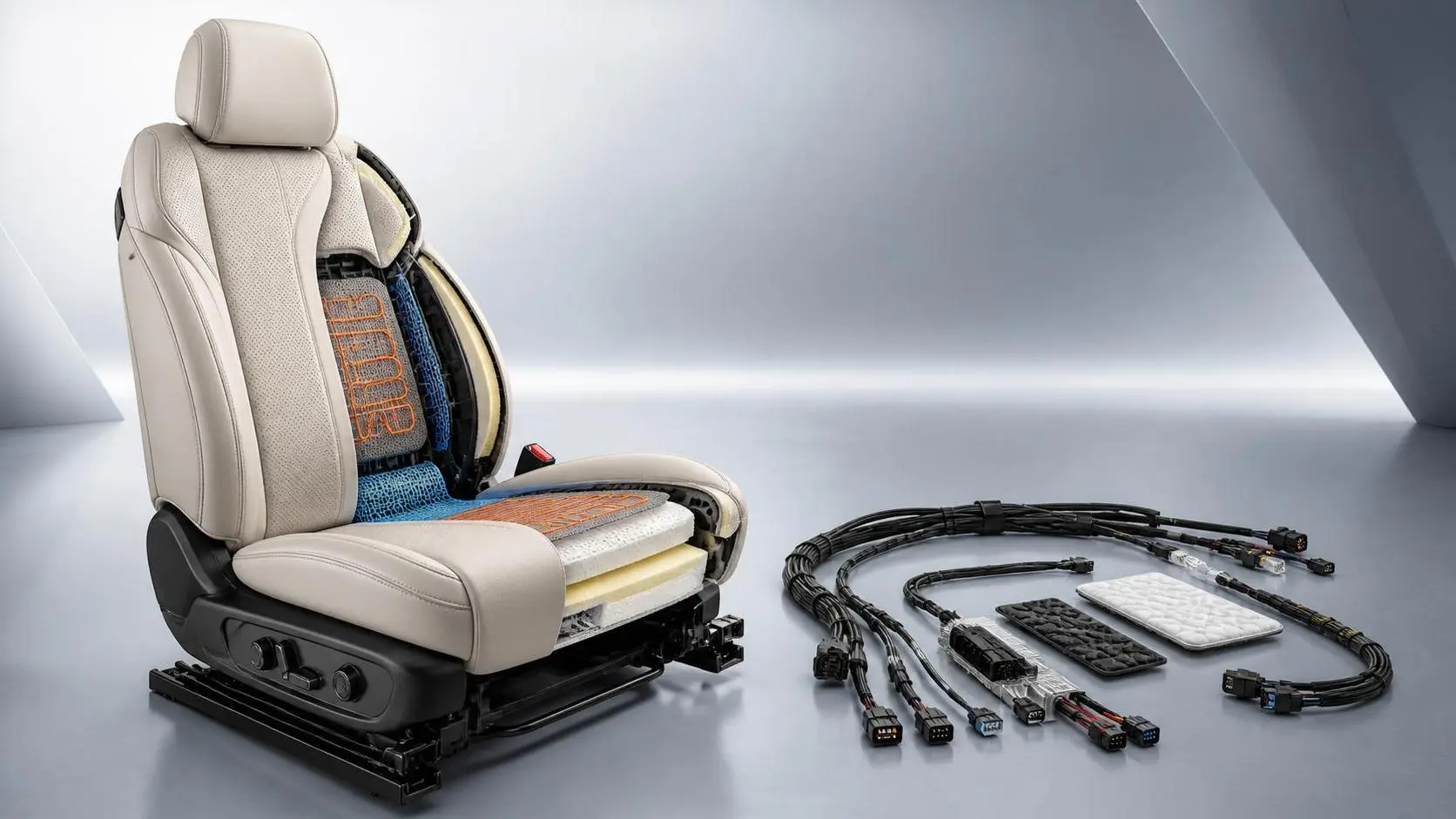
Climate Control Seats Cost: What Drives Price and Long-Term Ownership Value?
Climate control seats cost depends on materials, thermal tech, and integration. Learn what drives price and how to judge long-term value before you buy.

What Factors Drive Marine Navigation Components Cost in Commercial Vessel Projects?
Marine navigation components cost is shaped by integration, compliance, installation, and lifecycle support. Discover what drives pricing and how buyers can reduce risk while improving value.
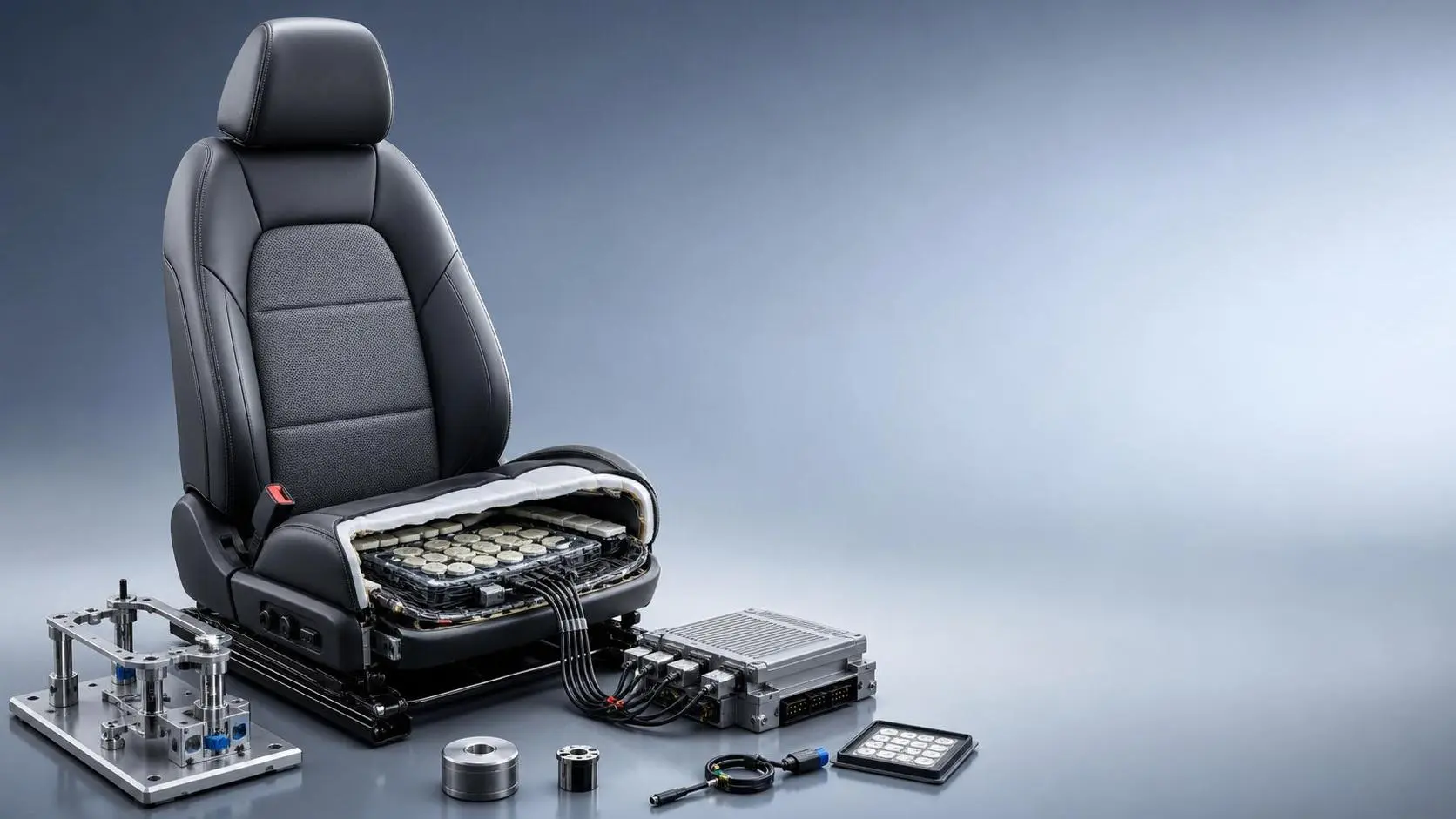
How Much Does Seat Occupancy Sensing Cost? Key Pricing Factors for Buyers
Seat occupancy sensing price varies widely by technology, integration, and compliance needs. Learn the key cost drivers, avoid hidden fees, and make smarter buying decisions.
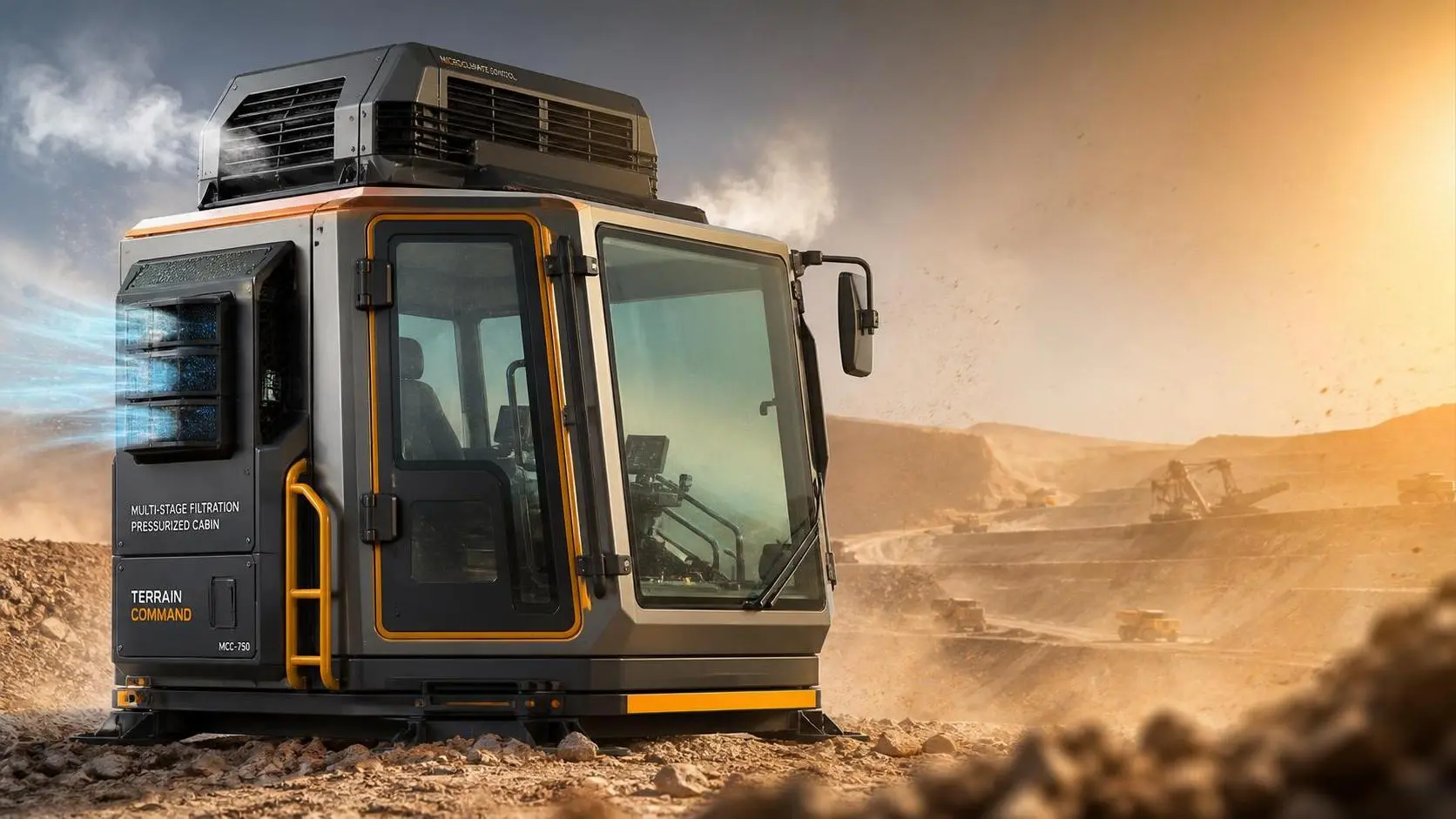
How to Specify Micro-Climate Control Cabins for Harsh Outdoor Worksites?
Micro-climate control cabins for harsh outdoor worksites: learn how to specify thermal control, filtration, pressurization, and durability for safer uptime and smarter buying.
How to Evaluate a B2B Product Knowledge Platform for Faster Procurement Decisions
B2B product knowledge platform procurement starts with reducing decision risk. Learn how to compare specs, compliance, and supplier data to speed sourcing with confidence.
How to Evaluate an Occupant Restraint Systems Exporter for Quality, Compliance, and Supply Risk
Occupant restraint systems exporter evaluation guide: learn how to verify quality controls, compliance evidence, and supply risk before sourcing to avoid recalls, delays, and hidden costs.
Navigation Compliance Certification: Which Marine Systems Need It and How to Prepare?
Navigation compliance certification explained: discover which marine systems need approval, what documents matter, and how to prepare early to avoid delays, rework, and costly project risks.
How to Evaluate Steel Auto Body Stampings for Strength, Fit, and Cost
Steel auto body stampings should be judged by strength, fit, and total cost together. Learn how to compare materials, forming limits, springback, joining, and tooling before choosing.
Related News
- 00
0000-00
How to Evaluate Custom Smart Automotive Seating for Premium Vehicle Programs? - 00
0000-00
How to Evaluate Custom Smart Seating Solutions for Comfort, Safety, and Integration? - 00
0000-00
What Affects Memory Seat Modules Price? Cost Drivers and Spec Trade-Offs - 00
0000-00
Smart Seat Systems Price Breakdown: What Drives Cost Across Sensors, Motors, and Modules? - 00
0000-00
What a Smart Automotive Seating Factory Can Deliver: Automation, Traceability, and Quality Control
Weekly Insights
Stay ahead with our curated technology reports delivered every Monday.