
How to Evaluate a B2B Product Knowledge Platform for Faster Procurement Decisions
How to Evaluate a B2B Product Knowledge Platform for Faster Procurement Decisions
Procurement delays in technical industries rarely come from pricing alone. More often, the slowdown starts much earlier: incomplete specifications, marketing-heavy supplier documents, unclear compliance status, or too many versions of the “same” product with meaningful differences hidden in footnotes. In categories such as marine navigation systems, auto body stampings, airbag assemblies, seatbelt systems, and smart seating, that uncertainty is expensive. It stretches RFQ cycles, increases engineering back-and-forth, and leaves buyers making decisions with partial information.
That is why a serious B2B product knowledge platform procurement process matters. The right platform does not just store catalogs. It helps teams verify whether a radar system fits the vessel profile, whether a hot-stamped structure aligns with lightweight and crash requirements, whether passive safety components reflect current regulatory expectations, or whether a seating assembly’s comfort claims are backed by technical detail rather than presentation language.
If you are evaluating platforms for faster procurement decisions, the first thing to check is not the interface. It is whether the platform reduces decision risk in the real buying workflow.
Start with the procurement bottleneck, not the software demo
Many evaluations go wrong because teams buy a platform around features they like rather than decisions they need to make. A clean dashboard is useful, but it will not help much if your actual problem is comparing technically similar suppliers under tight compliance timelines.
In practice, procurement teams in complex equipment categories usually need answers to a narrower set of questions:
- Can we trust the specification set enough to move forward without another round of clarification?
- Does the platform show current standards, testing frameworks, or regional compliance references that affect sourcing?
- Can engineering, quality, and purchasing look at the same information without exporting everything into spreadsheets?
- Will this help us shortlist suppliers faster, or just give us more content to read?
A useful way to frame the evaluation is this: what part of your cycle time comes from lack of knowledge, and what part comes from process? A platform should fix the first problem directly and support the second indirectly.
What “good” looks like in technical product intelligence
In low-complexity categories, product knowledge can be little more than part numbers, lead times, and commercial terms. In mobility, marine, and safety systems, it has to go deeper. The platform should connect product data with application context.
Take marine navigation. A buyer comparing integrated navigation equipment does not only need general performance language. They need enough clarity on system architecture, compatibility, update approach, environmental suitability, and where standards or vessel requirements may change the buying decision. If the platform merely says a system supports “high precision” and “all-weather operation,” that is not procurement intelligence. That is brochure copy.
The same applies in automotive safety and lightweight structures. A platform should help distinguish between materials, manufacturing routes, integration constraints, and compliance implications. For example, hot-stamped body components may look comparable on a high-level product page, but sourcing teams often need to understand trade-offs involving mass reduction, structural behavior, tooling complexity, and downstream validation requirements. A platform that cannot surface those differences is not helping the decision; it is flattening it.
This is one reason specialized intelligence portals are becoming more relevant. In sectors where “Precision Spatial Perception” and “Physical Containment Protection” are not abstract ideas but design and liability realities, a platform has to do more than aggregate documents. It has to stitch together technical signals that buyers would otherwise chase across suppliers, standards references, and internal teams.
Five evaluation criteria that actually affect buying speed
1. Depth of specification, not just breadth of listings
A platform with thousands of products is not automatically useful. Procurement speed comes from decision-ready information, not inventory volume. Look for structured technical fields, version control, material or subsystem differentiation, application notes, and clear documentation history.
If you are sourcing airbag assemblies or seatbelt systems, for instance, the platform should make it easier to review core technical distinctions and relevant testing or design context. It does not need to replace engineering validation, but it should reduce the number of basic questions that have to be sent back to suppliers.
2. Compliance intelligence that is current enough to use
This point is often underestimated. Procurement teams do not need a legal database, but they do need practical visibility into standards and regulatory shifts that can invalidate an otherwise attractive option. In mobility-related categories, references such as IIHS or E-NCAP may influence supplier positioning, product design direction, or test expectations. In marine electronics, update protocols and operational standards may affect lifecycle value, supportability, and approval pathways.
A strong platform should tell you what changed, why it matters, and which product categories are likely affected. If standards content is generic, outdated, or detached from sourcing decisions, the platform becomes another research task rather than a time-saver.
3. Market context around technical claims
Buyers rarely make decisions on parameters alone. They also need to know where the market is moving. Are non-toxic inflator propellants becoming more relevant in certain programs? Are magnesium alloys in seat frames attractive for weight reduction, but only under specific cost and manufacturing conditions? Are cloud-based ECDIS update models changing supplier selection criteria because support and cybersecurity now matter more over the full lifecycle?
This is where a platform with an intelligence layer can be more valuable than a static product database. GNCS, for example, is strongest when viewed not as a catalog but as a strategic intelligence center that links technical evolution, compliance pressure, and commercial signals across high-precision navigation and cabin safety categories. That kind of context helps procurement teams avoid evaluating products in a vacuum.
4. Cross-functional usability
A platform may look impressive to a category manager and still fail in the actual sourcing process if engineering cannot trust the data or quality teams cannot trace the source. The best systems shorten discussion loops because they create a shared reference point. Purchasing can compare offers, engineering can review fit, and management can see why one option carries less technical or compliance risk.
Ask a simple question during evaluation: when a dispute arises over a technical claim, where will the team go first? If the answer is still “email the supplier and wait,” the platform has not solved enough.
5. Evidence of curation
In technical procurement, more content can easily mean more noise. One of the clearest signs of platform quality is editorial discipline. Who interprets developments? Who filters weak claims? Who decides what deserves attention?
If a platform is supported by domain specialists rather than generic content teams, that usually shows up in better summaries, more useful comparisons, and less recycled supplier language. In sectors like navigation, passive safety, and cabin ergonomics, expertise matters because the key buying questions are highly specific and not always visible to non-specialists.
A practical evaluation checklist
Common mistakes buyers make when choosing a platform
One mistake is assuming broad industry coverage is always better. It sounds efficient, but if the platform treats sonar, inflators, hot stamping, and seat comfort systems with the same shallow metadata model, buyers may end up doing their own technical interpretation anyway. For specialized categories, narrower but deeper coverage is often more valuable.
Another mistake is treating supplier presence as proof of quality. A platform may include well-known manufacturers, but that does not mean the underlying comparison logic is strong. Procurement teams still need to know whether the platform exposes meaningful differences or simply hosts branded pages.
There is also a habit of evaluating platforms only through IT or procurement lenses. That misses the point. In these categories, the time saved usually comes from fewer technical clarifications, fewer compliance surprises, and fewer internal debates over whether a supplier claim is credible. Bring in engineering early, even if the commercial owner sits in procurement.
How to tell whether the platform will lower total sourcing cost
Not every savings case appears as a lower subscription fee or lower unit price. In many organizations, the real value shows up in avoided delays and cleaner early-stage filtering. If a platform helps you rule out weak-fit products before sample requests, avoid chasing outdated specifications, or spot compliance-sensitive design shifts before supplier nomination, that has cost impact even if it is hard to express as a single line item.
This is especially true in categories where technical failure has a long tail. A poor call on navigation electronics, restraint systems, or structural safety parts does not stay inside the purchasing department. It affects validation effort, supplier negotiations, change management, and sometimes launch timing. A platform that shortens decision cycles by improving decision quality is usually worth more than one that simply adds more supplier contacts.
The useful question before you sign
Before selecting any B2B product knowledge platform procurement solution, run one live category through it. Use an actual sourcing need, not a demo scenario. Try comparing two or three realistic options in a difficult segment such as ECDIS-related navigation technology, passive safety assemblies, or lightweight seat structures. Then watch where the team still leaves the platform to find answers.
Those gaps tell you more than a feature list will. If the platform can hold up under a real technical decision, it has value. If it mainly produces polished summaries that still require external verification at every critical point, it may be informative but not operational.
For procurement teams under pressure to move faster without increasing risk, that distinction is everything.
- marine navigation systems
- auto body stampings
- airbag assemblies
- seatbelt systems
- passive safety components
- magnesium alloys
- precision navigation
- automotive safety
- marine electronics
- seat frames
- seat comfort systems
- B2B product knowledge platform
- marine navigation
- body stampings
- seat structures
- product knowledge platform
- cabin ergonomics
- lightweight seat structures
- B2B product knowledge platform procurement
Related News
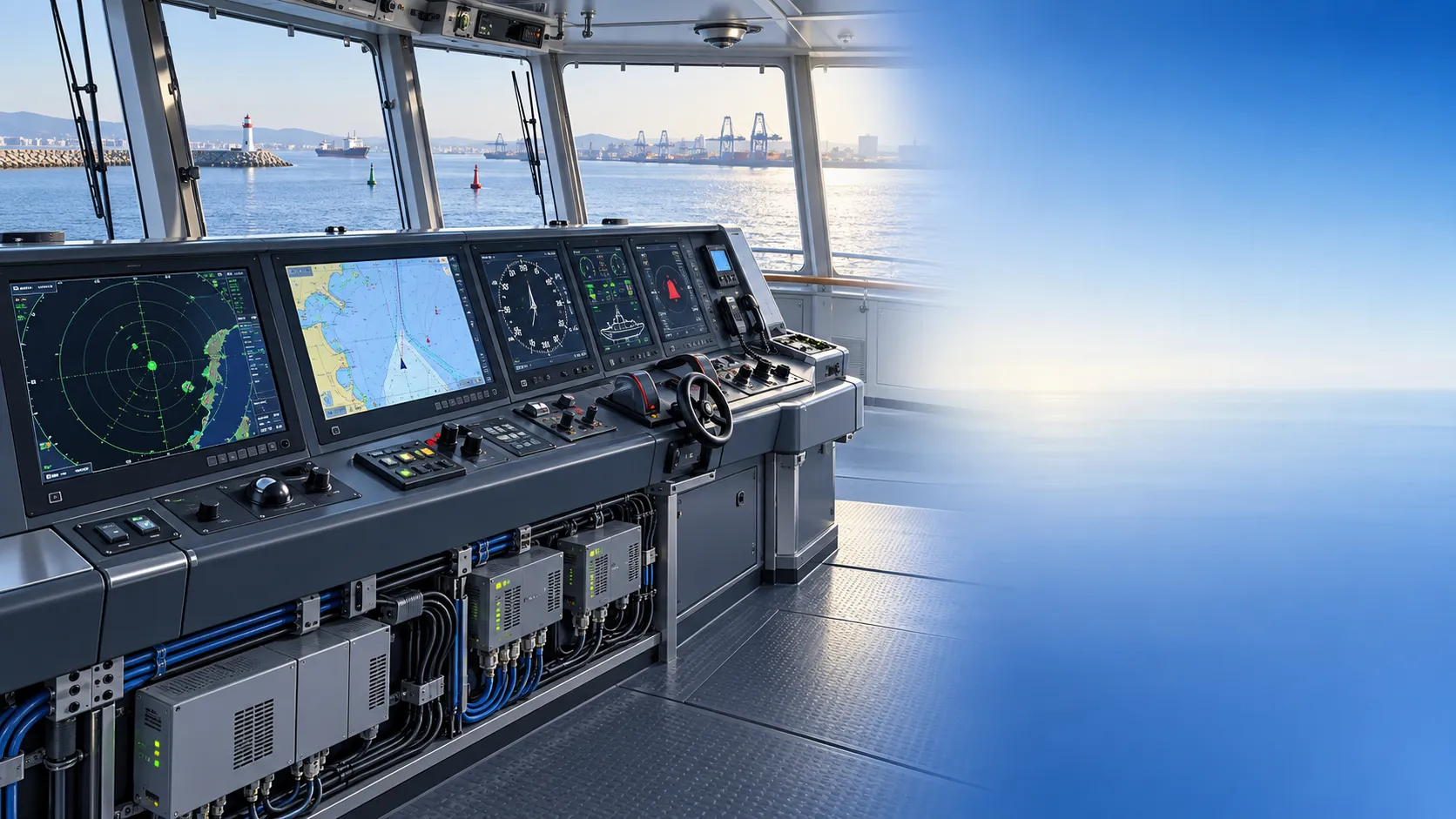
How to Specify Integrated Marine Electronics for Reliable Bridge Operations
Integrated marine electronics: learn how to specify reliable bridge systems with clear data flows, redundancy, alarm control, lifecycle interfaces, and operational testing.

How to Evaluate Navigation Radar Manufacturers for Commercial Vessel Projects
Navigation radar manufacturers: learn how to compare performance, compliance, integration, support, and lifecycle cost for commercial vessel projects.
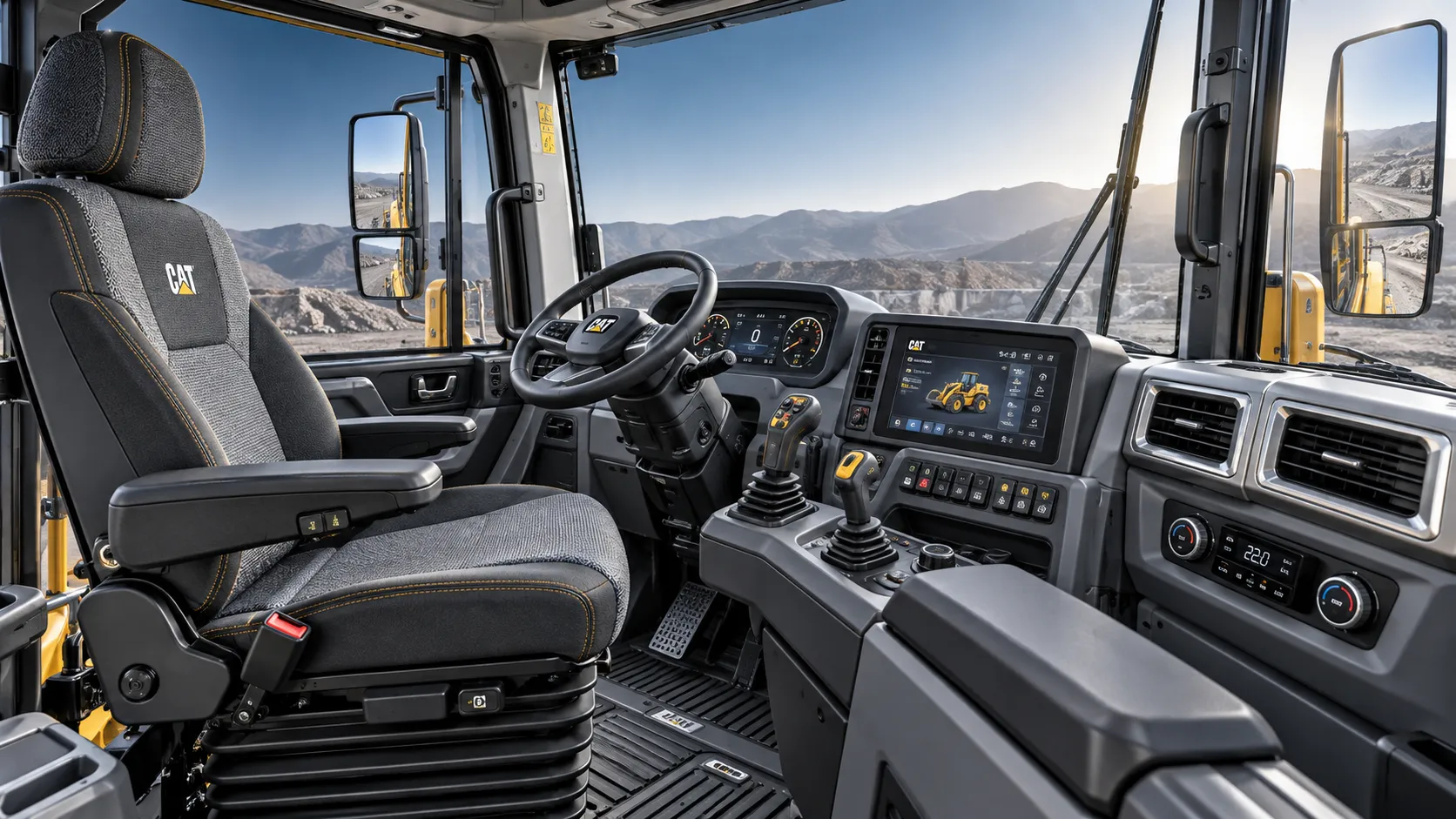
How Adjustable Cabin Ergonomics Reduce Operator Fatigue in Long-Shift Vehicles
Adjustable cabin ergonomics reduces operator fatigue through better seating, reach, visibility, vibration control, and climate comfort for safer long-shift vehicles.

How Rear-Impact Safety Components Work Together to Protect Vehicle Occupants
Explore how automotive safety components for rear impact work together—from crash structures and seats to head restraints and belts—to enhance occupant protection.
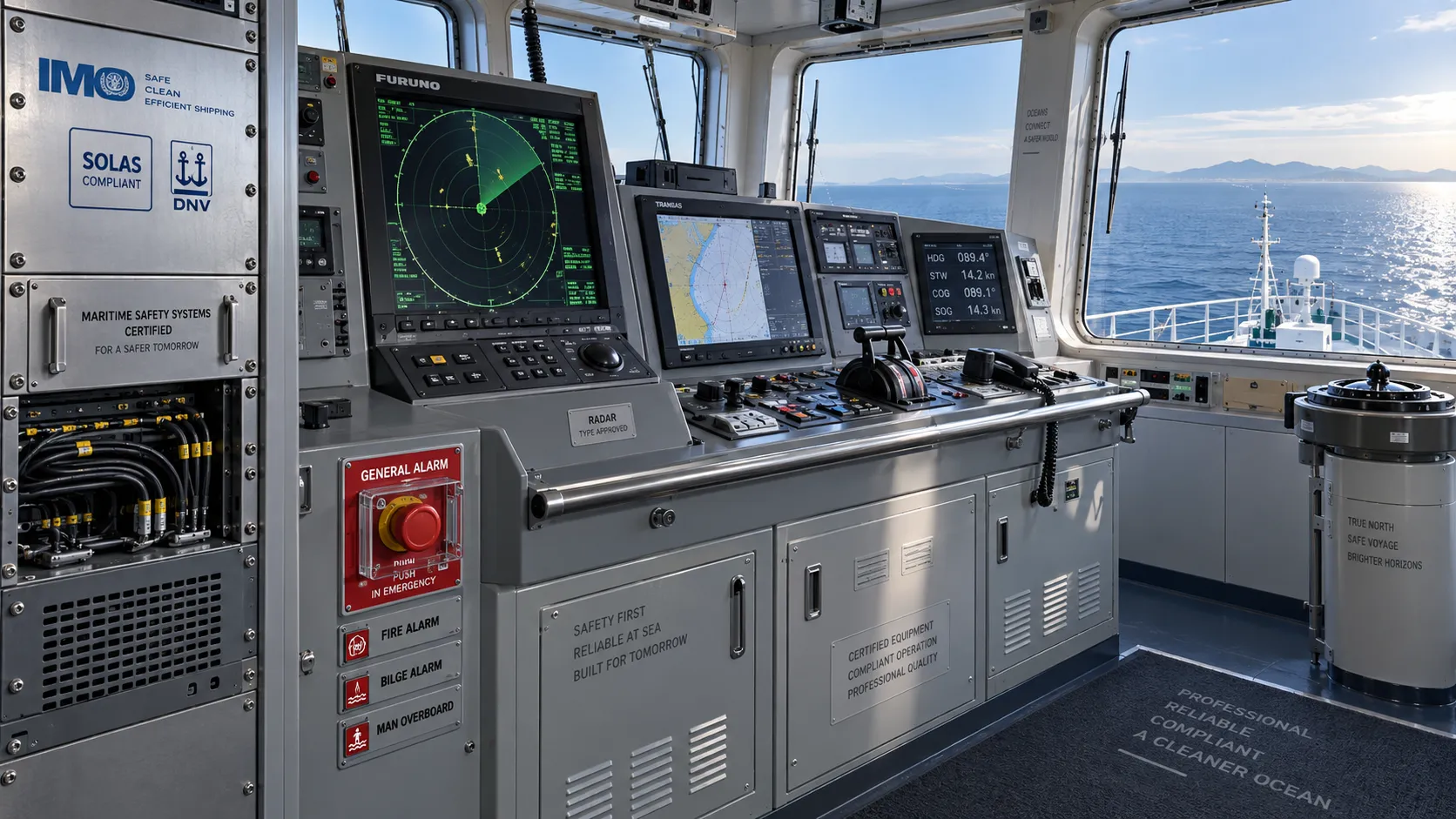
How to Evaluate a Marine Safety Systems Manufacturer for Vessel Compliance and Reliability
Marine safety systems manufacturer evaluation guide: verify compliance, engineering quality, lifecycle costs, and global service support for safer, reliable vessel operations.
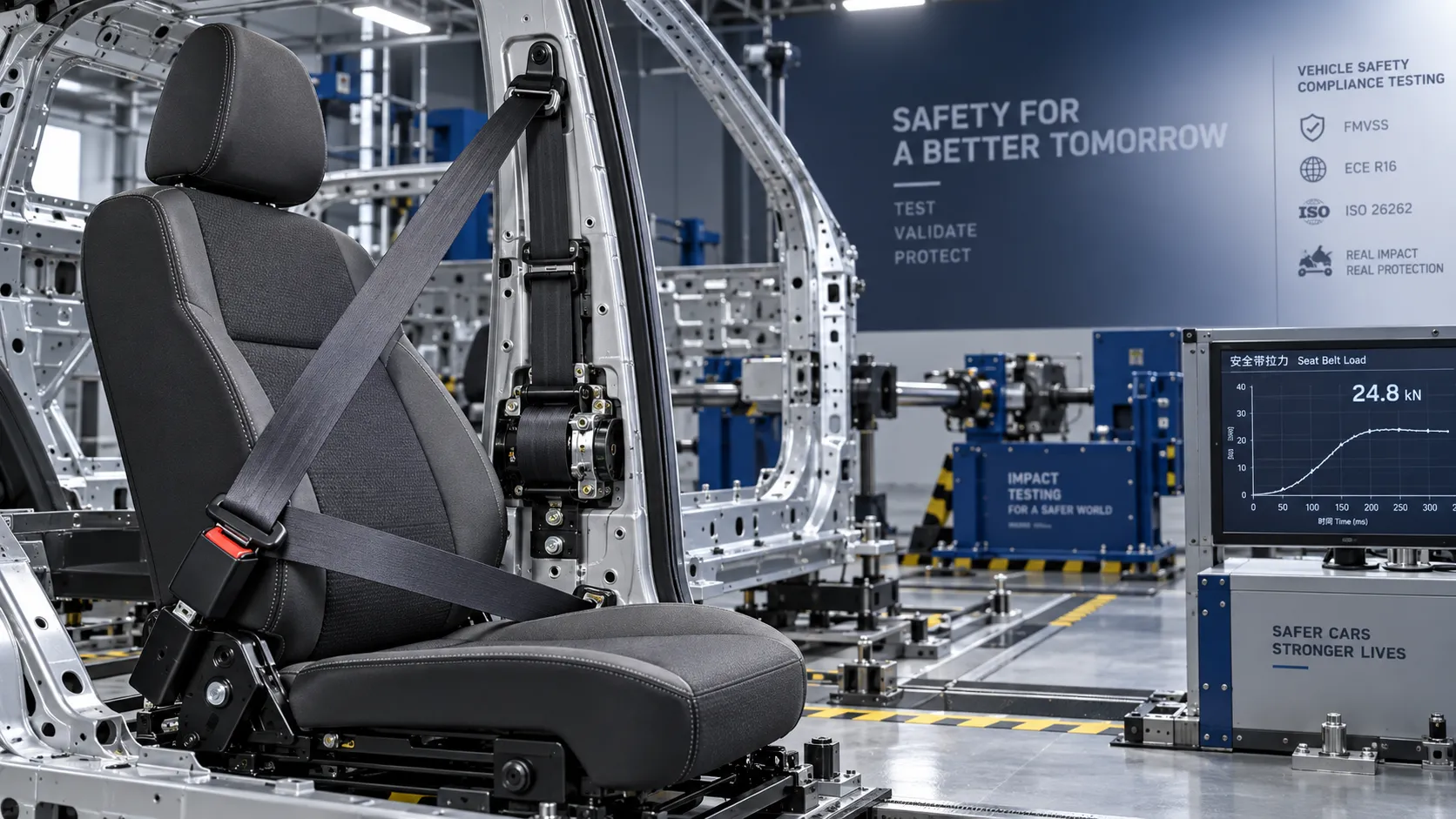
Crash Test Regulations for Seatbelts: Key Compliance Requirements Explained
Crash test regulations seatbelts explained: explore FMVSS, UN rules, anchorage strength, and dynamic restraint testing for safer, compliant vehicle systems.

How to Calculate the Total Cost of Automotive Lightweighting for a Vehicle Program
Automotive lightweight solutions cost: learn how to calculate program-level costs, including materials, tooling, joining, validation, risk, and vehicle-level value.

How Automotive Seat Occupancy Sensing Improves Airbag Deployment Decisions
Automotive seat occupancy sensing helps optimize airbag deployment decisions, improving passenger classification, safety diagnostics, and compliance across real-world conditions.

What Drives Lightweight Body Component Costs in High-Volume Vehicle Programs?
Lightweight body components cost depends on material yield, forming, joining, tooling, validation, and logistics. Explore proven ways to optimize total vehicle program cost.
Related News
- 00
0000-00
How to Specify Integrated Marine Electronics for Reliable Bridge Operations - 00
0000-00
How Adjustable Cabin Ergonomics Reduce Operator Fatigue in Long-Shift Vehicles - 00
0000-00
How to Evaluate a Marine Safety Systems Manufacturer for Vessel Compliance and Reliability - 00
0000-00
How to Calculate the Total Cost of Automotive Lightweighting for a Vehicle Program - 00
0000-00
What Drives Lightweight Body Component Costs in High-Volume Vehicle Programs?
Weekly Insights
Stay ahead with our curated technology reports delivered every Monday.