
Integrated Marine Navigation Components: Key Functions and System Selection Tips
Integrated Marine Navigation Components: Key Functions and System Selection Tips
Selecting integrated marine navigation components is no longer a routine purchasing step. It shapes positioning accuracy, bridge workload, compliance status, and overall voyage resilience.
For technical evaluation, the challenge is rarely one device alone. The real question is how radar, ECDIS, AIS, GNSS, sonar, and data interfaces behave as one operating system.
That is why integrated marine navigation components should be assessed through function, interoperability, lifecycle support, and bridge usability, not only brand recognition or initial price.
Why Integrated Marine Navigation Components Matter
Standalone equipment can meet a minimum technical requirement. Yet modern vessel operation depends on synchronized data, shared alarms, stable timing, and consistent situational awareness.
When integrated marine navigation components are selected well, officers spend less time reconciling conflicting screens. They make faster decisions in traffic, restricted waters, and poor visibility.
From a compliance perspective, integration also supports record integrity, chart management, and route monitoring. This becomes more important as operators face tighter audit and cybersecurity expectations.
In practical terms, integrated marine navigation components reduce hidden risk at the handoff points between sensors, displays, processors, and bridge procedures.
Core Functions to Review Before System Selection
1. Positioning and Timing Integrity
GNSS remains the anchor for most integrated marine navigation components. But position quality alone is not enough. Evaluators should confirm timing stability, update rate, and antenna redundancy.
Check how the system handles signal loss, multipath interference, and spoofing alerts. A future-ready architecture should degrade gracefully instead of failing without context.
2. Radar Tracking and Target Correlation
Radar is still central to collision avoidance. The key issue is not screen brightness or range scale alone. It is target tracking consistency under clutter, rain, and dense vessel traffic.
Good integrated marine navigation components align radar targets with AIS overlays and chart references without frequent manual correction. That saves time during high-pressure watchkeeping.
3. ECDIS Route Execution and Alarm Logic
ECDIS selection should focus on route planning flow, chart update reliability, and alert prioritization. Too many weak alarms can bury the one alert that matters.
In many projects, integrated marine navigation components fail expectations because ECDIS workflows were evaluated in demo mode, not against live bridge routines.
4. AIS, Sonar, and Auxiliary Sensor Fusion
AIS supports identity awareness, but it should never be treated as a primary truth source. Sonar and depth data matter just as much in constrained channels and coastal approaches.
Integrated marine navigation components should fuse these inputs in a way that highlights uncertainty, not hides it behind clean graphics.
Interoperability Is Often the Deciding Factor
In recent procurement cycles, interoperability has become the main separation point between acceptable systems and durable systems. Hardware can look similar. Integration quality rarely is.
Technical teams should verify support for common maritime protocols, interface converters, alarm distribution methods, and synchronized logging across displays and processors.
Ask how integrated marine navigation components connect with autopilot, voyage data recorder, bridge alert systems, remote diagnostics, and future software updates.
This matters because isolated compatibility claims can still hide practical failure points. Port formats may match on paper, while alarm mapping or latency remains unacceptable in service.
- Confirm protocol support, including actual tested versions.
- Check data latency between sensor input and display output.
- Review how duplicate sensors are prioritized and switched.
- Test alarm behavior during network interruption.
- Verify update rollback and configuration backup methods.
System Matching by Vessel Type and Operating Profile
There is no universal best package of integrated marine navigation components. Selection should reflect route complexity, crew structure, cargo profile, and operating environment.
Deep-Sea Commercial Vessels
Long-haul operators usually need high redundancy, reliable chart servicing, and stable sensor fusion across changing climates and traffic patterns.
Here, integrated marine navigation components should prioritize uptime, spare parts availability, and service support across multiple regions.
Coastal and Short-Sea Operations
These vessels face frequent maneuvering, denser traffic, and tighter schedules. Fast screen response, dependable shallow-water data, and clear alarm filtering become more valuable.
Specialized Workboats and Patrol Platforms
Special mission profiles often need sensor expansion, ruggedized displays, and customized layouts. In these cases, integrated marine navigation components must support modular scaling without interface instability.
This is where technical evaluation should move beyond brochure features and into tested operational scenarios.
A Practical Evaluation Framework
A workable selection process for integrated marine navigation components should combine engineering review, operational testing, and lifecycle cost analysis.
- Define the mission profile, bridge workflow, and compliance baseline.
- Map required sensors, displays, processors, and interface dependencies.
- Build a weighted matrix for function, interoperability, redundancy, and support.
- Run scenario-based trials using actual route and traffic conditions.
- Review service coverage, software policy, and obsolescence planning.
This framework helps keep integrated marine navigation components aligned with operational outcomes instead of feature inflation.
Common Selection Mistakes
One common mistake is choosing integrated marine navigation components by headline specifications only. Another is assuming components from one supplier automatically create a coherent bridge environment.
A third mistake is undervaluing training and configuration discipline. Even strong equipment performs poorly when alarm settings, chart routines, and sensor priorities are not standardized.
There is also a growing risk in ignoring cybersecurity maintenance. As integrated marine navigation components become more connected, update governance becomes part of navigational safety.
Final Selection Guidance
The best integrated marine navigation components are not the ones with the longest feature list. They are the ones that match vessel reality, reduce bridge friction, and remain supportable over time.
For decision-making, start with operational risk, then verify data integrity, interface behavior, redundancy design, and service readiness. That sequence usually leads to better outcomes than price-first screening.
As the marine sector moves toward deeper digitalization, integrated marine navigation components will carry more responsibility across safety, compliance, and fleet performance.
A disciplined evaluation process turns that complexity into a practical advantage. It helps build a navigation architecture that is accurate, resilient, and ready for the next operating cycle.
Related News
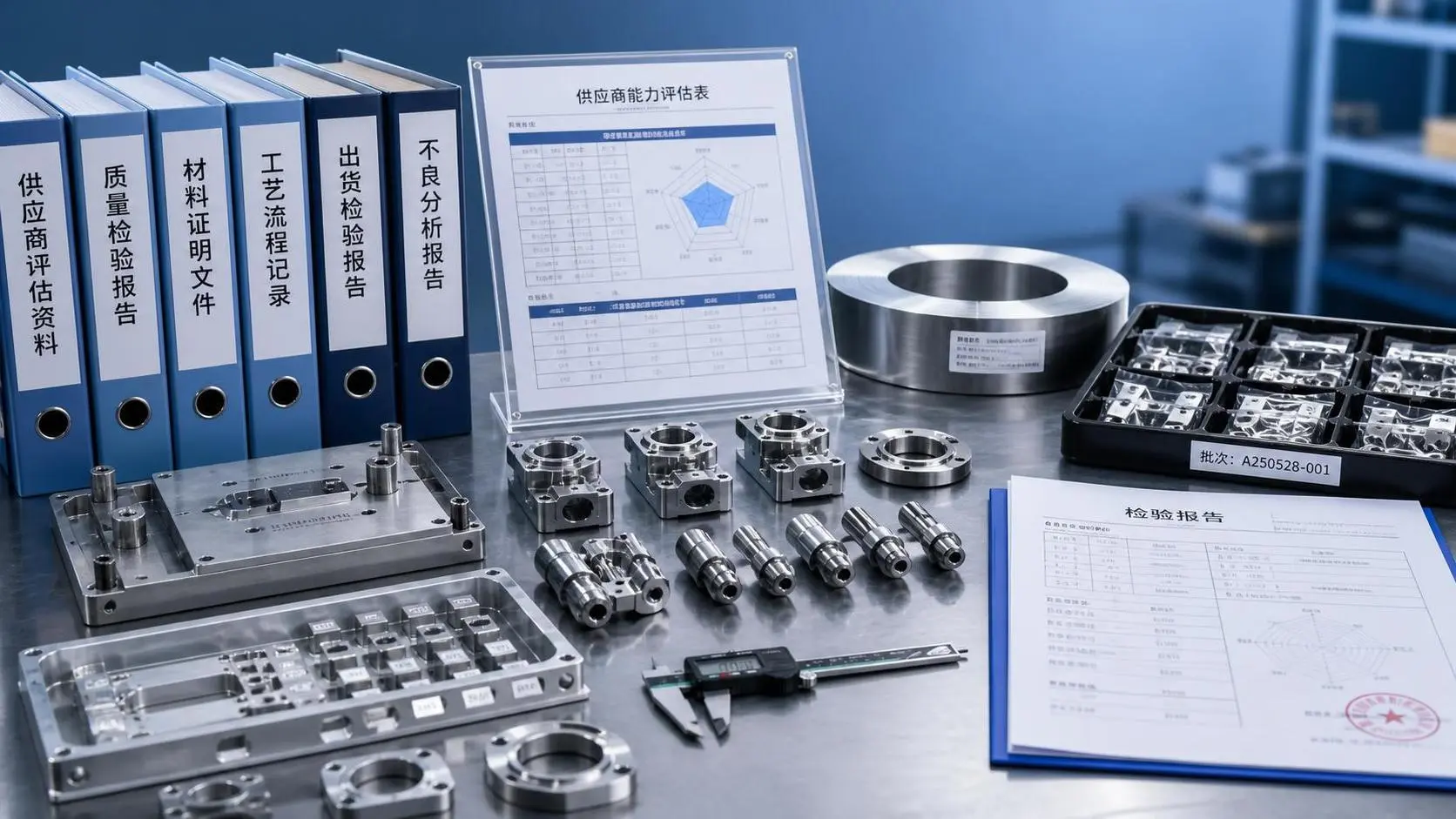
Supplier Capability Evaluation Process: Key Criteria for B2B Sourcing Decisions
Supplier capability evaluation process explained: learn the key criteria for B2B sourcing decisions, reduce supplier risk, and choose partners with confidence.
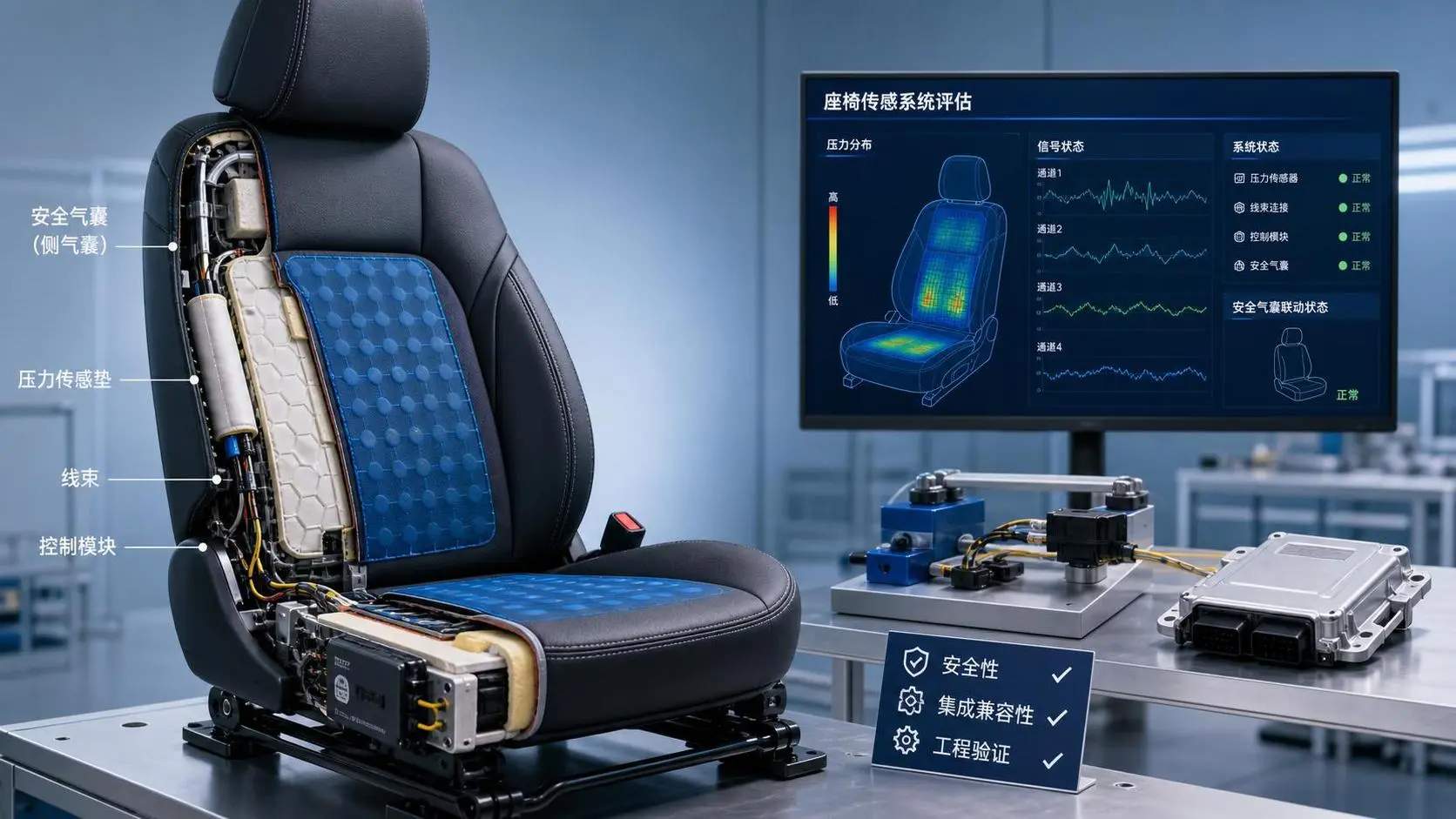
How to Evaluate a Seat Sensing Technology Supplier for Safety and Integration?
Seat sensing technology supplier evaluation guide: compare safety maturity, integration fit, algorithm reliability, and validation support to choose a partner that reduces risk.

How to Evaluate Custom Smart Automotive Seating for Premium Vehicle Programs?
Custom smart automotive seating evaluation starts with safety, comfort, integration, and production readiness. Discover how premium vehicle teams choose smarter, lower-risk seat solutions.
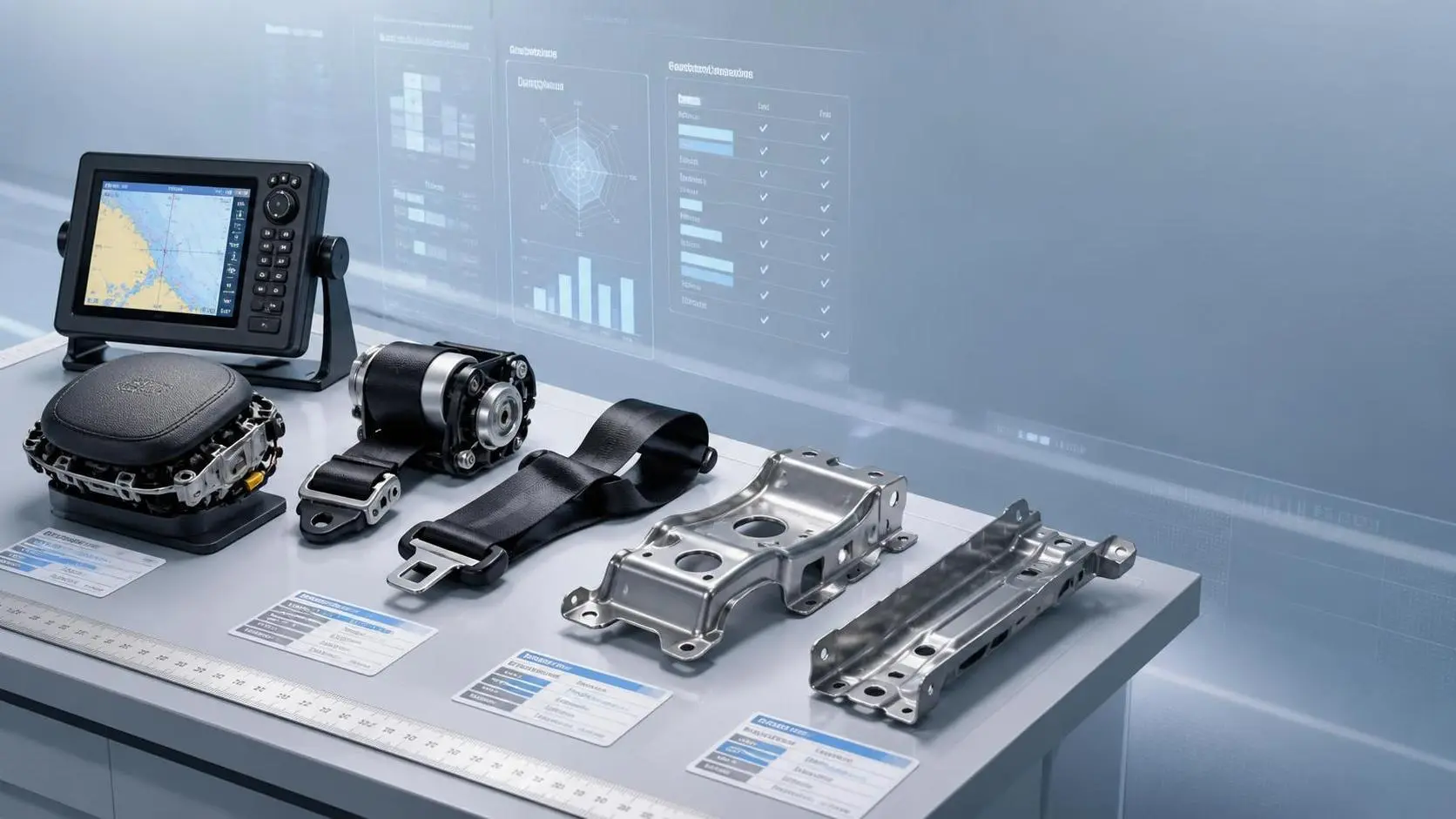
B2B Product Intelligence Platforms: How to Compare Features, Data Coverage, and ROI
B2B product intelligence platform comparison: learn how to evaluate data coverage, feature depth, compliance visibility, and ROI to choose a sourcing tool that reduces risk and speeds decisions.

Climate Control Seats Cost: What Drives Price and Long-Term Ownership Value?
Climate control seats cost depends on materials, thermal tech, and integration. Learn what drives price and how to judge long-term value before you buy.
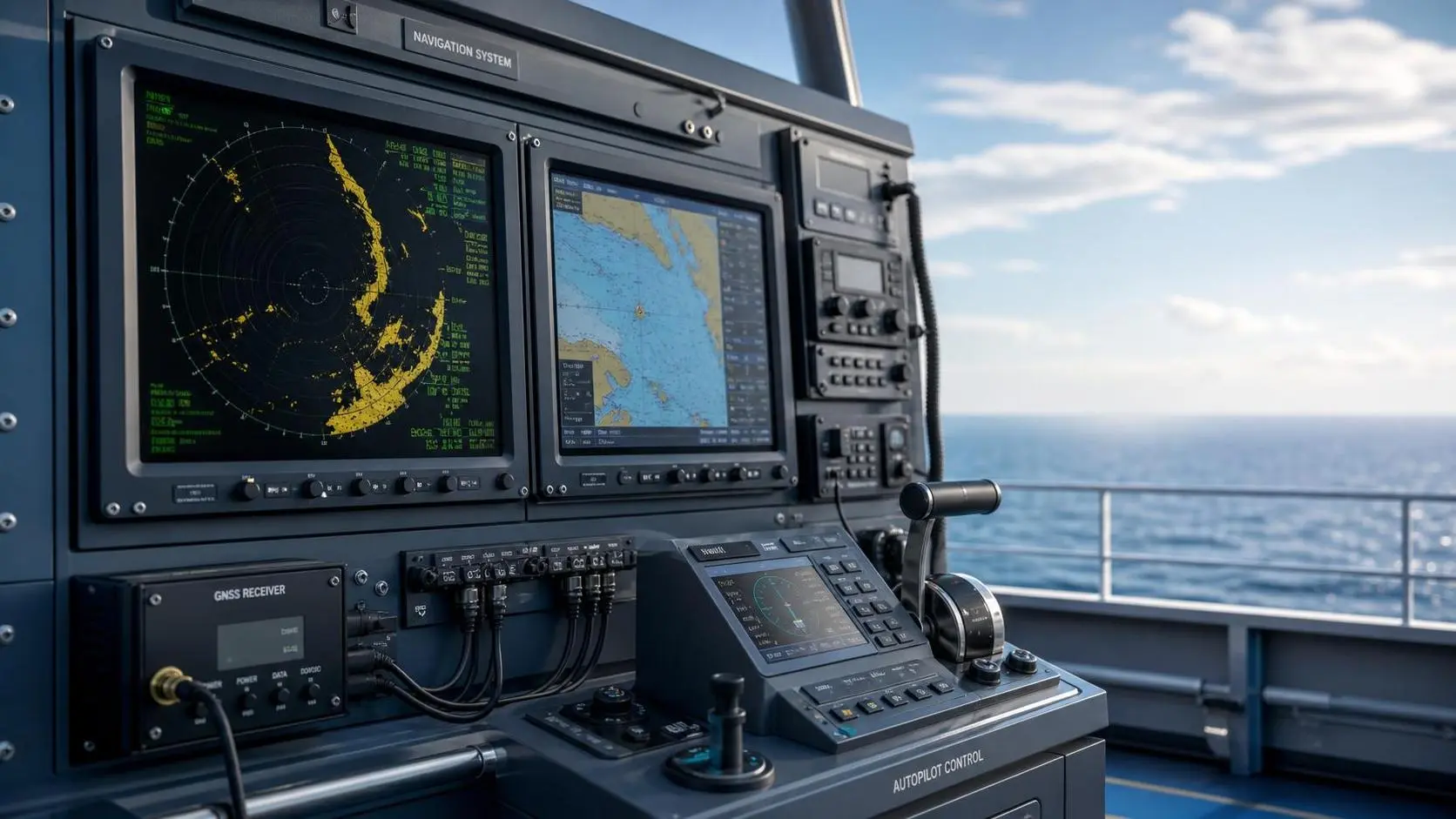
What Factors Drive Marine Navigation Components Cost in Commercial Vessel Projects?
Marine navigation components cost is shaped by integration, compliance, installation, and lifecycle support. Discover what drives pricing and how buyers can reduce risk while improving value.

How Much Does Seat Occupancy Sensing Cost? Key Pricing Factors for Buyers
Seat occupancy sensing price varies widely by technology, integration, and compliance needs. Learn the key cost drivers, avoid hidden fees, and make smarter buying decisions.

How to Specify Micro-Climate Control Cabins for Harsh Outdoor Worksites?
Micro-climate control cabins for harsh outdoor worksites: learn how to specify thermal control, filtration, pressurization, and durability for safer uptime and smarter buying.
How to Evaluate a B2B Product Knowledge Platform for Faster Procurement Decisions
B2B product knowledge platform procurement starts with reducing decision risk. Learn how to compare specs, compliance, and supplier data to speed sourcing with confidence.
Related News
- 00
0000-00
How to Evaluate Cargo Marine Sonar Systems for Detection Range and Vessel Fit - 00
0000-00
How to Evaluate Marine Signal Processing Software for Radar and Sonar Integration - 00
0000-00
How Do Automatic Identification Systems Improve Vessel Tracking and Collision Avoidance? - 00
0000-00
How to Choose Marine Navigation Systems for Patrol Boats in Coastal and Offshore Missions - 00
0000-00
Marine Electronics Systems Distributor Selection: 7 Checks Before You Compare Quotes
Weekly Insights
Stay ahead with our curated technology reports delivered every Monday.