
How to Evaluate a Seat Sensing Technology Supplier for Safety and Integration?
In seat-based occupant detection, small errors create large consequences. A sensor that drifts a few kilograms under temperature variation, a control unit that responds too slowly during an airbag decision window, or a communication stack that does not behave cleanly inside a mixed ECU environment can turn a promising program into a validation headache. That is why choosing a seat sensing technology supplier is not really a sourcing task alone. For technical evaluators, it is a systems decision that touches passive safety, seat architecture, electronics integration, compliance strategy, and lifetime reliability.
The pressure is even higher now. Vehicle platforms are becoming more software-defined, cabin electronics are more interconnected, and safety teams are expected to prove not just nominal performance, but robust performance across edge cases: different occupant sizes, child seats, awkward postures, vibration, humidity, abuse loads, and aging. In this environment, the best supplier is rarely the one with the most attractive brochure. It is the one that can demonstrate traceable sensing performance, support safety engineering conversations with evidence, and fit smoothly into your seat and restraint ecosystem.
Start with the decision the sensor is expected to support
Before comparing vendors, clarify what the seat sensing system must actually do in your vehicle architecture. “Occupant detection” is too broad to be useful. A supplier may be excellent for seat occupancy classification in a comfort-focused platform, yet not mature enough for restraint-related functions where timing, diagnostics, and failure handling are more stringent.
Technical teams should define the intended use in practical terms:
- Presence detection only, or occupant classification by weight and posture
- Front passenger airbag suppression or deployment logic support
- Seatbelt reminder and cabin monitoring inputs
- Integration with smart seating features such as posture adaptation or HMI alerts
- Regional compliance targets and validation expectations
This step matters because it shapes the supplier short list. A vendor with strong pressure mat expertise may not offer the algorithm maturity needed for more nuanced classification. Another may have solid sensing hardware, but weak support for safety analysis, calibration strategy, or variant management across global programs.
Accuracy is not a single number
One of the most common mistakes in evaluating a seat sensing technology supplier is over-focusing on headline accuracy claims. In real vehicle programs, useful accuracy is multi-dimensional. It includes repeatability, drift behavior, sensitivity to seat trim changes, and performance under dynamic conditions.
Ask suppliers to explain their sensing principle in engineering terms, not just marketing language. Is the system based on load cells, pressure distribution mats, strain-based structures, capacitive sensing, or a hybrid architecture? Each approach has implications for packaging, durability, calibration, electromagnetic behavior, and sensitivity to foam or trim stack-up changes.
Then test beyond lab-perfect scenarios. A credible evaluation should review performance under:
- Temperature extremes and thermal cycling
- Humidity exposure and liquid ingress risk
- Seat cushion aging and foam set
- Vibration, shock, and road-induced noise
- Different occupant anthropometries and seating postures
- Child seats, objects placed on the seat, and partial loading
- Manufacturing tolerances in seat frame, trim, and assembly torque
If a supplier only presents nominal bench data, that is not enough. Strong suppliers can show how sensing performance holds up when the seat moves from prototype conditions into production reality. They will also be transparent about known edge cases and compensation methods.
Functional safety maturity should be visible, not implied
When seat sensing feeds occupant protection decisions, functional safety cannot sit in the background. Even where the sensor is not the sole trigger for a safety action, it may still contribute to a safety-related function and therefore require disciplined development processes.
A capable supplier should be ready for detailed conversations around safety lifecycle activities. Technical evaluators should look for evidence of:
- Clear item definition and system boundary understanding
- Hazard analysis inputs relevant to occupant classification or suppression logic
- Diagnostic coverage strategy for sensor faults, signal plausibility, and communication loss
- Defined safe states and fault reaction behavior
- Support for interface-level safety requirements with vehicle ECU teams
- Traceability from requirements to validation results
It is not necessary for every supplier conversation to become an audit. But if a vendor cannot explain failure modes, diagnostic concepts, and fault handling philosophy in a coherent way, the integration burden will likely shift onto your team. That usually shows up later as delayed validation cycles, unclear responsibility splits, and difficult sign-off discussions.
The integration question is often bigger than the sensor itself
Many sourcing decisions go wrong because the sensor was judged in isolation. In reality, seat sensing sits inside a crowded design space. The seat frame, foam geometry, trim cover, heater layers, ventilation components, wiring routes, occupancy algorithms, restraint ECU logic, and vehicle network behavior all influence final performance.
That is why integration compatibility deserves equal weight with sensing performance. When evaluating a seat sensing technology supplier, review how well the supplier can work inside your existing ecosystem rather than forcing you into redesigns that ripple across seat and safety domains.
Useful technical questions include:
- How much packaging volume does the sensing solution require?
- How sensitive is it to seat foam density changes or trim material variation?
- Can it coexist with seat heating, ventilation, massage, or occupant comfort systems?
- What are the electrical interface requirements?
- Which communication protocols are supported?
- How are calibration and end-of-line programming handled?
- Does the solution scale across multiple seat variants and vehicle platforms?
The strongest suppliers usually think in cross-functional terms. They understand that a technically elegant sensor is still a poor choice if it complicates seat manufacturing, creates wiring complexity, or demands unstable calibration routines at the plant.
Evaluate algorithm behavior, not just hardware construction
Seat sensing performance increasingly depends on signal processing and classification logic, not only on the physical sensor element. Two suppliers may use similar sensing hardware yet deliver very different real-world results because of differences in filtering, compensation, decision thresholds, and model tuning.
For technical evaluators, this is where meaningful differentiation often appears. Ask how the supplier handles:
- Transient loading events when occupants enter, shift, or lean
- Baseline correction over time
- Noise rejection during rough-road conditions
- Classification stability near threshold regions
- Adaptation to seat variant differences without excessive retuning
- Diagnostic separation between sensor degradation and unusual usage conditions
It is also worth examining how configurable the software is. A solution that requires constant custom tuning for every seat derivative may create hidden engineering costs. On the other hand, an overly rigid black-box algorithm can leave OEM or Tier 1 teams with little control when validation exposes corner cases late in the program.
Validation support is a practical differentiator
A supplier may pass an RFQ review and still become difficult once the program enters validation. Technical evaluators should pay close attention to how the vendor supports test planning, issue resolution, and design iteration. This is where mature suppliers stand apart from merely capable ones.
Look for evidence that the supplier can contribute to a structured validation campaign, including:
- DV and PV test planning aligned with vehicle milestones
- Environmental and mechanical robustness testing methods
- Correlation between bench, seat-level, and vehicle-level results
- Root-cause investigation process for misclassification events
- Change control discipline when hardware or software updates occur
Ask how they document deviations and what data they provide when issues emerge. If the answer is vague, expect friction later. In passive safety-related systems, weak documentation slows every decision because teams cannot confidently judge whether a problem is isolated, systemic, or introduced by an uncontrolled change.
Manufacturing readiness matters earlier than many teams expect
Some seat sensing concepts look excellent in engineering samples but become fragile in mass production. A serious seat sensing technology supplier should be able to discuss process capability, end-of-line test methods, calibration controls, and field traceability well before launch readiness reviews.
Technical evaluators should not wait until sourcing is nearly closed to ask manufacturing questions. Consider:
- How the sensor is installed and protected during seat assembly
- Whether the design is sensitive to handling damage or assembly variation
- What in-line inspection or validation steps are required
- How software and calibration versions are tracked
- Whether replacement and service procedures are realistic for the aftermarket
In global mobility programs, supply resilience also matters. A supplier with narrow material sources, highly customized electronics, or immature regional support may create long-term risk even if early prototypes perform well. Technical buyers and engineering teams should align here; low cost on paper can become expensive through launch disruption or field quality exposure.
Watch for warning signs during the evaluation process
Not every risk appears in a test report. Some are visible in the supplier’s behavior. Evaluators should be cautious when a vendor:
- Relies heavily on generic presentations but avoids raw test discussion
- Cannot clearly separate validated capability from planned roadmap features
- Minimizes integration dependencies with statements like “plug and play”
- Provides little transparency on algorithm limitations
- Struggles to explain diagnostics, fault states, or safety assumptions
- Shows weak version control across hardware, firmware, and calibration sets
These signals do not automatically disqualify a supplier, but they do indicate where deeper due diligence is needed. In seat sensing, uncertainty rarely disappears by itself once the program is underway.
A useful scorecard combines engineering rigor with program realism
Teams often benefit from a weighted supplier scorecard that goes beyond cost and nominal specification compliance. The most useful evaluation framework usually includes five dimensions: sensing performance, safety maturity, integration fit, validation support, and manufacturing readiness. Commercial factors remain important, but for a decision tied to occupant protection and system integration, they should not dominate the first screening round.
It also helps to involve multiple functions early: seat engineering, restraint systems, electronics integration, software, quality, manufacturing, and procurement. Seat sensing sits at the intersection of all of them. A supplier that looks ideal to one function can create downstream difficulty for another.
Choose the supplier that reduces uncertainty, not just the one that meets today’s checklist
The most dependable choice is usually not the supplier with the loudest claims, but the one that makes uncertainty smaller at every stage of the program. They explain how the sensing technology behaves under real seat conditions. They provide evidence rather than reassurance. They understand the connection between occupant detection, passive safety, and seat integration. And they can support engineering teams when validation stops being theoretical and starts becoming messy.
For technical evaluators, that is the real benchmark. A strong seat sensing technology supplier should help you reach compliance targets, yes—but also simplify system integration, clarify failure behavior, and stay stable across platform evolution. In a cabin where safety decisions depend on subtle signals, that kind of supplier is not just a vendor. It is a risk-control partner.
Related News
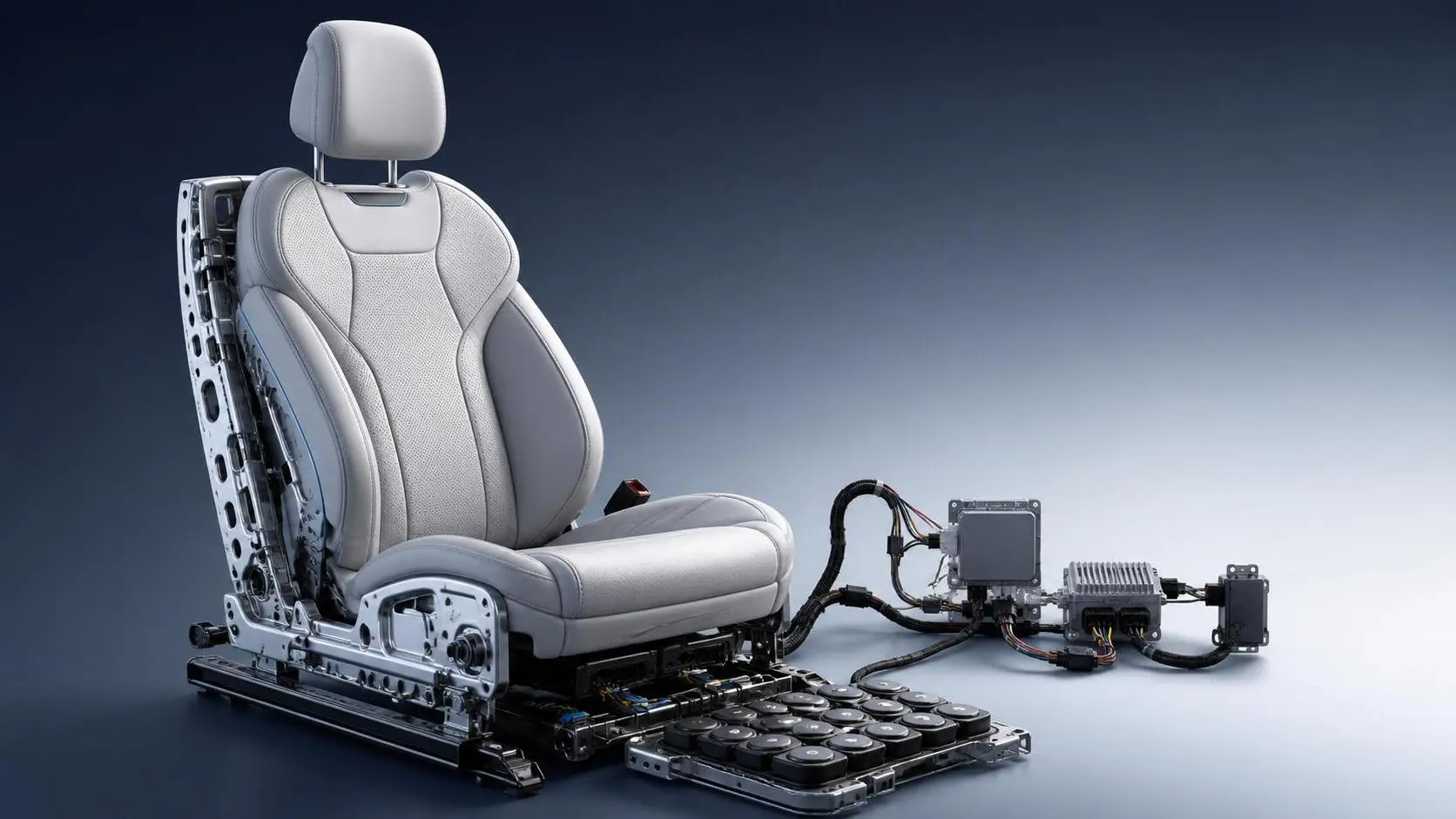
How to Evaluate Custom Smart Automotive Seating for Premium Vehicle Programs?
Custom smart automotive seating evaluation starts with safety, comfort, integration, and production readiness. Discover how premium vehicle teams choose smarter, lower-risk seat solutions.
B2B Product Intelligence Platforms: How to Compare Features, Data Coverage, and ROI
B2B product intelligence platform comparison: learn how to evaluate data coverage, feature depth, compliance visibility, and ROI to choose a sourcing tool that reduces risk and speeds decisions.
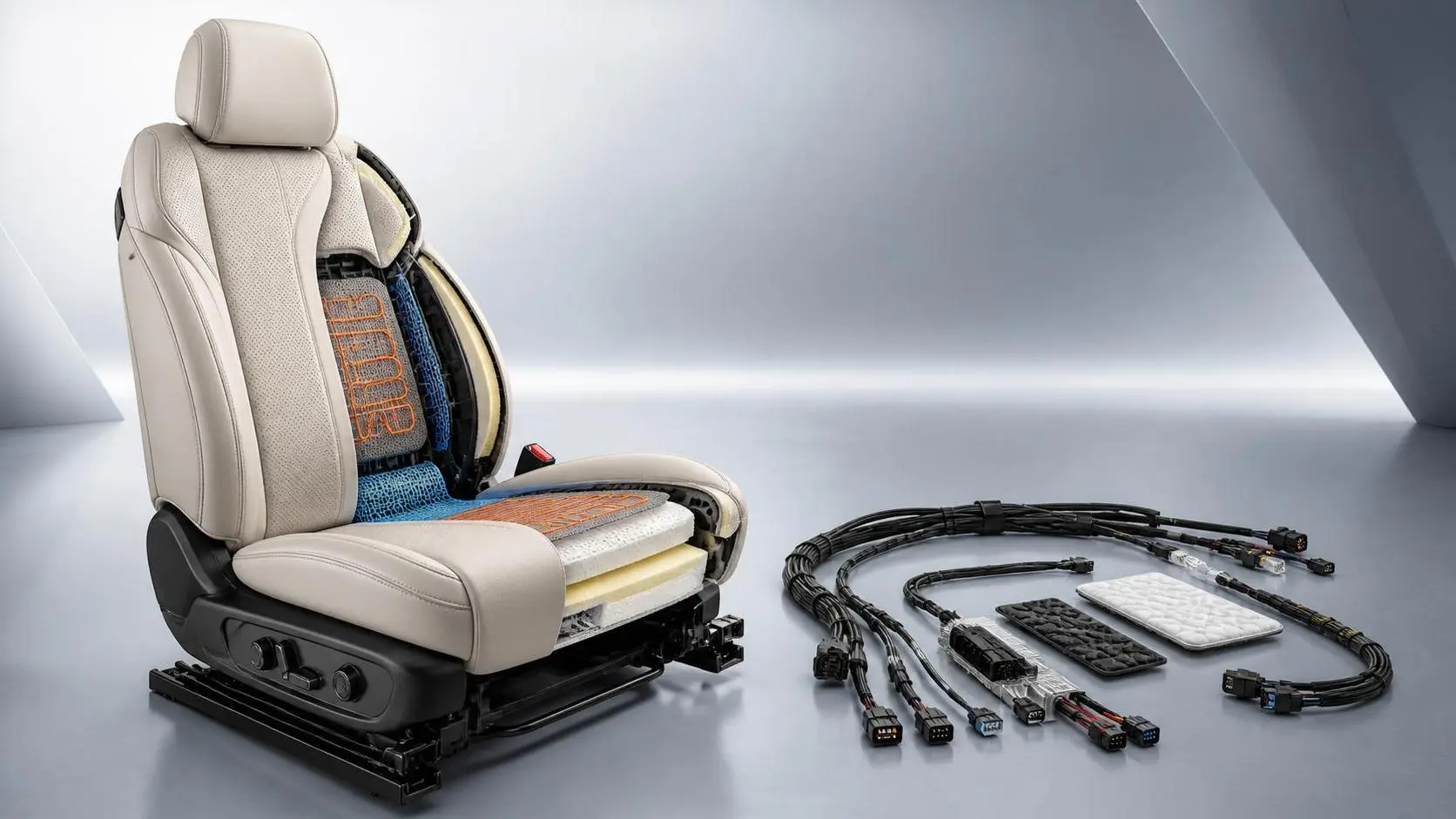
Climate Control Seats Cost: What Drives Price and Long-Term Ownership Value?
Climate control seats cost depends on materials, thermal tech, and integration. Learn what drives price and how to judge long-term value before you buy.
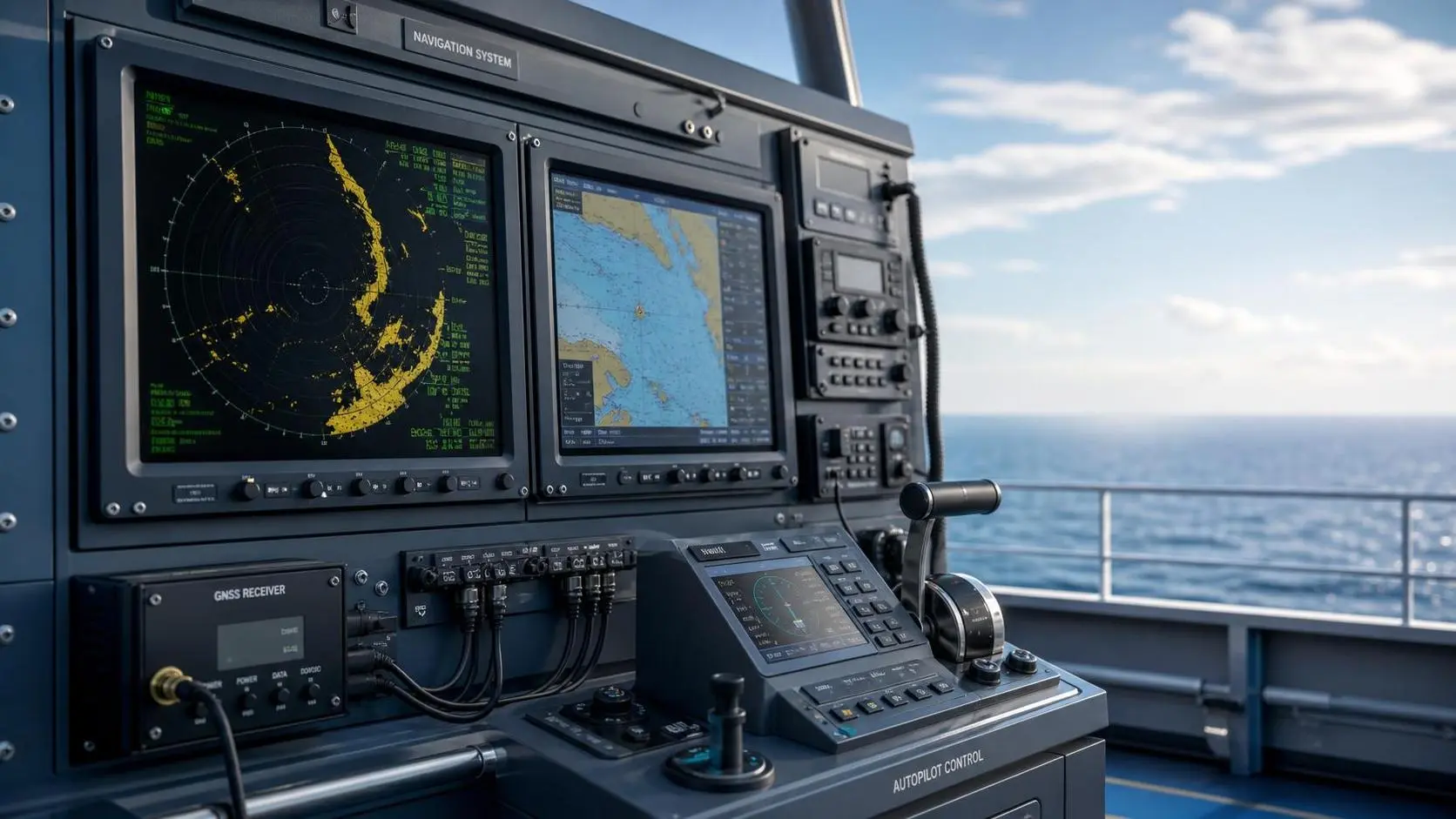
What Factors Drive Marine Navigation Components Cost in Commercial Vessel Projects?
Marine navigation components cost is shaped by integration, compliance, installation, and lifecycle support. Discover what drives pricing and how buyers can reduce risk while improving value.
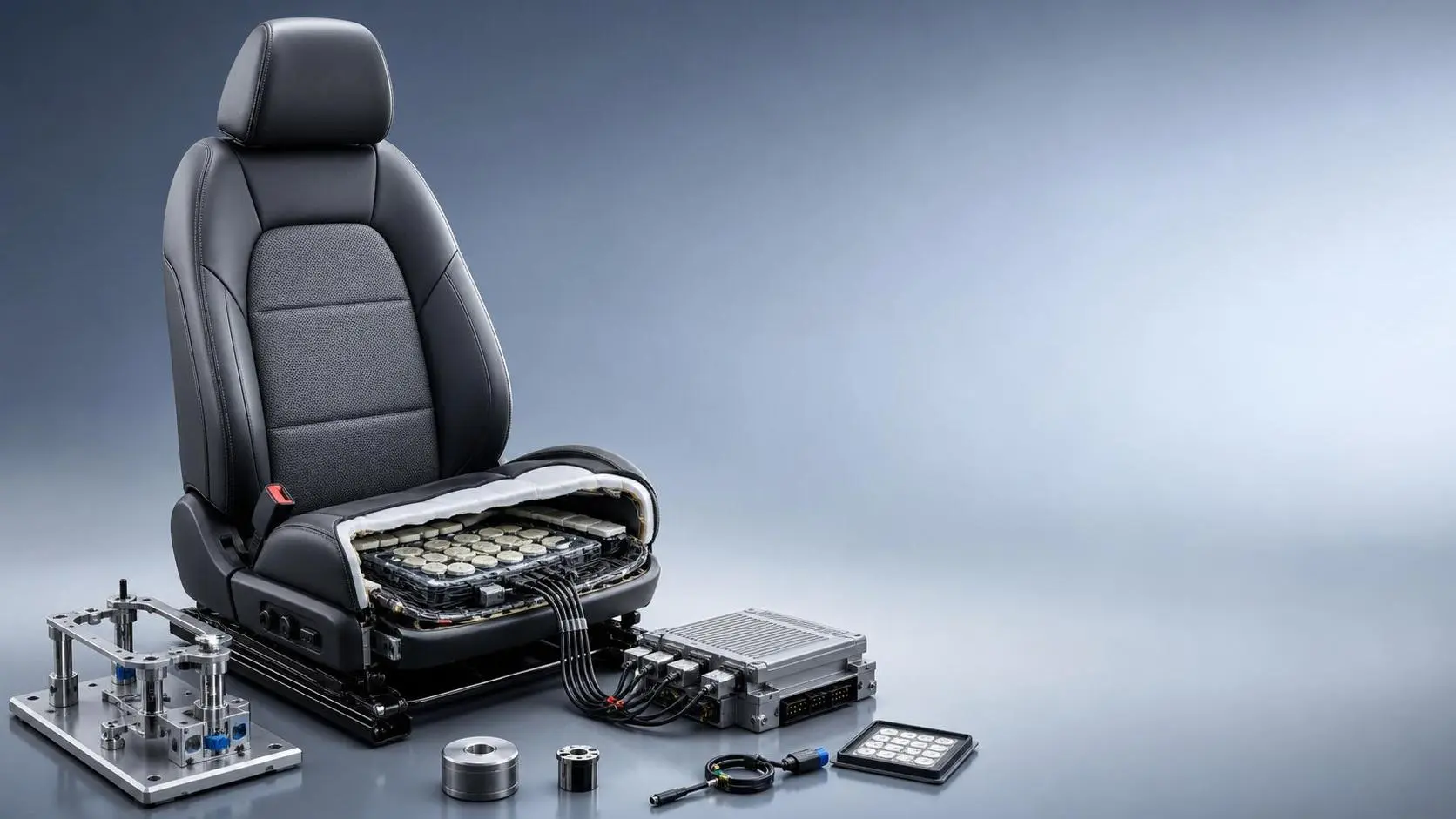
How Much Does Seat Occupancy Sensing Cost? Key Pricing Factors for Buyers
Seat occupancy sensing price varies widely by technology, integration, and compliance needs. Learn the key cost drivers, avoid hidden fees, and make smarter buying decisions.
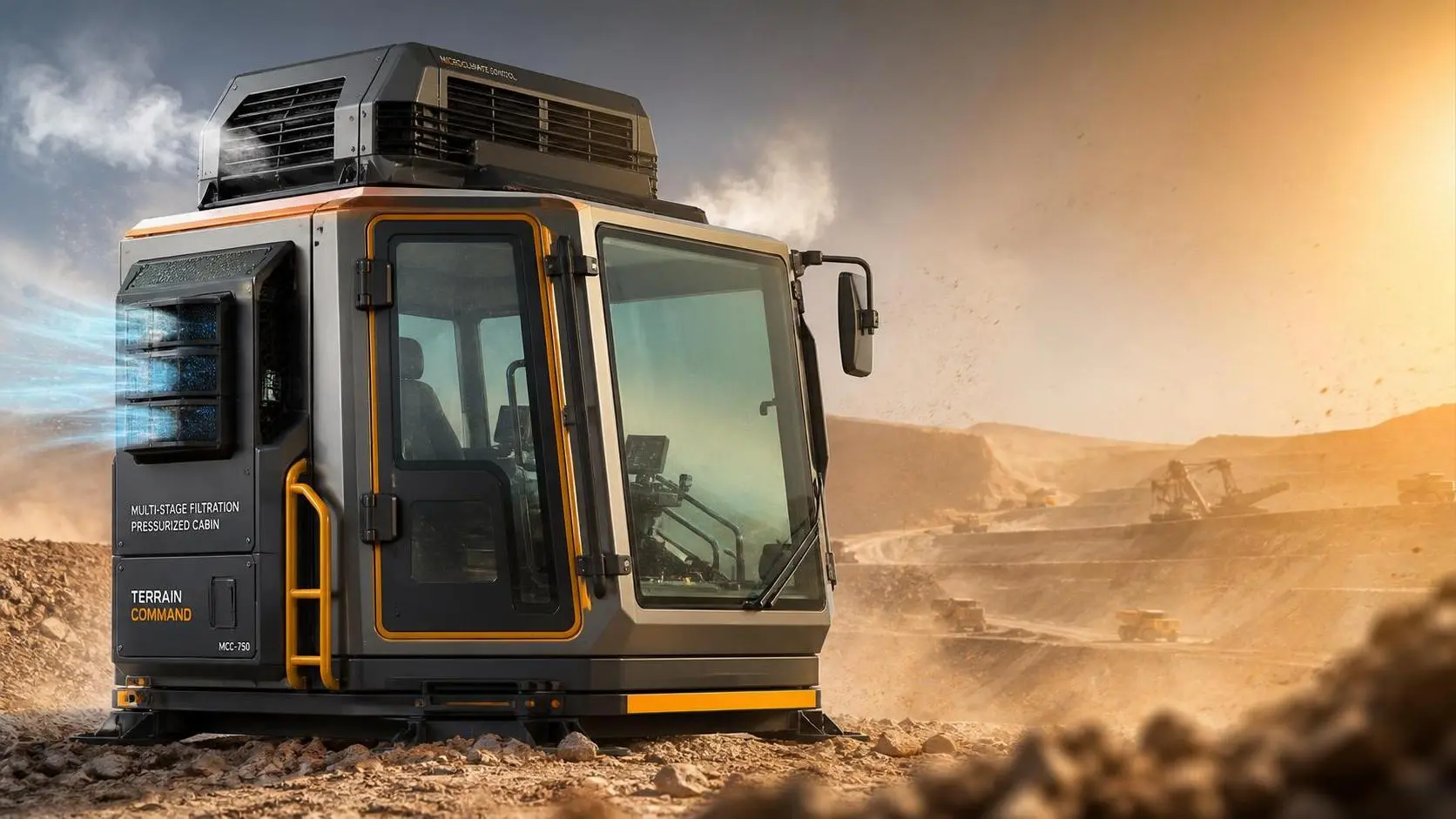
How to Specify Micro-Climate Control Cabins for Harsh Outdoor Worksites?
Micro-climate control cabins for harsh outdoor worksites: learn how to specify thermal control, filtration, pressurization, and durability for safer uptime and smarter buying.
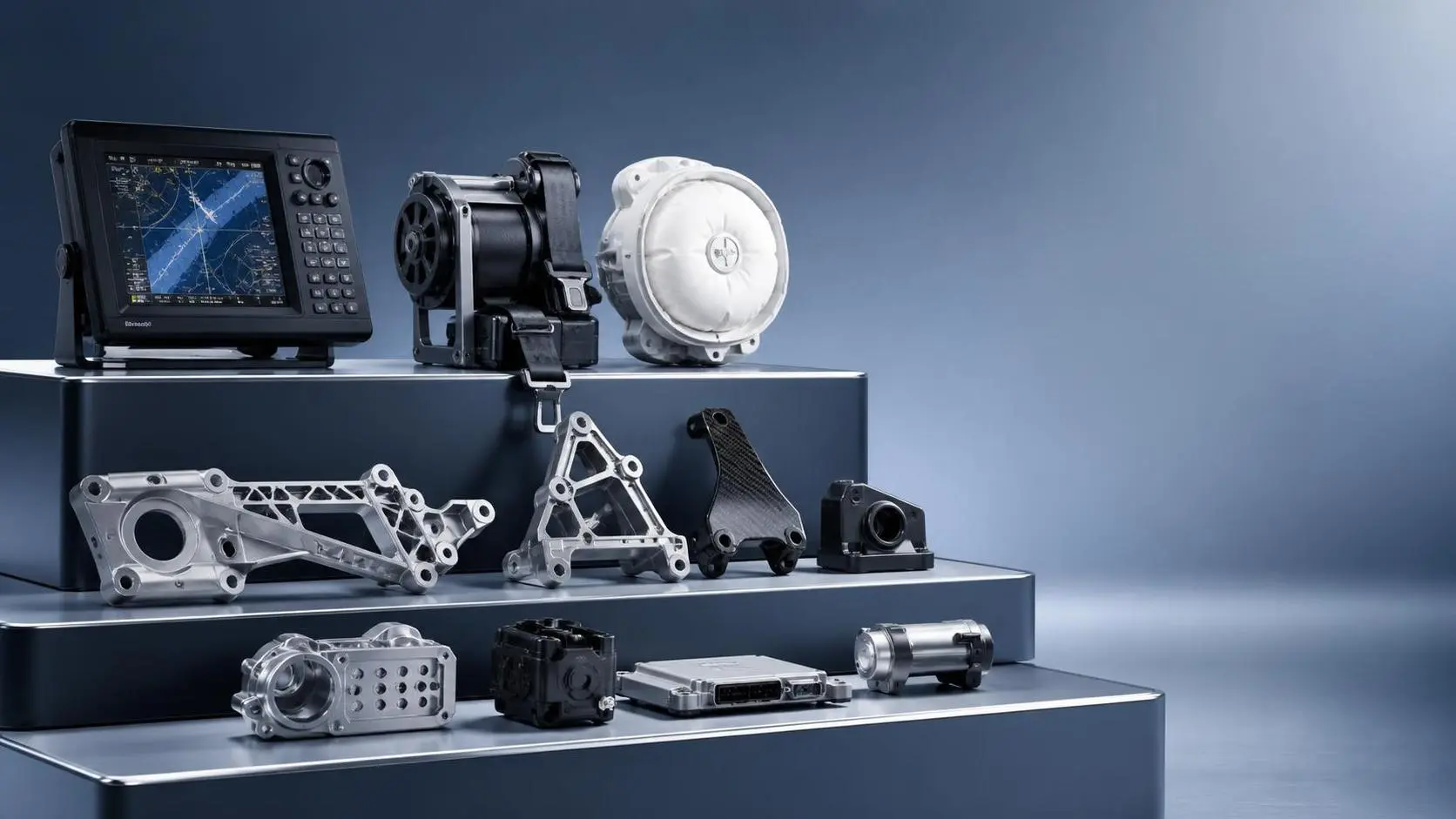
How to Evaluate a B2B Product Knowledge Platform for Faster Procurement Decisions
B2B product knowledge platform procurement starts with reducing decision risk. Learn how to compare specs, compliance, and supplier data to speed sourcing with confidence.
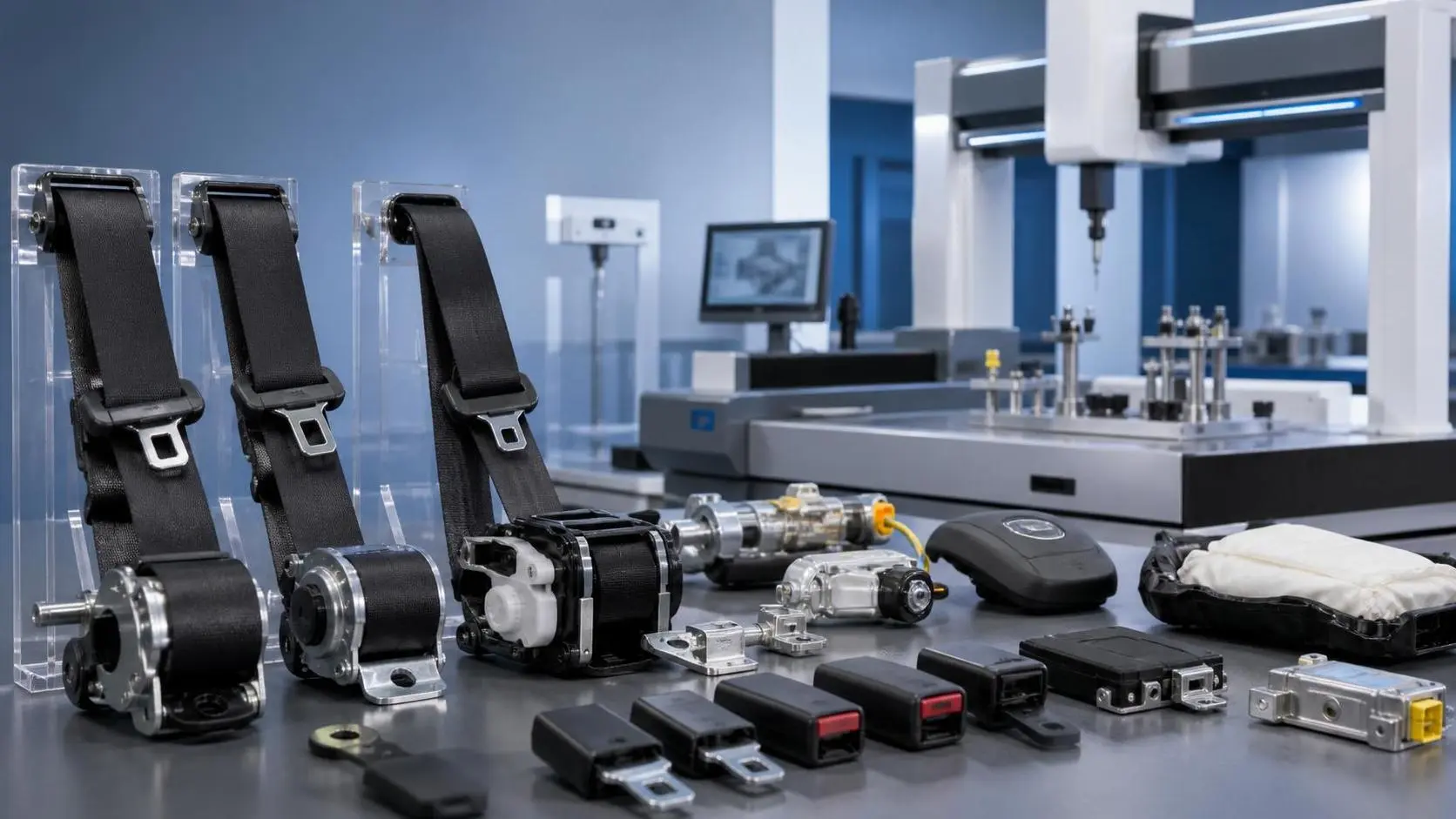
How to Evaluate an Occupant Restraint Systems Exporter for Quality, Compliance, and Supply Risk
Occupant restraint systems exporter evaluation guide: learn how to verify quality controls, compliance evidence, and supply risk before sourcing to avoid recalls, delays, and hidden costs.
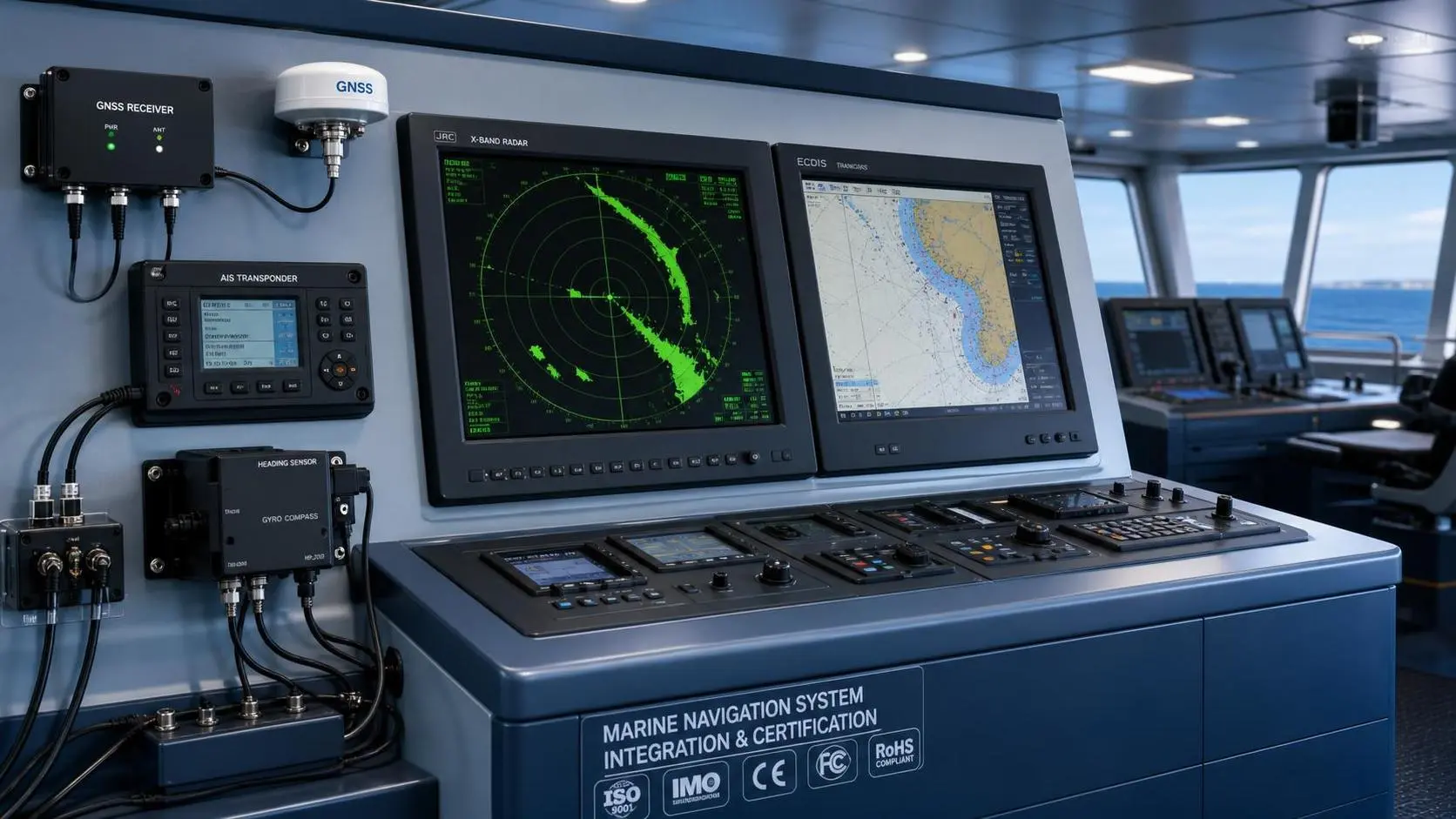
Navigation Compliance Certification: Which Marine Systems Need It and How to Prepare?
Navigation compliance certification explained: discover which marine systems need approval, what documents matter, and how to prepare early to avoid delays, rework, and costly project risks.
Related News
- 00
0000-00
How to Evaluate a Seat Sensing Technology Supplier for Safety and Integration? - 00
0000-00
B2B Product Intelligence Platforms: How to Compare Features, Data Coverage, and ROI - 00
0000-00
What Factors Drive Marine Navigation Components Cost in Commercial Vessel Projects? - 00
0000-00
How Much Does Seat Occupancy Sensing Cost? Key Pricing Factors for Buyers - 00
0000-00
How to Specify Micro-Climate Control Cabins for Harsh Outdoor Worksites?
Weekly Insights
Stay ahead with our curated technology reports delivered every Monday.