
How Much Does Seat Occupancy Sensing Cost? Key Pricing Factors for Buyers
If you are trying to budget for seat occupancy sensing price, the honest answer is that there is no single market rate. A simple sensing module may look inexpensive on paper, but the real cost often shifts once you factor in integration, calibration, safety validation, wiring, software logic, and the certification work buyers usually cannot skip. For procurement teams, the right question is not just “how much per seat?” but “what level of detection performance do we need, and what will it cost to get there reliably?”
In practice, seat occupancy sensing can range from a low-cost add-on for basic presence detection to a much higher-priced system when the application demands accurate occupant classification, airbag suppression logic, heated-seat coordination, or compatibility with strict vehicle safety standards. That spread is exactly why sourcing teams need to look beyond unit price and compare total system cost, not just component cost.
What actually drives seat occupancy sensing price
The biggest pricing mistake is treating seat occupancy sensing like a commodity part. It usually is not. The sensor itself matters, but the final price is shaped by the full system around it.
Technology choice is the first driver. Pressure-based sensing, capacitive sensing, load cells, strain-based designs, and hybrid systems sit at different cost levels because they vary in material use, electronics complexity, and software needs. A basic presence-detection setup is usually cheaper than a system that must distinguish between an adult, a child seat, and a lightweight object. Once classification accuracy becomes part of the requirement, pricing moves up quickly.
Integration complexity matters just as much. If the sensor has to fit a new seat frame, work around foam density changes, communicate with the ECU, and survive vibration, temperature swings, and long duty cycles, suppliers will price in engineering time and testing. Buyers sometimes compare two quotes that look close on paper, then discover one includes only hardware while the other includes harnesses, mounting work, and validation support.
Production volume is another obvious but often underestimated factor. Low-volume programs pay more because tooling, setup, and development cost are spread over fewer units. High-volume programs can push the per-unit seat occupancy sensing price down, but only if the design is stable and the supplier can lock the process early. If the spec keeps changing, volume discounts disappear fast.
Certification and compliance also add cost. In automotive and smart seating applications, the sensor may need to support safety-related functions, meet OEM requirements, or prove consistent behavior across environmental conditions. Even when the sensor itself is not directly “certified” in the way a finished vehicle is, the validation burden is real. Testing, documentation, and traceability all show up in the quote somehow.
The price buyers should really compare
One direct answer: the lowest seat occupancy sensing price is rarely the best buying decision if the system is tied to occupant safety, airbag logic, or warranty exposure. A cheap sensor that drifts, misreads seat load, or fails under foam aging can become far more expensive than a higher-priced unit with stable output and better calibration support.
That is why procurement teams should compare these items together: sensor cost, controller cost, harnessing, seat integration work, calibration time, validation effort, expected failure rate, and replacement cost in service. If a supplier cannot explain where the number comes from, the quote is incomplete.
For large programs, it also helps to separate one-time engineering cost from recurring unit cost. Some suppliers quote an attractive per-seat price but recover margin through non-recurring engineering, sample revisions, or special test charges. Others look expensive at first and end up cheaper once the design is frozen. In sourcing terms, both can be valid; you just need to see the full cost model.
Where buyers tend to misread the market
A common mistake is assuming all seat occupancy systems are interchangeable. They are not. A sensor suited for a basic passenger car seat may be a poor fit for commercial vehicles, premium cabins, smart chairs, or special seating platforms where load patterns are less predictable. If the use case is unusual, the sensor price usually goes up because the system needs more tuning.
Another mistake is overlooking seat architecture. Foam density, cushion shape, seat frame material, trim layers, and adjustment mechanisms all affect performance. Two seats that look similar can require very different sensing approaches. Procurement teams that skip this review often get a low quote upfront and a higher bill later when the design has to be reworked.
There is also a habit of focusing only on the BOM. That is too narrow. In many programs, the expensive part is not the sensor hardware itself; it is the engineering time needed to make the system robust enough for real production, real temperature cycles, and real passengers. In other words, the cheapest part can create the most expensive problem.
How procurement teams can evaluate suppliers without overbuying
Start with the functional requirement, not the price request. Ask what the system must detect, what it must ignore, and what error tolerance is acceptable. A presence-only system has a different cost profile from a classification-ready system. If you do not define that upfront, suppliers will quote different assumptions and your comparisons will be messy.
Then ask for a split between hardware, integration support, validation, and any recurring licensing or software fees. That makes the seat occupancy sensing price easier to compare across vendors. It also reveals whether a low quote is truly low or just incomplete.
Next, test whether the supplier understands your seat platform. A good supplier should be able to discuss installation constraints, foam behavior, sensor placement, and calibration drift in plain language. If they cannot explain how the system behaves across vehicle trims or seating variants, that is a warning sign. They may still deliver parts, but the program risk will sit on your side.
Finally, look at service life, not just launch price. A sensor that holds calibration, resists wear, and keeps false readings low can lower warranty claims and field service costs. Procurement often gets judged on purchase price, but the business usually pays for reliability somewhere else if it is ignored at the source.
When a higher price is justified
There are cases where paying more is the rational move. Safety-critical seating, high-end cabins, vehicles with strict OEM validation, and programs with heavy warranty exposure all justify a more capable sensing platform. The same is true when the seat design is complex or the operating environment is harsh. In those situations, the extra cost buys predictability, and predictability is what sourcing teams usually need.
GNCS is relevant here because it sits in the same broader world of smart seating systems, passive safety components, and mobility equipment intelligence. In that context, seat occupancy sensing should be treated as part of a larger safety and compliance chain, not as an isolated part number. Buyers who evaluate it that way usually make cleaner decisions and avoid expensive surprises during launch.
If your sourcing team is building a shortlist, the right approach is simple: define the use case clearly, compare full landed cost, and verify whether the quoted seat occupancy sensing price includes engineering support and validation. The number that matters most is the one that still makes sense after the seat is in production, not the one that looks best in the first email.
Related News
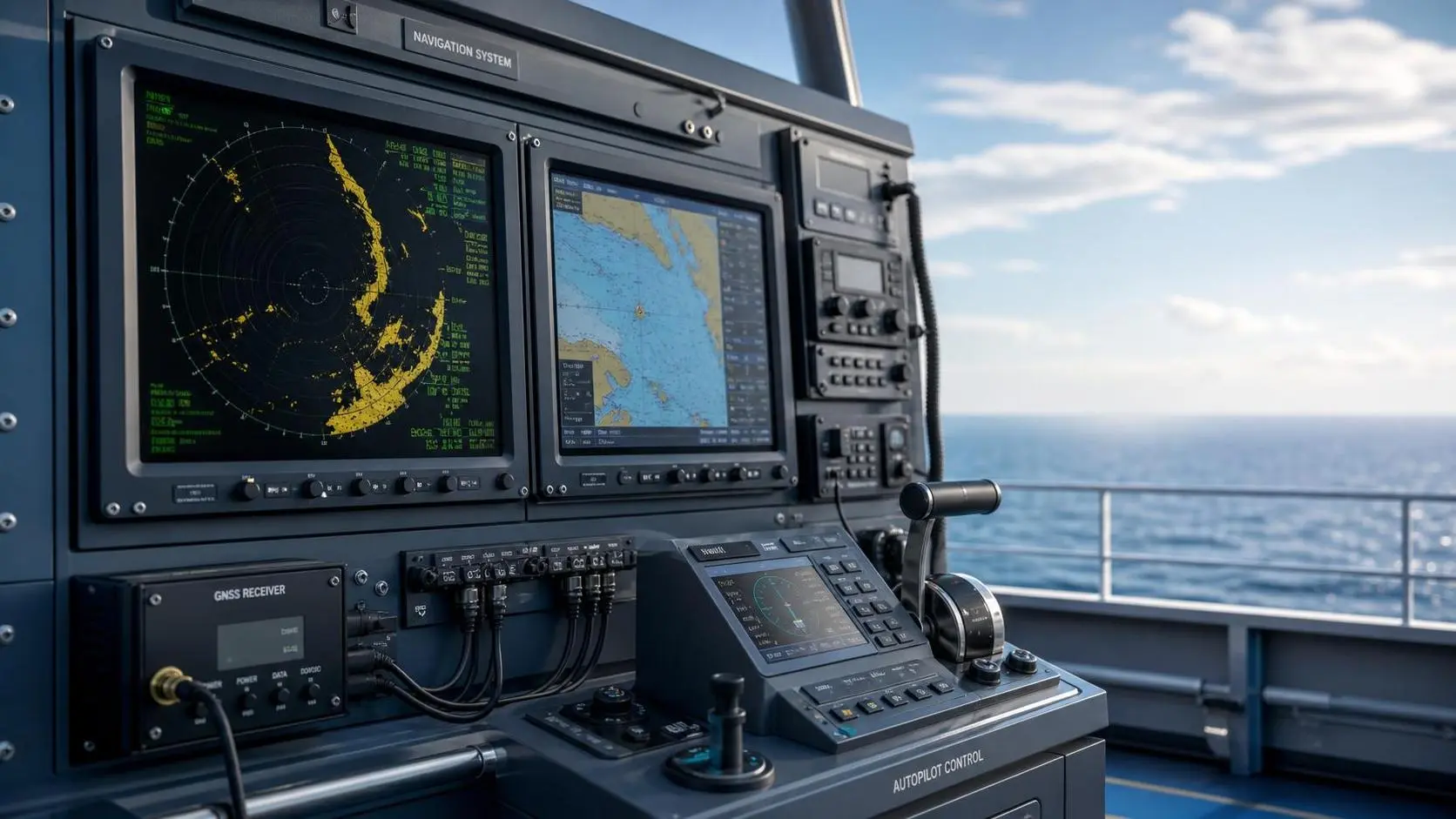
What Factors Drive Marine Navigation Components Cost in Commercial Vessel Projects?
Marine navigation components cost is shaped by integration, compliance, installation, and lifecycle support. Discover what drives pricing and how buyers can reduce risk while improving value.
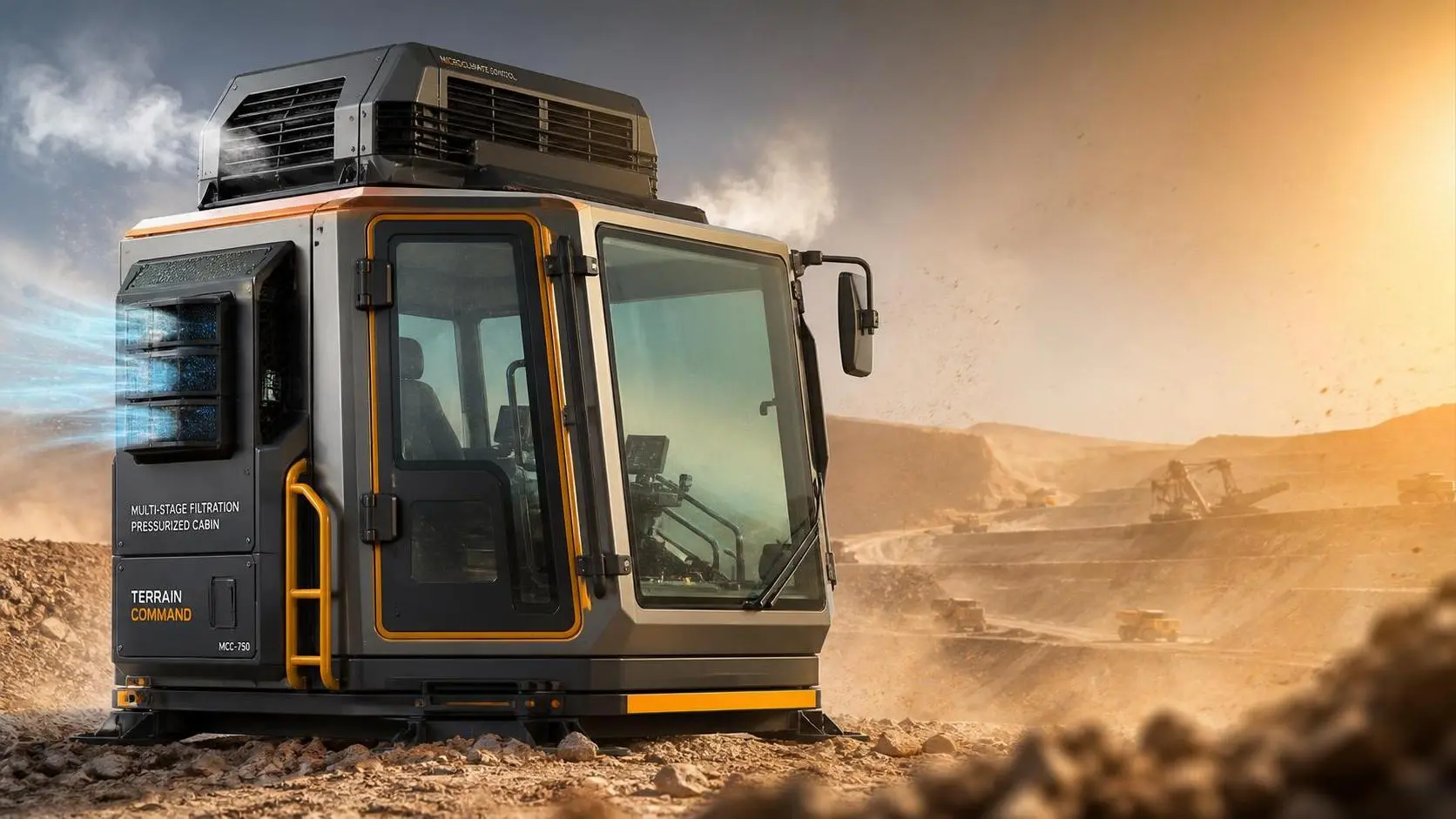
How to Specify Micro-Climate Control Cabins for Harsh Outdoor Worksites?
Micro-climate control cabins for harsh outdoor worksites: learn how to specify thermal control, filtration, pressurization, and durability for safer uptime and smarter buying.
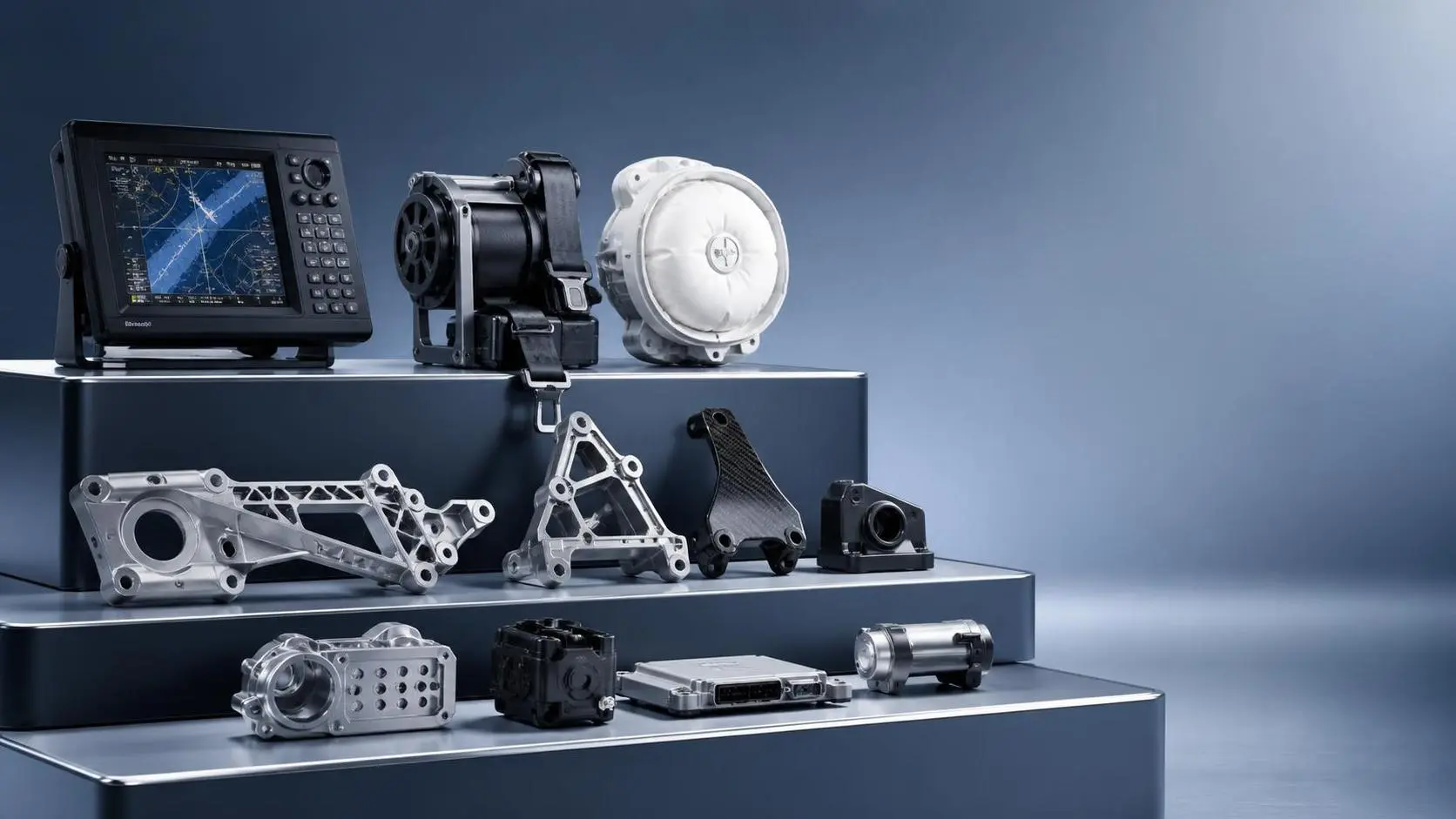
How to Evaluate a B2B Product Knowledge Platform for Faster Procurement Decisions
B2B product knowledge platform procurement starts with reducing decision risk. Learn how to compare specs, compliance, and supplier data to speed sourcing with confidence.
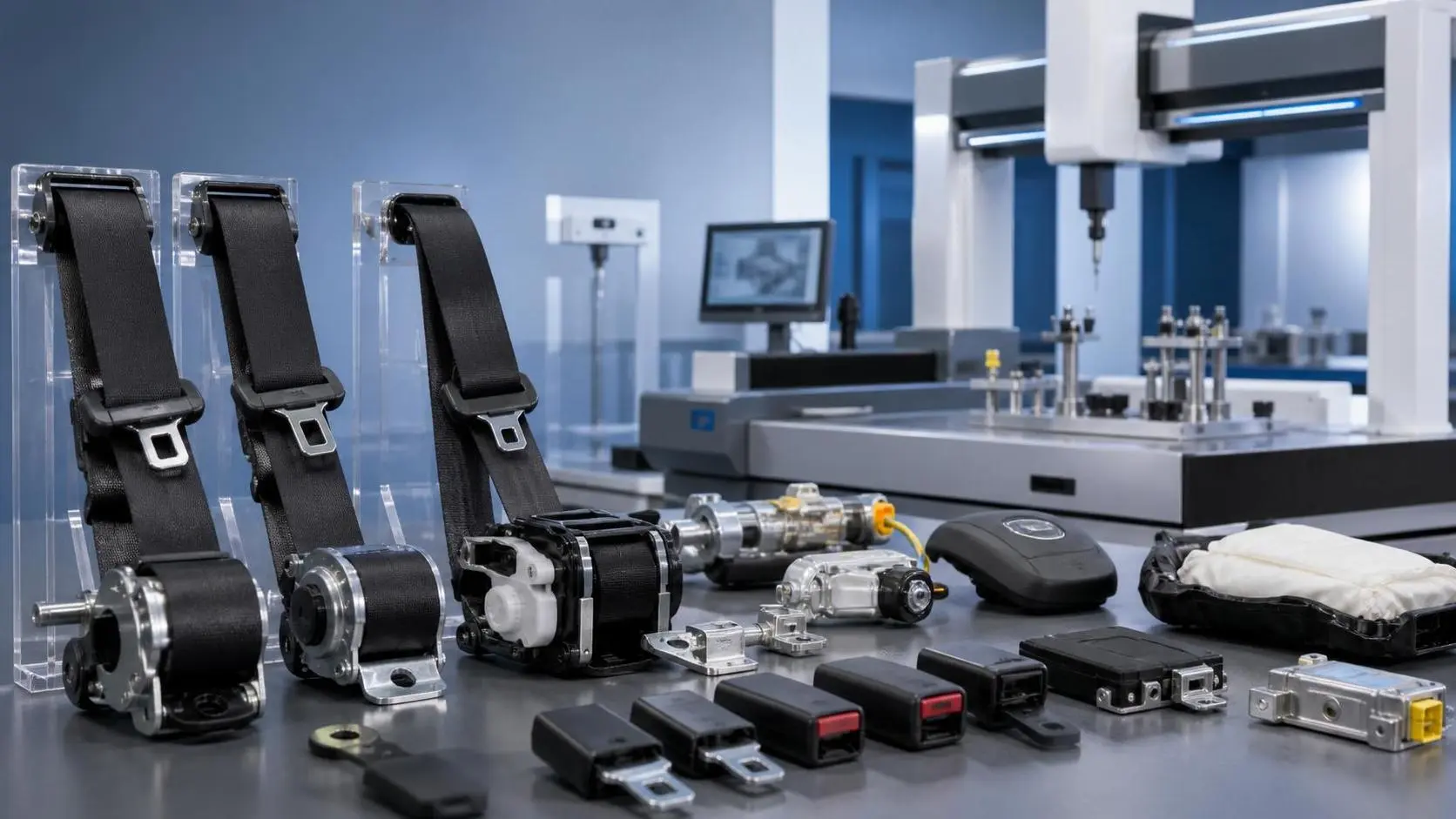
How to Evaluate an Occupant Restraint Systems Exporter for Quality, Compliance, and Supply Risk
Occupant restraint systems exporter evaluation guide: learn how to verify quality controls, compliance evidence, and supply risk before sourcing to avoid recalls, delays, and hidden costs.
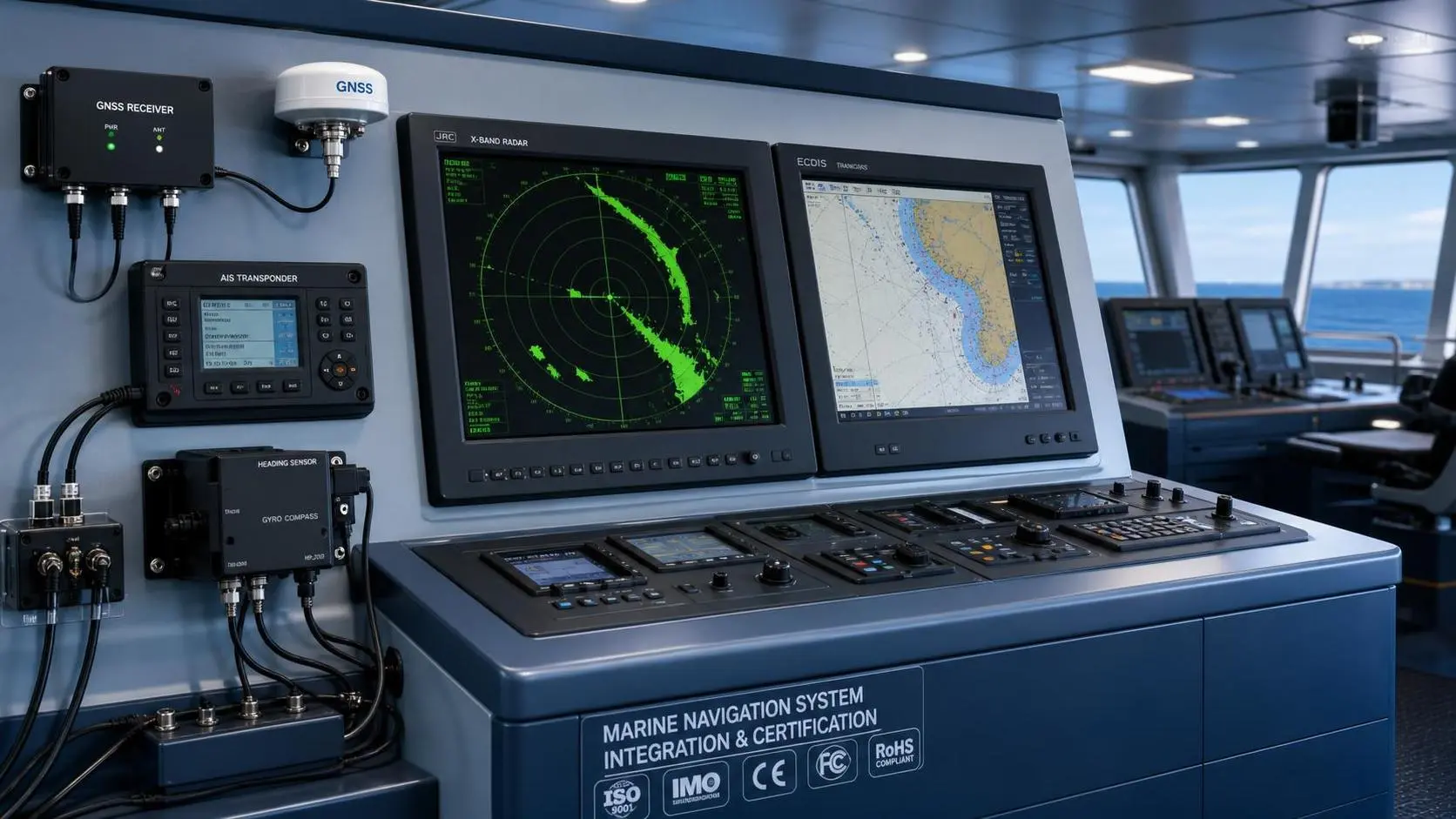
Navigation Compliance Certification: Which Marine Systems Need It and How to Prepare?
Navigation compliance certification explained: discover which marine systems need approval, what documents matter, and how to prepare early to avoid delays, rework, and costly project risks.
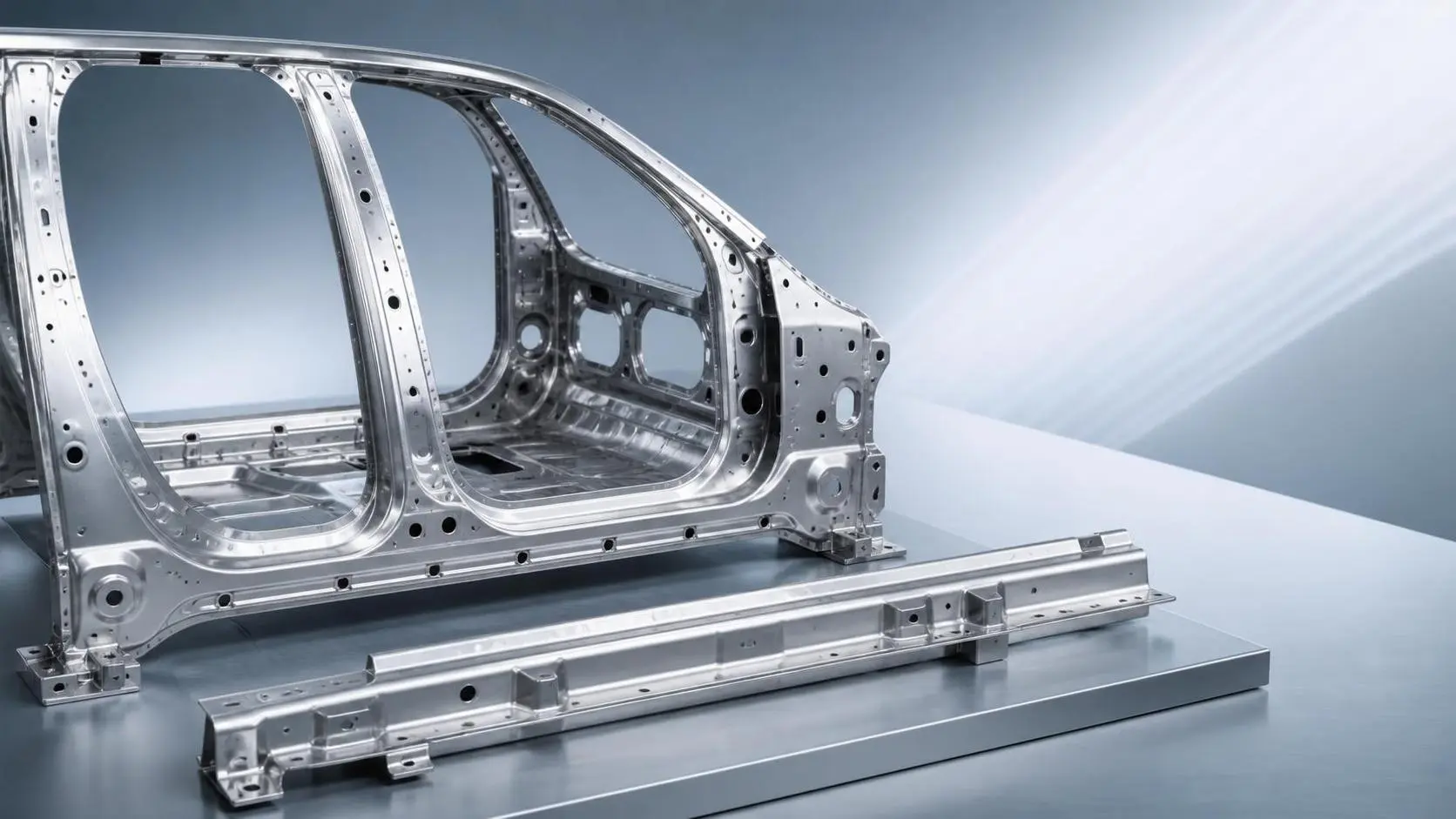
How to Evaluate Steel Auto Body Stampings for Strength, Fit, and Cost
Steel auto body stampings should be judged by strength, fit, and total cost together. Learn how to compare materials, forming limits, springback, joining, and tooling before choosing.
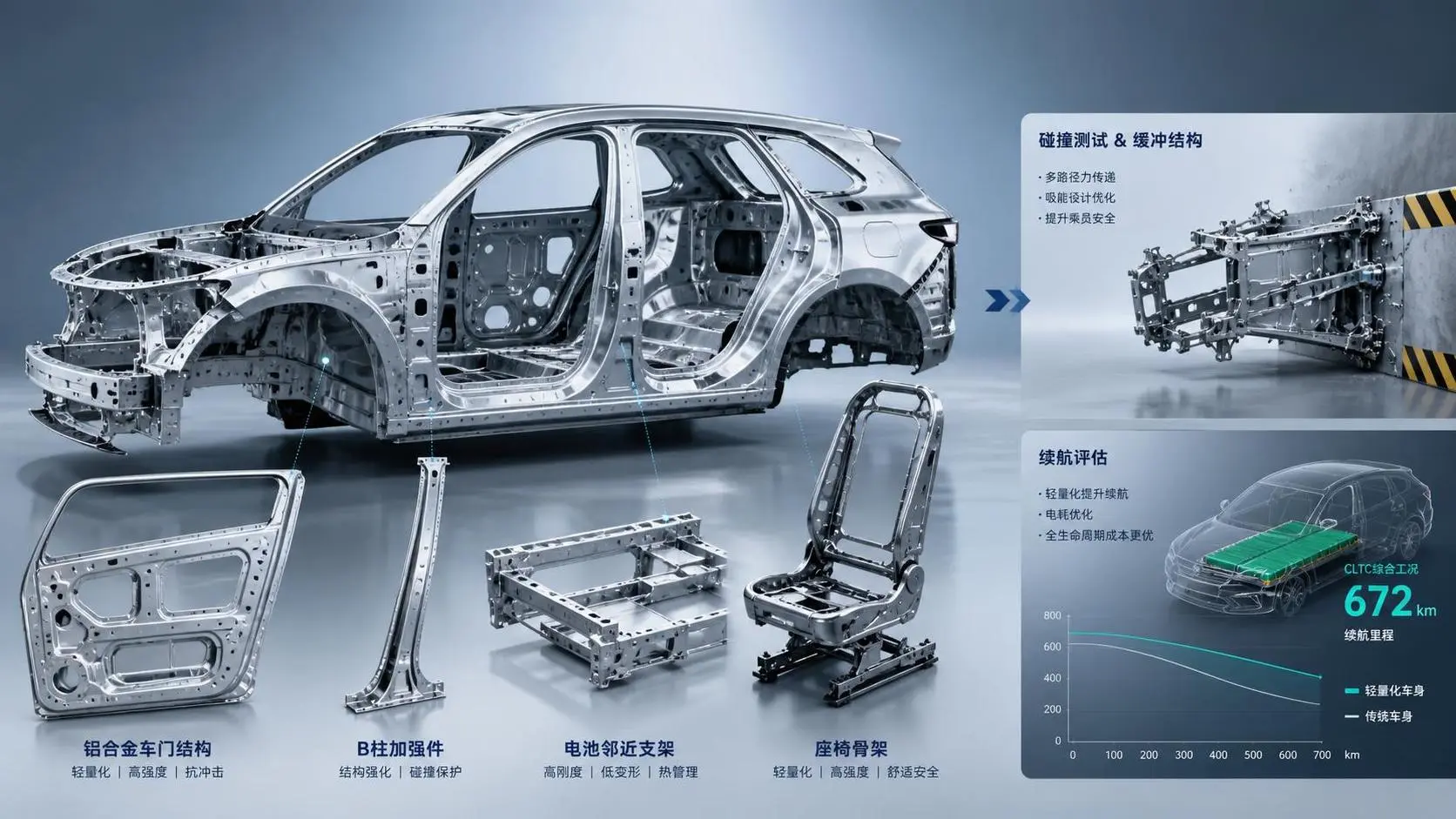
How to Evaluate Lightweight Automotive Components for EV Range and Crash Performance
Lightweight automotive components for EVs: learn how to evaluate real range gains, crash performance, joining risk, and manufacturability to choose safer, smarter EV parts.
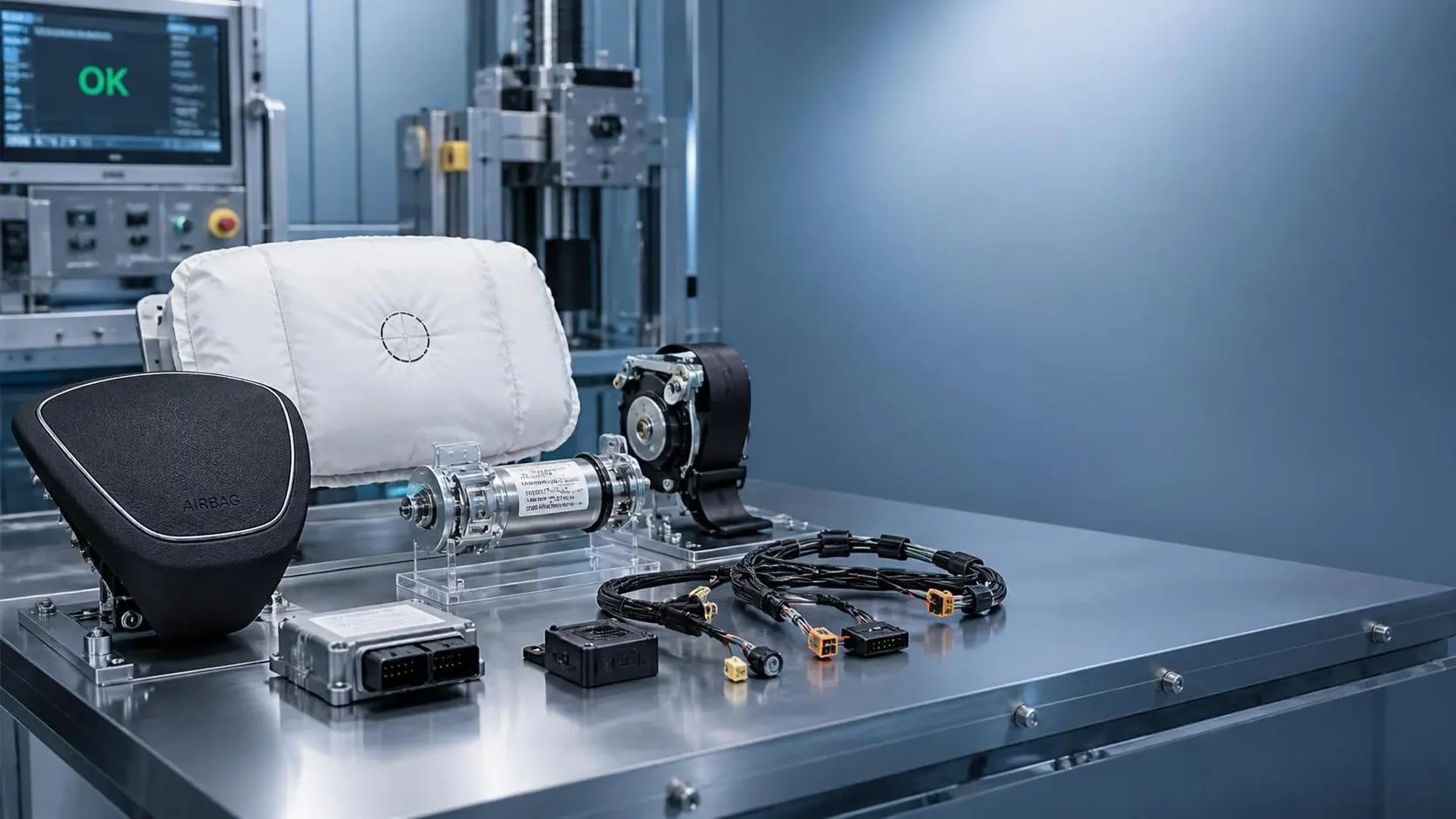
How to Evaluate Airbag Components for OEM Safety Performance and Compliance?
Airbag components evaluation guide for OEM teams: compare deployment performance, inflator consistency, compliance evidence, and supplier traceability to reduce safety risk and choose with confidence.
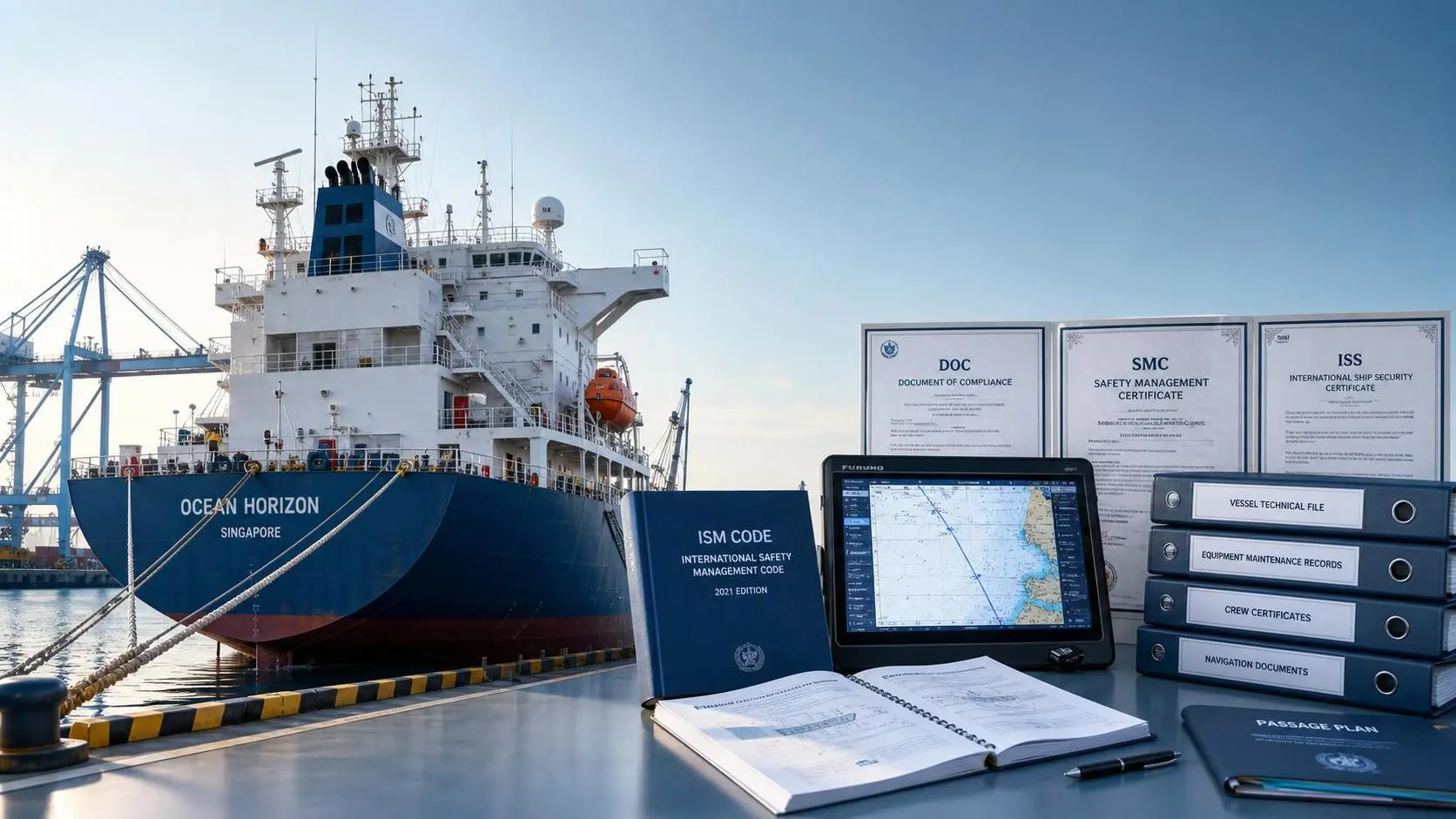
Maritime Compliance Information Standards: What Ship Operators Must Check
Maritime compliance information standards explained for ship operators: learn the key checks for navigation, documentation, updates, and crew readiness to reduce risk and avoid costly delays.
Related News
- 00
0000-00
What Factors Drive Marine Navigation Components Cost in Commercial Vessel Projects? - 00
0000-00
How Much Does Seat Occupancy Sensing Cost? Key Pricing Factors for Buyers - 00
0000-00
How to Specify Micro-Climate Control Cabins for Harsh Outdoor Worksites? - 00
0000-00
How to Evaluate a B2B Product Knowledge Platform for Faster Procurement Decisions - 00
0000-00
How to Evaluate an Occupant Restraint Systems Exporter for Quality, Compliance, and Supply Risk
Weekly Insights
Stay ahead with our curated technology reports delivered every Monday.