
Marine Navigation Solution Comparison: How to Evaluate Resources for Vessel Safety Projects
Marine Navigation Solution Comparison: How to Evaluate Resources for Vessel Safety Projects
For vessel safety upgrades, a disciplined solution comparison is not optional. It shapes budget accuracy, compliance timing, and operational resilience before hardware ever reaches the bridge.
The right resources also reduce evaluation noise. That matters when marine navigation decisions involve radar, ECDIS, GNSS, AIS, sonar, sensors, software updates, and crew workflow.
In practical terms, a good review framework helps teams compare not just products, but data quality, supplier maturity, lifecycle support, and vessel-specific fit.
This is where a strong solution comparison becomes a project control tool. It keeps marine navigation investments aligned with safety goals, operating conditions, and long-term fleet performance.
Start With the Safety Mission, Not the Product List
Many vessel safety projects lose time at the first step. Teams compare catalogs before defining what the navigation system must actually protect against.
A better starting point is the operating profile. Coastal patrol, offshore supply, inland cargo, fishing, and deep-sea shipping all create different risk patterns.
That changes the marine navigation resource mix. A vessel in congested channels may prioritize radar clarity, target tracking, and AIS behavior under traffic density.
By contrast, long-range routes may place more weight on redundancy, satellite signal integrity, route planning stability, and software reliability over extended voyages.
Before any solution comparison begins, define these points in writing:
- Primary voyage zones and environmental exposure
- Collision, grounding, and low-visibility risk scenarios
- Bridge staffing model and training limitations
- Required integration with legacy onboard systems
- Flag-state, class, and port compliance obligations
Once these conditions are clear, every later solution comparison becomes faster and more defensible. The shortlist starts reflecting risk control, not vendor presentation quality.
Build a Practical Resource Framework for Marine Navigation Evaluation
Not all resources carry the same value. In marine navigation projects, some sources inform strategy, while others directly support technical acceptance.
A useful evaluation stack usually includes five resource categories. Each one answers a different project question.
1. Technical Documentation
This includes interface specs, detection ranges, positioning accuracy, update architecture, alarm logic, power needs, and environmental tolerance.
For solution comparison, complete documentation matters more than polished brochures. Missing details usually signal later integration risk.
2. Compliance Resources
These include IMO references, IEC standards, class approvals, cybersecurity guidance, and regional operating requirements.
A marine navigation solution may look capable on paper, yet still create approval delays if certificates are incomplete or outdated.
3. Field Performance Evidence
Ask for deployment records, vessel references, service logs, and examples from similar sea conditions. Real usage often reveals what brochures hide.
4. Supplier Capability Data
This covers engineering support, software maintenance, spare parts planning, training capacity, and response time during incidents.
5. Independent Intelligence
This includes specialist portals such as GNCS, industry reports, technical briefings, and market movement analysis.
Independent resources strengthen solution comparison because they place marine navigation options inside broader trends, not isolated sales claims.
What to Compare Beyond Core Navigation Functions
A narrow feature checklist creates weak decisions. Modern marine navigation systems must perform under operational stress, not just in demonstration mode.
During solution comparison, extend the review into these evaluation areas:
This broader lens usually changes rankings. A lower-priced marine navigation package may become more expensive once retrofit effort and downtime are added.
That is why mature solution comparison always combines purchase price with engineering effort, training demand, and operational consequence.
How to Judge Supplier Resources and Technical Credibility
Marine navigation projects rarely fail because of a single missing feature. More often, they struggle because supplier support is thinner than expected.
Supplier resources should therefore be reviewed with the same rigor as the product itself.
A credible supplier should be able to provide:
- Named engineering contacts for integration and commissioning
- Structured FAT or SAT support plans
- Clear documentation revision history
- Cybersecurity and update management procedures
- Service coverage across intended ports or routes
- Evidence from similar vessel classes and safety cases
Independent intelligence platforms add useful context here. GNCS, for example, is valuable when teams need a broader reading of technology evolution and compliance direction.
That matters because marine navigation choices are increasingly linked to digital updates, sensor fusion, reliability expectations, and global regulatory pressure.
A supplier with weak forward-looking resources may still satisfy today’s specification, while creating upgrade friction within the next service cycle.
Use a Weighted Solution Comparison Model
Subjective meetings often stretch projects. A weighted matrix keeps the marine navigation review structured and easier to defend internally.
A practical model can score options across six dimensions:
- Safety performance under target scenarios
- Compliance readiness and approval confidence
- Integration effort with onboard architecture
- Supplier resources and response capability
- Lifecycle cost over planned service years
- Upgrade path and future technology fit
Different projects will weight these differently. Retrofit programs often assign more weight to integration complexity and downtime risk.
Newbuild programs may focus more on architecture fit, digital roadmap, and standardized fleet deployment.
The point is simple: every solution comparison should show why one marine navigation option wins, not just that it looked better in discussion.
Common Mistakes That Distort Marine Navigation Decisions
Several patterns repeatedly weaken vessel safety projects. They are easy to miss because they often appear reasonable early on.
- Comparing headline functions while ignoring support infrastructure
- Assuming certification status is globally transferable
- Underestimating crew adaptation and training time
- Treating software maintenance as a minor procurement detail
- Using generic references instead of vessel-specific evidence
From recent market shifts, the stronger signal is this: marine navigation performance now depends as much on managed data and updates as on hardware capability.
That also means solution comparison must include information governance, cybersecurity discipline, and continuity planning from the start.
Turn Evaluation Into an Actionable Project Decision
The most useful marine navigation review is the one that moves the project forward with fewer surprises.
A disciplined solution comparison should end with three outputs: a ranked shortlist, a documented risk register, and a clear validation plan.
That validation plan should specify onboard testing scope, interface checks, compliance checkpoints, and support commitments after handover.
When evaluation is grounded in strong resources, marine navigation procurement becomes more than a buying exercise. It becomes a safety decision with measurable logic.
For teams working across evolving standards and complex mobility technologies, intelligence platforms such as GNCS can sharpen that logic with deeper market and technical visibility.
The practical next step is to audit current evaluation inputs, remove weak sources, and rebuild the comparison model around vessel risk, supplier credibility, and lifecycle control.
That is usually where better vessel safety outcomes begin: not with more options, but with a better way to compare them.
Related News
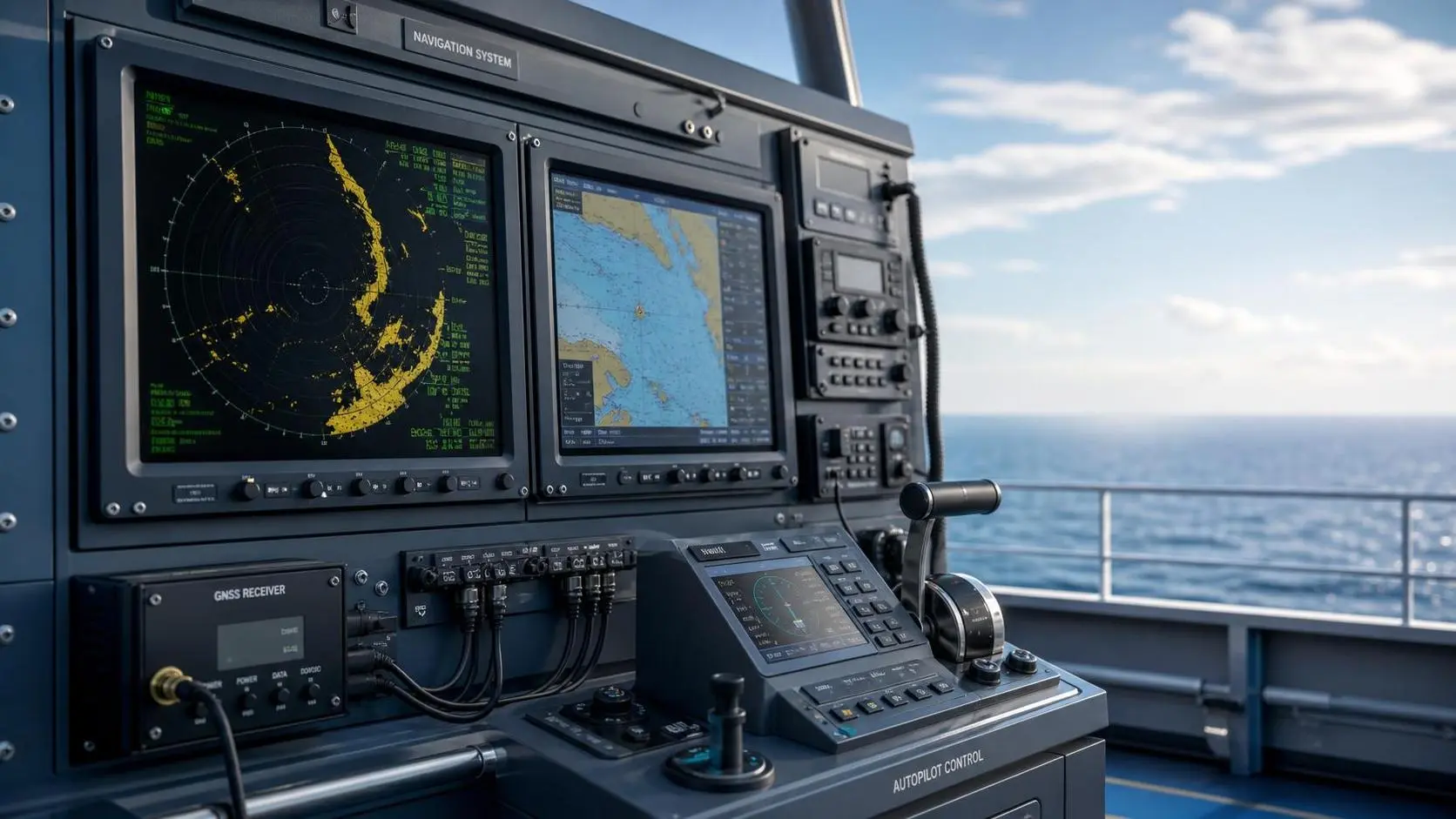
What Factors Drive Marine Navigation Components Cost in Commercial Vessel Projects?
Marine navigation components cost is shaped by integration, compliance, installation, and lifecycle support. Discover what drives pricing and how buyers can reduce risk while improving value.

How Much Does Seat Occupancy Sensing Cost? Key Pricing Factors for Buyers
Seat occupancy sensing price varies widely by technology, integration, and compliance needs. Learn the key cost drivers, avoid hidden fees, and make smarter buying decisions.

How to Specify Micro-Climate Control Cabins for Harsh Outdoor Worksites?
Micro-climate control cabins for harsh outdoor worksites: learn how to specify thermal control, filtration, pressurization, and durability for safer uptime and smarter buying.
How to Evaluate a B2B Product Knowledge Platform for Faster Procurement Decisions
B2B product knowledge platform procurement starts with reducing decision risk. Learn how to compare specs, compliance, and supplier data to speed sourcing with confidence.

How to Evaluate an Occupant Restraint Systems Exporter for Quality, Compliance, and Supply Risk
Occupant restraint systems exporter evaluation guide: learn how to verify quality controls, compliance evidence, and supply risk before sourcing to avoid recalls, delays, and hidden costs.
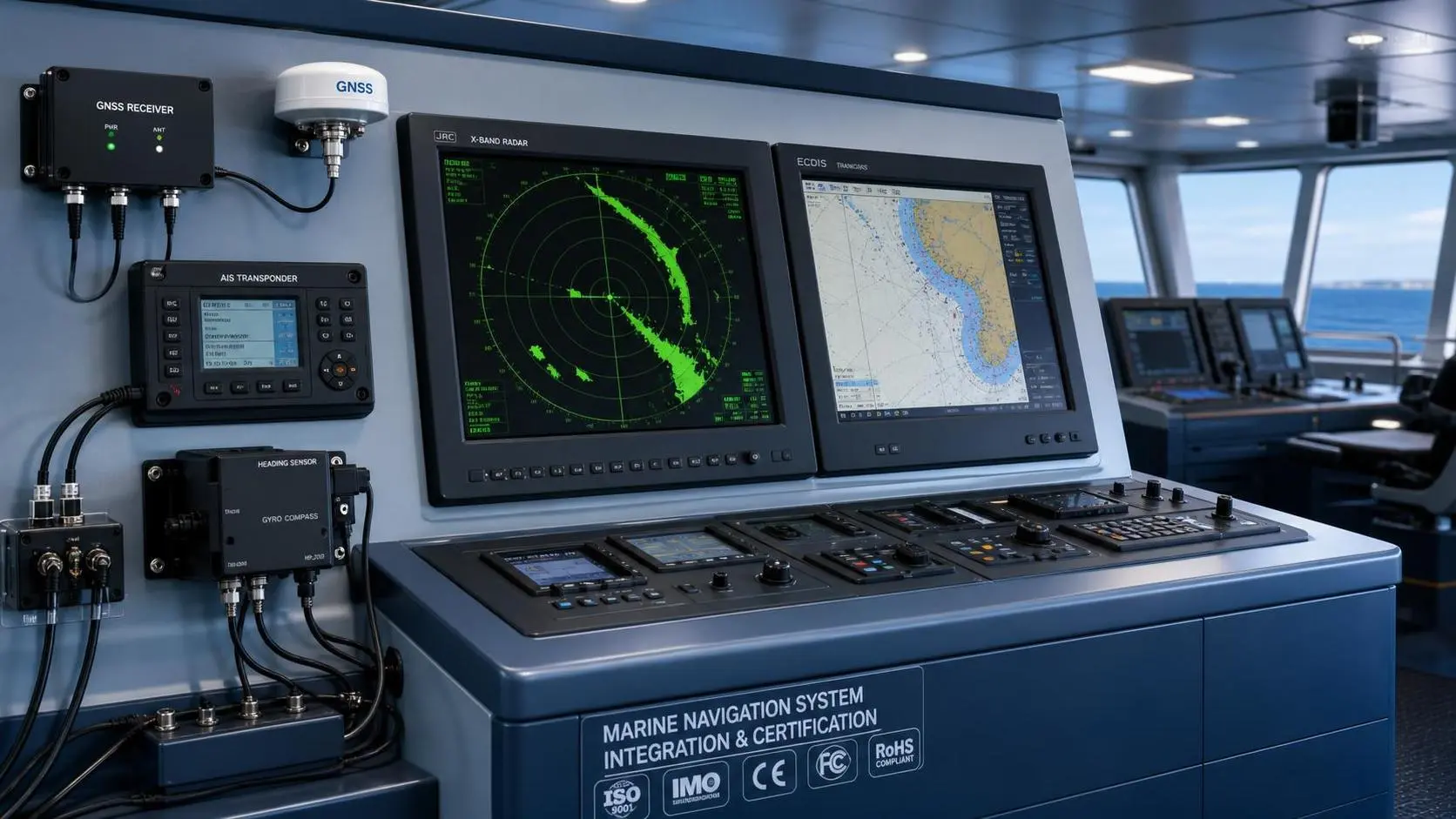
Navigation Compliance Certification: Which Marine Systems Need It and How to Prepare?
Navigation compliance certification explained: discover which marine systems need approval, what documents matter, and how to prepare early to avoid delays, rework, and costly project risks.

How to Evaluate Steel Auto Body Stampings for Strength, Fit, and Cost
Steel auto body stampings should be judged by strength, fit, and total cost together. Learn how to compare materials, forming limits, springback, joining, and tooling before choosing.

How to Evaluate Lightweight Automotive Components for EV Range and Crash Performance
Lightweight automotive components for EVs: learn how to evaluate real range gains, crash performance, joining risk, and manufacturability to choose safer, smarter EV parts.

How to Evaluate Airbag Components for OEM Safety Performance and Compliance?
Airbag components evaluation guide for OEM teams: compare deployment performance, inflator consistency, compliance evidence, and supplier traceability to reduce safety risk and choose with confidence.
Related News
- 00
0000-00
How to Evaluate Cargo Marine Sonar Systems for Detection Range and Vessel Fit - 00
0000-00
How to Evaluate Marine Signal Processing Software for Radar and Sonar Integration - 00
0000-00
How Do Automatic Identification Systems Improve Vessel Tracking and Collision Avoidance? - 00
0000-00
How to Choose Marine Navigation Systems for Patrol Boats in Coastal and Offshore Missions - 00
0000-00
Marine Electronics Systems Distributor Selection: 7 Checks Before You Compare Quotes
Weekly Insights
Stay ahead with our curated technology reports delivered every Monday.